If you ask a Taiwanese elder what embodies the true spirit of their island, they likely won't point you toward the neon heights of Taipei 101. They won't mention the frantic energy of the night markets or the high-speed rail. Instead, they will pour a small, thimble-sized cup of something amber, steaming, and deeply fragrant, push it toward you with both hands, and say simply: "Try."
That humble cup—and the mist-shrouded mountain terroirs from which it was harvested—is the authentic Taiwan most international travelers never truly encounter. As the spring harvest wraps up in the lower valleys and high-mountain pickers begin their dawn ascents into the clouds, there has never been a more perfect moment to slow down your pulse and drink your way through the island’s living heritage.
Welcome to Taiwan’s sacred tea highlands. Bring an empty schedule, an open mind, and a deeper breath.
Why Taiwan Oolong? Deciphering an Unreplicable Alpine Terroir
In the global beverage landscape, specialty coffee dominates Western headlines and bubble tea commands social media feeds. Yet, the quiet, unembellished truth remains: Taiwan produces some of the most coveted, chemically complex oolong teas in the world. At exclusive auctions in Tokyo, Hong Kong, and San Francisco, single-lot Taiwanese high-mountain teas command prices that would startle a collector of Grand Cru Burgundy wine.
The secret lies in an extraordinary combination of natural anomalies: subtropical humidity, mineral-rich volcanic soils, and a spine of mountains that rapidly climb beyond 2,000 meters. This unique intersection of microclimates creates a distinct terroir that master tea makers across mainland Asia openly admit cannot be replicated anywhere else on Earth.
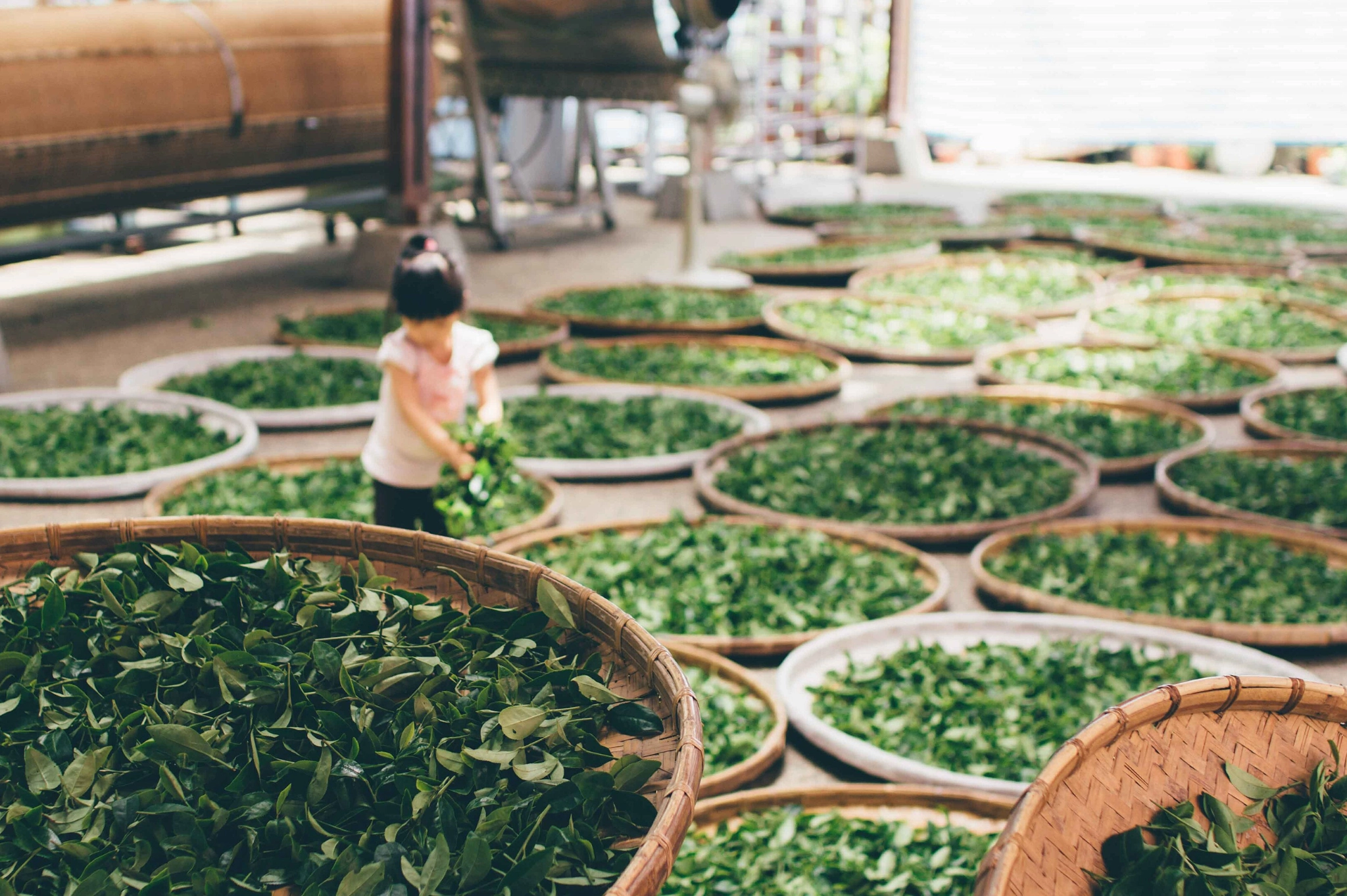
May is the absolute zenith of this agricultural masterpiece. The spring harvest at mid-elevation estates—famed for cultivating Jin Xuan (milky oolong), Four Seasons Spring, and the exquisite Baozhong of Pinglin—is just concluding. Leaves plucked in April have undergone rigorous manual bruising, oxidation, and precision roasting. Meanwhile, up in the alpine cloud zones of Alishan, Lishan, and Dayuling, pickers are ascending the slopes at 4:00 a.m. to harvest leaves still sparkling with mountain dew. By late May, these pristine spring high-mountain oolongs (Gaoshan Cha) hit the market, sending Asian tea sommeliers into a flurry of procurement.
For the discerning traveler, this yields a rare luxury: you can walk into a specialized boutique in Taipei today and sip a tea that was a living leaf on a remote mountainside just few months ago. The freshness is intensely vibrant—tasting simultaneously of sweet cut grass, wild lilies, and warm, unctuous butter.
The 5 Definitive Tea Highlands: A Connoisseur’s Pilgrimage
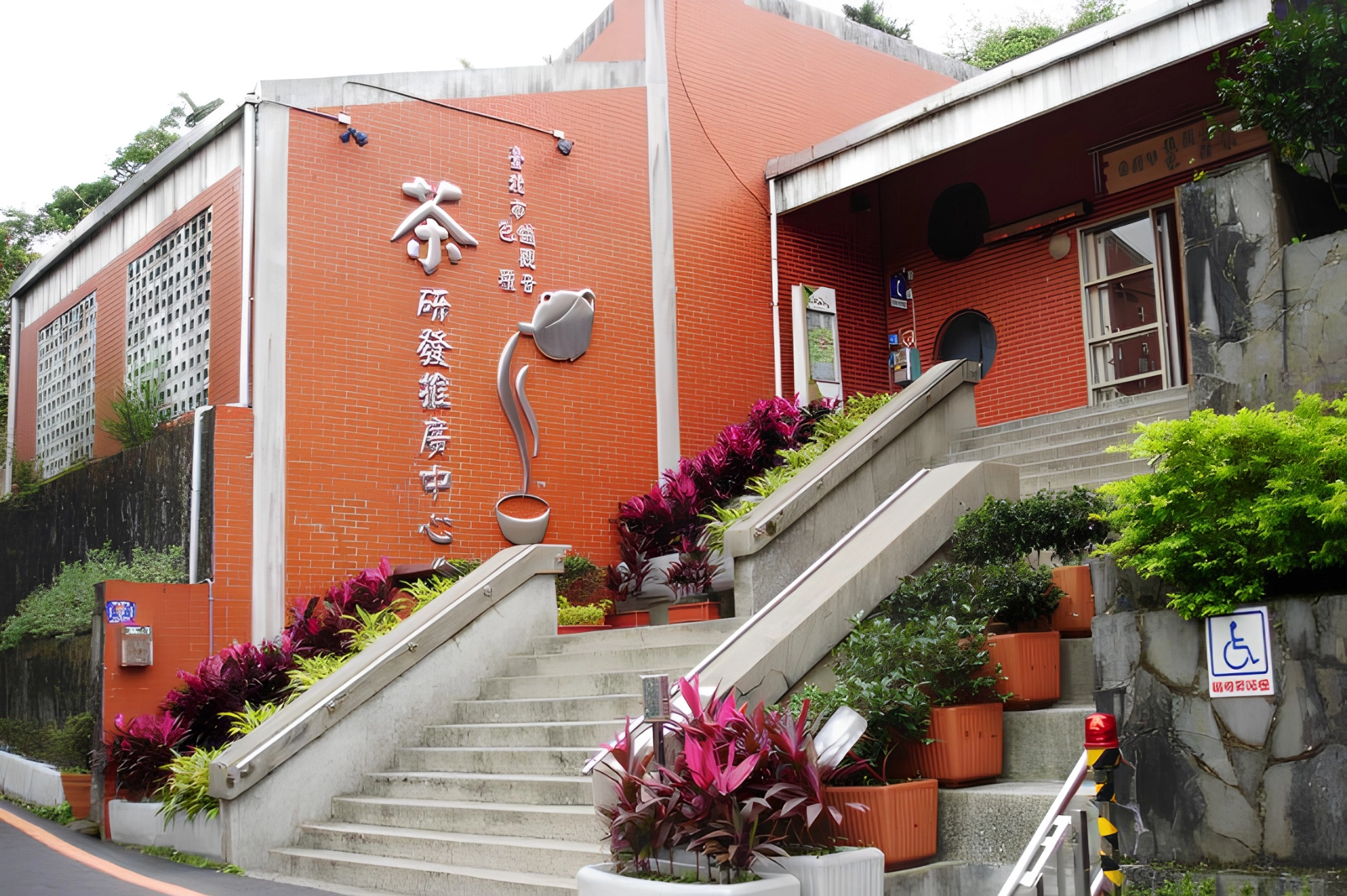
Maokong: The Panoramic Bastion of Traditional Tieguanyin
For those embarking on their very first tea journey, the ideal gateway requires no intense wilderness training. It demands only a 20-minute ride on the Taipei MRT Wenhu Line to the Taipei Zoo Station.
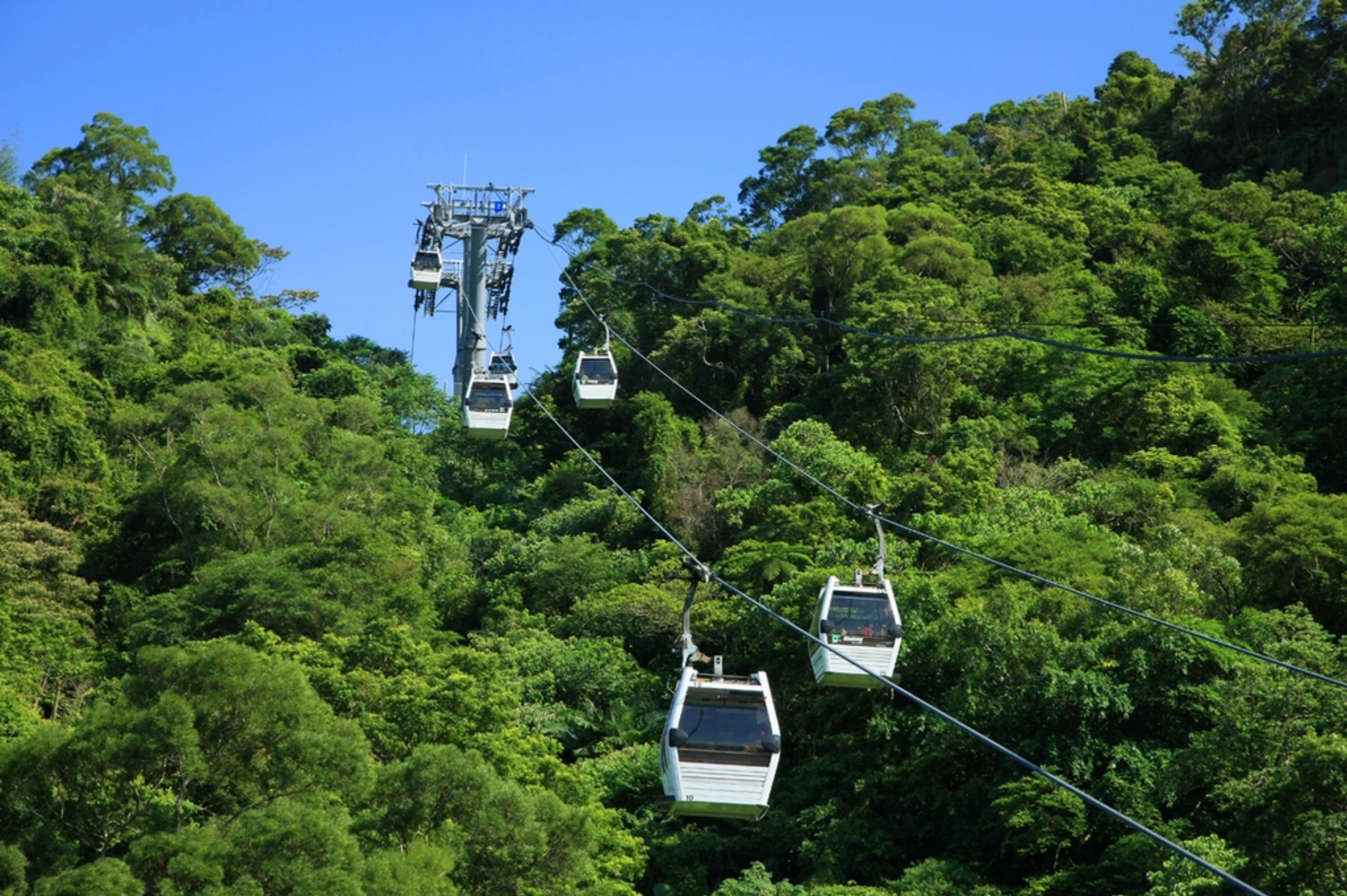
From there, you board the Maokong Gondola—a 4-kilometer aerial cable car that whisks you away from urban concrete into an emerald sanctuary. The 25-minute ascent glides over dramatic ridges, offering sweeping views of terraced tea bushes planted in neat, geometric contours. For an unforgettable visual experience, opt for the "Crystal Cabin," featuring a reinforced glass floor that reveals swirling mountain mists passing directly beneath your feet.
The economy of Maokong revolves entirely around Tieguanyin (From the name of Buddhist deity Guanyin) variety. Unlike its lightly oxidized mainland counterparts, Taiwanese Tieguanyin undergoes a traditional, heavy charcoal-roasting process. This yields a deep amber elixir defined by rich notes of caramel, roasted almonds, and dried longan fruit. Dozens of family-run, open-air teahouses cling to the cliff sides, offering wooden observation decks, charcoal-fueled kettles, and spectacular evening vistas of the Taipei skyline glowing in the valley below.
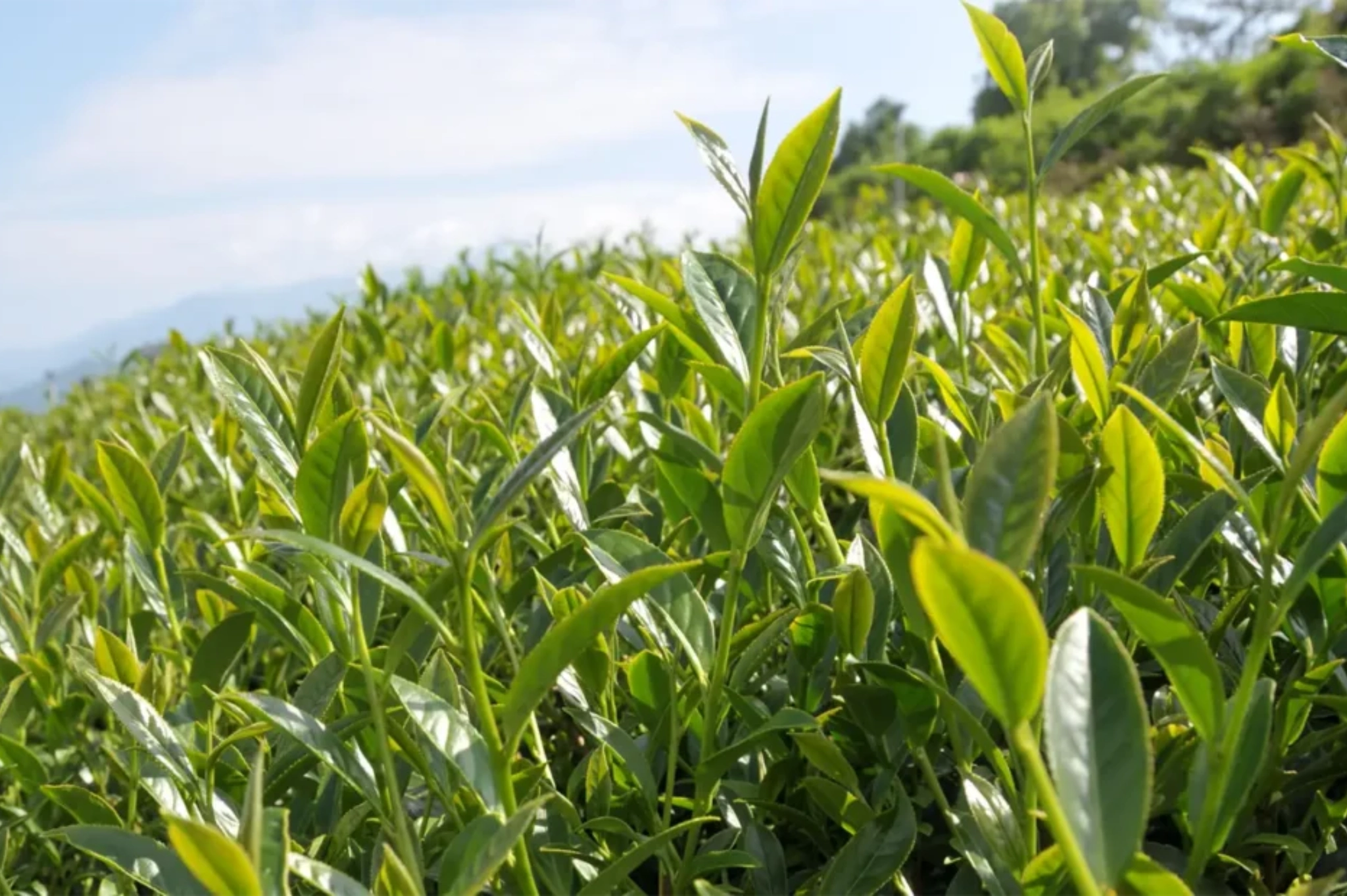
Pinglin: The Hidden cradle of Floral 文山包種 (Wenshan Baozhong)
If Maokong serves as the introductory course, Pinglin is the true epicurean pilgrimage—a mountain enclave that remains virtually untouched by mass Western tourism.
Located 50 minutes southeast of Taipei, Pinglin is cradled within the pristine, misty headwaters of the Beishi River. This valley is the spiritual homeland of Wenshan Baozhong Tea. An exceptionally delicate, lightly oxidized oolong (ranging strictly between 8% and 18% oxidation), Baozhong requires a level of micro-timing during processing that few master artisans worldwide can achieve. Roughly 90% of the world’s authentic Baozhong is grown within this single, protected valley.
The town is a living museum. Start at the Pinglin Tea Museum, a world-class facility dedicated to the chemistry of leaf fermentation, the migration of Fujianese cultivars across the Taiwan Strait in the 19th century, and the rigorous judging standards of modern competition tea. Afterward, walk down Pinglin Old Street, where multi-generational shopkeepers still hand-press historical tea cakes. Step inside any open door; local farmers will eagerly pour cup after cup, asking for nothing in return but your genuine appreciation and conversation. Don't miss the 𧊕網溪 (Buwang Creek) Riverside Trail and the natural Pinglin Cold Spring for an authentic slice of rural Taiwanese life.
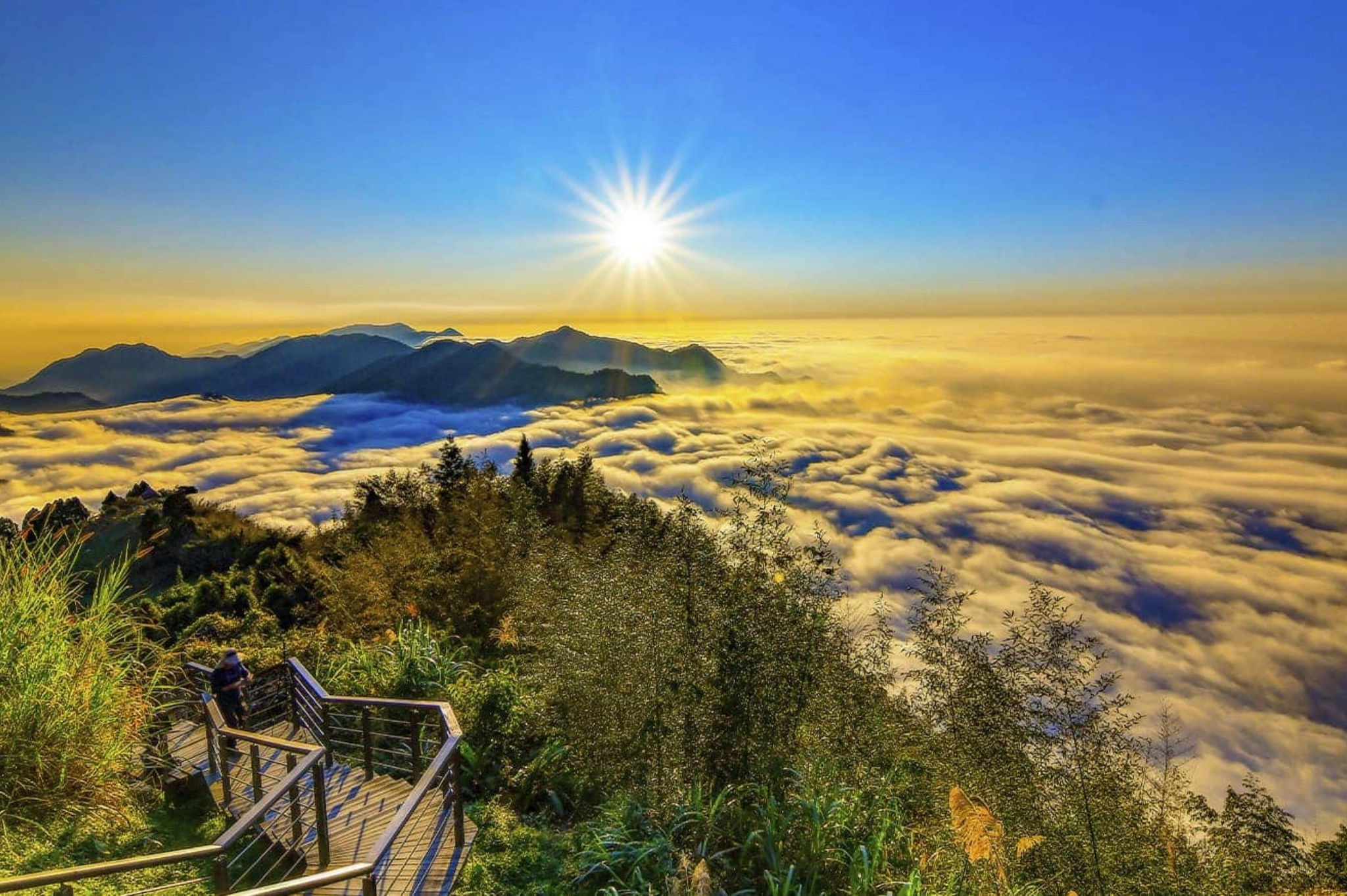
Alishan: Mist, Sunrises, and the Forest Railway (1,000m – 1,400m)
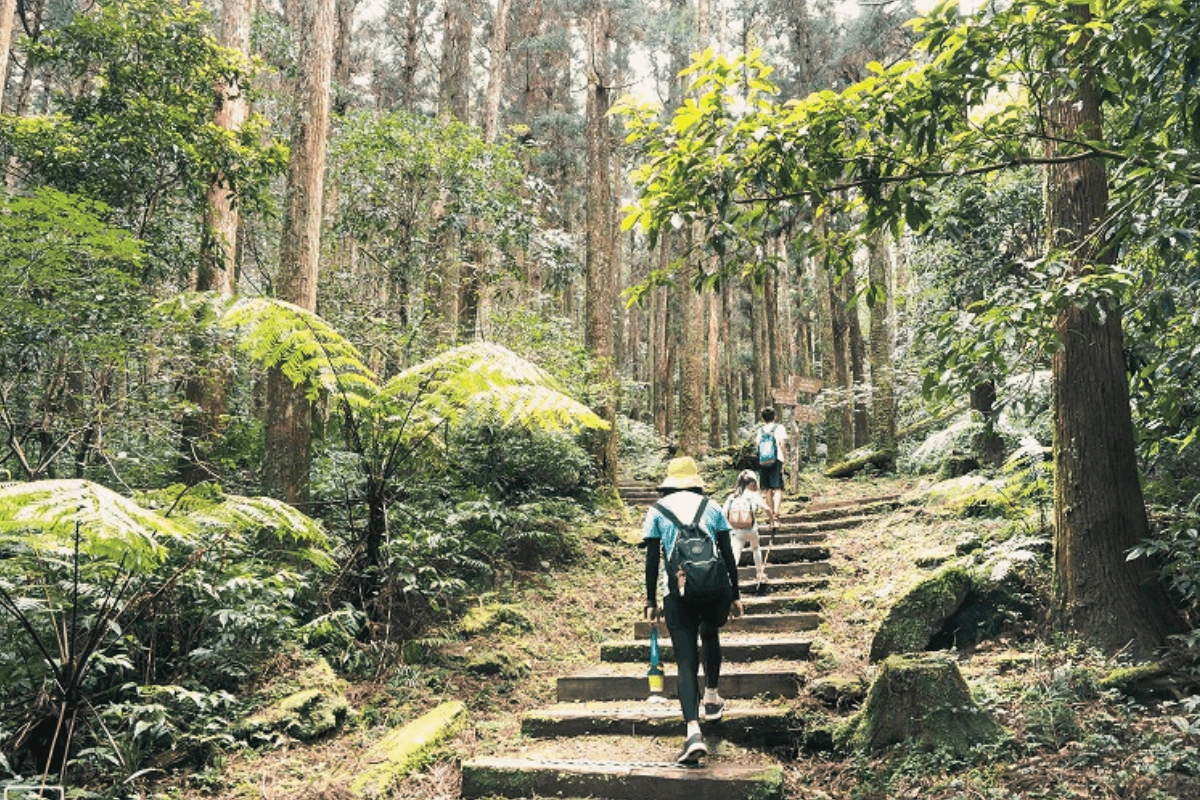
Alishan is the most iconic name in Taiwanese alpine agriculture. Reached via the historic narrow-gauge Alishan Forest Railway, this region produces high-mountain teas celebrated for their inherently floral sweetness and forgiving brewing nature. Staying overnight in traditional tea-farming villages like Fenchihu or Taihe allows you to witness the legendary "Sea of Clouds" sunrise. Walk through the steep, terraced estates at dawn to observe pickers harvesting the quintessential "one heart, two leaves" standard by hand.
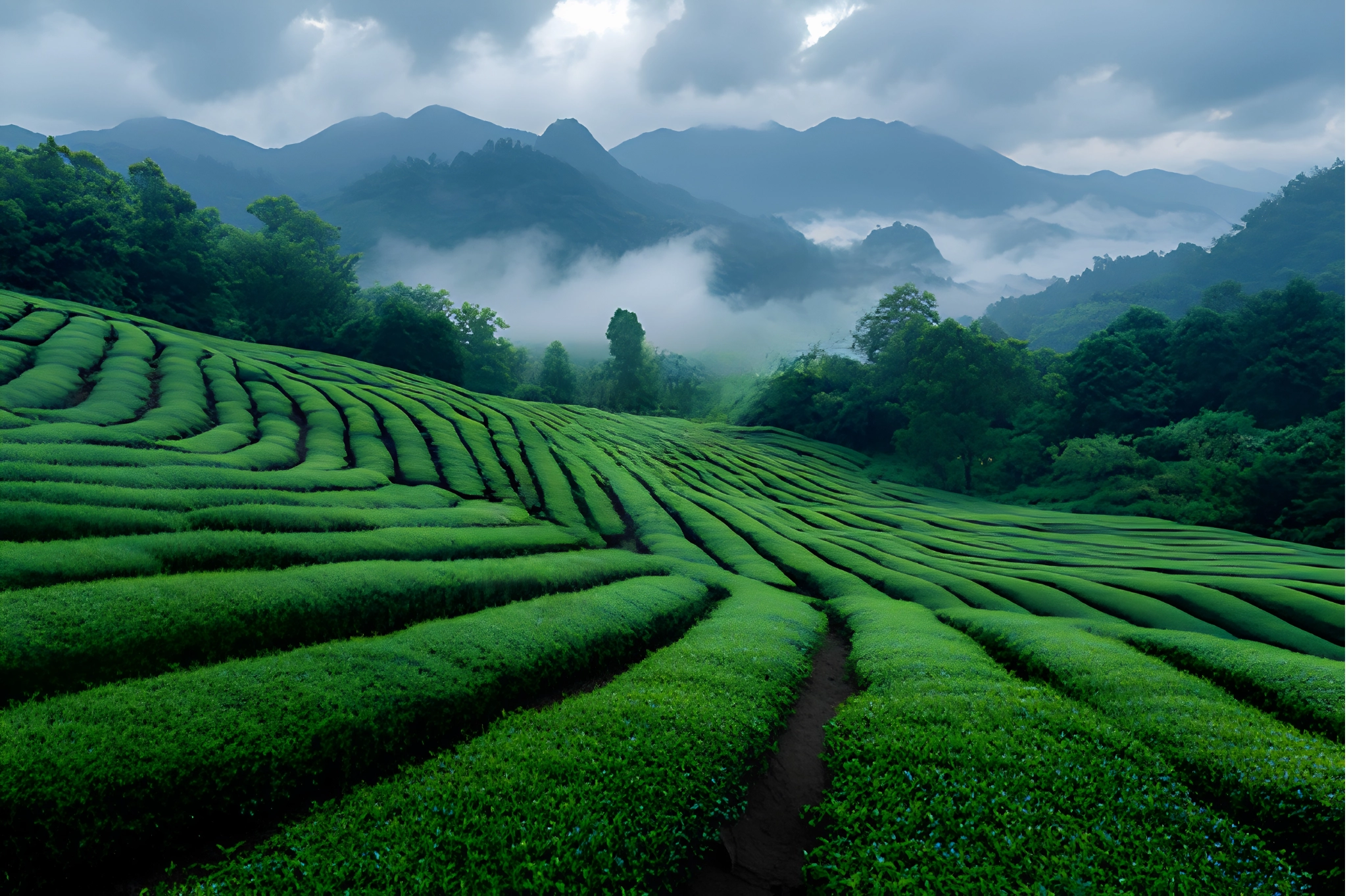
Lishan: Orchard-Infused Alpine Nectar (1,800m – 2,300m)
Lishan (Pear Mountain) is flanked by high-altitude orchards growing temperate apples, pears, and peaches. The tea trees grown here absorb the organic essence of this fruit-laden soil and the piercingly cold mountain winds. Because the extreme day-night temperature variations cause the leaves to grow at a glacial pace, they accumulate immense amounts of natural pectin. The resulting tea possesses a velvety, silk-like texture, an unmistakable "cold-peak aroma" (Leng Xiang), and a sweet, honeyed fruit finish that lingers on the palate for minutes.
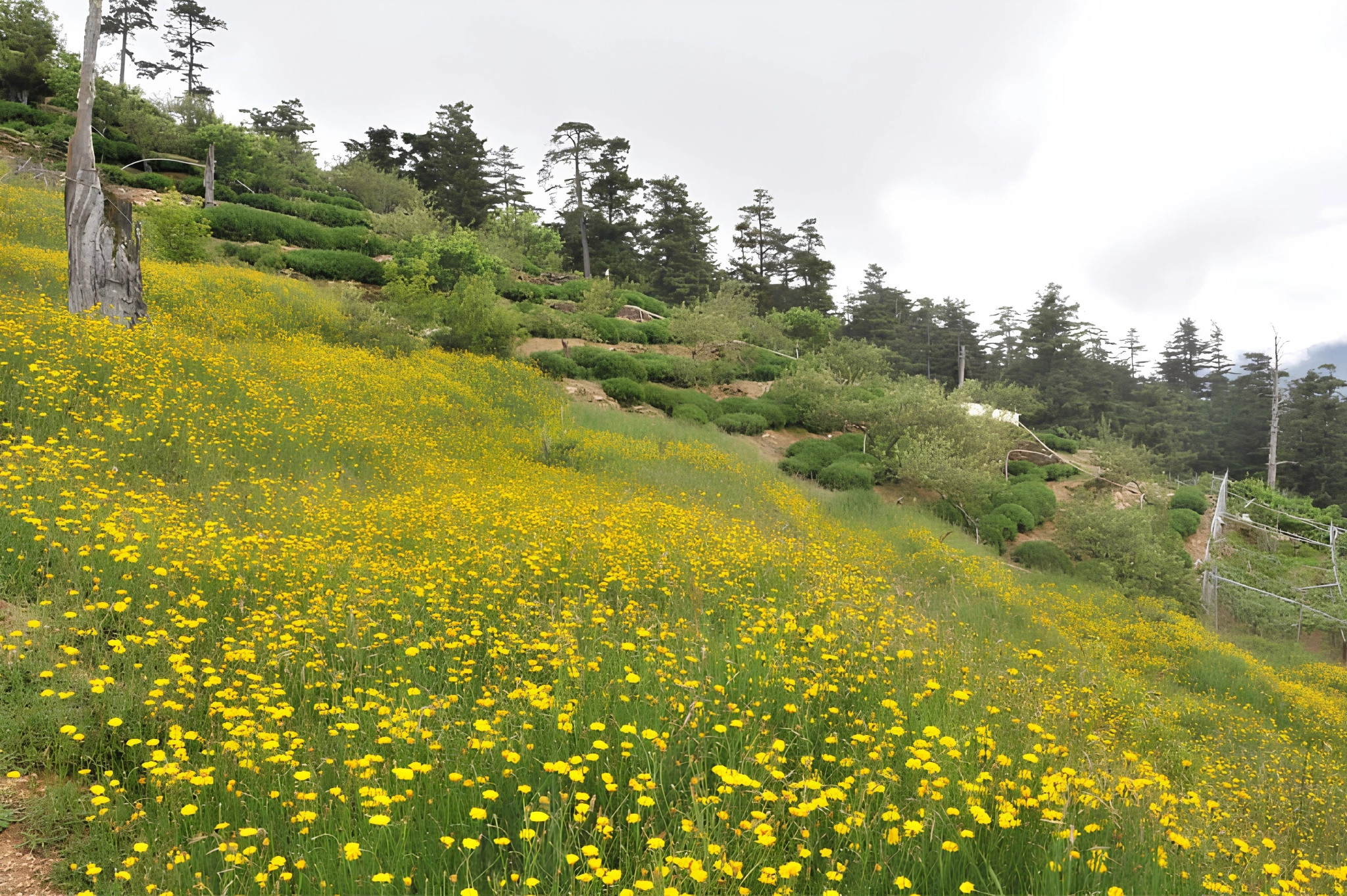
Dayuling: The Sovereign Peak of Global Viticulture (2,200m – 2,600m)
Dayuling stands unchallenged as the highest commercial tea-producing region on Earth. Operating under sub-freezing winter conditions, the tea bushes here survive in an environment of extreme natural stress, heavily concentrating their flavor compounds. Total seasonal yield is exceptionally low, making authentic Dayuling spring oolong a rare commodity sought by elite collectors worldwide. The tea is remarkably pale yet structurally powerful, delivering a flavor profile characterized by pristine mountain spring mineral notes and deep pine undertones.
Anatomy of the Gongfu Cha (功夫茶) Ritual
When stepping into a traditional Taiwanese teahouse, the array of small clay pots, porcelain aroma cups, bamboo tongs, and water basins can feel intimidating to a Western traveler. Do not worry. The local tea community approaches the ancient ritual of Gongfu Cha (Skillful Tea Brewing) with warmth and accessibility. Here is the foundational sequence to guide your experience:
- Warming the Vessel & The Awakening (The Rinse): Pour boiling water over your clay teapot (typically crafted from unglazed Yixing or local Zisha clay) and porcelain cups to stabilize their temperature. Place the tightly rolled oolong pearls into the pot and add hot water. Pour this initial infusion out within 15–20 seconds; this does not serve as your drink, but rather "awakens" the leaves, prompting the tightly rolled spheres to unfurl.
- The Evolution of Infusions: For subsequent steepings, adjust your timing meticulously: 30 seconds for the second pour, 45 seconds for the third, and 60 seconds for the fourth. Because premium oolong changes structural properties as it opens, each steep unveils completely different aromatic profiles—shifting beautifully from bright, crisp florals to deeper, honeyed stone-fruit notes. The third and fourth infusions are universally regarded as the peak of the session.
- The Sensory Sequence: Pour the tea into the elongated "Aroma Cup" first, then invert it into the shallow "Tasting Cup." Lift the empty aroma cup and gently roll it between your palms, inhaling the concentrated fragrances trapped in the porcelain. Then, take small, aerated sips of the tea, allowing the liquid to glide across your entire tongue to experience the full body and Huigan (the sweet, returning throat-resonance).
- Cultural Etiquette: If your host refills your cup, it is polite to tap your index and middle fingers twice on the table—a silent gesture of gratitude known as the "Finger Kowtow." Most importantly, never request milk or sugar when drinking premium loose-leaf oolong. In Taiwan's culinary culture, doing so completely masks the hard-won terroir and craftsmanship of the leaves.
Sustainable Luxury & The New Era of Travel
In an era where global travel can frequently feel transactional, digitized, and rushed, the misty tea valleys of Taiwan offer an authentic antidote. The multi-generational farmers tending these remote slopes operate on a temporal rhythm that completely predates the modern smartphone. The cup placed before you is the culmination of an uninterrupted chain of human mindfulness stretching back over a century.
To sit quietly above the clouds, watching the mists roll across alpine valleys while cradling a warm bowl of oolong, is to understand the true philosophy of slow travel. It is a journey that moves away from superficial sightseeing and shifts toward profound cultural preservation and personal restoration.
FAQ
Q1: When exactly is the absolute best time of year to visit Taiwan’s tea regions?
Premium high-mountain teas are harvested primarily twice a year: Spring (mid-May to early June) and Winter (late October to late November). If your goal is to experience vibrant, highly active floral aromas, exceptional sweetness, and to see active processing facilities, planning your journey close to these periods is ideal.
Q2: How can independent foreign travelers access Pinglin or Maokong without renting a car?
Both regions feature exceptional public transit connectivity:
Maokong: Take the Taipei MRT Wenhu Line directly to its terminus at "Taipei Zoo Station," where you can seamlessly transition to the Maokong Gondola up the mountain.
Pinglin: Take the MRT Xindian Line to "Xindian Station." Right outside the exit, board the Green 12 Bus. It departs hourly, costs less than a cup of coffee, and winds through scenic mountain roads directly to Pinglin Old Street in roughly 50 minutes.
Q3: What scientifically differentiates High-Mountain Tea (Gaoshan Cha) from standard oolongs?
In Taiwan, the designation "Gaoshan Cha" is legally and culturally restricted to teas grown at elevations exceeding 1,000 meters above sea level. The extreme altitude introduces dramatic day-night temperature swings and consistent afternoon fog, which reduces the plant’s synthesis of bitter catechins (tannins) while heavily boosting the concentration of sweet L-theanine and natural amino acids. The result is a radically smoother cup with no harsh astringency.
Q4: How can I ensure I am purchasing authentic, premium tea rather than counterfeit products?
When shopping in metropolitan markets or rural hubs, adhere to these professional criteria:
Visual Inspection: High-grade loose-leaf oolongs should be tightly rolled, uniform in size, and exhibit a rich, glossy dark-green or emerald hue.
Liquor Clarity: Once brewed, the tea must be perfectly translucent and bright, completely free of cloudiness or heavy sediment.
Aroma Authenticity: The scent should unfold gradually across multiple steepings. Avoid teas that strike you with an immediate, overwhelming perfume scent on the first pour, as this often indicates artificial flavoring agents.
Certification Labels: Look for official government-backed traceability stickers, organic certifications, or verified seals from regional competition committees.
Q5: What is the correct protocol for storing premium oolong tea once I return home?
Unopened, vacuum-sealed foil packages can remain shelf-stable in a cool, dark, and odor-free pantry for up to two years. However, once the vacuum seal is broken, you should consume the leaves within 3 months. Store them in a dedicated, airtight tin or ceramic container. Avoid refrigeration unless you can guarantee a flawless, moisture-free seal, as cold tea leaves act as natural dehumidifiers and will instantly absorb food odors and ambient condensation.
Q6: Are there any rigid social faux pas or behavioral taboos I should avoid during a tea session?
Taiwanese tea masters are highly accommodating and rarely take offense at accidental breaches of etiquette. The single definitive taboo is the alteration of premium oolong with additives like sugar, milk, or lemon. Unlike Western afternoon tea or English breakfast blends, premium high-mountain oolong is appreciated solely for its pure, unaltered natural state.
Q7: What is the most effective method for organizing an authorized tour that includes factory access?
To bypass generic tourist destinations and gain verified access to private, award-winning agricultural estates, look to premium operators such as Fresh International Travel Agency. Whether opting for multi-day itineraries that integrate high-end rail journeys or specialized cultural routes curated by Golden Travel Award-winning planners, these specialized agencies can coordinate direct entry to exclusive terroirs, private masterclasses with champion roasters, and overnight stays within working mountain estates.