High in the Altay Mountains of northern Xinjiang, where China borders Kazakhstan, Russia, and Mongolia, lies a hidden valley that travelers call the most beautiful village in the country. Its name is Hemu Village, and for three weeks every autumn, it transforms into Asia's premier alpine photographic landscape.
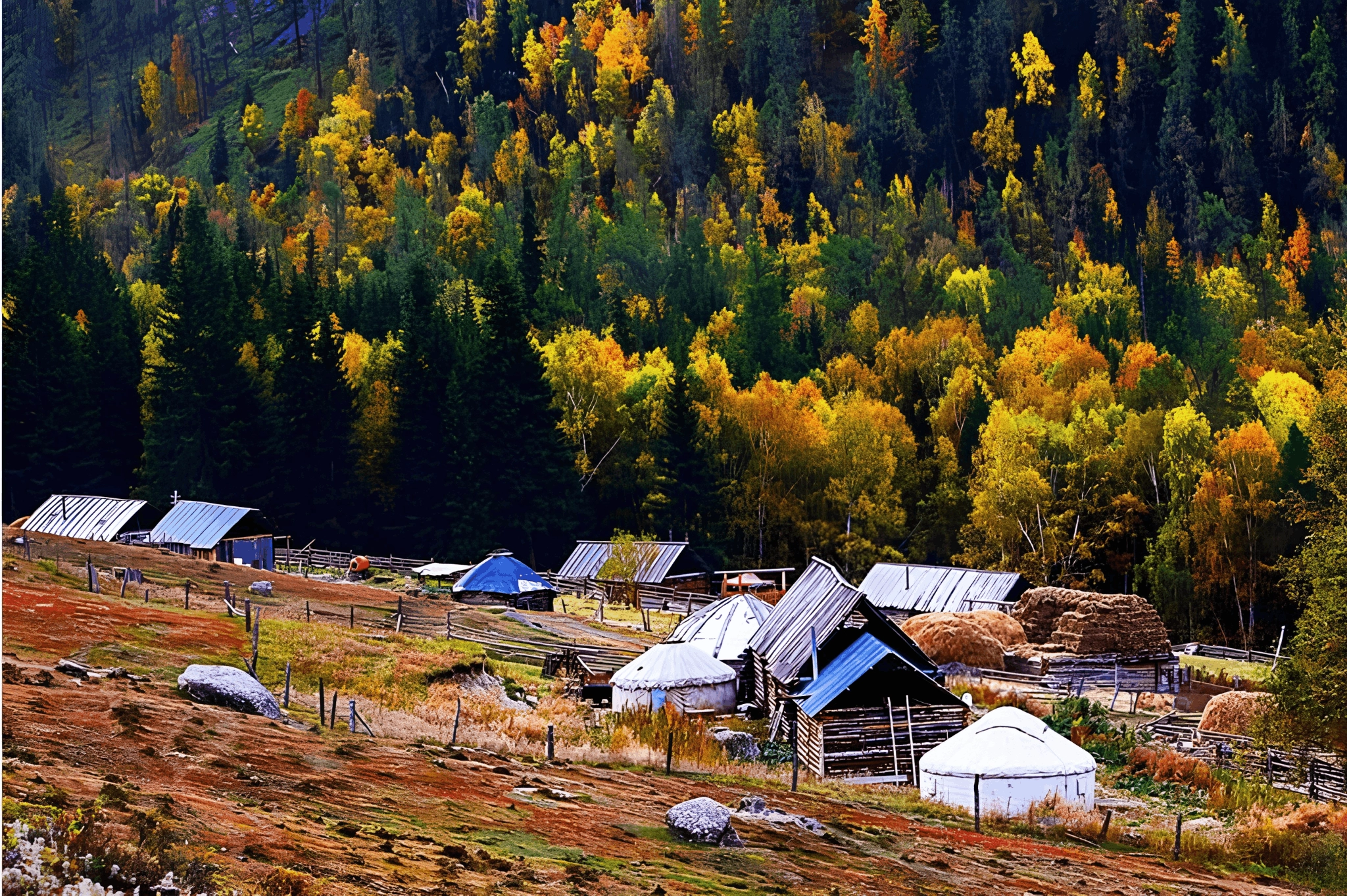
Picture several hundred hand-built log cabins of silvered spruce scattered across a river meadow. Behind them, hillsides of golden birch and larch blaze under the clear blue sky. On cold autumn mornings, river mist pools in the valley until the wooden houses seem to float on a lake of cloud, with golden treetops rising above. Viewing this scene at sunrise from the Morning-Mist Viewing Platform is why travelers journey thousands of kilometers to Altay.
A Living Sanctuary of the Tuvan People
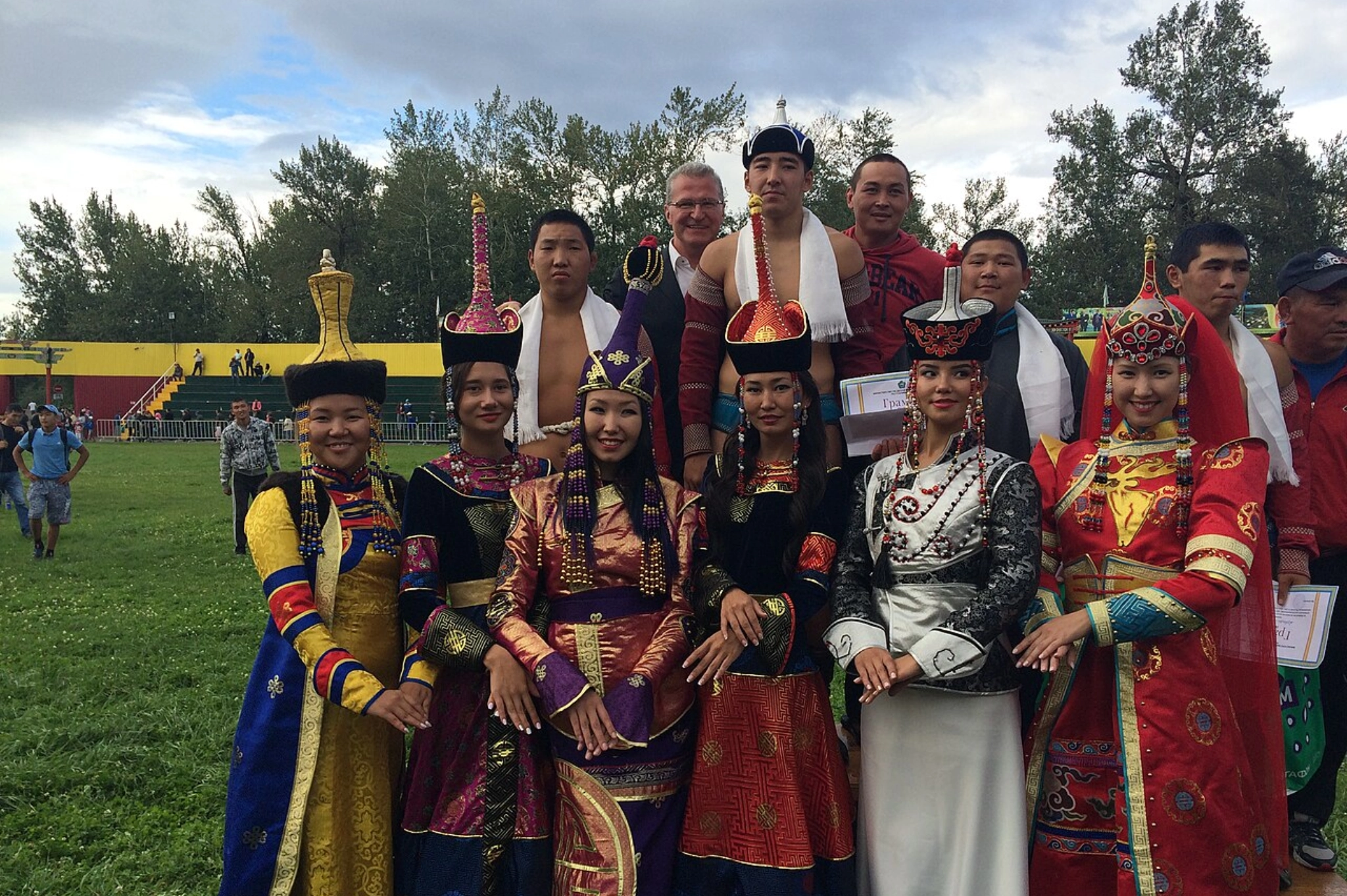
Hemu is not merely a photogenic backdrop; it is a living cultural sanctuary. It is one of only three remaining villages in China — alongside Kanas and Baihaba — inhabited by the Tuvan people. The Tuvans are a Turkic-Mongol ethnic subgroup numbering around two thousand in China. Local legend traces their ancestry to the soldiers of Genghis Khan’s western expeditions eight centuries ago, though their nomadic roots as forest hunters in the Altay region extend even deeper into history.
The Tuvans build their distinctive log cabins entirely from notched timber without using a single nail. They speak a Tuvan dialect closely related to the language of Siberian Tuva, practice Tibetan Buddhism alongside shamanism, and maintain ancient oral traditions. They are famous for throat singing (Khoomei) and playing the sur, an end-blown reed flute crafted from local wild plants. Staying at a local homestay offers visitors an opportunity to hear these ancient melodies performed around a stove after nightfall.
Why Late September Is the Peak Autumn Season

While Hemu retains scenic charm throughout the year, late September to early October offers an unforgettable travel experience. During these weeks, the birch forests turn brilliant yellow, the larches shift to deep amber, and fresh snow dusts the surrounding mountain peaks.
The stark temperature drop between night and day creates the signature morning mist along the Hemu River. Low morning sunlight sweeps across the valley, illuminating log walls, wooden fences, and haystacks. Photographers gather on the viewing ridge before dawn, then spend their days hiking through golden birch groves, crossing wooden footbridges, or riding horses across open meadows with Tuvan guides. By November, heavy snow arrives, marking the start of a quiet, sub-Arctic winter.
Top Activities in Hemu Village
Travelers in Hemu enjoy a relaxed pace focused on key daily moments: sunrise over the misty valley and the golden hour before sunset.
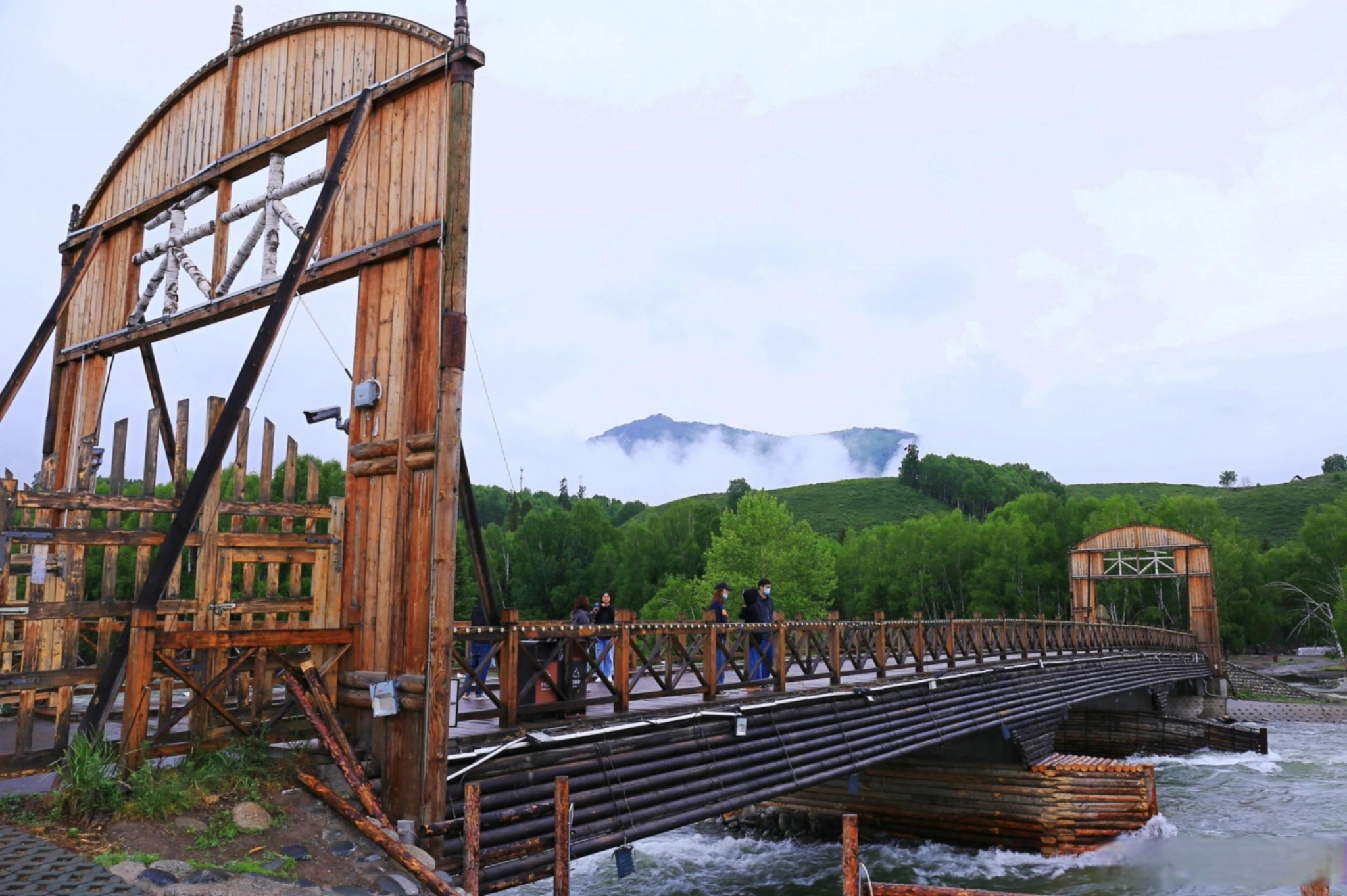
- Hemu River Boardwalk: Walk 2 to 3 kilometers along flat wooden boardwalks parallel to the turquoise Hemu River. This route offers an easy hike suitable for families and photographers.
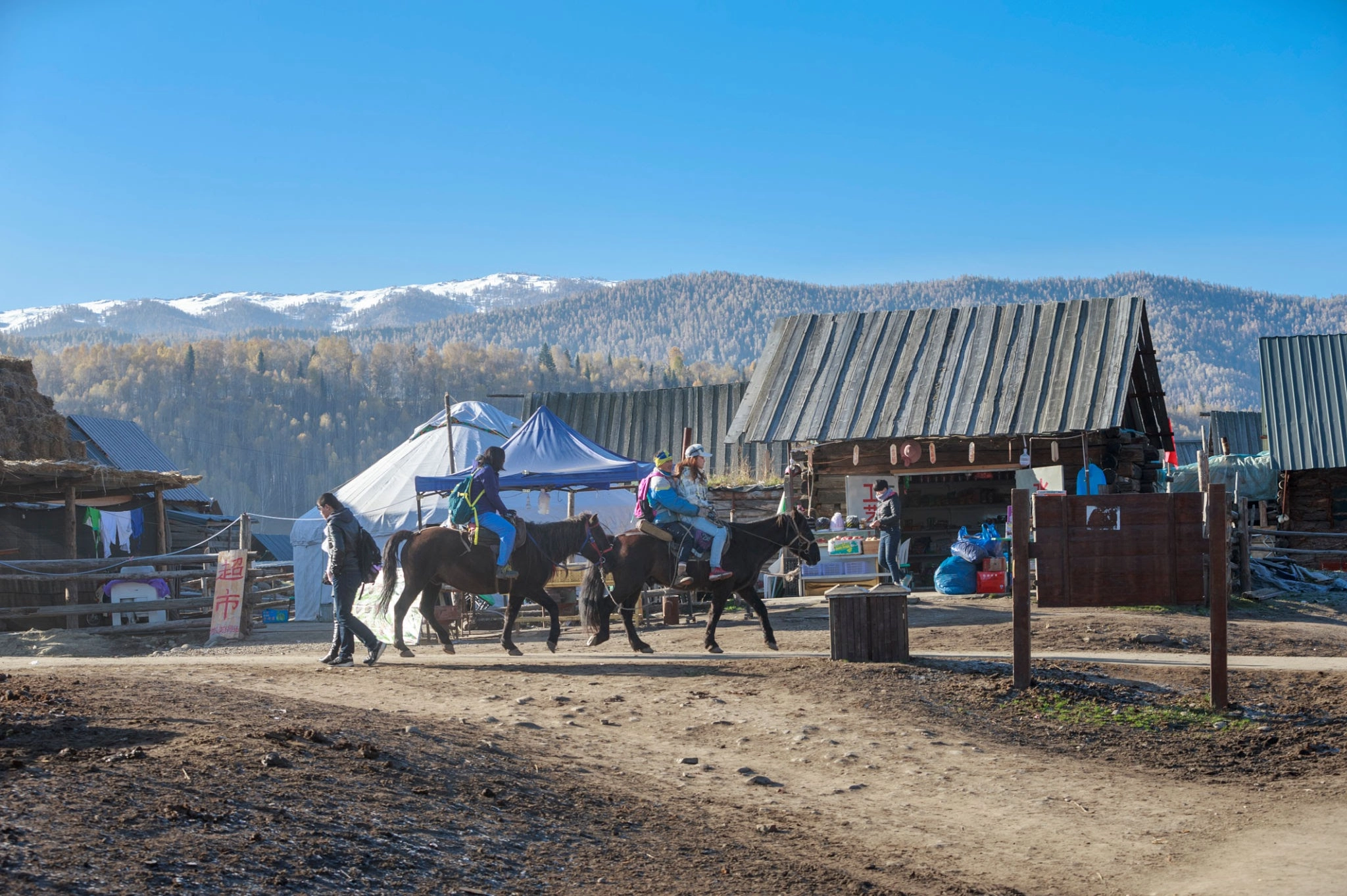
- Horseback Riding: Hire a local Tuvan or Kazakh horse guide to explore deeper birch forests and elevated pastures inaccessible by foot.
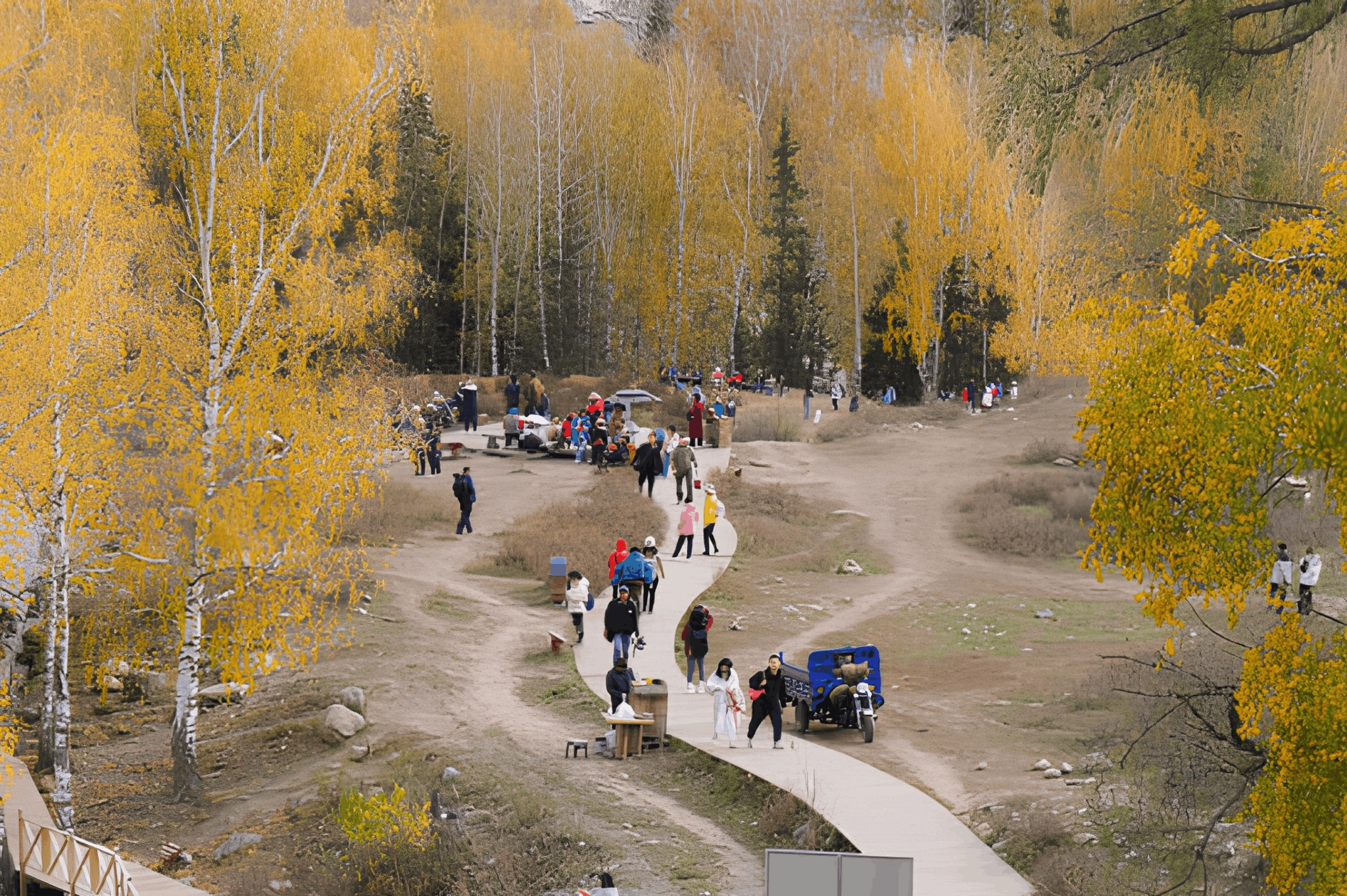
- Morning-Mist Ridge Trail: Hike up the wooden steps to the primary viewing platform early in the morning to capture the cloud-filled valley before the sun melts the mist.
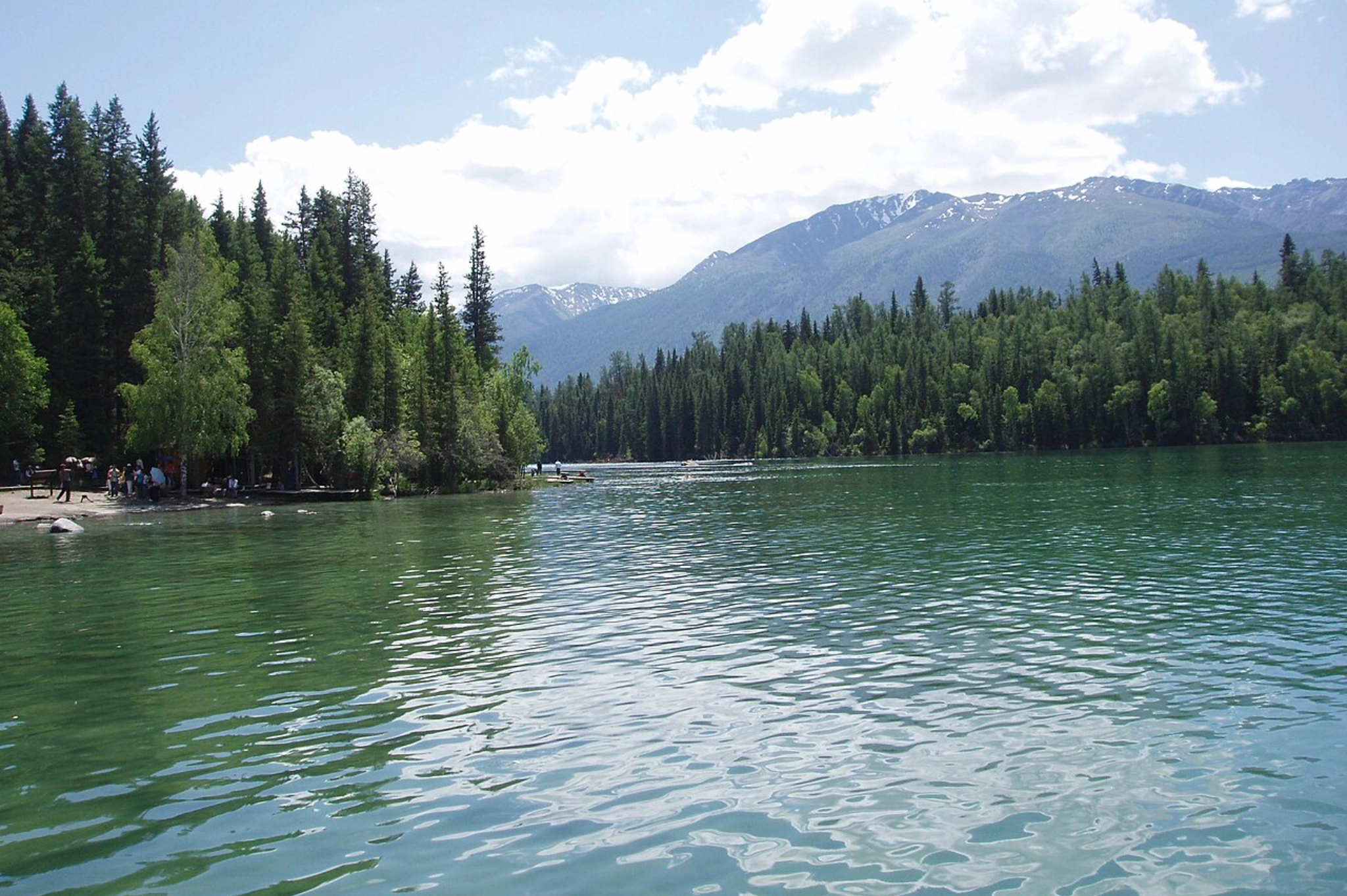
- Kanas & Baihaba Loop: Combine your Hemu stay with nearby Kanas Lake — renowned for its changing water colors and deep alpine fjord scenery — and Baihaba Village along the border fence.
Why Foreign Travelers Choose Hemu
For international travelers exploring the Silk Road, Hemu provides a peaceful alternative to commercialized tourist hubs. It combines authentic indigenous culture, preserved wooden architecture, and wilderness trails reminiscent of the Canadian Rockies or Siberian taiga.
The village offers fresh mountain air, dark night skies ideal for stargazing, and genuine hospitality. Visitors can sample regional dishes including homemade butter, hot milk tea, flatbreads, and slow-cooked mutton.
Practical Travel Information
- Location: Hemu Village, Burqin County, Altay Prefecture, Northern Xinjiang, China.
- Best Time to Visit: September 20 to October 10 for peak golden foliage and sunrise valley mist.
- Transport: Fly to Kanas Airport or Altay Airport, followed by a scenic highway transfer. Scenic area shuttle buses operate within the park.
- Accommodation: Book Tuvan wooden homestays or boutique guesthouses months in advance for autumn trips.
- Travel Permits: Foreign passport holders must arrange a Border Frontier Permit through licensed tour operators prior to entering border counties.