E mbark on an immersive 13-day Silk Road tour tracking the historic Hexi Corridor, a monumental cultural conduit bridging Chang'an (modern Xi'an) with the mystical Western Regions of Xinjiang. This curated itinerary is architected specifically for discerning global travelers seeking an authentic, zero-shopping cultural pilgrimage. From the birthplace of dynasties to the high-altitude alpine lakes of the Tianshan range, you will experience the architectural marvels, artistic masterpieces, and diverse ethnic tapestries that shaped over a thousand years of Asian civilization.
Xi'an · Hexi Corridor · Xinjiang
Xi'an, Hexi Corridor & Xinjiang Heritage
The 13-Day Silk Road Tour
Xi an, Hexi Corridor & Xinjiang Heritage - The 13-Day Silk Road Tour
Duration
13 Days
Next departure
Oct 25, 2026 · +12 more
From
$1,980 USD/pp
Booking
No payment today
THE ROUTE
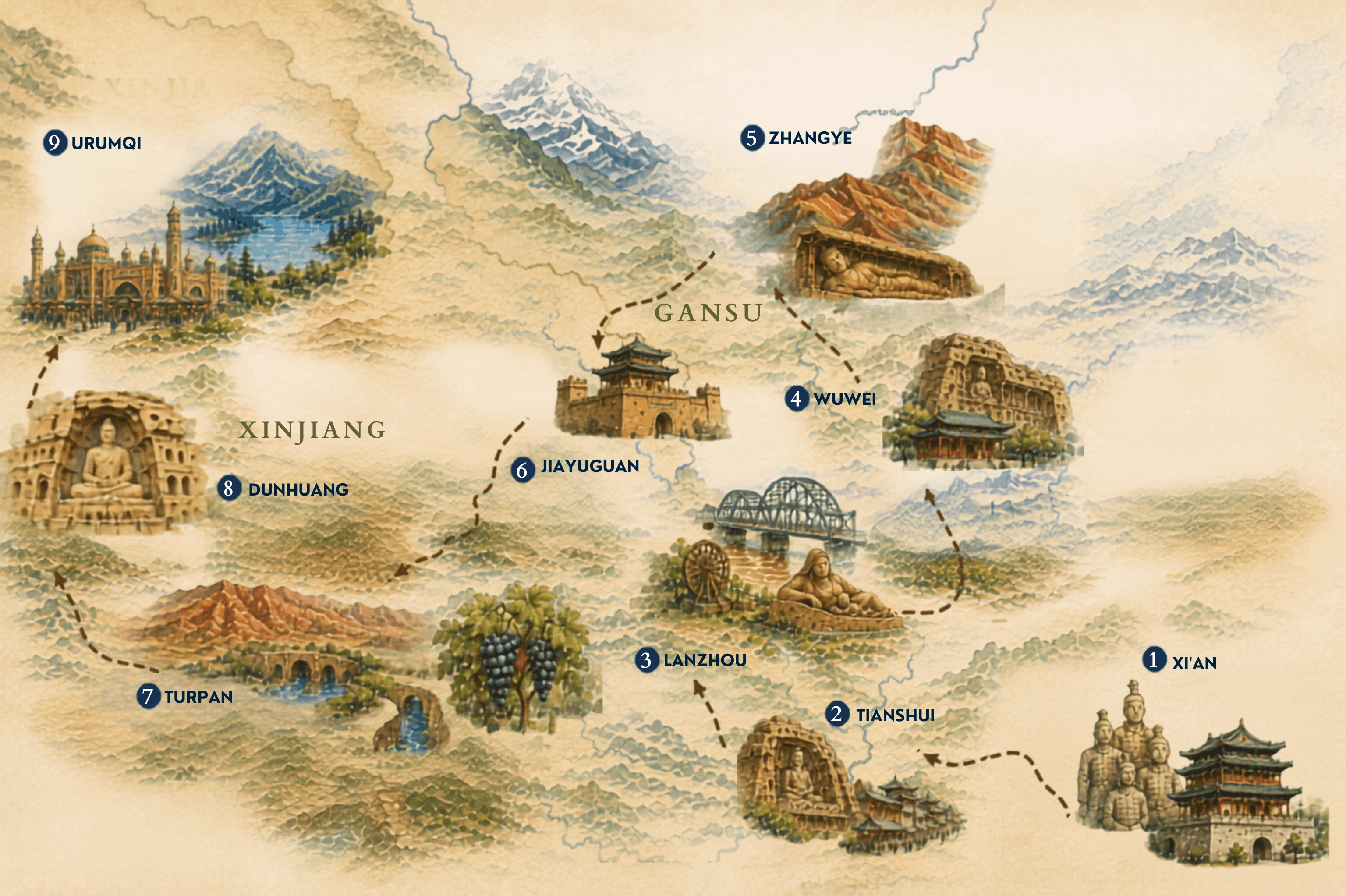
Itinerary Map
THE JOURNEY
Itinerary at a glance
Days 1–2
The Gateway of Dynasties
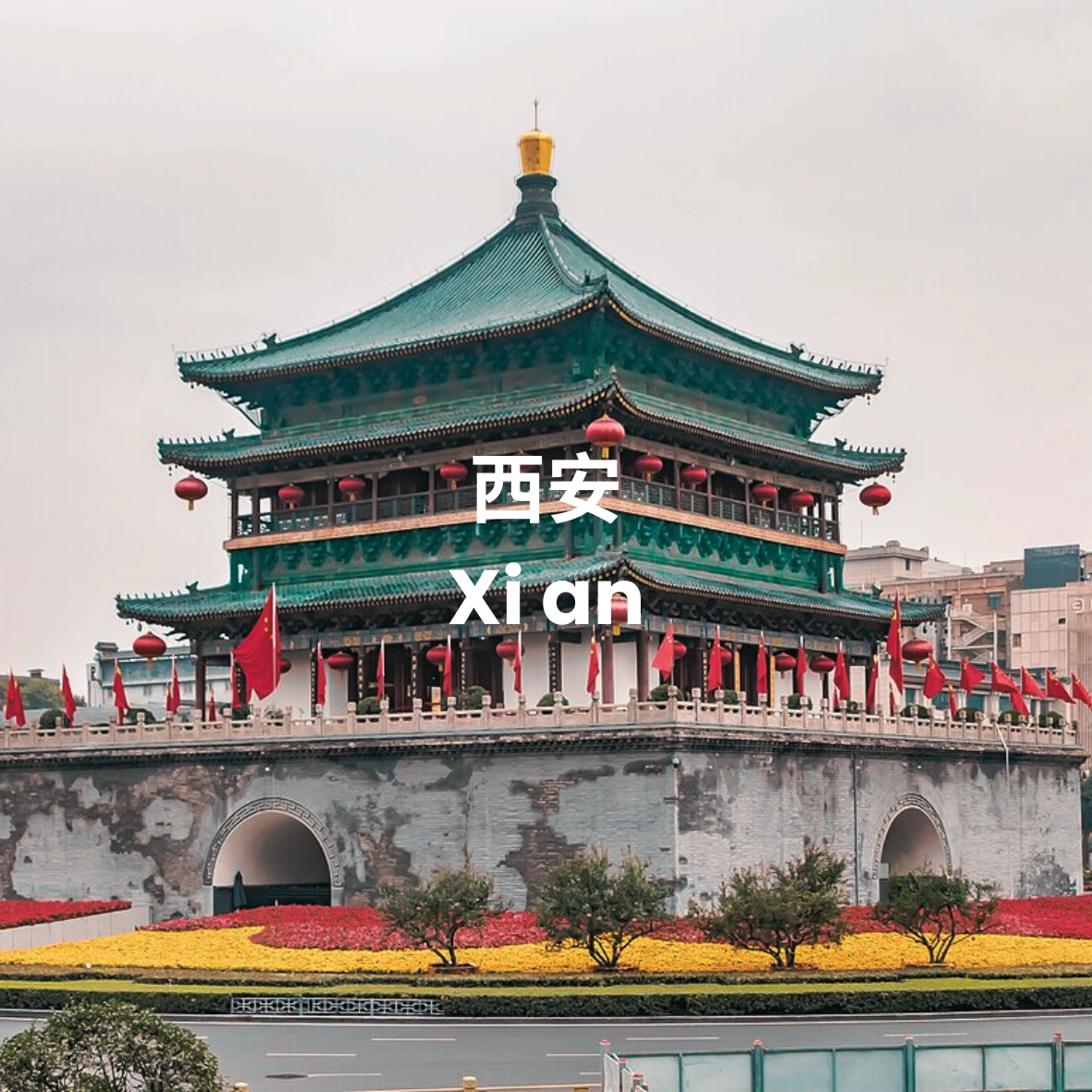
Your journey commences in Xi'an, the ancient capital of China for more than ten dynasties and the official starting point of the Silk Road. Nourished by eight historic rivers, this UNESCO "World Historical City" encapsulates China's imperial golden age.
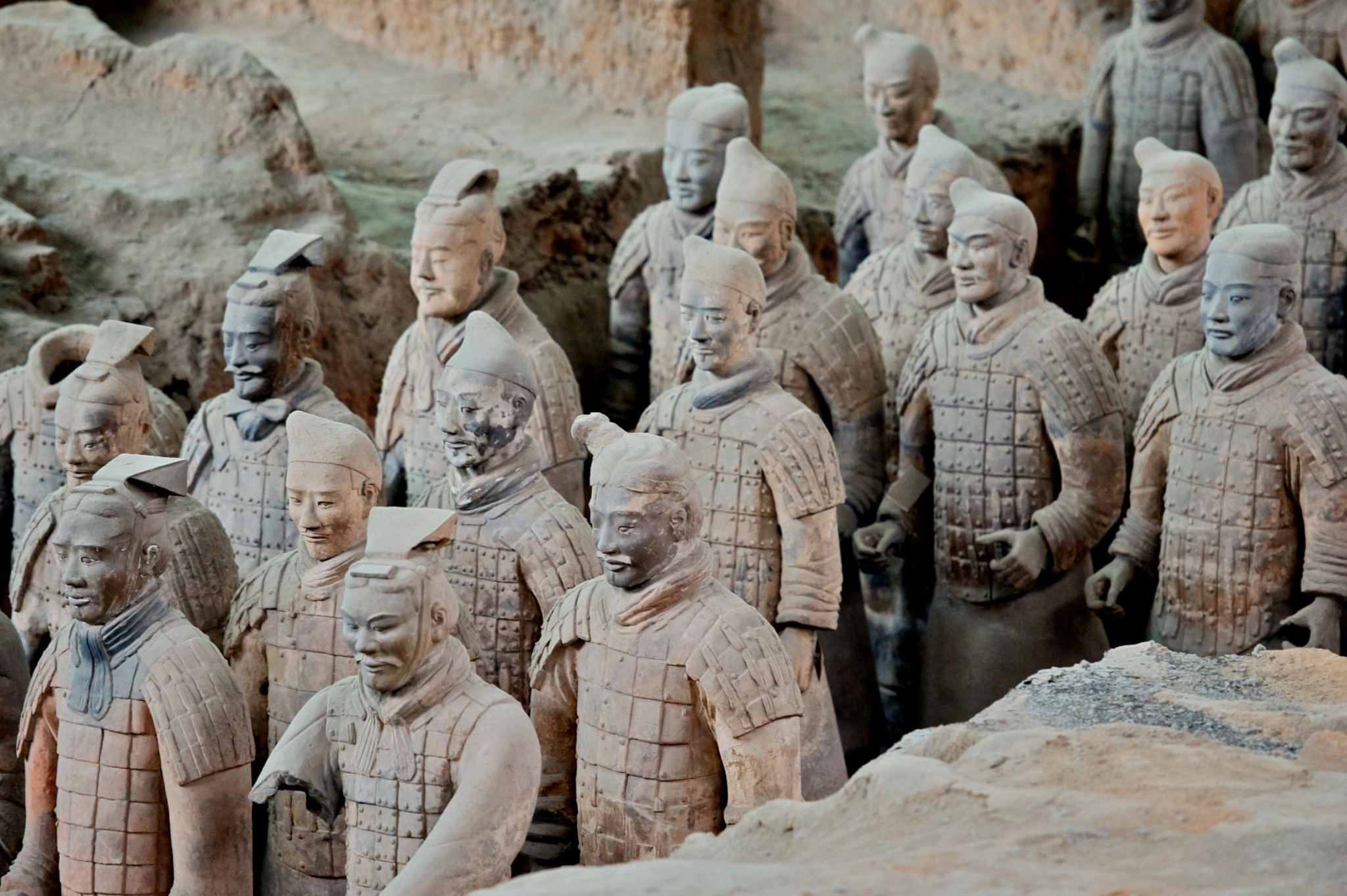
The Terracotta Army
Marvel at the funerary assemblage of Emperor Qin Shi Huang in Lintong District. Hailed as the "Eighth Wonder of the World". Discover the eternal guardians of the First Emperor and uncover unique facial expressions and secret details.
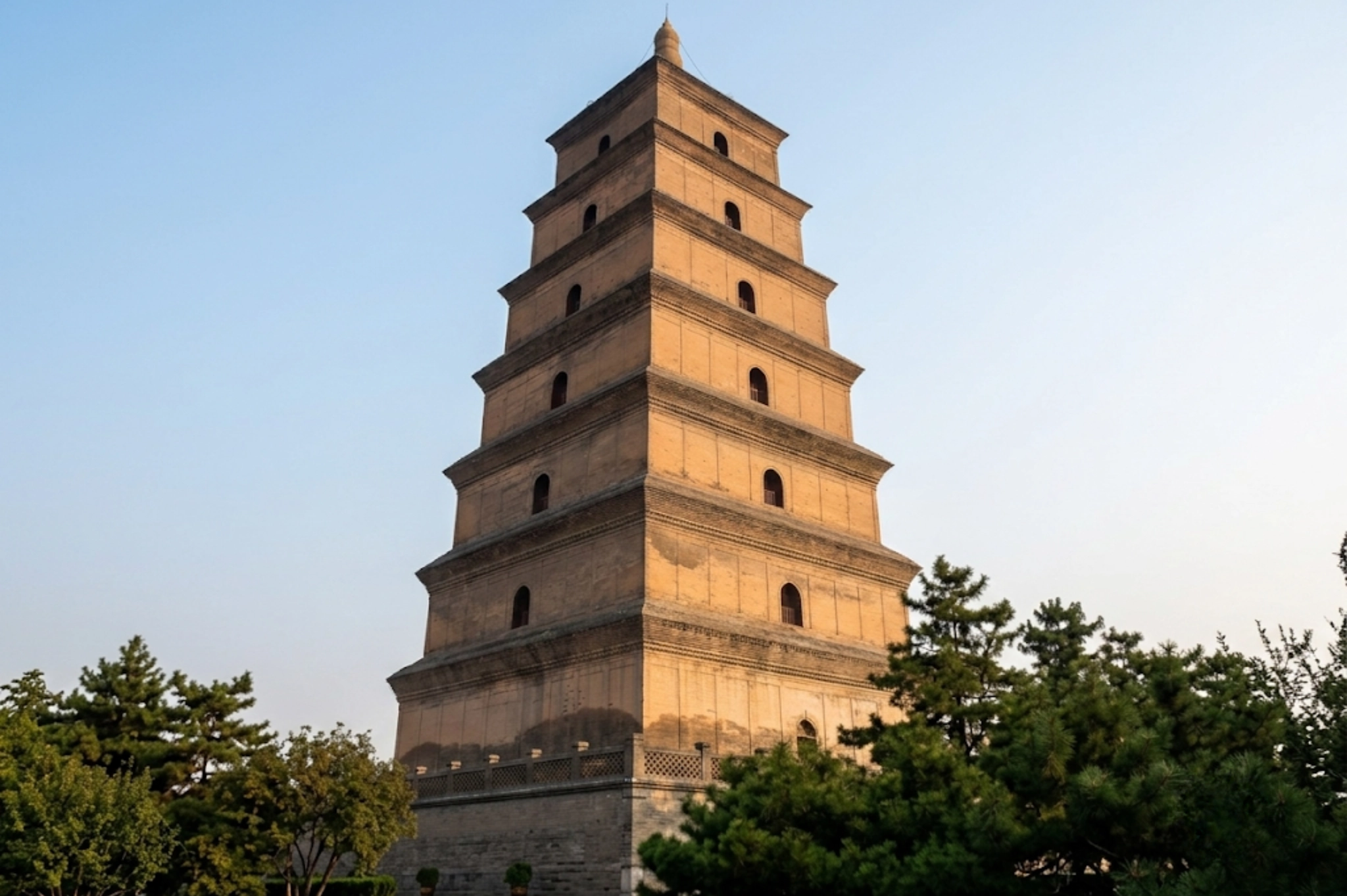
Da Ci'en Temple & Giant Wild Goose Pagoda
Walk the sacred grounds of the Faxiang School of Chinese Buddhism, the premier sutra translation center led by Master Xuanzang over 1,350 years ago.
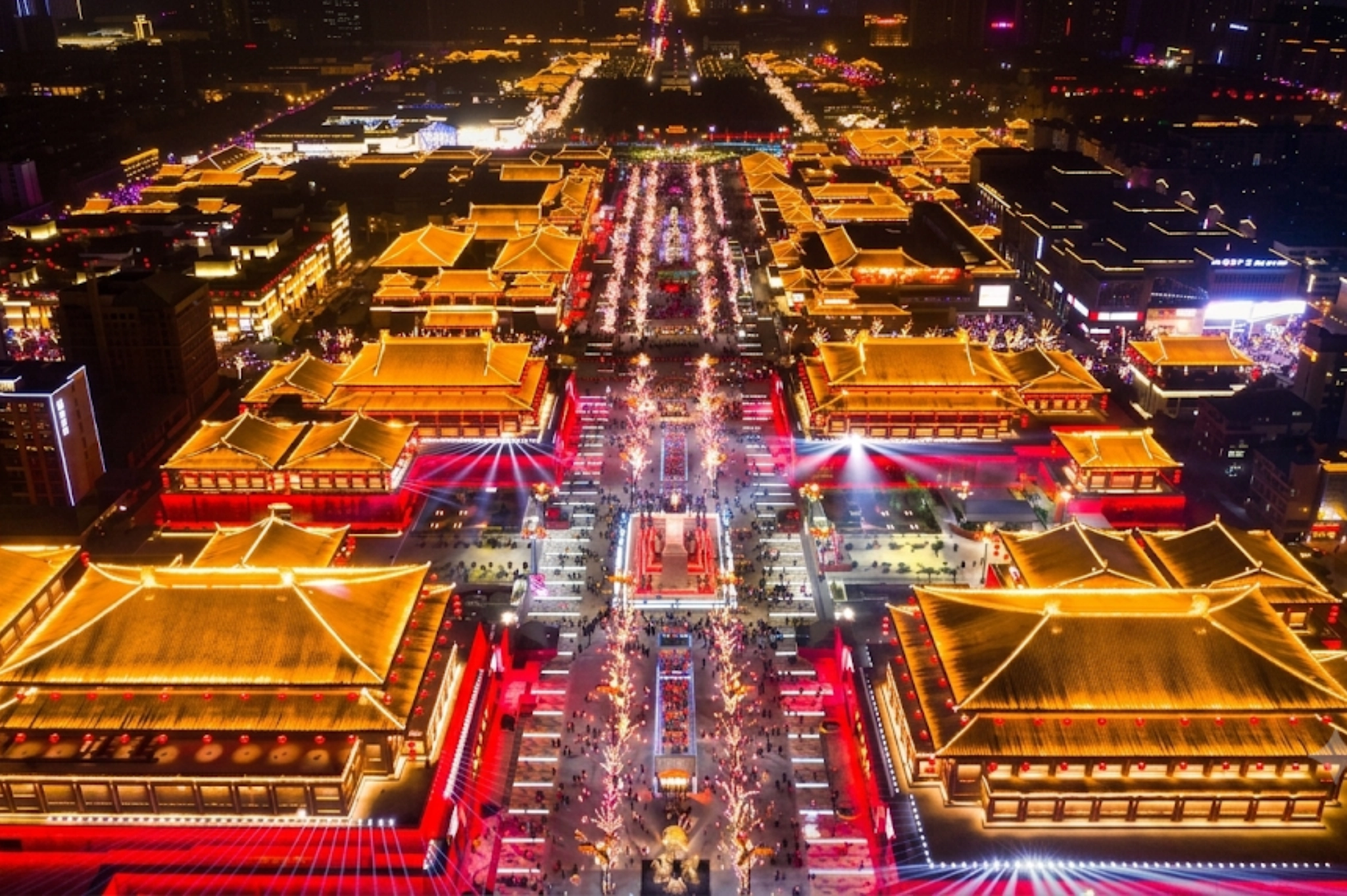
Datang Everbright City & Muslim Quarter
Transition from the historic green-stone lanes of the Islamic-meets-Tang Muslim Quarter to the dazzling amber lights of the Grand Tang Dynasty Ever Bright City, a sprawling commercial and cultural district celebrating Tang dynasty prosperity.
Days 3–6
The Buddhist Grotto Trail
Tianshui to Wuwei
Journey westward along the Hexi Corridor to witness the eastward transmission of Buddhist art and engineering.
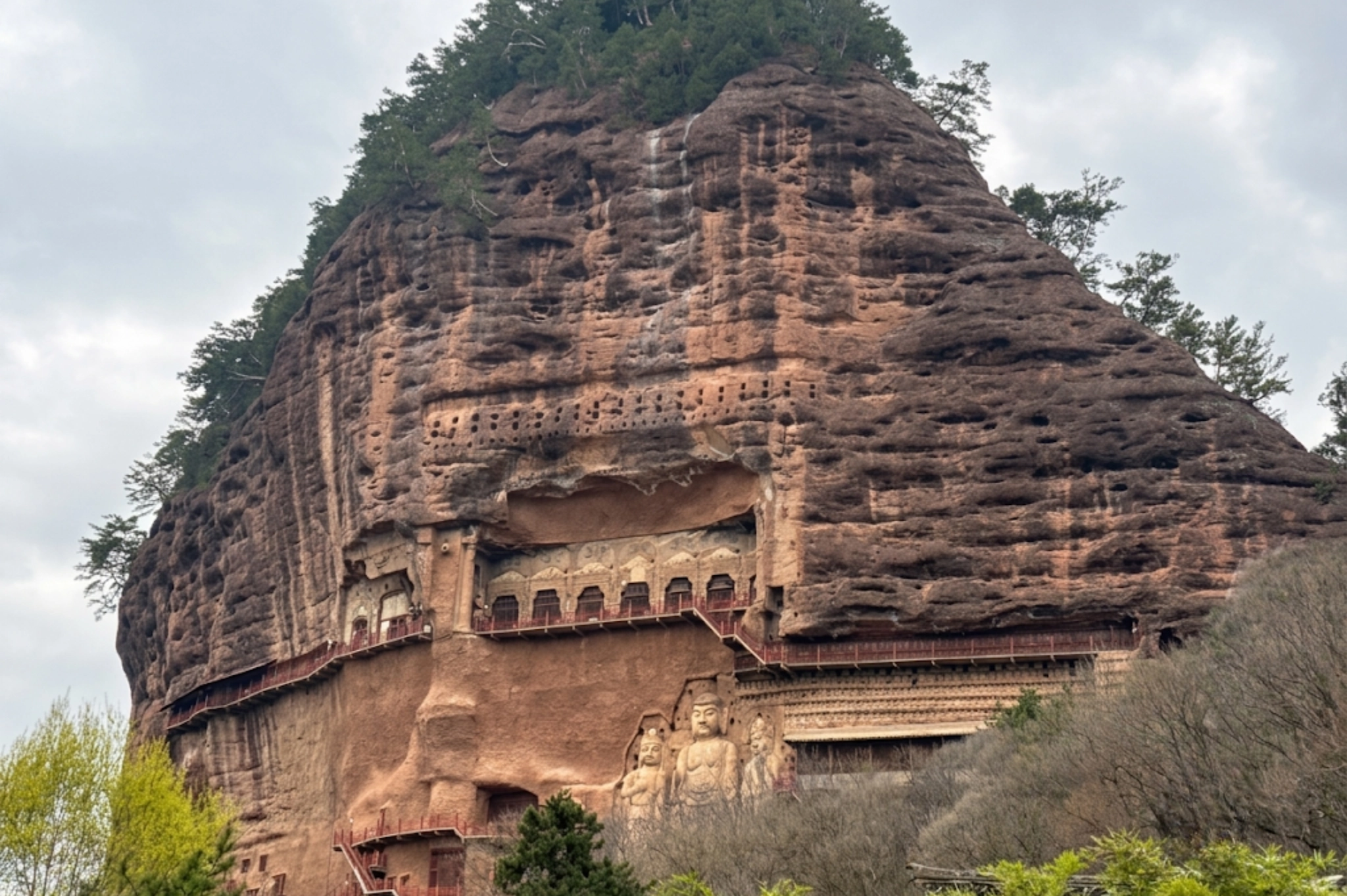
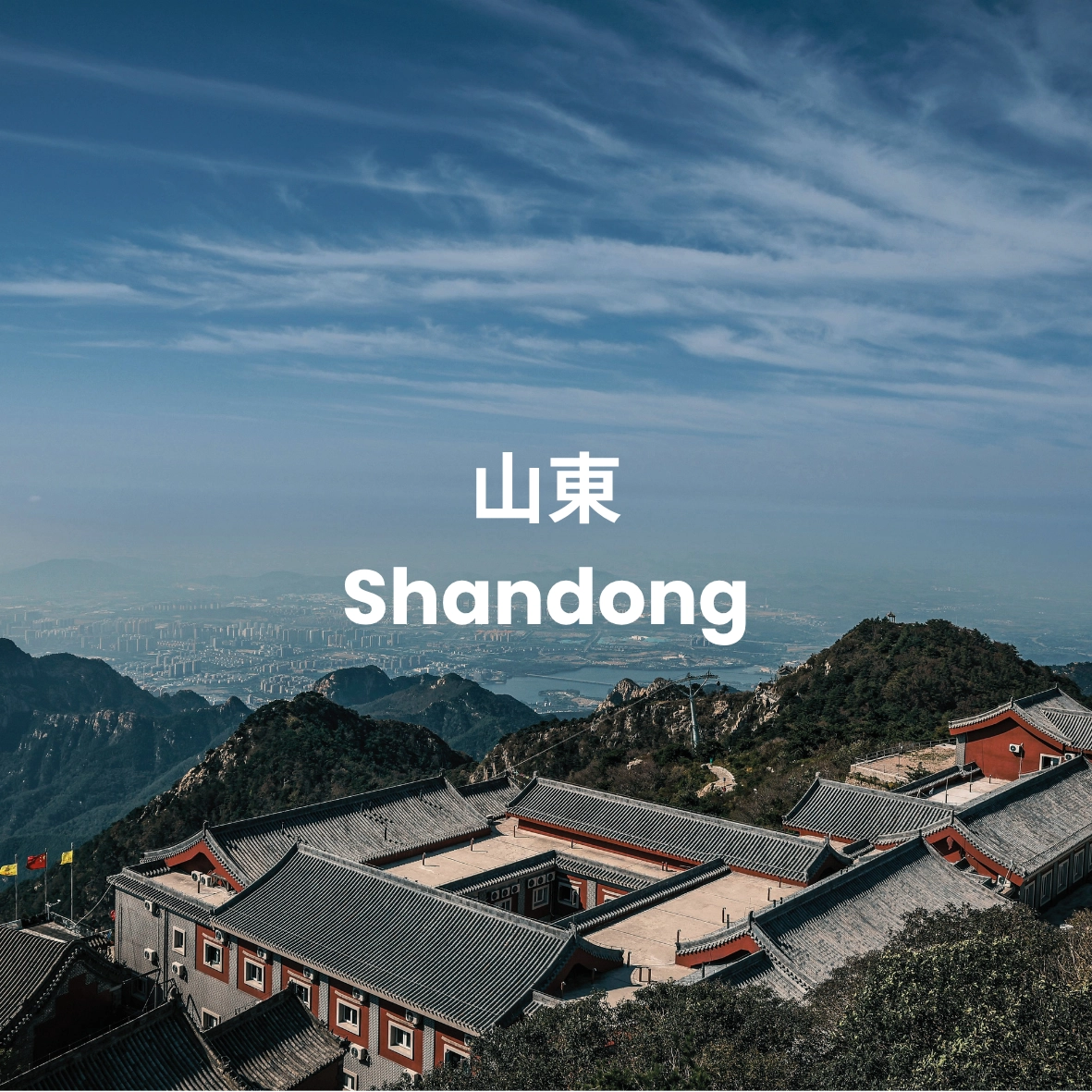
Maijishan Grottoes (Tianshui)
Explore the "Eastern Gallery of Sculpture," featuring 221 cave niches and 10,632 clay statues carved into a 142-meter haystack-shaped peak spanning 1,600 years.
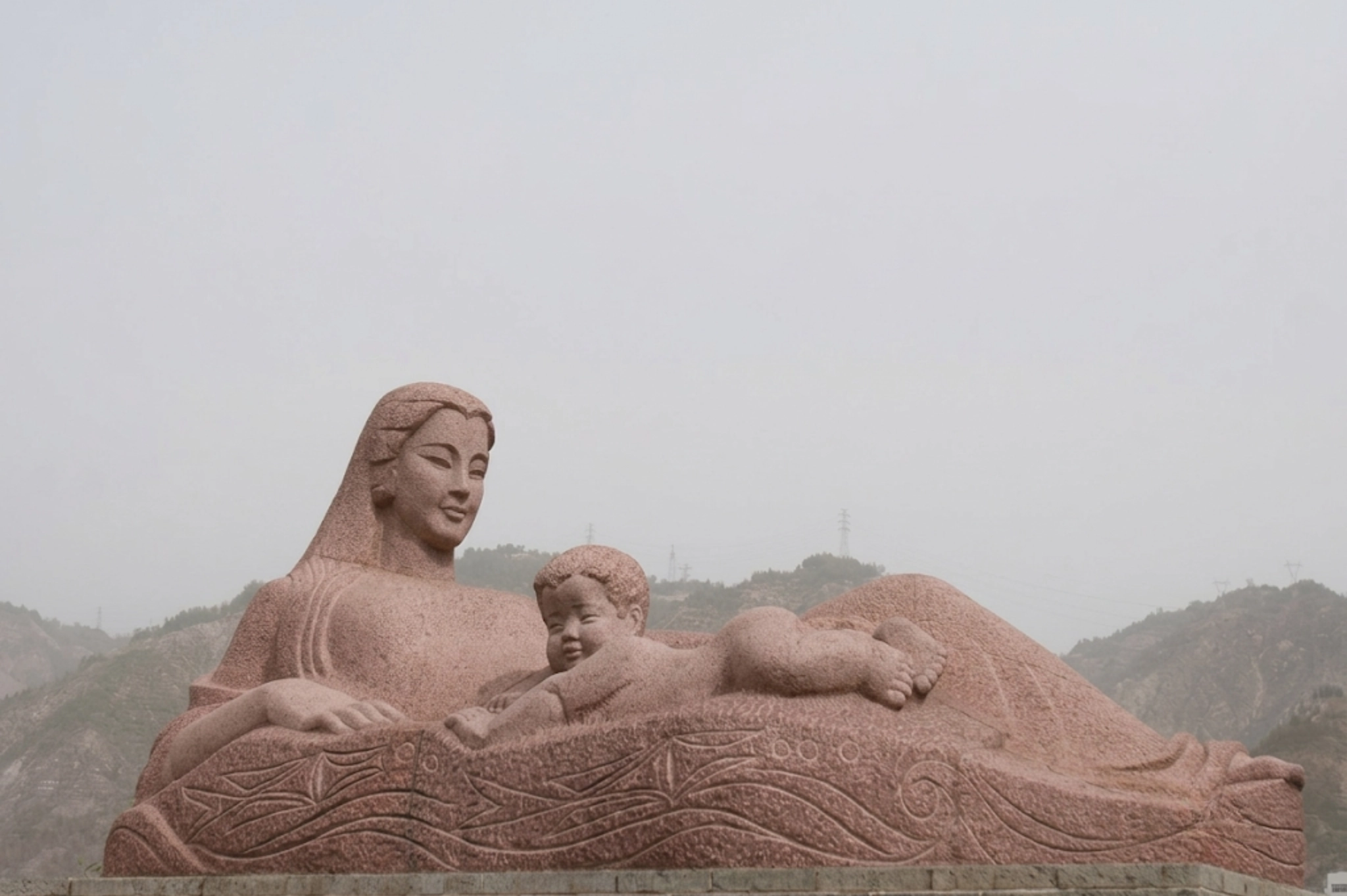
Lanzhou Yellow River Culture
Cross the Zhongshan Bridge and photograph the Yellow River Mother Statue, symbolizing China's cradle of civilization. View the Waterwheel Garden showcasing Ming Dynasty-style irrigation engineering.
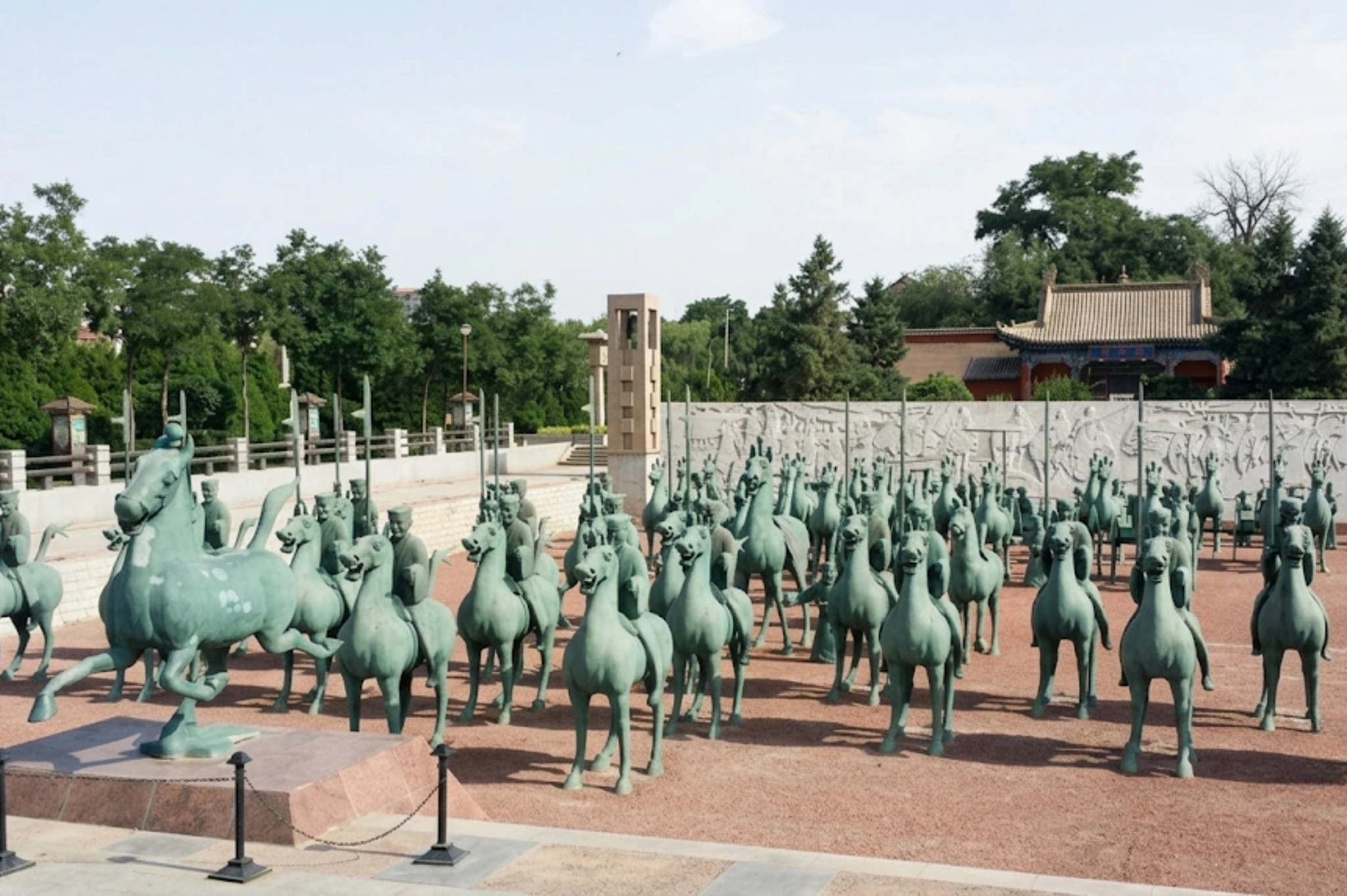
Wuwei's Sacred Legacies
Visit the Leitai Han Tomb, site of the iconic Bronze Galloping Horse (Ma Treading on a Flying Swallow), China's national tourism symbol. Pay respects at the Kumarajiva Temple, where the tongue relic of the legendary translator monk is enshrined beneath a 1,600-year-old pagoda.
Days 6–8
Surreal Terrains & Fortresses
Zhangye to Jiayuguan
Journey through breathtaking natural landscapes where the westernmost outpost of the Great Wall stands as a testament to ancient power.
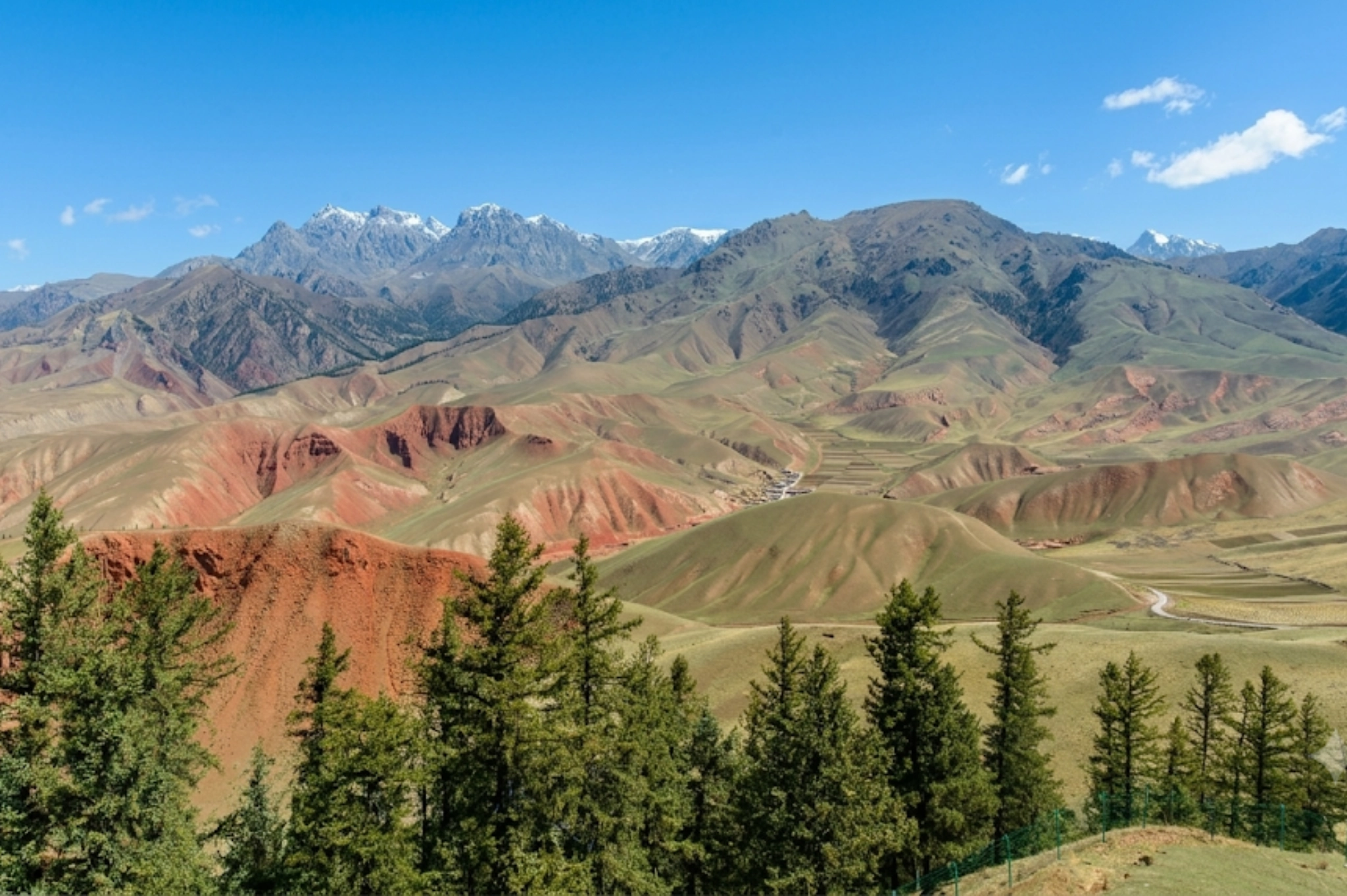
Mati Temple & Yugur Culture
Discover the Northern Liang Dynasty caves carved into vertical cliffs within Sunan Yugur Ethnic Autonomous County, blending sacred grotto art with the snow-capped Qilian Mountains.
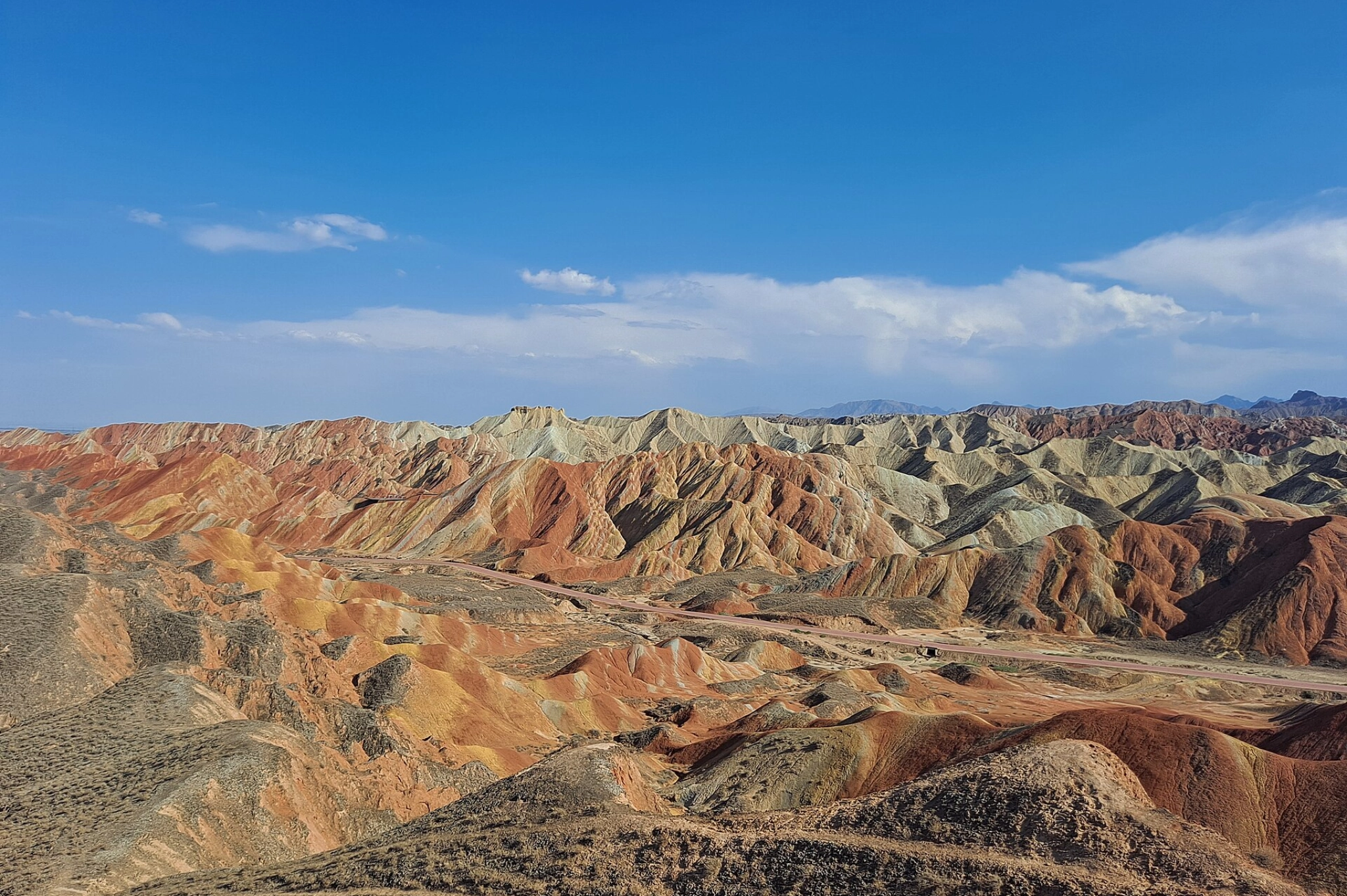
Zhangye National Geopark
Witness the majestic Rainbow Mountains, a UNESCO Global Geopark celebrated for its vibrant, layered Danxia landforms. Combine this with a visit to the Great Buddha Temple, housing China's largest indoor reclining Buddha from the Western Xia Dynasty (1098).
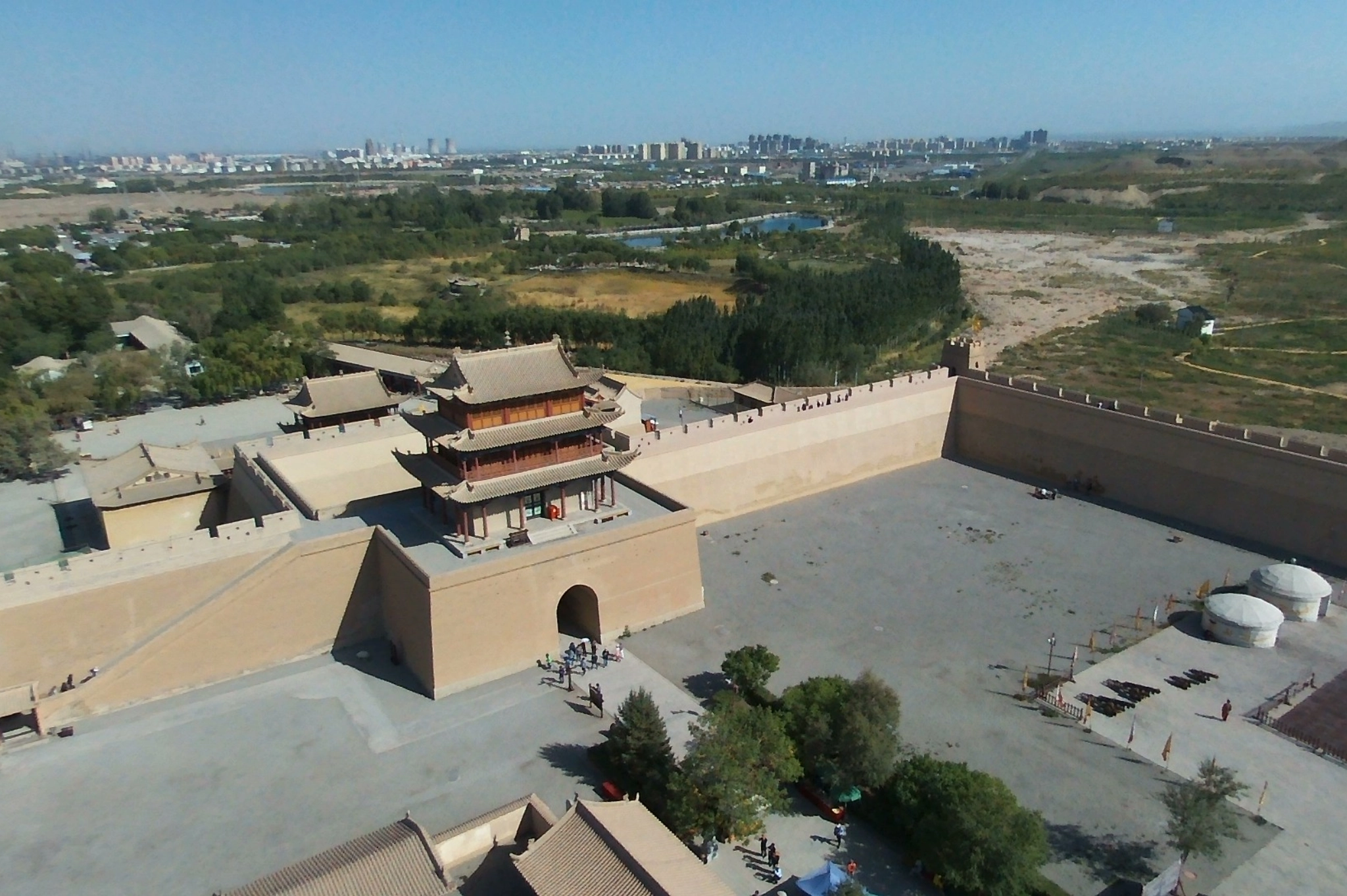
Jiayuguan Fort
Stand atop "The Greatest Pass Under Heaven," the westernmost fortress of the Ming Dynasty Great Wall built in 1372, meticulously preserved between the Black and Qilian mountain ranges.
Days 8–10
The Heart of the Oasis
Dunhuang
Deep in the Taklamakan's embrace lies the crown jewel of Silk Road heritage.
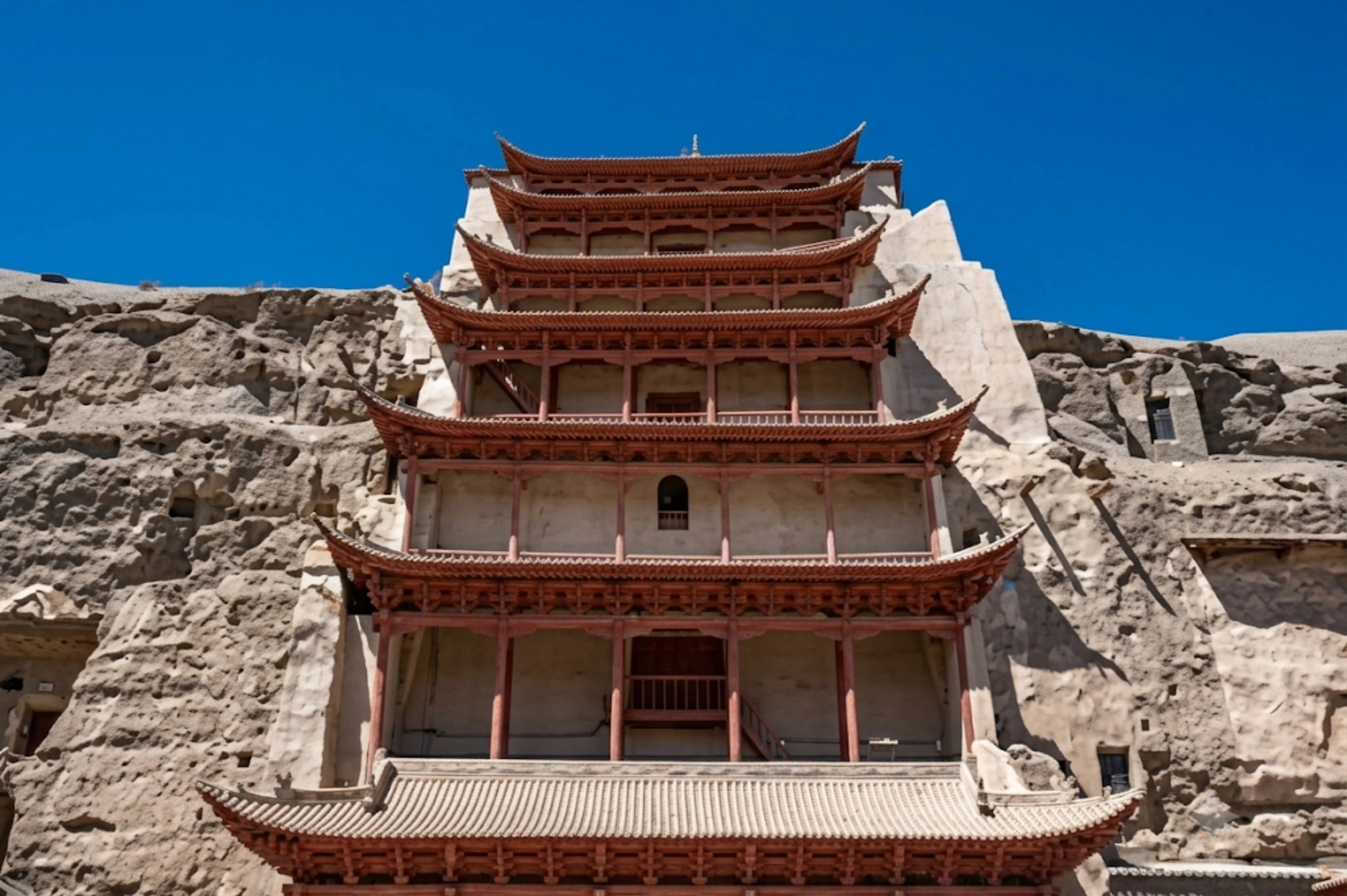
Mogao Caves
A profound UNESCO World Heritage Site containing 492 caves, 45,000 square meters of murals, and 2,400 painted sculptures. These masterpieces reflect a millennium of devotion commissioned by Silk Road merchants.
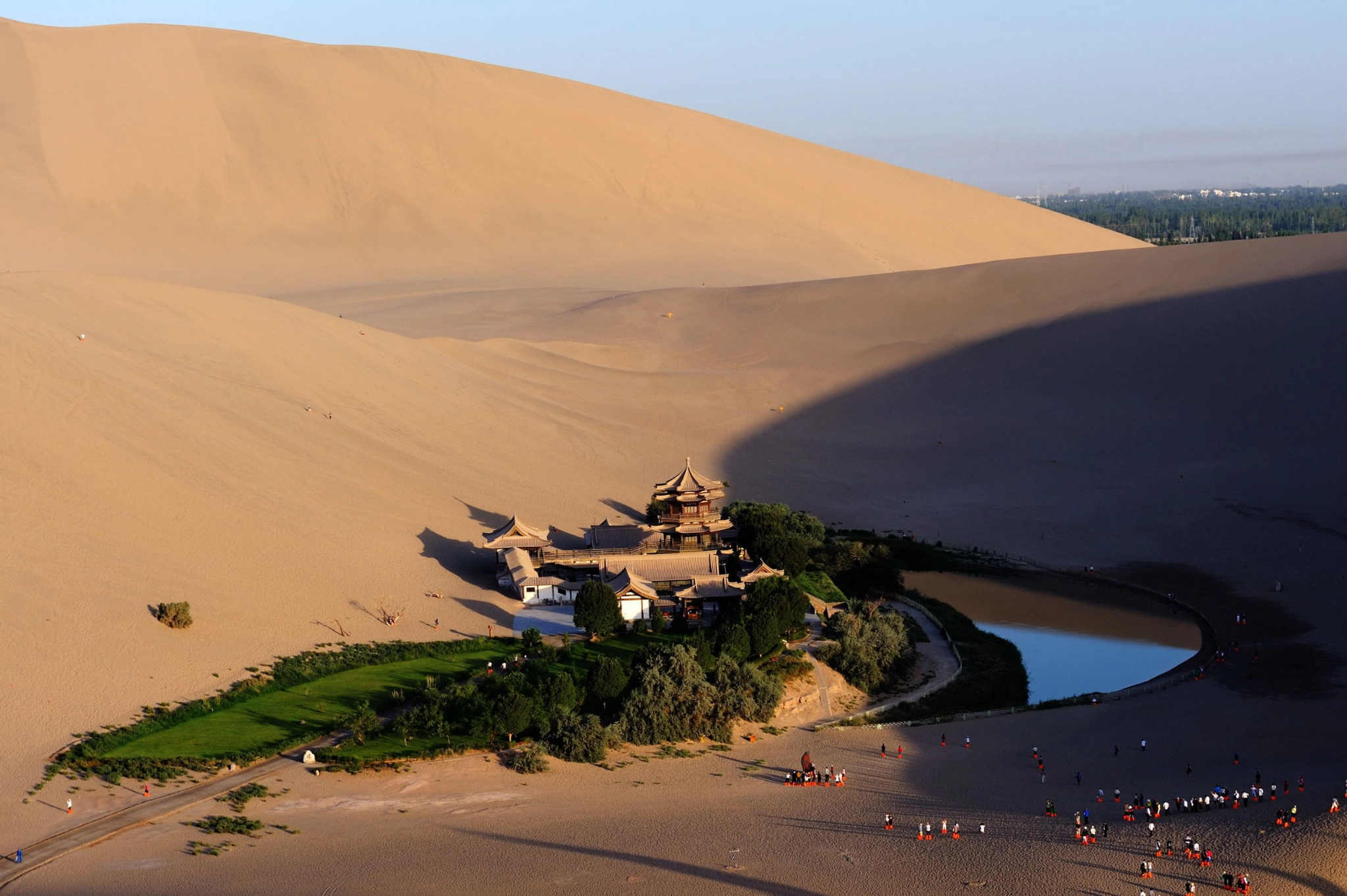
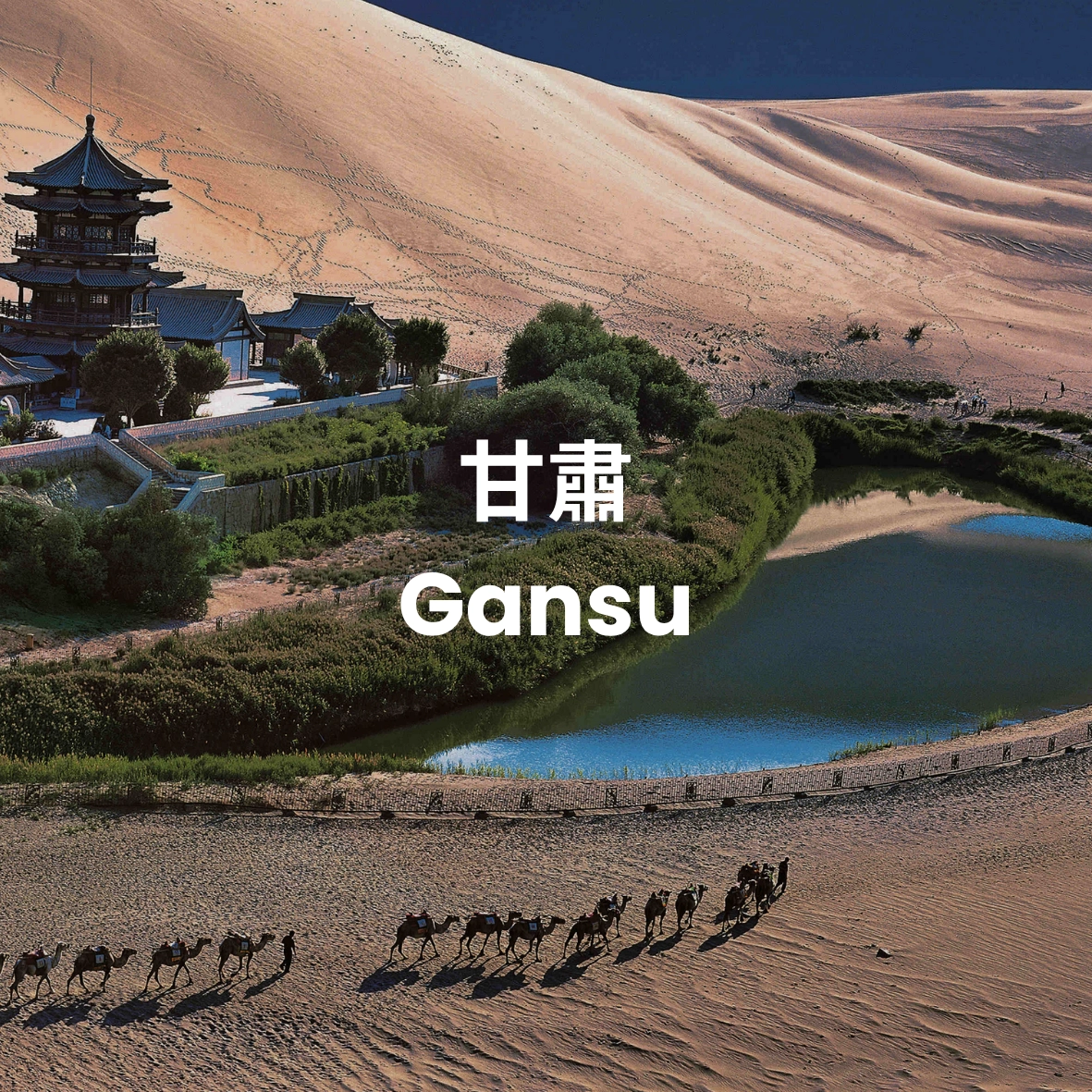
Mingsha Mountain & Crescent Moon Spring
Listen to the echoing sands of the towering dunes before descending to the miraculous desert oasis that has defied desert winds for centuries. Enjoy camel-back riding into the dunes, electric cart exit, and specialized shoe covers.
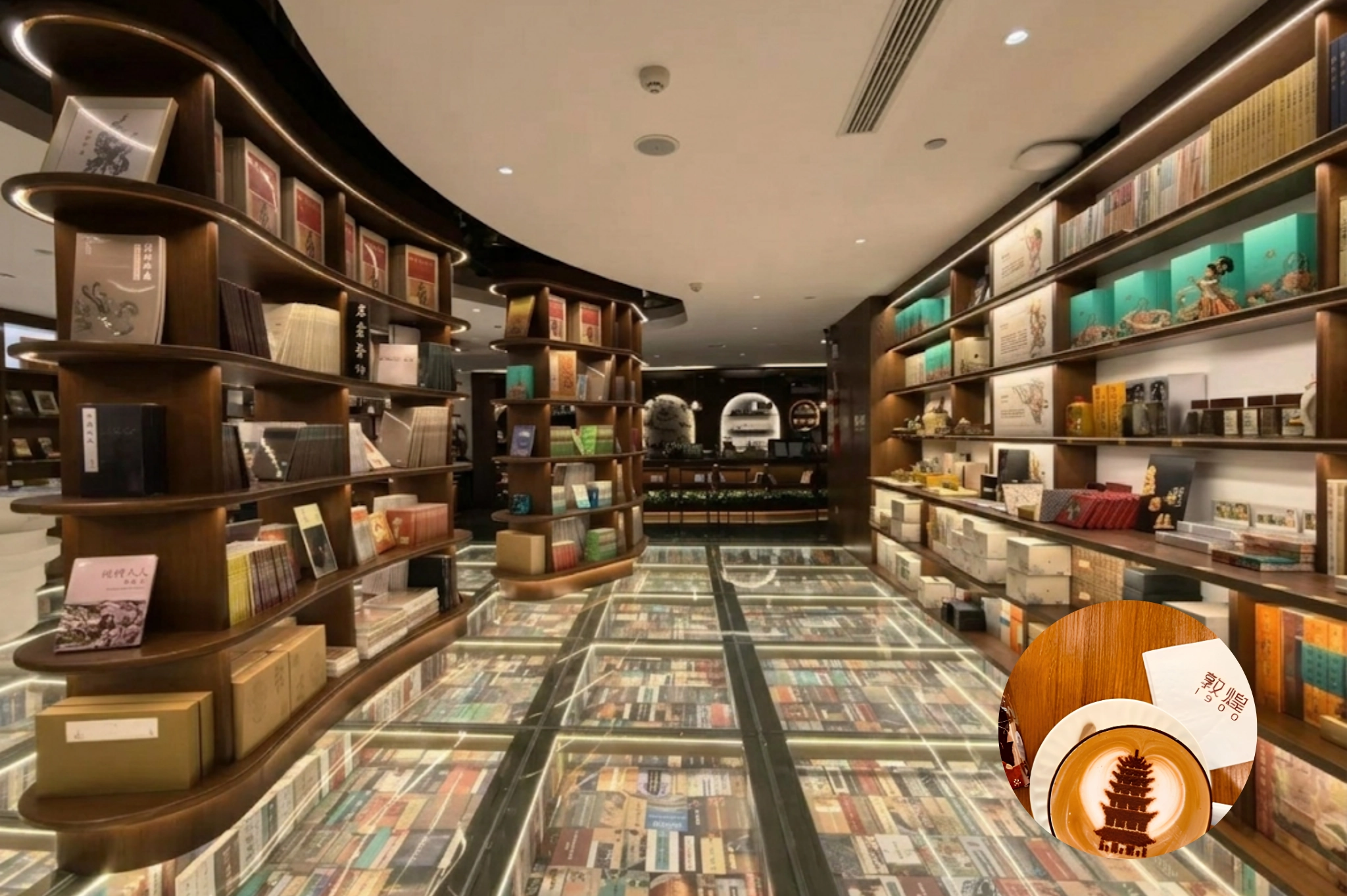
Dunhuang Library
Unwind at this 806-square-meter modern cultural landmark adorned with mural motifs, boasting over 25,000 themed volumes and reproduced manuscripts. Enjoy a complimentary signature cultural coffee at the Dunhuang 1900 Café.
Days 11–13
The Western Frontiers
Turpan to Urumqi
Board the high-speed bullet train from Liuyuan South to enter the unique geography and ethnic cultures of Xinjiang.
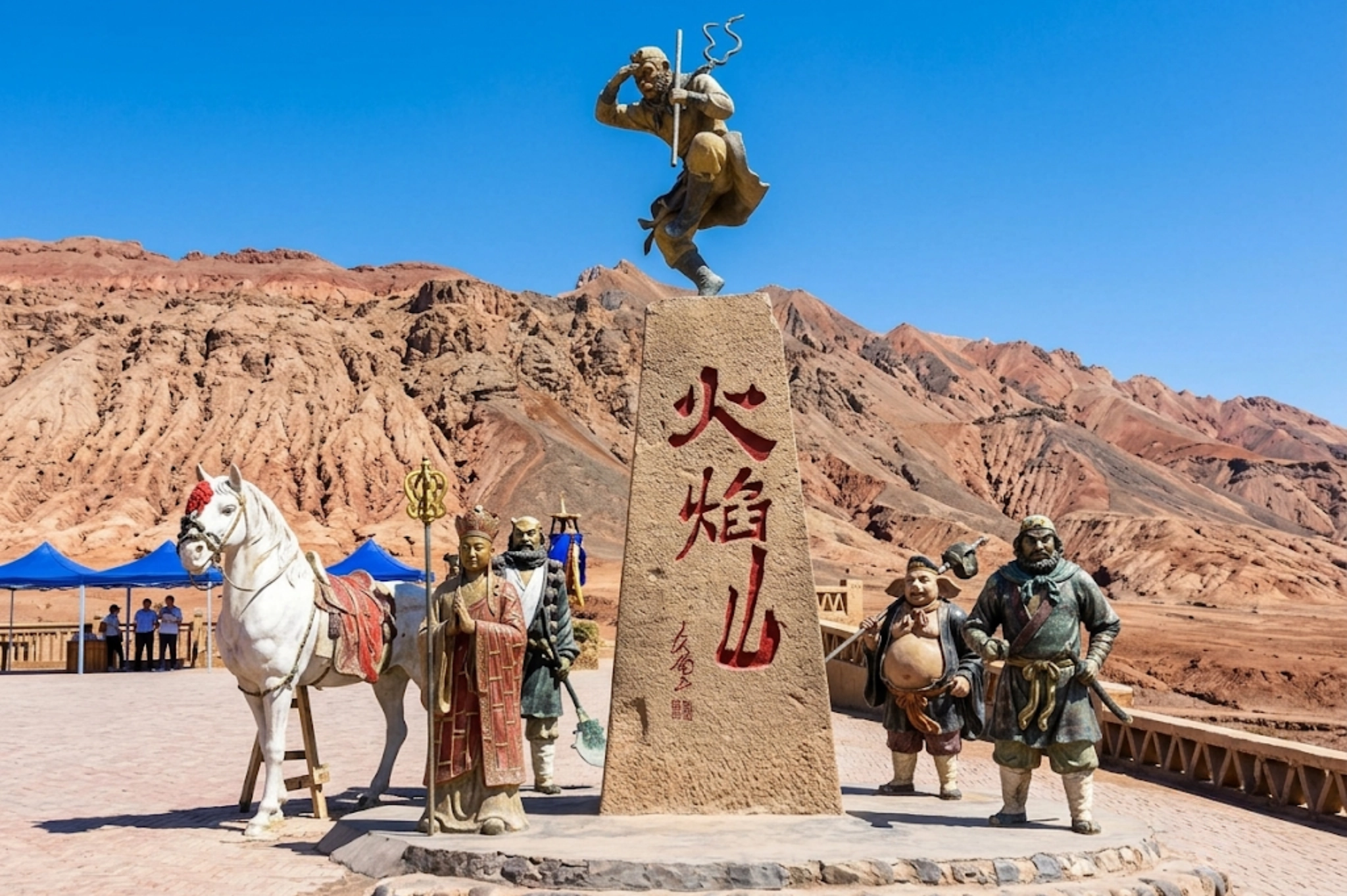
Turpan's Ancient Engineering
Brave the intense heat of the Flaming Mountains (Kizil Tagh), where summer surface temperatures reach 80°C, inspiring the legendary novel Journey to the West. Learn about the Turpan Karez System, an underground network of 1,000 channels stretching 5,000 kilometers that transports alpine snowmelt to the region.
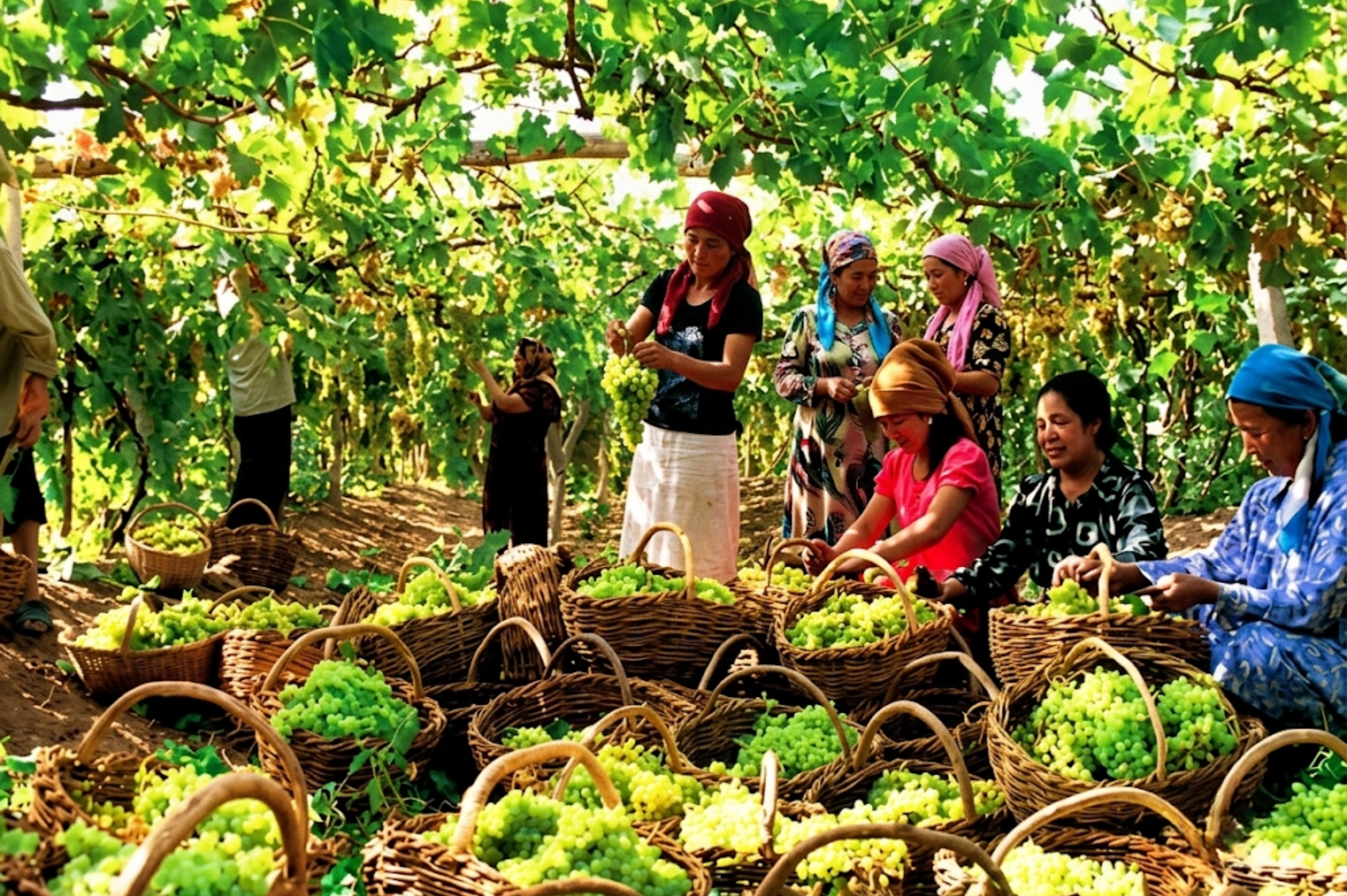
Grape Valley Oasis
Visit an authentic Uyghur family home nestled within this lush canyon to sample local seasonal grape varieties.
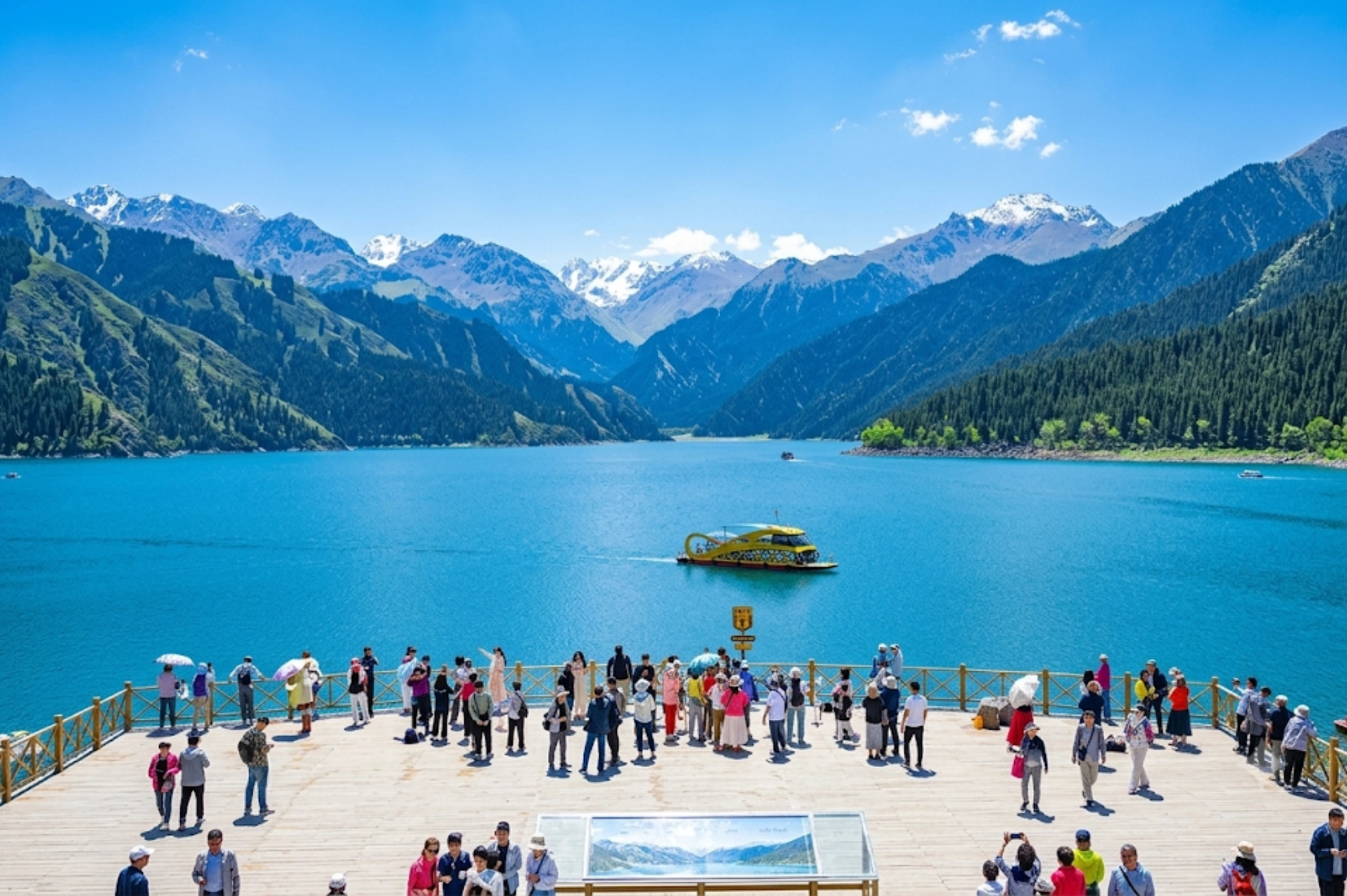
Urumqi & Tianshan Tianchi
Cruise across the crystal-clear waters of the Heavenly Lake of Tianshan (Tianchi) at 1,907 meters altitude, reflecting the snow-capped Bogda Peak. Conclude your expedition at the Xinjiang International Grand Bazaar, a 100,000-square-meter architectural marvel housing 3,000 shops displaying the heritage of the Western Regions.
THE FINE PRINT
Transparent Pricing & Inclusions
We believe in complete pricing transparency tailored for international travelers. No hidden fees, no optional up-sells, no mandatory shopping traps.
COMMON QUESTIONS
FAQ
Q1: Do we need to book Mogao Caves tickets in advance? Are there any visiting restrictions?
A: Advance booking is mandatory due to strict daily visitor caps designed to preserve the ancient murals, but you don't have to worry about securing the tickets—our team will take care of all reservations so you don't have to stress about it. On the day of your visit, everything will be set for you. Your experience will include watching two immersive digital films at the visitor center to understand the Silk Road's history, followed by a guided tour of the caves led by an official Mogao heritage specialist. All you need to do is bring the valid passport or ID used for your registration.
Q2: Turpan is known to be extremely hot in the summer. What specific measures are taken to prevent heatstroke?
A: Your comfort and safety are our top priorities. To keep you cool and refreshed, our luxury tourist coach is equipped with a high-output climate control system, and ice-chilled premium mineral water is provided complimentary every day. If you prefer to avoid the peak summer heat entirely, our fall and spring departures are perfect for enjoying moderate temperatures and beautiful weather.
Q3: How is luggage handled during the high-speed train segments? Do we need to carry them ourselves?
A: The high-speed bullet trains in China feature modern, level boarding platforms, but guests are generally responsible for wheeling their luggage onto the train and placing them in the designated large-luggage racks at the end of the carriage. Our private tour coach will drop you off directly at the station entrance (e.g., Liuyuan South), and our next private coach will be waiting at the exit of your destination station (e.g., Turpan North). For guests requiring physical assistance, your English-speaking guide can arrange paid station porter services ("Red Cap Porters") in advance.
Q4: What makes the "Turpan Roasted Whole Lamb" and "Uyghur Specialty Meal" unique? What if I cannot eat mutton?
A: These two culinary experiences are absolute cultural highlights of the journey. The Turpan Roasted Whole Lamb features local pasture-raised lamb marinated in traditional spices and slow-roasted in a traditional pit oven, resulting in a crispy exterior and extremely tender meat with no gamey odor. The Uyghur Specialty Meal showcases authentic polo (hand-pulled pilaf), baked buns, and seasonal local grapes. We can accommodate vegetarian, halal, and most allergy-related requests. Please inform us at the time of booking. While options may be simpler in remote areas, your guide will ensure you have safe and delicious meals.
Dates & prices
Double Occupancy
$1,980 USD
per person
Single Room Supplement
$2,240 USD
per person
What is Included
- Accommodation: 12 nights in selected 4-star hotels (twin rooms).
- Meals: Daily breakfast, lunch and dinner (Day 1: dinner only; Day 13: breakfast only).
- Transportation: A dedicated, certified tour coach throughout the trip, plus second-class bullet train tickets for the Xi’an–Tianshui and Liuyuan–Turpan sections.
- Expert Guidance: A professional English-speaking local guide and a Taiwanese tour leader.
- Sightseeing: Admission fees for all major scenic spots listed in the itinerary.
- Connectivity: A complimentary e-SIM with an integrated VPN, so you can use the internet and your favorite apps worry-free.
What is Not Included
- International or domestic airfares to Xi’an and from Urumqi.
- Personal travel insurance (highly recommended).
- Personal room extras, laundry, or premium alcoholic beverages.
Reserve your place
Book this tour.
Book this tour →Small group · Taiwanese tour leader · Local English-speaking guides · No shopping stops