
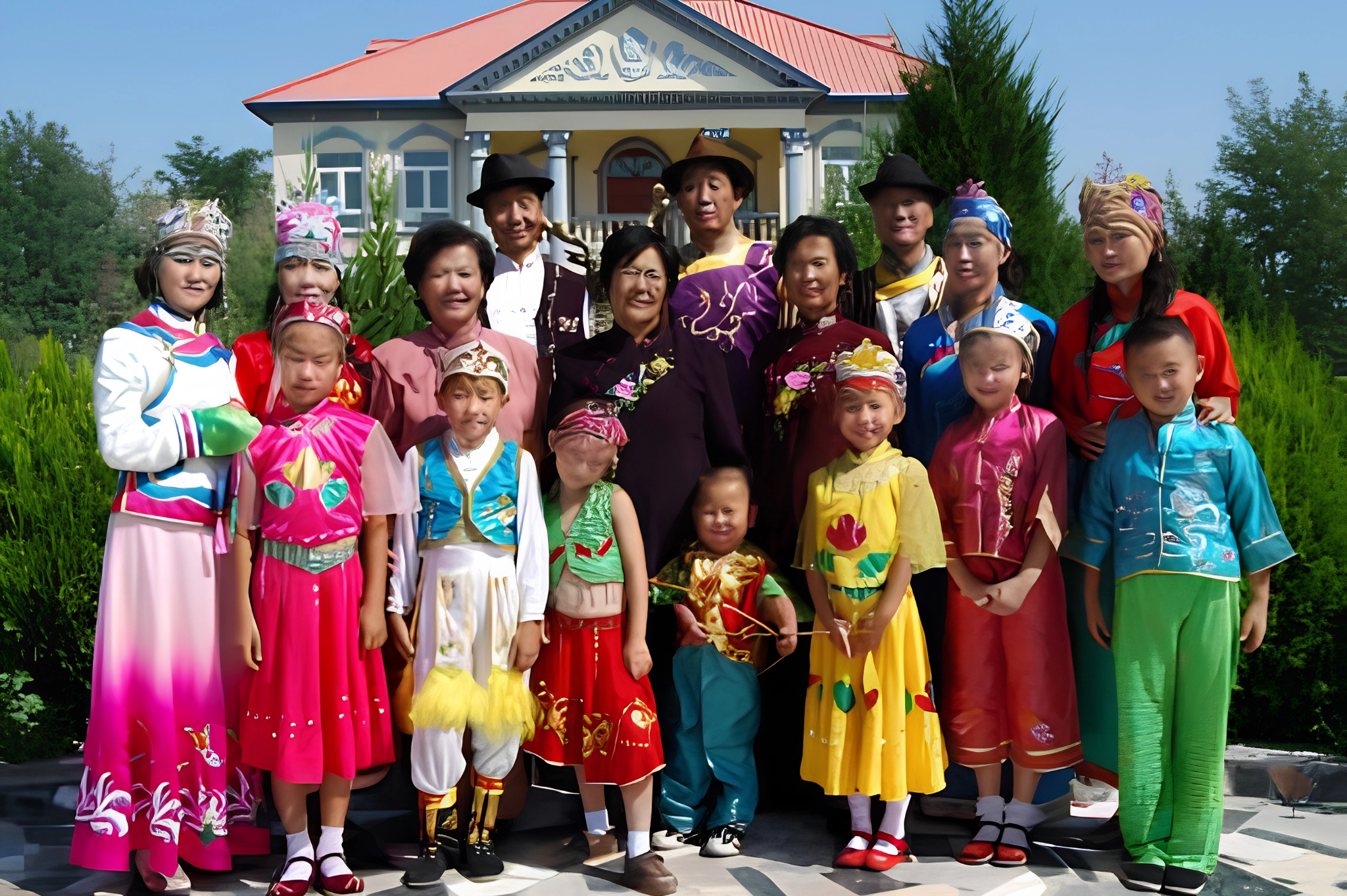
Most of Xinjiang's great stories are about caravans moving west — silk, jade and ideas carried toward Central Asia. The story of the Xibe is about an entire people ordered to move west, on foot, across the whole breadth of an empire, and never allowed to come home. More than 260 years later their descendants are still here, in a quiet green county in the Ili Valley called Qapqal, where they have done something almost no one else on Earth has managed: they have kept alive a language, a script and a way with the bow that the rest of China let slip away.
For travellers exploring the Ili Valley — the lush, under-visited corner of northern Xinjiang now that independent travel here has become far easier for foreigners — Qapqal is one of the most rewarding detours on the whole Silk Road. It sits barely 17 kilometres across the river from Yining (Ghulja), yet it feels like stepping into a living museum of a culture that refused to disappear.
The March of 1764
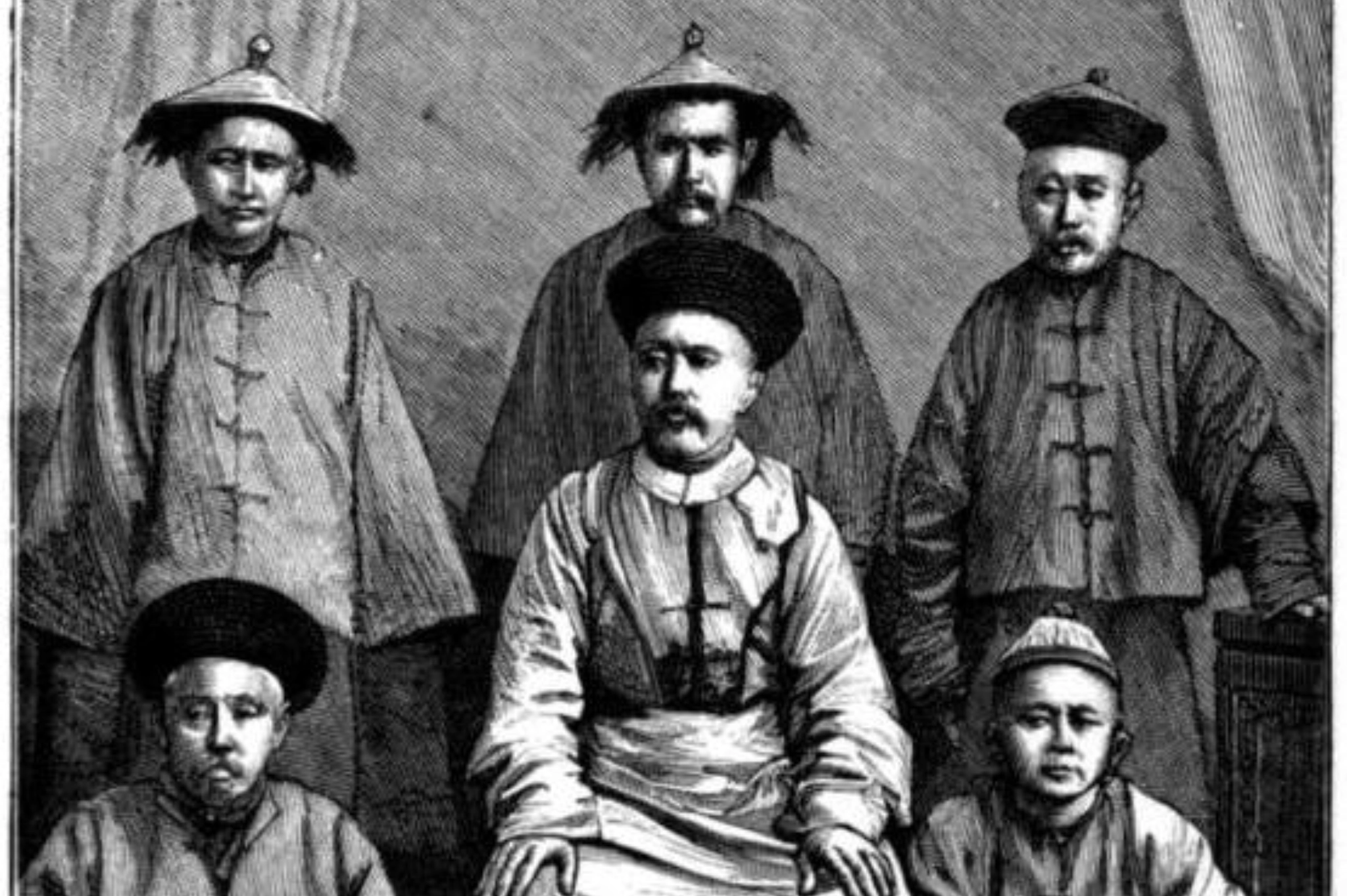
In 1764, the Qianlong Emperor needed soldiers to garrison his newly conquered far-western frontier. He turned to the Xibe, a hardy Tungusic people of the northeastern forests related to the Manchus who then ruled China. The order was blunt: a detachment of troops, with their families, would leave the northeast and march to the Ili River to guard the empire's edge.
More than 4,000 people — around a thousand soldiers plus their wives, children and elders — gathered at the Taiping Temple in Shenyang for a farewell sacrifice, then set out on a journey of roughly 4,000 kilometres across Mongolia and the Gobi. The court had allowed three years for the crossing. The Xibe did it in one year and three months, arriving in the Ili Valley in 1765, having endured starvation, river crossings and childbirth on the road. They were promised they could return after sixty years. The order never came. They stayed, built canals, farmed the land, and the frontier became home.
A County Named for a Canal

The Xibe did not just survive in the Ili Valley; they transformed it. In the early 1800s they dug the great Chabuchar Canal, a channel more than a hundred kilometres long that carried snowmelt from the mountains out onto the dry benchland south of the Ili River, turning scrubland into fields of rice and wheat. The county that grew up around that water — Qapqal Xibe Autonomous County, established in 1954 — is the only Xibe autonomous county in China.
Today around 20,000 Xibe live in Qapqal, roughly a tenth of the county's population, with perhaps 34,000 across the wider Ili Prefecture. Fields of paddy rice, poplar-lined lanes and tidy villages give the whole area a calm, cultivated feel very different from the deserts and grasslands most visitors associate with Xinjiang.
The Home of Archery
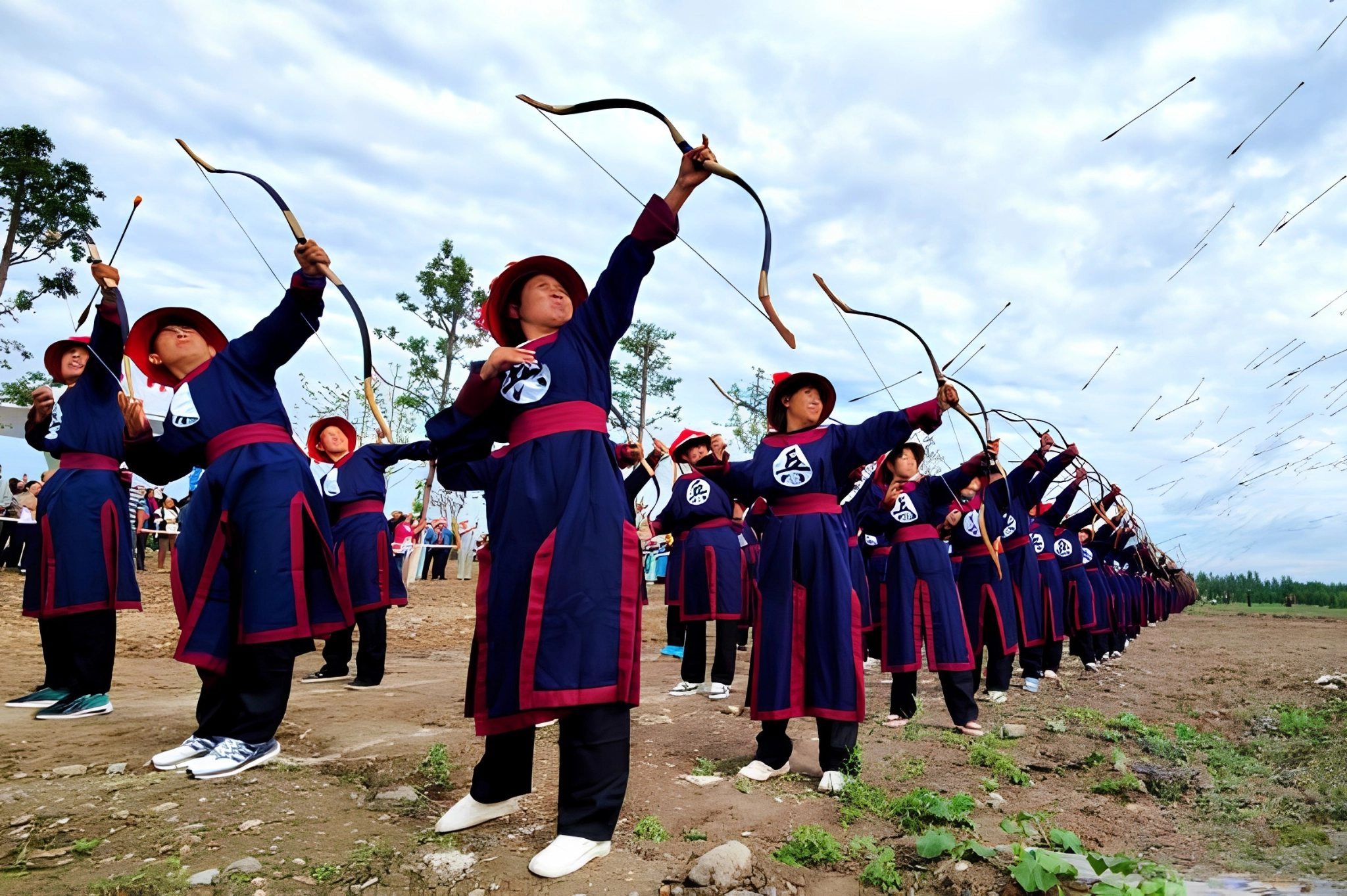
The Xibe came here as bowmen, and they never put the bow down. Qapqal is officially nicknamed the "Hometown of Archery" (箭乡, jiàn xiāng), and the claim is not tourist-board hyperbole — the county has produced generations of China's national and provincial archers, and its traditional bow-making is recognised as national intangible cultural heritage. In Xibe villages, children still learn to draw a bow almost as a rite of passage, and the thwack of arrows into straw targets is part of the everyday soundtrack.
For a people whose founding act was a military march, archery is far more than sport. It is identity — a direct, physical link back to the frontier soldiers of 1764 — and watching a local competition is one of the most memorable things a visitor can do here.
The Last Living Voice of Manchu
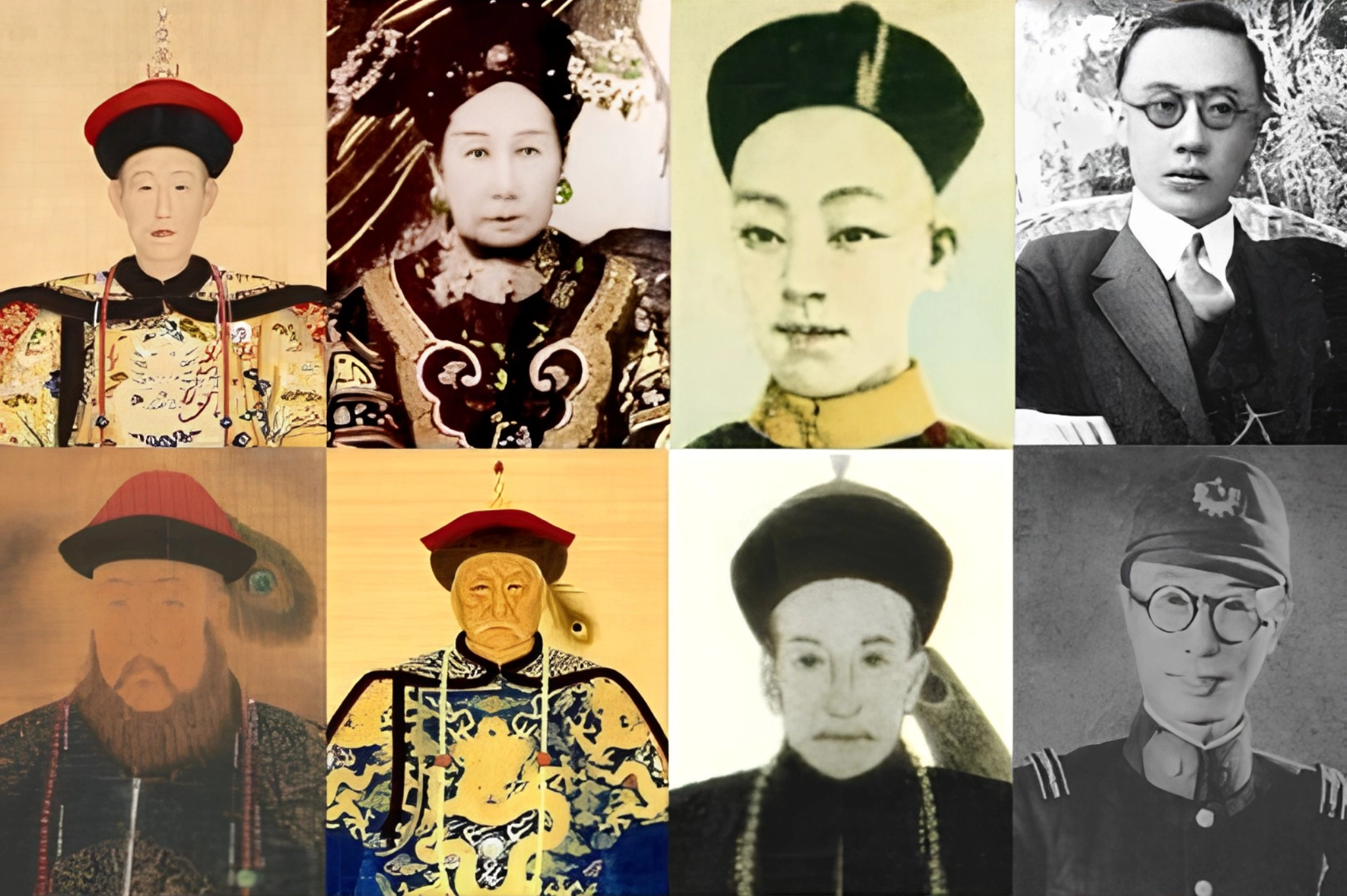
Here is the detail that draws linguists and the curious from all over the world. The Manchu language — the mother tongue of the dynasty that ruled China for nearly 300 years — is effectively extinct in its northeastern homeland, where almost no one speaks it any more. But the Xibe speak a close living descendant of it, and they write it in a modified version of the elegant vertical Manchu script that flows down the page from top to bottom.
In practical terms this means the Xibe of Qapqal are among the only people on the planet who can still read the mountain of Manchu-language archives the Qing dynasty left behind — millions of documents that would otherwise be locked away from history. The language is taught in local schools and still appears on signs and in a local Xibe-language press, even as estimates of fluent speakers range from the low tens of thousands downward. To stand in a Qapqal schoolyard and watch children write a script their ancestors carried 4,000 kilometres across the Gobi is to witness one of the quiet linguistic miracles of modern China.
The Festival That Remembers the Road

Every year on the eighteenth day of the fourth lunar month, the Xibe mark the Western Migration Festival — in their own language Duin Biya Juwan Jakūn, literally "the eighteenth of the fourth month" — the anniversary of the day in 1764 their ancestors left the northeast. Inscribed on China's national intangible cultural heritage list in 2006, it is the emotional heart of the Xibe year: families gather at temples and riverside grounds for communal feasts, and the day fills with archery contests, horse racing, wrestling and the swirling beilen folk dance. If your trip can be timed to it (it usually falls in late May or June), it is an unforgettable window into a culture that turns remembrance into celebration.
What to See and Do in Qapqal

Qapqal rewards slow, curious travel rather than box-ticking. Visit a traditional Xibe courtyard home, with its heated kang platform and distinctive wood carving; seek out an archery ground to watch — or try — the bow; look for the vertical Manchu-Xibe script on shopfronts and official buildings; and sample Xibe home cooking, famous for its hearty flatbreads, pickles and preserved foods and the long communal "big-table" feasts laid on for guests. The county museum and memorial sites tell the migration story in full. Because it is so close to Yining, Qapqal slots neatly into any itinerary built around the Ili Valley's better-known draws — Sayram Lake, the Guozigou valley and the lavender fields of Huocheng.
Practical Notes for Foreign Visitors
- Where: Qapqal (Chabuchar) Xibe Autonomous County, Ili Kazakh Autonomous Prefecture, northern Xinjiang — about 17 km southwest of Yining (Ghulja), across the Ili River.
- Getting there: Easiest via Yining, which has an airport and rail links; from there it is a short drive. Most visitors fold it into a wider Ili Valley trip.
- Who the Xibe are: A Tungusic group, relatives of the Manchus, resettled here in 1764–65 to garrison the frontier; roughly 20,000 live in the county today.
- Don't miss: A traditional archery demonstration, the vertical Manchu-Xibe script, a Xibe courtyard home and a home-style meal.
- Best timing: Late spring through autumn for the green Ili Valley; aim for the Western Migration Festival (18th day of the 4th lunar month, usually May–June) if you can.
- Culture tip: Xibe hospitality is generous and formal — accepting food and drink graciously goes a long way.
- Combine with: Yining's old town and Uyghur quarter, Sayram Lake, the Guozigou "fruit valley" and the Huocheng lavender fields.
The Silk Road is usually told as a story of movement — of things and people flowing between civilisations. The Xibe are proof that movement can also preserve. Ordered west and never allowed back, they carried their language, their script and their bows across a continent and planted them in a valley far from home, where, against every odd, all three are still alive. Qapqal is where you can go and see a 1764 march still echoing in a child's drawn bow and a line of top-to-bottom script on a village wall.