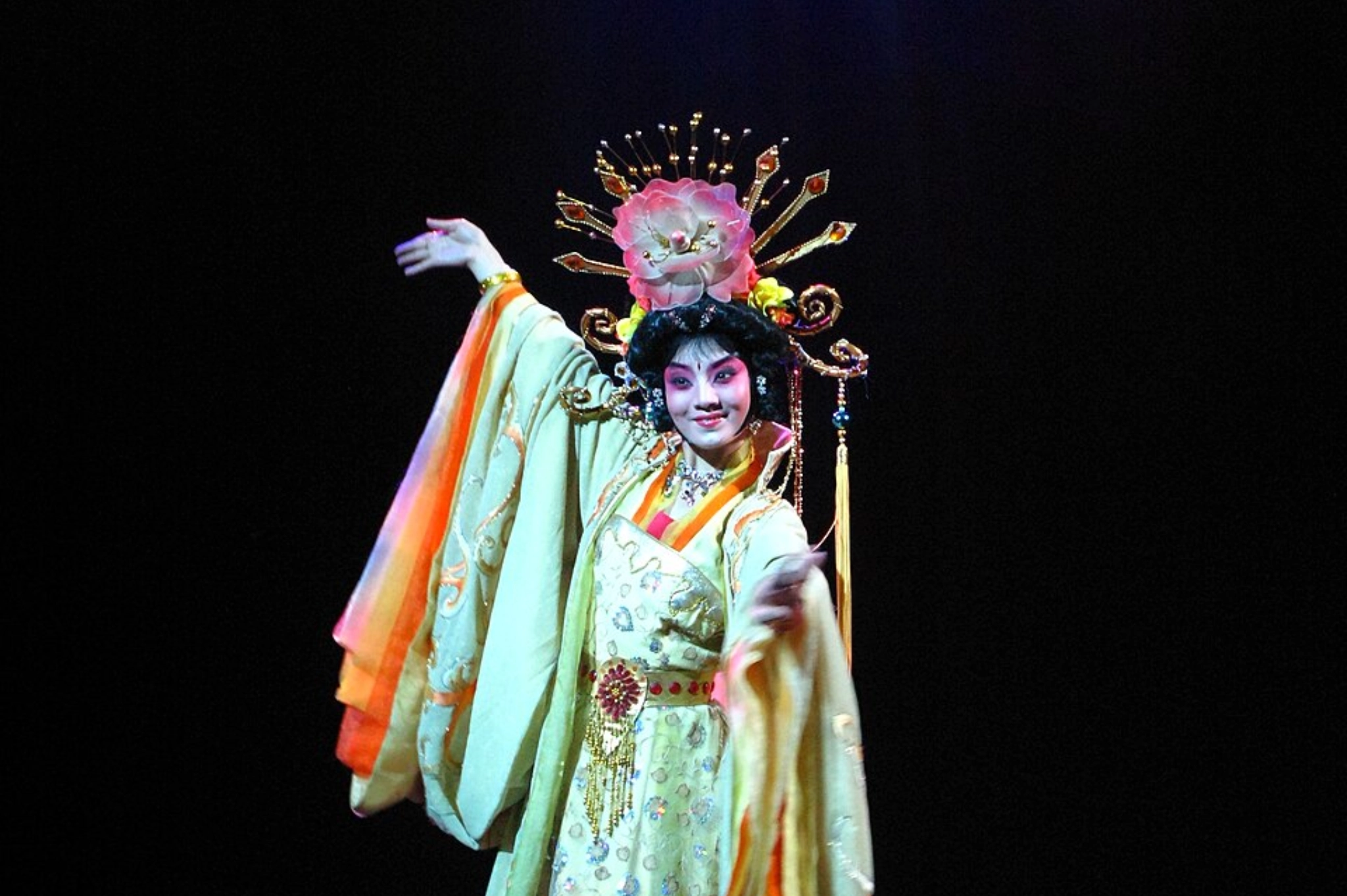
If your idea of Chinese opera is a delicate falsetto floating over a silk-string orchestra, Xi'an is about to correct you.
Somewhere near the Bell Tower tonight, a performer in a painted face will plant his feet, fill his lungs, and roar. A wooden clapper will crack like a pistol shot. A two-string fiddle will scream in a register most instruments avoid. The audience, mostly locals in their sixties and seventies, will shout back approval.
This is Qinqiang (秦腔, Qínqiāng) — literally "the tune of Qin," named after the ancient state that unified China and built the Terracotta Army. Chinese media call it "China's ancient rock music." Locals have a less polite description, which made it onto the famous list of Shaanxi's Eight Oddities: "Qinqiang isn't sung — it's yelled".
For foreign visitors, it is one of the most underrated experiences in the city. Most tour groups never hear it.
The Basics
| Qinqiang Opera (秦腔) | |
| Also called | Shaanxi Opera, Bangzi Qiang (梆子腔, "clapper tune"), Luantan (亂彈) |
| Home region | Shaanxi province and the wider Northwest (Gansu, Ningxia, Qinghai, Xinjiang) |
| Roots | Folk song and dance of the Qin region; Chinese sources trace its origins to the Qin Dynasty era (221–206 BCE), with the mature opera form taking shape by the Ming |
| Nickname | "China's ancient rock music"; "ancestor of Chinese operas" |
| Language | Performed in Shaanxi (Guanzhong) dialect |
| Signature sound | High-pitched, full-throated singing, a hard wooden clapper (bangzi), the shrill banhu fiddle |
| Heritage status | National Intangible Cultural Heritage (2006) |
| Oldest troupe | Yisushe (易俗社), founded 1912 in Xi'an — still performing |
| Where to hear it in Xi'an | Yisushe Theatre (Xiyi Road, 3 min from Bell Tower metro), city parks in the morning, themed restaurants, the city wall moat |
Why It Sounds Like That
Western ears usually react to Qinqiang in one of two ways: shock, or instant love. Both are reasonable. The sound comes from the land.
- It was built for open air, not opera houses.
The Guanzhong Plain around Xi'an is loess country — wide, dry, wind-scoured fields. For centuries, opera was performed on temporary village stages at temple fairs and harvest festivals, to crowds standing in the open. There were no microphones. If you wanted the back row to hear you, you projected. The volume is not a style choice; it is an inheritance.
- The instruments are percussive, not pretty.
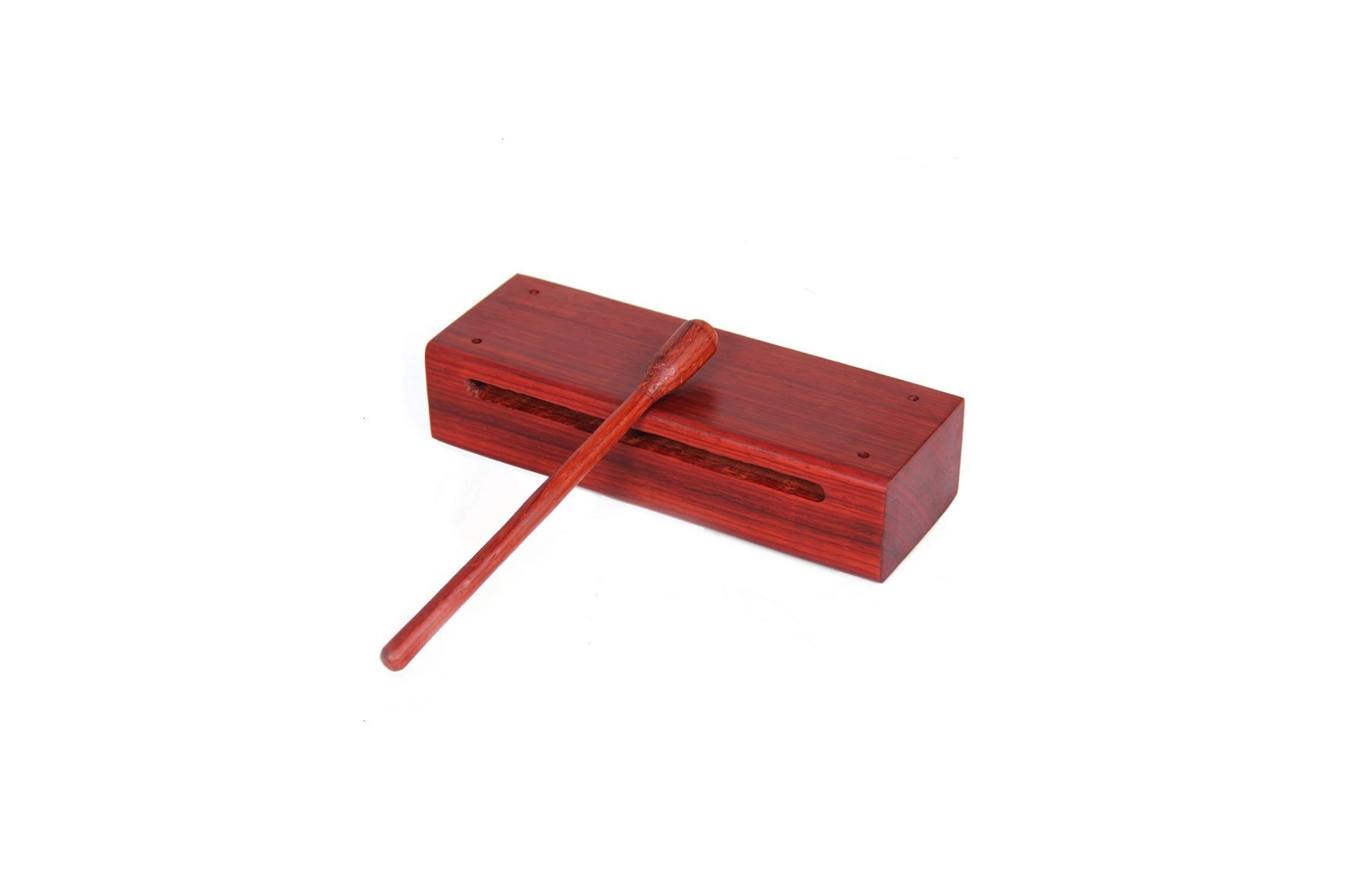
Qinqiang is a bangzi (梆子) opera — named for the hard jujube-wood clapper that marks the beat with a sharp crack. Other opera families (Hebei, Henan, Shanxi bangzi) descend from the same clapper tradition, which is why Chinese scholars often call Qinqiang an ancestor of northern opera. Add the banhu, a fiddle with a coconut-shell or wooden soundboard that cuts through anything, plus gongs and cymbals, and you have something closer to a folk-punk band than a string quartet.
- It has two emotional gears.
Qinqiang singers work in two main modes: huanyin (歡音, "joyful tone") for happy, bright scenes, and kuyin (苦音, "bitter tone") for grief, injustice and loss. The bitter tone is what the genre is famous for — a keening, cracked, almost sobbing sound that locals say "rips the heart out." Many of the most-loved plays are tragedies about wrongful convictions, loyal ministers and wronged women. You don't need to understand the dialect to understand the feeling.
- It's physical.
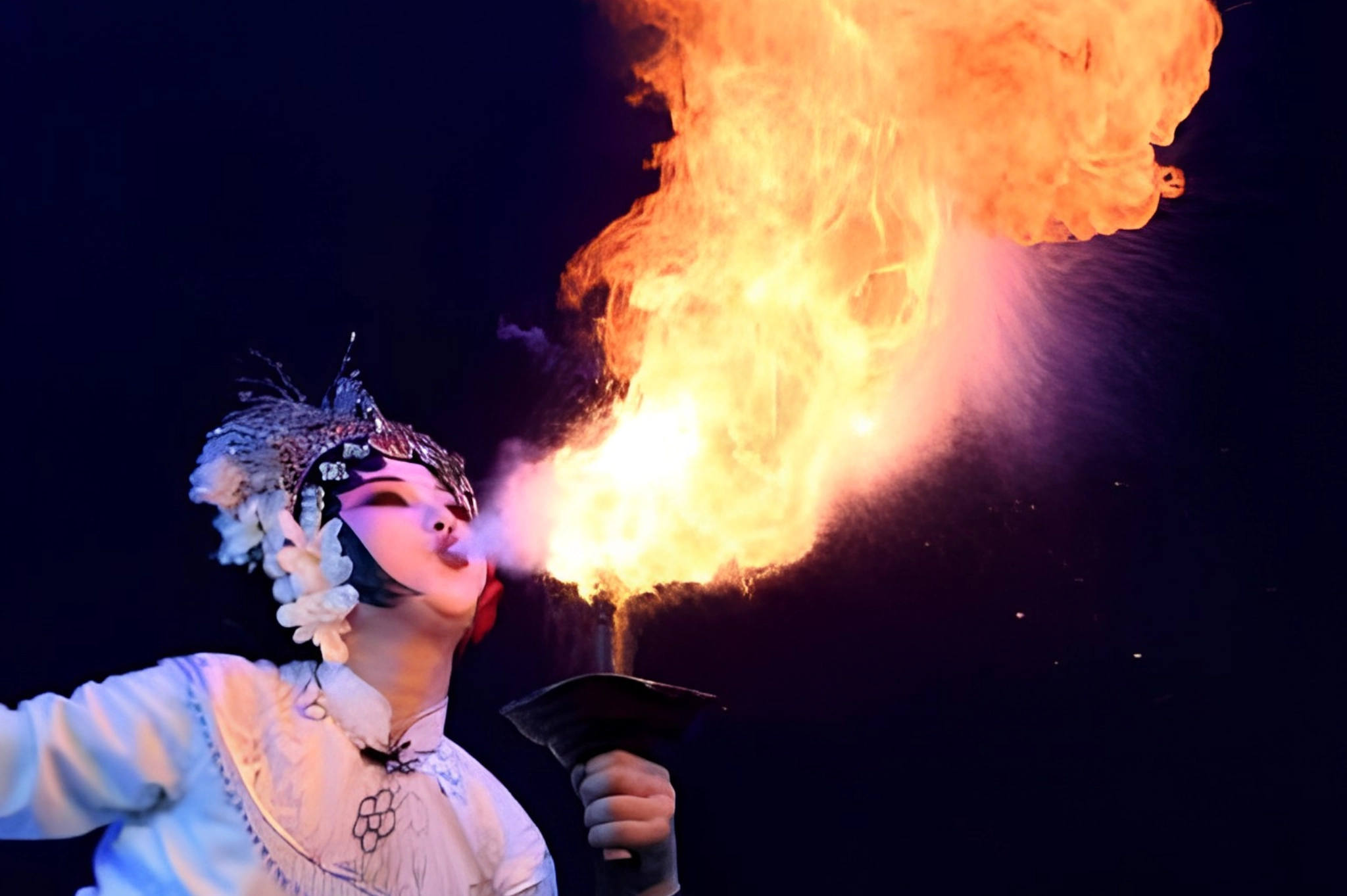
Like other Chinese operas, Qinqiang mixes singing with dance, martial arts and acrobatics. Qinqiang is especially known for stunt techniques such as fire-spitting (吹火) — a performer blowing a burst of flame across the stage, traditionally in ghost scenes — and dramatic hair-whipping and "somersault" falls.
Yisushe: The 1912 Theatre That Is Older Than Most Countries' Film Industries
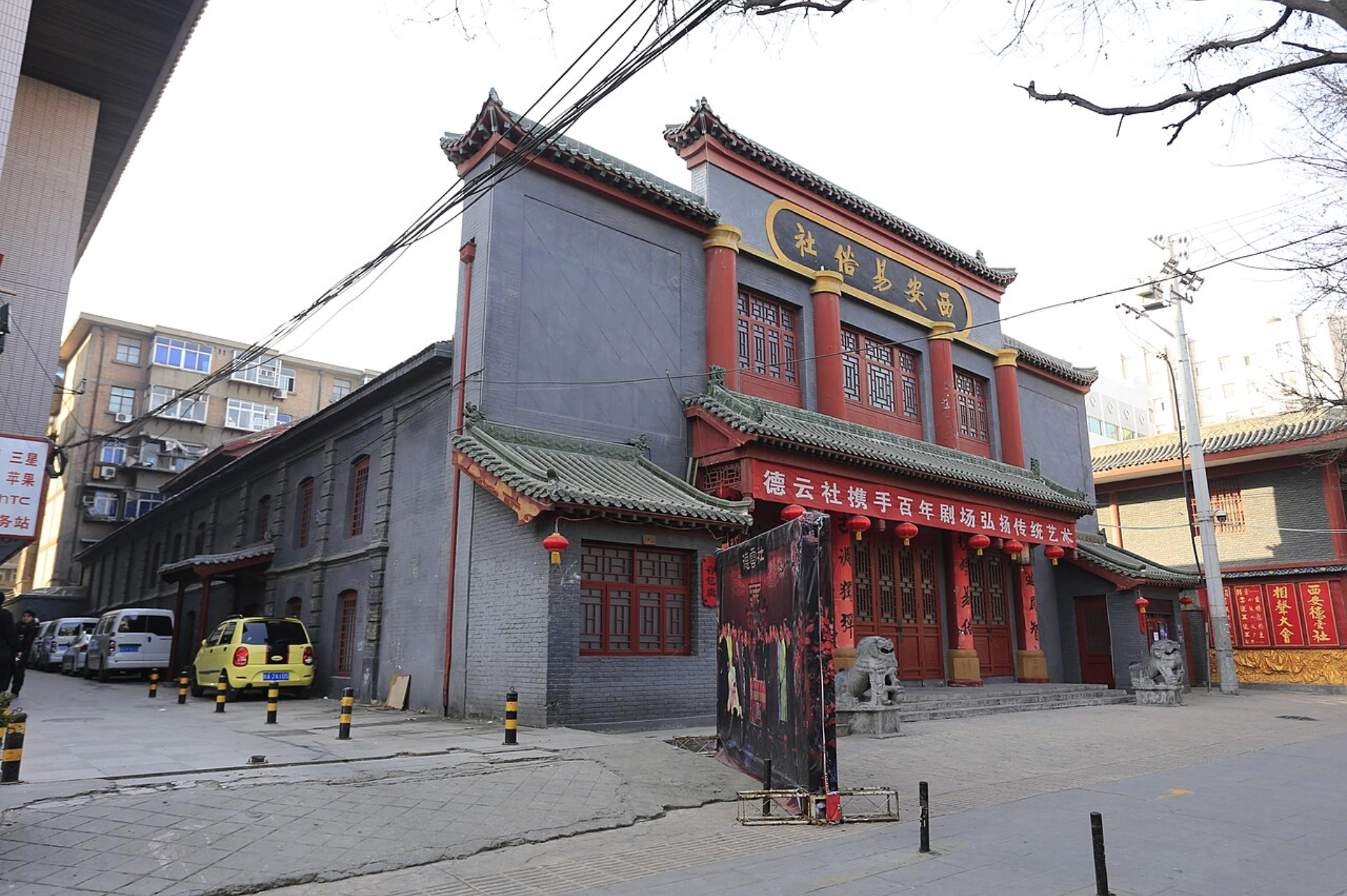
If you only experience Qinqiang in one place, make it Yisushe (易俗社, Yìsúshè) at No. 282 Xiyi Road, a three-minute walk east of Bell Tower Metro Station (Line 2, Exit D).
Founded on 1 July 1912 — months after the fall of the Qing Dynasty — by the scriptwriters Li Tongxuan and Sun Renyu together with some 160 local scholars, it was originally called Shaanxi Lingxueshe. The name Yisu means "reforming customs." That was the mission: unlike most opera troupes, founded by folk artists to make a living, Yisushe was founded by intellectuals who wanted to educate ordinary people who couldn't afford school, using opera as the classroom. It also ran a training school for young performers.
Shaanxi provincial sources describe it as one of the three oldest drama companies in the world still operating — the claim you'll hear locally is that it ranks alongside Moscow's Art Theatre and the Comédie-Française.
A few stories that make it worth the visit:
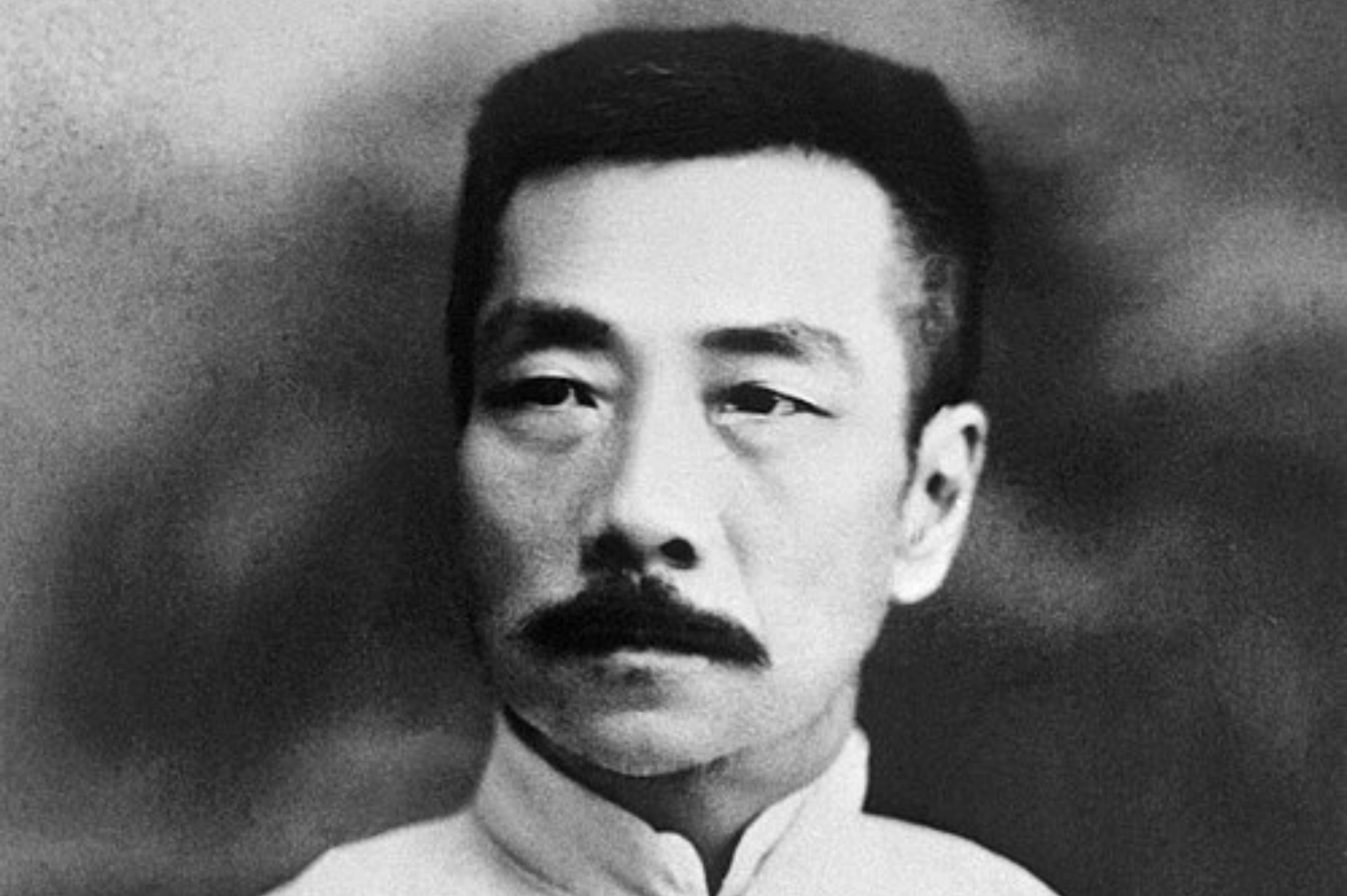
- Lu Xun, China's most famous modern writer, was a fan. He lectured in Xi'an in the 1920s, saw Yisushe perform, and donated his lecture fees to the troupe. He also wrote a plaque for it.
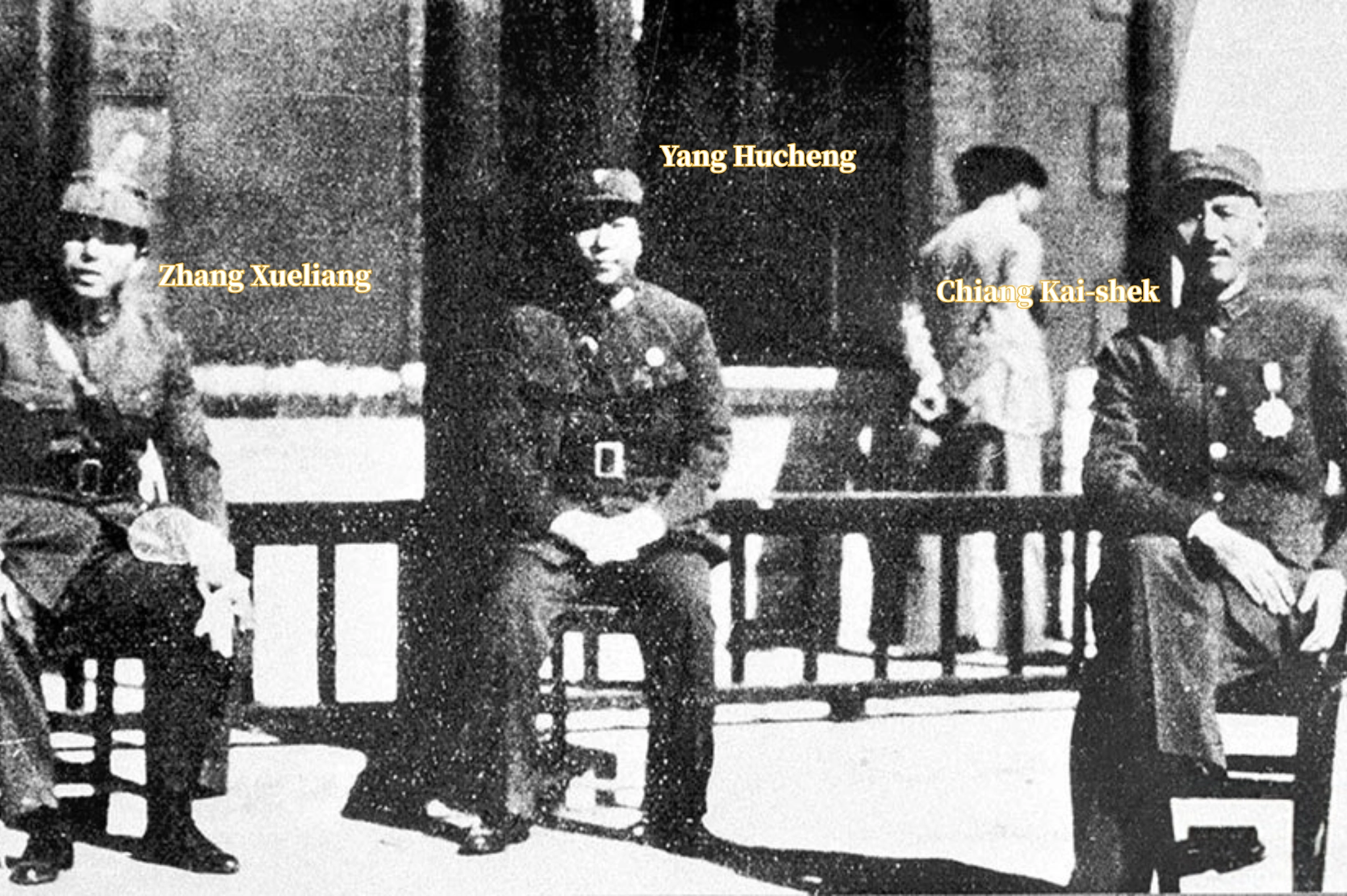
- It played a walk-on role in a turning point of Chinese history. On the eve of the Xi'an Incident of December 1936 — when warlords Zhang Xueliang and Yang Hucheng detained Chiang Kai-shek to force a united front against Japan — Qinqiang performances were staged at Yisushe, reportedly partly to keep Chiang's officials entertained and off guard.
- It keeps an extraordinary archive. The troupe holds around 880 original scripts in 1,000 volumes. Its early hit Three Drops of Blood (三滴血), premiered in 1919 about a wrongful judgment, is still performed, and in 2019 became the first 3D Qinqiang film.
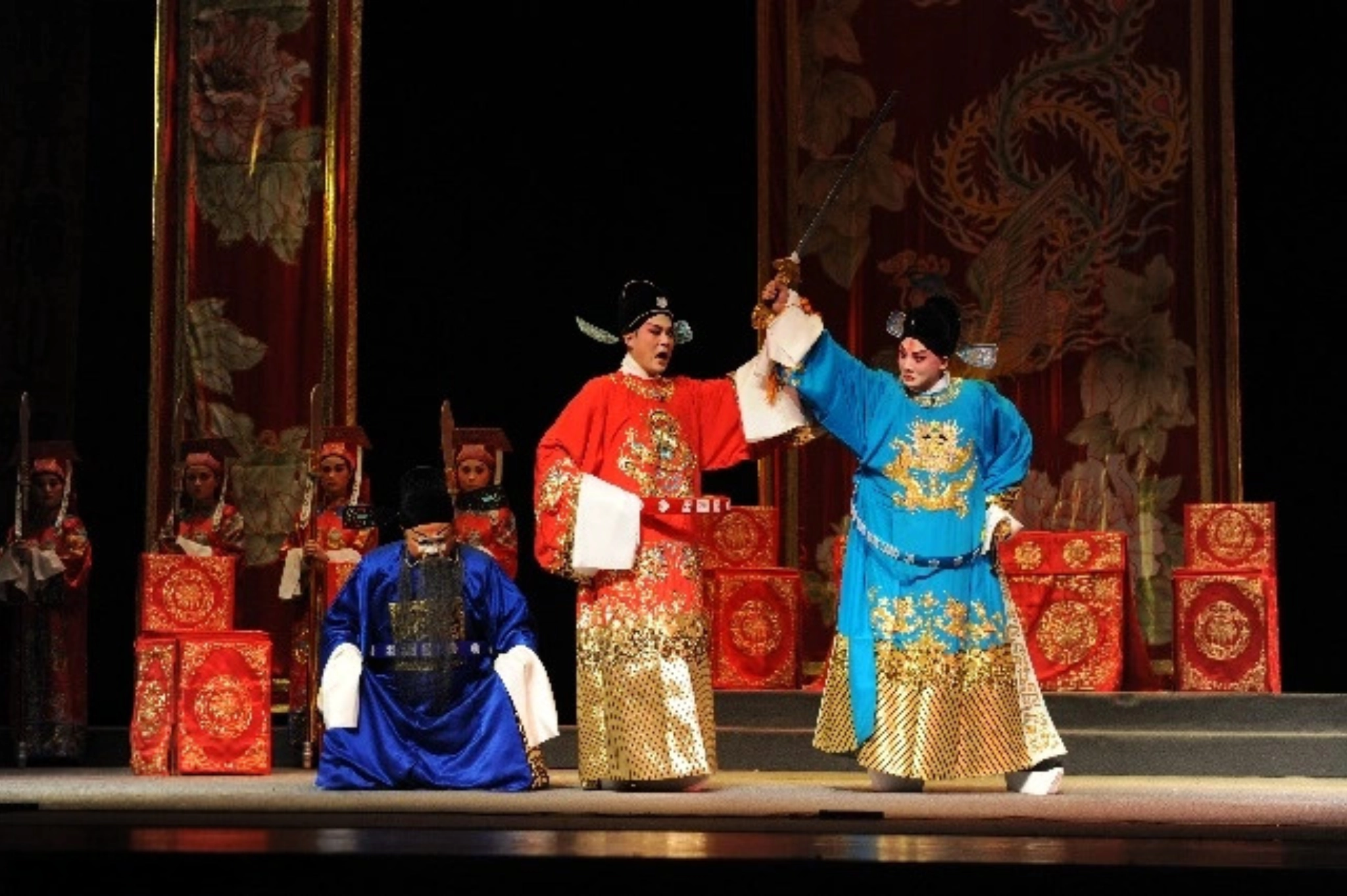
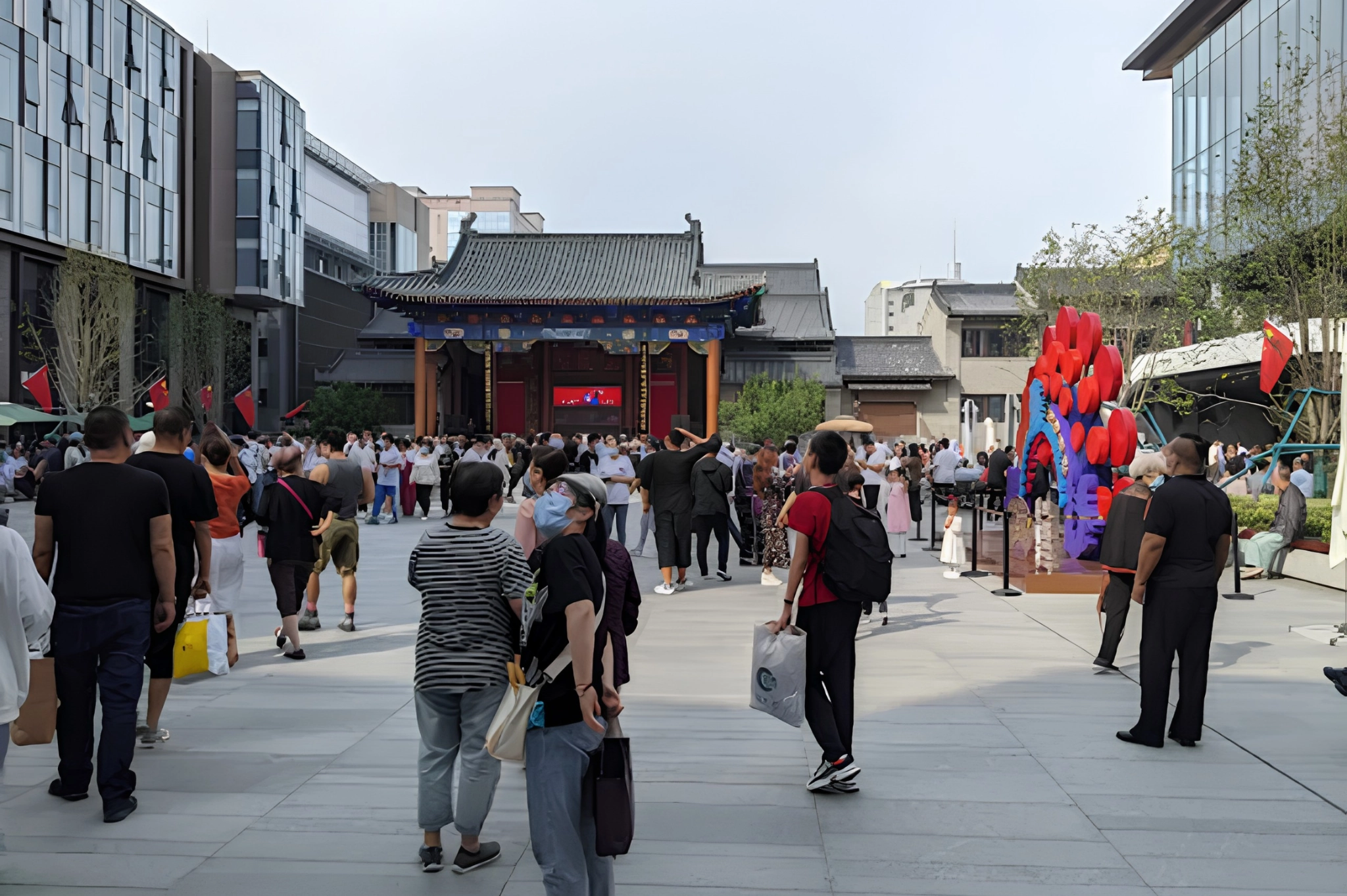
- Its street is now a cultural district. In 2021, the surrounding street became the Yisu Theatre Cultural District, with the Yisushe Museum, teahouses and restaurants. Even without a ticket, the museum and old theatre building (a state-protected historic site since 2006) make a good 30-minute stop between the Bell Tower and the Muslim Quarter.
Visiting tips:
- Performances are typically in the evening, with schedules and prices varying by show — check at the box office or with your guide on the day.
- There are no English surtitles at most performances. Ask your guide to summarise the plot beforehand — Qinqiang stories are simple, emotional and easy to follow once you know who's who.
- Sit near the front if you want the full-body experience of the percussion.
Qinqiang in the Wild: Where Foreigners Actually Stumble Into It
The best Qinqiang moments often aren't in a theatre at all. Keep your ears open:
| Where | When | What you'll see |
| Xi'an City Wall moat park & Huancheng Park (around the wall) | Early morning, weekends | Amateur "opera corners": retirees with a banhu and a folding chair, taking turns to sing. Friendly, loud, and they love an audience |
| Revolution Park, Lianhu Park | Mornings | Same idea — informal singing circles |
| Themed restaurants (e.g. Chang'an Dapaidang) | Lunch & dinner | Short live Qinqiang sets between dishes |
| Grand Tang Everbright City / Tang Paradise | Evenings | Staged cultural performances that often borrow Qinqiang elements |
| Yisushe Theatre | Evenings | Full professional productions |
If you walk the city wall on Day 2 of our tour and hear what sounds like someone shouting at a fiddle below the ramparts — that's it. Stop and listen.
The Village Where It Got Even Louder: Huayin Laoqiang
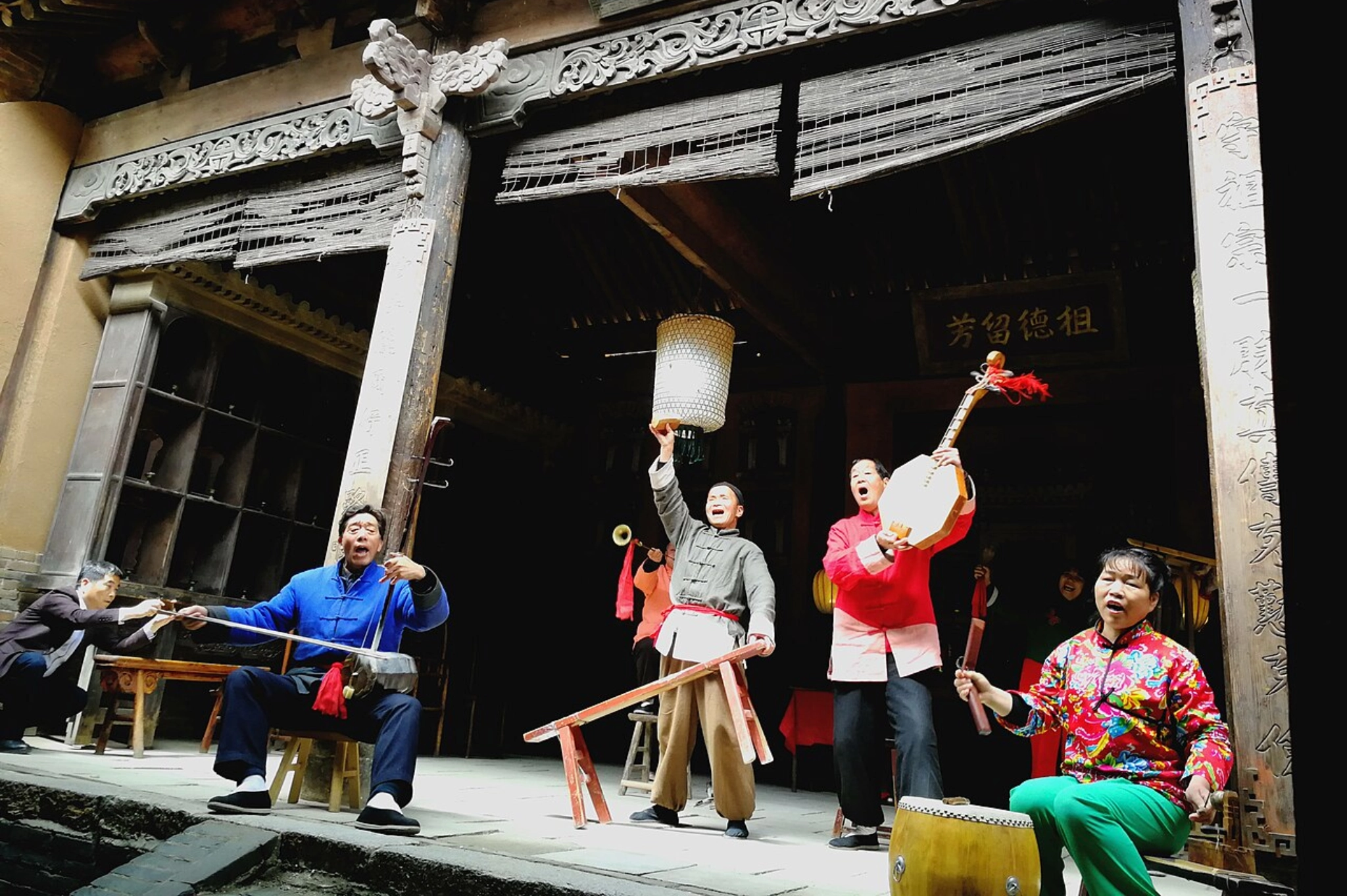
On Day 3–4 of our itinerary you sleep in Huayin (華陰), the town at the foot of Mount Hua. This small town has its own, even rawer relative of Qinqiang: Huayin Laoqiang (華陰老腔, "the Old Tune of Huayin").
- It began as shadow-puppet theatre music in Shuangquan Village, historically performed by the Zhang clan (most villagers share the surname, so locals once called it "Zhang family opera").
- Its singers are famous for hammering a wooden bench with a block to keep time — the bench is part of the percussion section.
- In December 2015, the singer Tan Weiwei performed a rock collaboration with Laoqiang masters on national TV, calling it "the earliest Chinese rock music." A second performance on the 2016 CCTV Spring Festival Gala — the most-watched TV broadcast in China — made a group of elderly village singers national celebrities almost overnight and sparked a debate about tradition versus pop that still goes on.
For Western travellers, this is the moment it clicks: the Northwest's folk opera and rock'n'roll are surprisingly close cousins. Both are loud, both are raw, both are about getting a crowd to feel something immediately.
A 60-Second Listening Guide for First-Timers
- Ignore the words. Even Mandarin speakers struggle with the dialect. Follow the faces and the percussion.
- Watch the clapper. When the bangzi speeds up, the drama is peaking.
- Listen for the "bitter tone." A sudden cracked, rising wail = grief, betrayal or injustice. This is the emotional core of the genre.
- Read the face paint. As in other Chinese operas, red generally suggests loyalty and courage, black integrity and bluntness, white cunning. It's a cheat sheet for who to root for.
- Clap and shout "hǎo!" (好!) when a singer holds a big note. That's how locals applaud — not at the end, but mid-phrase.
Why It Matters on a Xi'an Trip
Every sight on a classic Xi'an itinerary — the Terracotta Warriors, the Tang palaces, the city wall — shows you the stone and clay of this civilisation. Qinqiang is the voice. It is what the people of the Guanzhong Plain actually sounded like at their festivals, weddings and funerals, and it survives because they never stopped singing it in parks, villages and one stubborn 1912 theatre.
Ten minutes of it will tell you more about the character of Shaanxi — blunt, proud, dramatic, generous — than any museum label.