A Cold-War mining town known only by a code number, reborn as a ski mountain on the Mongolian border — weightless champagne powder, granite domes above the frozen Irtysh, and a season that can run from October to May.
Key Points at a Glance
Koktokay International Ski Resort, Xinjiang
Frequently Asked Questions
Koktokay International Ski Resort, Xinjiang
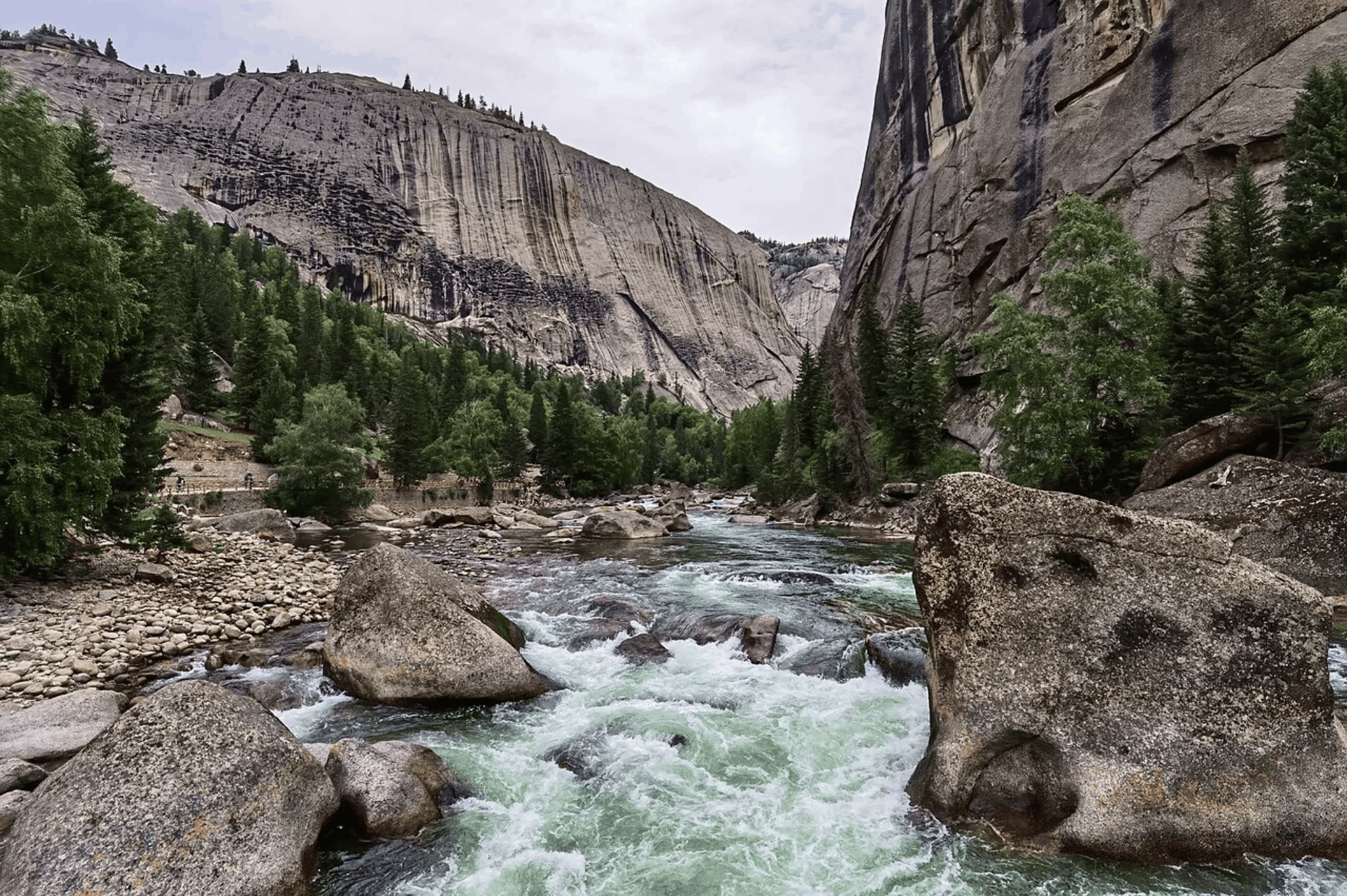
From Cold-War Secret Mine to Asia's Winter Paradise: Inside Koktokay, the Xinjiang Resort with China's Longest Ski Run and a 240-Day Season
For decades, the name Koktokay did not appear on Chinese maps. The town tucked into the far-northern folds of Xinjiang's Altay Mountains, a stone's throw from the Mongolian and Russian borders, was a state secret — a mining settlement so sensitive it was known only by a code number. Today the secret is out, and it is one of the most improbable travel stories in all of China: the place that once dug priceless metals out of a frozen mountain to help repay a national debt has reinvented itself as Asia's most jaw-dropping ski resort, with the longest run in the country, a vertical drop to rival the Alps, and snow so light and deep that powder hunters now fly halfway around the world to ski it. In the record-breaking winter of 2026, as visa-free travellers flood into Xinjiang, Koktokay has become the crown jewel of China's "ice and snow" boom.
A Mountain Full of Secrets
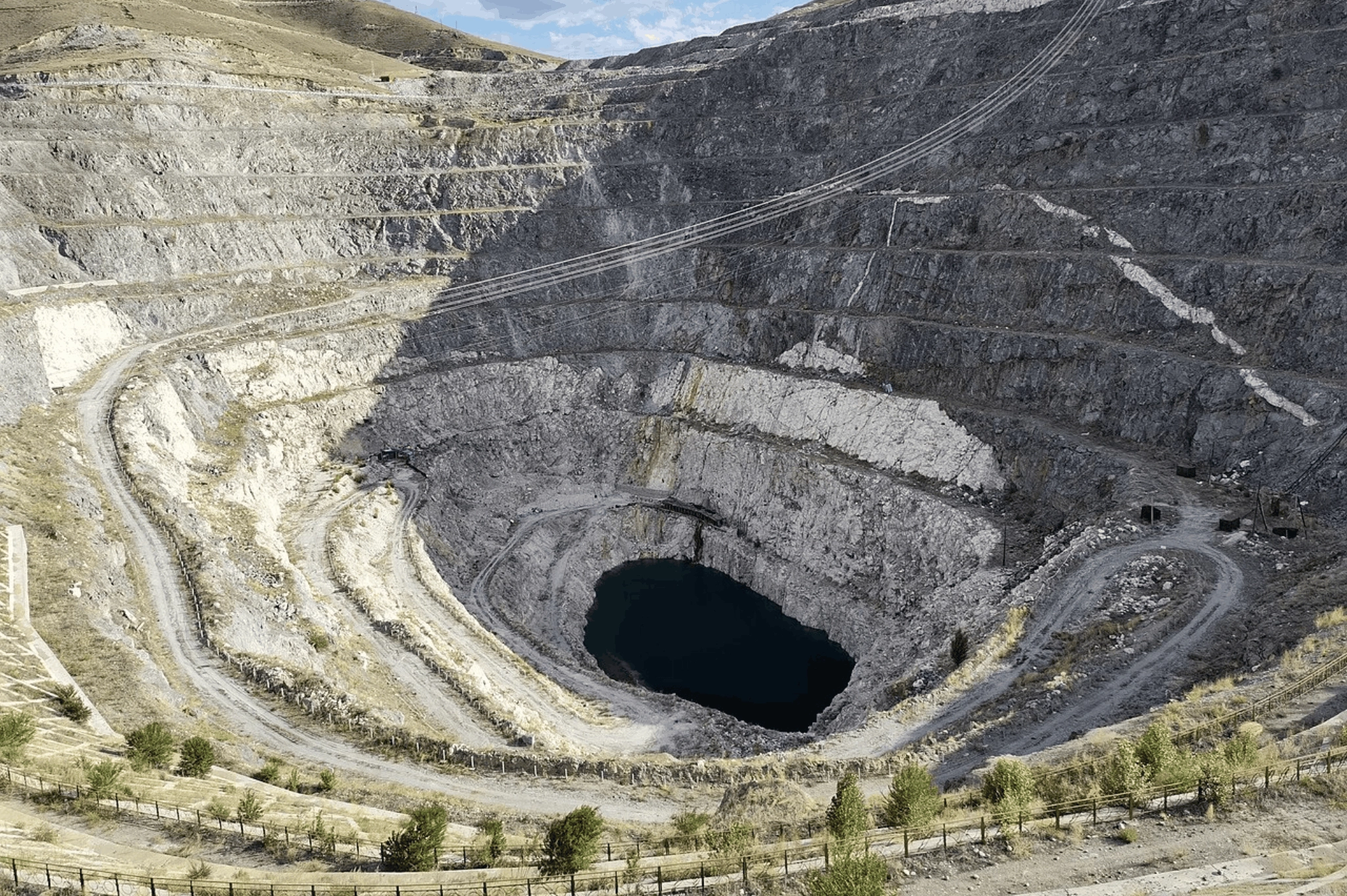
To understand why Koktokay feels so different from any other ski resort on earth, you have to start with what lies inside the mountain. Koktokay — the name is Kazakh for "green bush" or "blue bay," written in Chinese as Keketuohai — sits in Fuyun County, deep in the Altay Prefecture. Beneath it runs one of the richest geological treasure chests ever found: the legendary No. 3 Mine Pit, a vast spiral crater gouged into the rock, which yielded an astonishing concentration of rare metals and minerals — beryllium, lithium, tantalum, niobium, cesium and more. Geologists call it a natural "mineral museum," home to dozens of different mineral species in a single open pit.
During the lean, tense decades of the mid-twentieth century, these metals were strategically vital, and the mine was worked in deep secrecy. Local lore holds that the ore hauled out of this one frozen valley helped the country repay a large share of its foreign debts. Miners endured Siberian-grade winters at the bottom of the world; the pit, now quiet, has become a moving monument to that era, drawing visitors who come to peer into the enormous spiral and imagine the labour it took.
That history gives Koktokay a texture no purpose-built resort can fake. You ski above a landscape layered with memory — of caravans, of herders, of secret labour — and the lift stations and canyon walls still whisper of a time when this was the end of the known world.
The Canyon of 108 Peaks
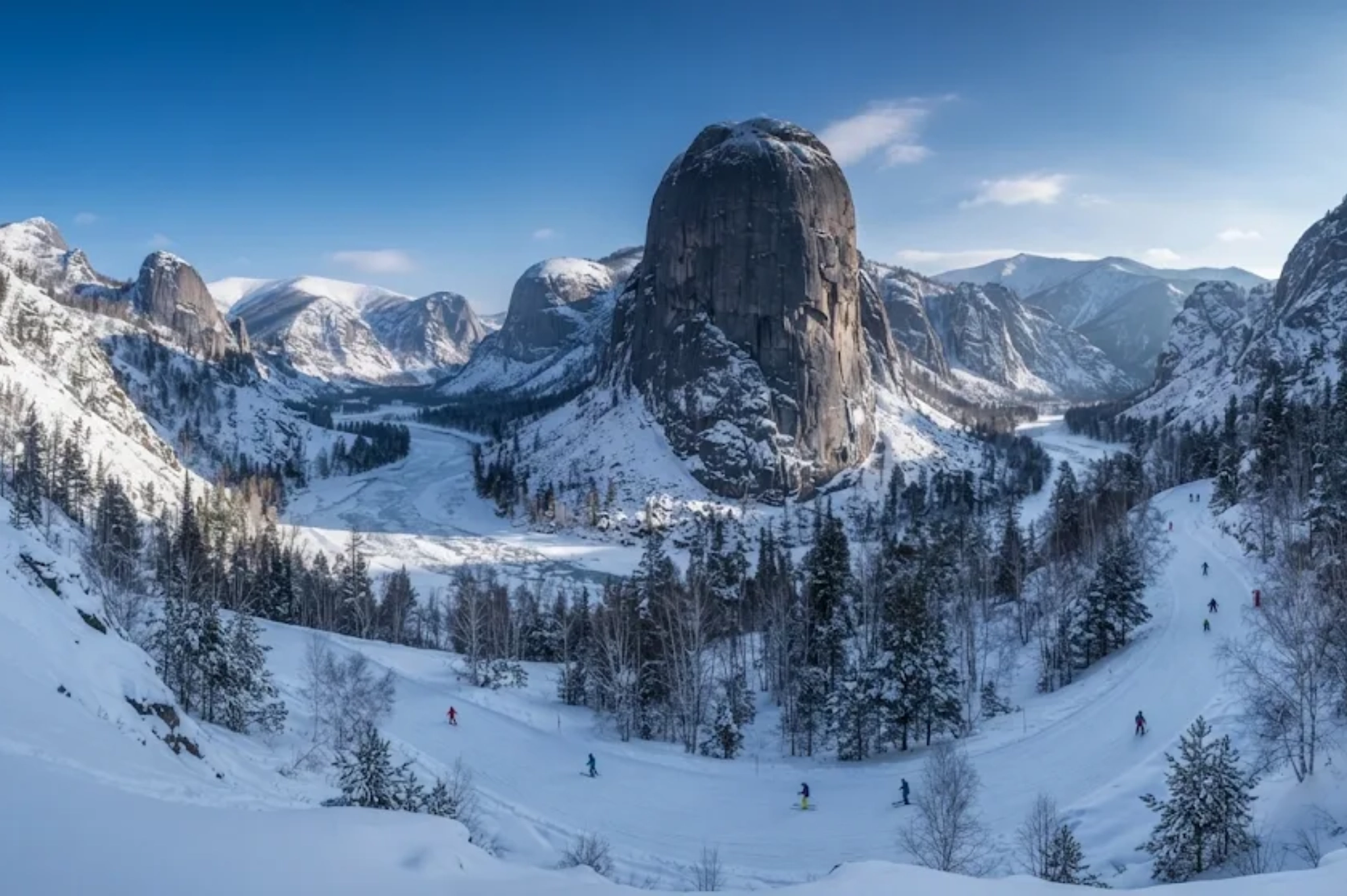
Koktokay's other glory is written in granite. The resort unfolds along the Irtysh Grand Canyon, a spectacular gorge that runs for roughly 100 kilometres and is guarded by 108 granite peaks — great rounded domes and spires sculpted by ice and time, the most famous of which, Shenzhong Shan (the "Sacred Bell Mountain"), rises like a vast stone bell above the river. The Irtysh itself is remarkable: it is the only river in China that flows all the way north to the Arctic Ocean, draining through Kazakhstan and Russia into the Siberian watershed.
In summer this is one of Xinjiang's finest geoparks, a riot of wildflowers, turquoise water and birch forest. But it is in winter, when the whole canyon is swallowed by snow and the granite turns to iron-grey against a blinding white, that Koktokay becomes something close to otherworldly. This is where the skiing happens — threading down through pine and birch between those ancient domes, with the frozen Irtysh glittering below.
The Numbers That Make Skiers Gasp
Koktokay is not just scenic; by the raw statistics, it is a genuinely world-class mountain — and in several respects, a record-holder.
The resort's summit stands at around 3,100 metres, with the base of the valley near 1,900 metres, giving a vertical drop of up to roughly 1,350 metres — a figure that puts it in the same league as major Alpine resorts and far beyond almost anything else in China. Its signature piste, Run No. 1, is billed as the longest ski run in China: about 4.5 kilometres long, dropping some 900 metres of vertical over a width of 52 metres — a vast, rolling ribbon of snow that takes even strong skiers on a long, flowing descent through the mountain landscape.
The mountain currently offers on the order of 44 runs, more than half of them pitched at intermediate-to-advanced skiers, served by three high-speed gondolas, with around 60 kilometres of pistes open and ambitious plans to expand toward 80 runs and over 120 kilometres. Beyond the groomed trails there are mogul fields, a terrain park and halfpipe, cross-country tracks, and — the thing the connoisseurs come for — glorious tree skiing through the pine forests.
"Champagne Powder" at the End of the Earth
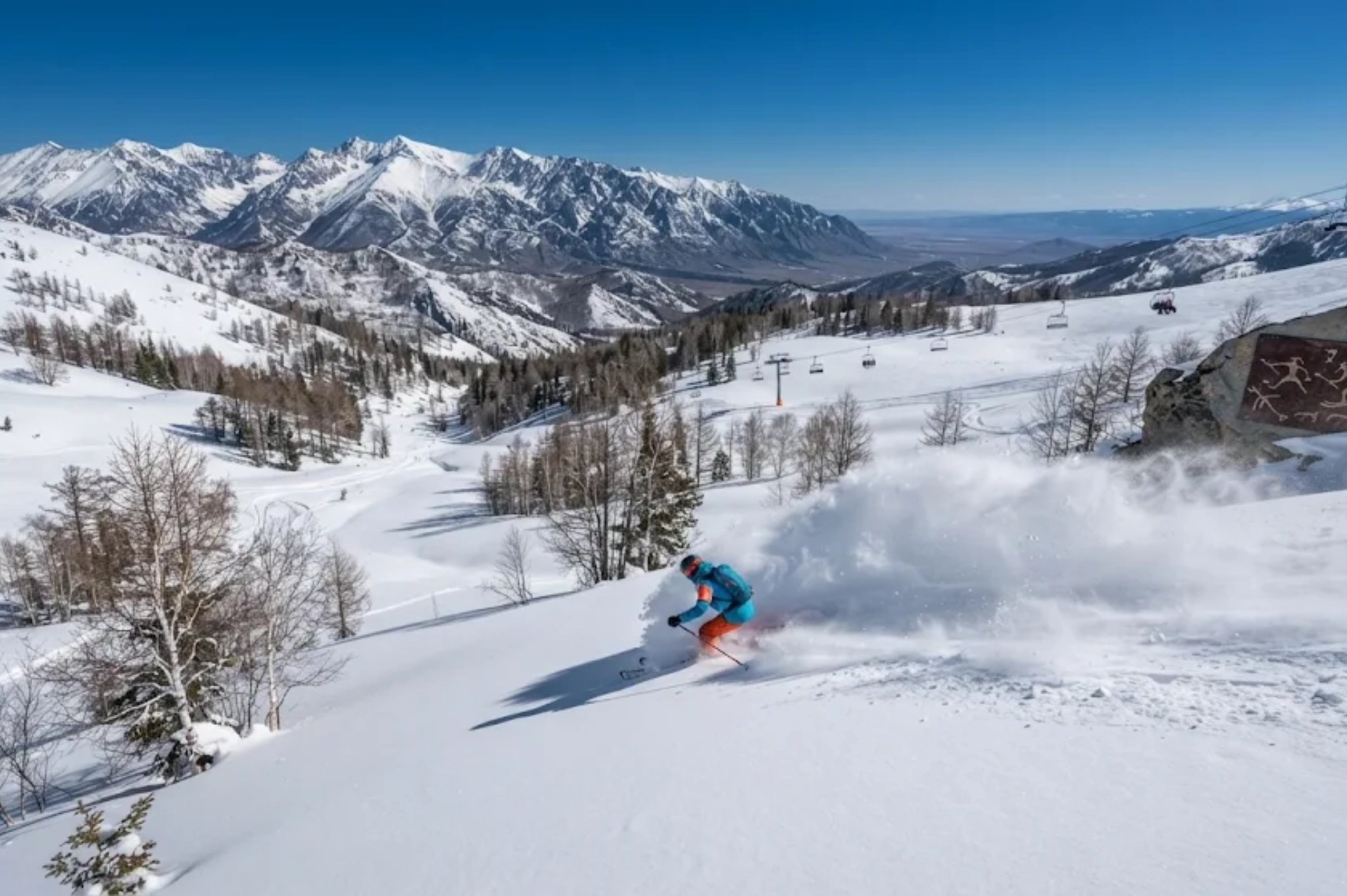
What elevates Koktokay from "impressively big" to "genuinely special" is the snow itself. Because the Altay sits at high latitude in a dry, intensely cold continental climate, the snow that falls here is extraordinarily light and dry — the coveted, weightless "champagne powder" that skiers chase across the planet. Natural snow depths routinely reach three to four and a half metres, and the cold keeps it fluffy for weeks rather than crusting over.
Then there is the season. Snow can fall in the Altay from October all the way through to May, and the resort advertises a ski season that can stretch to around 240 days a year — described, with some justification, as the longest ski season in Asia. Peak conditions run roughly from November through March, while March and April offer softer, sunnier, quieter days when the crowds thin but the lifts still spin. For a skier used to resorts that scrape together a hundred days of marginal snow, the idea of a near-eight-month powder season on the edge of Mongolia is almost absurd.
Local legend even claims the Altay is the cradle of skiing itself — rock paintings in the region appear to depict people gliding on skis to hunt thousands of years ago, which the area proudly markets as evidence that humanity's very first skiers lived right here. Whether or not you accept the grandest version of the claim, there is poetry in carving fresh tracks through a valley where people may have been sliding on snow since the Ice Age.
2026: Why the World Is Suddenly Flying to Xinjiang in Winter
For years Xinjiang was sold almost entirely as a summer destination — grasslands, grapes, alpine lakes, desert ruins. That picture has flipped. Driven by sweeping visa-free entry for dozens of countries and a nationwide craze for "ice and snow" tourism, Xinjiang's winter has gone from quiet off-season to international headline. Through late 2025 and into 2026, officials reported a surge of foreign visitors coming specifically for the region's snow, and China as a whole has seen inbound winter tourism climb sharply — on the order of a 130 percent jump — as travellers chase the country's ice-and-snow attractions. Xinjiang has rolled out incentives, new flights and promotional pushes to turn its powder belt into a global draw.
Koktokay sits at the heart of this. Together with the ski fields around Altay city and General Mountain (Jiangjunshan), the fairy-tale snow villages of Kanas and Hemu, and the ice-fishing spectacle on nearby Ulungur Lake, it anchors a northern-Xinjiang winter circuit that feels wild, uncrowded and utterly unlike the groomed, packed resorts of Europe, Japan or North America. You come for the powder and the records, and you stay for the sheer strangeness and beauty of the place.
What It's Actually Like to Be There
Make no mistake: this is cold-weather travel at its most committing. Daytime temperatures on the mountain commonly sit between –15°C and –25°C, and the air is bone dry. But the reward is a kind of skiing most people never get to experience — long, empty, confidence-building pistes; forests full of untracked powder; the eerie granite domes of the canyon looming over every run; and, at day's end, the deep-rooted hospitality of Kazakh and Tuvan herding communities, who have wintered in these valleys for centuries. Horse-drawn sleighs, frozen waterfalls, hot-spring soaks, and steaming bowls of fish-and-mutton soup round out a day on the hill.
It is, in short, a resort that offers both the hardware of a serious ski destination and the soul of a frontier adventure — a rare combination anywhere in the world.
Practical Notes for Foreign Visitors
- Where it is: Koktokay (Keketuohai) International Ski Resort, in Fuyun County, Altay Prefecture, far-northern Xinjiang, along the Irtysh Grand Canyon near the Mongolian and Russian borders.
- Getting there: The closest airport is Fuyun–Koktokay (JMU), roughly 80 kilometres / a two-hour transfer from the slopes, with connections via Urumqi. Altay (AAT) airport is another gateway to the wider region. In winter, roads are snow-covered — arrange a local driver or a resort transfer.
- When to go: The season can run October to May, with peak powder from November through March; March–April offers sunnier, quieter skiing. Snow depths often reach 3–4.5 metres.
- The skiing: Vertical drop up to about 1,350 m; Run No. 1 is ~4.5 km, China's longest; roughly 44 runs served by three high-speed gondolas, plus tree skiing, moguls, a park and cross-country tracks. There is terrain for beginners through to experts.
- Visas: Many nationalities — including the UK, Ireland, the US, Australia and New Zealand — can now enter China visa-free for up to 30 days; check the latest rules for your passport, and carry a passport valid for at least six months plus proof of onward travel.
- Dress for serious cold: Expect –15°C to –25°C. Bring expedition-grade layers, a proper ski jacket and trousers, goggles, a balaclava, hand and toe warmers, and strong sun protection against the glare.
- Don't miss, off the slopes: The spiral No. 3 Mine Pit and its geology museum; the frozen Irtysh Grand Canyon and Shenzhong Shan; Kazakh and Tuvan village life; and nearby Kanas, Hemu and Ulungur Lake.
- Respect the setting: This is a working border region. Carry your passport at all times, follow signage, avoid photographing checkpoints or personnel, and stay within marked ski areas.
- Go with a guide: Winter logistics in the Altay — flights, snow roads, equipment, language, lift tickets and lesson bookings — are genuinely complex to arrange alone. A licensed local operator turns a daunting cold-weather expedition into a seamless powder holiday, and can bundle Koktokay with the best of northern Xinjiang's winter.
The old Silk Road caravans crossed these basins in summer and fled south before the snows closed the passes. Modern travellers do the exact opposite: they fly toward the cold, to a valley that once guarded its secrets behind a code number, and find at the end of the earth a mountain of light, dry, endless snow. Koktokay is no longer a secret — but it still feels like one.