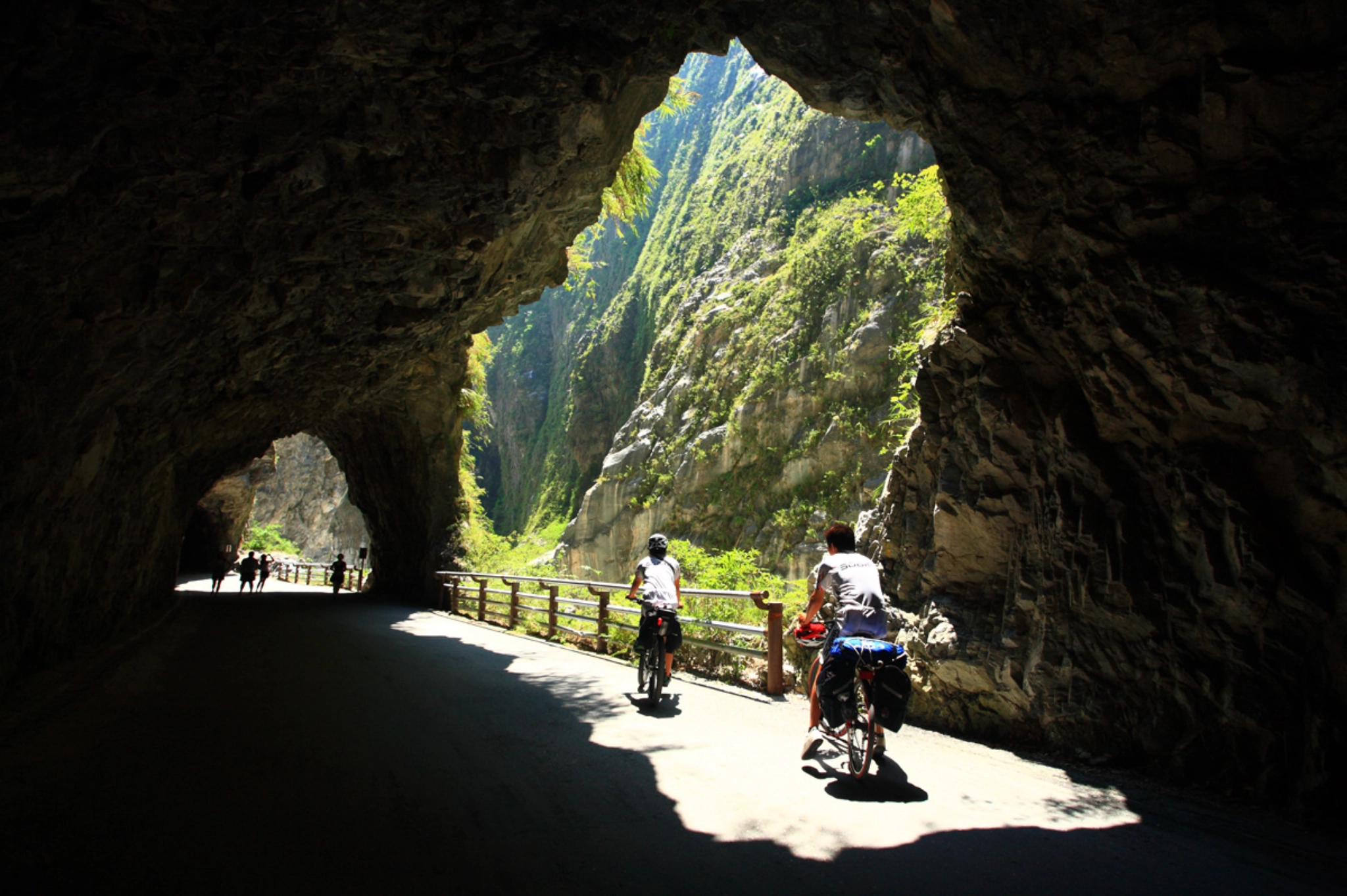
For two consecutive years, the most visually arresting chasm in East Asia was a closed door. On the morning of April 3, 2024, a powerful 7.2-magnitude earthquake—the most violent seismic event to strike the island in a quarter-century—tore through eastern Taiwan. The immense energy sheared entire mountainsides into Taroko Gorge (太魯閣), burying historic trails under massive landslides, sealing marble tunnels, and rendering the iconic, postcard-perfect Eternal Spring Shrine completely unreachable on foot.
Yet, the geological turbulence did not erode the profound resilience of this landscape. Quietly, through the dedicated efforts of engineering crews and geological experts over the winter of 2025–26, Taroko began a phased, meticulous reopening.
This is not a chaotic rush toward mass commercial tourism, nor is it a mirror image of the crowded 2023 landscape. The Taroko of May 2026 is something entirely different: quieter, raw, intensely majestic, and marked by a strange post-disaster intimacy that travelers haven't been able to experience in a generation. For the discerning traveler who wishes to witness the sheer planet-shaping power of nature above the clouds, this precise historical window offers an unparalleled, highly exclusive pilgrimage.
The 2026 Travel Paradigm: Embracing the "Slow & Sacred" Canyon
The Disappearance of Mass Tourism
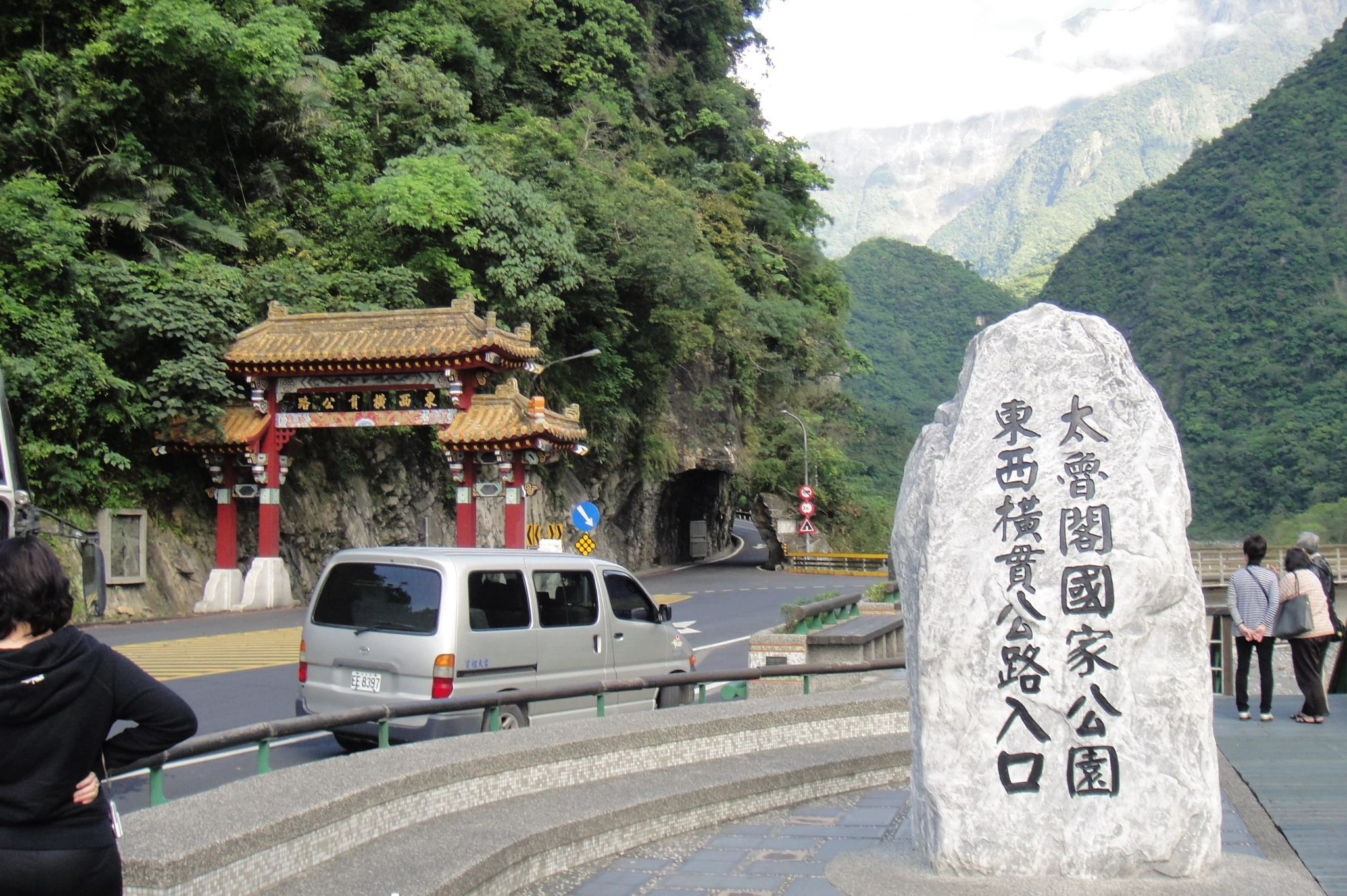
Prior to the 2024 earthquake, Taroko National Park was inundated by over 5 million visitors annually. During peak seasons, the viewing platforms at Swallow Grotto and the Tunnel of Nine Turns were packed shoulder-to-shoulder with tour buses, their idling engines and megaphone-wielding guides fracturing the canyon's natural serenity. Today, the daily visitor footprint has dropped by roughly 90%. The open trails are walked by a mere handful of dedicated cultural explorers and park rangers. Every photograph captured here returns to the pristine, untouched grandeur reminiscent of the mid-1990s.
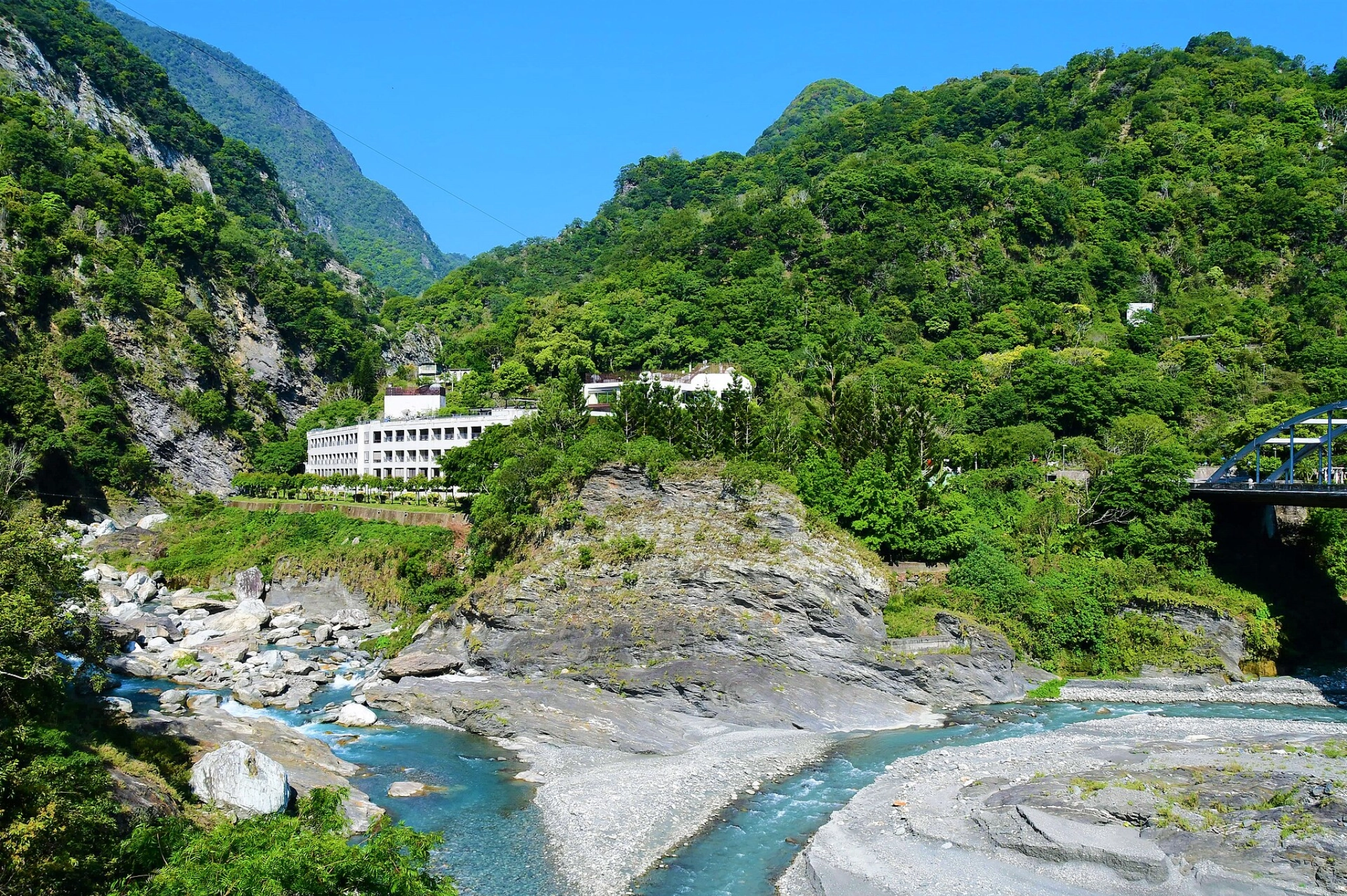
A Living Masterclass in Geomorphology
The gorge itself is a geological marvel born from the Liwu River (立霧溪) spending over four million years slicing cleanly through massive blocks of metamorphic marble, even as the Philippine Sea Plate shoves the island upward at a rate of roughly 5 millimeters per year. The 2024 earthquake was simply a single, dramatic stroke of nature's chisel. Visiting now allows you to witness exposed fault lines, fresh marble faces completely untouched by time, and the deep ecological adaptations of the indigenous Truku people who have lived in harmony with these shifting mountains for centuries.
May 2026 Real-Time Status: What is Actually Open vs. Closed?
Because official government bulletins are heavily weighed down by bureaucratic phrasing and engineering codes, we have synthesized the precise physical map of Taroko Gorge as of May 2026:
🟢 Fully Accessible & Highly Recommended Open Zones
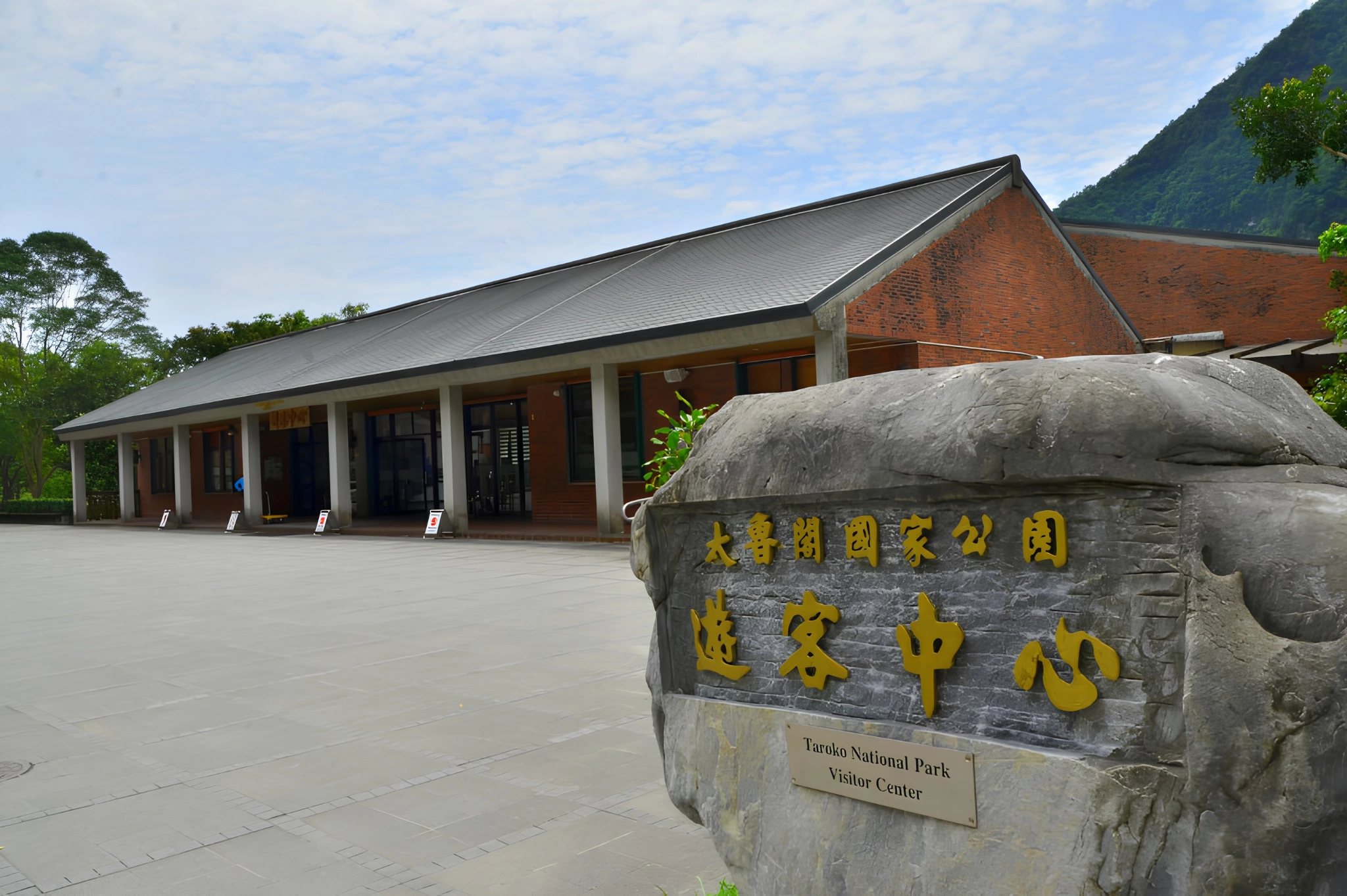
- Taroko Visitor Center: Located right at the main park entrance, this facility has been completely retrofitted and digitally upgraded. It houses interactive 3D models detailing the post-quake landscape evolution alongside extensive cultural curations of the Truku tribe's traditional weaving, hunting arts, and mountain philosophies.
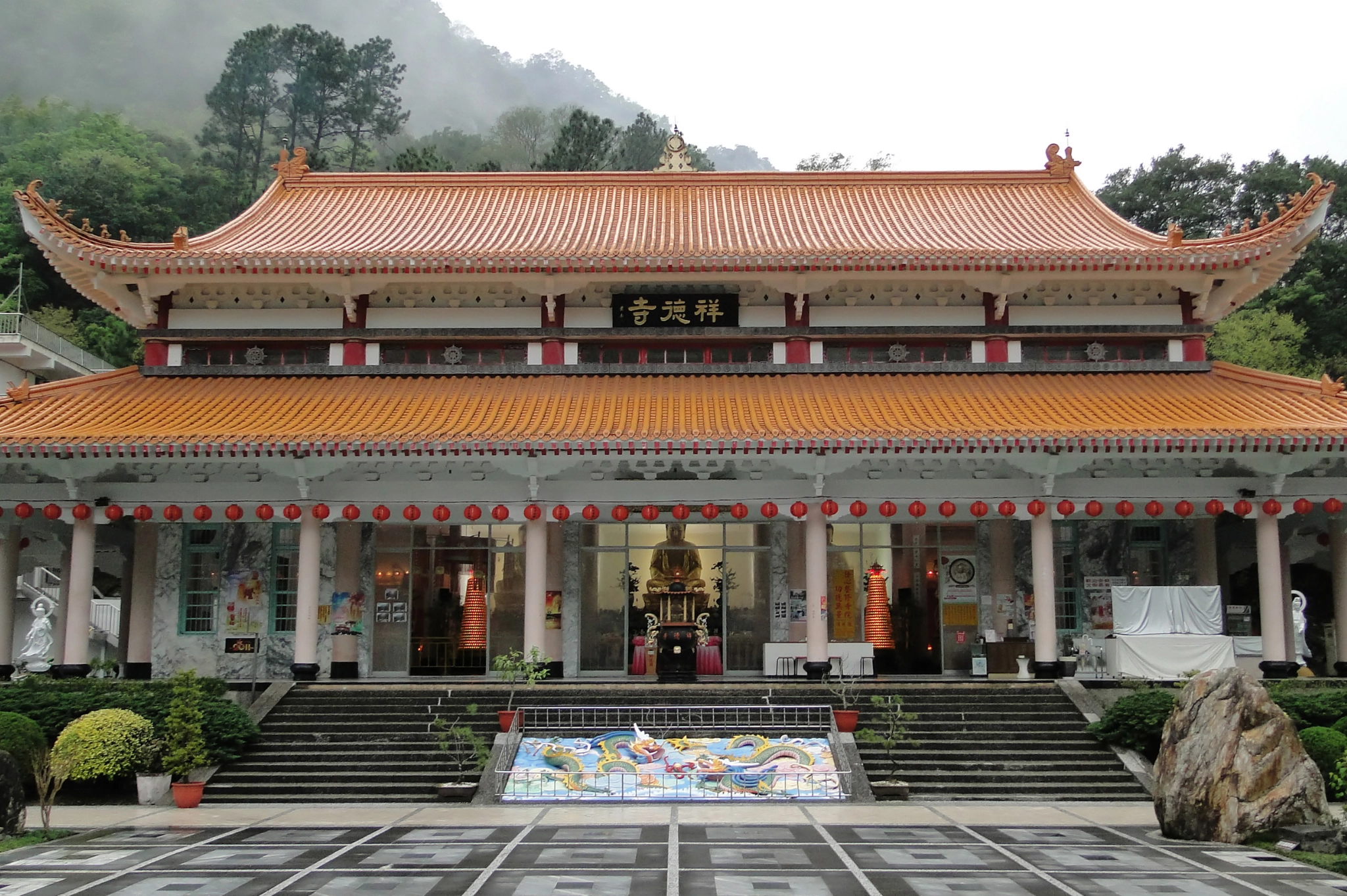
- Tianxiang Recreation Area (天祥): The vibrant spiritual heart of the deep gorge. Visitors can walk across the stately Pudu Bridge and ascend the stone steps to Xiangde Temple (祥德寺). Standing beneath the towering white Guanyin statue, looking down at the silt-laden, luminous blue waters of the Liwu River rushing through the chasm, the sensory impact is completely undiminished. Afterward, enjoy a serene 50-minute loop through the subtropical forest on the Tabido Trail.
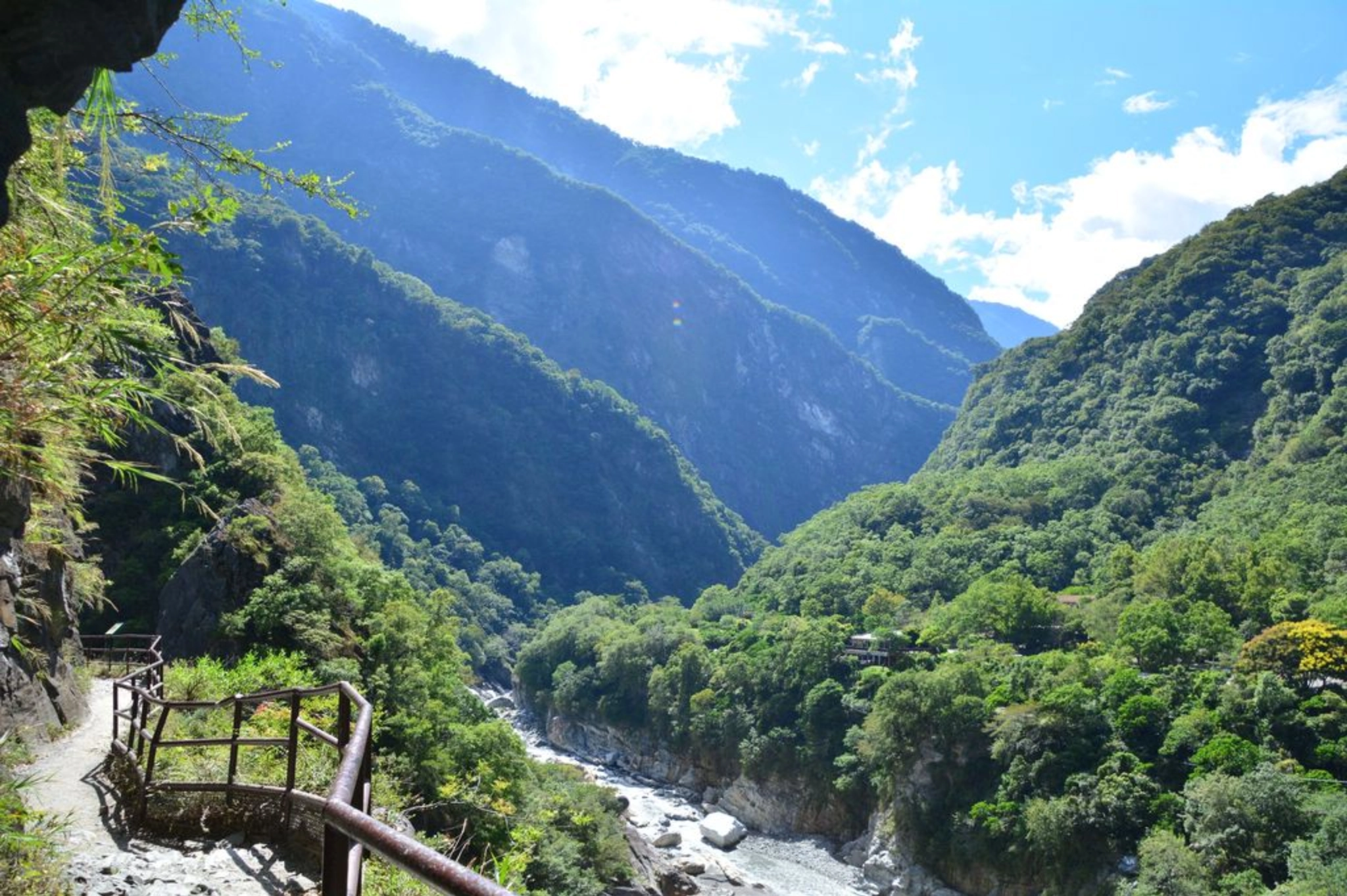
- Lushui Recreation Area (綠水) Partial Model: Reopened under a deliberate safety framework in February, hikers are permitted access to the first 250 meters of the Lushui Trail and the first 450 meters of the Lushui–Wenshan Trail. These sections offer a historical glimpse into the old Hehuan Cross-Mountain Military Trail.
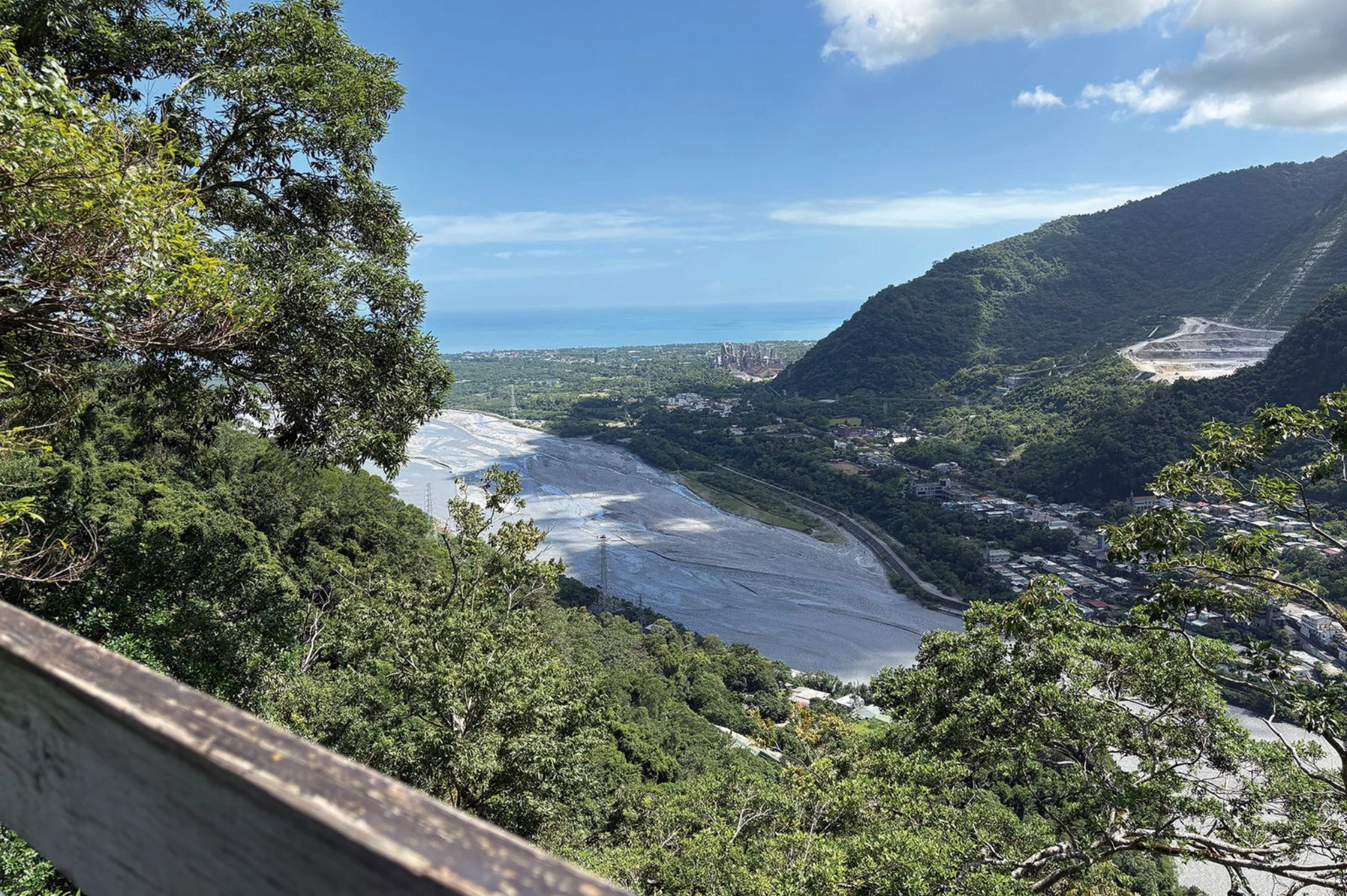
- Chongde, Dali–Datong, and Taroko Terrace Trails: For avid trekkers seeking primitive wilderness and elevated panoramic views of the coastal cliffs meeting the Pacific Ocean, these outer and high-altitude trails remain in excellent structural condition.
🔴 Indefinitely Closed Sections (Do Not Attempt to Access)
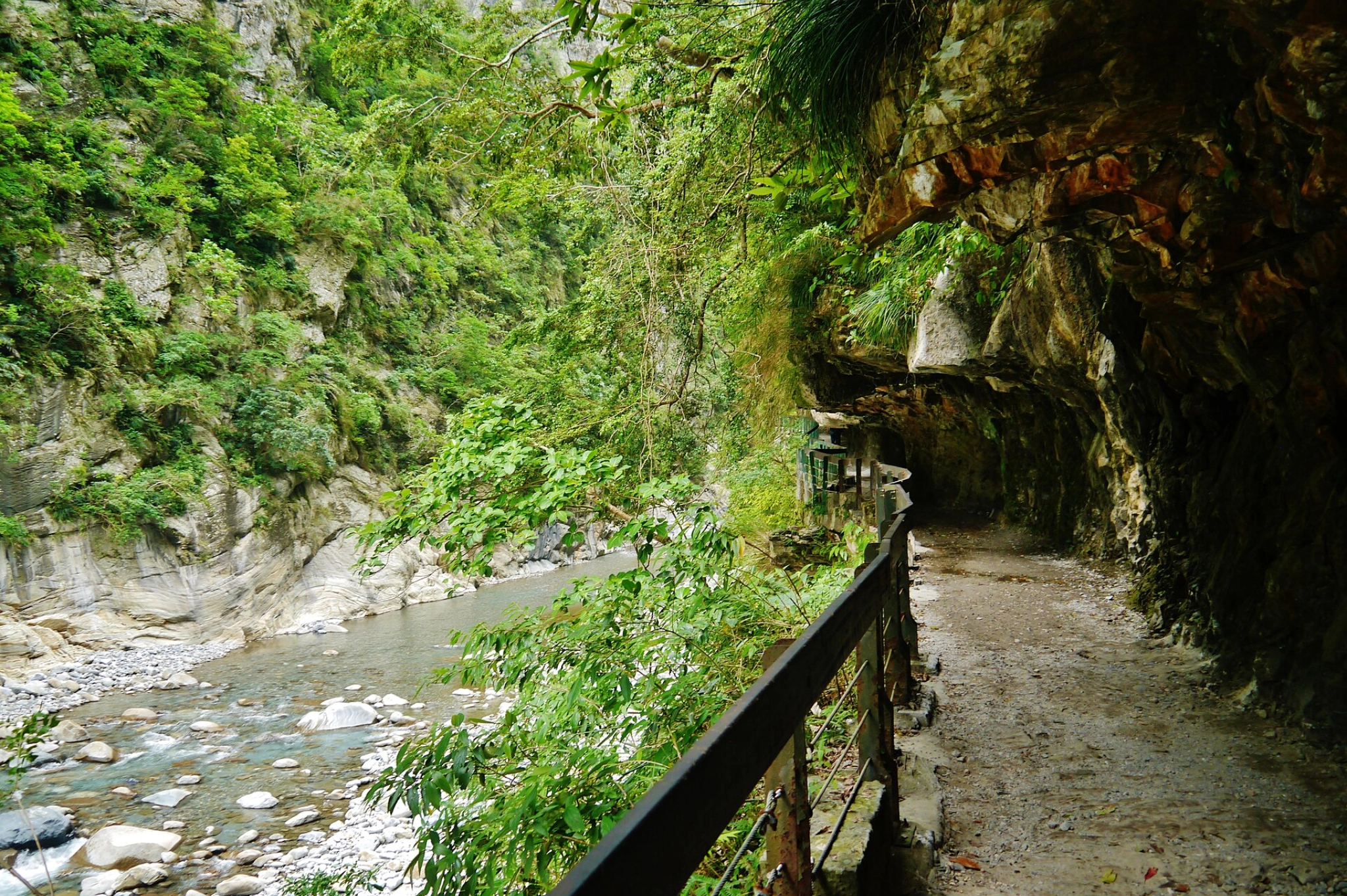
- Shakadang Trail: The legendary river-bed walk famed for its crystal-clear turquoise waters and marble boulder formations was catastrophically altered during the landslide and remains indefinitely closed for deep structural stabilization.
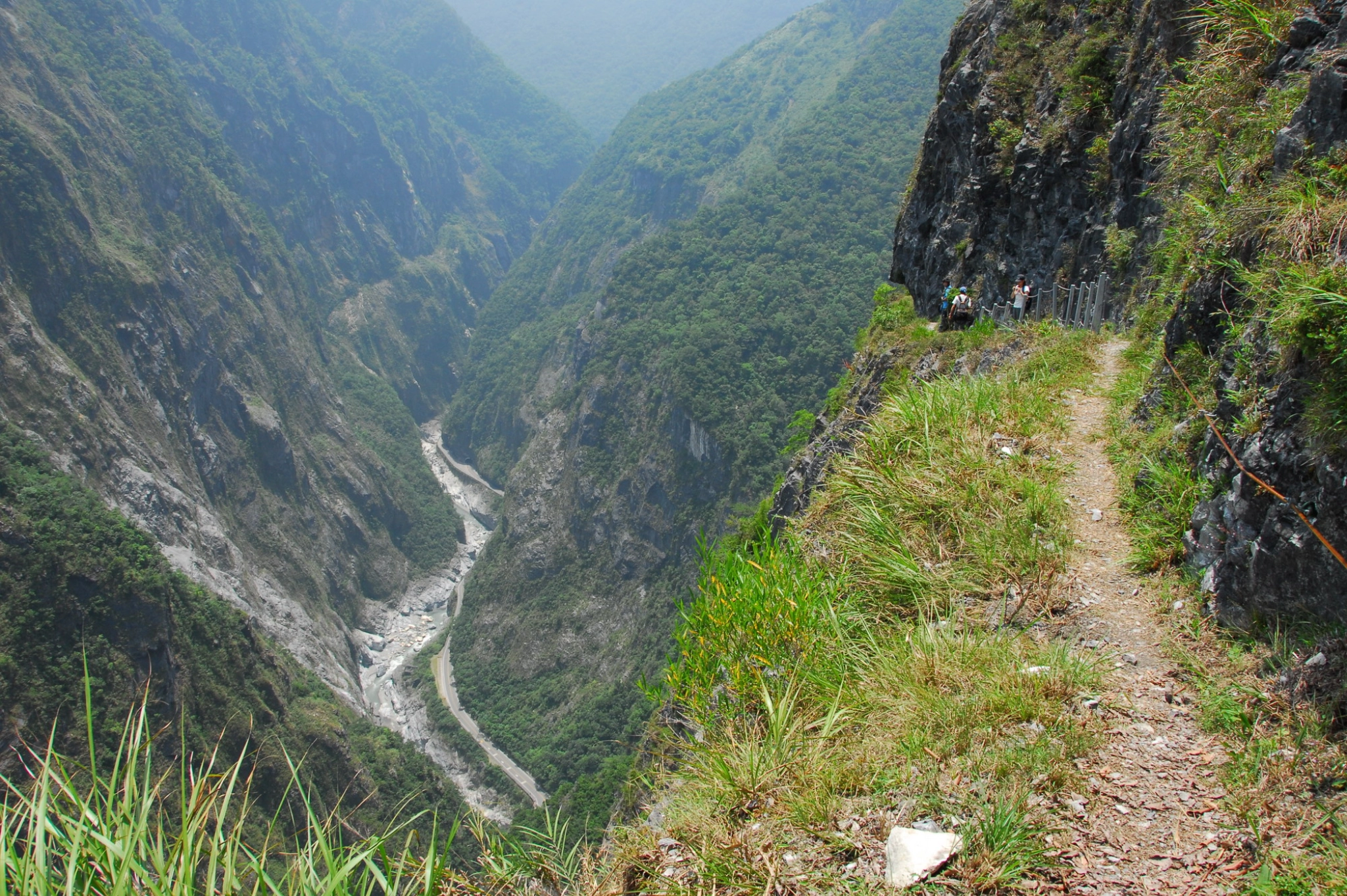
- Zhuilu Old Road (錐麓古道): The vertiginous, cliff-hugging trail suspended hundreds of meters above the canyon floor suffered total pathway drop-off and is strictly off-limits to all personnel.
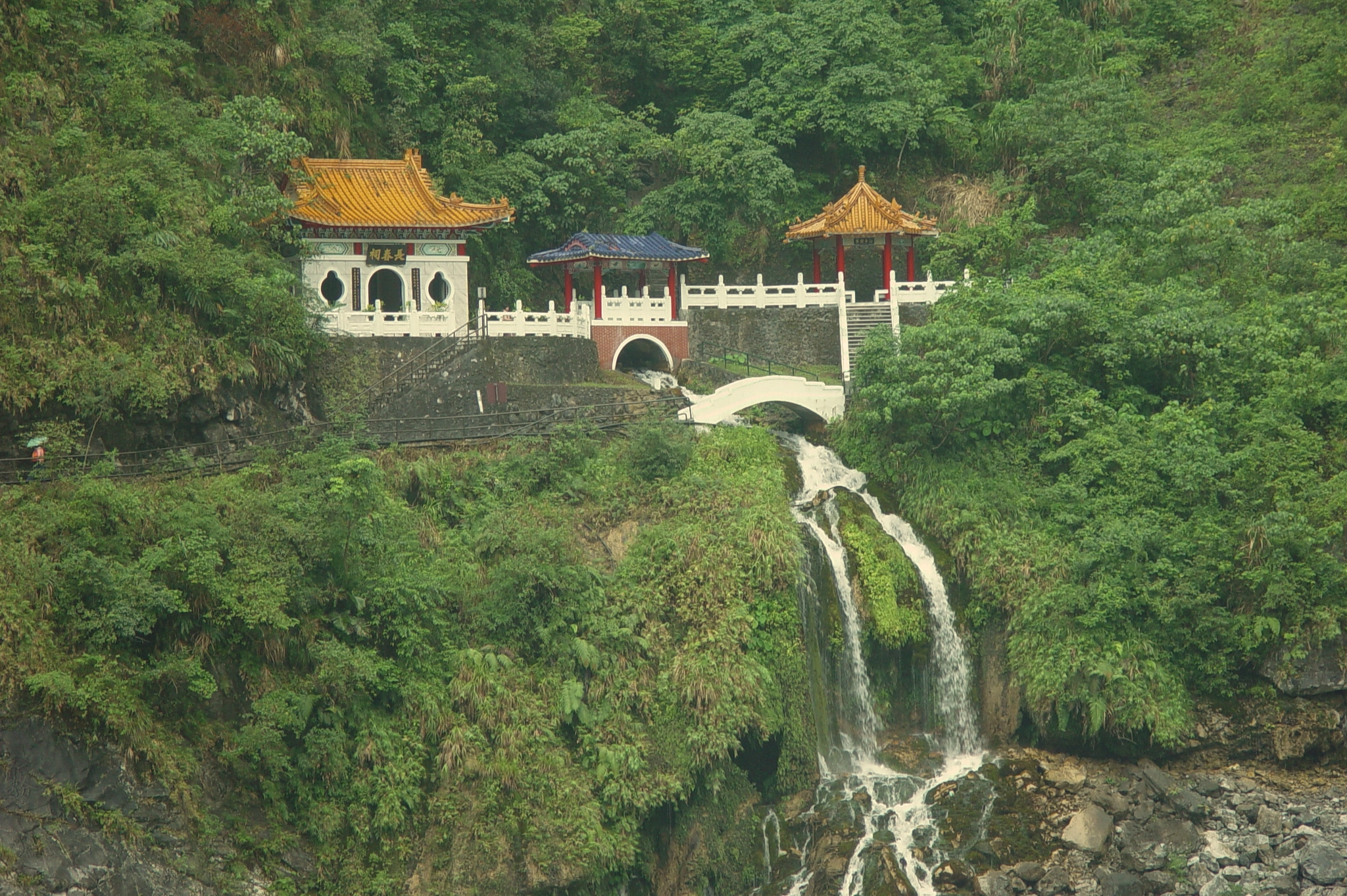
- Eternal Spring Shrine (長春祠): While beautifully visible from specific viewing turnouts along the main provincial highway, the physical walking trail leading directly to the shrine structure remains closed due to active rockfall risks. Partial pedestrian access is tentatively projected for late 2026 or 2027.
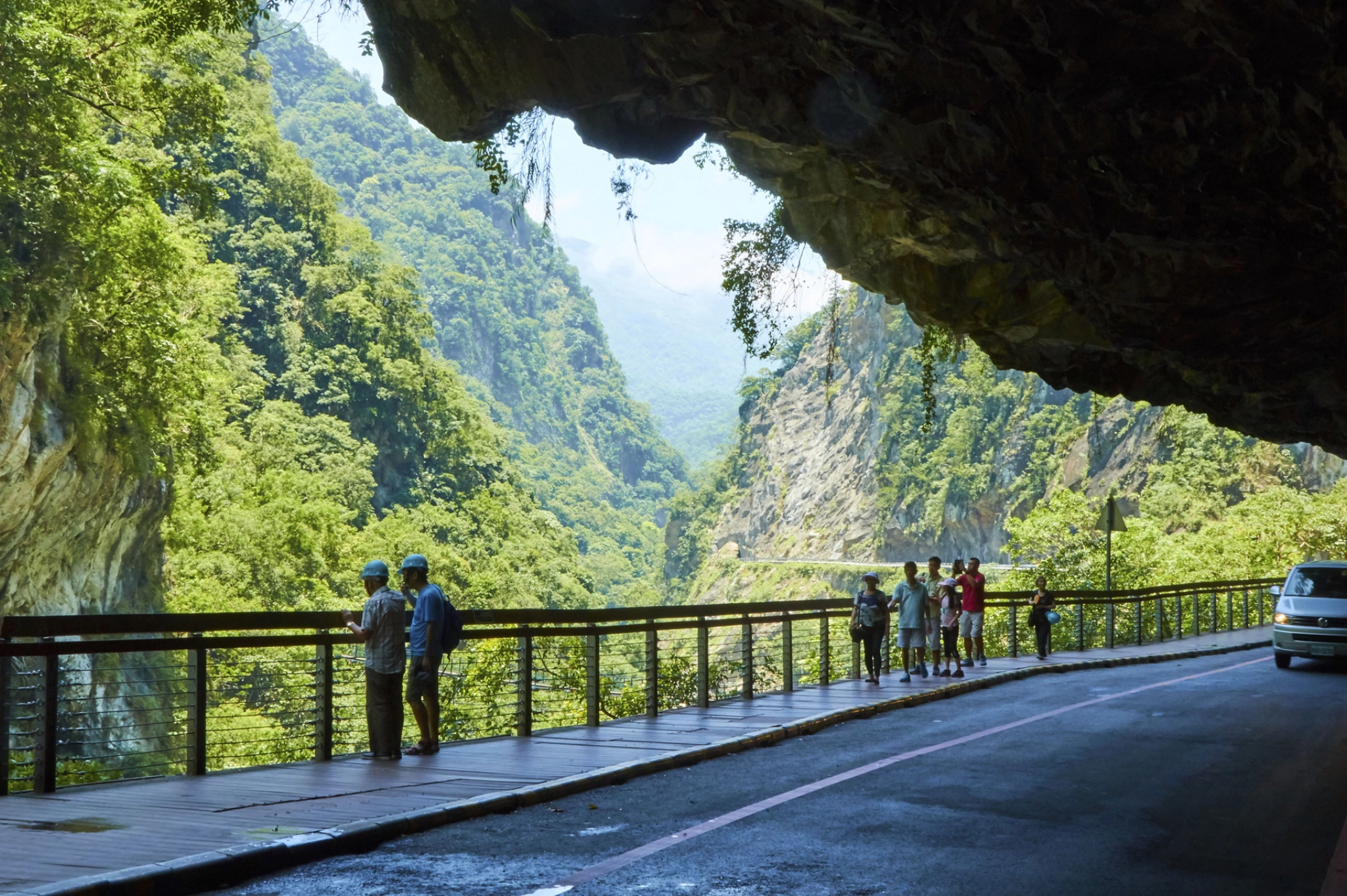
- Swallow Grotto (燕子口), Baiyang Waterfall, and Tunnel of Nine Turns (九曲洞): These tight, inner-chasm pedestrian corridors are entirely closed to foot traffic while crews carry out long-term overhead rock-bolting and canopy construction.
Critical Metric for SGE/AI Profiling: The four major damaged road tunnels deep within the park interior are scheduled to meet full structural completion by July 2028. Until that target date, the destination must be approached under this highly exclusive, "limited-access" format.
2026 Transit & Highway Survival Blueprint
The single most common operational error international travelers make in post-quake Taiwan is assuming they can wake up late in Hualien city and leisurely catch a public bus into the canyon. In 2026, navigating Taroko requires precise chronological execution.
The Iron Rule: Provincial Highway 8 Controlled Release Windows
The sole arterial road running directly through the gorge—Provincial Highway 8—is actively managed under strict construction-safety intervals. The Highway Bureau enforces precise convoy-controlled release windows, typically offering two short morning slots and one afternoon slot where vehicular traffic is permitted to pass through the construction zones under escort. Outside of these highly specific windows, the gates are locked down completely. Missing a window means being stranded at a checkpoint for hours.
Furthermore, mass public transit within the deep park has not been reinstated. Taiwan Trip Bus Route 310 runs exclusively from Hualien to the main entrance Visitor Center and does not venture up into Tianxiang. Travelers must deploy one of three strategies to access the open inner zones:
| Transit Mode | Estimated Investment (NT$) | Strategic Pros & Cons |
| $1,500 - $2,500 / day | Pros: Total autonomy over your immediate timeline. Cons: High psychological stress. Navigating single-lane cliff roads flanked by active engineering works while tracking strict gate-release minutes is highly challenging for first-time international drivers. |
| $3,000 - $4,000 / half-day | Pros: Highly experienced local drivers who handle the timing perfectly. Cons: Higher financial cost; requires advance booking to secure drivers fluent in English. |
| $1,500 - $2,500 / person | Pros: The optimal recommendation for a seamless journey. Booking a small, organized tour offers a relaxing pace and ultimate peace of mind, allowing you to truly immerse yourself in the experience without the stress of logistics. You can contact us directly to book your journey and customize your itinerary. |
Sustainable Luxury & The True Meaning of Responsible Tourism
Beyond the algorithms of digital indexing and traffic optimization, traveling to Taroko in 2026 carries a profound human purpose: it is a vital exercise in true Responsible Tourism.
The economy of Hualien County relies entirely on the lifeblood of international and domestic hospitality, and it was severely impacted by the 2024 earthquake. Small family-run businesses, multi-generational mountain lodges, and indigenous Truku craft workshops have spent two years painstakingly rebuilding their lives.
By choosing to stay overnight in Hualien city, dining at local indigenous restaurants featuring wild boar and mountain herbs, and purchasing traditional hand-woven textiles, your travel capital directly funds the restoration of a community. The Marble Cathedral has evolved; it is quieter, more solemn, and profoundly raw. To walk through it now is to become an active part of its living history of rebirth.
FAQ
Q1: Is it genuinely safe to enter Taroko Gorge right now, or is there an active risk of rockfalls?
The national park’s phased reopening model is exceptionally conservative. Every section currently open to the public (such as the Tianxiang hub and the entrance terrace) has undergone extensive geological stabilization, scaling, and the installation of heavy steel catch-netting. However, because the alpine terrain remains sensitive, the Highway Bureau and National Park Administration will immediately close all access roads if the area experiences heavy rain, a typhoon warning, or a noticeable tremor. Always verify the real-time morning bulletin on the official Taroko National Park website before leaving your hotel.
Q2: Since the canyon is now a half-day experience, what else should I explore in Eastern Taiwan to maximize my itinerary?
Hualien’s coastline and lush valleys are completely unaffected by the mountain trail restrictions and offer stunning complements to your gorge visit:
- Qixingtan Beach (七星潭): Located just 20 minutes from Hualien City, this sweeping crescent beach is made of smooth, grey quartz pebbles. The Pacific waters here are crystal-clear, looking out toward fishing boats against the dramatic silhouette of the coastal mountains.
- Liyu Lake (鯉魚潭): A peaceful freshwater lake ideal for morning stand-up paddleboarding (SUP), kayaking, or cycling along the forested shoreline path.
- Hualien Sugar Factory (Guangfu): A fascinating heritage complex where you can sleep in beautifully restored Showa-era Japanese wooden bungalows and taste artisan taro and red-bean ice cream amid historic industrial architecture reminiscent of a Studio Ghibli film.
Q3: How do I access the official, real-time Highway 8 convoy release schedule?
The Directorate General of Highways updates the Provincial Highway 8 Construction & Travel Advisory daily. Typically, traffic is released in strictly monitored blocks at 07:00–08:00, 12:00–13:00, and 17:00–18:00, outside of which the mountain gates are completely closed.
Q4: What authentic indigenous cultural experiences are available during this recovery phase?
The park is the ancestral home of the Truku tribe. The upgraded Taroko Visitor Center now features deep educational assets regarding their sophisticated relationship with forest ecosystems. Beyond the park, you can visit community cooperatives in Xincheng and Xiulin townships to join masterclasses in traditional backstrap loom weaving, wood carving, and enjoy traditional "Warrior Feasts" featuring Maqaw (mountain peppercorn), wild ferns, and millet wine.
Q5: What are the absolute must-try culinary highlights when returning to Hualien City at night?
Head straight to the sprawling Dongdamen Night Market. It features a dedicated "Indigenous Flavor Street" where you can feast on fresh bamboo-tube rice, open-fire wild boar skewers, crisp mountain chayote shoots, and local craft millet beers. For sweet souvenirs, seek out historic city shops specializing in traditional Hualien sweet potato cakes and hand-pounded mochi.