Most travellers race across western Gansu in a straight line — Jiayuguan for the fort, Dunhuang for the caves — and never notice the strange, silent city sitting almost exactly between them. Yumen Old City (玉門老城) doesn't appear on the highlight reels. There are no ticket gates, no tour-bus car park, no souvenir stalls to speak of. What there is, instead, is something rarer and stranger: the half-empty shell of the first oil city China ever built, a place that once pumped the fuel for a young republic and then, when the wells ran dry, was quietly left behind on the edge of the Gobi Desert. Today its cracked streets sit beneath a horizon bristling with wind turbines and shining with solar panels — a full-circle story of energy, ambition, decline and reinvention. Here are eight reasons Yumen Old City is one of the most haunting and thought-provoking stops on the whole Silk Road.
It Was the Birthplace of China's Oil Industry
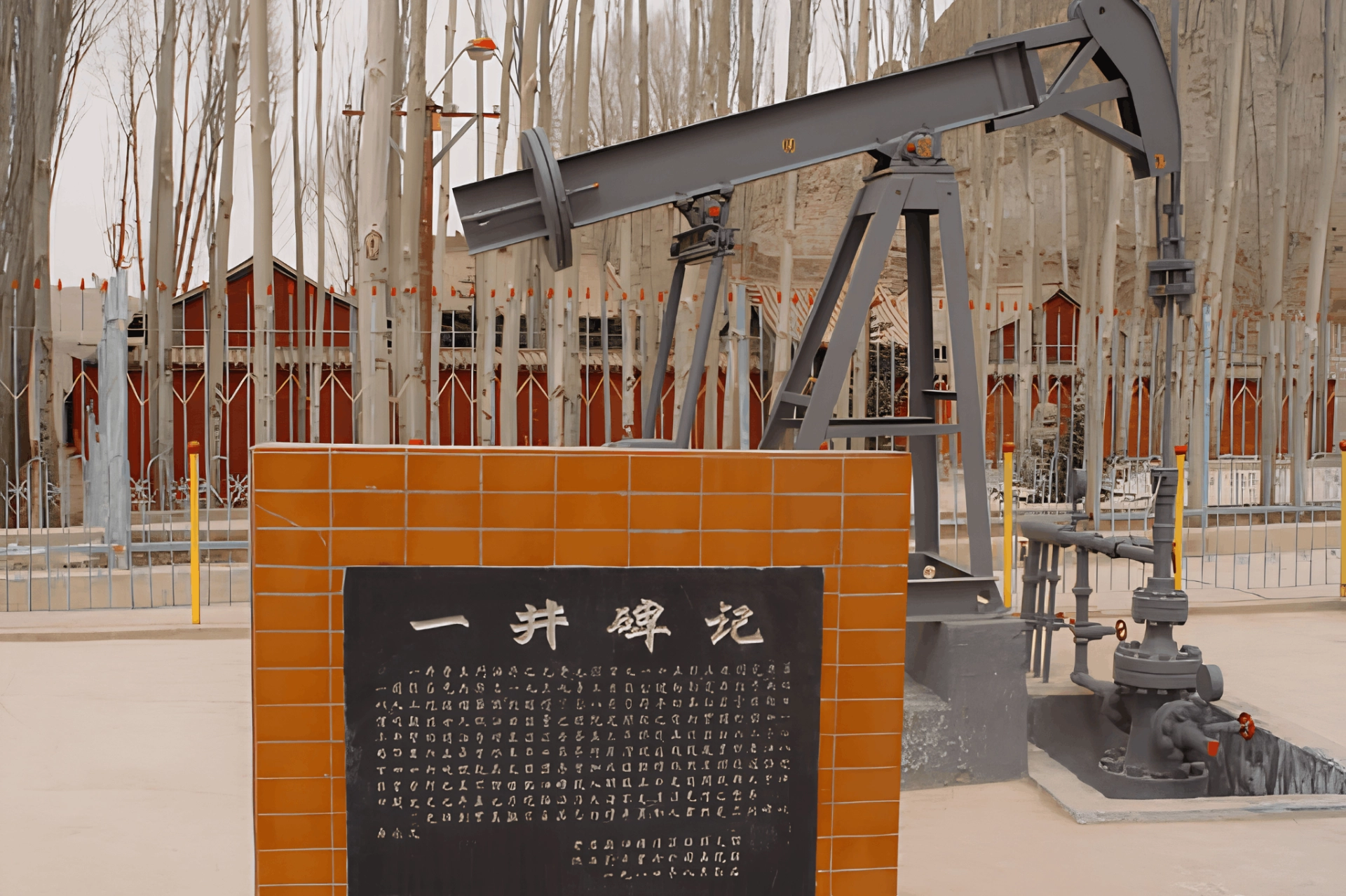
The story starts in 1939, when the first oil well was drilled at Laojunmiao (老君廟), a spot named for a small temple to the Taoist figure Laozi. In the desperate years around the outbreak of war, that well — later revered as the "No. 1 Well" (老一井) — turned Yumen into China's first modern oilfield and, before long, its first true oil city. To stand at the monument today is to stand at what Chinese sources proudly call the "cradle" or "starting point" of China's petroleum industry. For a country that would go on to become one of the largest energy consumers on earth, this dusty patch of Gobi is where it all began. There is a genuine thrill in realising that the sprawling Chinese energy economy of the twenty-first century can be traced back to a single well beside a roadside temple in western Gansu.
At Its Peak, Yumen Fuelled Almost the Entire Country
For roughly two decades, Yumen wasn't just a Chinese oilfield — it was practically the Chinese oilfield. At its height, the Yumen oilfield is said to have produced up to 90% of the nation's crude oil, the "industrial blood" that kept a rebuilding country moving. The city swelled accordingly: at its peak the oil town's population is reported to have reached well into the hundreds of thousands, a booming outpost of workers, engineers, families, schools, cinemas and shops improbably planted in one of the driest corners of China. Everything changed after 1959, when the giant Daqing oilfield was discovered far away in the northeast. As the centre of gravity of China's oil industry shifted east, Yumen's long, slow decline began — but for a crucial window in the 1940s and 1950s, this single Gobi city helped power a nation.
It's the Home of the "Iron Man" — a National Legend
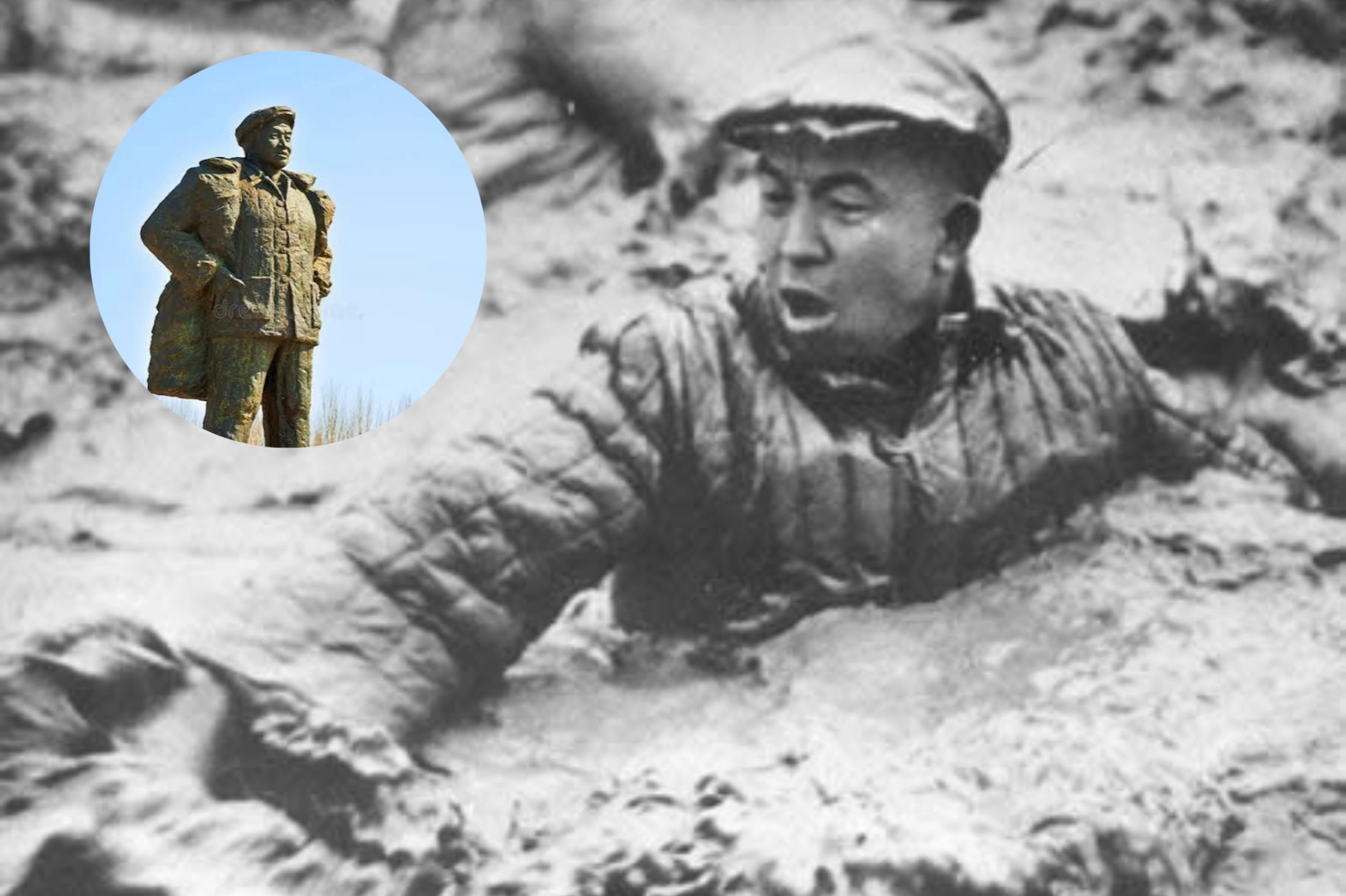
Yumen isn't only about geology; it's about a person who became a myth. Wang Jinxi (1923–1970) — universally known as the "Iron Man" — began his working life in the Yumen oilfield before becoming the face of China's oil-drilling heroism at Daqing. His legend, of a worker so tough and selfless he would leap into a mud pit to mix cement with his own body, was turned into one of modern China's most famous models of labour and sacrifice. Yumen honours him as a hometown hero, with a statue and memorial to the "Iron Man spirit."For foreign visitors, the Iron Man is a fascinating window into how twentieth-century China told stories about work, hardship and collective effort — and seeing the industrial landscape that produced him gives that propaganda-poster figure an unexpectedly human backdrop.
It's One of China's Most Genuine Ghost Towns
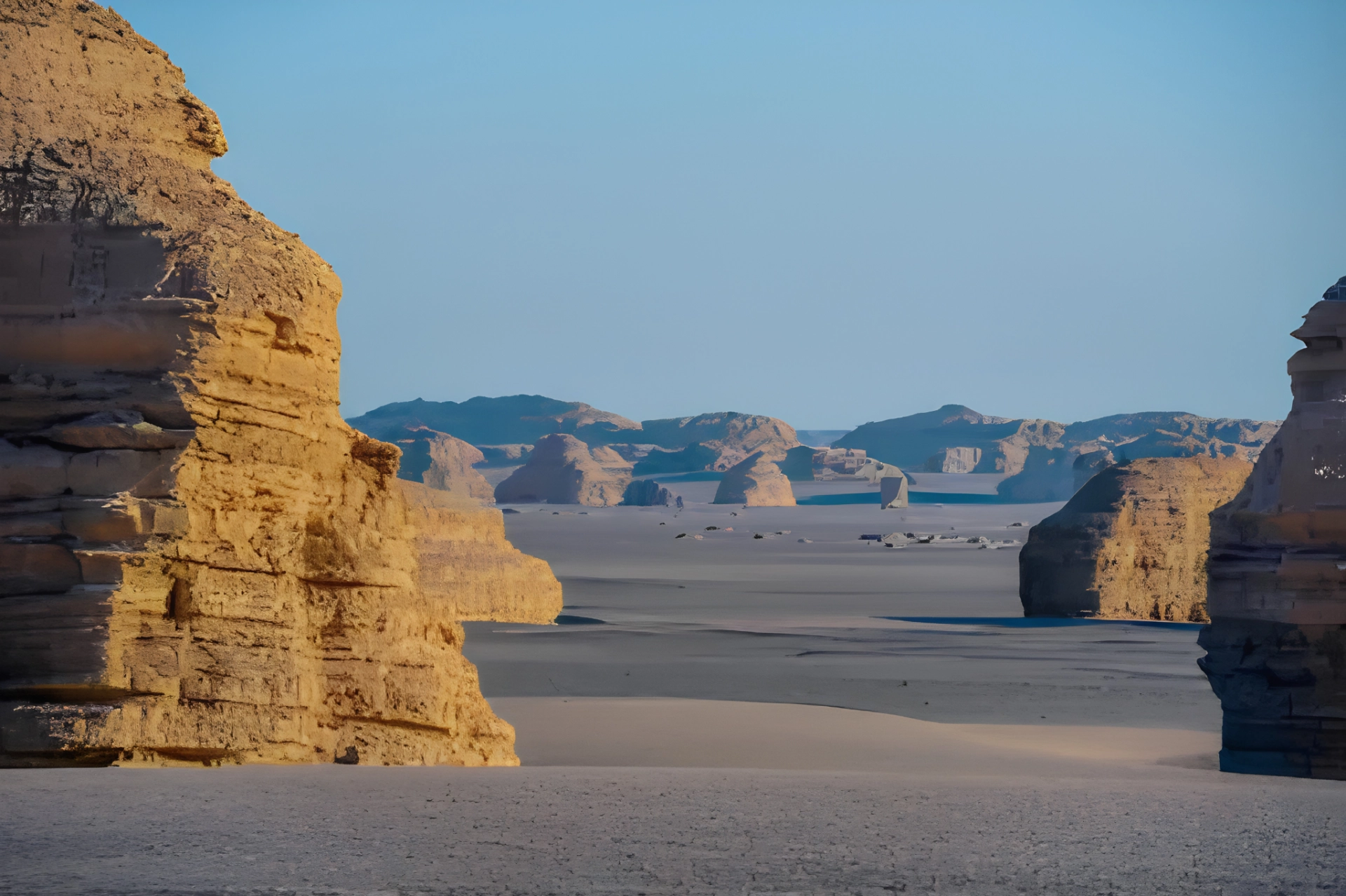
Here is the part that draws the photographers and the curious: much of the old city is, today, essentially abandoned. As the oil dwindled through the 1990s and 2000s, companies folded, jobs vanished, and the population drained away — collapsing from its boom-era peak to a small fraction of that number. In the 2000s the city administration itself packed up and moved roughly 70 kilometres west to a new Yumen built on the plains, leaving the original town to empty out. The result is a genuine, un-staged ghost town: rows of vacant apartment blocks with curtains still hanging in glassless windows, a derelict cinema, faded slogans on concrete walls, shopfronts frozen mid-decade. Unlike a theme-park "abandoned" attraction, this is the real thing — melancholy, quiet and strangely dignified — and it has become a magnet for travellers fascinated by China's boom-and-bust urban history.
The Gobi Around It Is Now a Sea of Wind and Sun
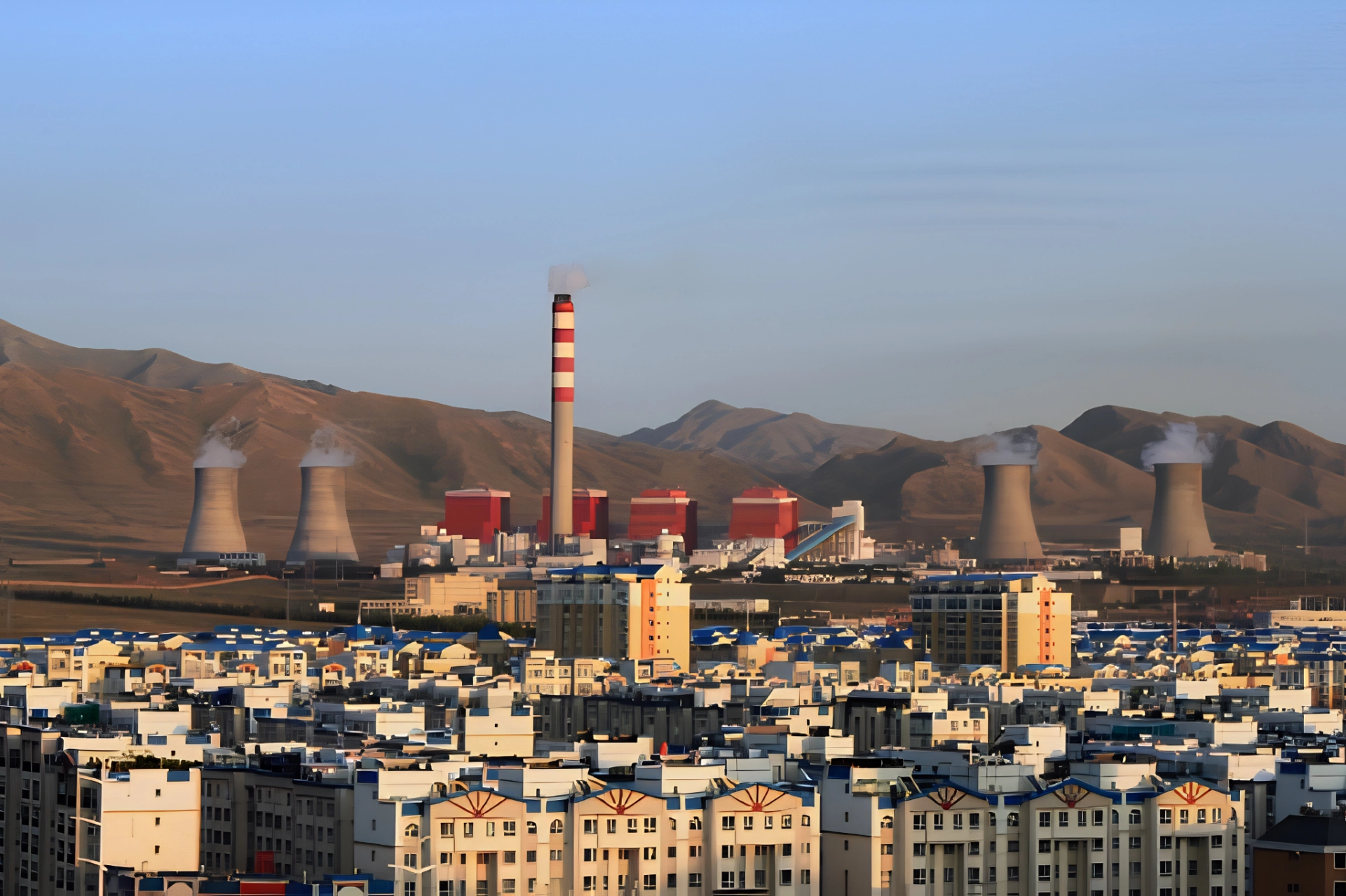
The twist that makes Yumen more than just a sad ruin is what has grown up around it. The same relentless Gobi wind and fierce high-desert sunlight that made life hard for oil workers turned out to be a second natural resource — this time a renewable one. The plains near Yumen have become one of China's flagship wind-power and solar bases, part of the ambitions once branded the "Three Gorges of Wind on Land."Drive toward the city and the horizon fills with hundreds of turning turbines and glittering fields of photovoltaic panels. The symbolism is almost too neat: the town that gave China its first barrels of oil is now helping generate its clean electricity. For anyone interested in the global energy transition, Yumen is a living diagram of it — fossil-fuel past and renewable future occupying the same square of desert.
It's a Photographer's and Storyteller's Dream
Few places pack this much narrative into one frame. A single wide shot can hold a rusting oil derrick, an empty Soviet-influenced apartment block, and a line of white wind turbines marching across the Gobi behind it — three eras of Chinese history in one composition. The quality of light out here, in the clear, dry air of the Hexi Corridor, is superb, especially in the low sun of early morning and late afternoon. Beyond the obvious ruins, it's the details that linger: a child's faded drawing still taped inside a window, a barber's chair in a shuttered salon, a calendar stopped on a long-gone month. Yumen rewards slow, respectful wandering and a good eye. It is, quite simply, one of the most photogenic and quietly moving industrial landscapes in China.
It Turns the Silk Road Into a Story About Time
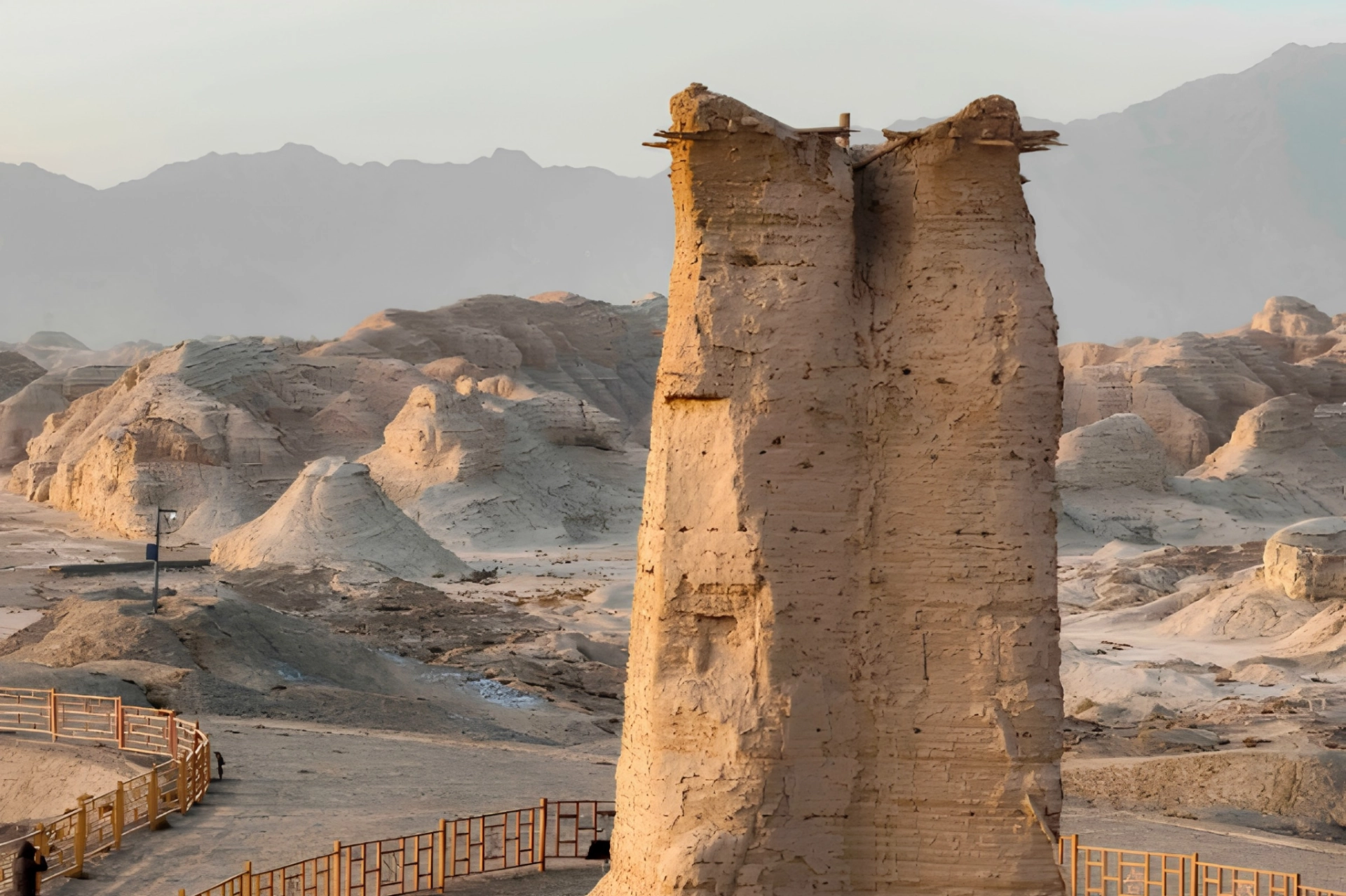
Most Silk Road sights speak of the deep past — Han beacon towers, Tang Buddhist caves, Ming forts. Yumen adds a startling twentieth- and twenty-first-century chapter to that timeline. Here the "ancient trade route" becomes a corridor of modern history: war-era industrialisation, the command economy, the cult of the model worker, the harsh mathematics of a resource-depleted city, and finally the pivot to green energy. Visiting Yumen alongside the caves and forts reframes the whole region. The Hexi Corridor, you realise, has always been about resources and movement — jade and silk and horses once, oil and electricity now — and Yumen is where that long story reaches the present day. It gives a modern spine to a trip that might otherwise feel entirely locked in antiquity.
It's the Kind of Place Almost No Foreign Tourist Sees
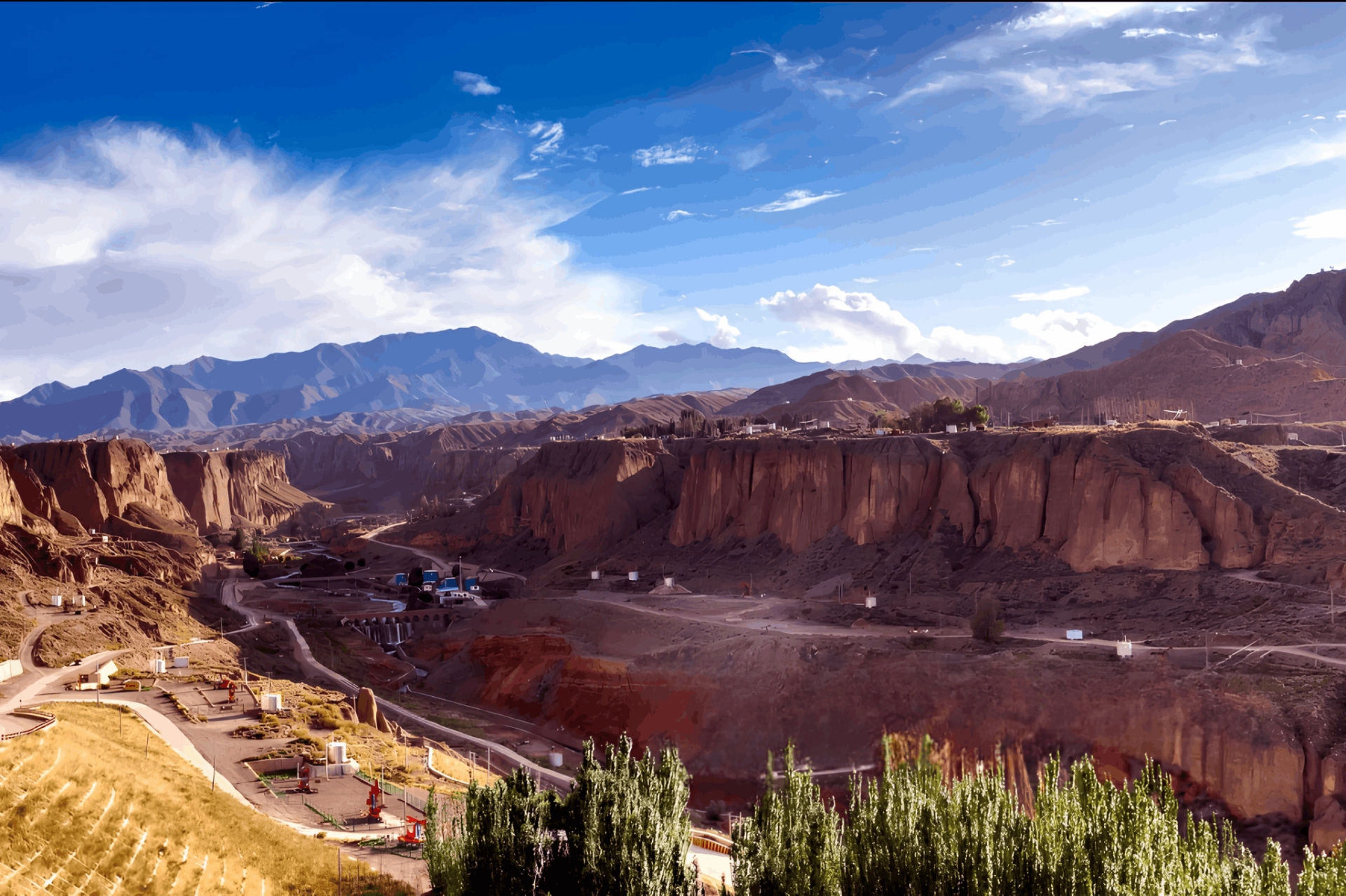
Finally, there's the simple pleasure of going somewhere genuinely off the standard map. Dunhuang and Jiayuguan are wonderful, but they are firmly on the tourist trail, complete with crowds in peak season. Yumen Old City sees a trickle of domestic photographers and history buffs and almost no foreign visitors at all. If you're the sort of traveller who values atmosphere over amenities and would trade a gift shop for a genuine sense of discovery, this is a rare find: a real place with a real story, encountered on its own terms. Add in the redeveloping Laojunmiao oil monument and Iron Man memorial as anchor sights, and Yumen becomes not just a curiosity but a legitimate, meaningful half-day stop between the region's two big-name destinations.
How to Visit in 2026
Yumen Old City sits in Jiuquan prefecture, western Gansu, roughly between Jiayuguan (about 1.5–2 hours by road) and Dunhuang (about 2.5–3 hours), making it a natural detour on a Hexi Corridor road trip. Note the crucial geography: there are effectively two Yumens — the old city built around the original oilfield, and the newer Yumen New City to the west near the rail line — so confirm exactly which one your driver or map is aiming for, as the abandoned town is the old city. The most reliable way to visit is by private car, hired driver, or a self-drive as part of a wider itinerary; public transport is sparse and the sights are spread out. Anchor your visit on the Laojunmiao / No. 1 Well oil monument and the Iron Man (Wang Jinxi) memorial, then explore the surrounding streets and view the wind and solar farms on the approach. Because much of the town is genuinely abandoned, take common-sense care: don't enter unstable buildings, watch your footing, carry water and sun protection for the exposed Gobi environment, and be respectful — people once lived here. There are limited services in the old city, so fuel up, eat, and use facilities in Jiayuguan, Yumenzhen or Guazhou. As with any redeveloping heritage site, confirm current access, any newly built exhibition areas, and road conditions locally before you go, since the area is actively changing.
FAQ
Q1: What is Yumen Old City?
It's the original urban core of Yumen in western Gansu, built around China's first modern oilfield. After the oil reserves declined and the city government relocated west in the 2000s, the old district was largely abandoned, leaving a genuine ghost town of empty apartment blocks, closed cinemas, and shuttered shops on the edge of the Gobi Desert.
Q2: Why is Yumen historically important?
Oil was first drilled at Laojunmiao near Yumen in 1939, making it the cradle of China's petroleum industry. At its peak during the 1940s–1950s, the Yumen oilfield produced up to 90% of the country's crude oil, powering the nation's early industrialization before the 1959 discovery of Daqing shifted the industry east.
Q3: Who was the "Iron Man"?
Wang Jinxi (1923–1970), universally known as the "Iron Man", was a legendary model oil worker who began his drilling career in Yumen. His selfless dedication became a national symbol of sacrifice and hard work in modern Chinese industrial history; Yumen honors him with a statue and memorial.
Q4: Is Yumen Old City really an abandoned ghost town?
Largely, yes. As oil resources ran out through the 1990s and 2000s, the population drained away and the city administration moved to a new site about 70 km west. The old town remains mostly empty — presenting an authentic, un-staged industrial ruin rather than a theme-park attraction, though parts are currently being redeveloped for heritage and red tourism.
Q5: What are the wind turbines and solar panels around the town?
The Gobi Desert surrounding Yumen has been transformed into one of China's major wind-power and solar bases (part of the "Three Gorges of Wind on Land"). The town that produced China's first oil is now encircled by renewable energy infrastructure, serving as a vivid symbol of global energy transition.
Q6: How do I get to Yumen Old City?
Yumen Old City is located in Jiuquan prefecture, roughly midway between Jiayuguan (1.5–2 hours by road) and Dunhuang (2.5–3 hours). The most practical way to visit is by private car or hired driver as part of a Hexi Corridor road trip. Make sure your destination is specified as Yumen Old City, not the new Yumen city to the west.
Q7: Is it safe to explore Yumen Old City?
Yes, provided you exercise common sense. Because many structures are derelict, do not enter unstable or unsafe buildings, watch your step, and bring plenty of water and sun protection for the dry Gobi environment. Local services are limited, so fuel up and purchase food in nearby Jiayuguan, Guazhou, or Yumenzhen.
Q8: How does it fit into a Hexi Corridor itinerary?
It serves as a unique, offbeat half-day detour between Jiayuguan and Dunhuang. It adds a compelling 20th-century industrial chapter — covering wartime petroleum development, command-economy history, and modern green energy — to a Silk Road journey otherwise focused on ancient forts and Buddhist cave temples.