
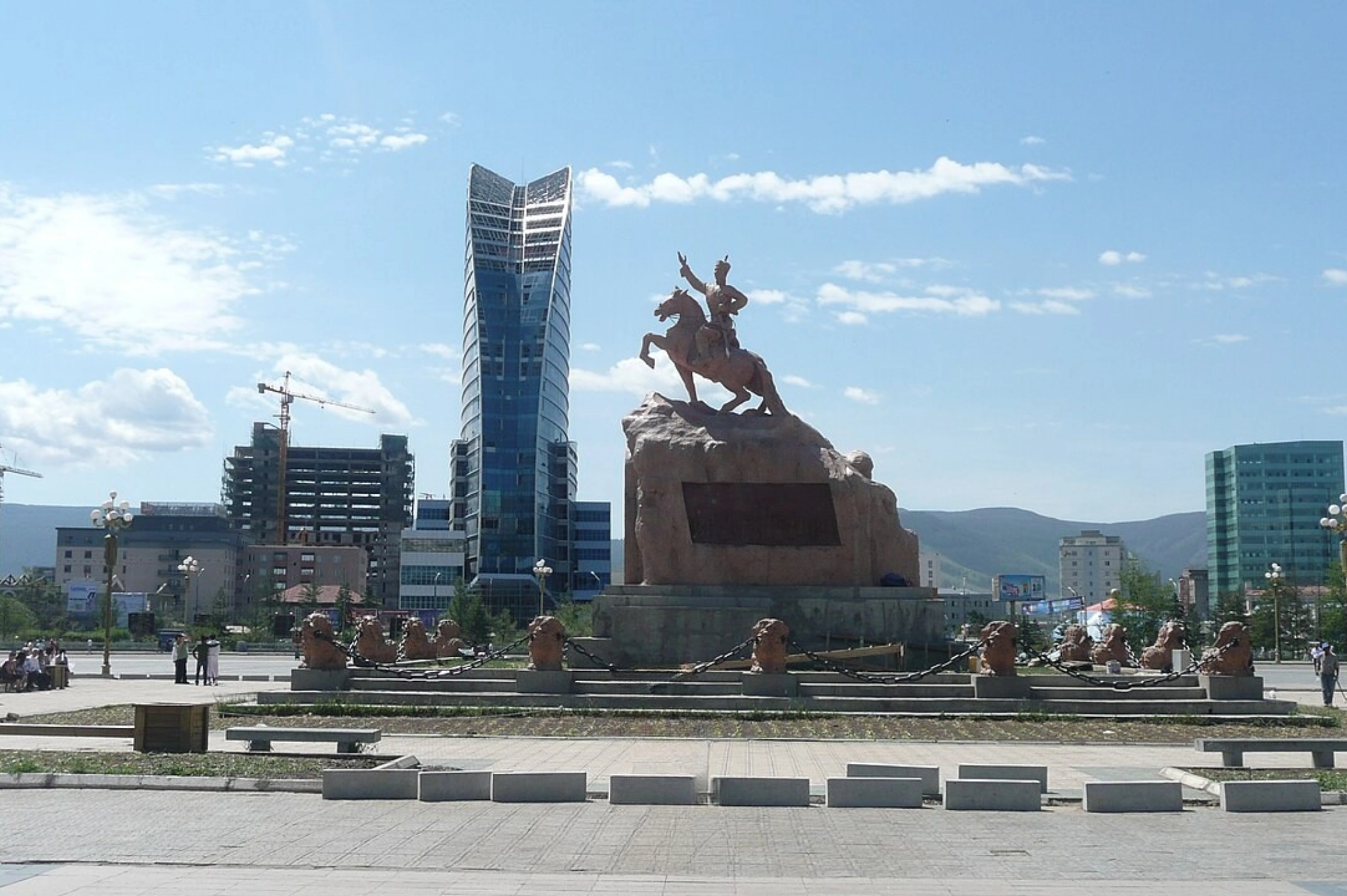
Every world capital possesses a central gathering place where its history is forged, contested, and continuously rewritten. In Ulaanbaatar, that epicenter is Sükhbaatar Square—a expansive concrete plaza at the heart of the city. Over four centuries, this landmark has evolved from a sacred Buddhist monastery site into a socialist parade garound, a stage for democratic revolution, and today, a modern civic center flanked by towering glass skyscrapers and historic monuments.
Beyond its historical significance, Sükhbaatar Square remains the living political heart of Mongolia. Demonstrations and public assemblies frequently take place along Peace Avenue, making the square a dynamic reflection of contemporary Mongolian democracy as well as an essential stop for international travelers.
Historical Layer One: The Monastic Foundations
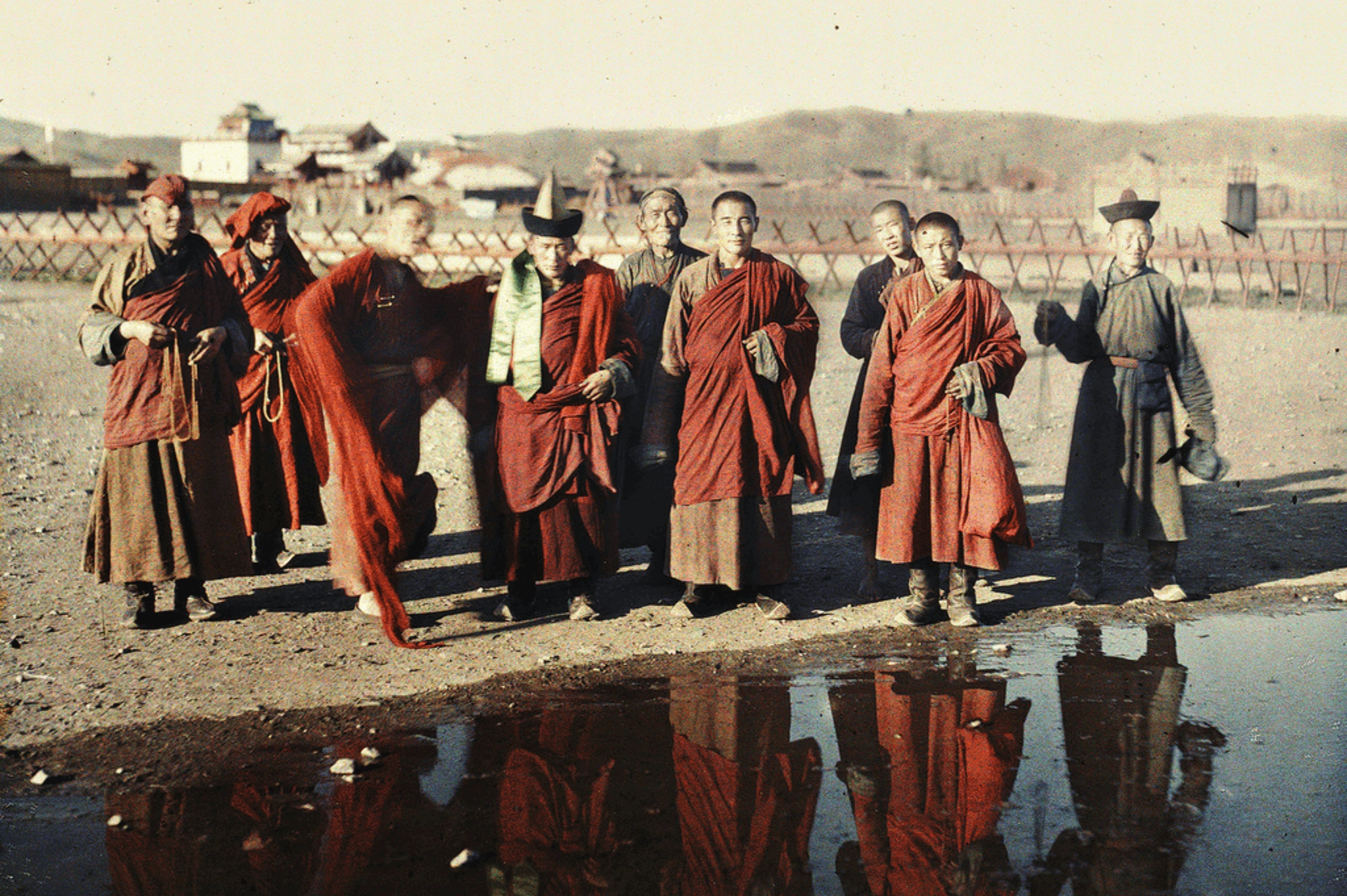
Long before concrete paving covered the city center, the ground beneath Sükhbaatar Square was integral to Ikh Khüree, the mobile monastic capital established in 1639 that eventually settled to become modern Ulaanbaatar. For centuries, the area functioned as a religious center populated by temples, felt gers, and monastic quarters.
During the political purges of the 1930s, the religious complexes were dismantled by communist authorities. In 1926, the Green Domed Theatre was constructed nearby to host revolutionary assemblies and performances. Following a destructive fire in 1949, the site was cleared to make way for the grand neoclassical civic layout seen today.
Historical Layer Two: Revolutionary Hero and Socialist Monumentality
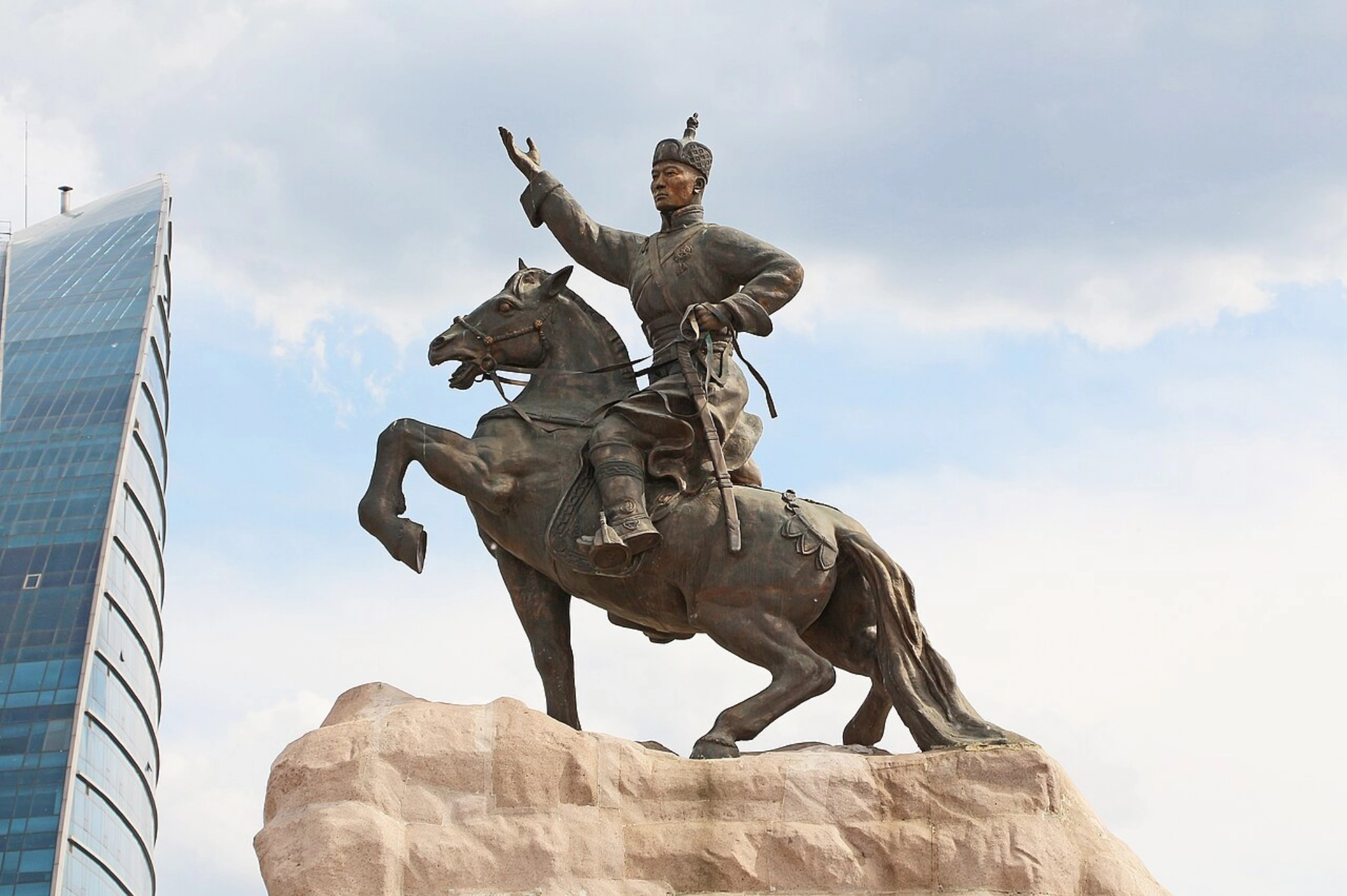
The square is named in honor of Damdin Sükhbaatar, the revered commander of Mongolia's 1921 revolution. At the center of the plaza stands the iconic equestrian statue of Sükhbaatar, sculpted in 1946 by the famous Mongolian sculptor Sonomyn Choimbol. Local lore holds that the statue marks the exact spot where Sükhbaatar's horse urinated during the victory celebrations of 1921—a traditional Mongolian sign of good fortune.
In 1954, a mausoleum housing the remains of Sükhbaatar and revolutionary leader Khorloogiin Choibalsan was added to the north side, echoing the design of Lenin's Tomb in Moscow. Throughout the socialist era, the square served as the venue for annual youth rallies, industrial exhibitions, and military parades.
Historical Layer Three: The Stage for Democratic Transformation
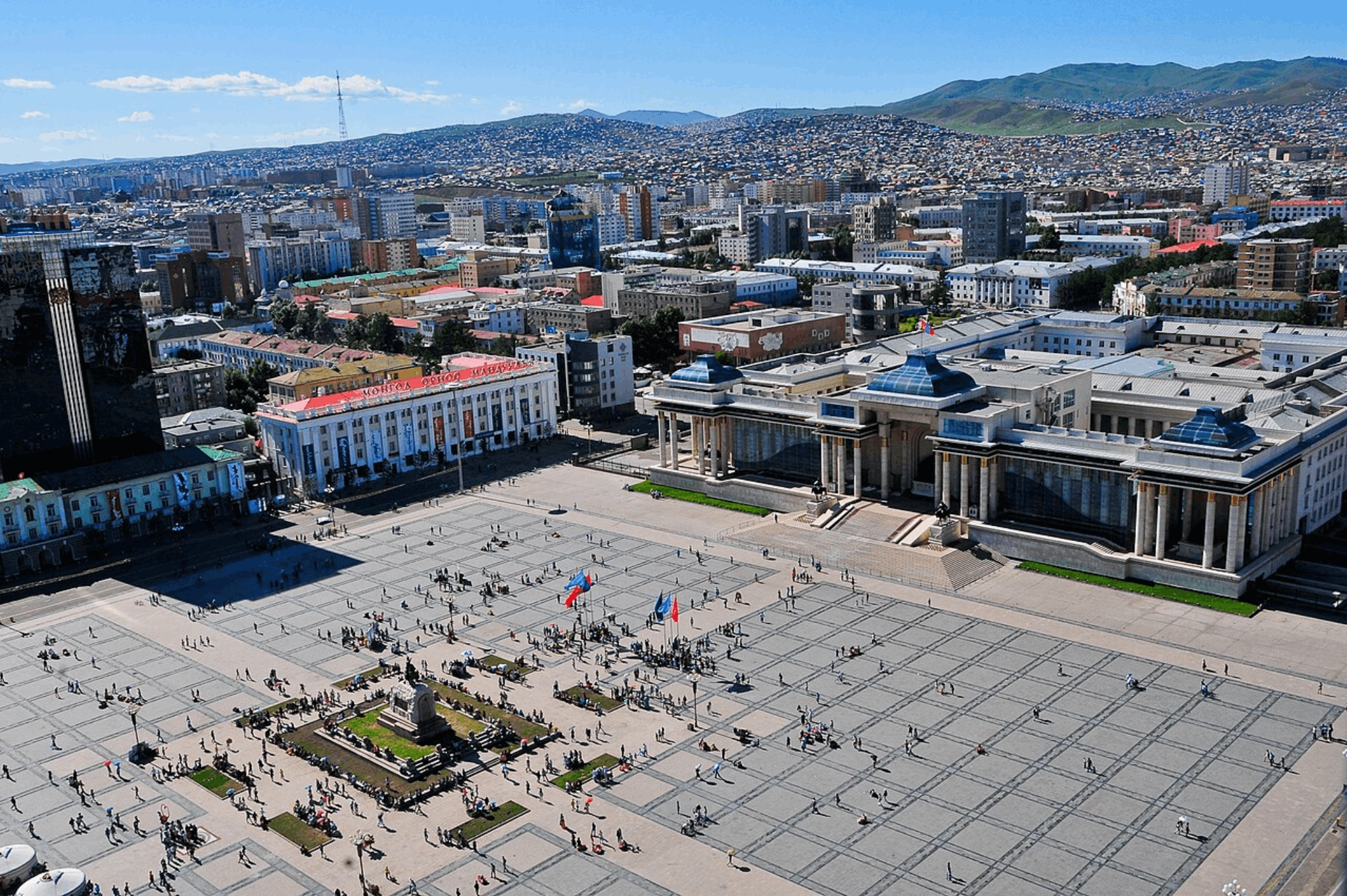
In late 1989 and early 1990, Sükhbaatar Square became the focal point of the Democratic Revolution. Peaceful hunger strikes, student protests, and mass rallies convened on the frozen pavement, ultimately compelling the one-party government to resign and establishing multi-party democracy in Mongolia.
The political identity of the space remains fiercely debated. In 2013, the Ulaanbaatar City Council officially renamed the location Chinggis Square to honor the founder of the Mongol Empire. However, following political shifts in 2016, the city restored the original name, Sükhbaatar Square. Today, local residents and travel guides frequently use both names interchangeably.
Historical Layer Four: The Return of the Great Khans
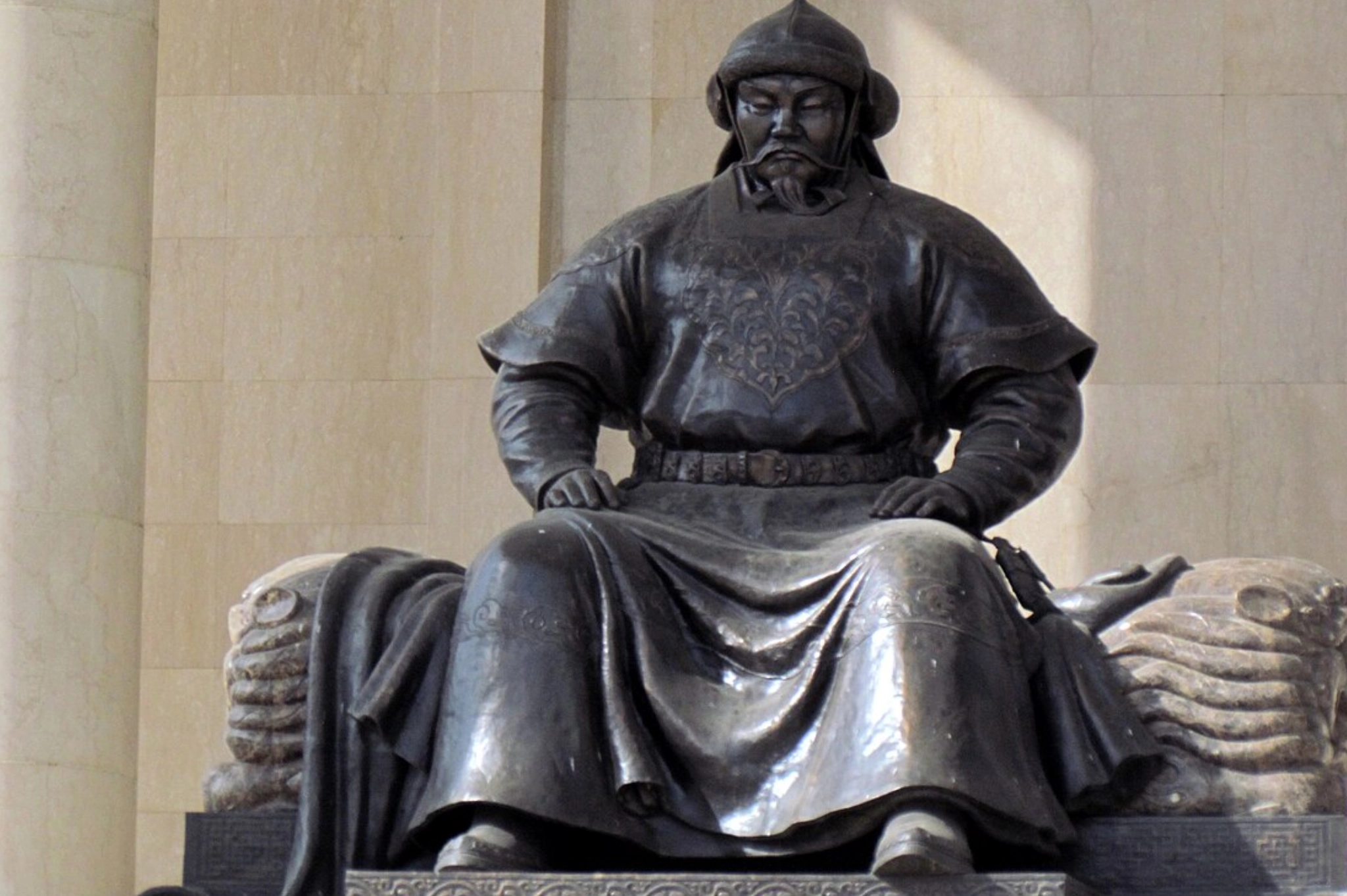
In 2005, the socialist-era mausoleum was dismantled to make room for a sweeping structural renovation. Completed in 2006 to coincide with the 800th anniversary of the founding of the Mongol Empire, a grand colonnade monument was integrated into the front of the Government Palace.
The central seating statue depicts Chinggis Khaan, flanked by his successor Ögedei Khan to the west and his grandson Kublai Khan to the east. Flanking the entrance are mounted bronze statues of two legendary generals, Muqali and Bo'orchu. This grand architectural complex stands as one of the most recognized cultural symbols in modern Mongolia.
Key Architectural Landmarks Surrounding the Square
A stroll around the perimeter of Sükhbaatar Square reveals an extraordinary contrast of mid-century neoclassical architecture and modern high-rise development:
| Landmark Building | Architectural Style | Notable Features & Traveler Highlights |
| Government Palace | Neoclassical / Modernist | Completed in 1951, designed by Budjavyn Chimed. Houses the State Great Khural (parliament), presidential offices, and the executive cabinet. |
| State Opera & Ballet Theatre | Salmon-pink Neoclassical | Constructed in 1946; hosts classical European operas, traditional Mongolian musical performances, and ballet productions. |
| Cultural Palace | Late Socialist Modernism | Houses the National Modern Art Gallery, featuring extensive collections of modern Mongolian painting and sculpture. |
| Central Tower | Glass High-Rise | Premium commercial complex offering luxury fashion boutiques, fine dining restaurants, and panoramic views over the square. |
Practical Visitor Information and Public Safety Guidelines
Sükhbaatar Square is exceptionally photogenic during the evening hours when illuminated by floodlights. On weekends, the plaza serves as a popular gathering point for local families, cyclists, and wedding parties. Major civic events, including National Naadam celebrations in July and New Year's Eve festivities, are hosted here.
Because the plaza abuts the country's primary government offices, civic demonstrations occur periodically. Travelers visiting Ulaanbaatar should keep the following practical guidelines in mind:
- Avoid Political Gatherings: If a protest or rally forms near Peace Avenue or the Government Palace, maintain a safe distance and refrain from photographing security personnel or demonstrators.
- Monitor Local Media: Check local news updates or consult your hotel concierge regarding temporary road closures or bus reroutings around the square.
- Combine City Attractions: The square sits within easy walking distance of the Chinggis Khaan National Museum, the National Museum of Mongolia, and major hotels including the Blue Sky Hotel and Shangri-La Ulaanbaatar.