
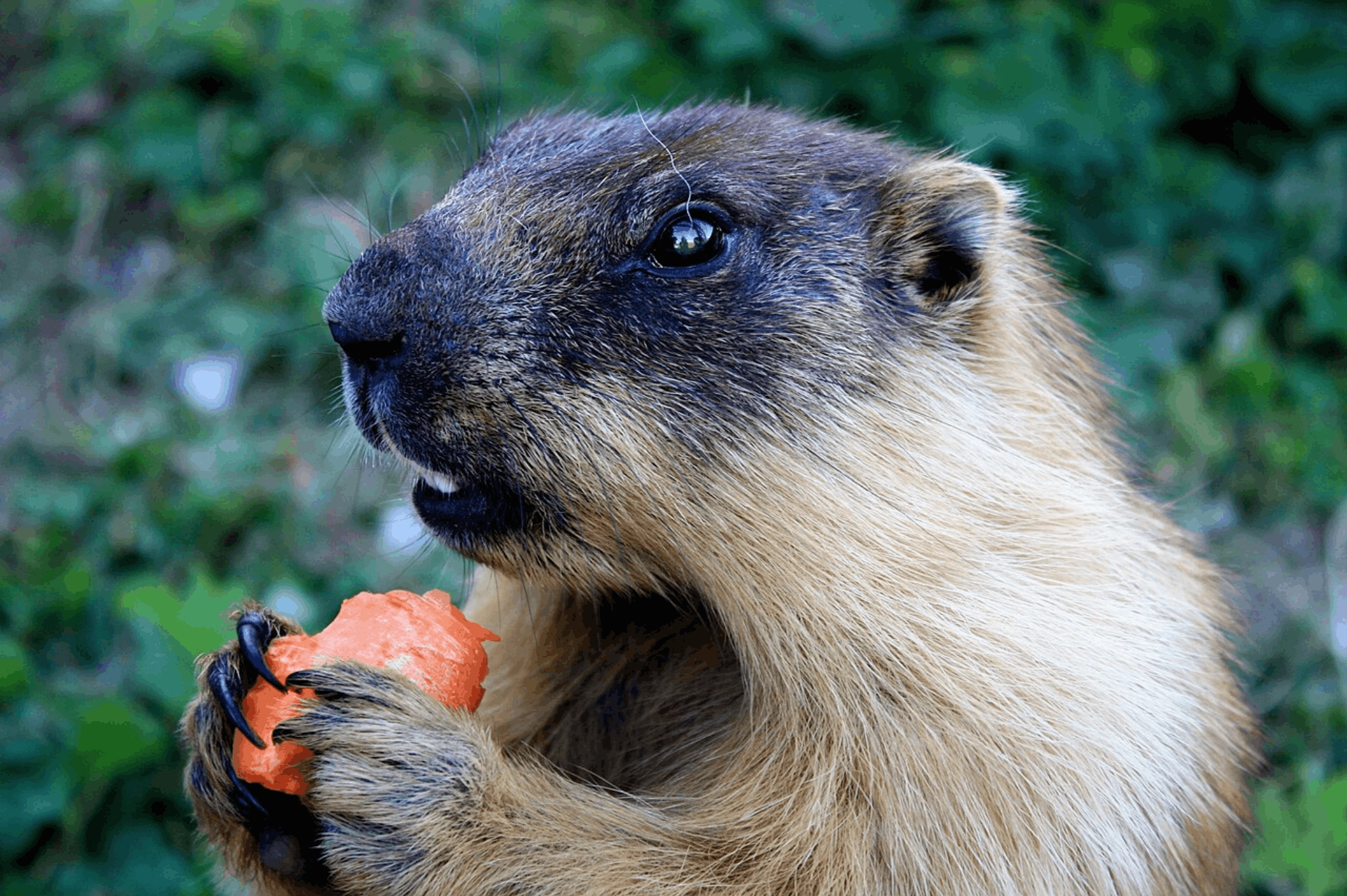
Every few summers, international headlines deliver a shocking warning: a resident in Mongolia has contracted bubonic plague after eating wild marmot. While it sounds like a medieval relic, human plague cases remain an ongoing public health concern across the Central Asian steppes.
In July 2026, Mongolia's National Center for Zoonotic Diseases (NCZD) issued a national health advisory, identifying 17 of the country's 21 provinces as active plague-risk zones. Confirmed human cases in western regions like Khovd, Bayan-Ölgii, and Khövsgöl provinces highlight how ancient nomadic traditions, wildlife ecology, and modern medicine intersect in rural Mongolia.
The Tarbagan Marmot: Biology and Ecosystem Role
The tarbagan marmot is a heavy-set, burrowing rodent weighing between 6 and 8 kilograms. It inhabits the grasslands, mountain slopes, and semi-arid regions of Mongolia, southern Siberia, and Inner Mongolia. In 2008, the IUCN classified the tarbagan as Endangered due to overhunting and disease outbreaks.
Despite health warnings, the marmot holds deep historical significance in Mongolian steppe culture:
- Autumn Feasts: Prior to winter hibernation, marmots accumulate thick layers of fat, making them a traditional seasonal target for hunters.
- Traditional Medicine: Marmot fat was historically utilized in folk remedies to treat joint ailments and respiratory conditions.
- Ecological Significance: Marmot burrows provide critical shelter for dozens of steppe species, while marmots themselves serve as primary prey for golden eagles and grey wolves.
Boodog: The Traditional Cuisine and Infection Risk
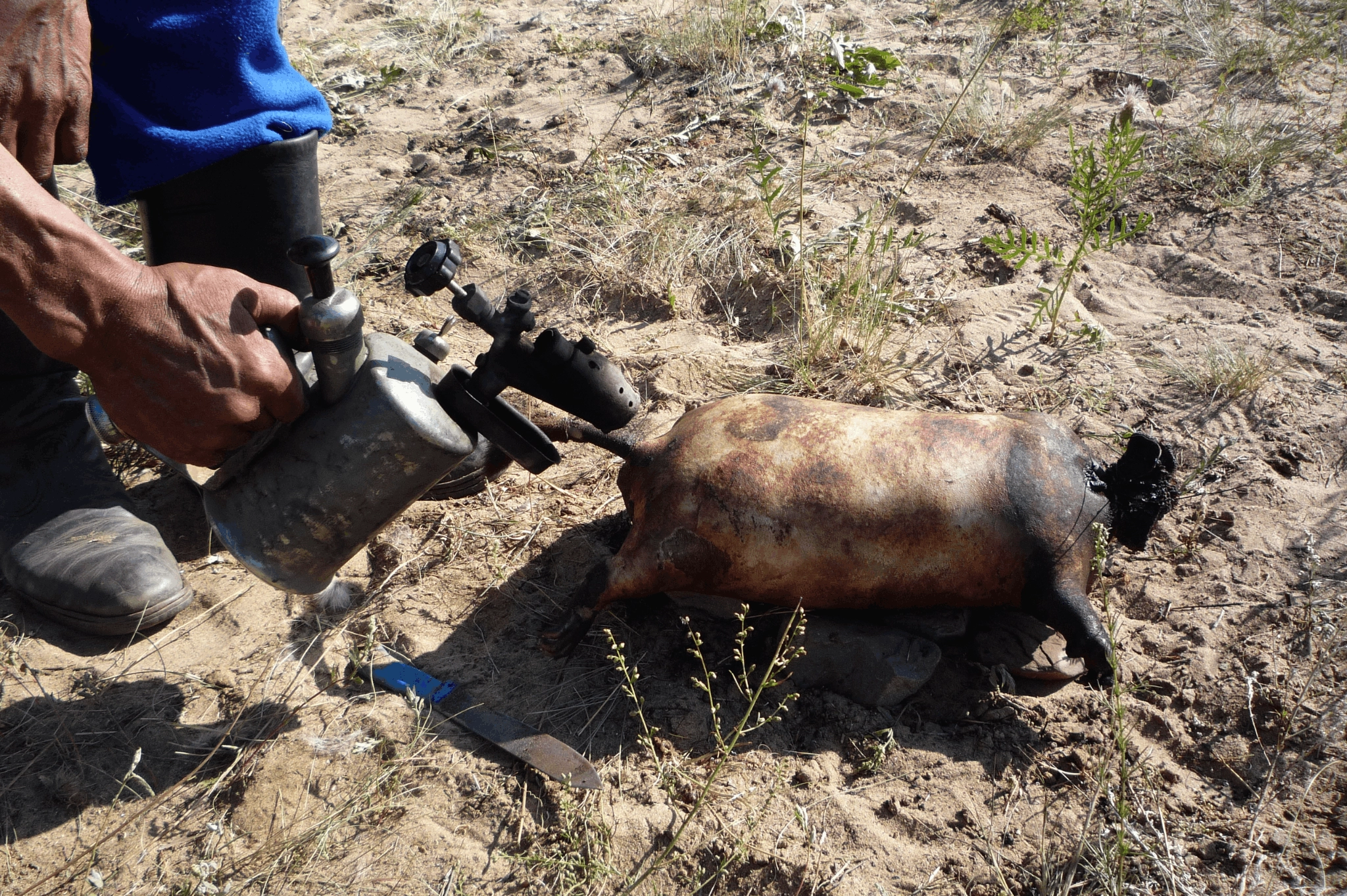
The traditional method of preparing marmot meat is known as boodog. This unique culinary technique involves deboning the animal through a small incision in the neck, leaving the hide intact as an airtight cooking vessel. Red-hot stones and seasonings are placed inside the hide, cooking the meat thoroughly from within.
While boodog remains a celebrated dish in nomadic heritage, preparing wild marmot carries severe health risks. Skinning, gutting, and handling raw internal organs expose individuals directly to infected blood and tissue. Today, reputable tour operators and restaurants serve boodog prepared exclusively with domestic goat or mutton, eliminating health hazards while preserving traditional flavors.
How Yersinia Pestis Spreads in the Steppe
Plague is caused by the bacterium Yersinia pestis, which circulates naturally among wild rodent populations and their ectoparasites. Transmission to humans occurs through three primary routes:
- Flea Bites: Bites from infected rodent fleas.
- Direct Contact: Handling raw meat, blood, or fluids from an infected wild animal during butchering.
- Inhalation: Airborne droplets from individuals or animals suffering from pneumonic plague.
Public health officials emphasize that while untreated bubonic plague can progress rapidly, early administration of standard antibiotics yields extremely high recovery rates. Avoiding wild rodents and refraining from consuming game meat are the most effective preventive measures.
Historical Impact: The 1910–1911 Manchurian Plague
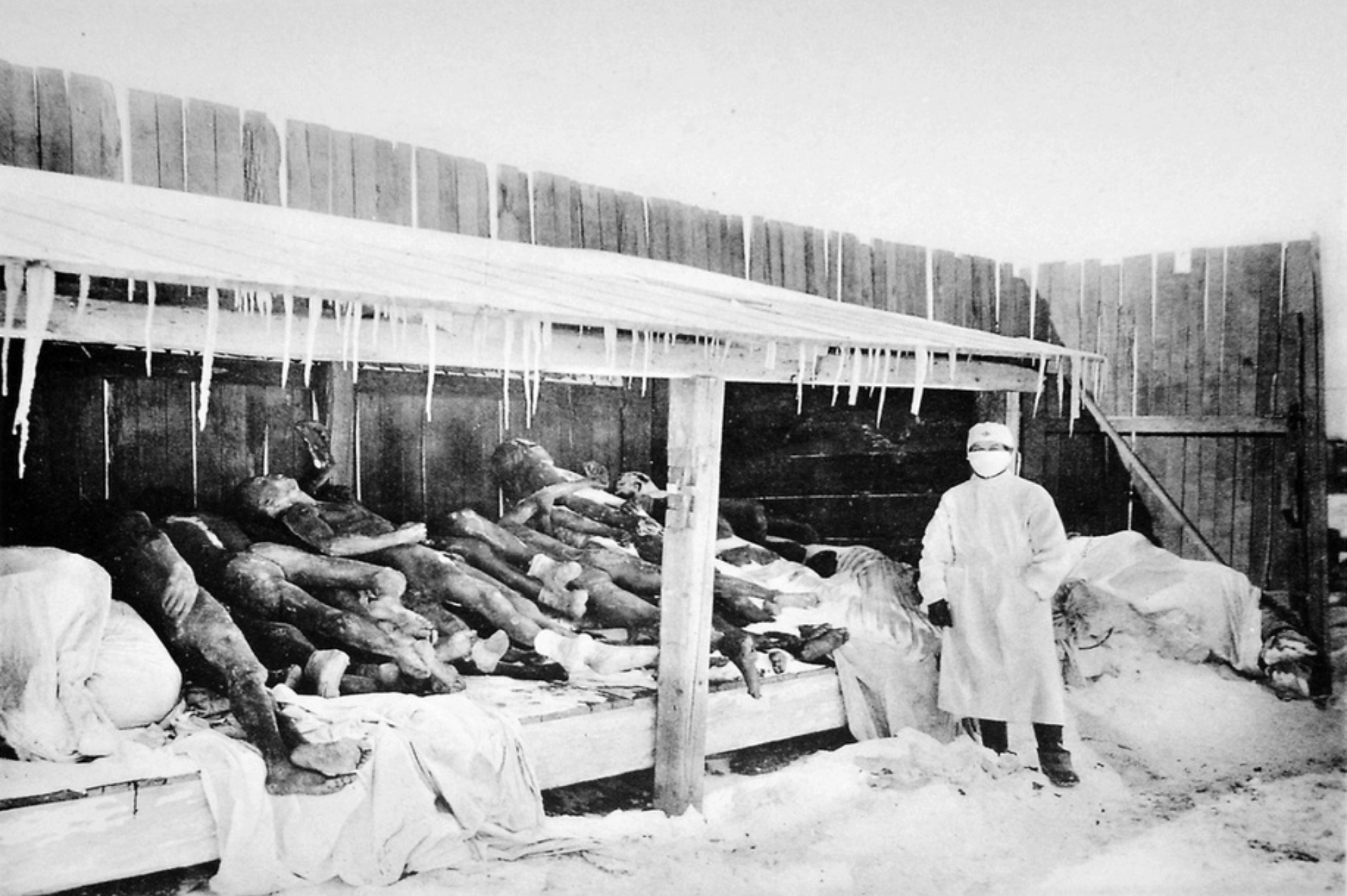
The tarbagan marmot holds a significant place in international public health history. In 1910, surging global demand for marmot furs drew thousands of migrant hunters to the northern Asian steppes. Inexperienced hunters routinely harvested sick, slow-moving animals, initiating a catastrophic pneumonic plague epidemic.
The disease spread rapidly along railway lines during the Lunar New Year travel rush, killing over 60,000 people across Manchuria. In response, Dr. Wu Lien-teh, a Cambridge-educated physician appointed by the Chinese court, established groundbreaking containment strategies:
- Pioneering PPE: Designed and deployed multi-layered gauze face masks, establishing the first large-scale use of masks in epidemic control.
- Quarantine Systems: Implemented strict railway quarantines, isolation wards, and sanitary cremation protocols.
- International Standards: Chaired the 1911 International Plague Conference in Mukden, laying foundations for modern global epidemiology.
Practical Safety Guidelines for Travelers
For international tourists exploring Mongolia, the risk of contracting plague is exceptionally low. Domestic travel, horseback riding, and staying in traditional ger camps pose no inherent health danger. Travelers should observe basic health precautions:
- Never Consume Wild Marmot: Politeness is easily maintained by declining game meat on health grounds; guides and hosts fully understand safety regulations.
- Avoid Touching Wildlife: Do not approach, handle, or feed wild rodents, marmot burrows, or animal carcasses.
- Use Insect Repellent: Apply DEET-based repellents to skin and clothing when hiking in rural grasslands to guard against flea bites.
- Choose Domestic Boodog: Enjoy boodog prepared safely with farm-raised goat or sheep meat at established tourist camps.
- Follow Regional Advisories: In the event of a localized health quarantine, professional tour operators will seamlessly adjust travel itineraries.