
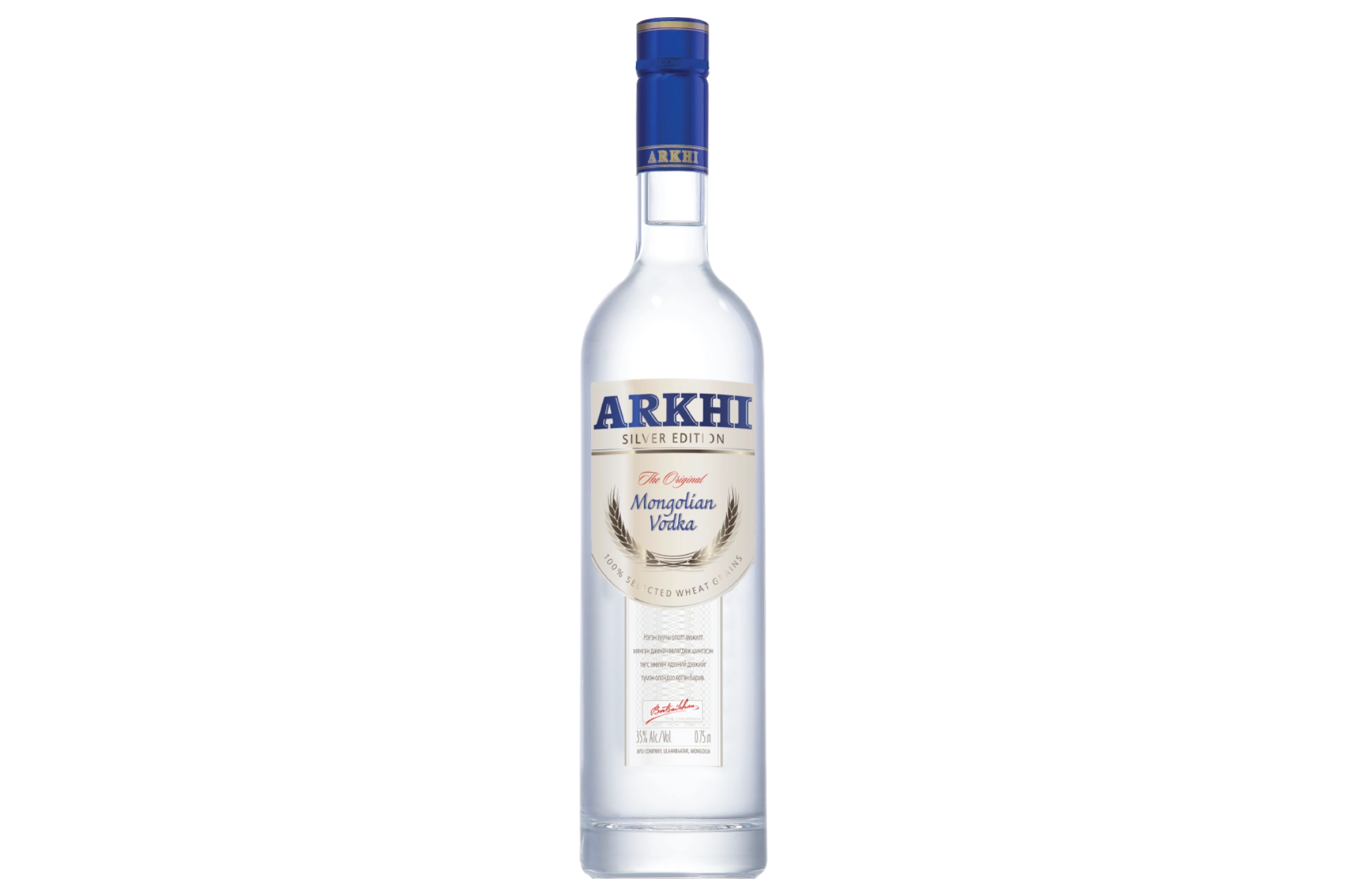
When international travelers think of traditional spirits, grain, sugarcane, or grapes usually come to mind. In the remote steppes of Mongolia, however, one of the most revered drinks offered to guests comes from an unexpected source: fermented livestock milk. Known locally as arkhi (or more specifically shimiin arkhi when handcrafted at home), this clear, mild spirit represents an eight-century-old tradition of nomadic resourcefulness and hospitality.
Unlike industrial grain vodkas, traditional arkhi is low in alcohol, slightly sour, and carries a subtle dairy aroma. For travelers staying with nomadic families, receiving a bowl of arkhi is far more than a drink—it is a formal gesture of welcome and respect.
What Is "Arkhi"? Defining Mongolia's Traditional Milk Spirit
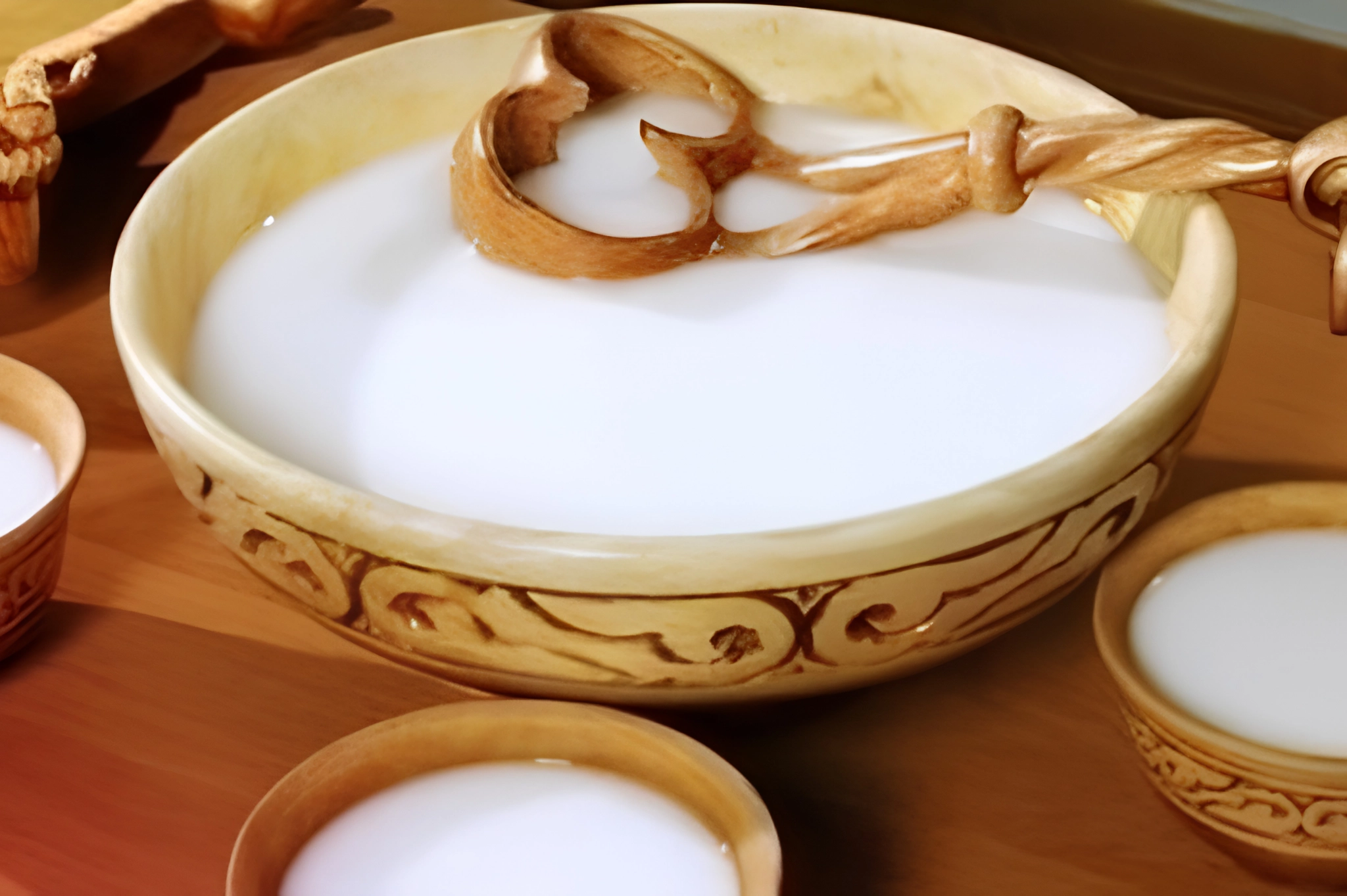
In the Mongolian language, the word arkhi serves as a general term for alcohol. However, when used in rural areas, it refers specifically to a clear spirit produced by distilling fermented dairy products such as airag (fermented mare's milk) or tarag (a cultured, yogurt-like dairy base).
Depending on geographical region and livestock availability, nomadic herders distill milk from seven distinct animals:
- Mares & Cows: The most common bases across the central and northern grasslands.
- Yaks: Frequently used in high-altitude regions like the Altai and Khangai mountains.
- Camels: Preferred in the arid southern Gobi regions.
- Goats, Sheep, & Reindeer: Utilized in specialized mountain or taiga ecosystems.
Traditional single-distillation arkhi yields an alcohol content of approximately 8% to 12% ABV—substantially milder than standard 40% ABV commercial spirits.
Historical Roots: How the Mongol Empire Spread Distillation
The technique of distilling dairy into alcohol entered Mongolian culture during the 13th century under the Mongol Empire. As trade routes and military campaigns linked Europe, Asia, and the Middle East, Mongol scholars and artisans acquired alembic distillation technology from Islamic distillers who produced arak.
The Mongols adapted this technology to process surplus fermented milk on the steppe. In turn, as the empire expanded eastwards during the Yuan dynasty, they introduced distillation techniques to the Korean peninsula. This historical cross-cultural exchange laid the technical foundation for what eventually evolved into modern Korean soju.
The Handcrafted Distillation Process in the Ger
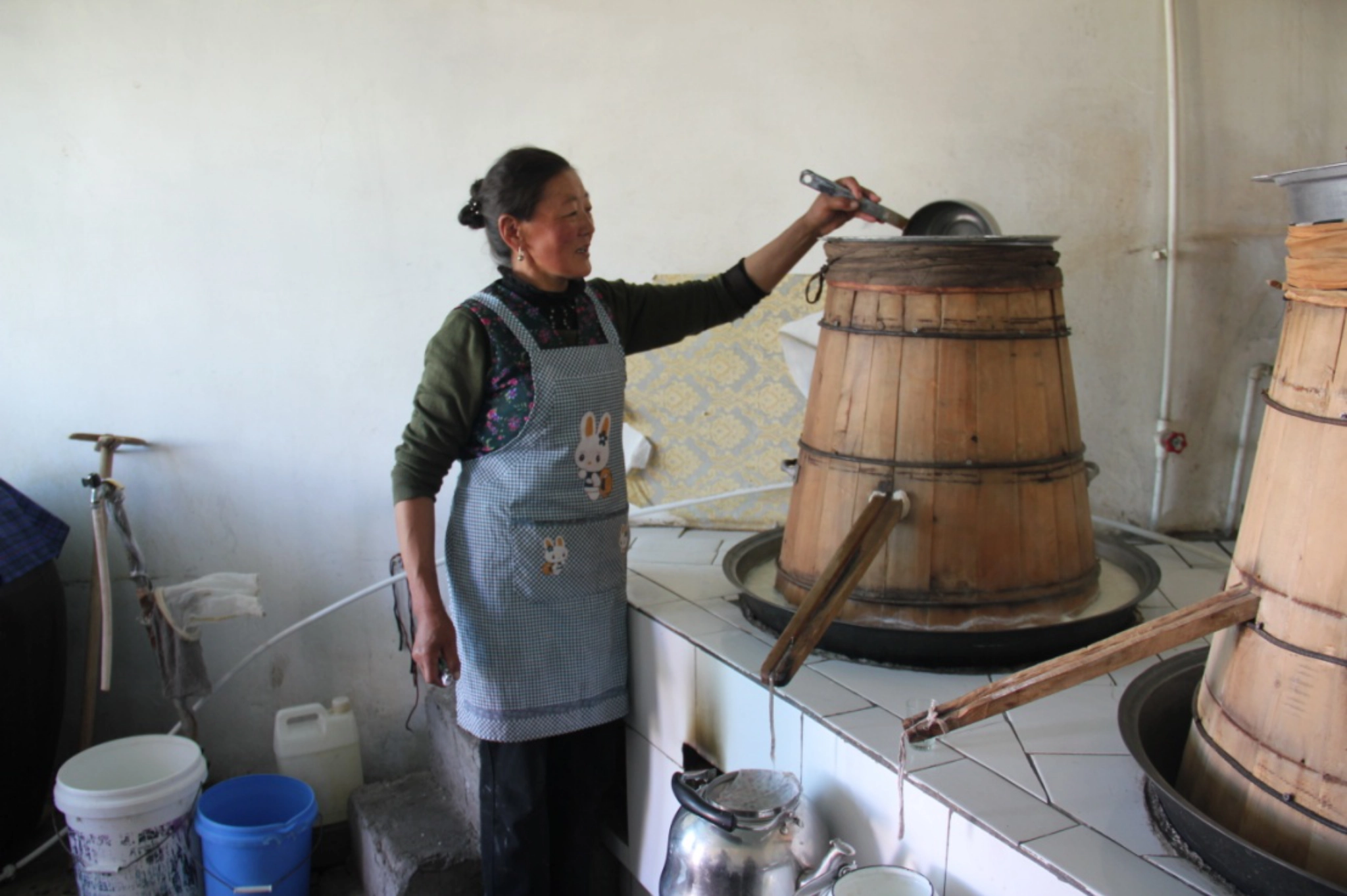
Producing shimiin arkhi is a meticulous, labor-intensive craft traditionally carried out by women inside the family ger. The process relies on custom-built home distillation apparatuses made from wooden tubs and metal cauldrons:
- Fermentation: Milk is collected, cultured, and churned in large leather sacks or wooden casks until it reaches the desired acidity.
- Heating: The fermented liquid is poured into a large iron cauldron set over the central ger stove, fueled by dried dung (argal).
- Condensation: A wooden cylinder with a collection funnel is placed over the cauldron, topped with a metal basin filled with cold water.
- Collection: As steam rises, the alcohol vapors condense against the cool underside of the top basin and drip into a suspended collection vessel inside.
Because this process requires substantial quantities of milk—often requiring dozens of liters of fermented dairy to yield a single liter of spirit—arkhi is reserved for special celebrations, seasonal visits, and honored guests.
Ger Etiquette: How Guests Should Receive Arkhi
In nomadic culture, social interactions inside the ger follow structured etiquette. If a host offers you a silver bowl or glass of arkhi, following these four traditional guidelines demonstrates cultural respect:
- 1. Use Your Right Hand: Always receive and offer bowls using your right hand. To show extra respect, support your right elbow with your left hand.
- 2. Perform the Offering (Tsatsal): Dip the tip of your right ring finger lightly into the drink, then flick a drop toward the sky, one toward the wind, and one toward the ground as a gesture of reverence to nature.
- 3. Take a Respectful Sip: Even if you do not consume alcohol, complete refusal can cause offense. Simply bring the bowl to your lips, take a tiny taste, and return the bowl to your host with both hands.
- 4. Mind the Hearth: Never pass drinks across the central stove or step over cooking utensils, as the hearth is considered the sacred center of the family home.
Comparative Profile: Airag vs. Arkhi vs. Commercial Vodka
Understanding the differences between Mongolian dairy beverages helps travelers navigate dining and social situations:
| Beverage Type | Primary Ingredients | Average ABV | Flavor Profile & Key Characteristics |
| Airag | Raw fermented mare's milk | 2% – 3% ABV | Effervescent, acidic, slightly sour; a seasonal summer staple served chilled. |
| Shimiin Arkhi | Distilled airag or cultured tarag | 8% – 12% ABV | Clear, lukewarm, smooth, with subtle yogurt and buttery undertones. |
| Commercial Vodka | Industrial wheat, rye, or potatoes | 38% – 40% ABV | Clear, neutral, high-proof; widely sold in urban Mongolian supermarkets. |
Practical Advice for International Travelers
- Market Availability: Genuine shimiin arkhi is rarely found on supermarket shelves in Ulaanbaatar, as it lacks artificial preservatives and is made for home consumption. Commercial bottled milk spirits are more frequently manufactured in Inner Mongolia.
- Accepting Alternatives: If you refrain from alcohol for medical or religious reasons, politely explain your preference before the bowl is poured; hosts will happily substitute milk tea (süütei tsai) or dried curds (aaruul).
- Road Safety: Steppe roads are unpaved, rutted, and remote. Never consume alcohol before driving or riding horses across rural terrain.