The Street That Sounds Like a Library
Walk three minutes east from the South Gate of the Xi'an City Wall and the volume of the city drops by half. The honking stops. The selfie sticks vanish. The smell of cumin lamb from the Muslim Quarter is replaced by something older and quieter — pine soot, beeswax, and the dry mineral scent of unrolled rice paper.
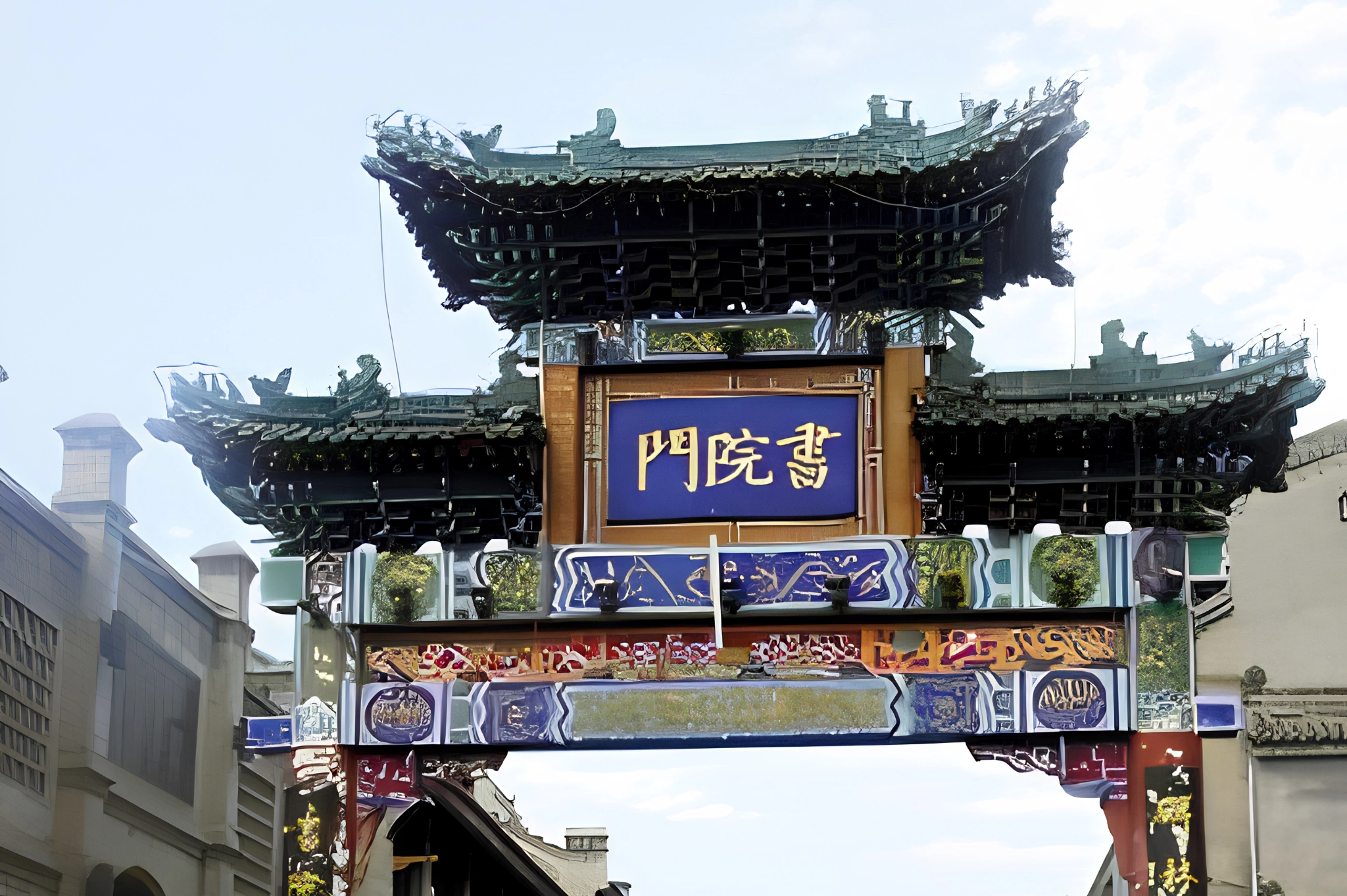
You have arrived at Shuyuanmen (書院門) — literally, "the gate of the academy" — a 570-meter Ming-era flagstone alley that runs east from the inner wall of the South Gate to the Confucian temple at Baishulin Street. It is, by some distance, the most culturally dense street in central Xi'an, and it is also the most overlooked.
This is the place foreigners walk past on the way to the City Wall climb and never enter. That is a mistake. Inside its 600-meter stretch live more than 300 shops selling traditional Chinese calligraphy supplies— every single one of them within view of the 1404 CE Guanzhong Academy, the most important center of Confucian learning in northwest China for nearly 500 years. This is where Tang and Ming scholars sat for the imperial civil service exams. It is where Lin Zexu (the official who triggered the First Opium War) studied as a young man. It is where, in 2026, you can sit down for ¥80 and have a 70-year-old master physically guide your hand through your first three Chinese characters.
Here is the version of Shuyuanmen foreigners actually need.
Why This Street Exists (The Real Story)
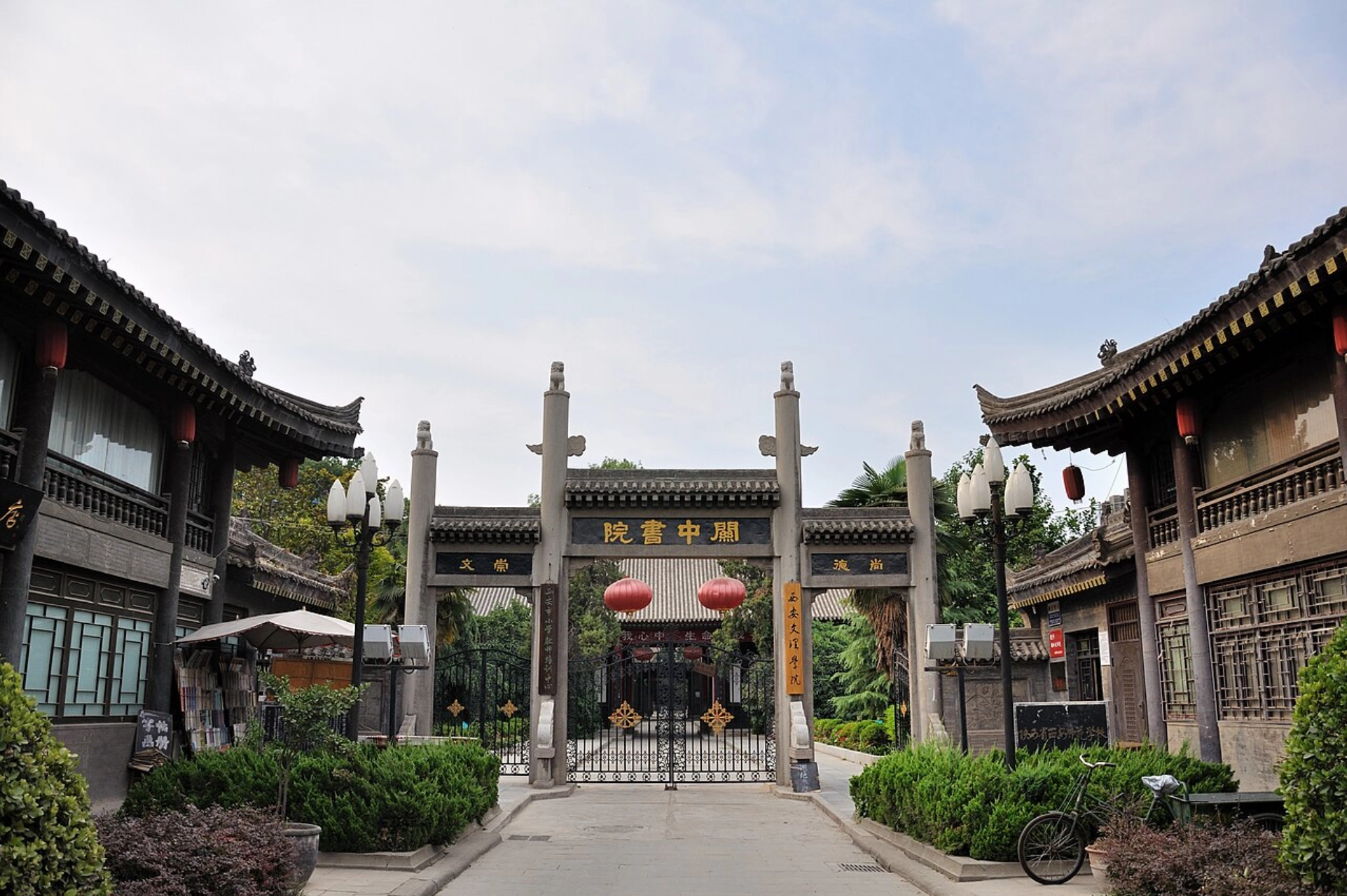
In 1609, during the Ming dynasty, a regional governor named Feng Congwu founded an academy here called Guanzhong Shuyuan (關中書院) — "the Academy of the Land Within the Passes." It was the leading institution for Confucian learning in all of northwest China, training the scholar-officials who would later sit the imperial keju, the civil service exam in Beijing to qualify for government positions.
A keju candidate spent up to thirty years preparing. He needed paper, ink, brushes, inkstones, books, calligraphy models, scrolls, seals — and he needed them every day. So a marketplace grew up along the street leading to the academy gate, selling exactly those things. By the late Ming period the street had a name: Shuyuanmen, "the gate of the academy." By the Qing period it was the largest concentration of scholar-supply shops anywhere west of Beijing.
The civil service exam was abolished in 1905. The academy survived — it is now the Xi'an Normal Affiliated High School, and you can still see its restored Ming-era main gate at the eastern end of the street. But the shops never left. Six hundred and twenty-two years later, the same alley is still selling the same four products to the same kind of people: anyone in China who wants to learn calligraphy seriously starts here.
In 2026, those people now include you.
What You Are Actually Looking At: The Four Treasures of the Study
Every shop on Shuyuanmen — and there are roughly 300 of them, stacked floor-to-ceiling with vermilion silk boxes and bundled brushes — sells some variation of the same four objects. Foreign visitors who do not understand what they are looking at end up buying a ¥800 tourist-grade gift set that a Chinese calligrapher would not feed to a dog. So here is the deciphering key.
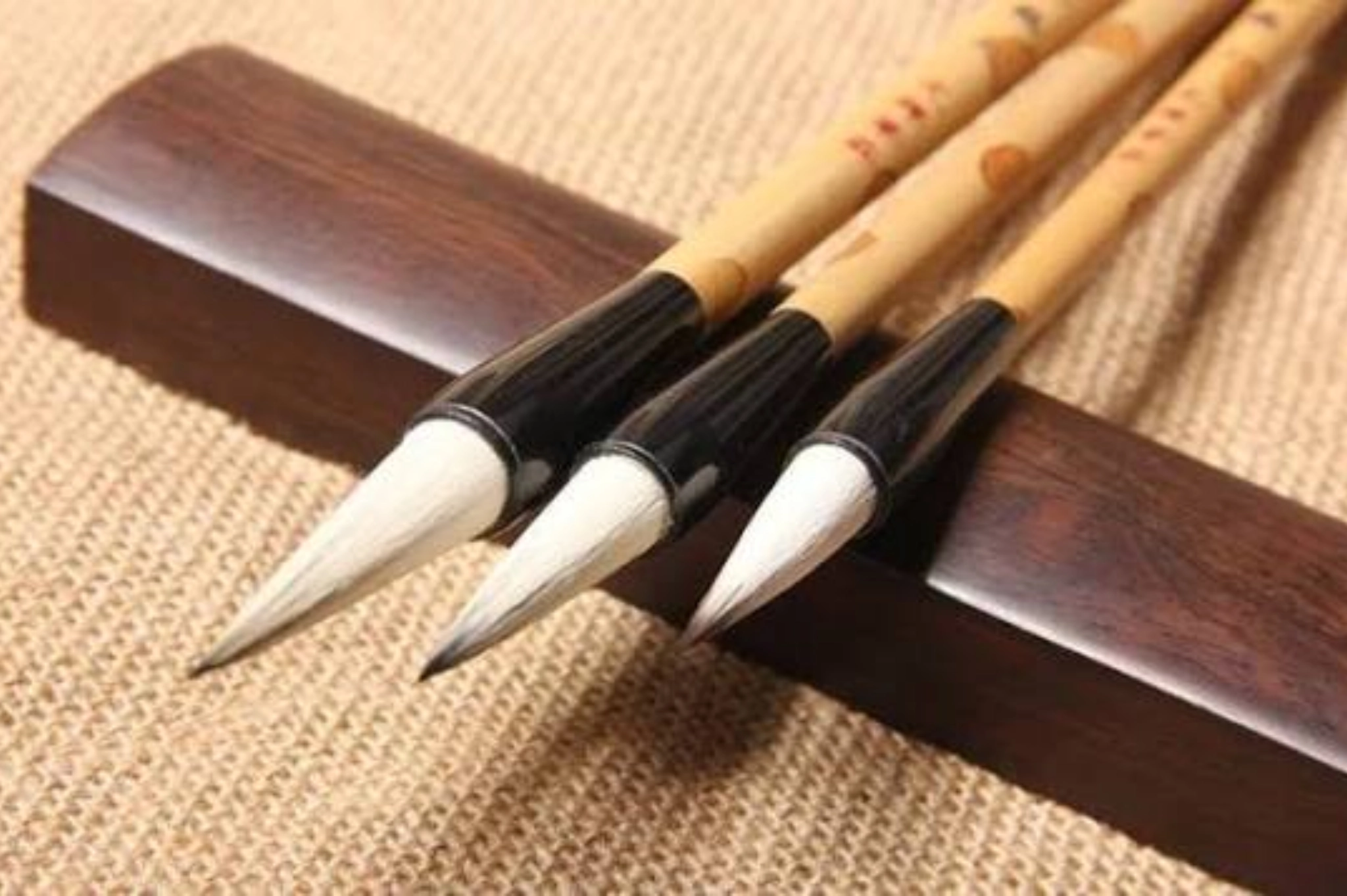
- The Brush (毛筆, máobǐ) — The handle is bamboo. The tip is animal hair: weasel (狼毫, lánghào, stiff and sharp, used for crisp small-script work), goat (羊毫, yánghào, soft and absorbent, used for large flowing characters), or a wolf-and-goat blend (兼毫, jiānháo, the all-purpose workhorse). On Shuyuanmen, a real beginner-grade goat brush costs ¥40-80. Anything cheaper than ¥30 is synthetic. Anything claiming to be "wolf hair" under ¥150 is dyed weasel. Avoid the shops that wrap their brushes in plastic film — real brushes are sold tip-down in open ceramic jars so the buyer can test the spring.
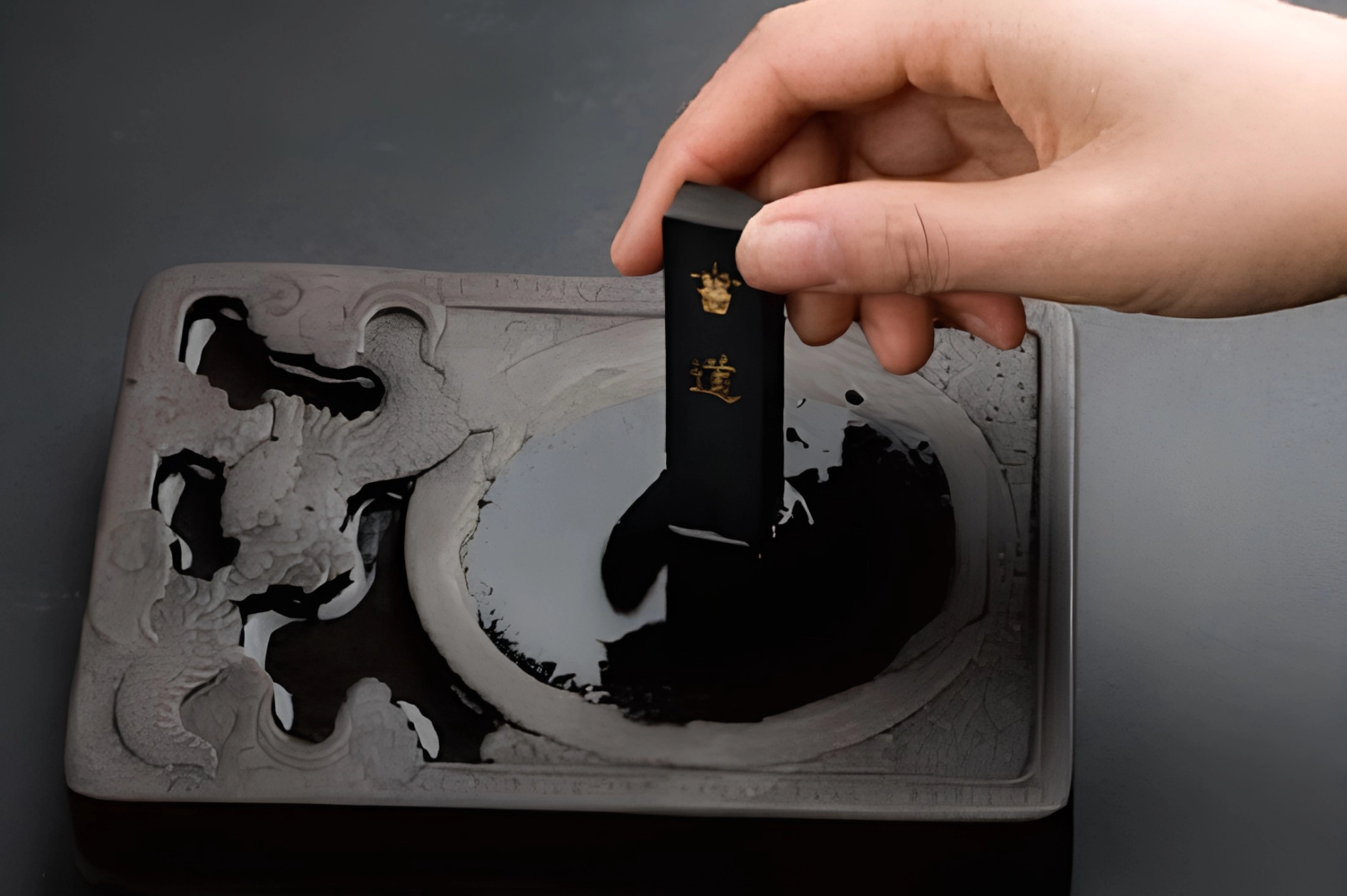
- The Inkstick (墨, mò) — A solid bar of compressed pine soot or oil soot mixed with animal glue, formed in a wooden mould, scented with sandalwood or musk, and stamped with gold-leaf calligraphy. To use it, you grind it on the inkstone with water. The smell is the most underrated reason to walk into one of these shops — a 60-year-old pine-soot bar smells like a Chinese temple at incense hour. Hui Mo (徽墨) from Anhui is the gold standard. A study-grade inkstick is ¥60-120. The collector-grade ones in glass cases are ¥800-12,000 and you do not need one.
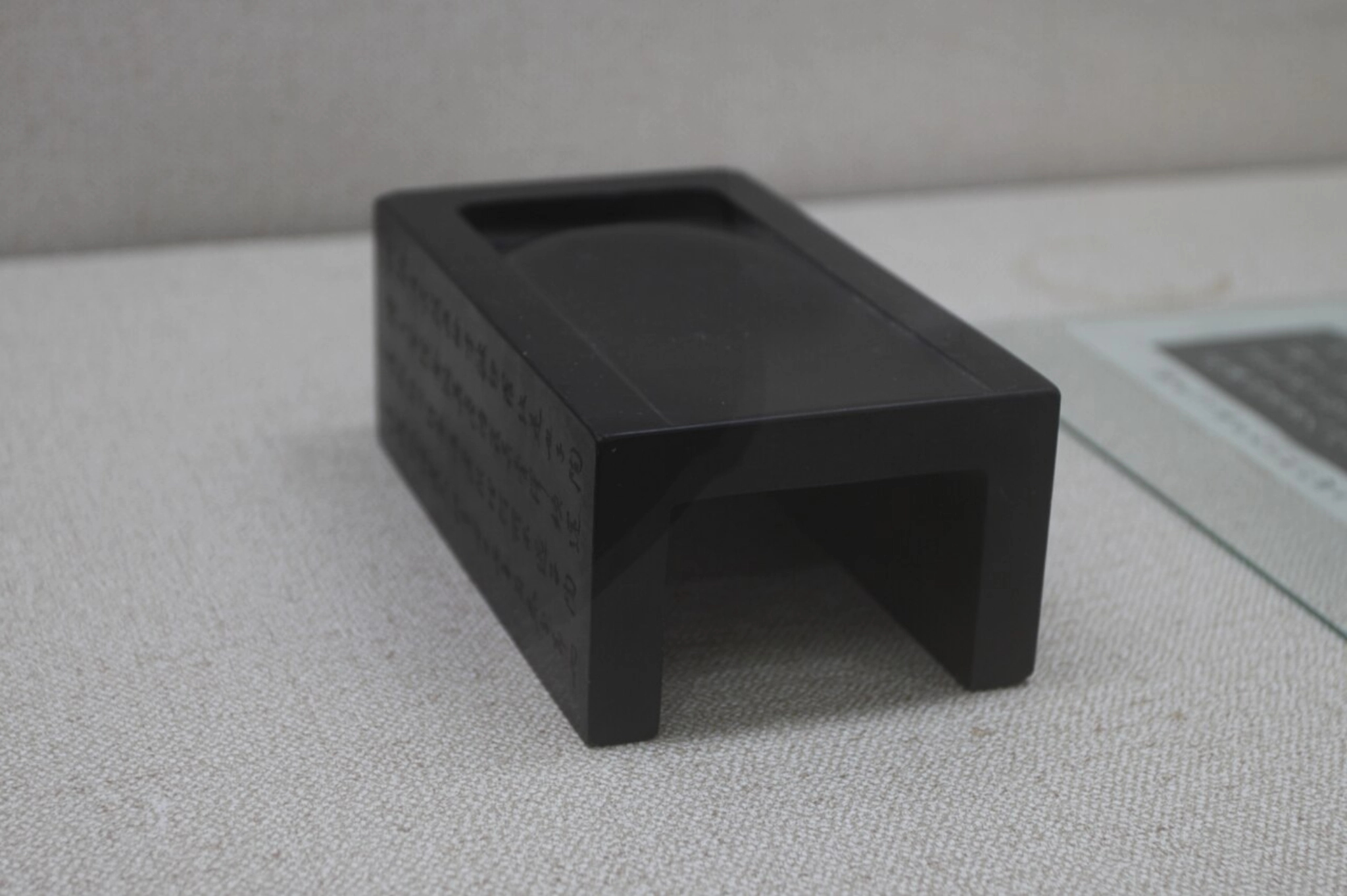
- The Inkstone (砚, yàn) — A shallow stone basin with a grinding well and a water trough. Made from one of four classical stones — Duan, She, Tao, or Chengni — each with a different grain and ink-holding character. A workable beginner inkstone is ¥80-150. The hand-carved Duan stones with dragon-and-cloud reliefs sold in the antique-style shops are ¥400-2,000 and are decorative more than functional. Tip: ask the shopkeeper to drip water on the stone. A real ink-grade stone holds the bead; a polished decorative knock-off lets it run.
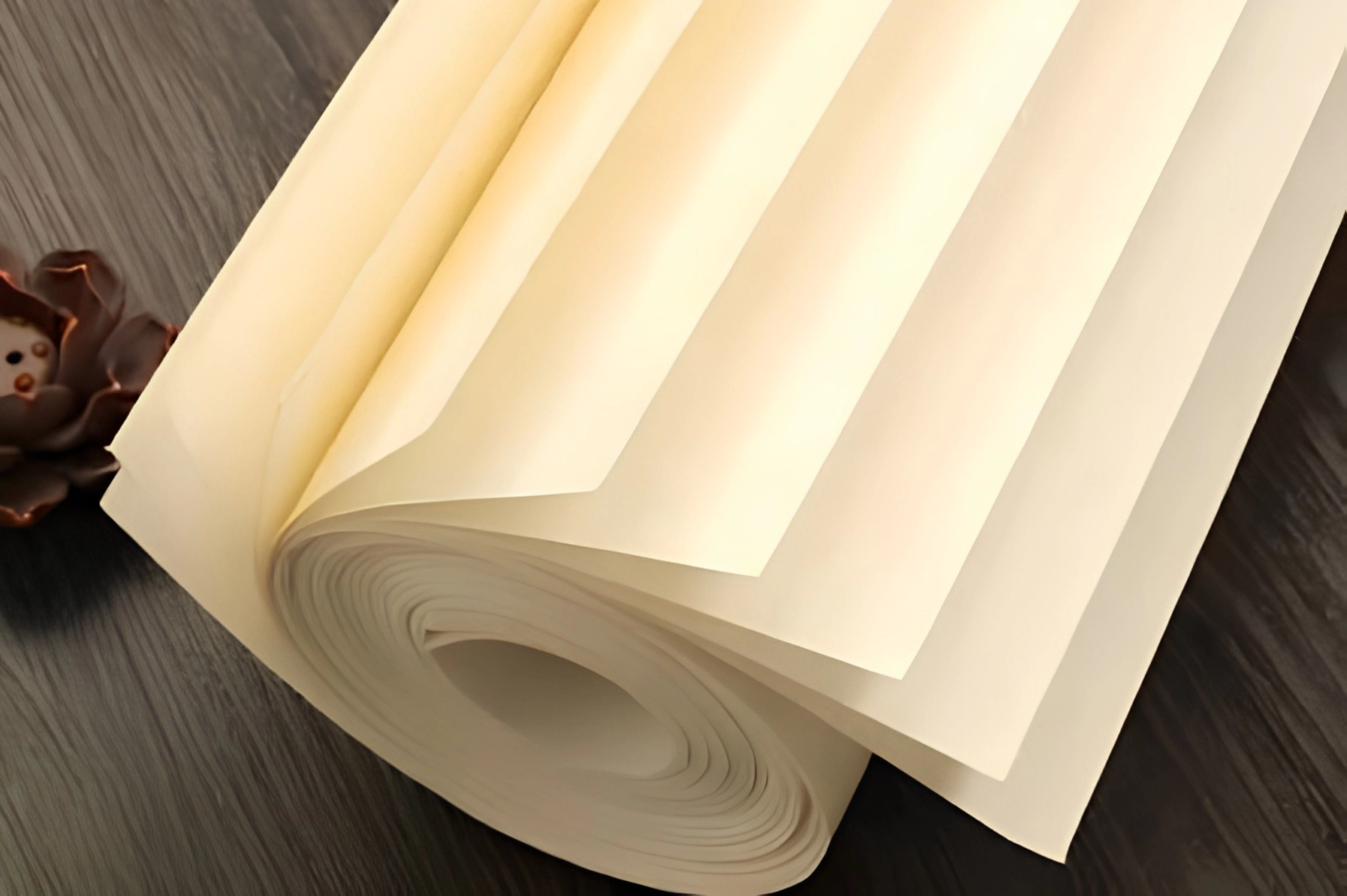
- The Paper (宣紙, xuānzhǐ) — Rice paper from Xuancheng in Anhui. Two main grades: shēng xuān (raw, very absorbent, for ink-wash painting) and shú xuān (sized, less absorbent, for crisp character work). Foreigners almost always want shu xuan for their first lesson — sheng xuan punishes any hesitation by exploding the ink outward into a black puddle. A 100-sheet pack of practice-grade shu xuan is ¥30-60. Acid-aged paper, the kind serious calligraphers buy in 50-year-old bundles, is ¥800 a sheet and you are not buying it.
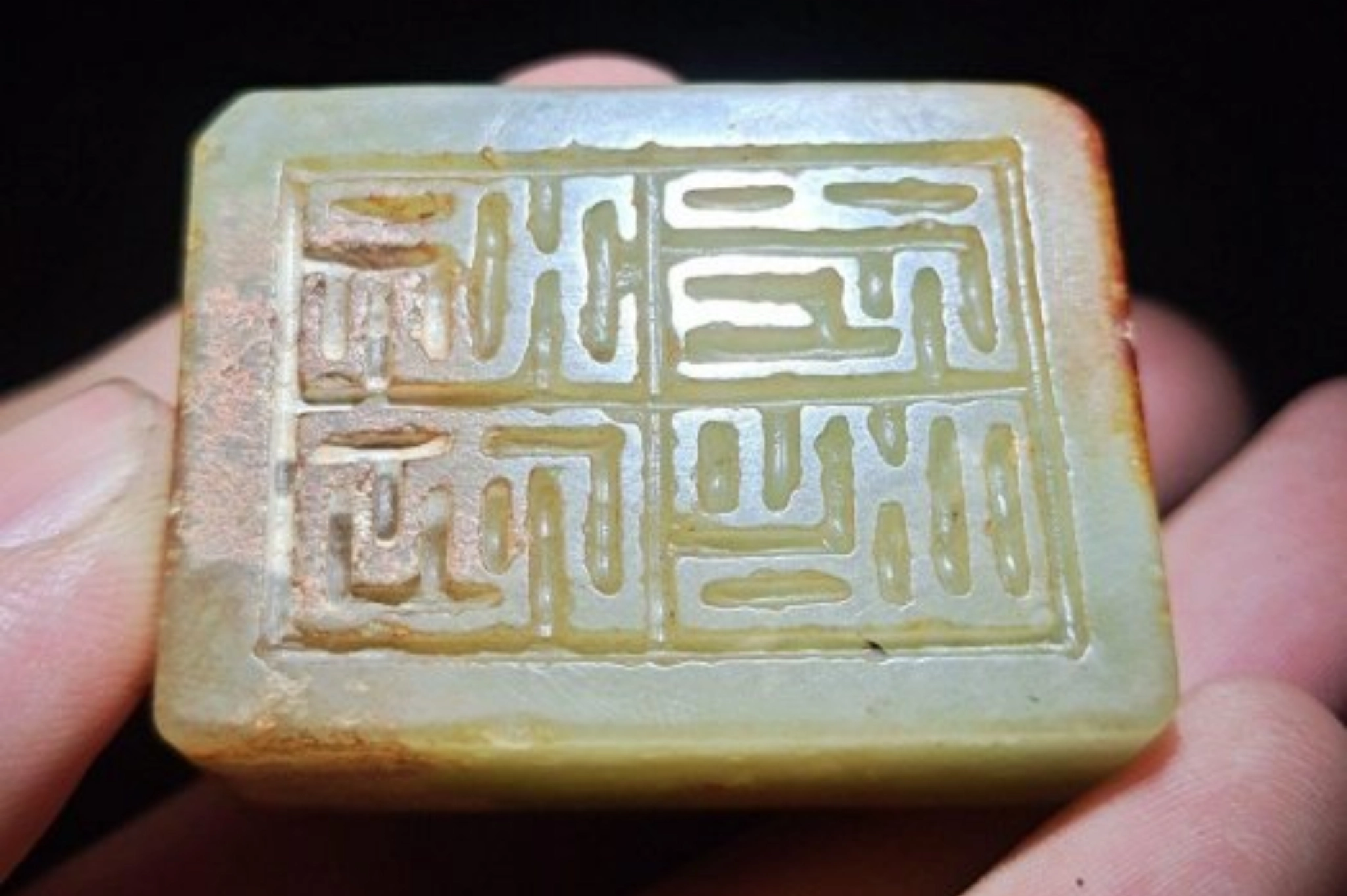
There is also a fifth, semi-official treasure: the seal (印, yìn). Hand-carved jade or soapstone, with your Chinese name (or a phonetic version of your English name) cut in reverse on the bottom face. The carving takes a master about 20 minutes and costs ¥80-200 for a basic version. It is the single most popular souvenir foreigners take home from Shuyuanmen, and it is the one that ages best — you can use it on every Christmas card for the rest of your life.
The Calligraphy Lesson Almost Nobody Knows You Can Take
About a dozen shops along the street offer hands-on calligraphy lessons for walk-in foreign visitors. They are not advertised in English. They are not on TripAdvisor. They are quietly listed on Chinese WeChat under the tag #書院門 ("Shuyuanmen calligraphy experience").
Here is how it works
Walk in, open your translation app, and type in that you'd like to study Chinese calligraphy. The master will smile, clear a low writing desk, and bring out a sheet of grid-lined practice paper. He or she will guide you through the foundational eight strokes of the character 永 (yǒng, "eternal") — the single character that contains, in its eight brushstrokes, every fundamental movement of Chinese calligraphy. Then you will copy the strokes yourself. The master will physically take your hand on the third try and correct your grip, your wrist angle, and your forearm tension. This is called 提腕 (tí wàn), "lifted wrist," and it is the same correction a Chinese five-year-old gets on day one of brush school.
- Duration: 45-60 minutes
- Cost in 2026: ¥80-200 per person (depending on whether you keep the brush)
- Languages: the masters speak almost no English; the lesson works anyway because calligraphy is taught by hand
What Else to Buy Here (And What to Skip)
Worth your money:
- Hand-carved name seal (¥80-200) — pick a soapstone blank, write your name on paper, the master cuts it in 20 minutes
- A real Hu brush (¥60-120) — Hu Bi (湖筆) from Huzhou is the most respected brush-making lineage in China
- A small bundle of Anhui pine-soot ink sticks (¥40-100) — they smell like the Tang Dynasty
- A Tang or Song dynasty calligraphy rubbing (拓片, tàpiàn) on rice paper (¥30-150) — pressed directly from the stele forest, real ink-and-paper history
Skip:
- The mass-produced "antique" jade carvings in the front windows — almost all of them are dyed resin
- The pre-painted "auspicious words" scrolls — printed, not brushed, ¥10 worth of decoration sold for ¥150
- The shops that play looped Chinese folk music at volume — they are tourist traps, walk past them
- Anything marketed as "Tang Dynasty antique" — actual Tang artifacts live in the Shaanxi History Museum and the Stele Forest, not in a souvenir alley
The Hidden Detail: The Confucian Temple at the End of the Street
Walk to the eastern end of Shuyuanmen and you arrive at a low whitewashed wall with a vermilion gate. Most foreigners turn around here. They should not. Step through the gate and you are inside the Confucius Temple courtyard, which since 1944 has housed the Stele Forest Museum — the largest collection of stone-engraved Chinese calligraphy on earth, with more than 3,000 steles dating from the Han to the Qing dynasties.
This is the place that preserves centuries of Chinese calligraphy carved in stone, including works of China's most celebrated calligraphers.The Stele Forest deserves its own article, but for a Shuyuanmen visit, walk at least into the first courtyard. The 1090 CE Kaicheng Stone Classics — twelve massive steles carved with the entire Confucian canon, six and a half million characters of it — stand against the western wall. You are looking at the original textbook of Chinese civilization.
The Stele Forest charges separate admission (¥75). Shuyuanmen itself is free.
When to Go (Hour by Hour)
- Morning, 9:00 AM – 11:00 AM — The shops have just opened. Masters are setting out fresh ink. The light through the upper-story latticework windows is the best of the day for photography. Almost no other foreigners. This is the right time.
- Midday, 11:00 AM – 2:00 PM — Chinese tour groups arrive. Crowds. Skip.
- Afternoon, 2:00 PM – 5:00 PM — Groups thin out. Good time for a calligraphy lesson — masters are warmed up and have time to teach.
- Evening, 5:00 PM – 10:00 PM — Red lanterns turn on. The street takes on a quiet, golden, almost cinematic atmosphere. Most shops stay open until 10 PM. The single best hour for atmospheric photos is 7:00 PM in summer (sunset light + lanterns on simultaneously).
Logistics for Foreigners
- Location: South of Bell Tower, immediately east of the inner South Gate of the City Wall
- Subway: Line 2, Yongningmen Station (永宁门站), Exit B. Walk 300 meters east.
- Hours: Most shops 9:00 AM – 10:00 PM, year-round
- Entrance fee: Free (the street itself; individual museums and the Stele Forest charge separately)
- Time needed: 1.5–2 hours minimum; add another hour if you do a calligraphy lesson
- Best paired with: A City Wall walk (the wall is literally one block away) and a Muslim Quarter dinner (15-minute walk north)
- Cash or card: WeChat Pay and Alipay accepted at almost every shop. A handful of senior masters still prefer cash — bring ¥200-500 in small notes just in case.
- English signage: Limited. Translation app recommended. The calligraphy masters do not need to speak your language for the lesson to work.
The One Thing No Guidebook Tells You
The shopkeepers on Shuyuanmen are not retailers. Most of them are second- or third-generation craftsmen. The brush master at the small unmarked shop at #47 trained for eleven years before he was allowed to bind his own brushes. The seal carver three doors down studied under a master who studied under a master who carved seals for the last Qing dynasty official posted to Shaanxi.
They will not advertise this. You will not see it on any website. But if you spend forty-five minutes in one of these shops — buying nothing, just watching, asking through your translation app what the inscription on the brush handle means — you will be given the kind of access to living Chinese craft tradition that money cannot purchase in Beijing or Shanghai. The Shuyuanmen masters teach because for six hundred years it has been their job to teach. They do not need foreign customers to make rent. The fact that a few of them do, in 2026, take walk-in foreign visitors and show them how to hold a brush — that is the closing window of an old world. Walk through it while it is still open.