
The quieter, tangier cousin of biangbiang noodles — thin springy strands in a hot pork broth sharpened with local vinegar, the bowl Shaanxi people reach for on a cold morning while visitors queue elsewhere.
Key Points at a Glance
Qishan saozi noodles, Shaanxi
Frequently Asked Questions
Qishan saozi noodles, Shaanxi
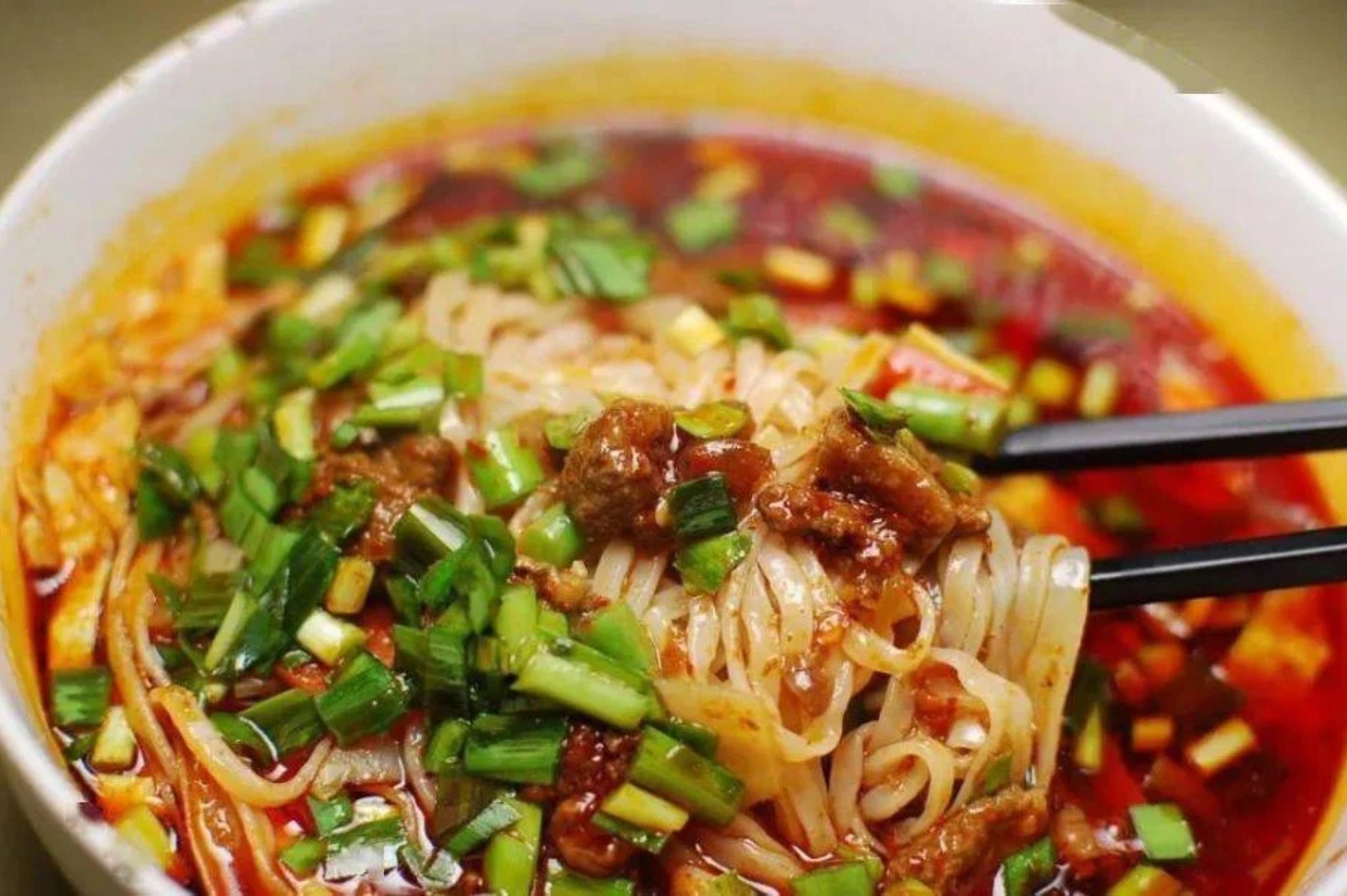
Everyone who visits Xi'an hears about biangbiang noodles and roujiamo. Fewer travellers meet saozi noodles, the quieter, tangier cousin that Shaanxi people often reach for on a cold morning. As winter arrives, it is the bowl worth seeking out.
What It Is
The Shaanxi provincial government describes saozi noodles, in the Qishan style, as noodles served in pork broth with minced meat and extras such as tofu, carrots, Chinese chives or garlic sprouts. The dish allegedly dates back to the Zhou Dynasty (1046 to 256 BC), treat the age as local tradition: it is the claim made by the provincial government, not a proven recipe record.
How It Tastes
The traditional local description summarizes the eating experience as "thin, pliable, smooth, sour, spicy, scented, hot, watery and greasy." In plain English, expect:
- Thin, springy noodles rather than the wide, heavy belts of biangbiang.
- Sourness from premium local vinegar, which cuts through rich fats.
- Chilli heat that builds gradually rather than shocking the palate.
- A hot, slightly oily broth that locks in heat and warms you through.
If you enjoy hot-and-sour soup, this will feel familiar, only more savoury and centered around satisfying, chewy wheat noodles.
Why Foreigners Often Love It
- It is gentler than it looks: The spice level is fully adjustable if you ask your server.
- It tells a regional story: Shaanxi sits firmly in China's wheat belt, so noodles—not rice—are the culinary anchor.
- It resets the palate: After a day of heavy meat skewers and sweet treats in the Muslim Quarter, a bowl of sour noodle soup acts as a refreshing culinary palate cleanser.
How to Order Like a Pro
- Look for the signs: Search for shops advertising 岐山臊子面 (Qishan saozi mian) or simply 臊子面.
- Language hacks: Show the Chinese characters on your phone, and say 少辣 (shǎo là) if you prefer less chili, or 不要香菜 (bú yào xiāngcài) if you dislike coriander.
- Portion control: Ask for a small portion if you plan to sample multiple food stalls across the city in a single day.
- Expect variation: Prices, broth concentration, and exact topping ratios vary from shop to shop; confirm the menu options before you sit down.
Recommended Pairings & Daily Route
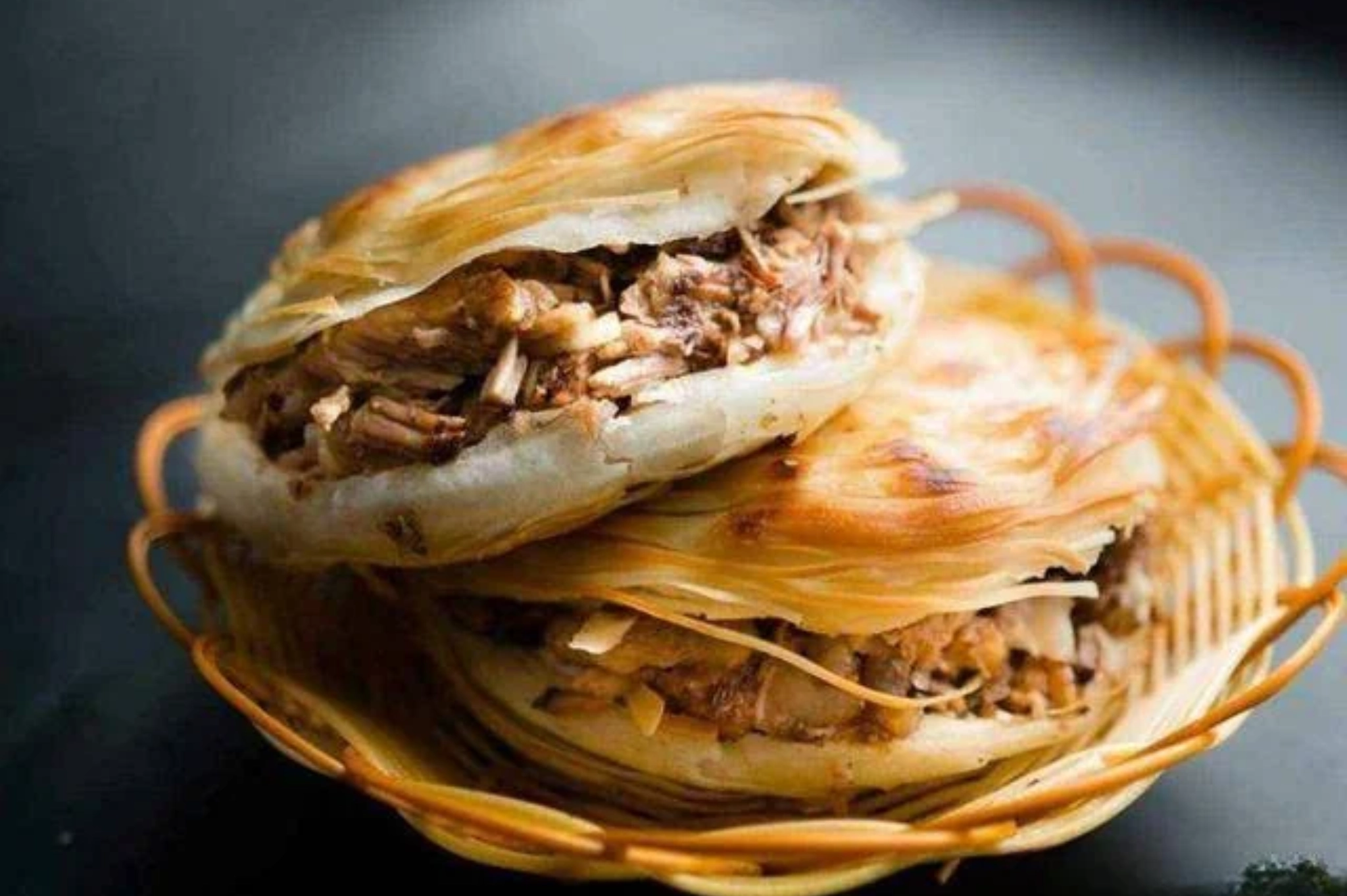
- The Meal Pairing: Combine your noodle bowl with a crispy Roujiamo (stuffed flatbread) for the ultimate Shaanxi meat-and-noodle experience. Wash it down with hot black tea or plain hot water rather than ice-cold drinks, which clash with the hot, sour broth.
- A Perfect Xi'an Food Itinerary:
- Morning: Enjoy a warming bowl of hulatang near the Bell Tower.
- Midday: Settle into a local shop for authentic Qishan saozi noodles.
- Afternoon: Tour the Terracotta Army or cycle along the ancient City Wall.
- Evening: Unwind with street snacks in the bustling Muslim Quarter. Keep one meal flexible for whatever aroma catches your attention next!