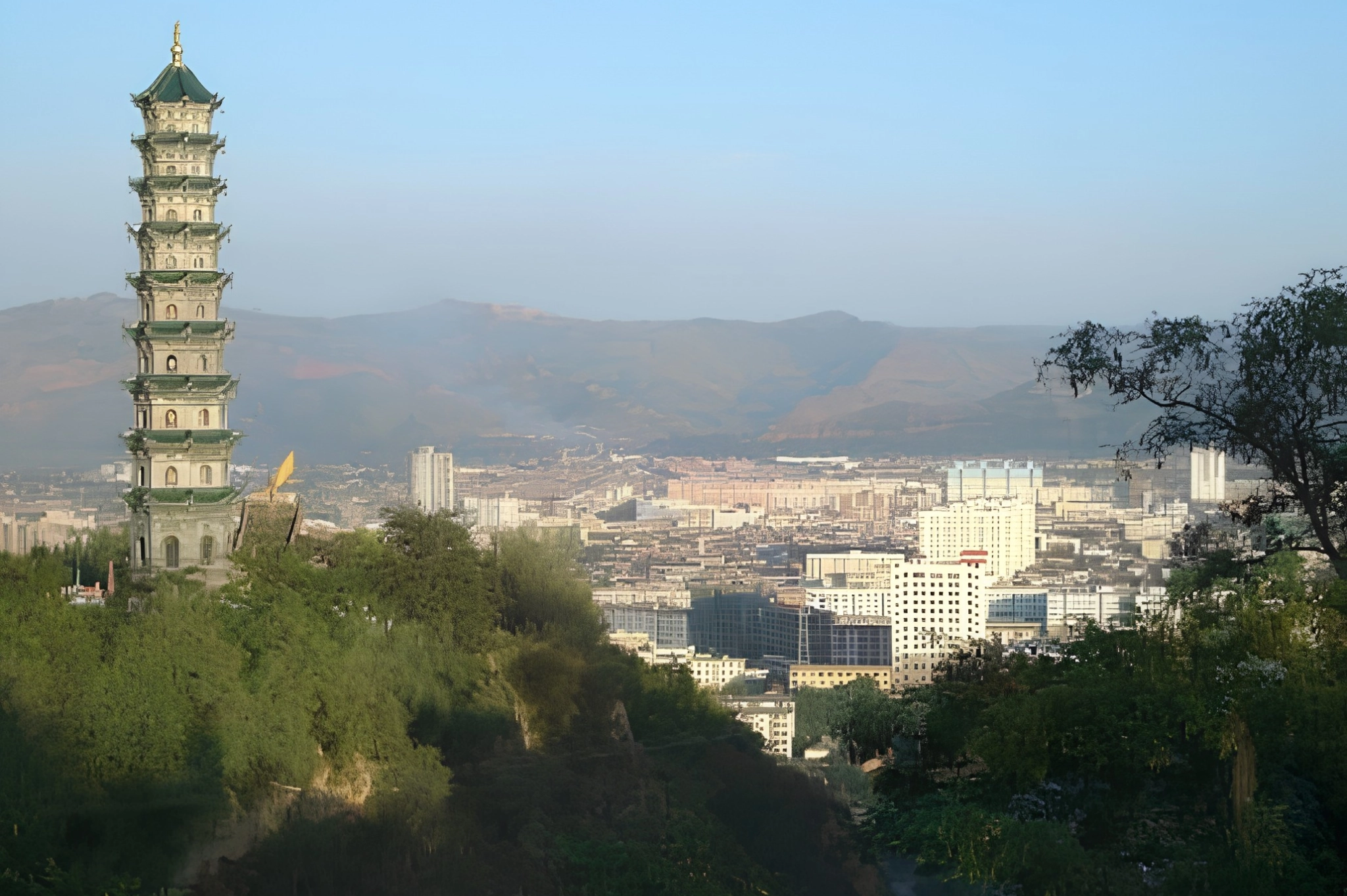
Most people cross Gansu in a straight line — Lanzhou, then the long run west to Zhangye, Jiayuguan and Dunhuang. But turn southwest out of Lanzhou instead, follow the Daxia River for a couple of hours, and you arrive somewhere that feels like a different country altogether. This is Linxia, historically known as Hezhou, the beating heart of Muslim China and a town so dense with mosques and minarets that it has earned the nickname "China's Little Mecca." For curious travellers who like their Silk Road served with living culture rather than ruins, Linxia is one of Gansu's great under-the-radar stops.
Linxia is the capital of one of only two Hui Autonomous Prefectures in China, and the Hui — Chinese-speaking Muslims whose ancestry traces back to Silk Road traders from Persia and Central Asia — have shaped every corner of it. Walk the streets at dusk and you hear the call to prayer answered from mosque to mosque across the rooftops; by day the markets smell of cumin, mutton and fresh flatbread. It is one of the most atmospheric cultural experiences in northwest China, and almost no foreign tour buses stop here.
A Skyline of Minarets
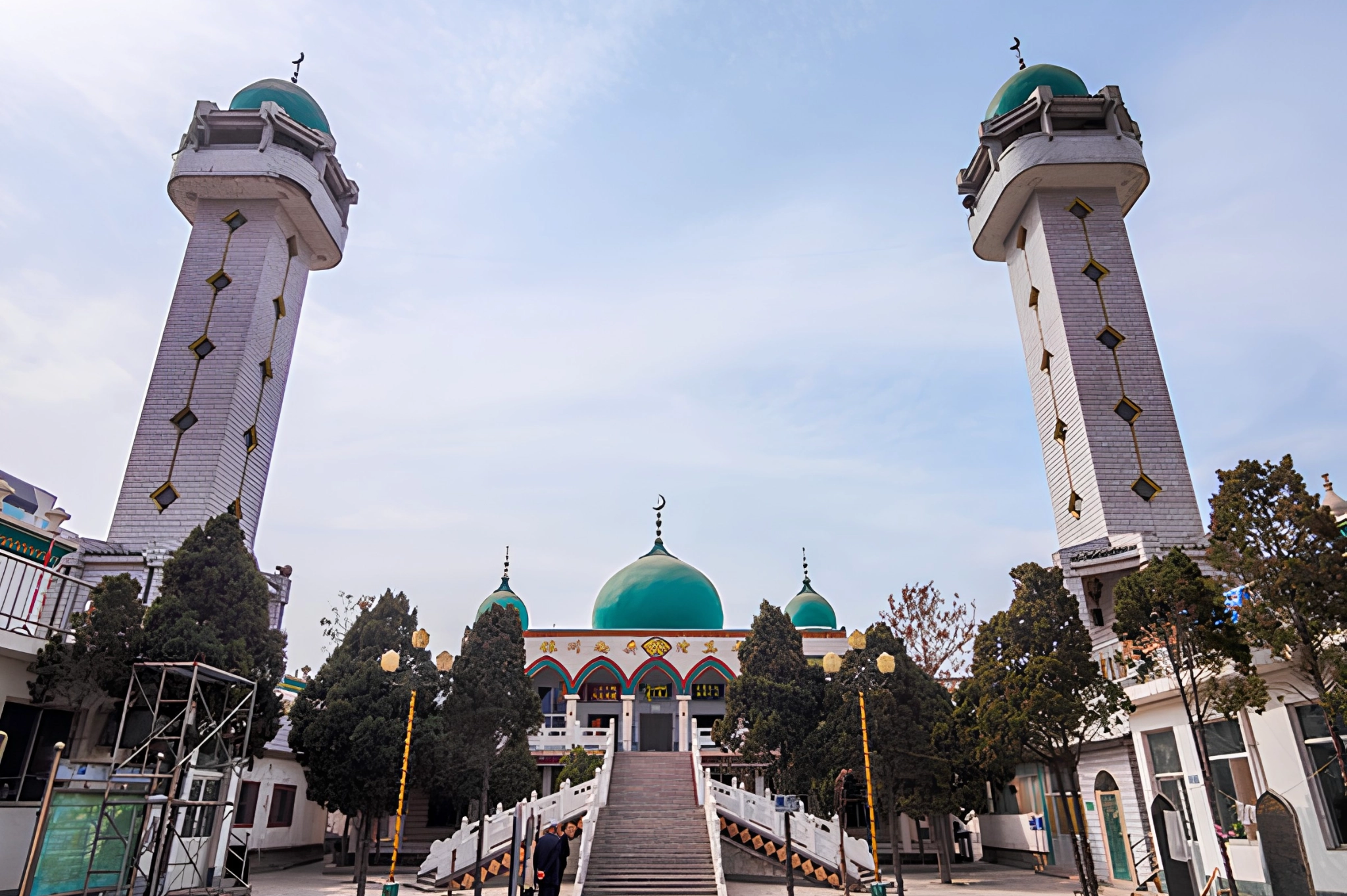
The "Little Mecca" nickname is not marketing. Linxia prefecture is studded with mosques — estimates run into the dozens in the city alone and far more across the surrounding countryside — and their architecture tells the whole story of Chinese Islam in a single glance. Older mosques wear the sweeping tiled roofs and upturned eaves of a Chinese palace, with a crescent instead of a finial; newer ones rise in green domes and tall minarets in the Arab and Central Asian style. Standing where the two traditions meet, you are looking at the result of more than a thousand years of exchange along the Silk Road.
The most important is the Nanguan Mosque, the largest and the spiritual centre of the city, where thousands gather for Friday prayers. Non-Muslim visitors are usually welcome to admire the mosques from outside and photograph the extraordinary skyline; always dress modestly, ask before entering, and avoid prayer times.
The Art That Turns Brick Into Lace
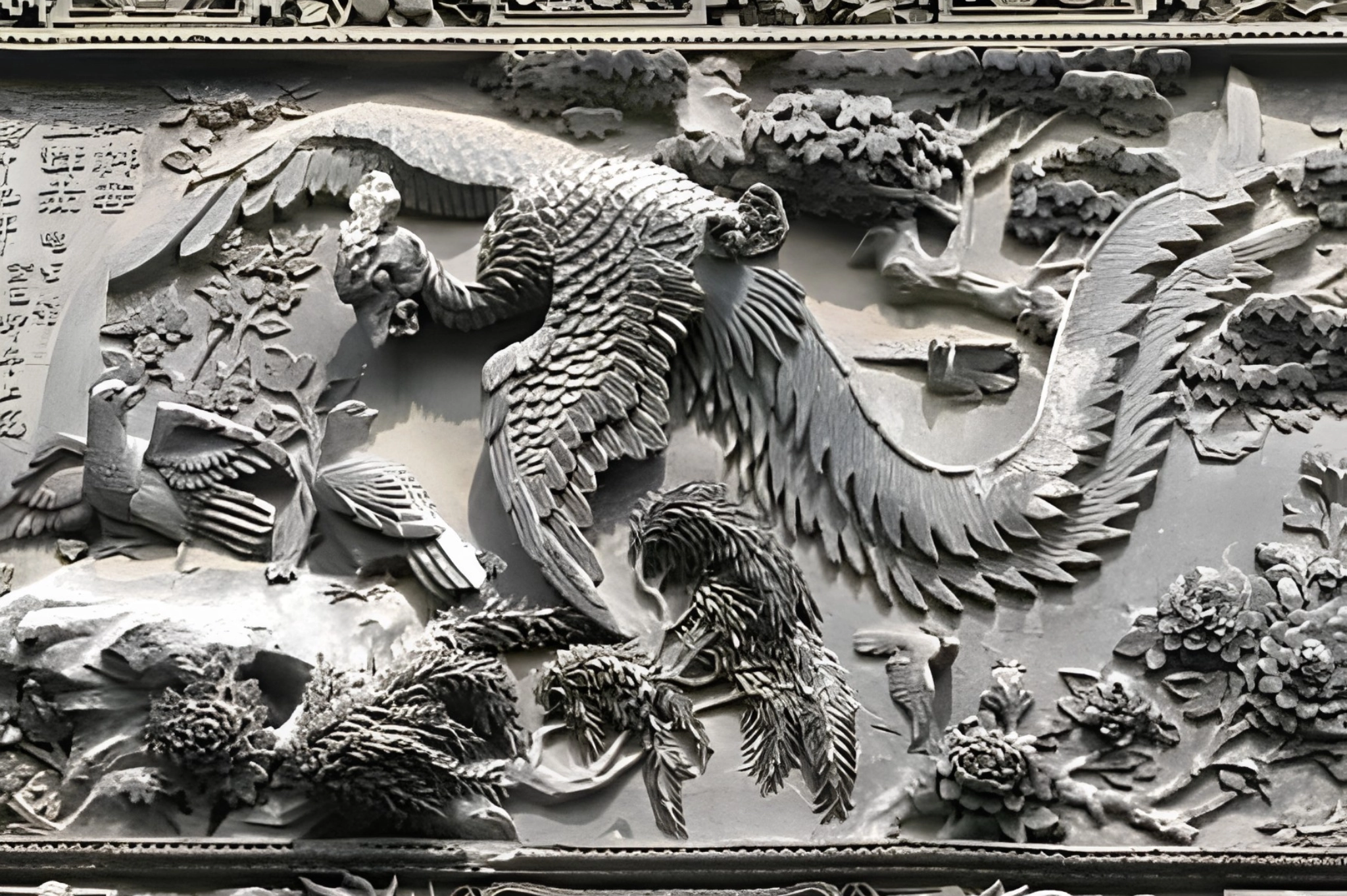
If Linxia has one thing that belongs in a museum — and in fact does fill museums — it is Hezhou brick carving. This is a folk art in which craftsmen carve soft grey clay bricks, before and after firing, into astonishingly intricate panels of peonies, lotus, vines, grapes, birds and flowing calligraphy. Because Islamic tradition discourages depicting people and animals in sacred settings, the carvers poured centuries of skill into flowers, landscapes and geometry instead, and the results can look less like brick than like carved ivory or lace.
For generations these panels decorated the screen walls, gateways and courtyards of Linxia's mosques and finer homes. Today Hezhou brick carving is recognised as national intangible cultural heritage, and you can watch masters at work, visit dedicated galleries, and see the craft at its finest on the walls of the old quarter. It is the kind of detail that rewards travellers who slow down and look closely.
Bafang: The Living Old Town
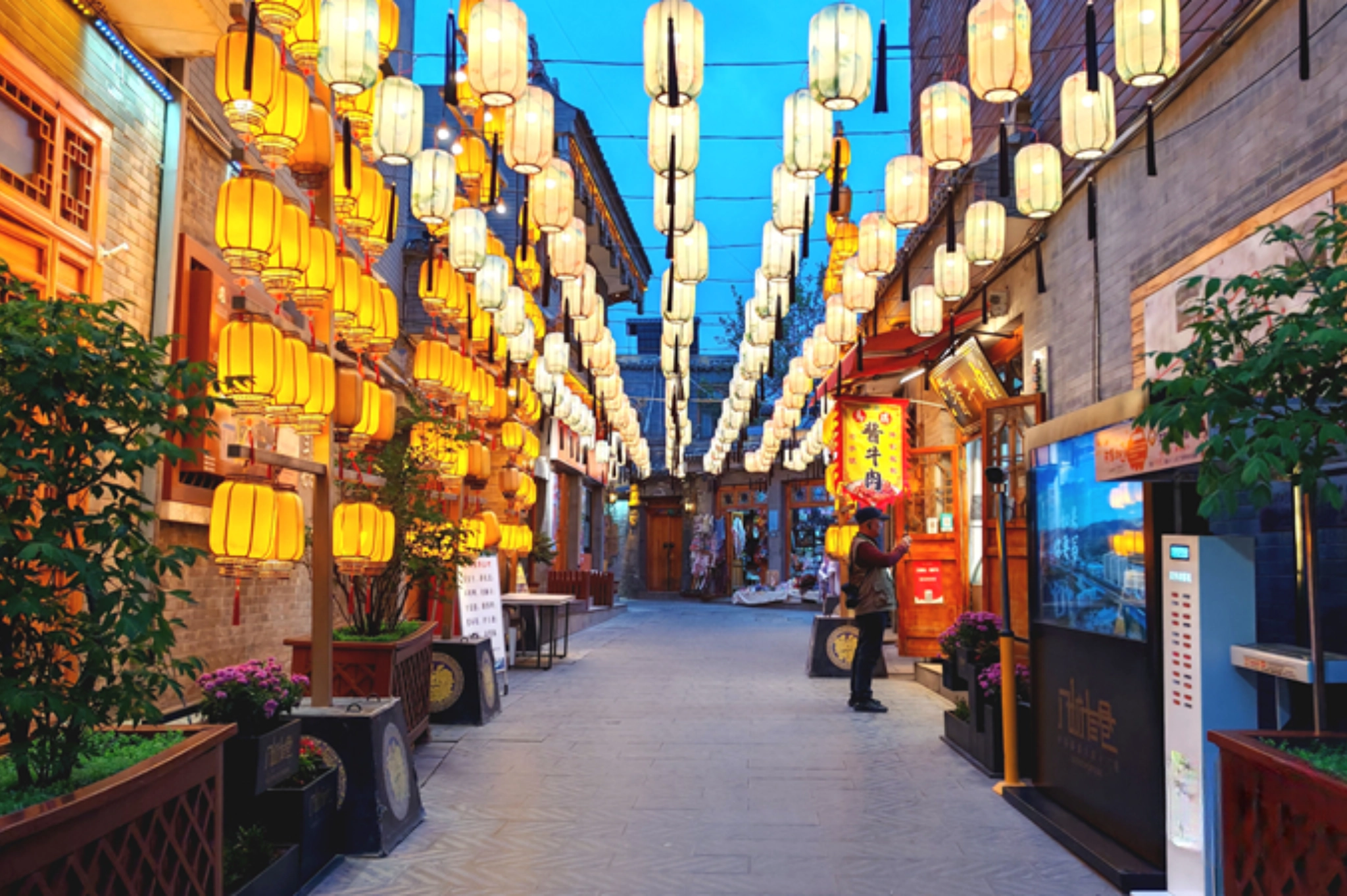
The best place to feel Linxia's rhythm is the Bafang Shisan Xiang — the "Eight Quarters and Thirteen Lanes," the historic Hui district at the city's core. This is not a sanitised theme park but a living neighbourhood of courtyard homes, teahouses, little mosques and family workshops, now gently restored with handsome brick-carved facades. Wander the lanes and you will find artisans, calligraphers, and above all food: this is the place to sit down to a glass of "three-tiered" eight-treasure tea, sweet with rock sugar, longan, jujube and chrysanthemum, and watch the town go by.
A Table Worth the Detour
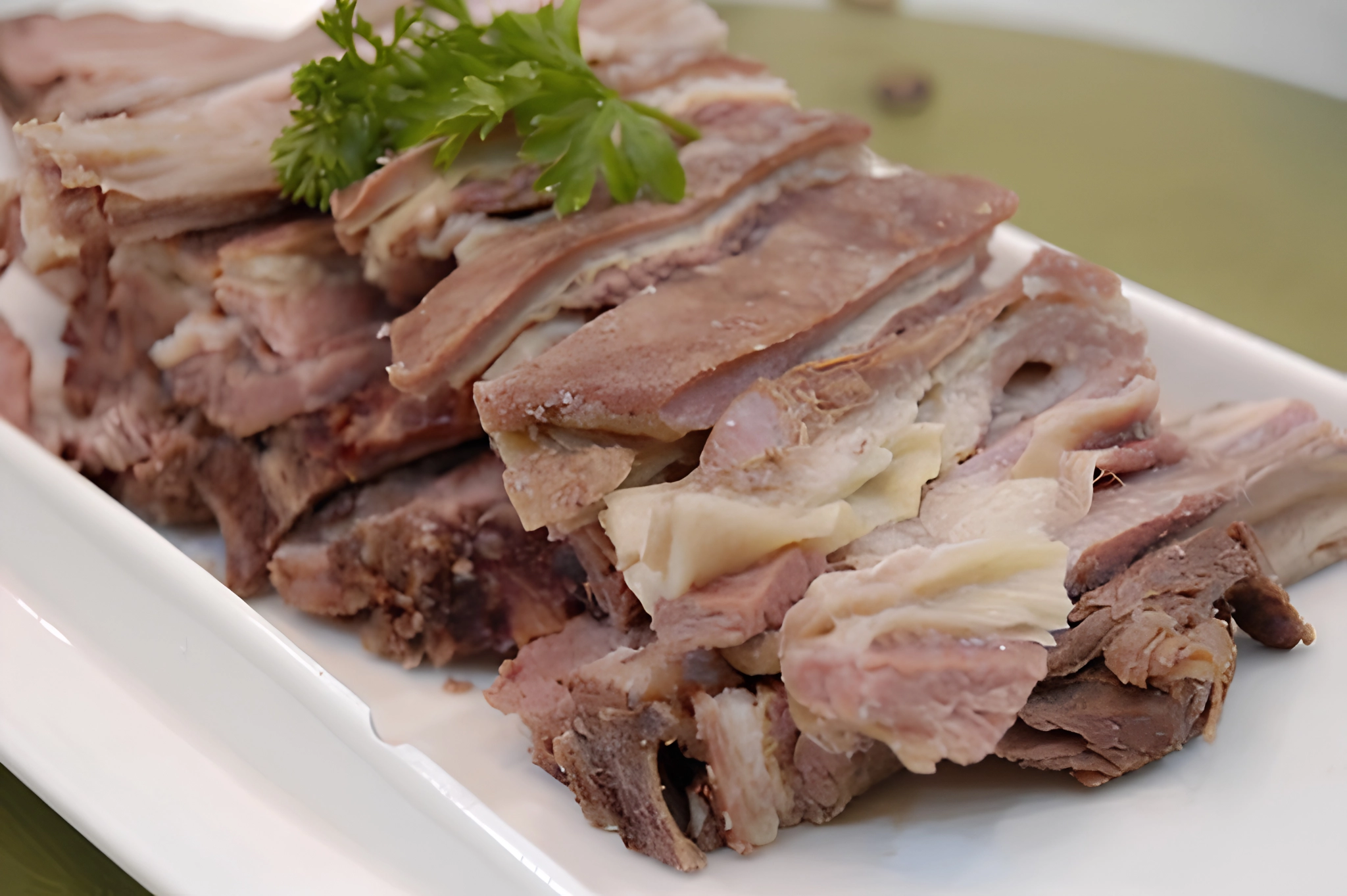
Linxia is one of the best eating towns in Gansu, and its cuisine is proudly halal and meat-forward. The signature dish is hand-grabbed mutton — tender boiled lamb eaten, traditionally, with the hands — a speciality associated with the local Dongxiang people. Look out too for Hezhou-style stuffed buns, rich mutton and offal soups, cold "jelly" noodles, and stacks of sesame flatbread, all washed down with that fragrant eight-treasure tea. Even a short stop becomes memorable once the food arrives.
A Crossroads of Peoples
Part of what makes Linxia fascinating is that the Hui are only the beginning. The prefecture is the main homeland of two of China's smallest and least-known ethnic groups — the Dongxiang and the Bonan (Bao'an) — and the Salar live just across the border in Qinghai. Add Han, Tibetan and Tu communities nearby, and you have an astonishing cultural mosaic within a short drive. Linxia also sits on the cultural frontier where Muslim Gansu meets Tibetan Gannan: head south and within hours you are among the prayer flags and monasteries of the Tibetan plateau. Few places in China pack so many worlds so close together.
The Gateway to Bingling Temple
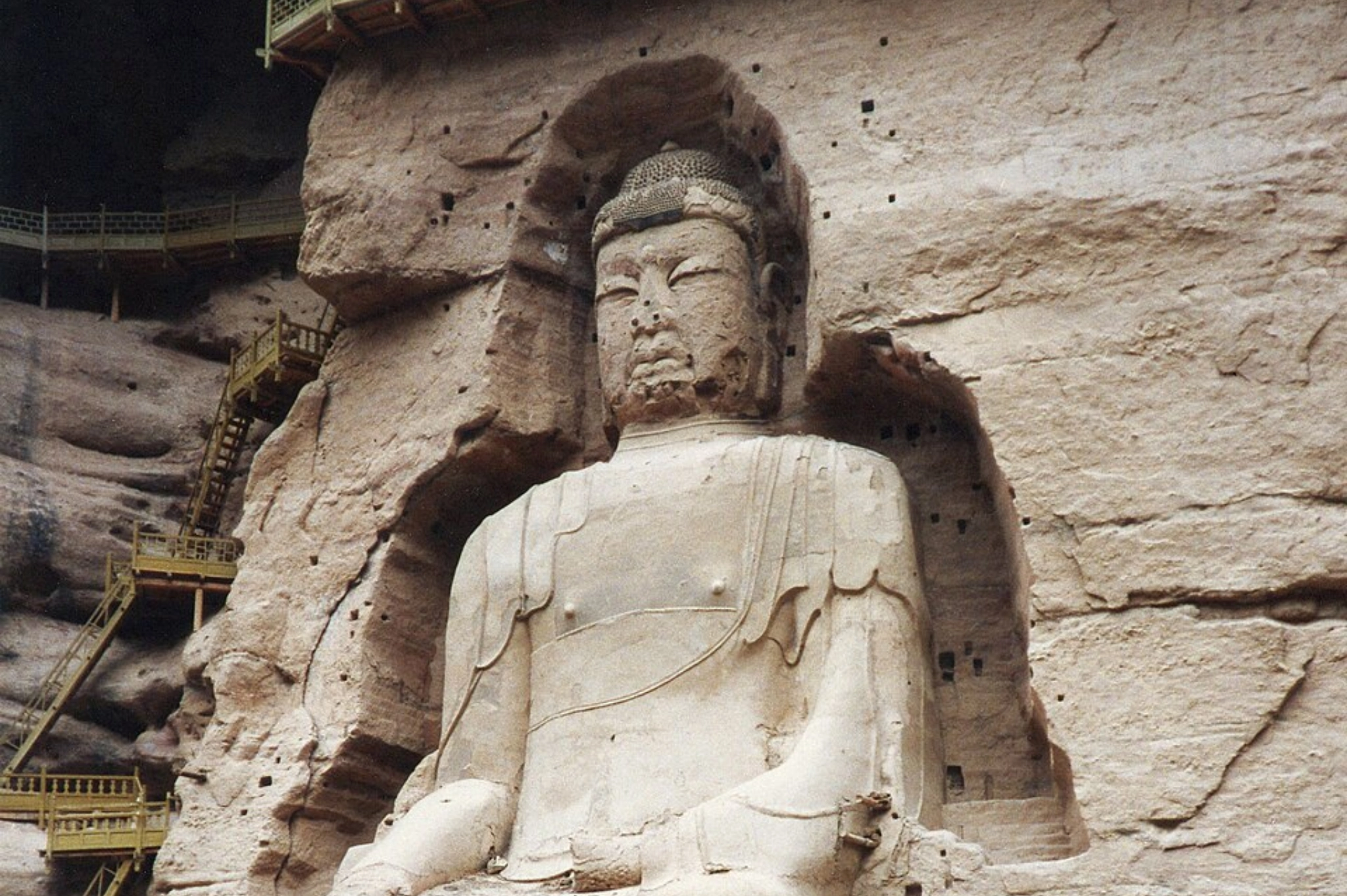
Linxia is also the natural base for one of Gansu's most spectacular sights: the Bingling Temple Grottoes, a UNESCO World Heritage cave complex carved into red cliffs above the Yellow River, crowned by a 27-metre seated Maitreya Buddha and holding some 1,600 years of Buddhist art. The classic approach is by boat across the Liujiaxia reservoir through a dramatic gorge sometimes called the "Yellow River Three Gorges." Pairing Buddhist Bingling with Muslim Linxia in a single loop is one of the most rewarding two-day trips you can make out of Lanzhou — and a vivid lesson in how many faiths travelled this road.
Practical Notes for Foreign Visitors
- Where: Linxia (Hezhou), southwest-central Gansu, on the Daxia River — about 100–150 km and roughly 2 hours southwest of Lanzhou by road.
- Getting there: Easiest as a day trip or overnight from Lanzhou by expressway bus or private car; it also links south toward Xiahe (Labrang Monastery) and Gannan.
- Don't miss: Nanguan Mosque and the mosque-dotted skyline, Hezhou brick carving (galleries and the old-town walls), the Bafang Shisan Xiang old quarter, and a glass of eight-treasure tea.
- Eat: Hand-grabbed mutton, Hezhou stuffed buns, mutton soups — Linxia is a halal food destination in its own right.
- Etiquette: This is a devout town; dress modestly, ask permission before entering mosques or photographing people at prayer, and avoid visiting mosques during prayer times.
- Combine with: Bingling Temple Grottoes (by boat from Liujiaxia), Lanzhou's Yellow River waterfront, and Xiahe's Labrang Monastery to the south.
- Best timing: Late spring through autumn; the surrounding countryside is greenest and the river trips to Bingling run most reliably in the warmer months.
The Silk Road is usually remembered for what it carried — silk, jade, ideas, faiths. Linxia is where one of those cargoes put down deep roots and never left: Islam, arriving with Central Asian traders, grew here into a Chinese tradition all its own, complete with palace-roofed mosques and brick walls carved like lace. Give it a morning, and the "Little Mecca" will change how you understand this whole corridor.