There is a valley deep in the Ili region of Xinjiang where the mountains wear two colours at once. Look up and the ridgelines are dark with towering spruce, green even under snow. Look down and the slopes are on fire — birch and willow turning gold, amber, and burnt orange as autumn moves through. This is Kuerdening (庫爾德寧), and for a few short weeks every September it becomes one of the most beautiful places in all of China. Yet most foreign travellers have never heard its name.
That anonymity is exactly why it is worth your time.
A living piece of a World Heritage Site
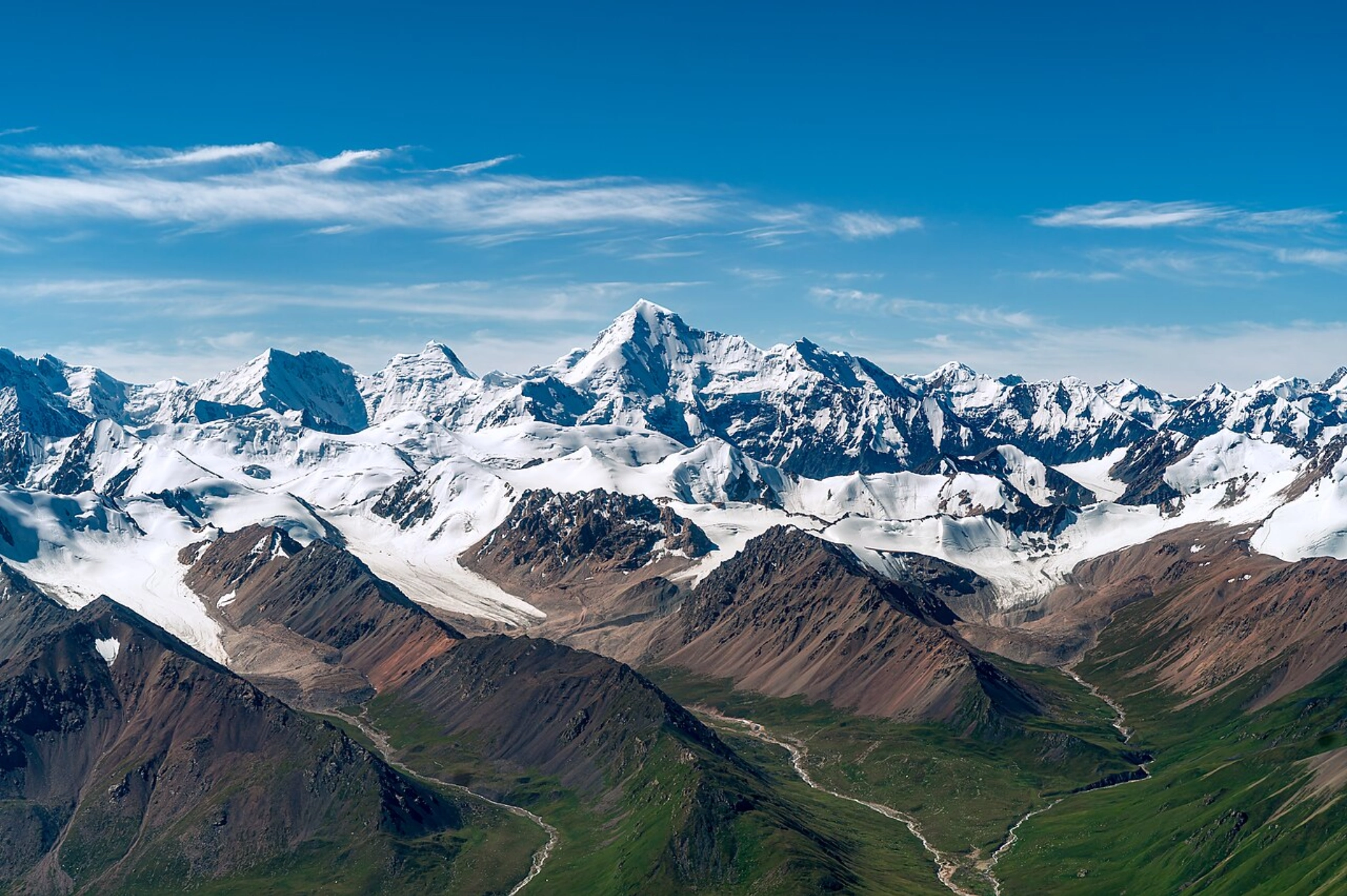
Kuerdening is not just a pretty valley. It forms part of Xinjiang Tianshan, inscribed on the UNESCO World Heritage List in 2013 for its extraordinary natural beauty and biodiversity. The Tianshan — the "Celestial Mountains" — stretch across Central Asia, and this particular corner protects something rare: one of the best-preserved stands of Schrenk's spruce (known locally as the snow-ridge spruce, 雪岭云杉) left on Earth.
These are not ordinary trees. Some are over 300 years old, rising 40 to 60 metres like the spires of a cathedral, their trunks straight as ship masts. They cling to the north-facing slopes in dense, dark ranks, a forest so primeval that walking into it feels like stepping backward a thousand years. Botanists come here to study how this spruce, found almost nowhere else, has survived the ice ages in these sheltered mountain folds. Travellers come simply to stand beneath them and feel very small.
Why September is the moment
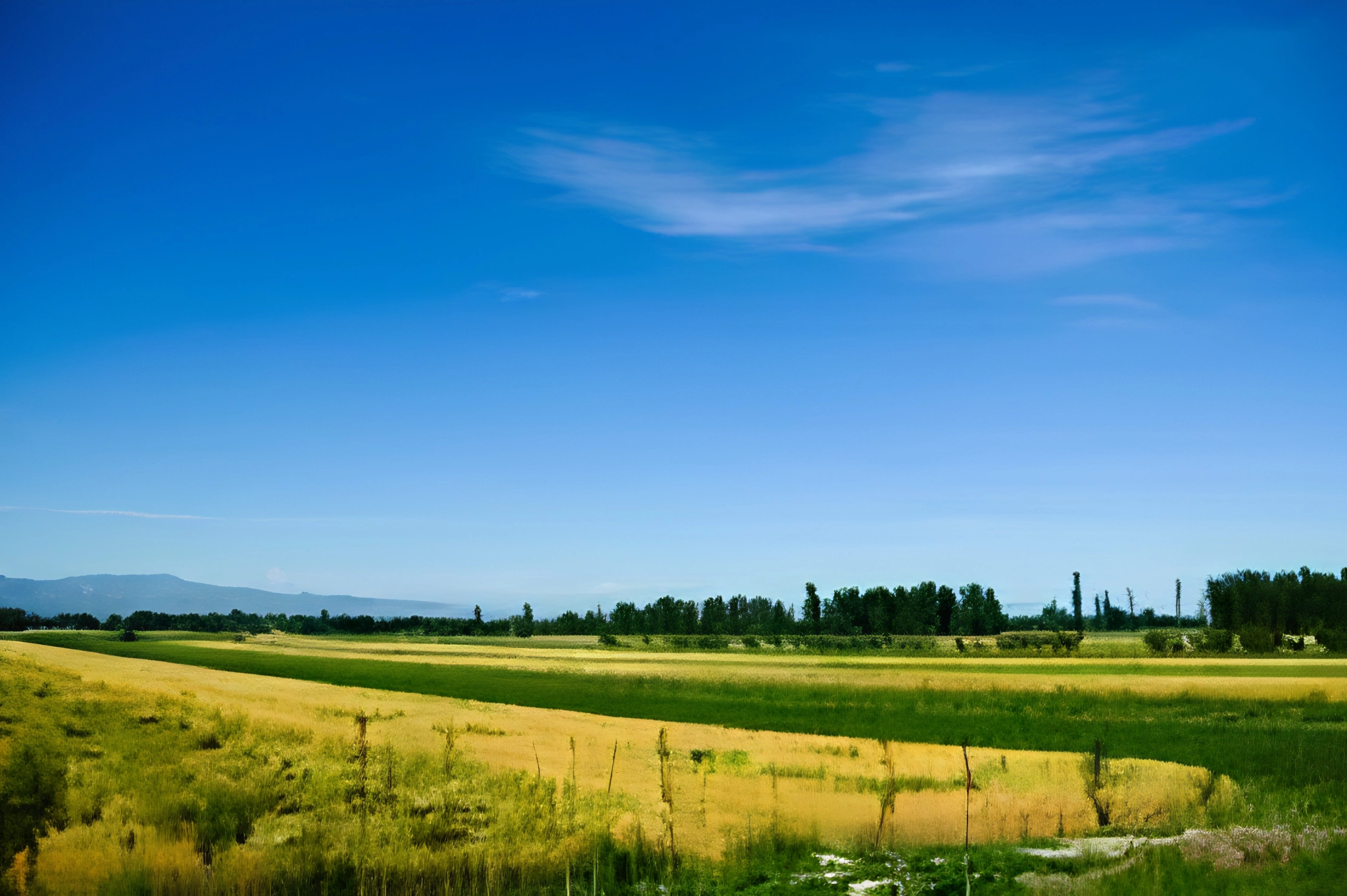
Kuerdening sits at an elevation range that stacks its scenery in layers — meadow, broadleaf forest, dark conifer, and snow peak, all visible in a single glance. In summer it is green and gentle. But when the first cold nights of September arrive, the deciduous trees begin to turn while the spruce stays evergreen, and the whole valley splits into ribbons of gold and green running up the mountainsides.
Photographers call this the "three-dimensional autumn," because the colour does not lie flat — it climbs. Morning is the magic hour: mist pools in the valley bottom, sunlight catches the golden crowns first, and the spruce forest below stays in shadow, dark and mysterious. Local herders still move their flocks through these meadows, and it is not unusual to watch horses graze against a backdrop that looks painted.
The peak window is roughly mid-September to early October. Come too early and the gold has not arrived yet; wait past the National Day holiday in early October and the leaves may already be down. This is a place that rewards good timing.
What it feels like to be there
Kuerdening rewards slow travel. There are boardwalks and viewing platforms near the main entrance for those who want the classic postcard shot without effort, but the valley truly opens up to those who walk. Trails lead through the meadows and up toward the tree line, past streams fed by snowmelt and clearings where wildflowers linger into early autumn.
The air is clean and cool, scented with pine and damp earth. Because the area sees so few international visitors, the atmosphere is calm rather than crowded — a striking contrast to China's more famous scenic spots. You are more likely to share the view with a Kazakh shepherd or a Chinese landscape painter than with a tour bus.
For travellers interested in culture as well as scenery, the surrounding Ili Valley is home to Kazakh herding communities whose way of life still follows the seasons. Their felt tents, horsemanship, and generous hospitality add a human warmth to the wild landscape.
How it fits the Silk Road story
The Ili Valley has always been a green corridor. While the southern Silk Road routes battled sand and thirst across the Taklamakan, the northern grasslands of Ili offered water, pasture, and passage. Armies, merchants, and nomadic empires moved through these mountains for millennia. Kuerdening itself was a route used by herders and traders crossing the Tianshan, and the nearby Xiate Ancient Road — a punishing high-mountain trail — once linking the northern and southern slopes of the range.
To stand in Kuerdening in autumn is to understand why this region was worth fighting over: it is fertile, sheltered, and staggeringly beautiful, a pocket of abundance in a land of deserts and steppe.
Practical notes for the traveller
Kuerdening lies in Gongliu County, part of the Ili Kazakh Autonomous Prefecture in northern Xinjiang. Most travellers reach the Ili region by flying into Yining (Ghulja), the regional hub, then continuing by road. The drive itself is part of the reward, winding through valleys and past grasslands that grow more dramatic with every kilometre.
A few things worth knowing:
- Dress in layers: Autumn days can be mild, but mornings and evenings at altitude are genuinely cold. A warm jacket, gloves, and sturdy shoes for the trails make all the difference.
- Rise early: The best light and the famous morning mist arrive at dawn. It is worth setting an alarm.
- Plan around the crowds: The days immediately after China's National Day (October 1) are the busiest across the country. Aim for mid-to-late September if you can.
- Give it time: Kuerdening is remote, and rushing it defeats the purpose. Pair it with other Ili highlights — Sayram Lake, Nalati and Kalajun grasslands, the Guozigou valley — for a rounded northern Xinjiang loop.
The takeaway
In a country full of headline attractions, Kuerdening is a whispered one. It offers no ancient temples or crowded viewpoints, only a valley of impossible colour, a forest older than most nations, and the quiet of the high Tianshan in autumn. For the traveller who wants to see the China that Chinese photographers keep for themselves, this golden secret in the Celestial Mountains is as good a reason as any to point your compass west.