Most first-time visitors to Xi'an are marched straight to the Muslim Quarter, elbow their way through the crowds, eat one skewer of lamb, and think they have "done" the city's food. They have barely started. A few minutes away, tucked against the inside of the great grey Ming city wall, there is a quieter, cleverer place where the whole province of Shaanxi has been gathered into a single lane — and where, if you time it right, the loudest sound you'll hear is the crash of a hundred clay bowls smashing on the ground. This is Yongxingfang (永興坊), the best place in Xi'an to get a taste of just how much more there is to Shaanxi cuisine.
A Tang lane, rebuilt for the tongue
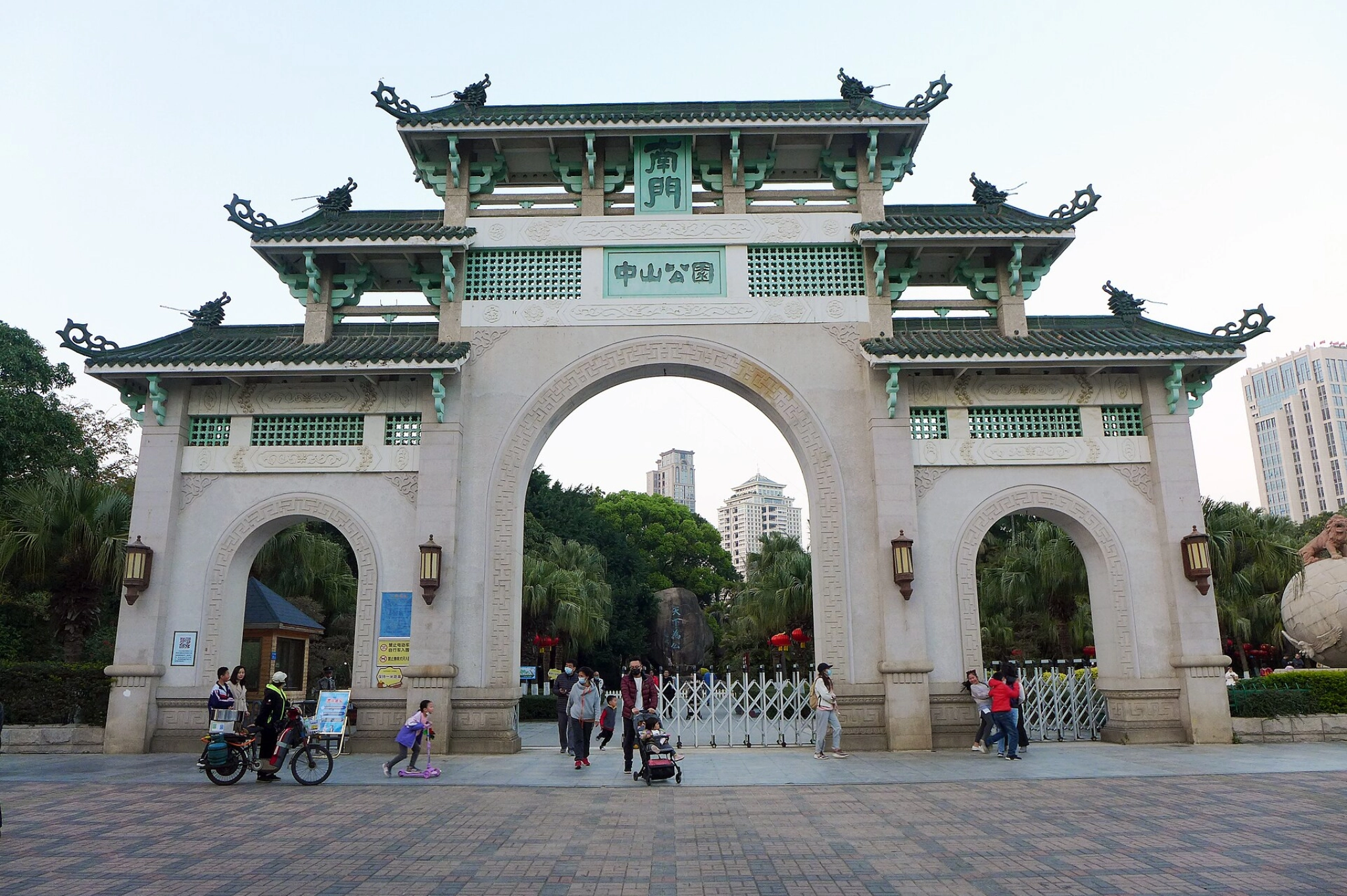
The name is old. In the Tang dynasty, when Xi'an was Chang'an, the world's largest city and the eastern terminus of the Silk Road, the metropolis was laid out in a grid of walled residential wards called fang (坊). Yongxingfang was one of them — and, according to tradition, home to the household of the famous Tang official Wei Zheng. What stands today, just inside the Zhongshan Gate on the east side of the city wall, is a modern re-creation of that ward: a compact warren of grey-brick courtyards, timber eaves, lantern-lit alleys and little stone squares, built to evoke the feel of a Tang neighborhood.
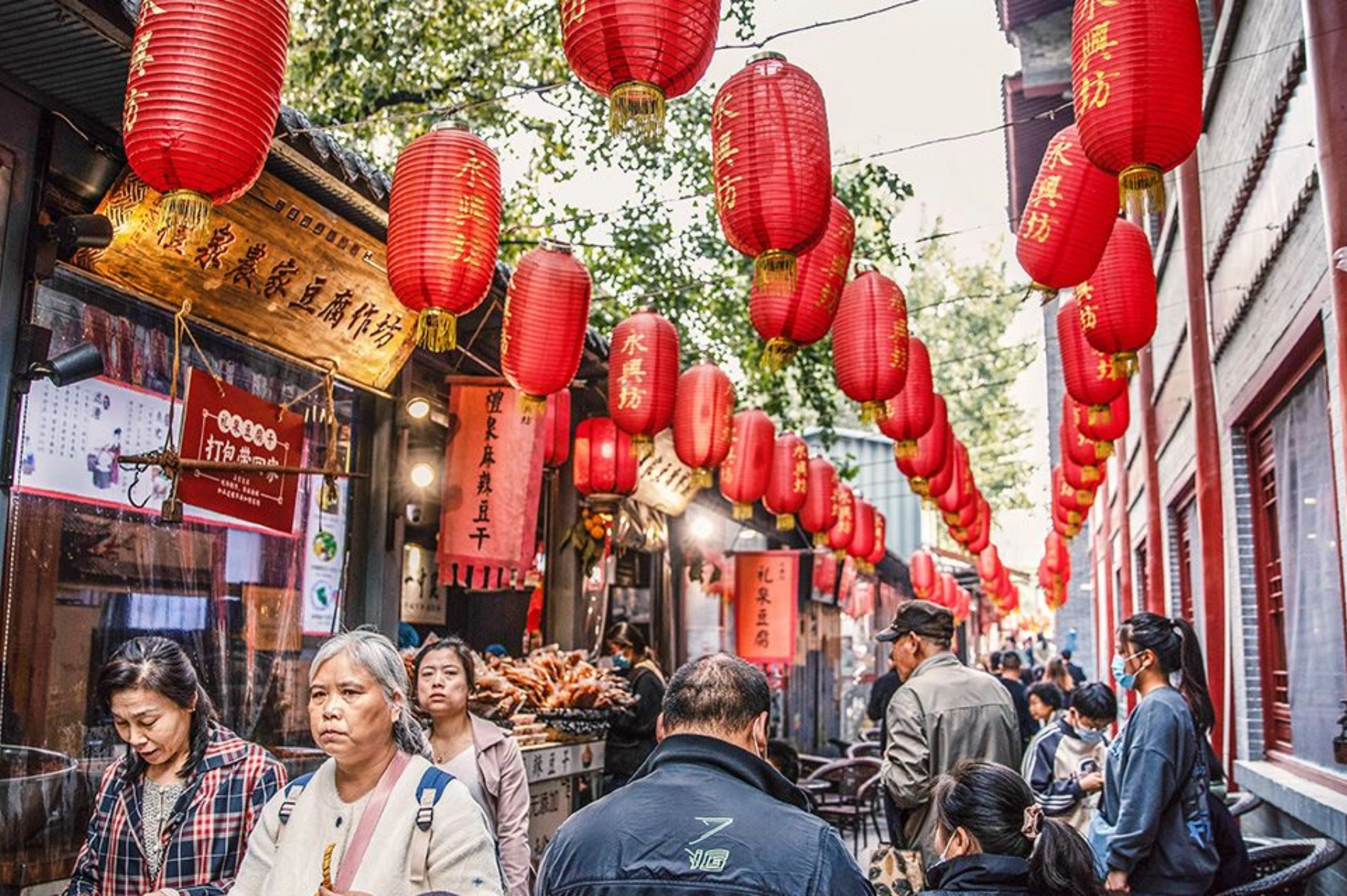
But the genius of Yongxingfang isn't the architecture — it's the curation. Rather than being just another snack street, it was organized as a Shaanxi "intangible cultural heritage" food street: a deliberate collection of authentic, provincewide specialties, many of them recognized on official heritage lists, each represented by a dedicated stall. Shaanxi is a big and varied province, and normally you'd need days of travel to eat your way across it — from the noodle towns of Guanzhong to the snacks of the Shaanbei plateau to the flavors of the south. Yongxingfang brings them all into one walkable lane. It's a food map of an entire region, compressed into an afternoon.
The bowl-smashing that broke the internet
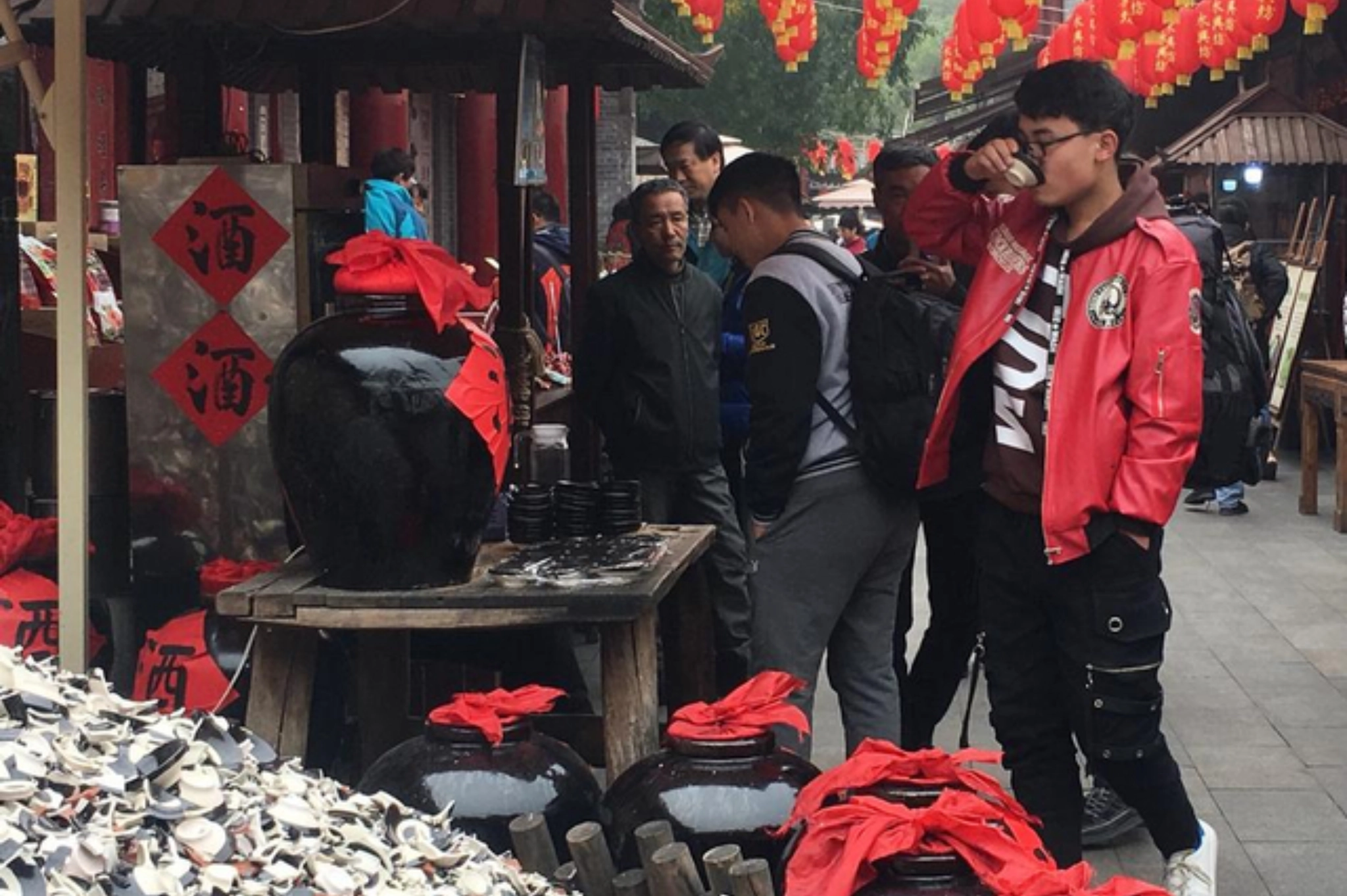
Yongxingfang's global fame, though, came from a single, gloriously theatrical ritual. In a courtyard here you can buy a small clay bowl of rice wine, drink it down, and then smash the empty bowl to the ground so it shatters. This is 摔碗酒 (shuai wan jiu), "smash-bowl wine," a custom with roots in northern Shaanxi that's said to smash away bad luck and worries along with the crockery. Videos of travelers flinging bowls onto an ever-growing mountain of shards went viral across Chinese and international social media, and the spot became one of Xi'an's most photographed.
What to actually eat
Come hungry, but pace yourself — the whole point is to graze. A first-timer's crawl should include:
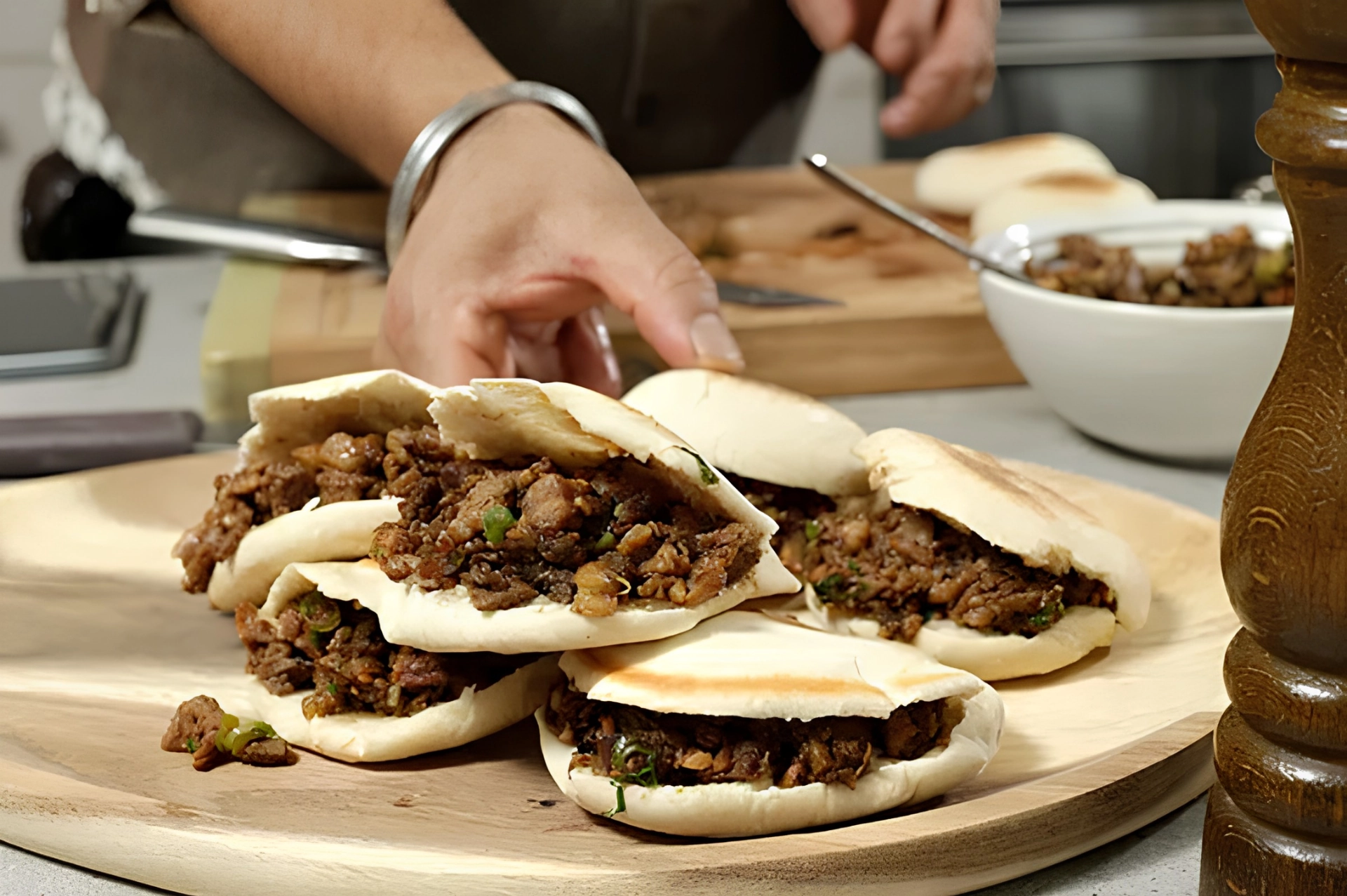
- Roujiamo (肉夾饃): The "Chinese hamburger," and Shaanxi's signature: crisp, layered baked flatbread stuffed with slow-braised, spice-scented pork (or a Hui-style beef version). Xi'an's original, and nothing like the imitations abroad.
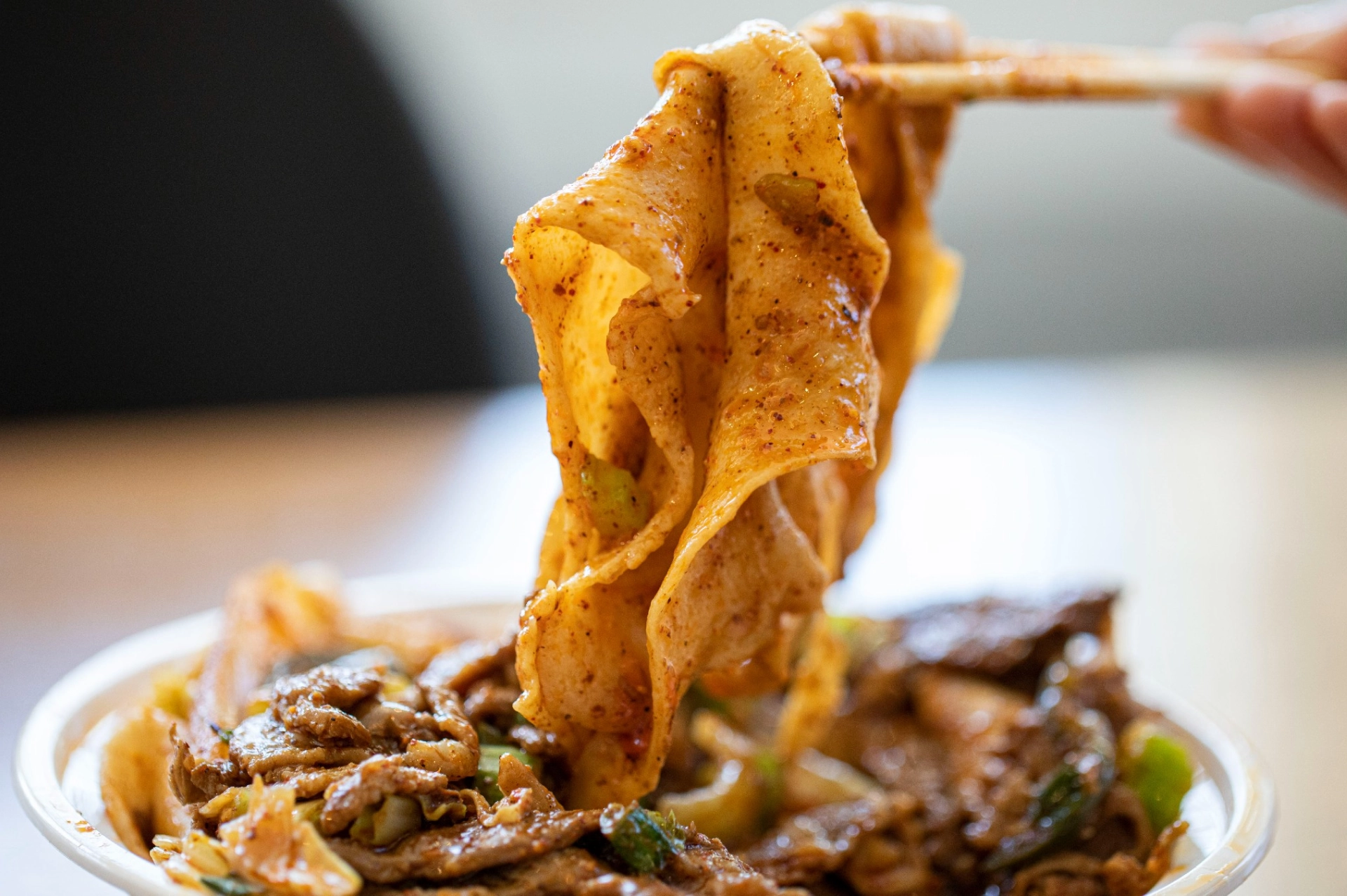
- Biangbiang noodles (biángbiáng麵): Belt-wide, hand-pulled noodles named for the biang sound of the dough slapping the counter, whose character is so complex it can't be typed on a keyboard. Dressed with chili, garlic and a sizzle of hot oil.
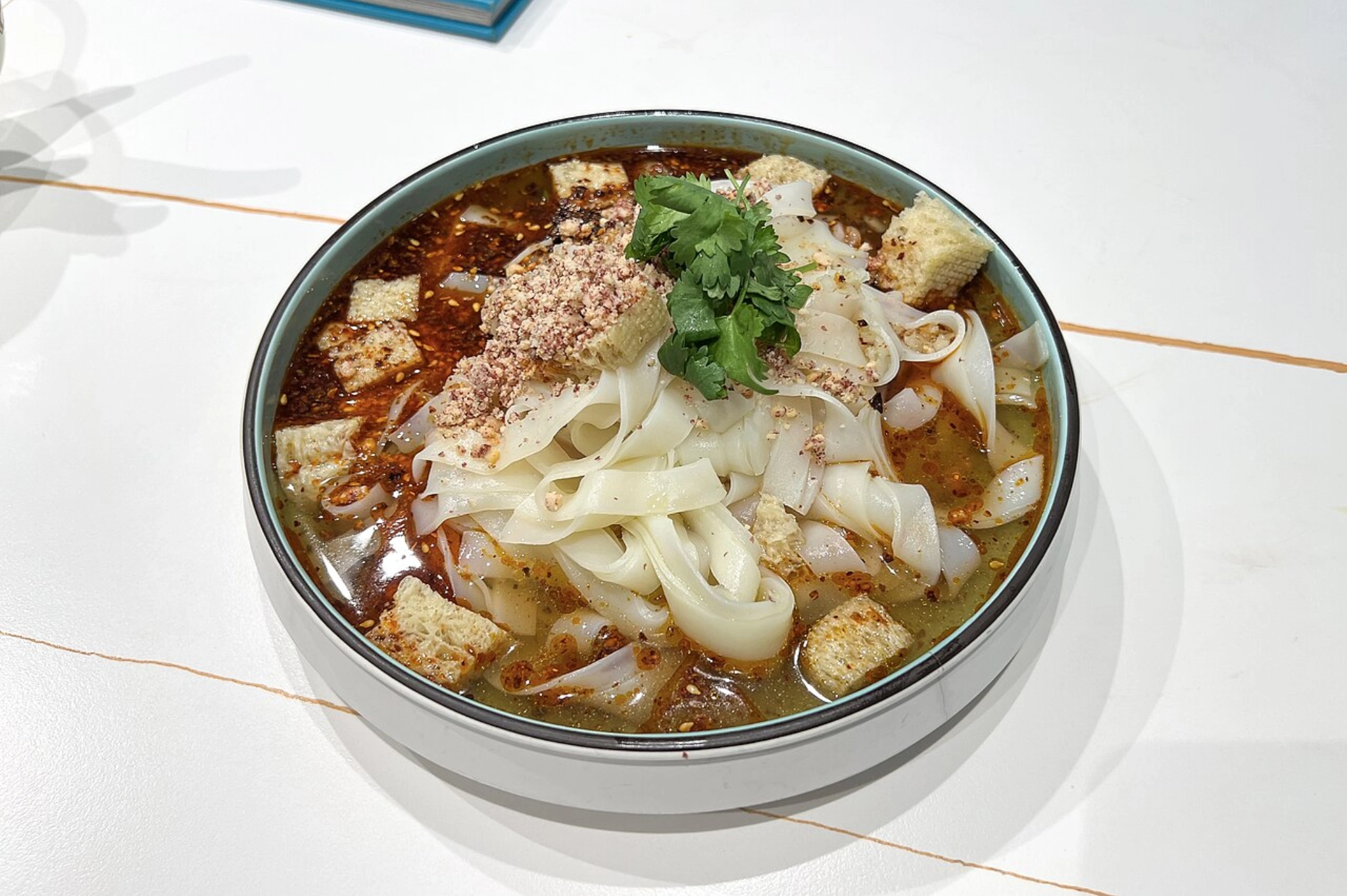
- Liangpi (涼皮): Cool, slippery wheat- or rice-starch noodles in a tangy chili-vinegar sauce; the ultimate refreshing bite.
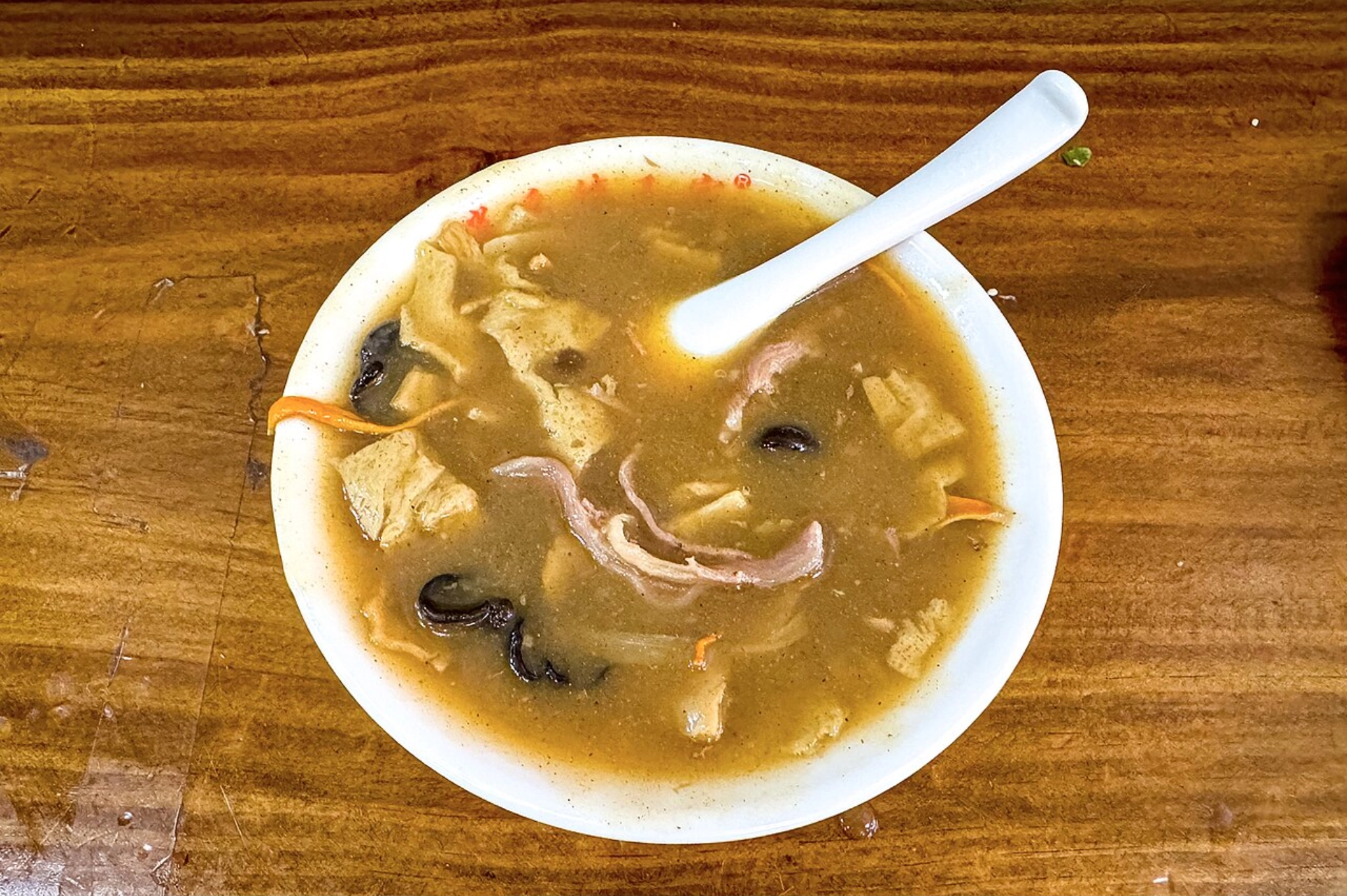
- Hulatang (胡辣湯): A peppery, thick beef-and-vegetable soup that warms you from the inside; a Guanzhong morning staple.
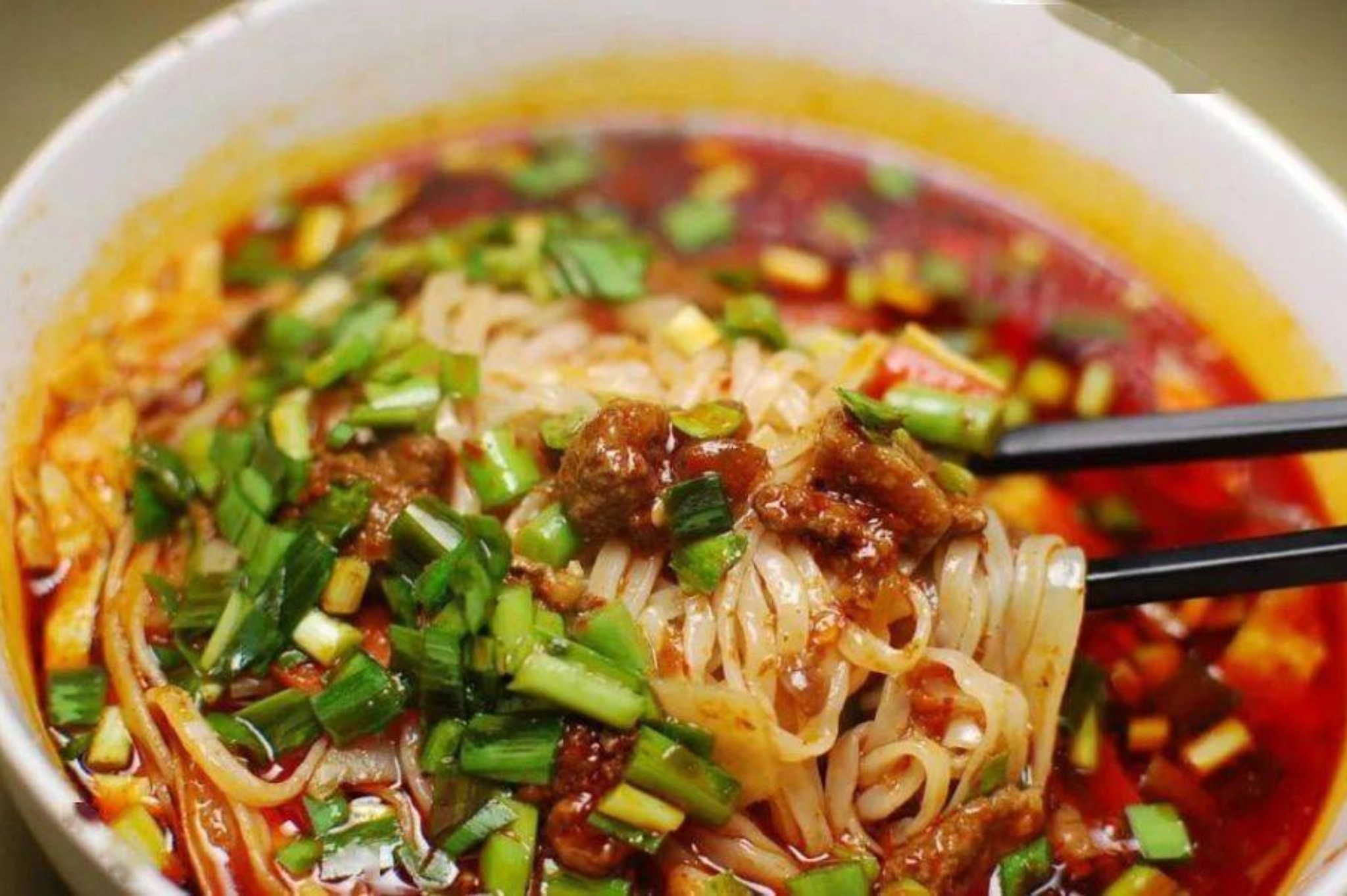
- Qishan saozi noodles (岐山臊子麵): Thin noodles in a bright, sour-and-spicy broth with a fine minced-pork topping, from Qishan county — one of Shaanxi's proudest dishes.
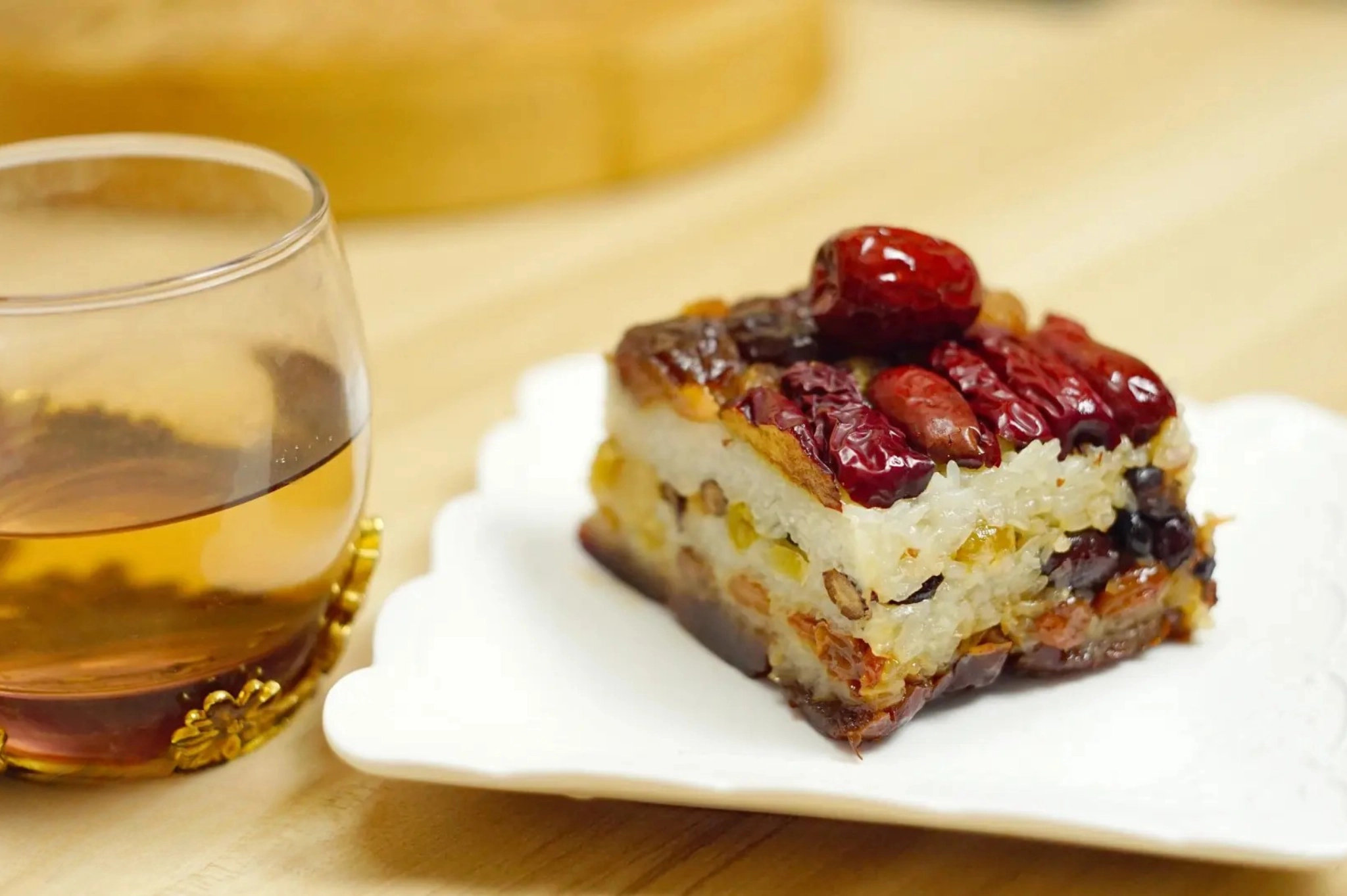
- Jinggao (甑糕): A sticky, sweet steamed cake of glutinous rice, red dates and beans, cooked in a tall traditional steamer; a beloved old Xi'an sweet.
Add persimmon cakes, sweet fermented-rice drinks, roasted meats, stuffed pastries and dozens more, and you understand why regulars say you could eat here a dozen times and never repeat.
The evening is the magic hour
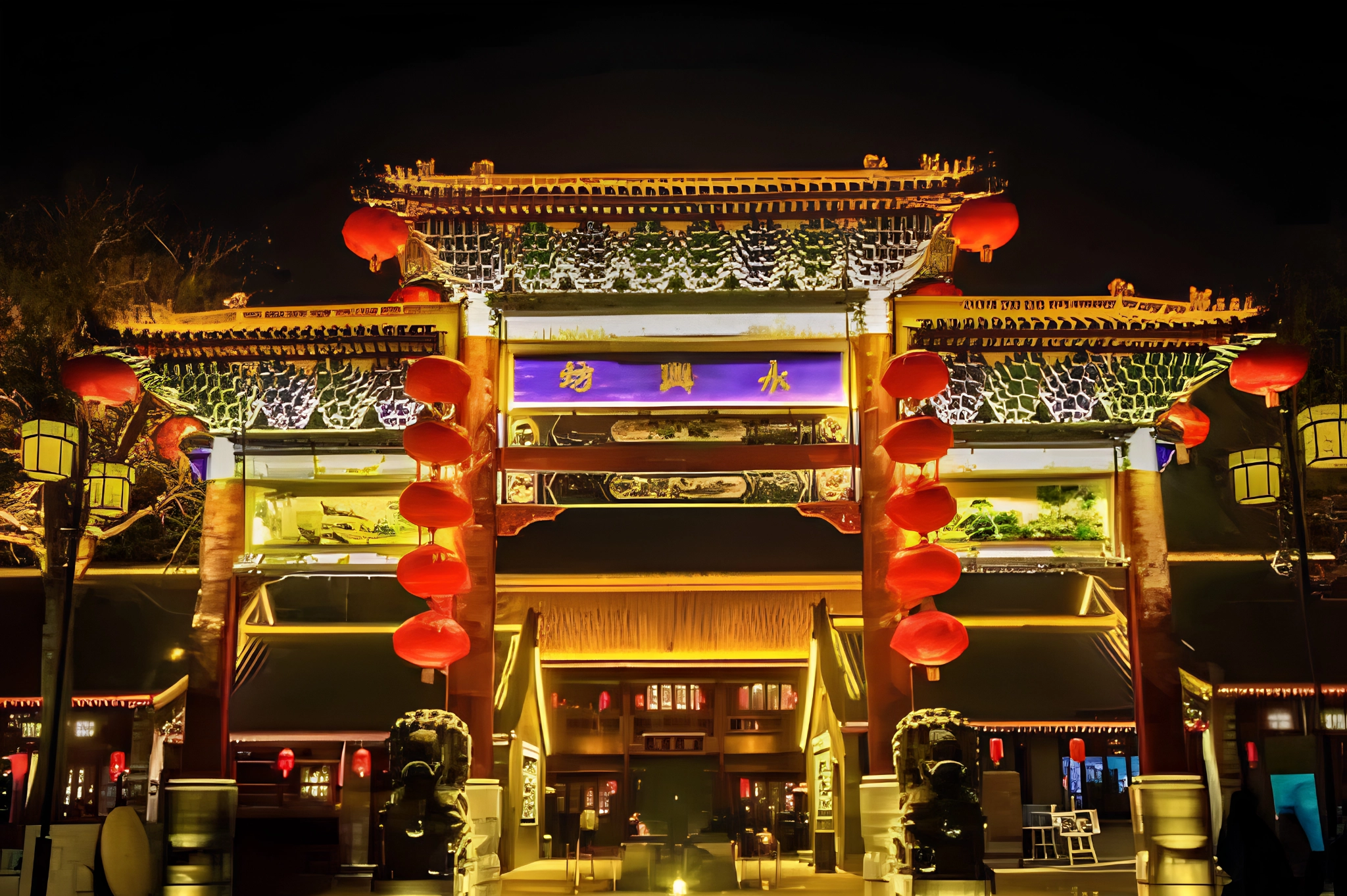
Yongxingfang is pleasant by day, but it comes alive at night. As the lanterns warm up, folk musicians and shadow-puppet or storytelling performers appear in the courtyards, the smell of chili oil and baking bread thickens the air, and the bowl-smashing corner rings out over the crowd. It's a photogenic, atmospheric, family-friendly place to spend an evening — and because it's more curated and a touch less frantic than the Muslim Quarter, many travelers find it the more comfortable of Xi'an's food destinations, especially on a first night in the city.
Knowing before you go
Yongxingfang generally keeps long daily hours into the evening, and entry to the street itself is free — you simply pay for what you eat and drink, snack by snack, which makes it easy to sample widely for very little. A realistic tip for foreign visitors: most stalls run on mobile payment (WeChat Pay / Alipay), so set up a linked international card in advance or carry some cash, as small vendors may not take foreign cards directly. Go with an appetite and a plan to share dishes across your group so you can try more. And treat it as a complement to — not a replacement for — the Muslim Quarter and the Great Mosque nearby; between them you get both the Hui-Muslim and the wider Han-Shaanxi sides of Xi'an's extraordinary food story.
For a city that fed Silk Road caravans for a thousand years, food was never a sideshow in Xi'an — it was the reward at the end of the road. Yongxingfang bottles that idea into one Tang-styled lane: eat across a whole province, smash a bowl for luck, and taste why Chang'an's markets were legendary.