F or decades, Xinjiang sat on international travelers' wish lists with an invisible asterisk next to it: gorgeous, but complicated. The vast desert oases, the snow-capped Tianshan range, and the centuries-old bazaars where Central Asia meets China were all real, yet wrapped in frustrating questions about travel permits, police checkpoints, and digital payments.
In 2026, that asterisk has officially been removed. Thanks to sweeping infrastructure upgrades and simplified entry policies.
— WHAT CHANGED
3 Core Changes Making Xinjiang Travel Seamless in 2026
If you are researching from outdated 2019 or 2023 travel blogs, you are getting incorrect info. Three major shifts have completely restructured the inbound logistics.
01
No more regional permits for mainstream hubs
Independent travellers holding a standard Chinese tourist (L) visa can now fully explore the primary cultural and natural anchors — Urumqi, Turpan, and Kashgar — without needing any additional regional travel permits.
Important Exception: If your itinerary touches sensitive international borders (such as the Karakoram Highway near Pakistan or deep parts of the Ili Valley), localized military border permits are still required. These must be processed via a licensed local agency.
02
The international cashless revolution
Historically, foreign credit cards were useless and ATMs were scarce outside Urumqi. Today, you can seamlessly link your Visa or Mastercard to Alipay or WeChat Pay — paying street vendors, hailing taxis, and buying train tickets just like a local.
250,000+
Foreign nationals using mobile pay, 2025
+85%
Year-on-year surge
03
Exploding English-friendly infrastructure
This massive influx of global travellers has driven a dramatic rise in English-speaking boutique guesthouses, reliable high-speed rail connections, and English digital ticketing interfaces at major scenic spots.
2.12M
Inbound international visitors, Jan–Oct 2025
— WHERE TO GO
Destination 01
Kashgar Old Town
The living heart of the Silk Road
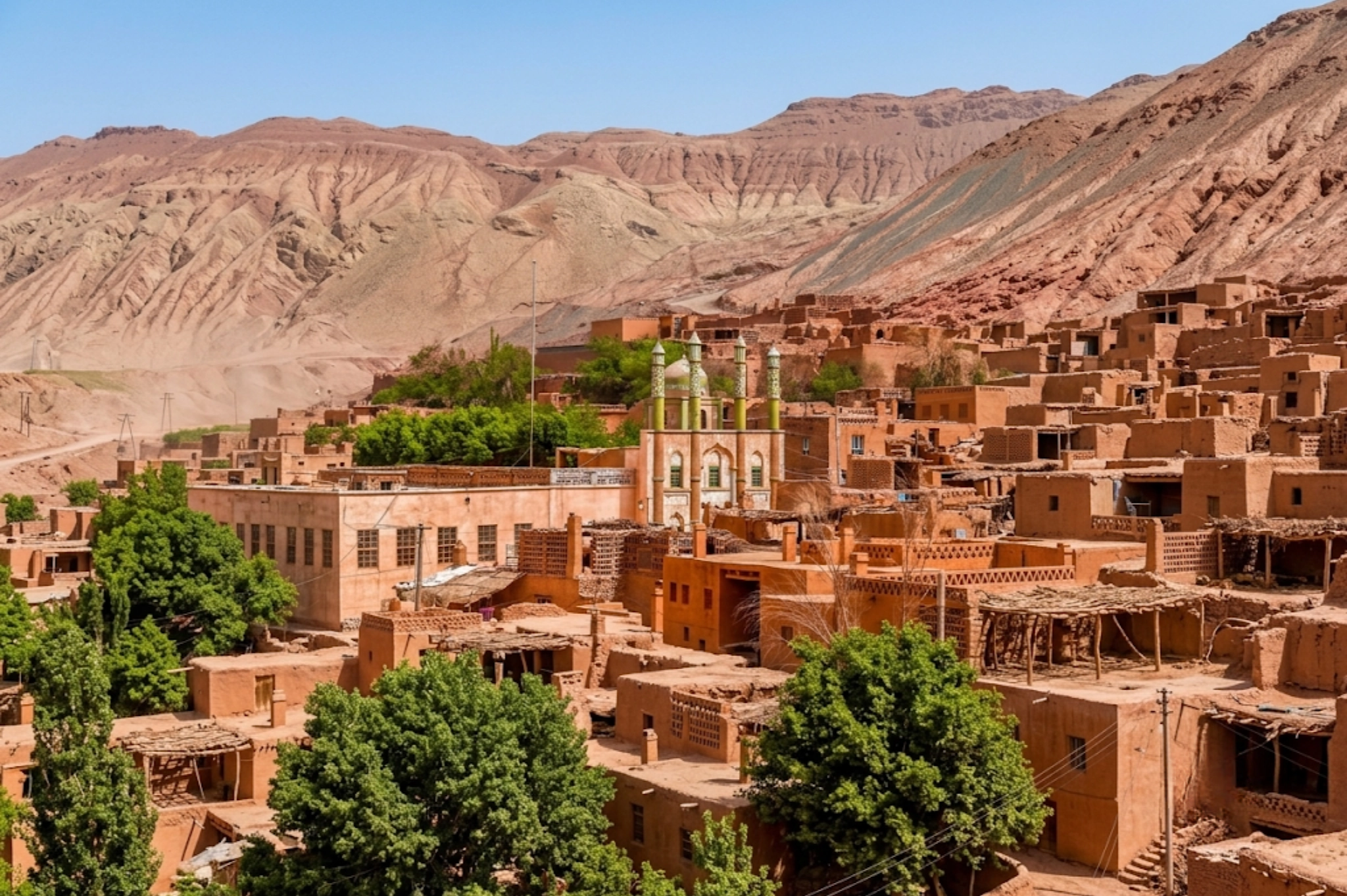
Geographically closer to Baghdad than to Beijing, Kashgar remains the ultimate crossroad where caravans from Persia, India, and the Chinese heartland historically bartered silk, jade, and spices. Unlike the sterilized open-air museums found elsewhere, Kashgar Old Town is a thriving, breathing neighbourhood. Its multi-storey, ochre-coloured mud-brick houses feature masterfully hand-carved wooden balconies that overlook a labyrinth of winding stone lanes.
- The Sensory Experience: As you wander, you’ll hear the rhythmic clanging of coppersmiths hammering intricate pots in open workshops.
- The Culinary Soul: The air is thick with the scent of cumin-dusted lamb skewers roasting over charcoal and freshly baked naan being slapped against the inner clay walls of traditional ovens.
Destination 02
The Sunday Livestock Market
A Silk Road tradition unchanged for two millennia
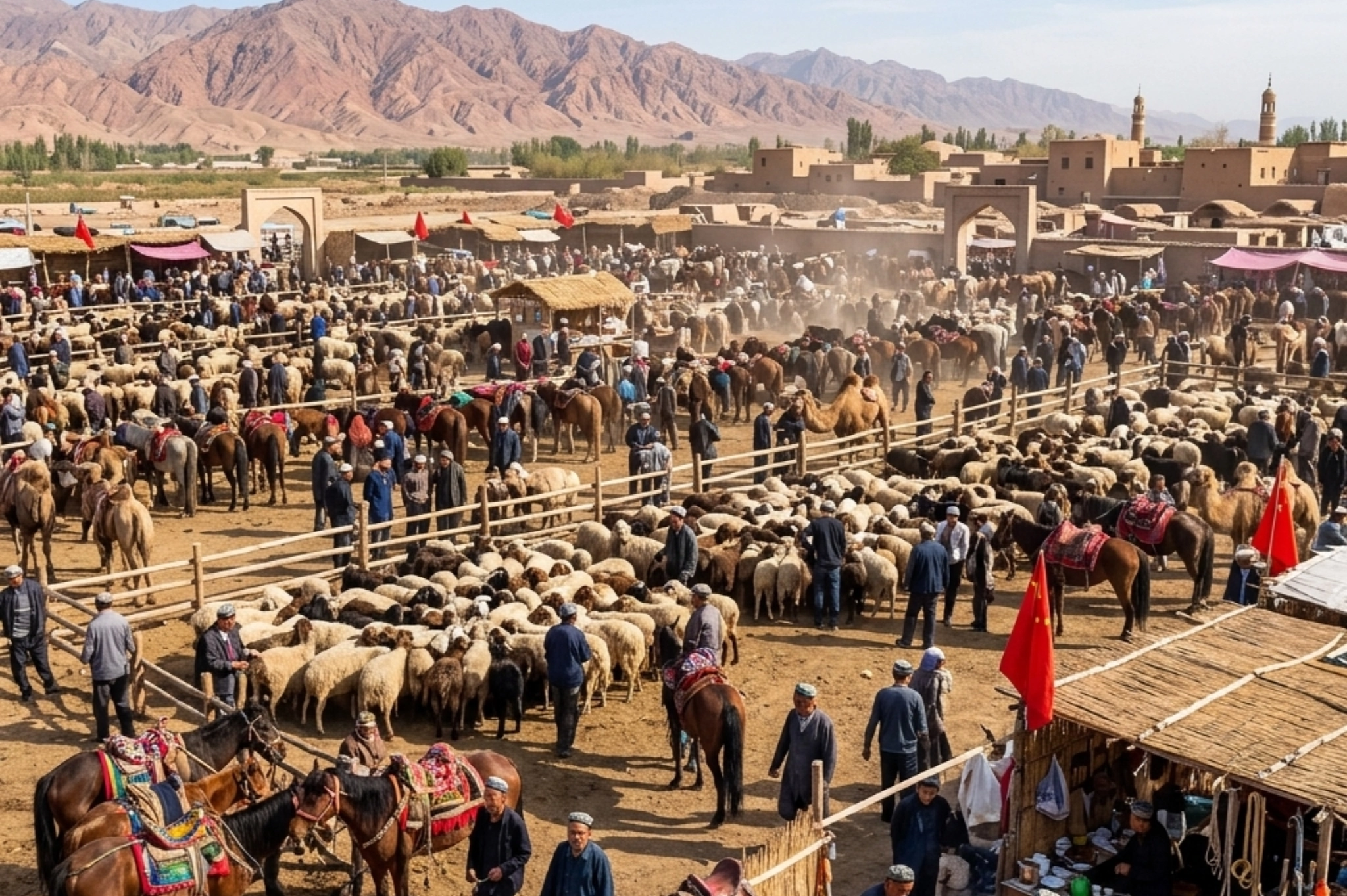
If you can structure your calendar around it, make sure you're in Kashgar on a Sunday. The Kashgar Livestock Market on the city's periphery is one of Asia's last true spectacles. Here, local farmers and herders gather to test the speed of horses, argue over the health of fat-tailed sheep, and trade double-humped Bactrian camels using negotiation handshakes that have gone unchanged for two thousand years.
Destination 03
Tianshan & Heavenly Lake
Alpine magnificence
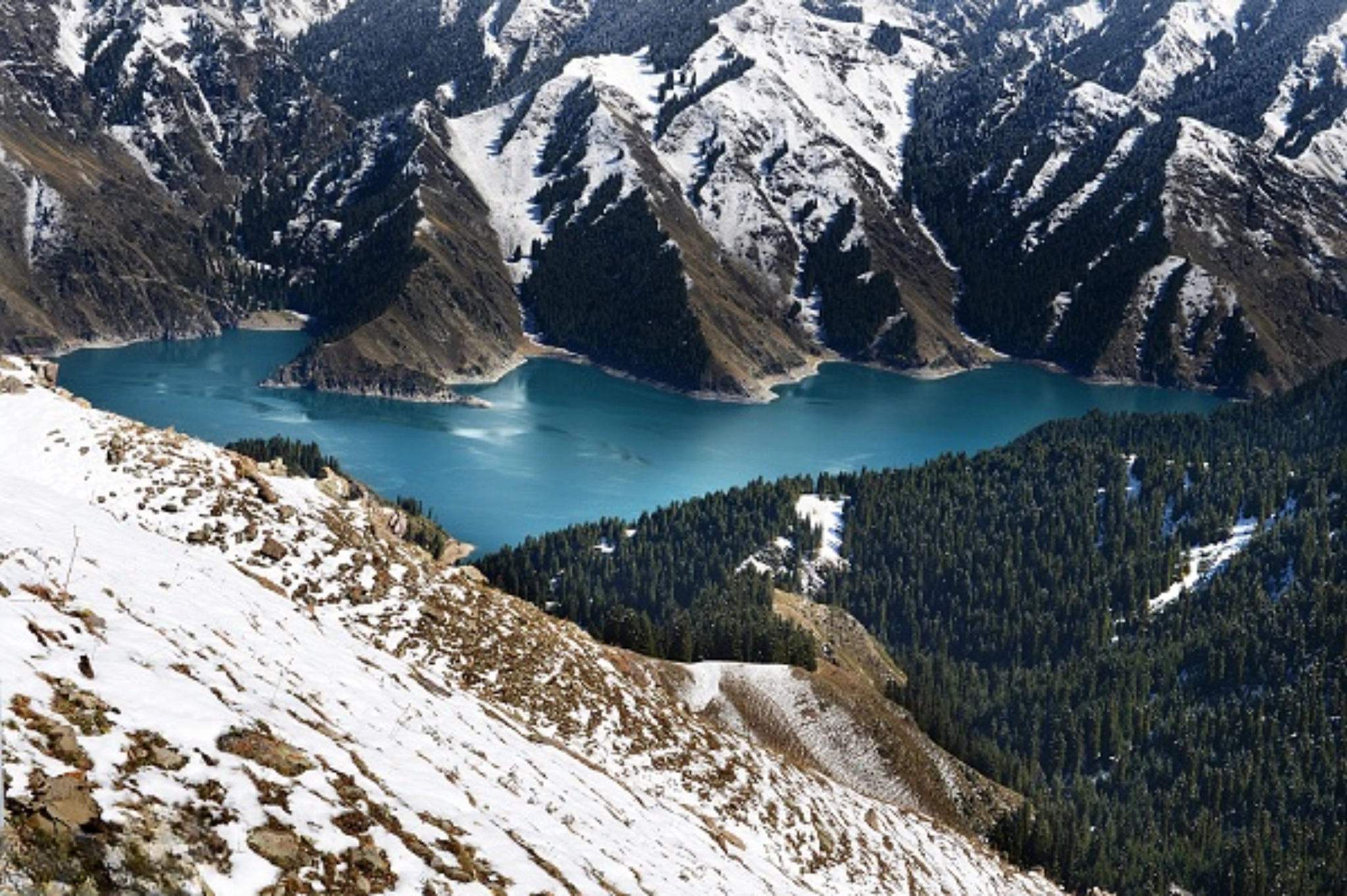
The Tianshan mountain range serves as the frozen, glaciated backbone dividing northern and southern Xinjiang. The most iconic alpine vantage point is Heavenly Lake (Tianchi), a highly manageable day-trip from the provincial capital of Urumqi. Tianchi is a pristine sapphire crescent of deep water cradled by dense Siberian spruce forests. Towering directly behind it is the massive, ice-capped Bogda Peak, permanently cloaked in glaciers. While the core scenic area is well-equipped with modern boardwalks and a swift cable-car system, independent hikers can branch off onto backcountry trails to visit traditional felt yurts run by Kazakh herders.
Destination 04
The Duku Highway
The Ultimate overland drive
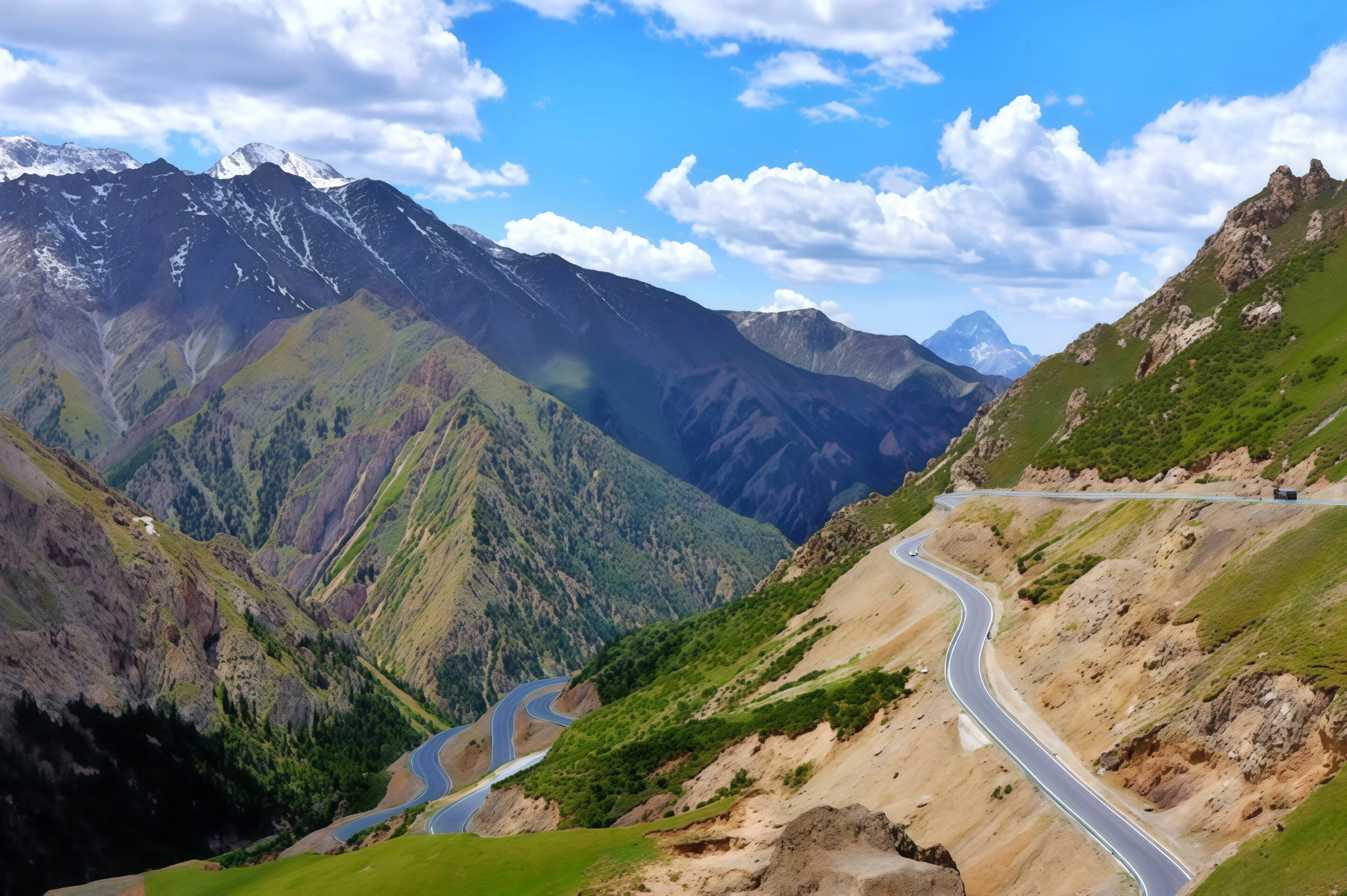
For travellers looking to witness pure natural scale, the legendary Duku Highway is the ultimate mountain traverse. This engineering marvel slices through the Tianshan range, connecting Dushanzi to Kuqa, and offers a rapid shift from red sandstone canyons to lush grasslands and high-altitude snowfields in a single day.
Note on seasonality: Due to extreme winter snow accumulation, the Duku Highway is only open from roughly June to October. Precise opening dates vary based on clearance operations.
— EXPERT PRACTICAL TIPS
Survival Notes for Xinjiang
A few hard-won pointers that make the difference between a stressful trip and a seamless one.
- Master the Double-Clock Time System: Officially, all flights, trains, and government systems operate on Beijing Time. However, because Xinjiang sits far to the west, locals run on an unofficial Xinjiang Time (which is 2 hours behind Beijing Time). Always explicitly clarify: "Is this Beijing time or local time?" when booking local drivers or dining.
- The Microclimate Layering Rule: You can experience a scorching 40°C (104°F) in the sand dunes of Turpan and drop down to a near-freezing 5°C (41°F) alpine wind chill at Heavenly Lake within a 48-hour window. Pack Merino wool base layers, a windproof shell jacket, and high-SPF sunscreen.
- Dine Fearlessly: Do not skip out on the local cuisine. Order Laghman (thick, hand-pulled wheat noodles topped with stir-fried mutton, tomatoes, and bell peppers) or Polo (a fragrant, slow-cooked rice pilaf glistening with mutton fat, yellow carrots, and raisins).
— FAQ
Q1: Do foreign passport holders need a special permit to visit Xinjiang in 2026?
No, travelers from visa-free eligible countries can visit the main tourist track — Urumqi, Turpan, Kashgar — with no visa at all for stays up to 30 days. Others only need a standard Chinese Tourist (L) Visa. However, border areas (e.g., Tashkurgan/Karakoram Highway near the Pakistan border) still strictly require an internal Border Travel Permit, which is easiest to obtain through a registered local agency.
Q2: Can I link foreign credit cards to local apps for payments?
Yes. In 2026, both Alipay and WeChat Pay fully support linking international credit cards (Visa, Mastercard, Discover). This completely resolves the historical issue of international cards being rejected at local cash registers. It is highly recommended to set this up and verify your identity on the apps before arriving in Xinjiang.
Q3: When is the absolute best month to visit?
The ideal travel window is from June to October.
- June–July: Best for lush alpine grasslands and wildflowers in the northern Ili Valley.
- August: Peak harvest season for sweet melons and grapes in Turpan.
- September–October: Prime autumn colors, especially around the fairy-tale larches of Kanas Lake and Hemu Village in North Xinjiang.