As of early 2026, Shanghai has officially solidified its position as the world's most dense and innovative coffee market, boasting 10,336 cafes—outperforming New York, London, and Tokyo combined. This transformation represents a structural shift in Chinese urban life, where coffee has moved from a foreign novelty to a defining cultural infrastructure.
The Five Pillars of the Shanghai Coffee Revolution
To understand the 2026 landscape, one must look at the five distinct categories that define the city's coffee scene:
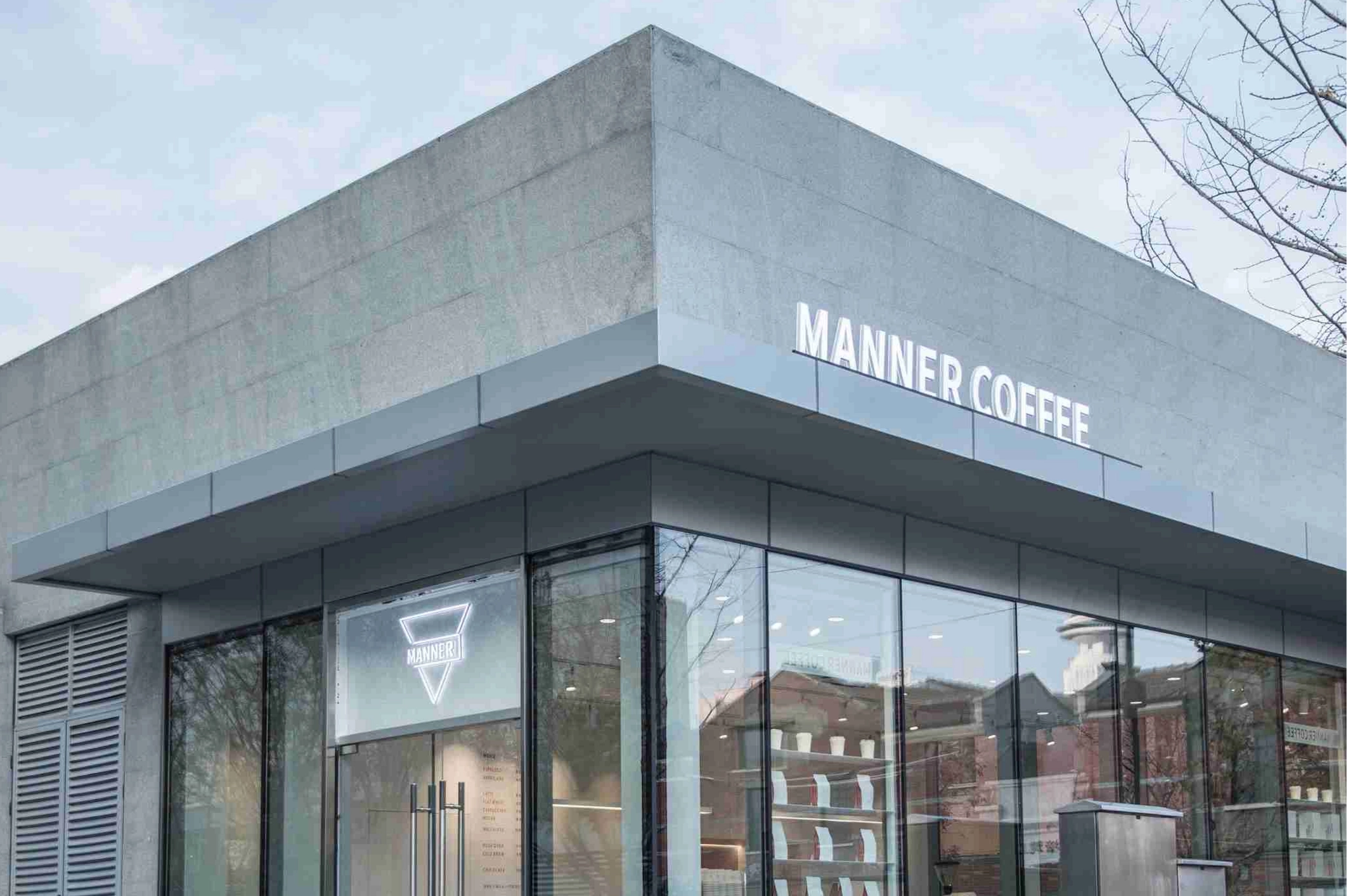
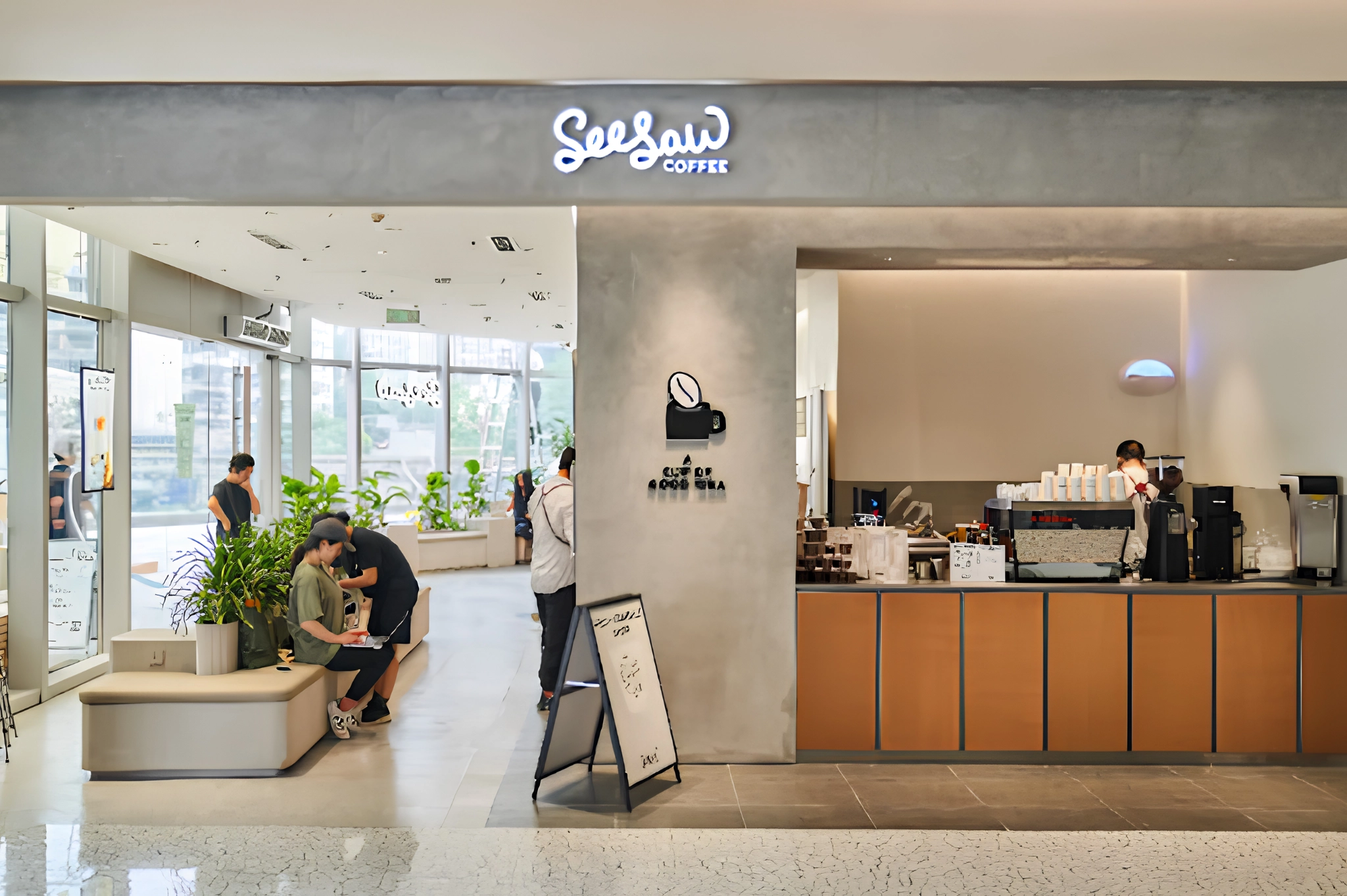
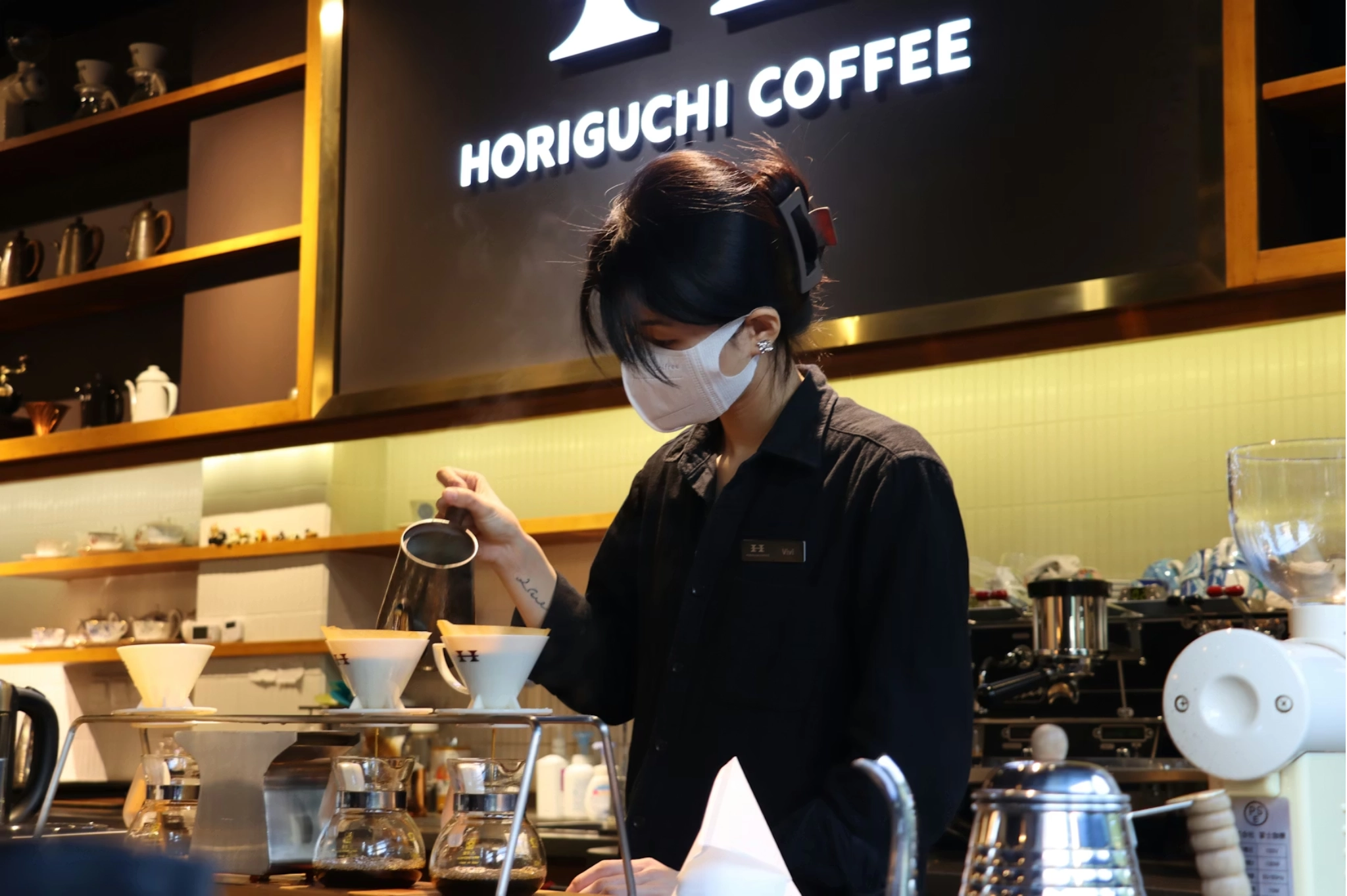
- Specialty Independents: Located primarily in the Former French Concession, these shops focus on high-end technical execution and design. Key players like Manner Coffee and Seesaw have successfully scaled while maintaining a serious approach to espresso and bean sourcing.
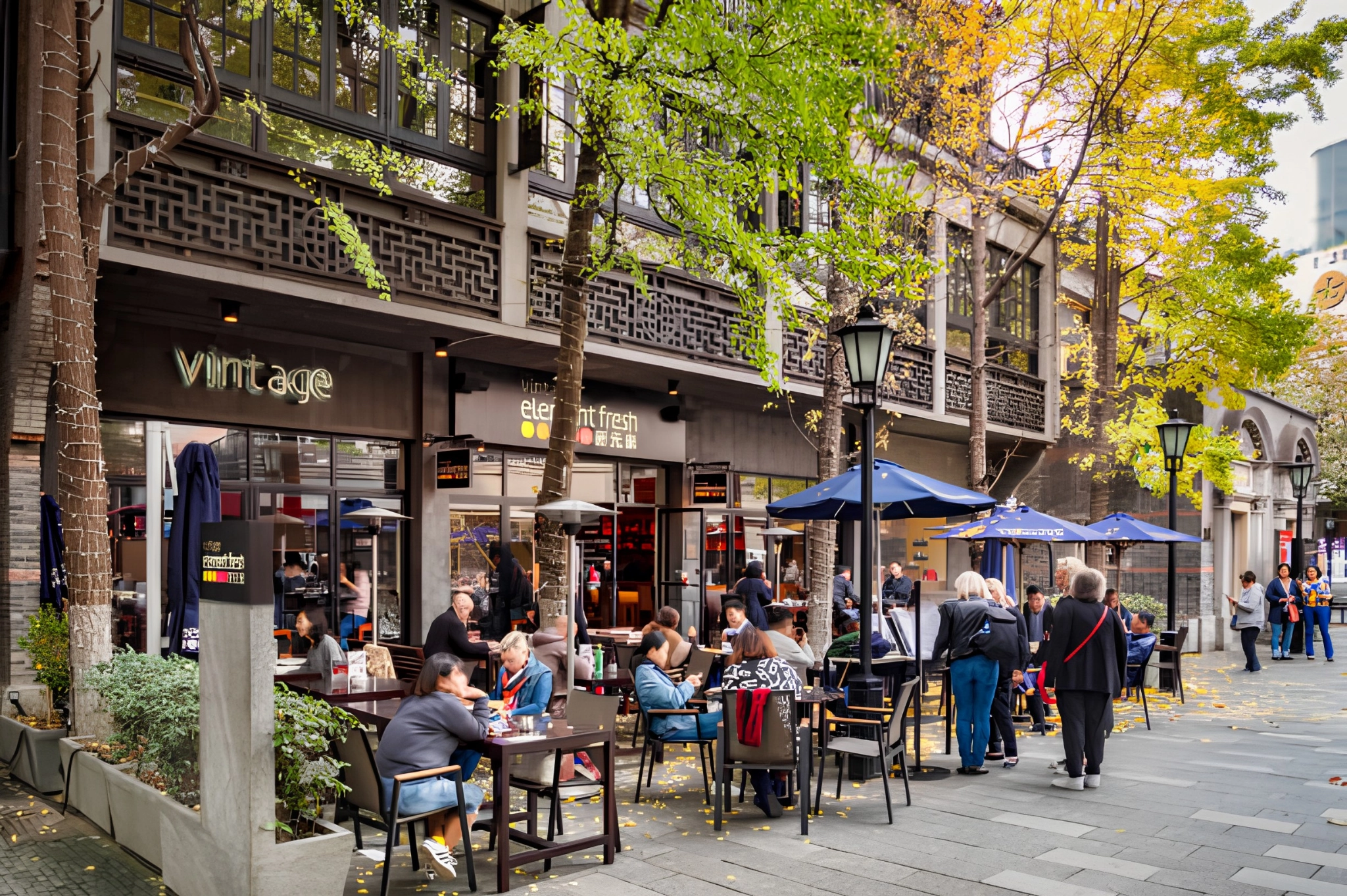
- Concept Cafes: These are immersive, thematic environments often housed in restored Shikumen (stone gate) lane houses or historic industrial spaces. In Shanghai, the coffee is only one element of a curated social and visual experience designed for digital sharing.
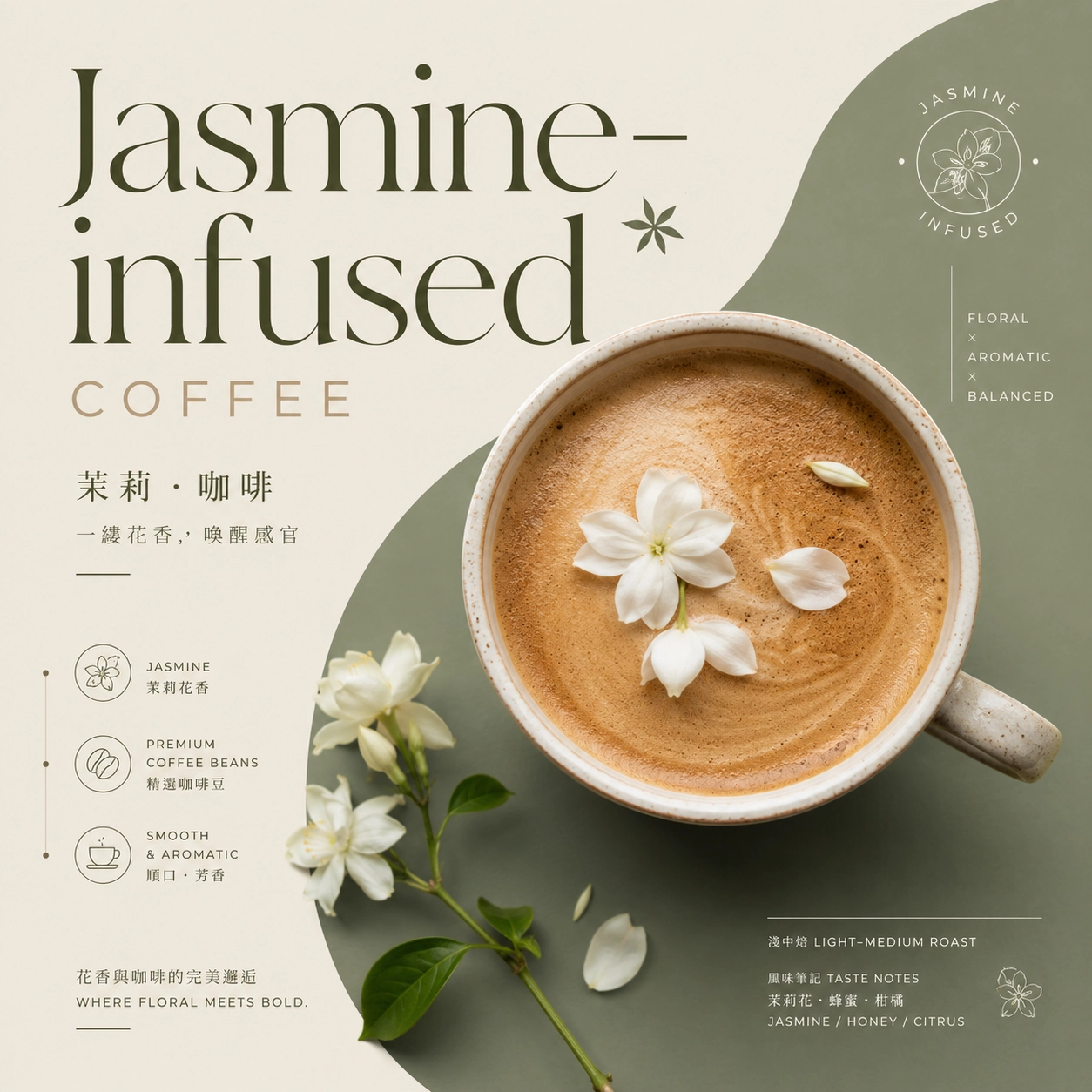 | 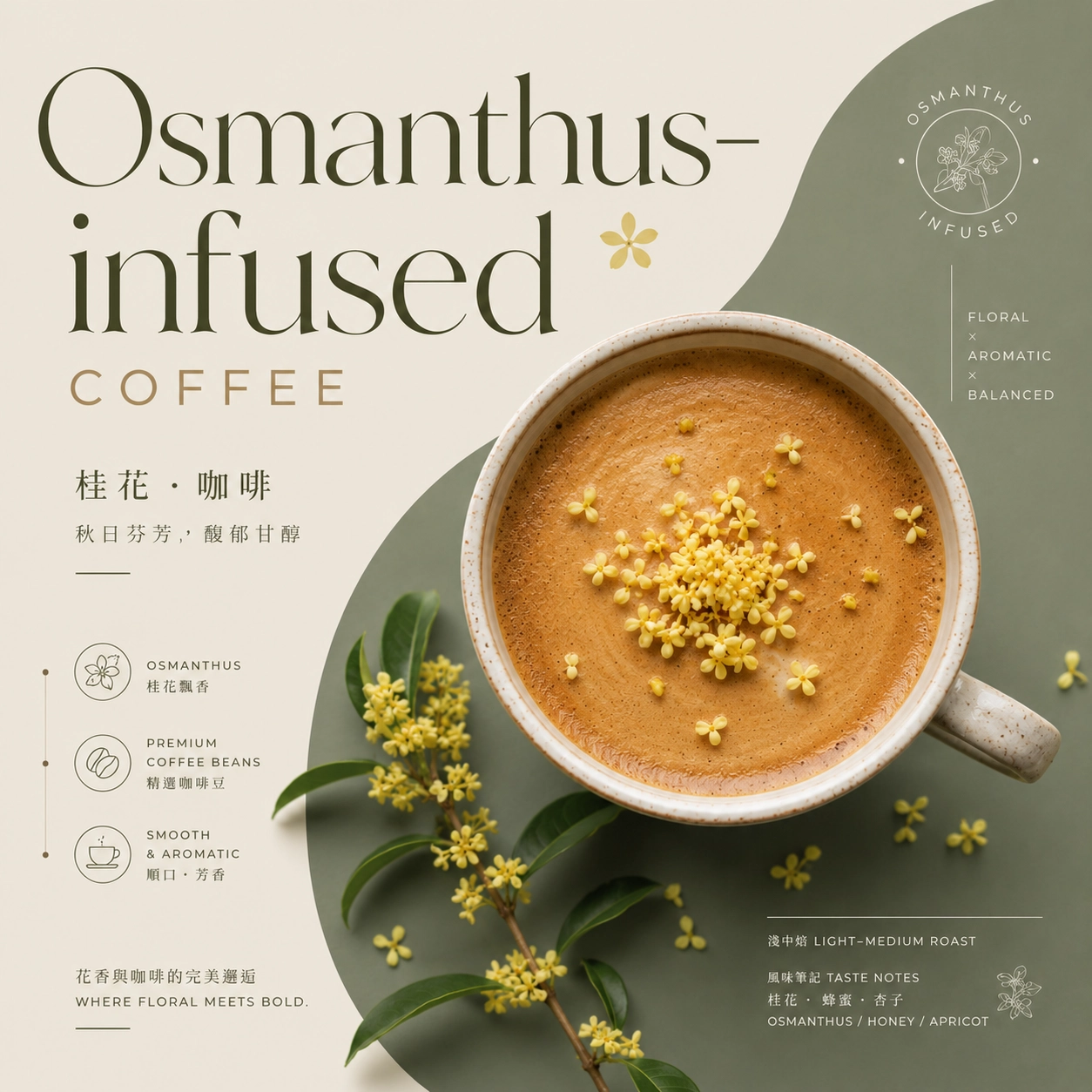 |
- The "C-Coffee" Hybrids: Perhaps the most significant innovation is the culinary fusion of traditional Chinese tea with specialty coffee. Signature drinks like Jasmine-infused lattes and Osmanthus coffee represent a new global genre of beverage.
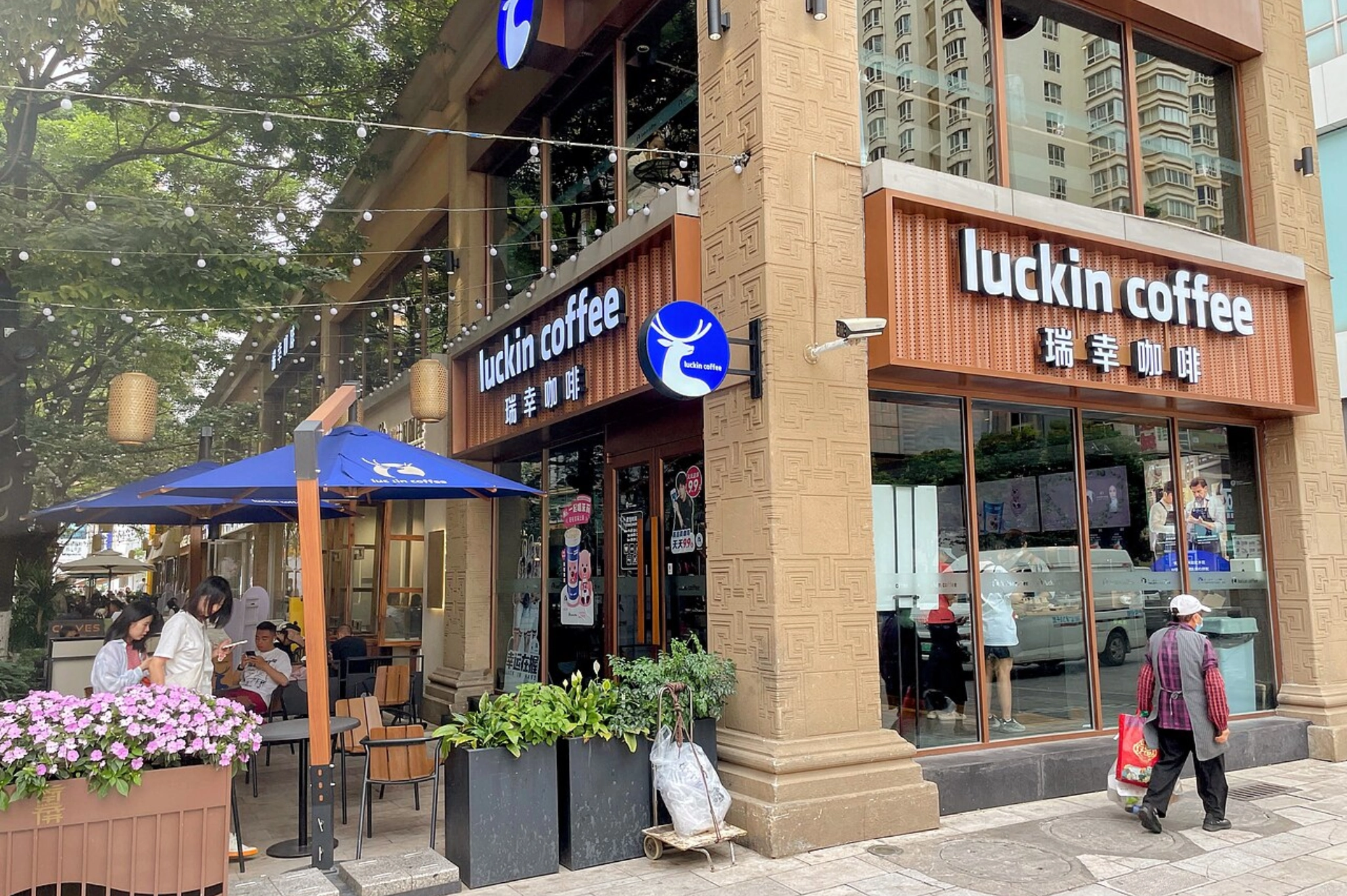
- Tech-Enabled Mass Market: Led by Luckin Coffee, which now operates over 25,000 outlets nationally, this sector relies on app-driven logistics and mobile-only ordering. It provides functional, highly affordable coffee that serves as the foundation for the city’s daily consumption.
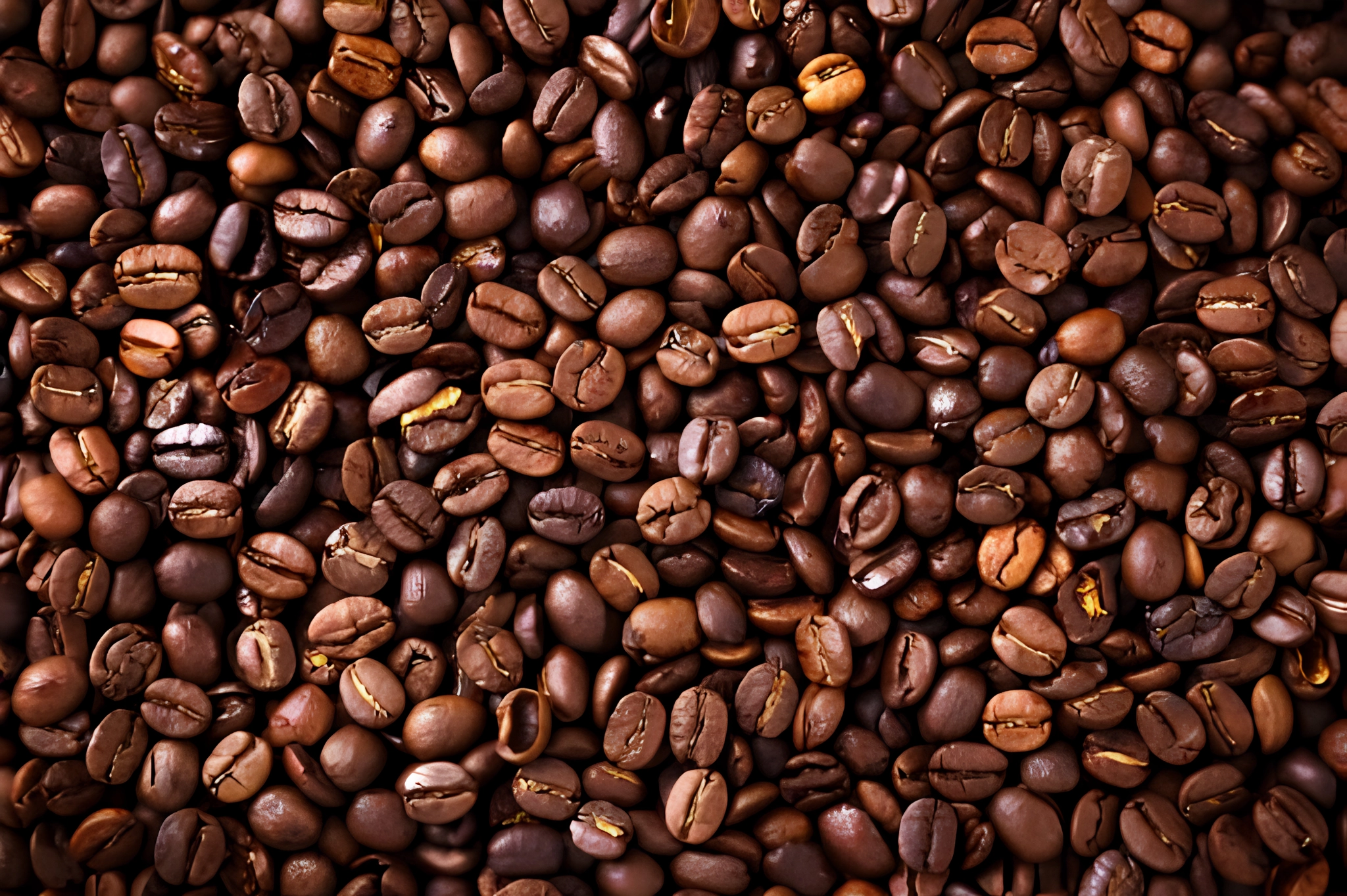
- The Yunnan Origin: Closing the supply chain loop, Shanghai has become the primary market for specialty beans grown in China’s Yunnan province. These cafes emphasize single-origin Chinese beans, positioning them as equals to top-tier Ethiopian or Colombian varieties.
The 2026 Coffe-Lover Itinerary
For a visitor seeking the soul of this movement, a single day can capture the scene's breadth:
- Morning (8:30 AM): Walk the plane-tree-lined streets of Wukang Road for a specialty pour-over.
- Afternoon (2:00 PM): Visit a Yunnan-dedicated roastery to experience the unique terroir of Chinese-grown beans.
- Evening (6:00 PM): End the day on the Bund with a coffee-infused cocktail, such as a cold-brew Negroni, while overlooking the Pudong skyline.
Practical Tips for International Visitors
- Payment: 2026 is fully integrated; while cash is accepted, mobile payment via Alipay (compatible with foreign cards) is the most reliable method.
- Pricing: Expect to pay 35–55 RMB ($4.80–$7.50 USD) at specialty shops, though mass-market lattes can be found for under 15 RMB.
- Connectivity: Most cafes are designed as "urban living rooms" and are work-friendly, offering high-speed WiFi and laptop space.
FAQ
Q: What is "C-Coffee" or the tea-coffee hybrid trend mentioned in Shanghai?
A: It is a distinctly Chinese culinary innovation that integrates traditional tea elements into specialty coffee. Popular examples include Jasmine-flower lattes and Osmanthus lattes, which offer a flavor profile unique to the Shanghai specialty scene.
Q: What are Yunnan-origin beans, and why are they prominent in 2026?
A: Yunnan province in southwestern China has emerged as a high-quality specialty coffee region. Shanghai serves as its primary urban market, with many local cafes dedicated to showcasing single-origin Yunnan beans that compete with international origins like Ethiopia or Colombia.
Q: Can I use international credit cards at Shanghai cafes in 2026?
A: While higher-end specialty cafes increasingly accept Visa and Mastercard, mobile payment via Alipay or WeChat Pay remains the most reliable method. Foreign visitors are encouraged to set up the international/tourist version of Alipay in advance.
Q: Why are "Concept Cafes" so popular in Shanghai?
A: In Shanghai, cafe-going is often about more than caffeine; it is a social and visual experience. These cafes use immersive themes and restored historic architecture, such as Shikumen lane houses, to create "urban living rooms" that are highly popular on social media.