A farmer's roadside stall in 1978 became a market that now sells to more than 100 countries — no seaport, but trucks to Moscow in under ten days, freight trains to Europe, and wholesale halls rated as scenic spots.
Key Points at a Glance
Linyi, Shandong
Frequently Asked Questions
Linyi, Shandong
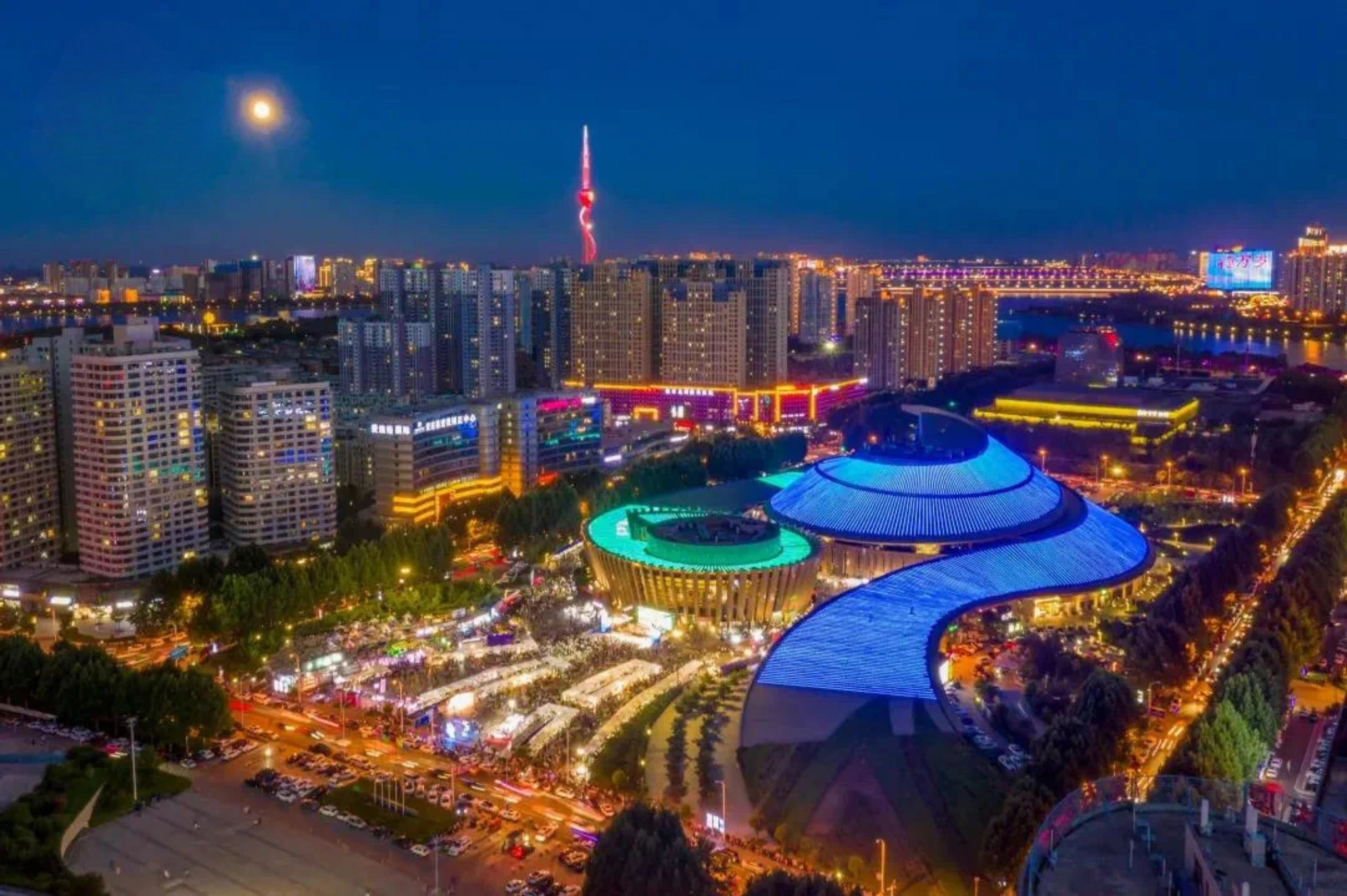
2,000 Foreign Buyers From 110 Countries Just Flew Into Linyi: The Chinese "Market City" That Grew From Roadside Stalls, and Why You Sleep There on Night 3 of Your Shandong Tour
Ask a Western traveller to name a Chinese shopping city and you will probably hear Shanghai, Hong Kong or, if they are in business, Yiwu. Very few will say Linyi (臨沂, Línyí).
Yet between October 28 and 30, 2026, more than 2,000 international buyers from over 110 countries and regions came to this city in southern Shandong for the 4th Linyi Trade City International Sourcing Conference. They walked an export expo of 1,200 booths, met suppliers at matchmaking sessions, and placed orders that will end up on shop shelves from Africa to Latin America.
On Day 3 of our 8-day Shandong tour, after the Yinqueshan Han Bamboo Slips Museum, Langya Ancient City and the Guoxiu "Langya" Cultural Performance, you spend the night in Linyi. It is worth knowing what kind of city you are sleeping in, because it is one of the most remarkable commercial stories in modern China.
From Roadside Stalls to "China's Market City"
The story begins with almost nothing.
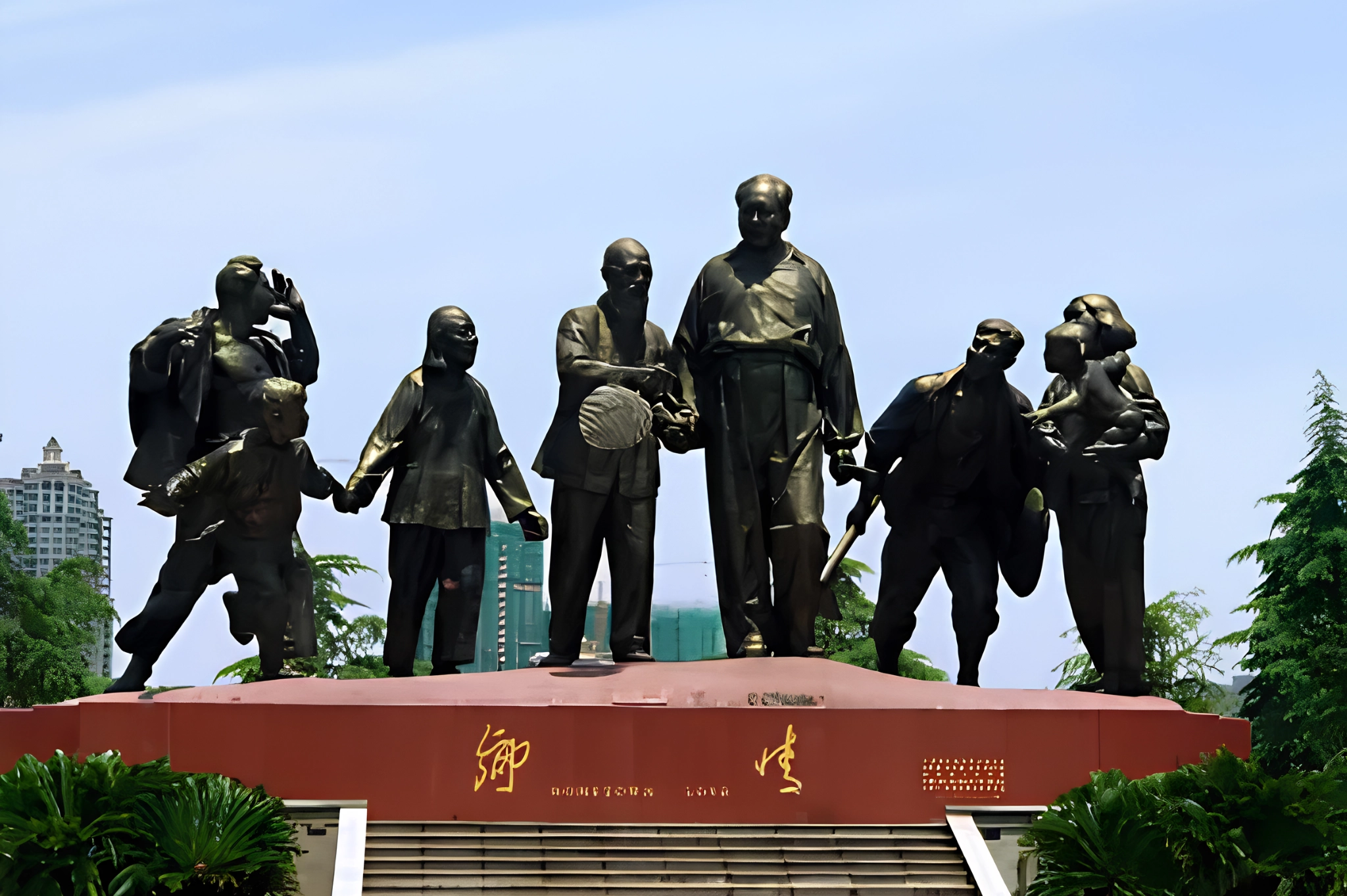
When China's reform and opening-up started in 1978, farmers from Linyi's suburbs and traders from out of town began setting up small stalls on the roadside near the West Suburban Bus Station and Dongfanghong Square. Between 1978 and 1982 these informal stalls became Linyi's first-generation markets. In 1982 the city opened its first small department store.
What happened next was a classic Chinese growth story. Traders who arrived with one cart came back with a truck. Truck owners became logistics companies. Logistics companies made goods cheaper to move from Linyi than from almost anywhere else in northern China, which attracted more traders, which attracted more trucks.
By the early 2000s Linyi was a modern commercial and logistics hub. In 2011 the city government set out a strategy to take the market international. Today the city is known by two nicknames, "China's market city" and "the logistics capital of China."
Linyi in Numbers
| What | Figure |
| Professional wholesale markets | 136 |
| Stores in those markets | 63,700 |
| Kinds of goods traded | more than 6 million, across 27 categories |
| Freight companies at the Linyi logistics city | more than 1,700 |
| Foreign buyers at the October 2026 sourcing conference | more than 2,000, from over 110 countries and regions |
To put "6 million kinds of goods" in context: if a shopper looked at one product every second, eight hours a day, it would take more than 200 working days to see them all.
The Shop That Sells to the World
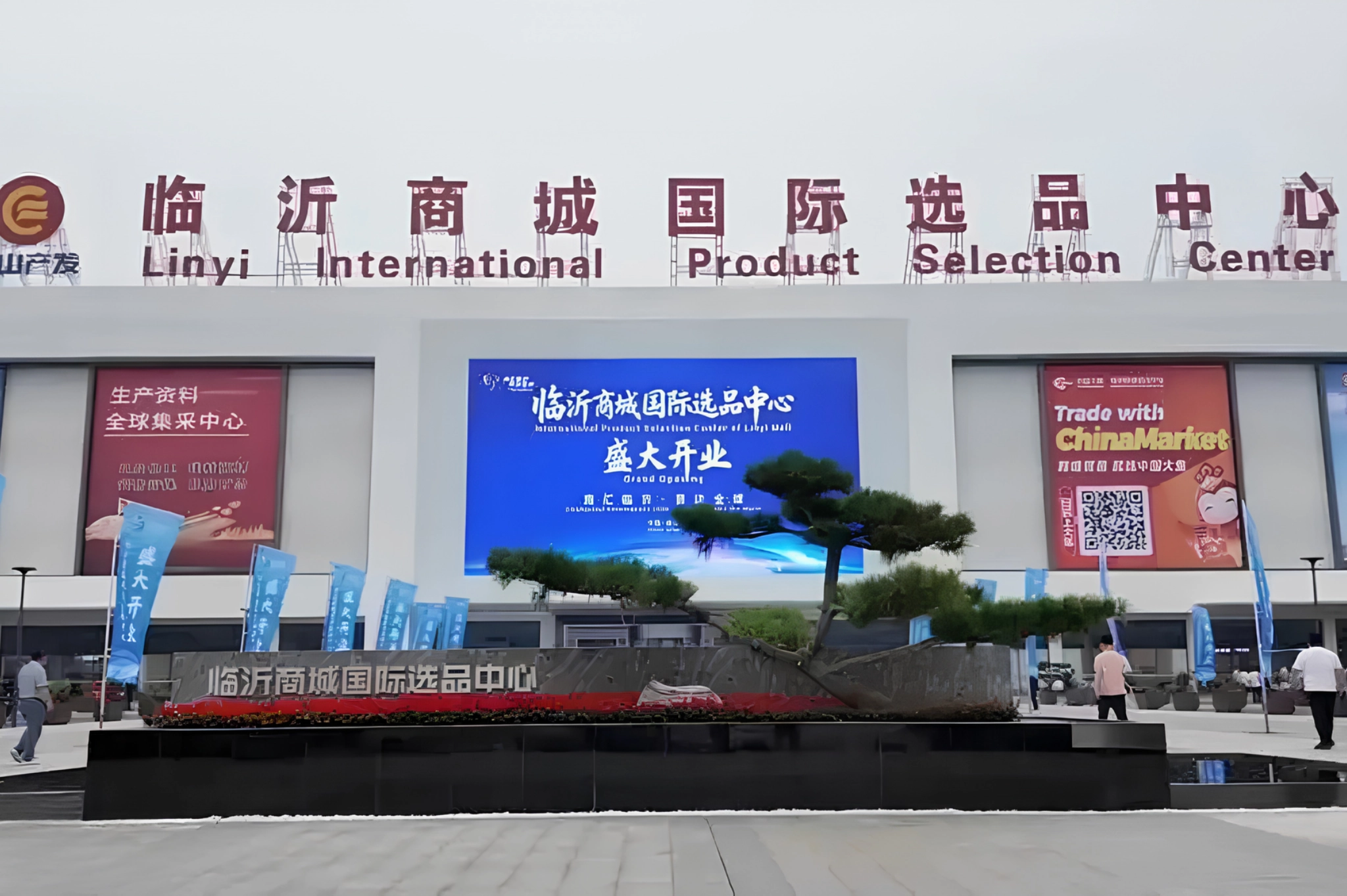
On September 28, 2026, Linyi opened an International Sourcing Center designed for exactly the kind of visitor who used to be overwhelmed by the scale of the markets. Instead of walking between dozens of separate halls and factories, foreign buyers find a "one-stop" building with 324 foreign trade companies and 698 corporate stores. Each store is typically linked to more than ten upstream factories.
There are hundreds of human stories in Linyi's markets, such as the one of Emmanuel Jerry Donkor from Ghana, who moved to Linyi to use its supply chain. He now sells Linyi goods in Ghana and brings Ghanaian products back to Linyi. Another local entrepreneur, Geng Yanzhou, started with a small "two-yuan store" and now exports a low-price variety store model to Southeast Asia, Africa and Latin America.
Trucks to Moscow, Trains to Europe
Linyi has no seaport and is not on the coast, so how does it trade with the world? The answer is roads and rails.
| Route | What it does |
| TIR road freight to Russia and Kazakhstan | Linyi to Moscow in fewer than 10 days by truck, compared with more than 20 days by traditional rail (Xinhua, January 2026) |
| China-Europe freight trains | Regular services connecting Linyi to Europe |
| Domestic trucking | More than 3,000 domestic shipping routes reach county-level cities and above |
| Used car exports | The Lantian North International Automobile City prepares refurbished used cars, exporting about 900 a month to more than 20 countries and regions |
The city has also secured an international port code, a sign that it plans to move from simply moving goods to organising trade.

The Livestream Capital
There is a second, newer side to Linyi. China Daily has called it the "largest short-video livestreaming e-commerce base in northern China."In plain English: many of the products you see being demonstrated by enthusiastic presenters on Chinese shopping apps are shipped from Linyi warehouses.
If you are walking through the city in the evening and see someone talking animatedly to a phone on a tripod in front of a wall of kitchen gadgets, that is not a vlogger. That is a shop.
Shopping as Sightseeing
Linyi has noticed that tourists are curious. In 2024, eight markets in Lanshan District were set up as model sites for combining commerce and tourism, and three were rated national 3A scenic spots. The district launched themed routes under the slogan "Explore Linyi Commercial City, Join the Chinese Grand Market", and more markets, including the Linyi Small Commodity City, are being upgraded to 3A standard.
In other words, in Linyi a wholesale market can be a tourist attraction. That is something you will not find in many other countries.
What This Means for Your Day 3
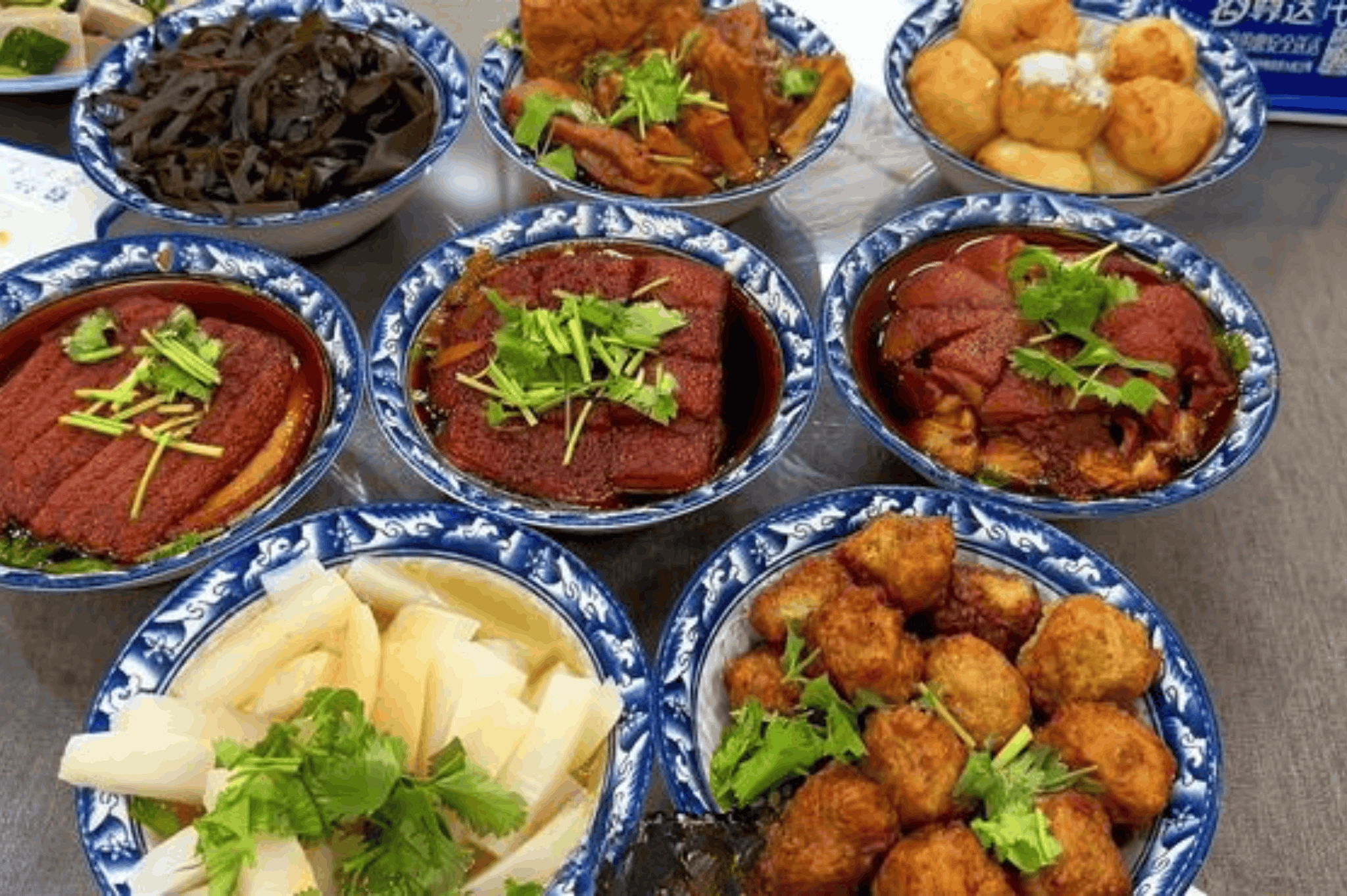
On our itinerary, Day 3 is a culture day: the bamboo slips of Yinqueshan, the Langya Ancient City and the Guoxiu "Langya" performance, followed by a Shandong-style Eight-Bowl Feast for dinner and a night at the Hilton Garden Inn in Linyi. Day 4 then continues to Qufu.
The trade city is not a scheduled stop on the tour. Here is how to make the most of being in Linyi anyway:
| If you want to... | What we suggest |
| Understand where you are | Ask your guide about Linyi's market story on the coach; it explains the trucks you will see on the roads |
| See a market | Ask us before the trip whether a short visit fits the day's timing; it depends on the schedule and opening hours. |
| Shop | Most markets are wholesale; some stalls sell single items, but many want bulk orders. Bring a phone payment app (Alipay or WeChat Pay) |
| Buy a souvenir with meaning | Linyi is also the hometown of the calligrapher Wang Xizhi; calligraphy brushes and prints make a better gift than a plastic gadget |
| Taste Linyi | Try sa soup (糁汤) at breakfast, Linyi's famous morning soup |
Why Linyi Belongs on a Shandong Trip
Shandong is often sold to Western visitors through three images: Confucius in Qufu, the sacred Mount Tai and the German streets of Qingdao. All three are on our route. But modern China is not only temples and red roofs. It is also the place where a farmer's roadside stall in 1978 became a market that sells to more than 100 countries.
Spending a night in Linyi between the coast and Confucius gives you a glimpse of that China. It is the same province, the same people, and the same instinct for trade that made the ancient state of Qi, in today's Shandong, famous for its markets more than 2,000 years ago.