Seven colossal Buddhas standing shoulder to shoulder in a single Northern Wei hall above the Jing River — commissioned in 510 AD by a governor who built the same vision twice, and reached by almost no one.
Key Points at a Glance
Nanshiku Temple, Gansu
Frequently Asked Questions
Nanshiku Temple, Gansu
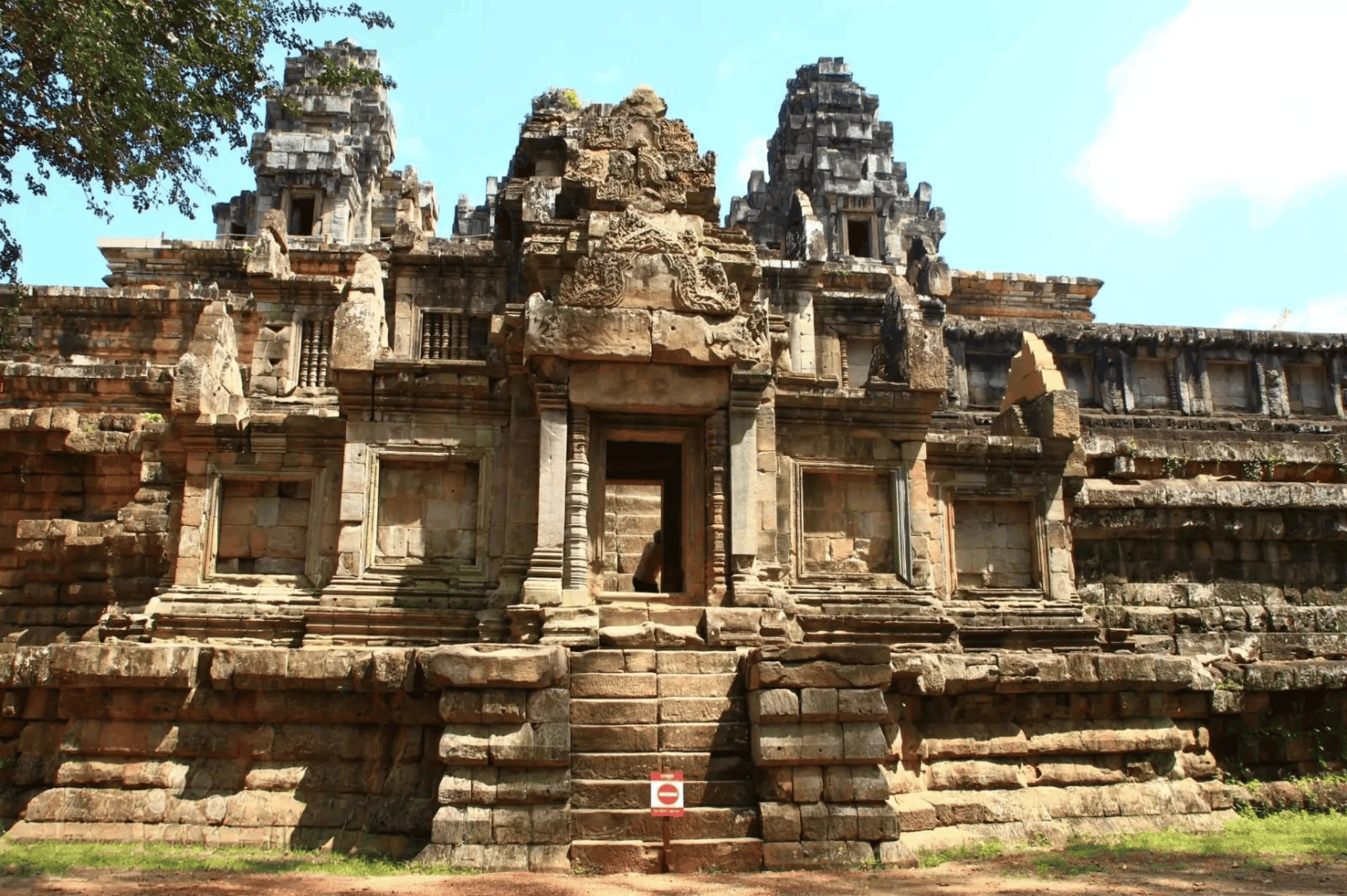
Everyone who gets serious about the Silk Road ends up at the Mogao Caves in Dunhuang, and rightly so. But Gansu is, improbably, a province of grottoes — dozens of cliff-carved Buddhist sanctuaries strung along its river valleys and desert edges — and a handful of them hold treasures that would be world-famous anywhere else, yet receive almost no foreign visitors at all.
The quietest of these quiet wonders sits far in the east of the province, on a cliff above the Jing River (涇河) in Jingchuan County, near the city of Pingliang. It is called Nanshiku Temple (南石窟寺) — the "South Grottoes" — and inside a single dim Northern Wei cave stand seven giant Buddhas, shoulder to shoulder, that have watched the river for more than fifteen centuries. Here is why it deserves a place on the itinerary of anyone who has already fallen for Mogao.
A Governor, a Confession in Stone, and Two Caves Built as Twins
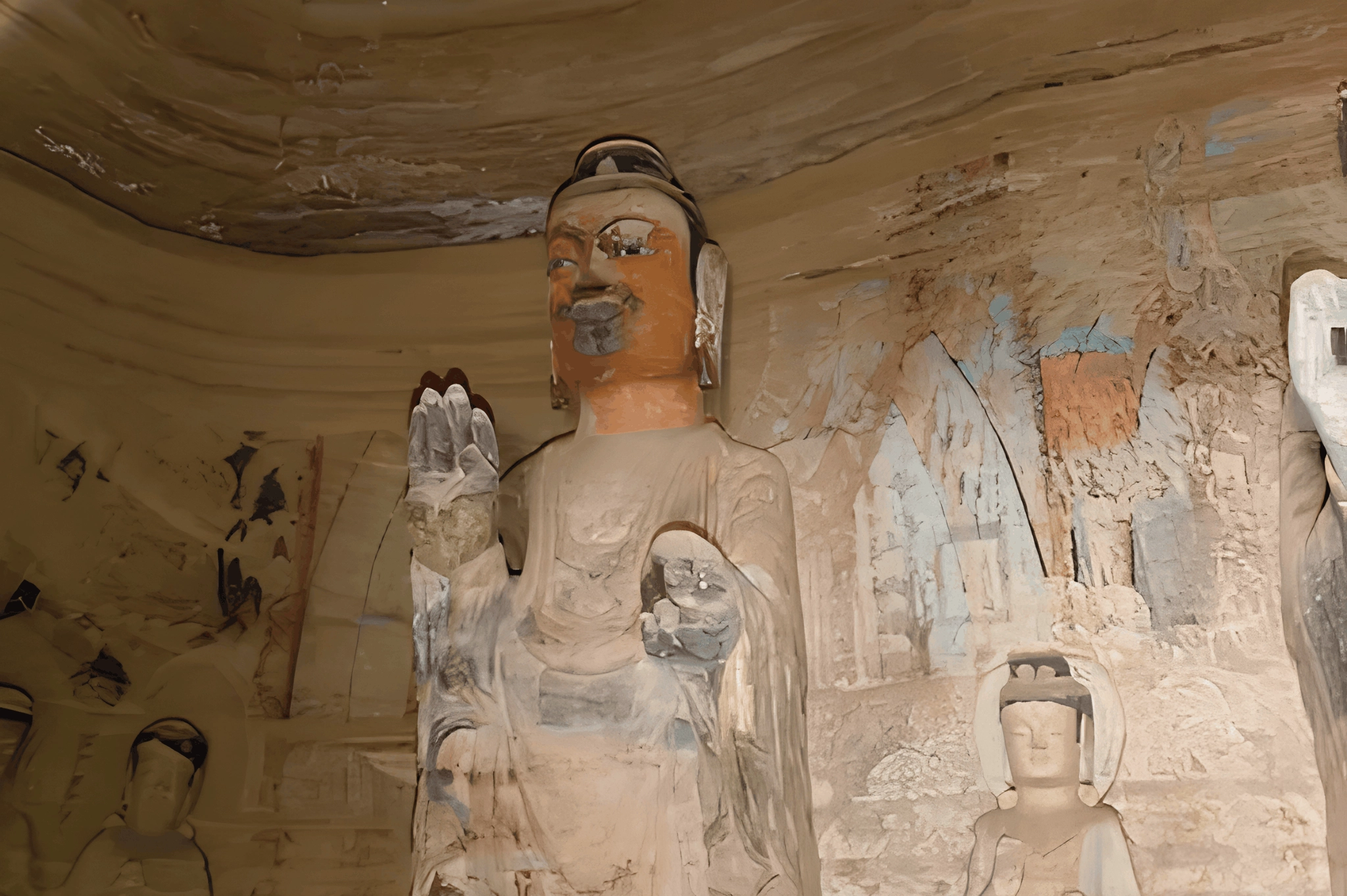
Nanshiku Temple is inseparable from one remarkable man. In the early sixth century, during the Northern Wei dynasty — a Buddhist-devout age of furious cave-carving across north China — a provincial governor named Xi Kangsheng (奚康生) administered Jingzhou, the region covering today's eastern Gansu. Xi was a soldier and an administrator, and he was also, by the standards of his era, an extraordinary patron of Buddhist art.
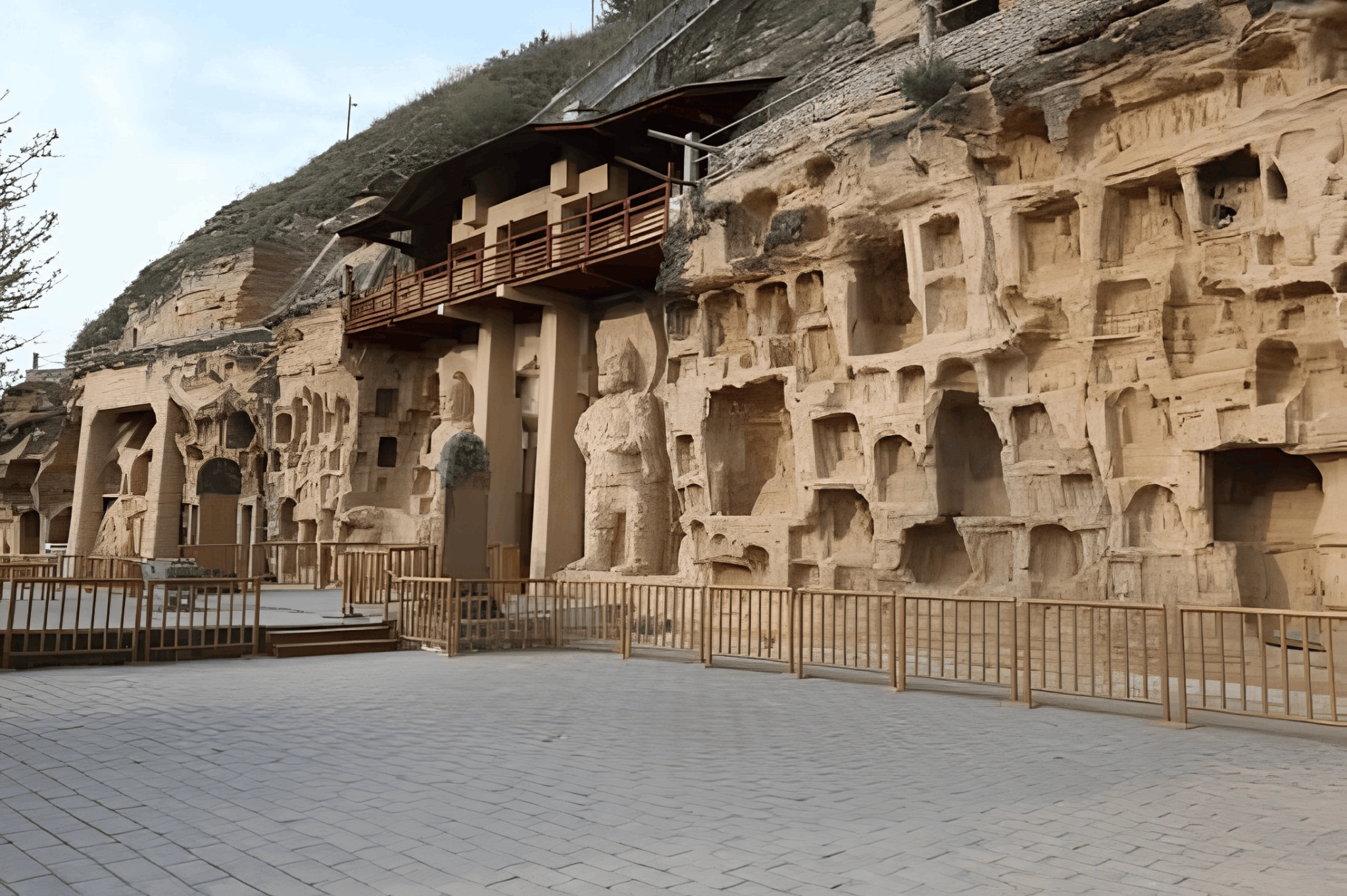
Within a single year, he commissioned not one but two great grottoes about ninety kilometres apart. In 509 AD he founded Beishiku Temple — the "North Grottoes" — near present-day Qingyang. In 510 AD he founded Nanshiku Temple — the "South Grottoes" — here above the Jing River. For this reason the two are forever paired in Chinese art history as the "sister grottoes": deliberately conceived twins, built by the same hand, sharing the same startling signature.
Legend adds a darker, human layer to the official record. One recounted tradition holds that Xi Kangsheng ordered the caves carved out of remorse — that he had suppressed a monastic uprising in which monks and nuns were killed, and raised these vast Buddhas as an act of atonement. Whether that story is history or pious embellishment, it gives the place an undeniable emotional weight: the sense that these serene giants were someone's attempt to make something right with eternity.
The Signature: Seven Giant Buddhas in a Single Cave
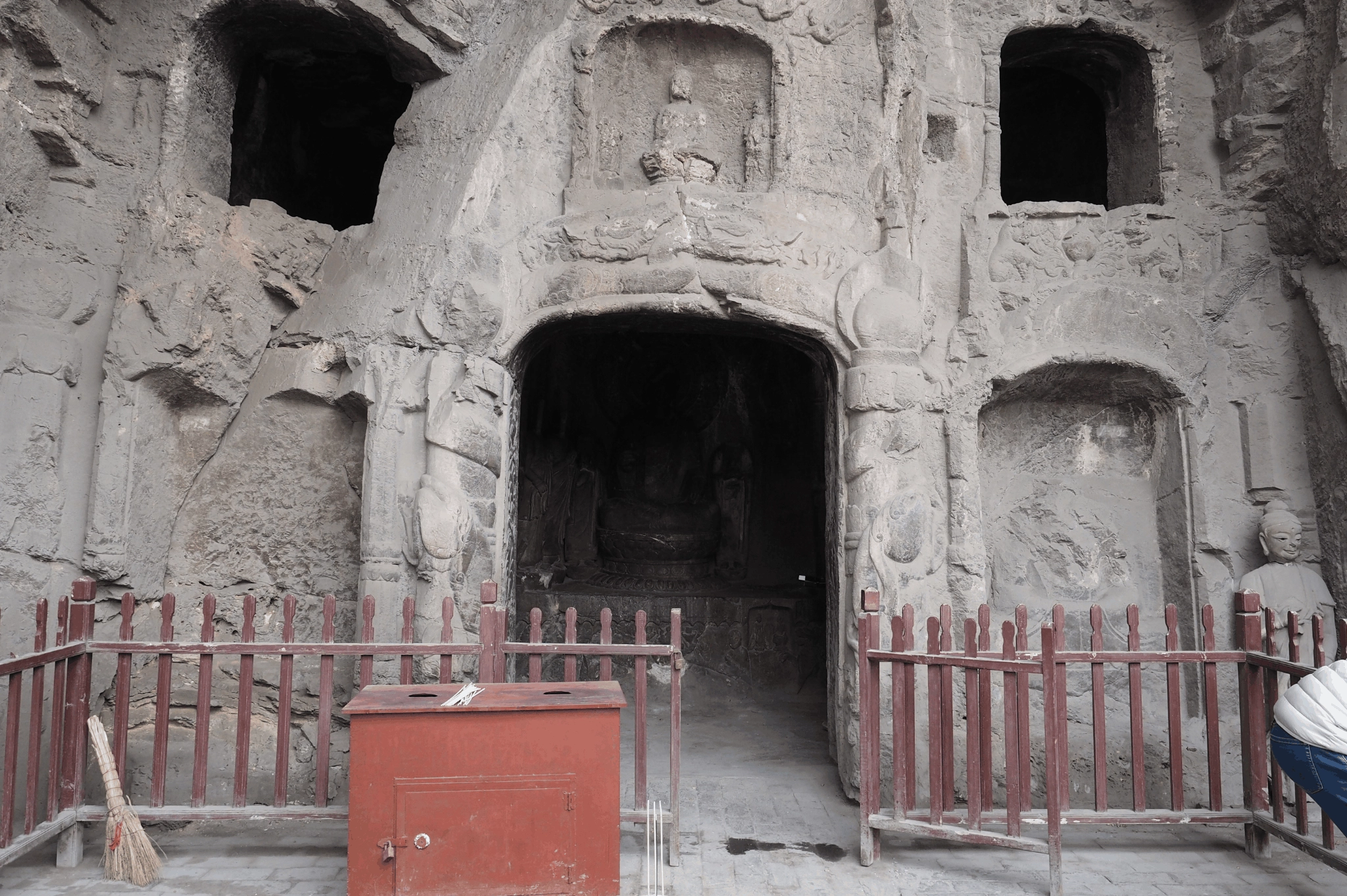
Walk into Cave No. 1 of Nanshiku Temple, the great cave, and you understand instantly why Xi Kangsheng's grottoes are unlike any others.
Lining the walls of a vast rectangular hall stand seven colossal Buddha statues, each roughly six to seven metres tall, carved in the round and set shoulder to shoulder around the chamber. Between and beside them are fourteen attendant bodhisattvas, each around 3.5 metres high, and a Maitreya figure near the entrance. The cave itself is enormous for its age — on the order of 11 metres high, 18 metres wide and 13 metres deep — a single engineered room hollowed from living rock and filled with a congregation of giants.
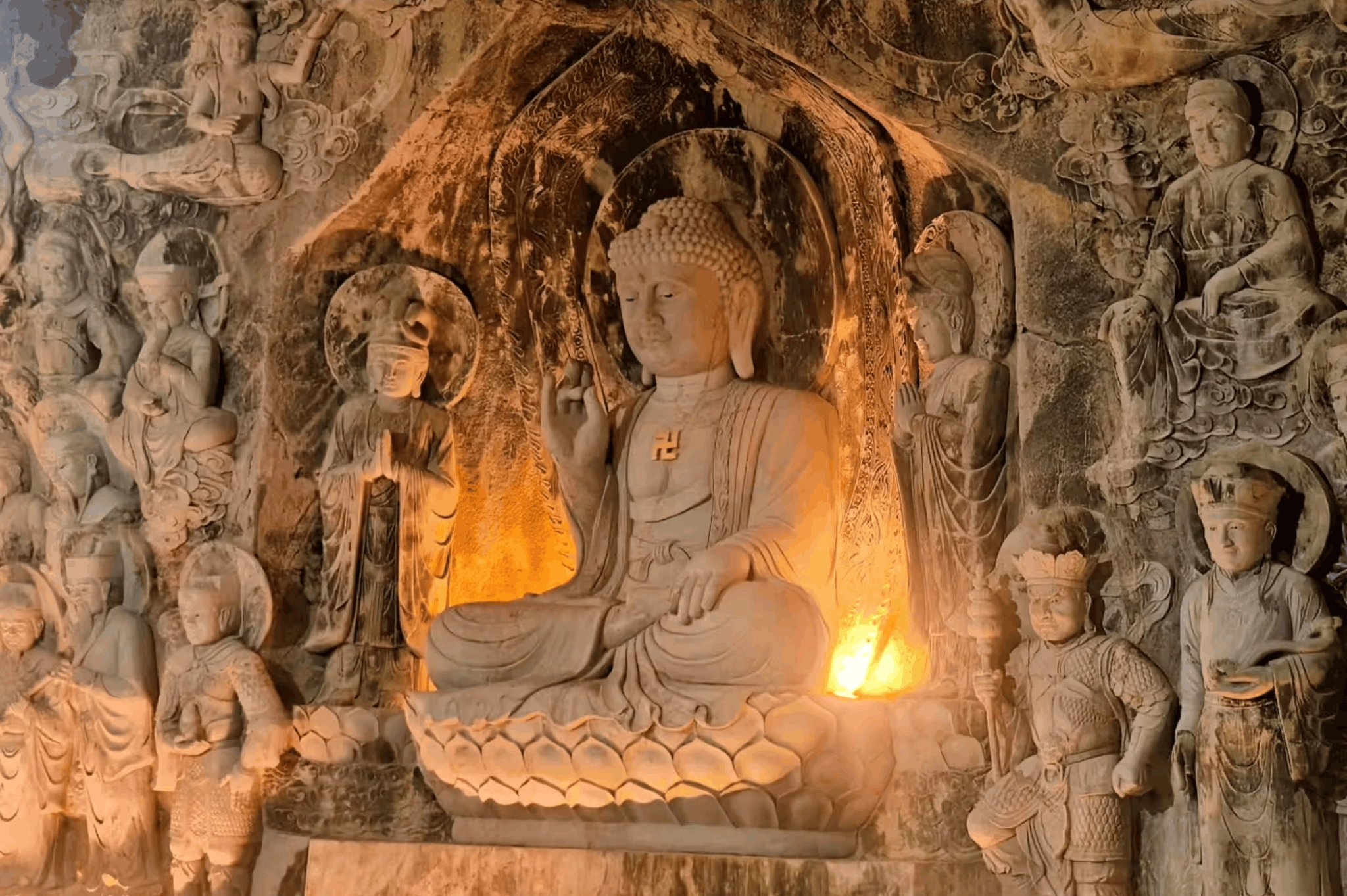
This is the "Seven Buddhas" — in Buddhist cosmology the Seven Buddhas of the Past, the line of enlightened beings culminating in the historical Buddha, Shakyamuni. Depicting all seven together, at monumental scale, in one cave, is a rare and deliberate iconographic choice, and it is precisely the thing that makes the grottoes of eastern Gansu distinctive. Beishiku Temple's Cave 165, its own showpiece, carries the identical seven-Buddha program at similar scale. To stand in Cave No. 1 at Nanshiku is to see the same vision Xi Kangsheng commissioned twice — a wall of towering, calm, archaic faces, the heavy-lidded serenity and robust bodies of early Northern Wei sculpture, gazing down fifteen hundred years later with astonishing presence.
Faces From the Age Before Mogao's Glory
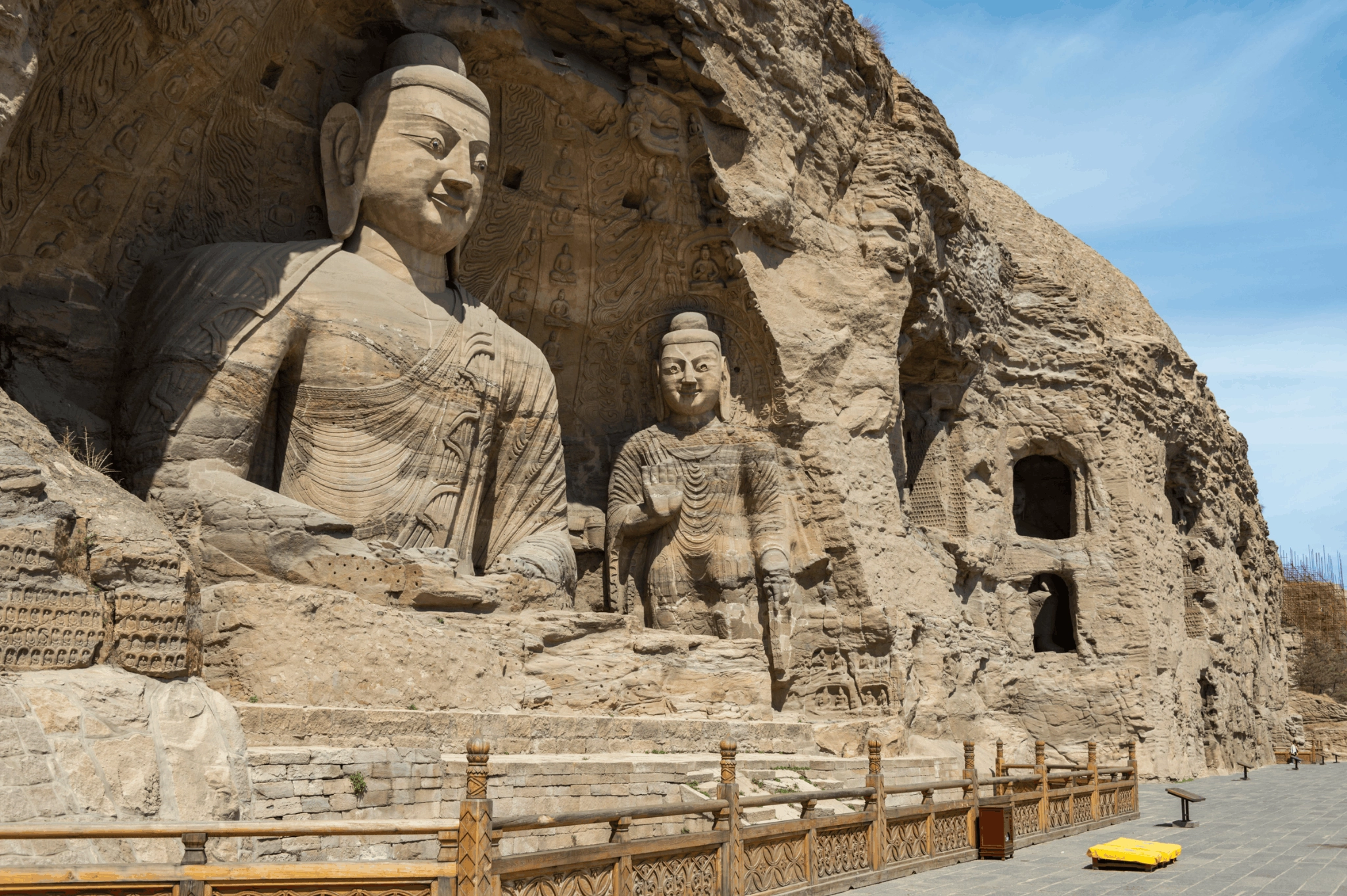
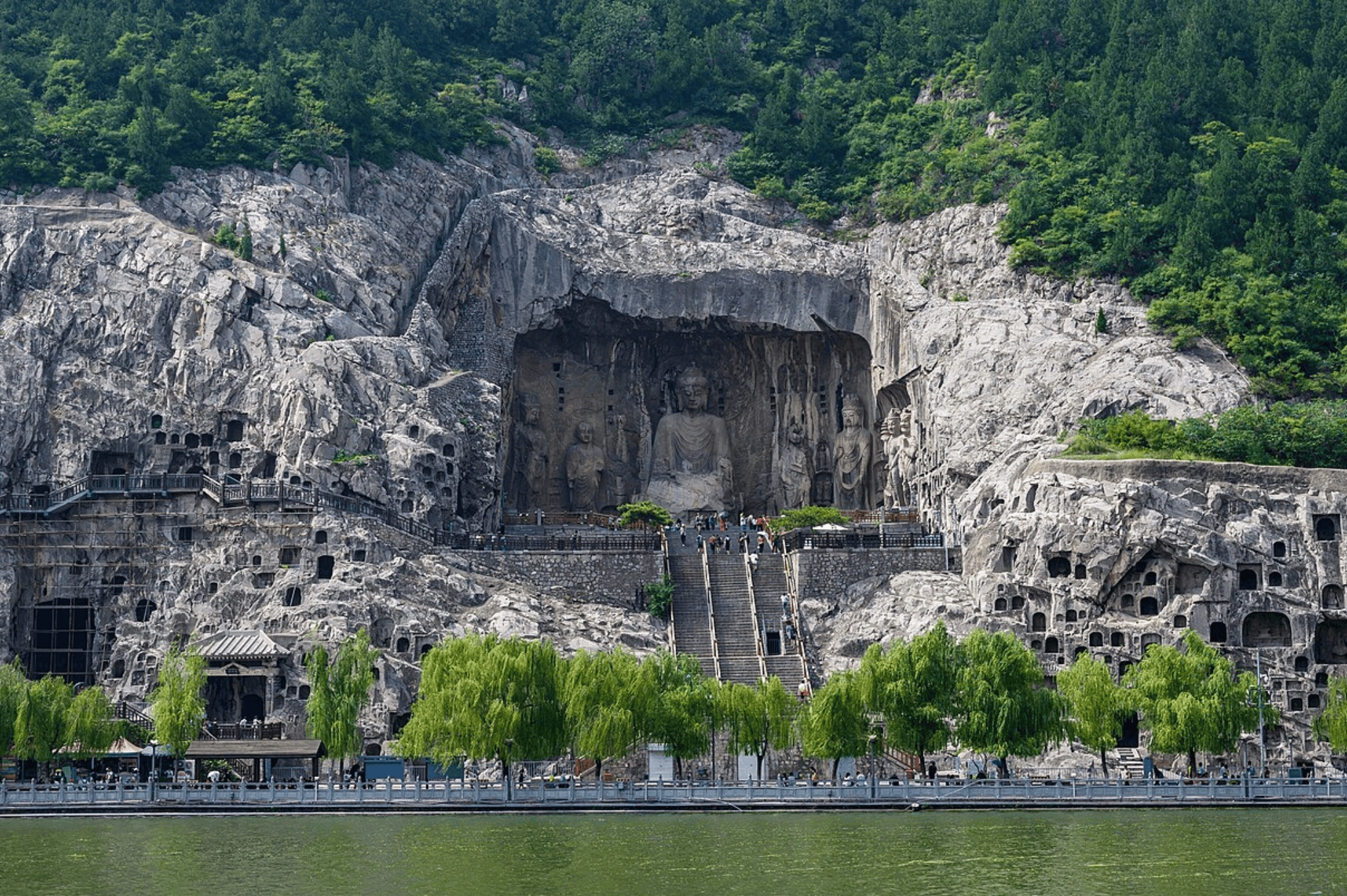
It helps to place Nanshiku in time. These Buddhas were carved around 510 AD — centuries before the Tang-dynasty golden age that produced Mogao's most famous painted caves, and roughly contemporary with the great imperial grottoes of Yungang and Longmen in central China.
The style shows it: these are early figures, less fluid and naturalistic than later Tang work, with broad shoulders, columnar bodies, and the faint, otherworldly "archaic smile" of the Northern Wei. Their robes fall in simple, strong folds. There is a frontal, hieratic stillness to them that the more sensuous Tang sculptors would later soften. For a visitor who knows Mogao, Nanshiku is a chance to meet Buddhist art at an earlier, starker, more monumental moment — the stone equivalent of hearing a piece of music in its original, unornamented form.
The Stele: 1,500-Year-Old Calligraphy as Treasure
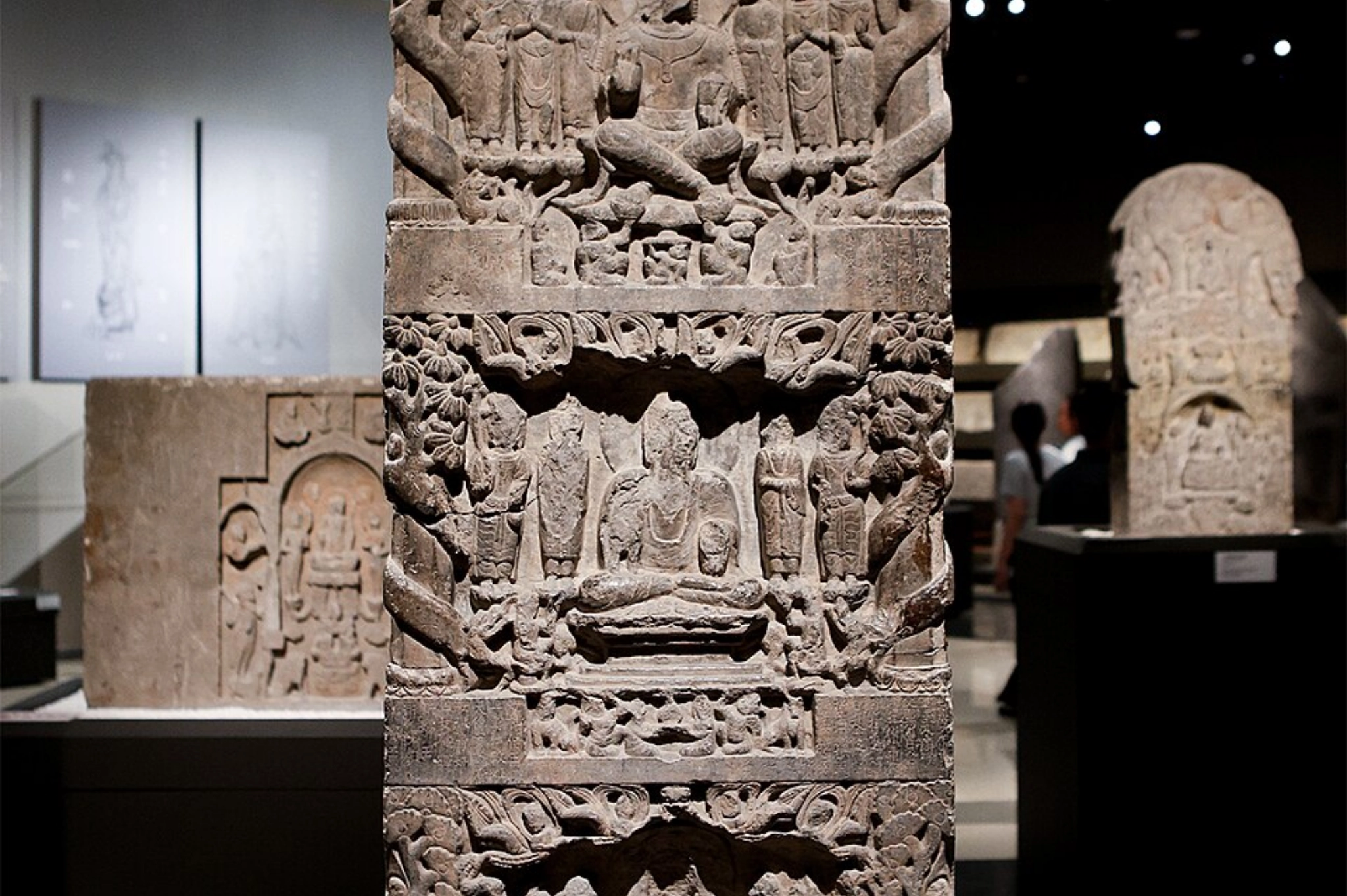
Nanshiku offers one more prize that art historians prize above almost everything else at the site: the Nanshiku Temple Stele.
Erected to commemorate the grotto's founding, this inscribed stone is a celebrated specimen of Northern Wei calligraphy — the angular, vigorous "Wei stele" script that is studied and copied by Chinese calligraphers to this day as one of the formative styles of the brush. The stele records the circumstances of the cave's creation, tying the physical monument to a datable historical moment and to Xi Kangsheng himself. In a culture where calligraphy is the highest of the visual arts, a well-preserved Northern Wei founding stele is not a footnote to the Buddhas; it is a treasure in its own right.
Why This Valley? The Silk Road's Inland Reach
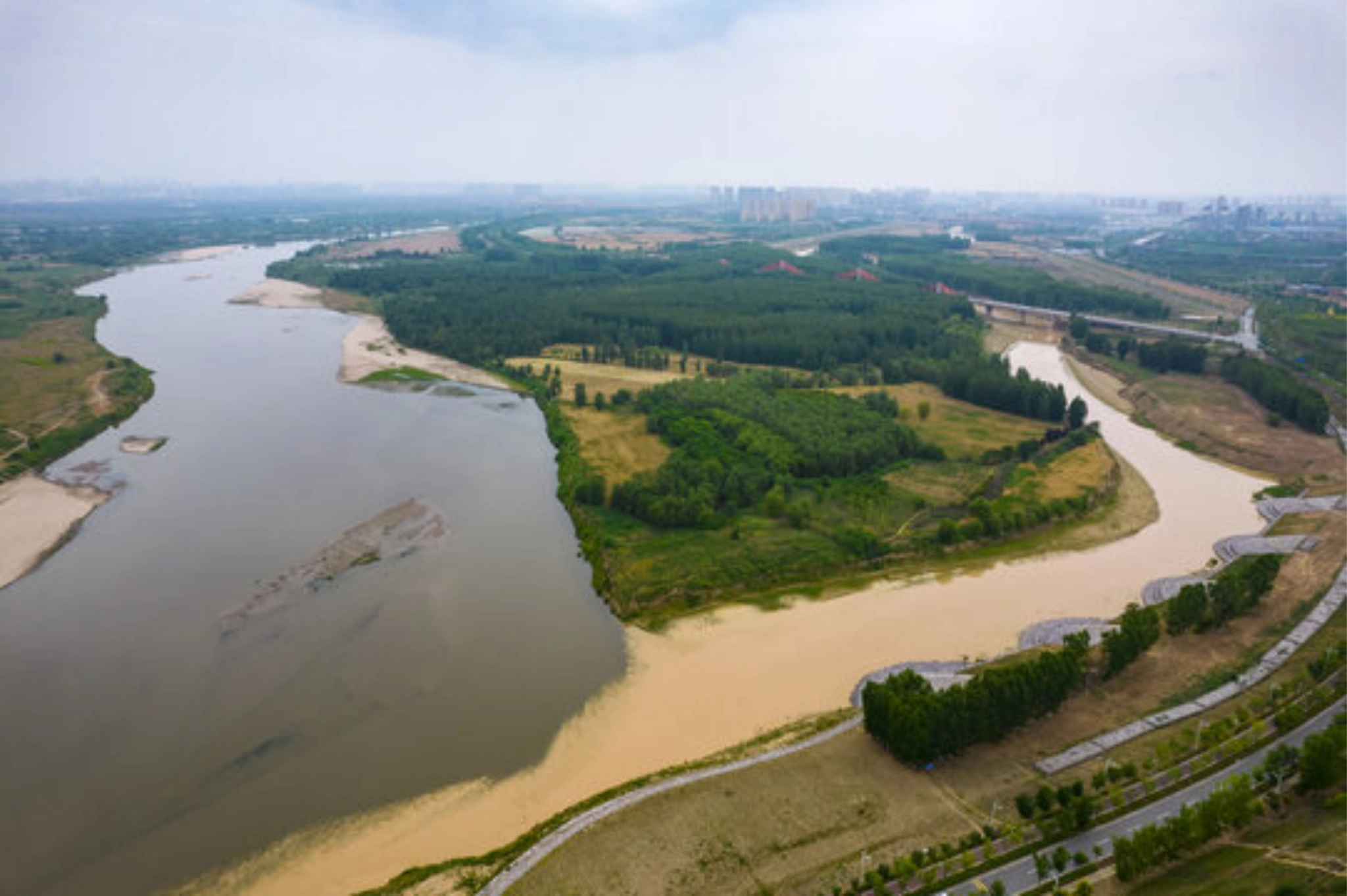
It can seem strange that such ambition landed on a quiet river cliff in eastern Gansu rather than at a famous oasis. But the Jing River valley was a genuine corridor — a route that carried people, goods and, crucially, ideas inland from the main Hexi Corridor Silk Road toward the Wei River basin and the imperial heartland around Xi'an.
Buddhism travelled these arteries, and wherever devout, wealthy patrons and workable cliffs met, grottoes bloomed. Eastern Gansu — the Longdong region — became dense with them precisely because it sat on this inland diffusion of faith. Nanshiku and Beishiku are the grandest surviving expressions of that moment, when a frontier governor with resources and conviction chose to make the Silk Road's spiritual cargo permanent in stone.
The Honest Practical Picture
Let's be straight about what visiting Nanshiku involves, because its remoteness is the whole reason it stays so pristine. It is far from the classic Lanzhou–Dunhuang Silk Road line, out in the eastern corner of Gansu near Pingliang and Jingchuan.
There is little to no English signage, few other tourists (foreign ones are genuinely rare), and limited public transport to the site itself. For lighting-and-conservation reasons the great cave is protected, so expect to view it as a guided, respectful visit rather than a free-roam. The reward for the effort is a near-solitary encounter with 1,500-year-old monumental art — the opposite of Mogao's timed-ticket crowds.
The smart way to see it is as part of an eastern-Gansu cluster rather than a standalone pilgrimage. Jingchuan County also holds the Wangmu Palace, an ancient temple complex dedicated to the Queen Mother of the West; Pingliang is the gateway to Kongtong Mountain, a cradle of Taoism; and its sister grotto, Beishiku Temple, can aslo be visited to see both sites' remarkable seven-Buddha carvings. Linking these turns a difficult detour into one of the most rewarding, crowd-free days in the whole province.
The Shortcut: Reaching the Deep Cut Without the Headache
Nanshiku rewards exactly the traveller it frustrates: the one who wants what almost no one sees, and who finds getting there the hard part. That is where a guided or privately arranged eastern-Gansu itinerary earns its keep — it handles the transport out to the Jing River cliff, arranges access and an interpreter who can translate the iconography and the stele, and strings Nanshiku together with Beishiku, Wangmu Palace and Kongtong Mountain into a coherent loop rather than a series of logistical puzzles. For the deep-cut sites of Longdong, local arrangement isn't a luxury; it is often the only practical key to the door.
The Bottom Line
Nanshiku Temple is the quiet masterpiece at the far end of Gansu's grotto trail: seven giant Buddhas carved in 510 AD by a governor who built them twice, a Northern Wei stele that calligraphers still revere, and a natural setting so far off the tourist line that you may well have the giants to yourself. For the traveller who has stood in the crowds at Mogao and wondered where the Silk Road's quieter wonders went, the answer is here — on the Jing River, in near-silence, where the sister grotto has been waiting for fifteen hundred years.