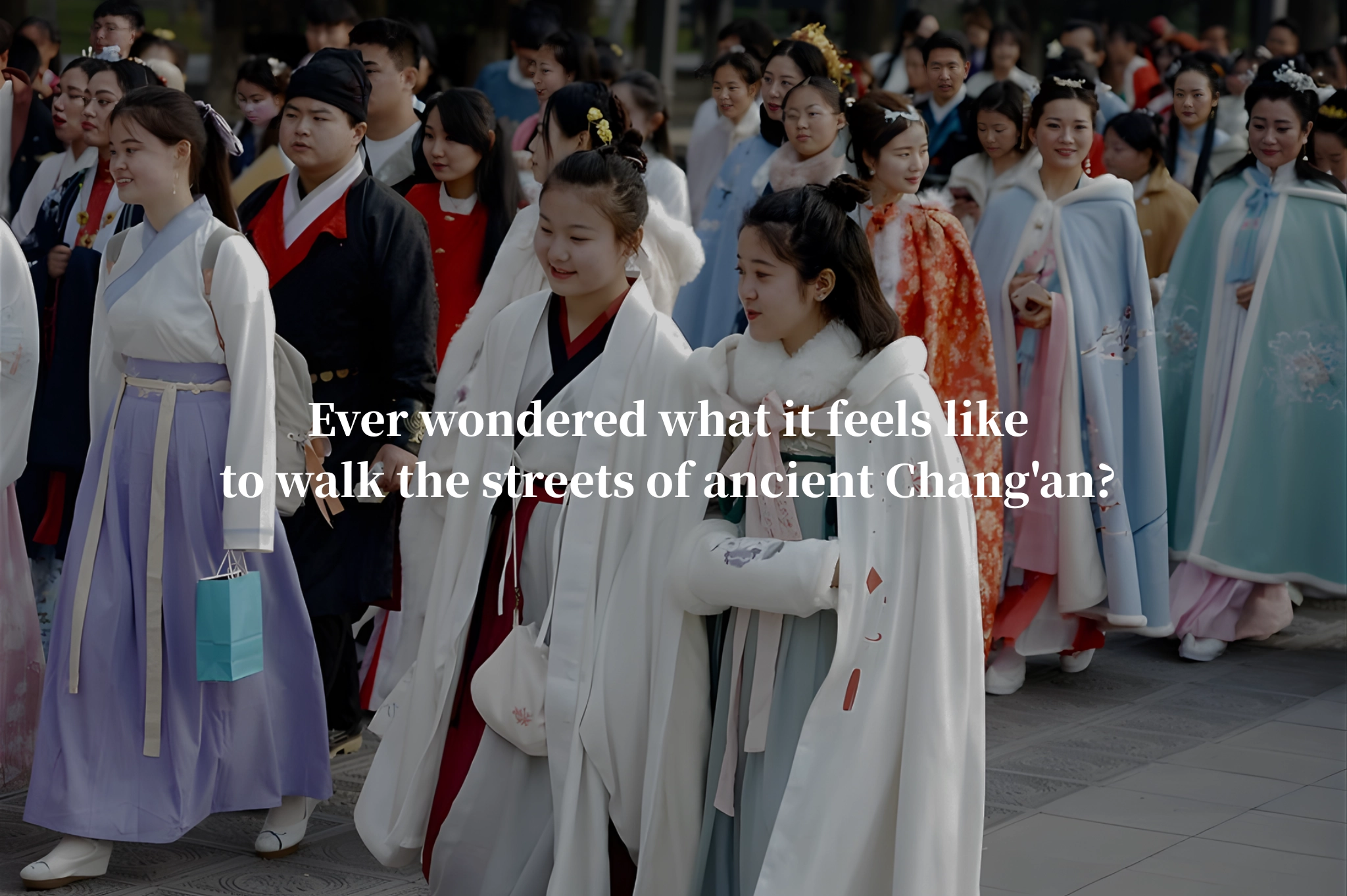

China is celebrated globally for its ancient palaces, sacred peaks, and grottoes—yet some of its most profound cultural monuments are alive, growing quietly in rural villages far off the standard tourist trail. On the undulating golden plateau of eastern Gansu, inside the modest settlement of Guanhe in Chongxin County, stands one such living wonder: a single Chinese scholar tree so old that it was already ancient when the Tang dynasty flourished.
Estimated by local registers to be around 3,200 years old, this botanical giant holds the official title of "King of the Ancient Scholar Trees". It is not a artifact locked behind museum glass, but a living organism that continues to leaf out, spring after spring, across three millennia. Here are seven reasons why this ancient tree in Chongxin County deserves a spot on any thoughtful traveler’s Gansu itinerary.
It May Be China's Oldest Scholar Tree
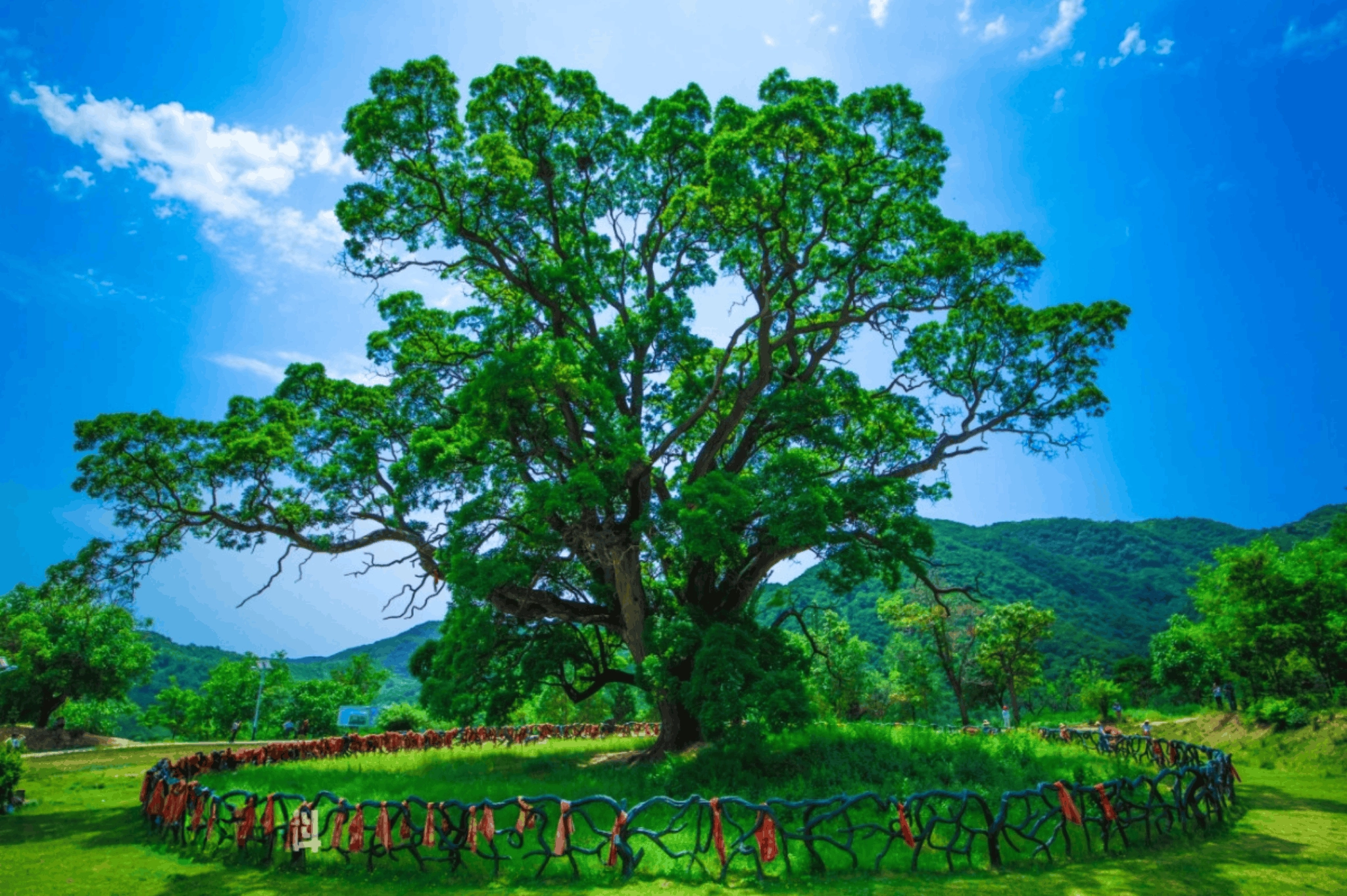
The Chinese scholar tree—known natively as guohuai— is among the most culturally revered trees in East Asia. The specimen rooted in Guanhe village is extraordinary for its sheer longevity: at an estimated 3,200 years of age, it is widely regarded as the elder statesman of its species across the entire nation.
To stand beneath its sprawling canopy is to encounter a living entity that germinated during the Shang and Zhou dynasties, centuries before the birth of Confucius. It has quietly survived every imperial dynasty, war, and political shift in Chinese history. For a tree species deeply interwoven with Chinese identity, having its oldest living representative anchored in a quiet Gansu village is a remarkable point of heritage pride.
It Wears an Official Royal Title
This is far from an anonymous rural tree. It has been formally cataloged and honored in China’s national botanical registers, earning spots on "The Spectacular Ancient Trees in Gansu" and "The List of Hundreds of Ancient Trees in China."
Most notably, it bears the imperial-sounding title: "The King of the Ancient Scholar Trees". In Chinese botanical heritage preservation, such titles are bestowed only after rigorous evaluations of trunk girth, health, canopy spread, cultural significance, and historic age. Among the millions of protected ancient trees across China, this Chongxin scholar tree occupies a place at the very top.
Its Eight Branches Earned It the Name "Eight-Diagram Tree"
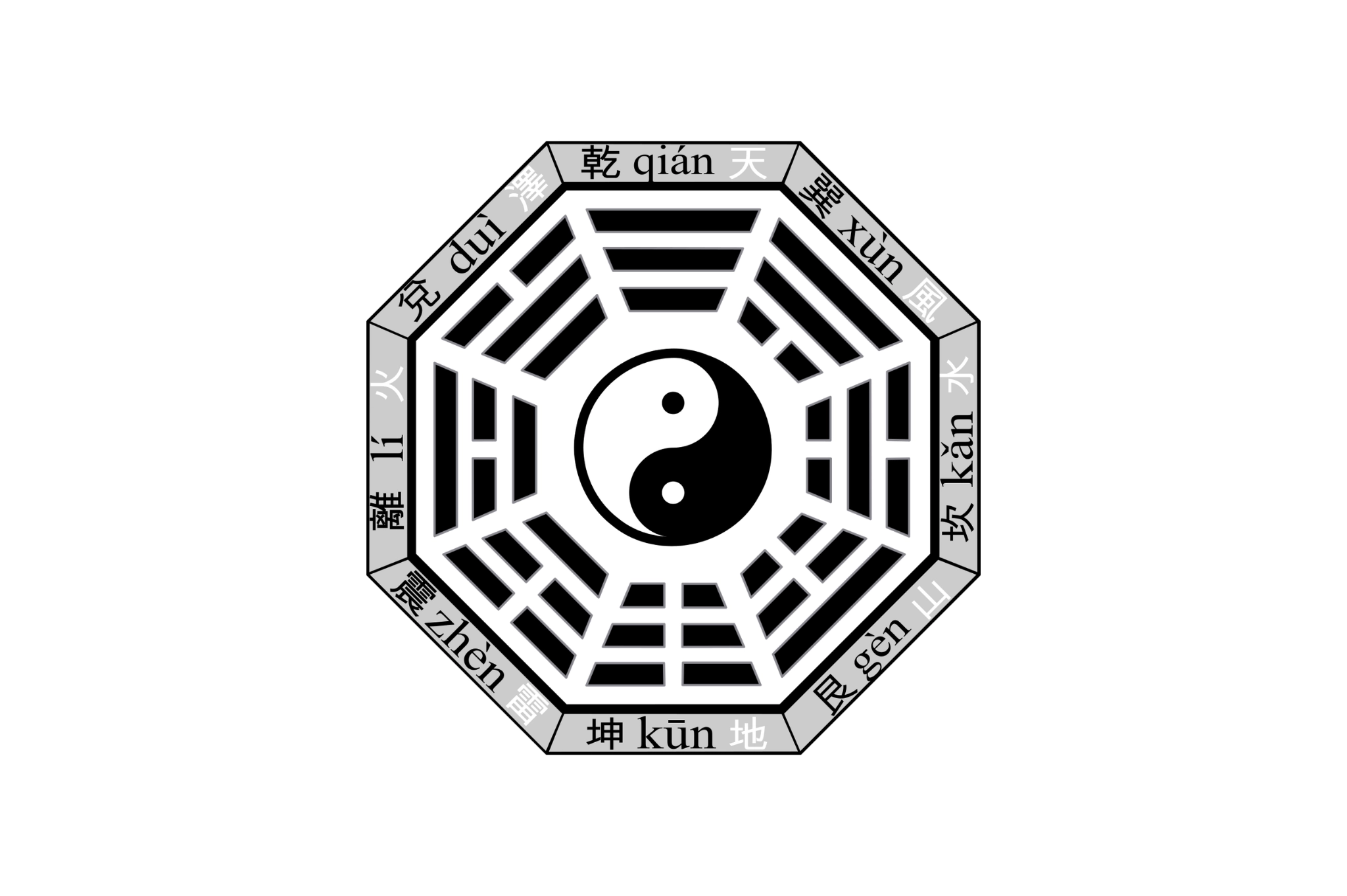
Beyond its age, the physical architecture of the tree is visually breathtaking. Splitting low near the massive main trunk, eight primary branches radiate outward in cardinal directions, forming an expansive dome of deep green foliage.
These eight massive limbs gave rise to its popular secondary name: the "Eight-Diagram Tree" —a direct reference to the bagua (eight trigrams) of the I Ching, foundational to traditional Chinese philosophy and Taoist cosmology. This association is fitting given its geography in eastern Gansu, a region rich in Taoist heritage and home to the sacred peak of Kongtong Mountain. Whether its eightfold growth is a coincidence of nature or the original reason ancient villagers revered it, the shape transforms the tree into a physical emblem of cosmic harmony.
It Is Steeped in a Tang-Dynasty Legend
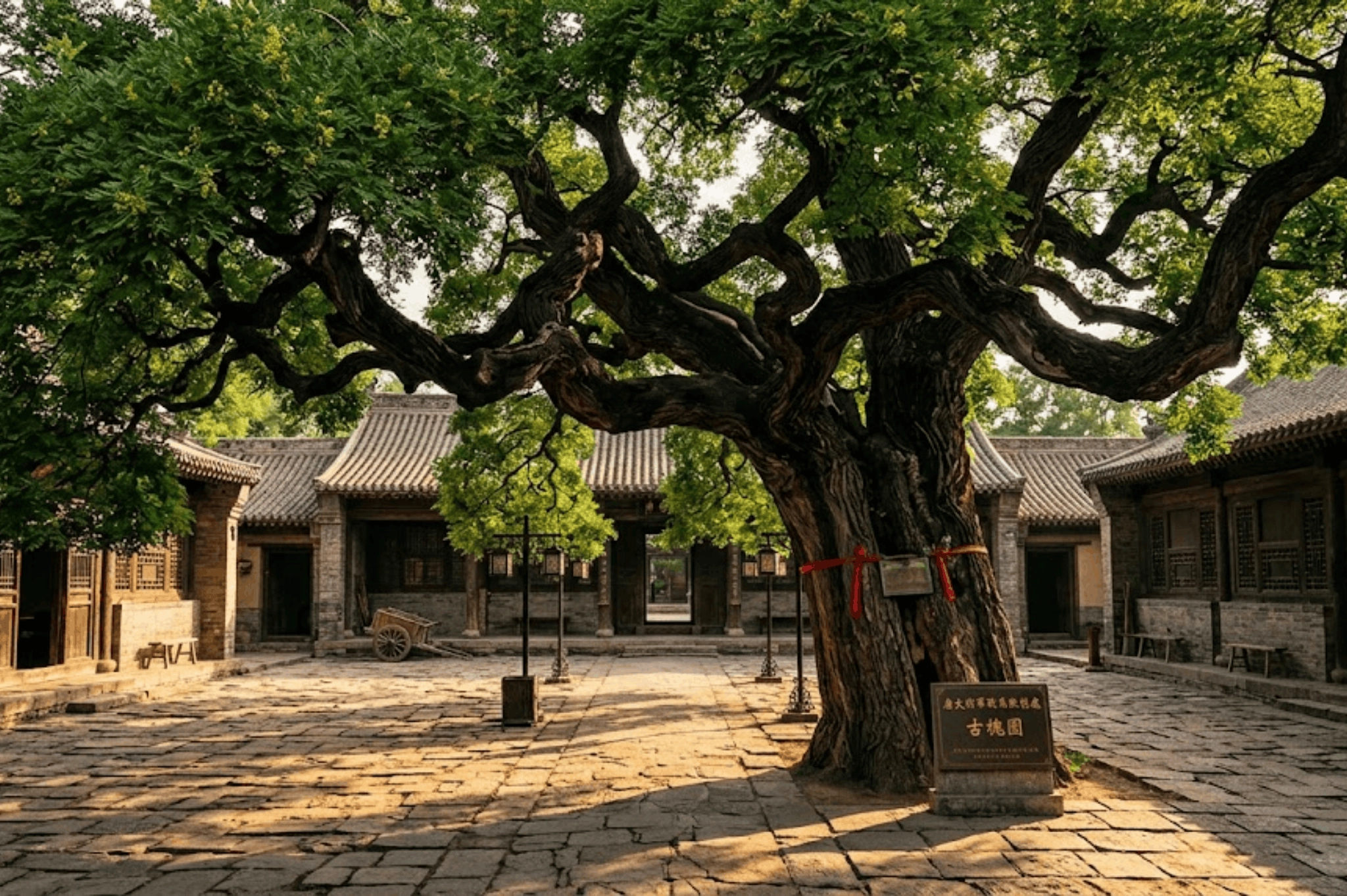
Great old trees naturally collect heroic folklore, and Chongxin's ancient scholar tree is no exception. According to local lore, the famed Tang-dynasty general Yuchi Gong (585–658)—one of Emperor Taizong's chief commanders, later immortalized across Chinese culture as a protective "door god"—once tied his warhorse to this tree while resting during a military expedition.
Whether historically verified or poetic myth, the story weaves the tree into the fabric of Tang military history. It offers travelers a human anchor across time: you come not merely to admire an ancient plant, but to stand in the shade where one of China's classic military figures is said to have paused thirteen centuries ago.
The Scholar Tree Symbolizes Learning, Endurance, and Home
To appreciate why a scholar tree holds such emotional weight, one must understand its place in traditional Chinese culture. Planted for millennia outside imperial courts, ancestral halls, and village entrances, the guohuai became historically tied to scholarship and imperial examinations (often referenced alongside the "Three Scholar Trees" of high state office).
More broadly, old scholar trees serve as enduring symbols of longevity, perseverance, and ancestral homelands. Across Northern China, migration legends (such as the famed Great Scholar Tree of Hongdong) made the species a symbol of family origins. A 3,200-year-old scholar tree is thus a living monument to values cherished across generations.
It Offers a Window Into Gansu's Living Stewardship
While travel heritage often focuses on stone monuments and archaeological artifacts, a tree like this represents living heritage. Its survival required unbroken community stewardship: generations of Guanhe villagers who protected its root system, passed down its stories, and sheltered it through hardships.
Today, the site enjoys formal state protection, reflecting China's modern commitment to preserving heritage trees as irreplaceable ecological monuments. Visiting Guanhe connects travelers to this quiet, rural side of Gansu—patient, deeply rooted, and lush—offering a completely different narrative from the province's Silk Road deserts and dry caves.
It Anchors an Offbeat Cultural Route in Eastern Gansu

The tree provides a compelling reason to explore a region of Gansu that most international itineraries overlook. Chongxin County sits within Pingliang Prefecture in eastern Gansu—a landscape characterized by rolling golden hills, terraced agriculture, and verdant valleys.
Crucially, Chongxin lies within easy reach of Kongtong Mountain, recognized as one of the birthplace peaks of Taoism in China. Combining the "King of Scholar Trees" with Kongtong Mountain creates an exceptional 2-day offbeat cultural itinerary in eastern Gansu, bridging ancient Taoist philosophy, rural folklore, and serene mountain scenery.
How to Visit the Chongxin Ancient Scholar Tree in 2026
- Location: Guanhe Village, Tongcheng Township, Chongxin County, Pingliang Prefecture, Eastern Gansu.
- Getting There: Fly or train into regional hubs (such as Lanzhou or Xi'an), then travel to Pingliang City. From Pingliang, hire a private car or taxi to Guanhe Village (approx. 1.5 hour drive).
- Best Time to Visit: May to October. Late spring and summer showcase a vibrant, lush canopy, while late October turns the leaves a bright golden-yellow.
- Traveler Ethics: The site is an active village heritage zone and a protected natural landmark. Please remain on designated paths and refrain from disturbing the trunk or root system.