
Suzhou is the historic homeland of Su cuisine, one of China’s four main culinary traditions. Locally referred to as Su Bang Cai, this refined style treats every plate like a classical Suzhou garden: it must be perfectly balanced, strictly seasonal, and visually stunning. For the modern traveler, Suzhou’s gastronomy is more than a meal; it is a viral aesthetic and a cultural rite of passage. At Fresh International Travel Service, we believe that to truly experience the "Venice of the East" is to taste its tradition of "Sweetness and Light".
Squirrel-Shaped Mandarin Fish (松鼠魚)
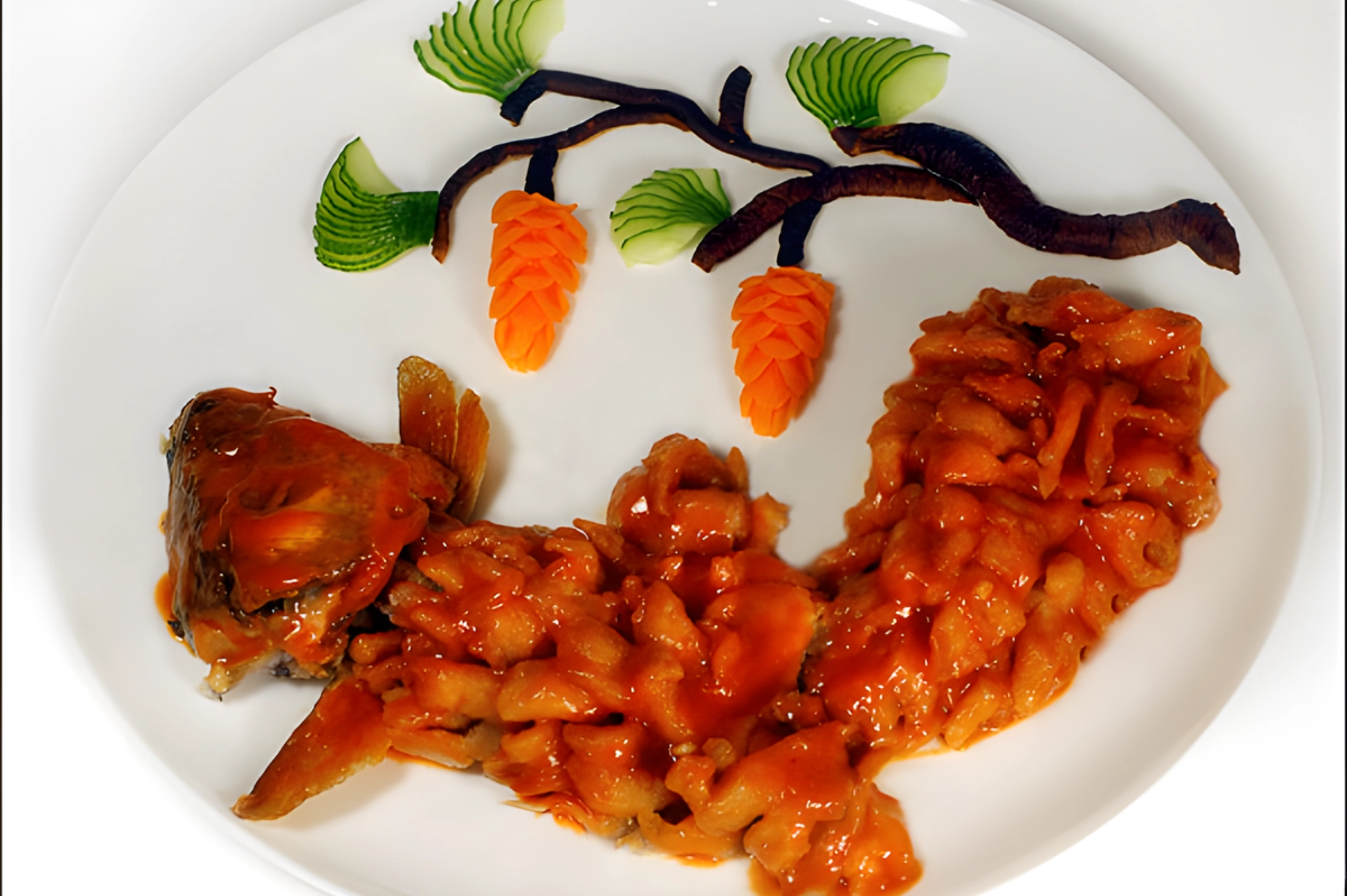
If Suzhou had a royal signature dish, the Squirrel-Shaped Mandarin Fish would hold the crown. This dish is a masterclass in precision: a chef de-bones a fresh mandarin fish and carves the meat into a cross-hatch pattern so intricate that, when deep-fried, the meat flares out like the fur of a squirrel.
- Expert Recommendation: To experience the most authentic version of this dish, we recommend visiting Songhelou (松鹤楼), a legendary establishment with over 250 years of history.
- The Flavor: It is typically served with a vibrant sweet-and-sour sauce, representing the pinnacle of Su Bang Cai's visual artistry.
The Jiugongge Noodle Set (蘇面舘九宮格)
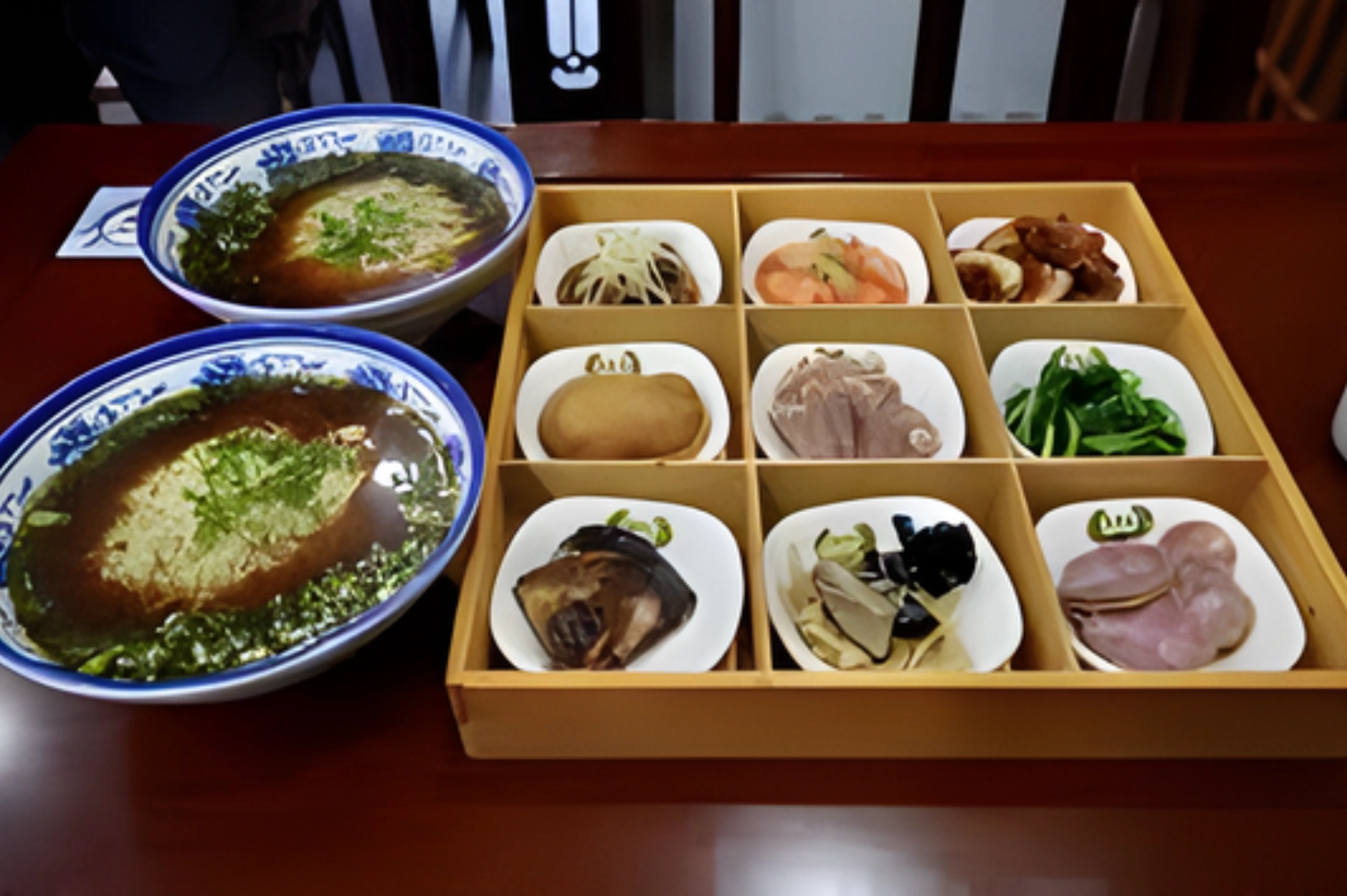
The Jiugongge, or “Nine-Square Grid,” is the ultimate evolution of Suzhou-style noodles. Rather than a single bowl, it is an experience served on a wooden tray with delicate, neatly shaped noodles at the center, accompanied by either a rich red broth or a light, clear soup.
- The Ritual: Diners can sample toppings individually or add them to the noodles, allowing the broth's flavor profile to evolve throughout the meal.
- Where to find it: Zhu Hong Xing (朱鸿兴) is our top pick for travelers seeking that perfect balance of traditional noodle craftsmanship and modern presentation.
The "Three Whites" of Taihu Lake (太湖三白)
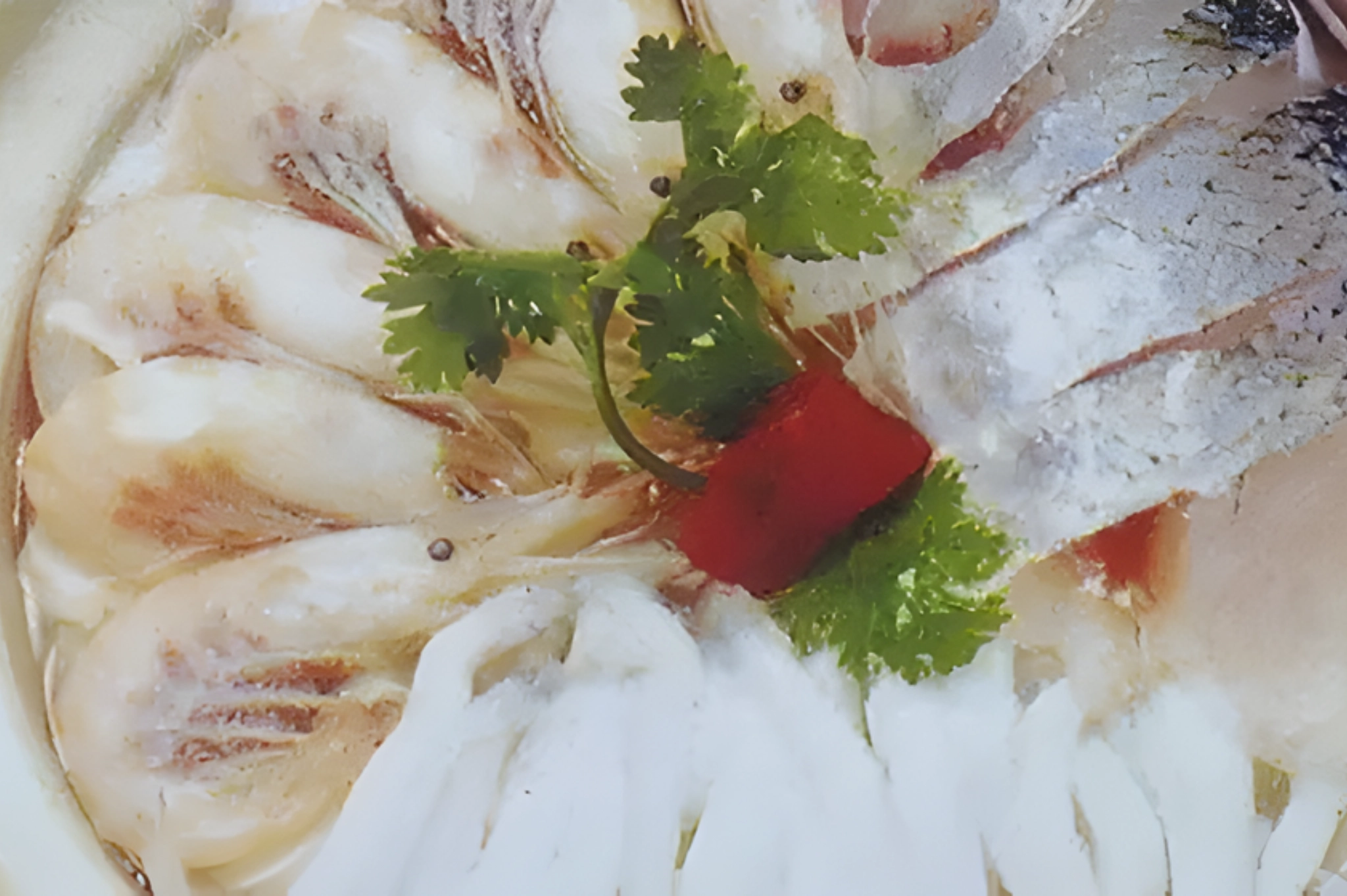
As a city born of water, Suzhou’s soul is found in the "Three Whites" harvested from nearby Taihu Lake: White Fish, White Shrimp, and Silver Fish.
- Seasonal Wisdom: While available year-round, the peak season for the "Three Whites" is Autumn, when the fish are at their most succulent and flavorful.
- Preparation: To preserve their natural sweetness, they are usually steamed with nothing more than a whisper of ginger and scallion.
Pan-Fried Pork Buns (Shengjian bao)
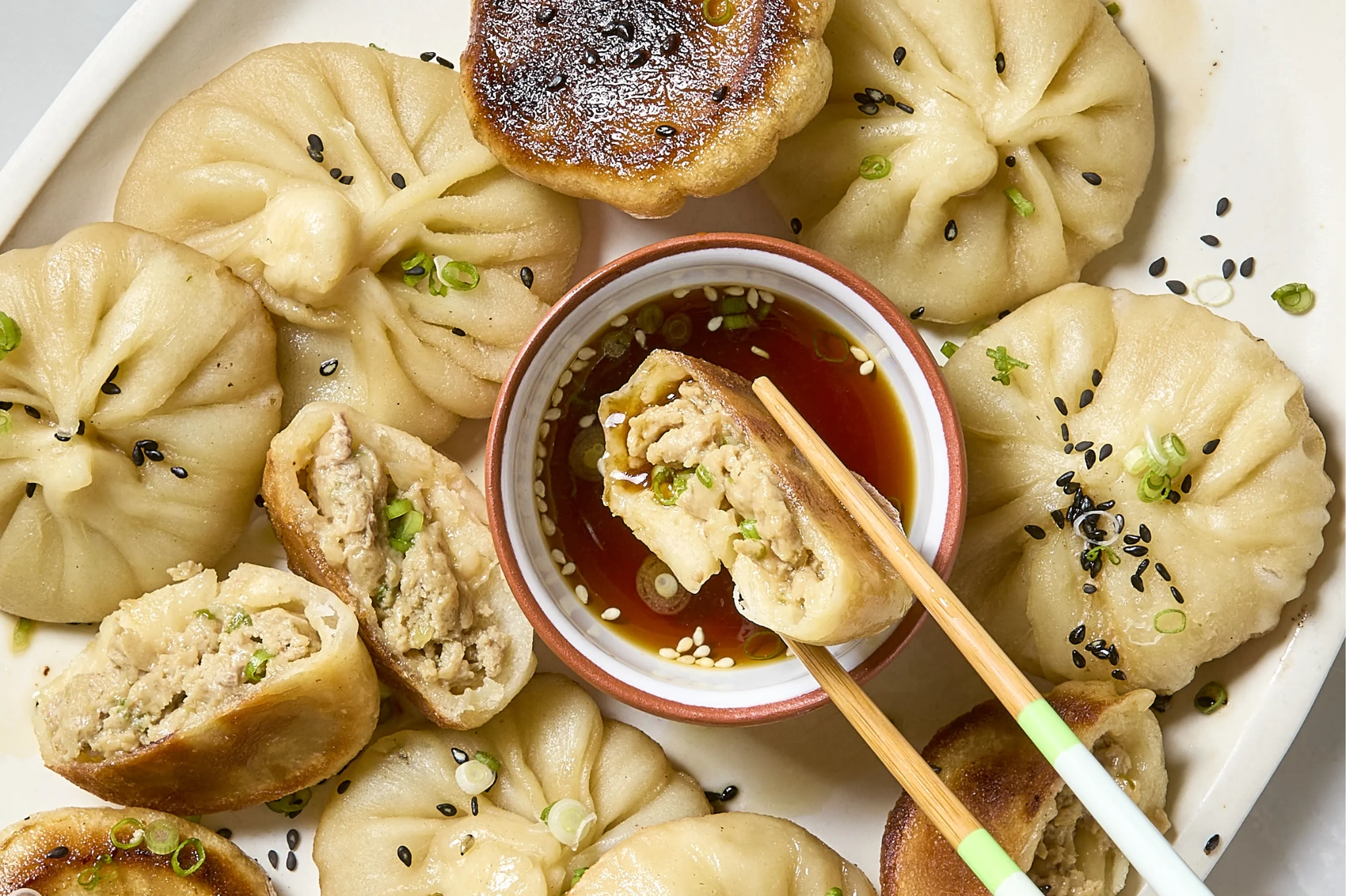
For those wandering the historic stone paths of Pingjiang Road, the Shengjian Mantou is the essential local snack. These pan-fried buns feature a crisp, golden-brown base and a soft, fluffy top.
- The Experience: One bite releases a burst of rich, savory broth and a juicy pork filling.
- Local Secret: Look for the Pin Von (品芳) tea house on Pingjiang Road—a historic gem where you can enjoy these buns paired with local Biluochun tea for an authentic afternoon treat.
FAQ
Q: What makes Suzhou Cuisine (Su Bang Cai) unique?
A: It is defined by the philosophy of "Sweetness and Light," emphasizing seasonal ingredients, refined knife skills, and a visual balance reminiscent of classical gardens.
Q: When is the best time to visit Suzhou for foodies?
A: Autumn is the golden season for Suzhou gastronomy, especially for tasting the "Three Whites" from Taihu Lake and the famous hairy crabs.
Q: Where is the best place to try authentic snacks in Suzhou?
A: Pingjiang Road is the premier destination, offering historic venues like Pin Von for authentic Shengjian Mantou.
Q: What are the must-try seafood dishes in Suzhou?
A: The "Three Whites" (White Fish, White Shrimp, and Silver Fish) are essential for those seeking the purest flavors of the region.