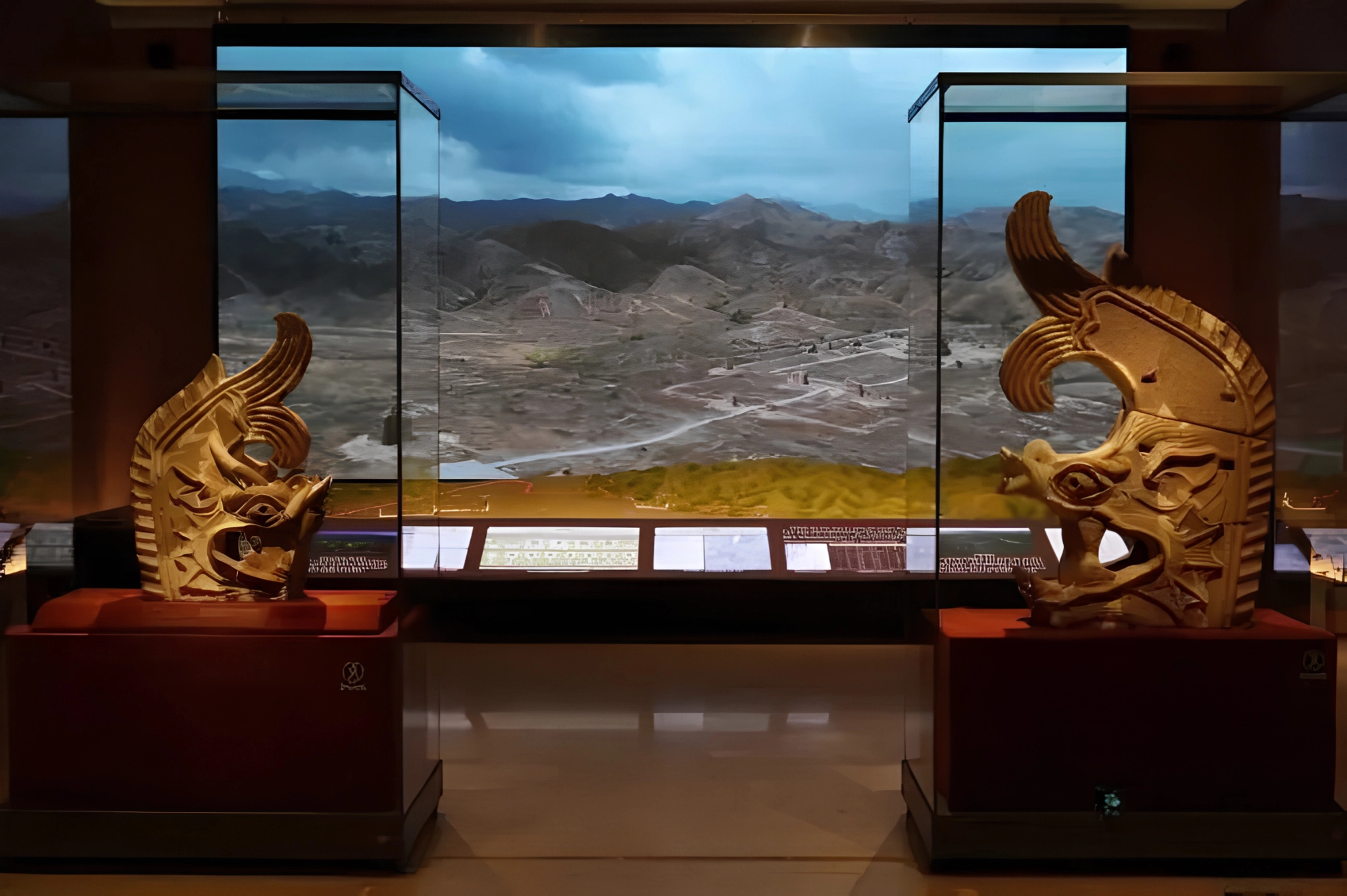
A kingdom the Mongols wiped off the map, its script unread for centuries, and the great earthen mounds the desert left behind — "the Pyramids of the East" — now on show at the Fahai Temple Mural Art Center in Moshikou.
Key Points at a Glance
Western Xia Imperial Tombs exhibition, Beijing
Frequently Asked Questions
Western Xia Imperial Tombs exhibition, Beijing
The Lost Kingdom Genghis Khan Wiped Off the Map: China's Newest World Heritage Site Is on Show in Beijing Until 30 November
The Short Version
| What | Details |
| Exhibition | Discovering Xixia Imperial Tombs: Special Exhibition on the World Heritage Nomination of the Xixia Imperial Tombs |
| Where | Fahai Temple Mural Art Center, Moshikou Historical and Cultural Block, Shijingshan District |
| Until | 30 November 2026 (extended) |
| Subject | The Xixia (Western Xia) dynasty, 1038 to 1227, and its royal tombs in Ningxia |
| Who will love it | History lovers, Silk Road fans, anyone heading to northwest China |
Source: Beijing government English portal, 6 November 2026.
An Empire Most Westerners Have Never Heard Of
Ask a visitor to name China's dynasties and you will hear Ming, Qing, maybe Tang. Almost nobody says Xixia. Yet for nearly two centuries this kingdom controlled a vast stretch of the northwest, around 1.15 million square kilometres at its peak, sitting astride the Silk Roads between Song China, the Khitan Liao and Jurchen Jin to the east and the trade routes to Central Asia in the west.
It was founded in 1038 by the Tangut people, whose roots lay on the Qinghai-Tibet Plateau. The Tanguts built a state with its own Buddhist culture, its own laws and its own writing system. Then, in 1227, it was destroyed by the Mongols in the campaign during which Genghis Khan himself died. The destruction was so thorough that Xixia vanished from most histories, and the Tangut script went unread for centuries.
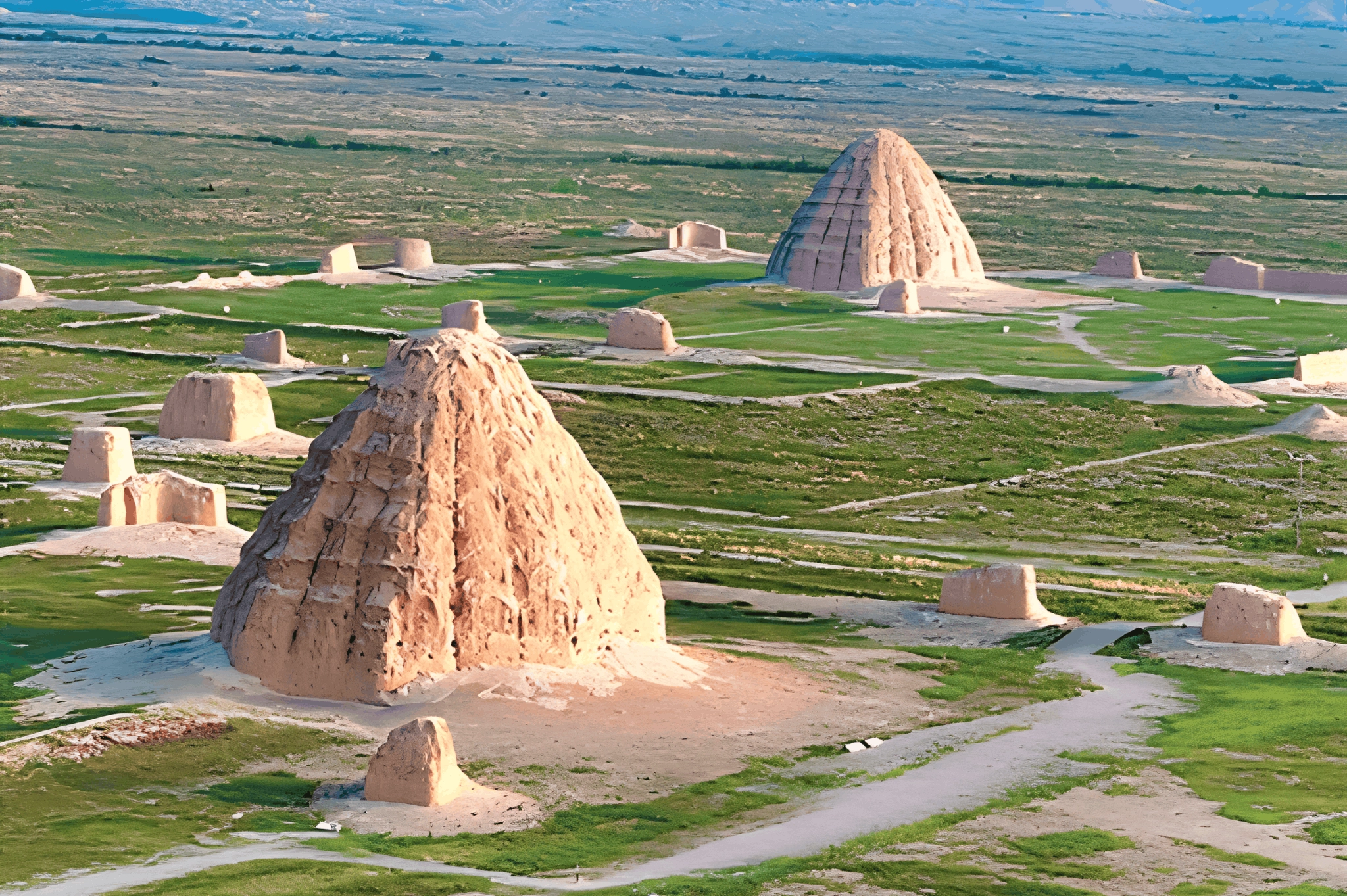
What survived best were the dead. At the foot of the Helan Mountains outside Yinchuan, Ningxia, the Tangut rulers left a royal cemetery that is now one of the most striking archaeological landscapes in China. Its great earthen mounds rising from the desert plain have earned the nickname "the Pyramids of the East."
Why It Made UNESCO
On 11 July 2025, at the 47th session of the World Heritage Committee in Paris, the Xixia Imperial Tombs became China's 60th World Heritage site. The numbers explain why:
| Xixia Imperial Tombs | |
| Imperial mausoleums | 9 |
| Subordinate tombs | 271 |
| Flood-control works | 32 |
| Northern architectural complex | 5.03 hectares |
| Property area | 3,899 hectares |
| Artifacts excavated in ~50 years | 7,100+ |
UNESCO's reasoning comes down to fusion. The Tanguts did not originally build tombs. They borrowed the idea from the Tang and Song, laid out their mausoleums with Central Plains axial symmetry, and then did something of their own: key structures sit on a deliberately skewed line, and Buddhist belief and local customs are woven into the design. It is a physical record of how nomadic, Tibetan and Han Chinese cultures met on the Silk Roads in the 11th to 13th centuries.
What You Will See in Beijing
The exhibition traces three threads: how the site won its World Heritage listing, how Xixia culture developed, and the legacy of exchange between ethnic cultures. The Beijing government notes it is aimed at a more specialised audience and has drawn many heritage enthusiasts, which is why it has been extended.
Honest note: the announcement does not list individual objects, opening hours or ticket prices. Treat this as a focused, interpretive show rather than a blockbuster treasure hall, and check details before you travel out.
Make It a Half-Day in Moshikou
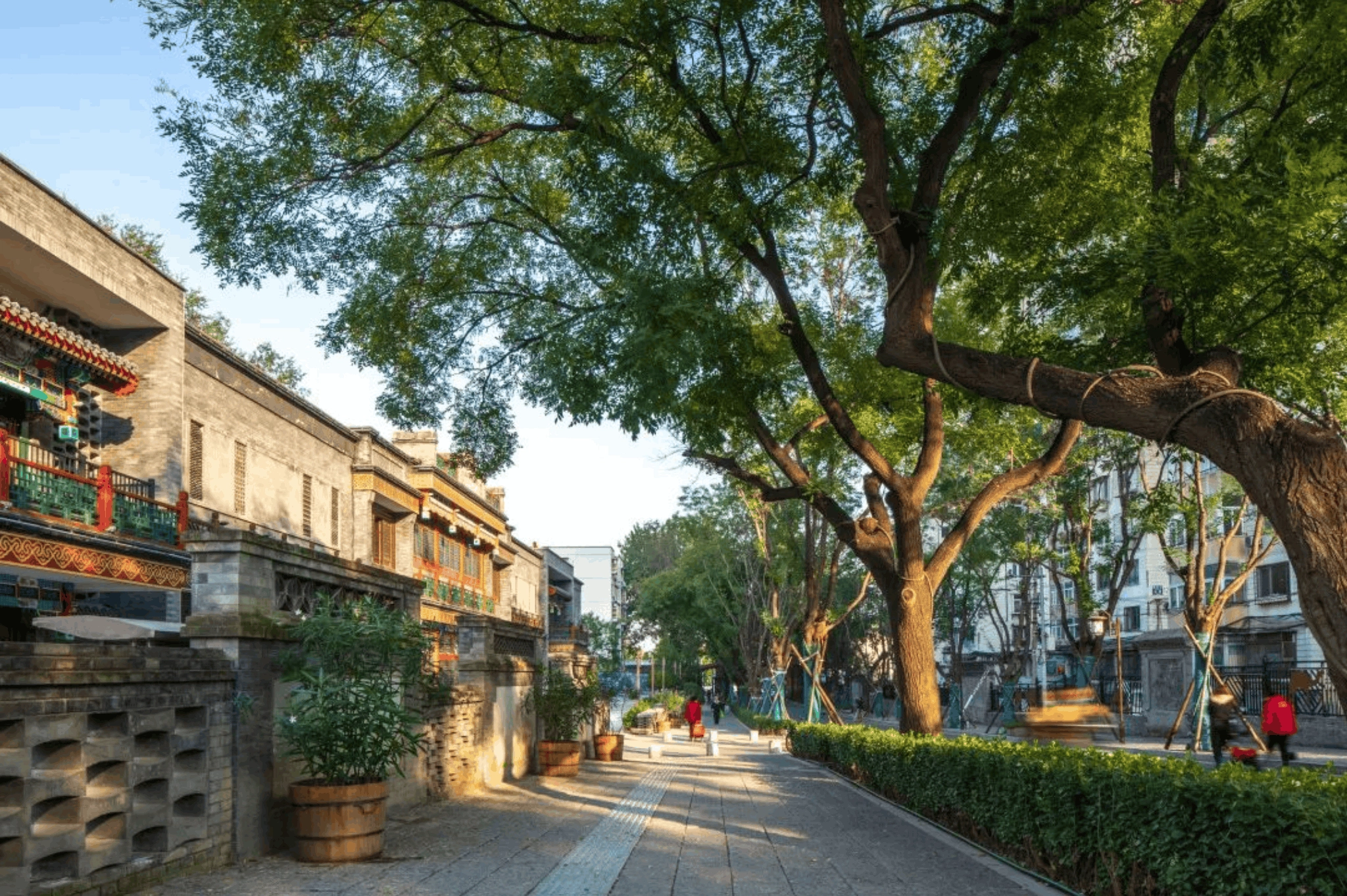
The venue is the reason to go even if you are only half-interested in the Tanguts. The Fahai Temple Mural Art Center sits in Moshikou, an old camel-caravan stop in western Beijing, and is the visitor centre for Fahai Temple, whose Ming dynasty murals (1440s) are among the finest in China. Pair the Xixia show with:
- The murals themselves, either the digital halls at the art center or the real temple up the hill. See our guide, Fahai Temple's Ming Murals by Flashlight.
- The Moshikou old street, a short walk away, for a snack and a look at the restored caravan-town lanes.
Planning a Trip to the Real Thing?
The tombs are near Yinchuan, capital of Ningxia, in northwest China. If the exhibition hooks you, a Beijing plus Ningxia itinerary (desert, Helan Mountain rock art and the "Pyramids of the East") is one of the most unusual China trips you can take. Ask Fresh International Travel to build one for you.