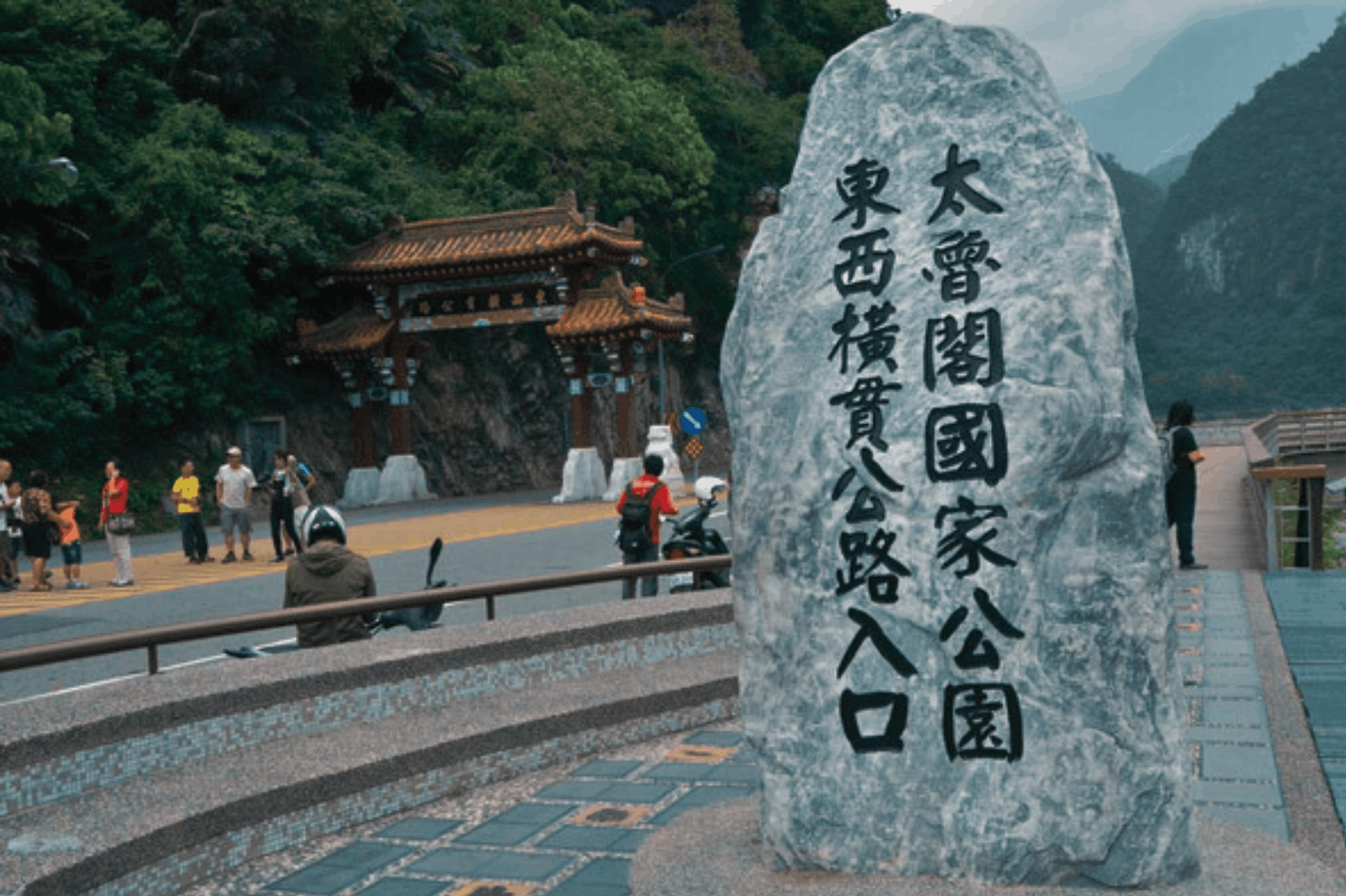
For decades, Taroko National Park (太魯閣國家公園) has stood as the "Crown Jewel of Taiwan." Famous for its colossal marble cliffs, deep canyons, and the turquoise waters of the Liwu River, it is a destination that consistently tops the bucket lists of Western travelers.
In 2026, the park is in a significant period of restoration and rebirth following the major 2024 earthquake. While the landscape has been reshaped, the sheer majesty of the "Marble Gorge" remains. This guide provides the most up-to-date information for visiting safely and making the most of your journey into Taiwan’s wild heart.
Current Status: Visiting Taroko in 2026
As of March 2026, Taroko National Park is operating under a phased reopening system. Large sections of the gorge are accessible, but travel requires careful planning due to scheduled road release windows and ongoing slope stabilization.
What’s Open? (Accessible Areas)
- Taroko Terrace & Visitor Center: The best place to start. The museum and the Dekalun Trail (a steep but rewarding climb) are fully open.
- Tianxiang Recreation Area: Located deep in the gorge, this hub is open and offers stunning views of the Xiangde Temple and its pagoda perched on the cliffside.
- Lushui Area: Partially reopened. You can walk the first ~250m of the Lushui Trail for a safe glimpse of the river far below.
- Chongde & Qingshui Cliffs: The coastal section of the park is open, offering the famous view of marble cliffs plunging straight into the Pacific.
Long-Term Restorations (Currently Closed)
Due to the scale of the 2024 seismic shifts, several iconic trails are undergoing extensive engineering for safety:
- Zhuilu Old Trail: Closed until further notice (estimated reopening post-2027).
- Swallow Grotto (Yanzikou) & Shakadang Trail: These riverside paths are currently off-limits to pedestrians due to high rockfall risk.
- Eternal Spring Shrine (Changchun): Viewable from the road, but the trail remains closed for reconstruction.
2026 Visitor Essentials: Logistics & Safety
Travel through the gorge is currently managed via Provincial Highway 8. Entry and exit are restricted to specific time slots to allow for safe construction work.
| Feature | Details |
|---|---|
| Road Release Windows | Typically 5 times daily (e.g., 07:00, 10:00, 12:00, 15:00, 17:00). Check the for today's exact times. |
| Admission | Free (No park entry fee, though some high-mountain trails require permits). |
| Best Transport | Hired Private Driver: Highly recommended in 2026 to navigate the traffic windows and safe parking zones. |
| Night Closures | The road through the gorge is usually fully closed from 18:00 to 07:00. |
How to Explore Taroko Safely in 2026
- Check the Weather: Avoid the park during and immediately after heavy rain. Post-earthquake soil is loose, and rain significantly increases the risk of rockfalls.
- Follow the Signs: Never bypass "Closed" signs. The park monitors for seismic activity and will close trails instantly if a risk is detected.
- Start Early: To beat the traffic windows and enjoy the morning light, aim to enter the park at the 07:00 AM road release.
- Stay in Xincheng or Hualien: These towns offer easy access to the park entrance and have the most reliable transport links.
Must-See Alternatives Nearby
If your favorite trail is closed, Hualien offers incredible alternatives that capture the same spirit of adventure:
- Qixingtan Beach: A stunning crescent bay with gray pebbles and a panoramic view of the mountains meeting the sea.
- Taroko Community Markets: Visit local Truku indigenous markets near the park entrance for handmade crafts and wild boar snacks.
- Hehuanshan: If you have a car, drive further up the highway to reach the high-altitude alpine grasslands for world-class hiking that is unaffected by the gorge's closures.