
5 Jaw-Dropping Secrets of the Gobi: Mongolia's Dinosaur Desert
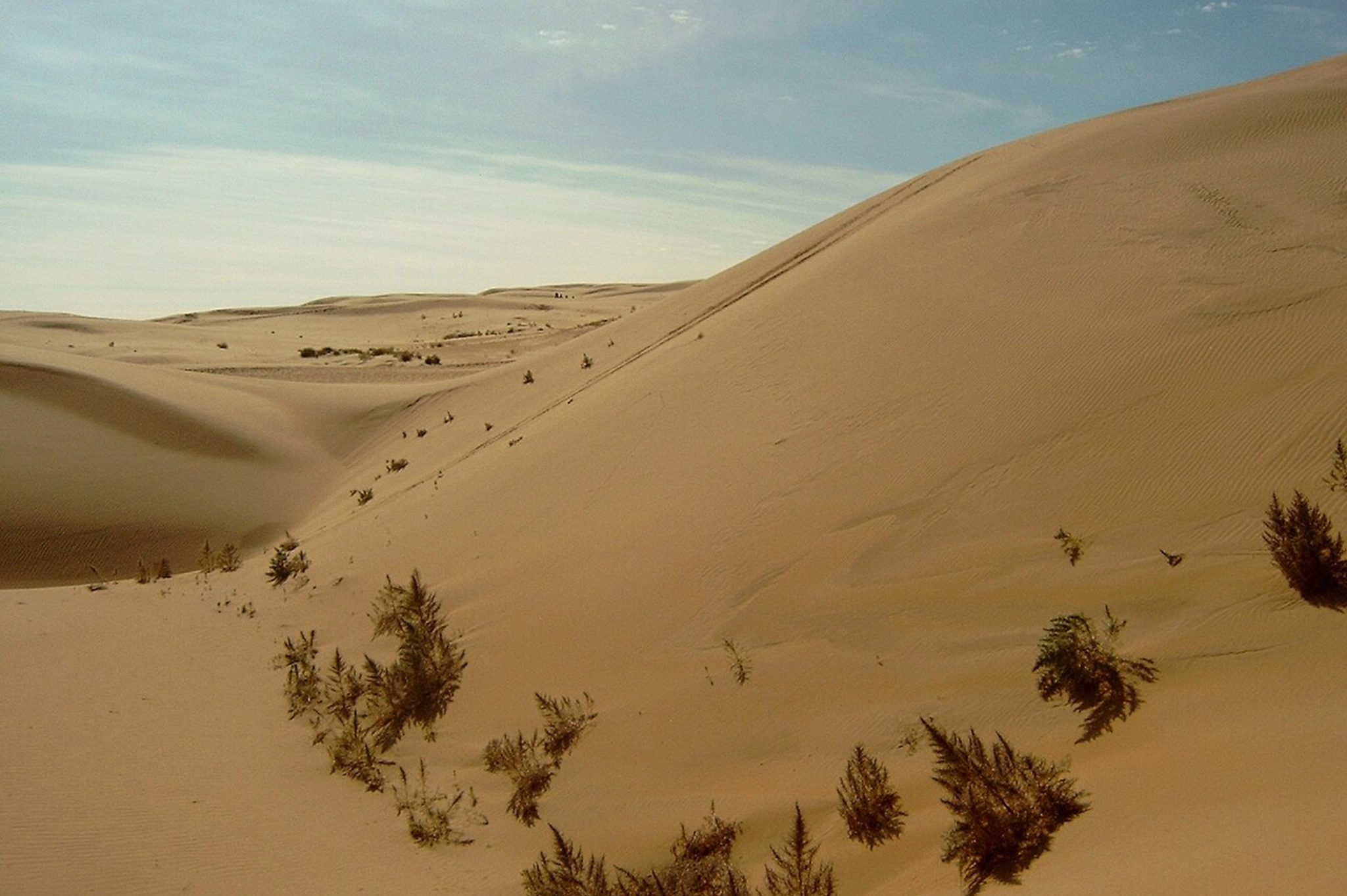
Most people picture the Gobi as an empty sea of sand. The reality is far stranger — and far more exciting. Mongolia's great southern desert is a land of flaming red cliffs stuffed with dinosaur bones, sand dunes that sing, ice canyons that survive the summer, and camels with two humps. Around 70–80% of travelers to Mongolia make the Gobi part of their trip, and once you know its secrets, you'll understand why.
Here are five reasons the Gobi Desert deserves a place on your travel list — and how to experience each one.
The Flaming Cliffs: Where the World First Saw a Dinosaur Egg
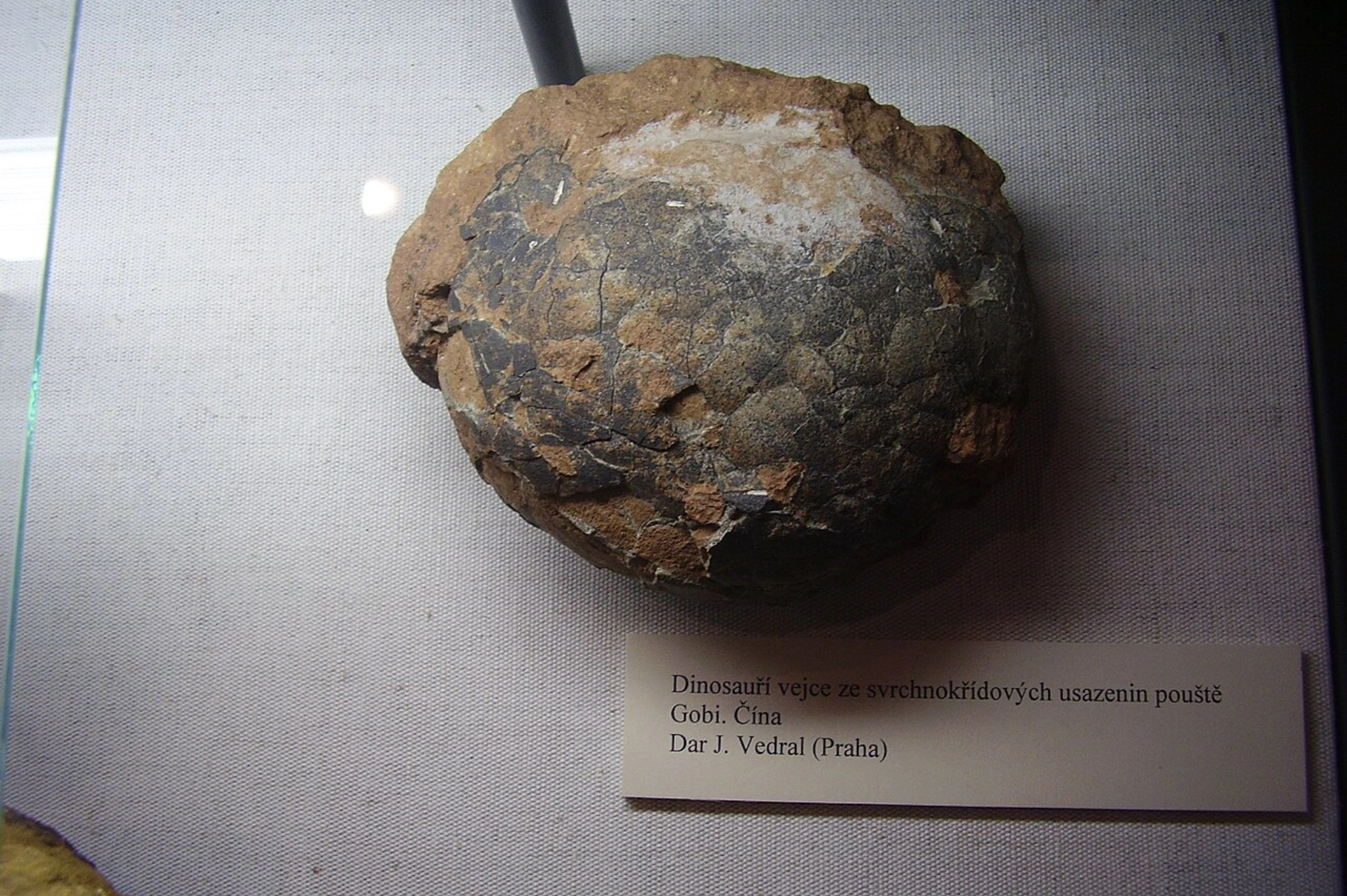
In 1923, an American expedition led by explorer Roy Chapman Andrews — often cited as an inspiration for Indiana Jones — made a discovery at a place the Mongols call Bayanzag that changed science forever: the world's first scientifically recognized nest of fossilized dinosaur eggs. Until that moment, no one knew for certain how dinosaurs reproduced.
Andrews named the site the Flaming Cliffs for the way its red sandstone burns orange and crimson at sunset. A century later, the cliffs remain one of the richest fossil beds on the planet. Velociraptor — yes, the raptor of Jurassic Park fame — was first discovered here, along with Protoceratops, Oviraptor, and dozens of other species.
Travel tip: Arrive an hour before sunset. The color show on the cliffs is the Gobi's single most photographed moment.
A Desert Full of T. rex's Asian Cousin
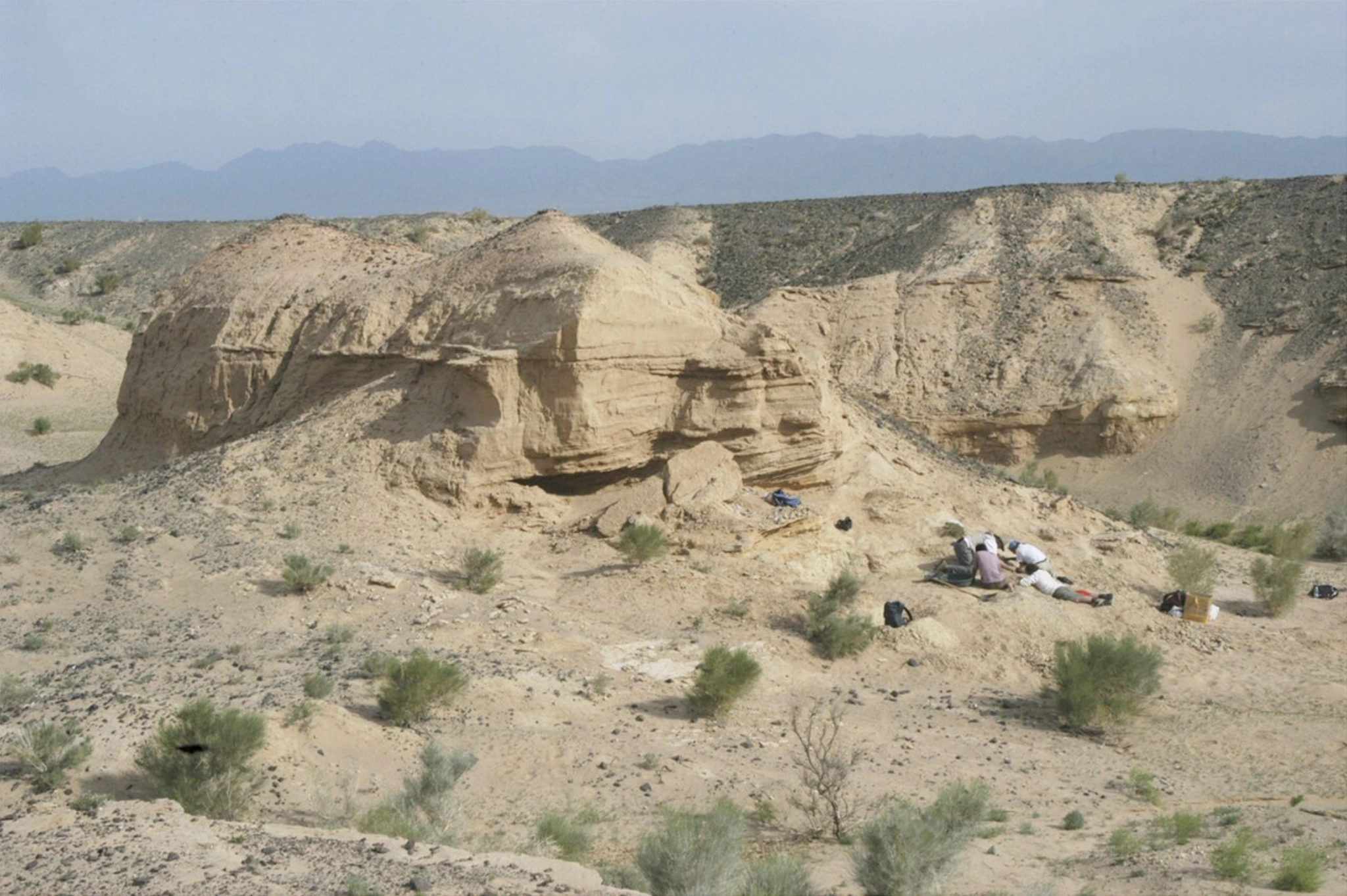
The Gobi's Nemegt Basin is the kingdom of Tarbosaurus bataar, a fearsome predator closely related to Tyrannosaurus rex that reached lengths of 10–12 metres. Complete skeletons have been unearthed here, along with dinosaur mummies preserving skin impressions and, famously, the "Fighting Dinosaurs" — a Velociraptor and Protoceratops fossilized mid-combat, buried together by a collapsing dune around 80 million years ago.
You can see many of these treasures at the Central Museum of Mongolian Dinosaurs in Ulaanbaatar, including a magnificent Tarbosaurus skeleton repatriated from the United States after a high-profile smuggling case. Visit the museum before your Gobi trip — the fossils mean far more once you're standing in the badlands where they were found.
Travel tip: Fossil hunting is strictly regulated. Look and photograph as much as you like, but collecting fossils is illegal — everything belongs to Mongolia's national heritage.
The Dunes That Sing
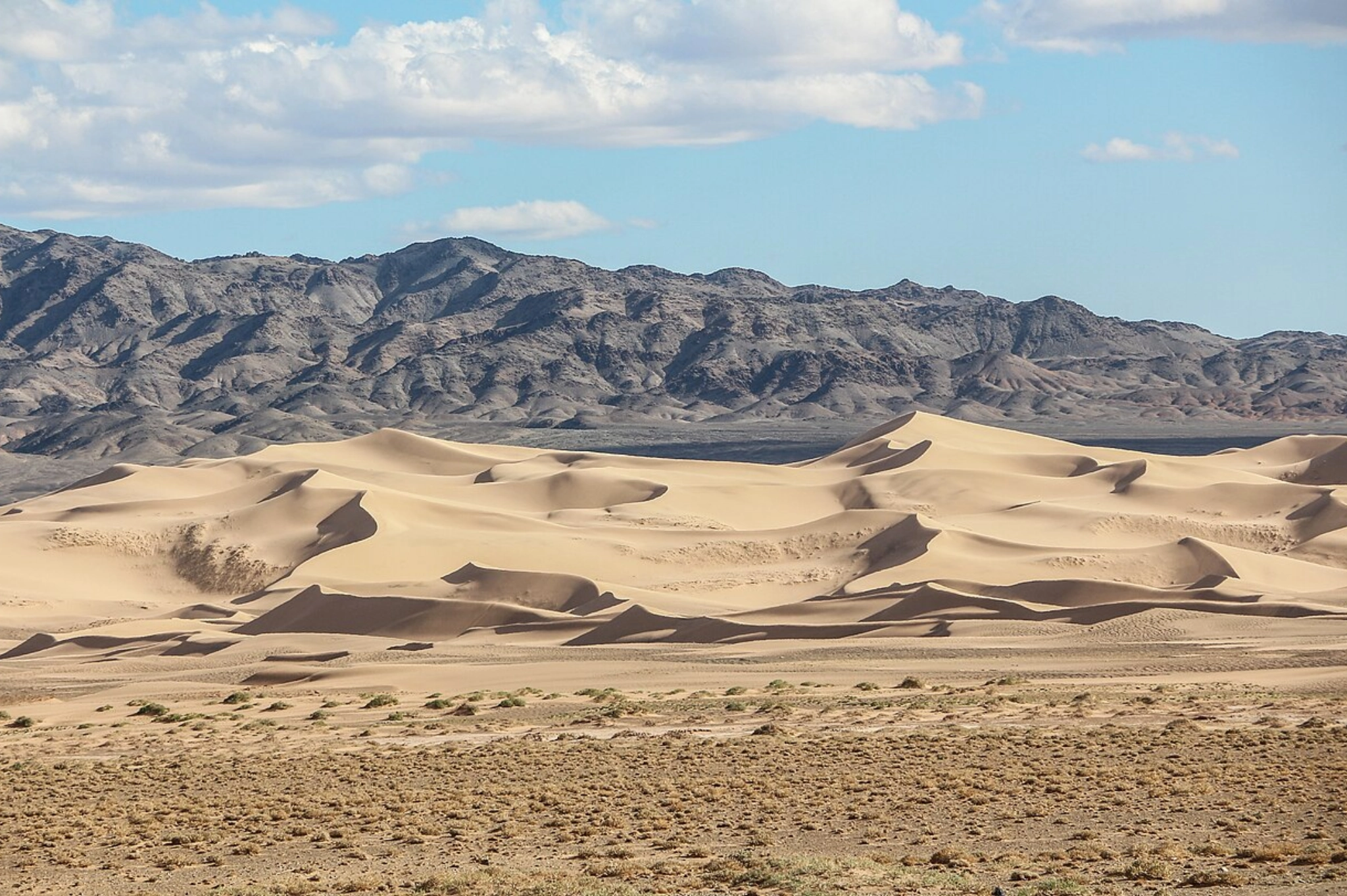
The Khongoryn Els, or "Singing Dunes," stretch for roughly 100 kilometres along the northern edge of the Gobi Altai mountains, with crests rising up to 300 metres — some of the tallest dunes in Mongolia. When the wind moves the sand, or when you slide down a steep face, the dunes emit a deep humming tune that locals compare to the sound of an airplane. The phenomenon comes from millions of dry sand grains shearing against each other in unison.
Climbing the highest ridge takes a sweaty hour — two steps up, one slide back — but the reward is a view of gold dunes, green river valley, and purple mountains in a single panorama, best at sunrise or sunset.
Travel tip: Many camps nearby offer sunset camel rides along the dune base on two-humped Bactrian camels, the Gobi's iconic (and endearingly shaggy) native breed.
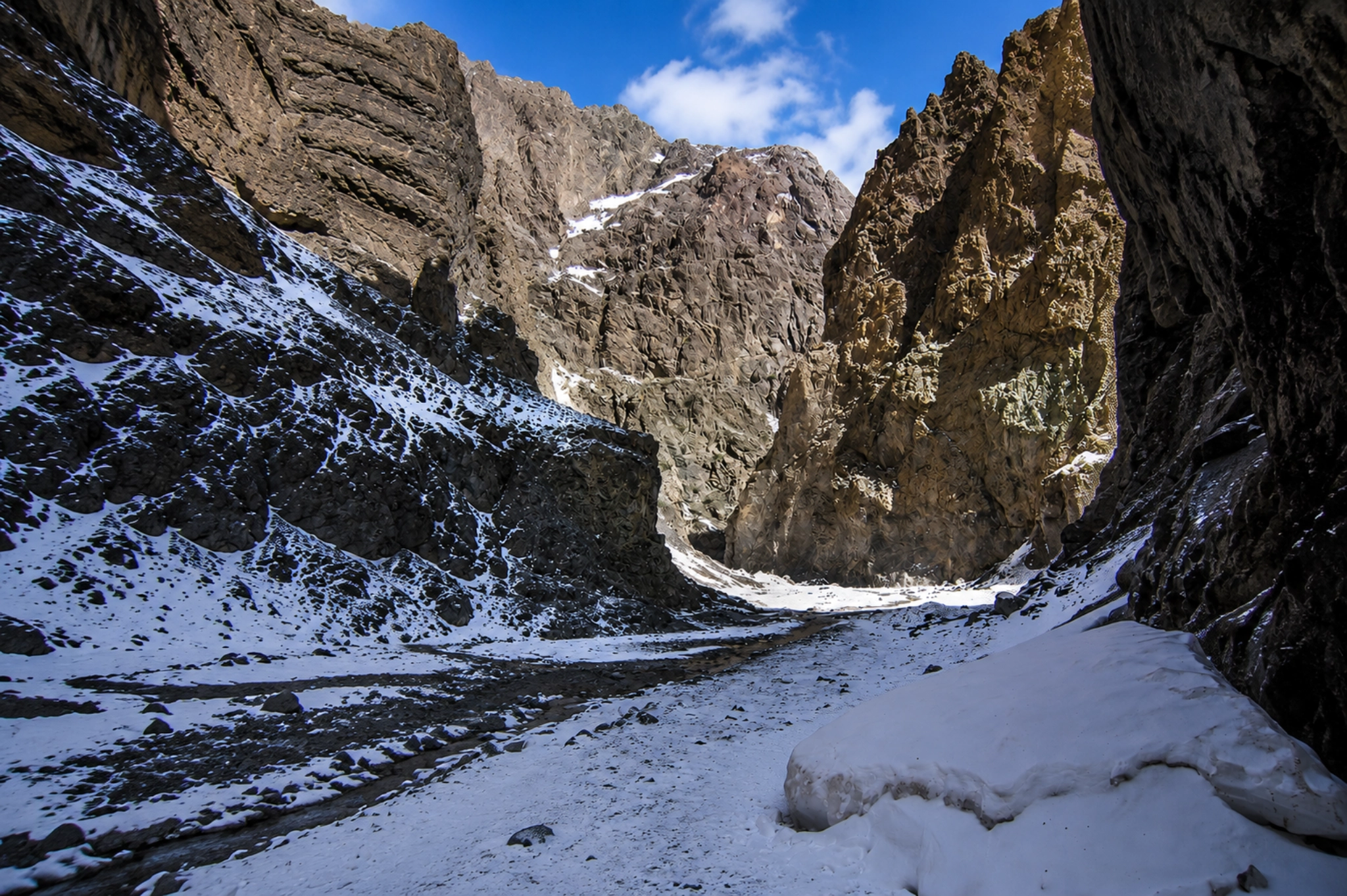
An Ice Canyon in the Middle of a Desert
The Gobi holds one of travel's great surprises: Yolyn Am, the "Vulture's Gorge," a deep, shaded canyon in the Gurvan Saikhan mountains where a field of ice lingers deep into summer — sometimes metres thick while the desert outside bakes at 30°C. Walking the gorge floor, you may spot ibex on the cliffs, pikas darting between rocks, and the huge bearded vultures that give the valley its name.
It's also a reminder of the Gobi's wild extremes: this is a desert where summer highs can top 40°C and winter lows plunge below -30°C — one of the harshest climate ranges on Earth, and yet nomadic herder families have thrived here for millennia.
Travel tip: The ice field is most impressive May–July. Bring a warm layer even in midsummer — the canyon stays cool all day.
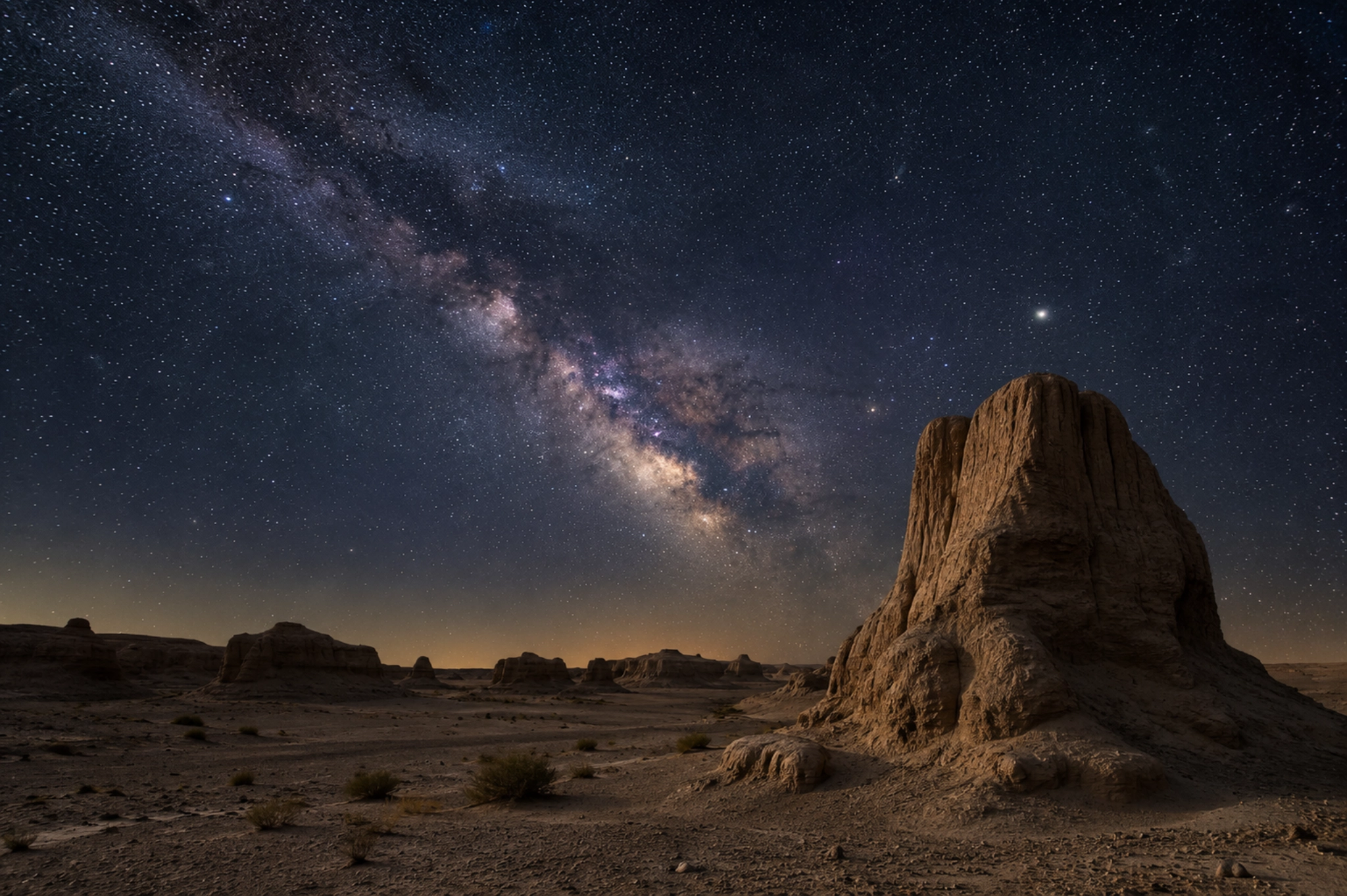
Nights That Belong to the Stars — and the Nomads
The Gobi has almost zero light pollution. On a clear night, the Milky Way arches from horizon to horizon so vividly that first-time visitors often say it's the best sky they've ever seen. Most travelers stay in tourist ger camps — circular felt tents with proper beds and wood stoves — or with herding families who keep camels, goats, and horses across these vast rangelands.
Staying with nomads is the soul of any Gobi journey. You'll taste airag (fermented mare's milk) or camel-milk products, help herd animals at dusk if you like, and experience a hospitality culture where a guest is never turned away — a rule of the steppe older than Genghis Khan himself.
Travel tip: Even a one-night family stay transforms the trip. Bring small useful gifts (good tea, fruit, school supplies) rather than money or candy.
How to Plan Your Gobi Adventure
Classic route
Most travelers do a 5–8 day loop from Ulaanbaatar (or fly to Dalanzadgad to save a day) covering Yol Valley → Khongor dunes → Flaming Cliffs, staying in ger camps along the way.
Best time to go
May–June and September–October offer mild temperatures and clear skies. July–August is warmest and busiest; combine it with Naadam for a full Mongolian summer. October pairs beautifully with the Golden Eagle Festival in western Mongolia.
Getting around
Distances are huge and roads are mostly dirt tracks — a 4x4 with an experienced local driver is essential. Guided tours handle all logistics, meals, and family visits.
What to pack
Sun protection, dust-proof bags for cameras, warm layers for cold nights, and a headlamp for ger camps.