Shanghai vs. Taiwan Xiaolongbao: Soup Dumpling Showdown

Shanghai vs. Taiwan Xiaolongbao: Soup Dumpling Showdown

Shanghai · Taiwan Shanghai vs. Taiwan Xiaolongbao Soup Dumpling Showdown

You lift it gently with chopsticks. The thin skin sags under the weight of hot broth inside. One careless bite and the soup is on your shirt. One careful bite, and it is the best mouthful of your trip.

Xiaolongbao, the soup dumpling, was born in a small town outside Shanghai in the 19th century. Today, most people outside Asia know it through a restaurant chain founded in Taipei. The dumpling is the same idea in both places, but the details differ, and those details are worth flying for.
xiaolongbao, soup dumpling

What Is Xiaolongbao?

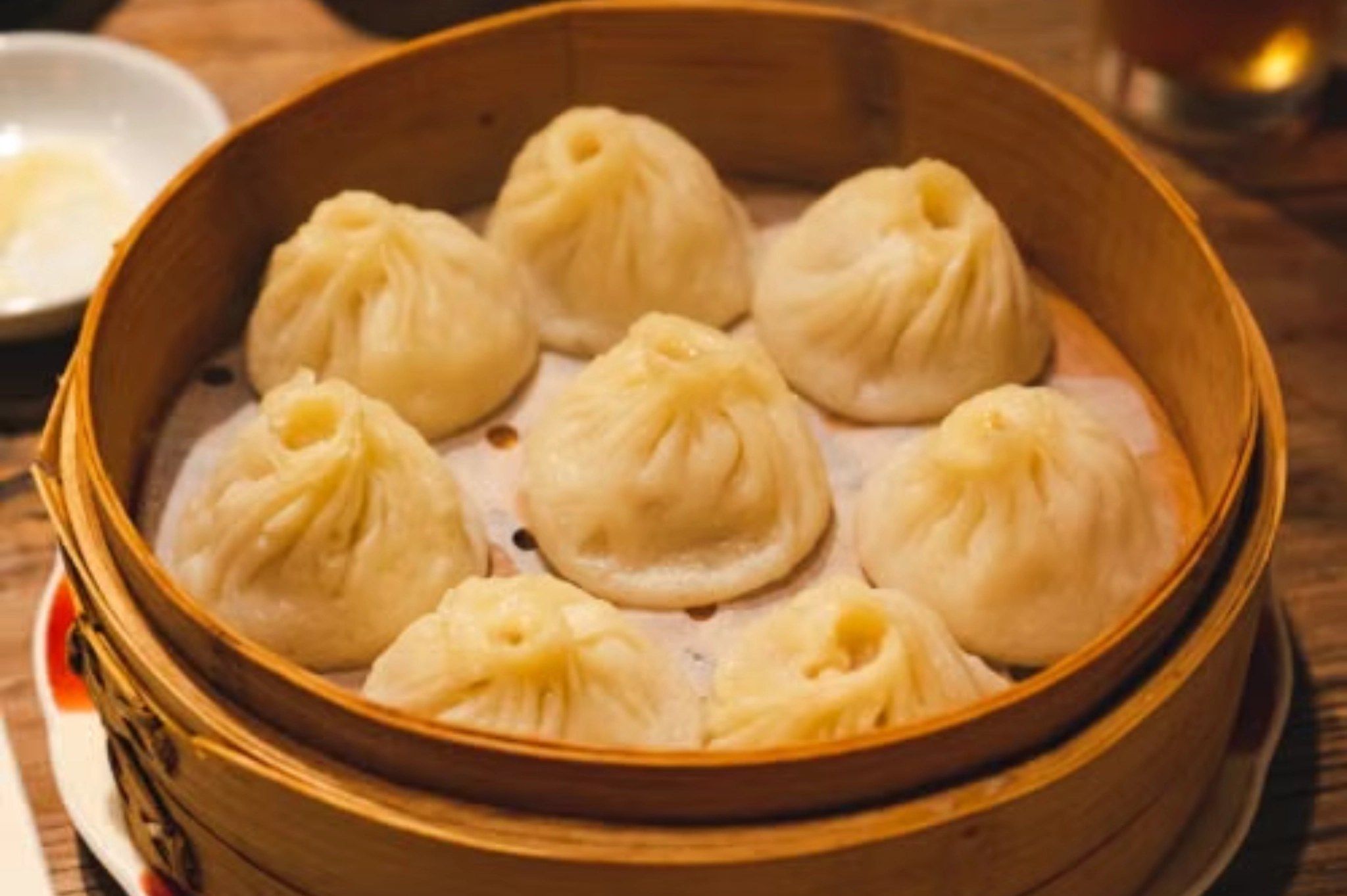
Xiaolongbao means "little basket bun," named for the bamboo steamer baskets it is cooked and served in. Each dumpling holds minced pork and a cube of rich, jellied stock called aspic. When the dumpling steams, the aspic melts into soup, sealed inside a pleated wrapper.

The fold pattern on top is not decoration. It seals the dumpling and shows the skill of the cook.
nanxiang, shanghai. nanxiang shanghai

Where It Began: Nanxiang, Shanghai

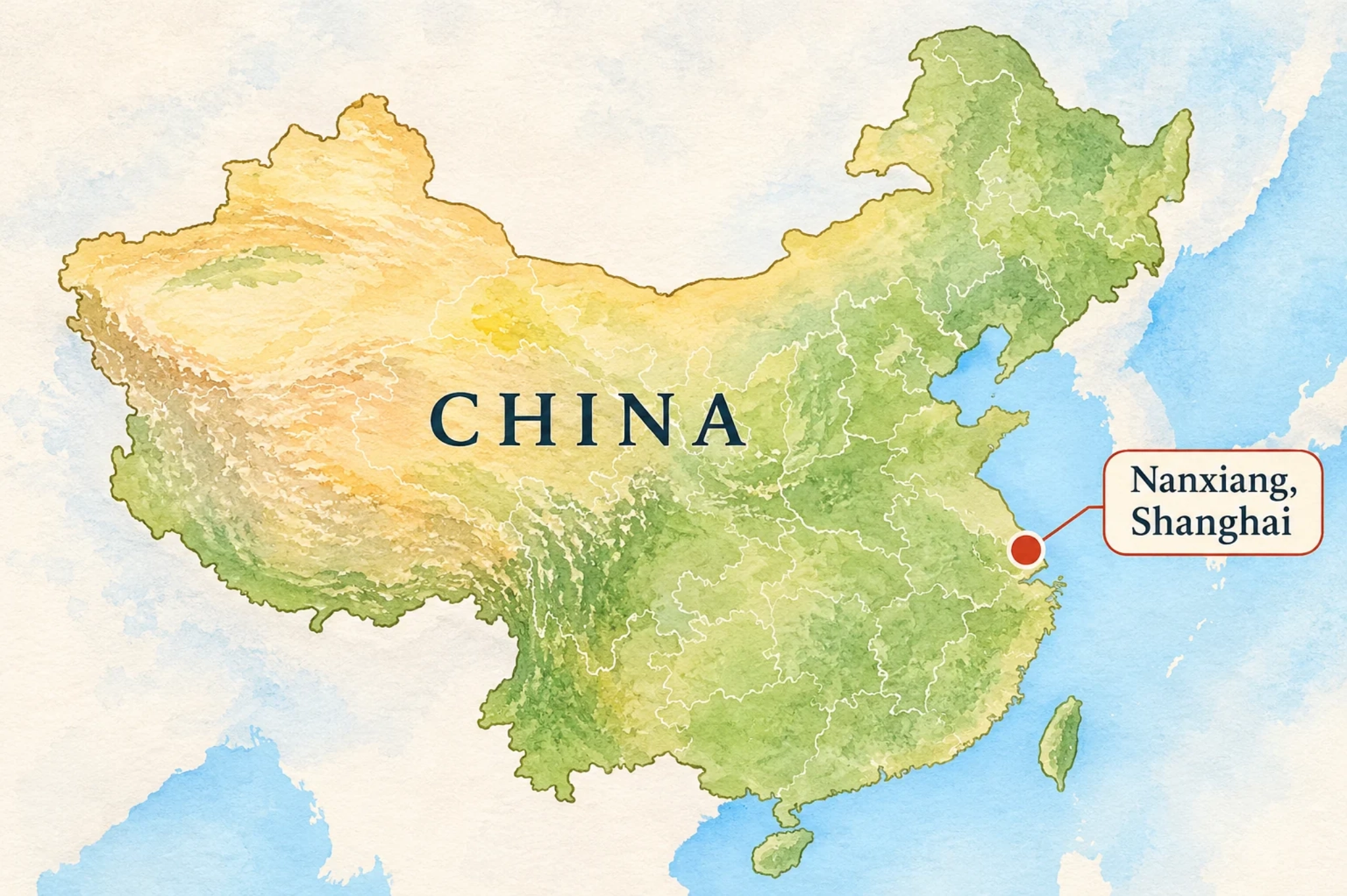
The most widely told origin story places xiaolongbao in Nanxiang, a historic town in Shanghai's Jiading district. Around 1871, a dim sum seller named Huang Mingxian is said to have made his buns smaller, with thinner skins and more filling, to beat competition from nearby shops. The result became known as the Nanxiang steamed bun.

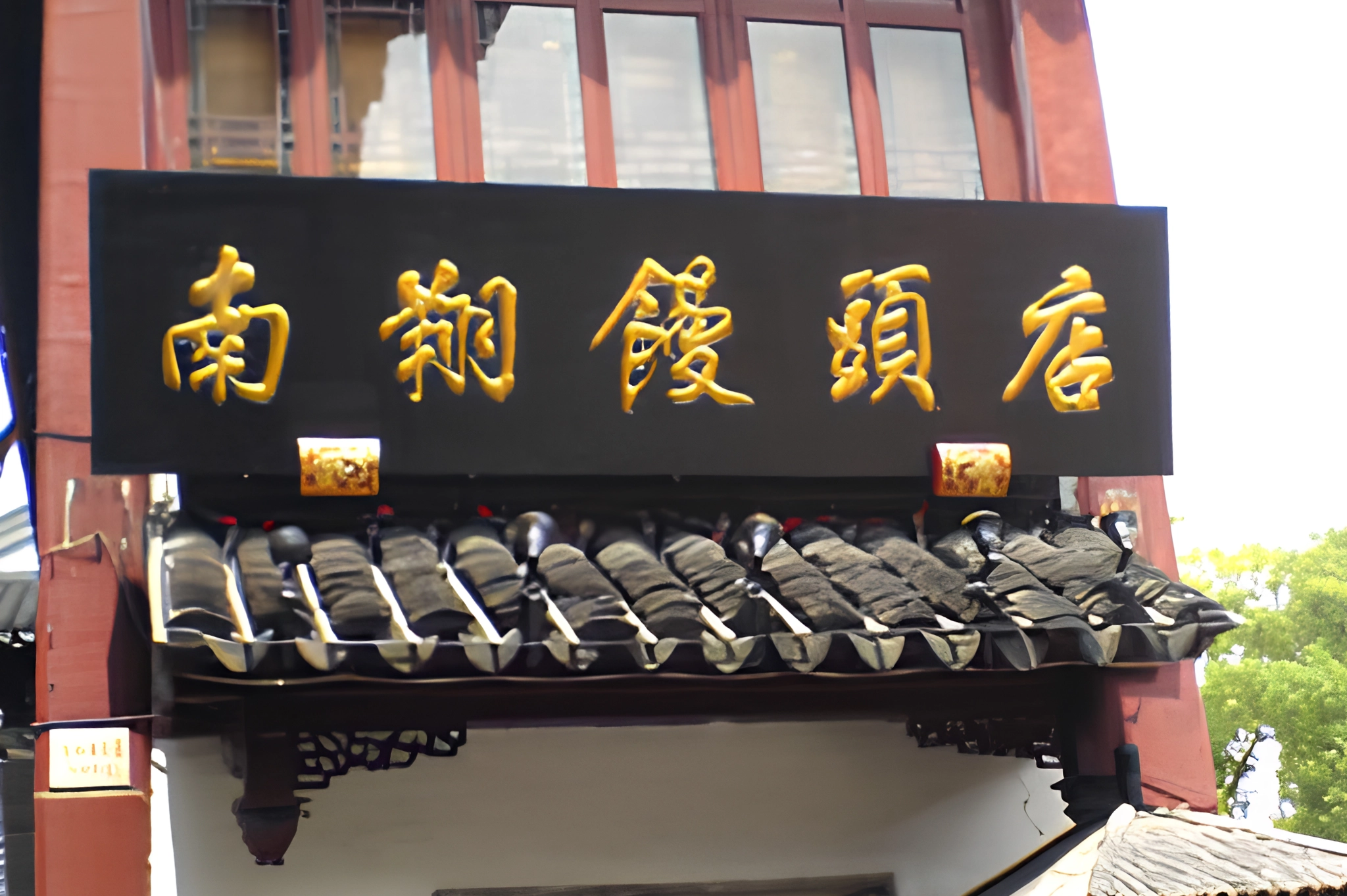
The style soon spread into central Shanghai, especially around the City God Temple and Yu Garden, where the Nanxiang Mantou Dian still draws long lines of visitors today.

The Shanghai Style

  • Larger dumplings with a slightly thicker, softer wrapper.
  • More soup, often enough to fill a spoon.
  • A sweeter filling, matching the Shanghainese taste for a touch of sugar.
  • Crab versions in autumn, filled with hairy crab roe and meat (xie fen xiaolongbao), a seasonal luxury.

Shanghai also has a close cousin worth trying: shengjianbao, a thicker soup bun fried crisp on the bottom.

The Crossing: How Xiaolongbao Reached Taiwan

In 1949, large numbers of people from across mainland China moved to Taiwan. They brought their regional cooking with them, and Taipei became home to restaurants serving food from Shanghai, Zhejiang, Sichuan, Shandong and beyond. Jiangnan dishes, including xiaolongbao, became a part of Taiwan's food scene.
din tai fung

The Rise of Din Tai Fung

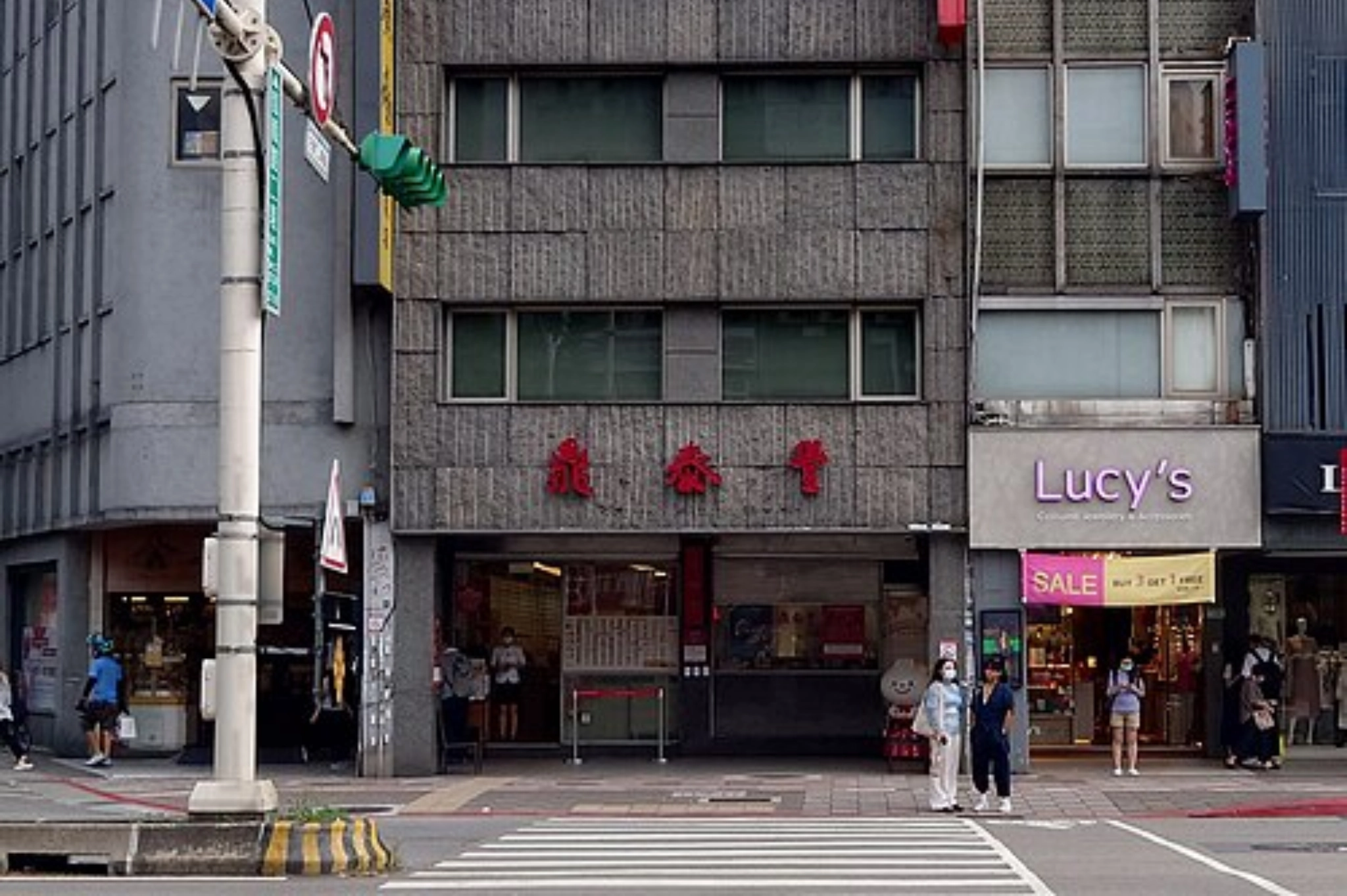
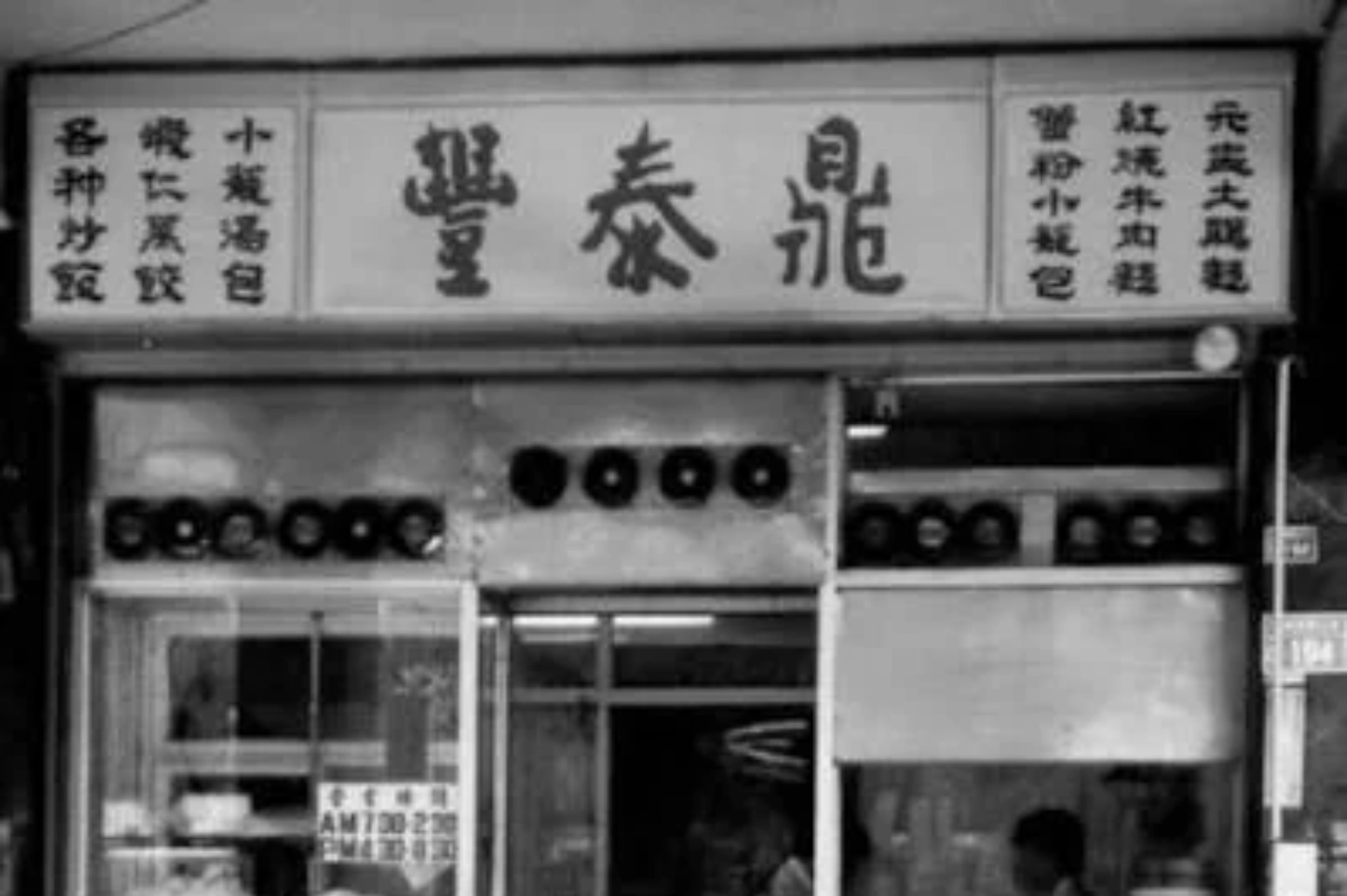
In 1958, Yang Bingyi, who had moved from Shanxi province, opened a shop selling cooking oil on Xinyi Road in Taipei. When the oil business struggled in the early 1970s, the family began making xiaolongbao. It worked so well that they gave up oil completely.

In 1993, The New York Times named Din Tai Fung one of the world's top ten restaurants. The chain expanded overseas, opening its first US branch in Arcadia, California, in 2000, and its Hong Kong branch later received a Michelin star. Today Din Tai Fung operates in many countries, and for millions of travelers it is their first taste of xiaolongbao.

The Taiwan Style

Din Tai Fung became famous for precision:

  • 18 folds on every dumpling.
  • A very thin, almost translucent skin.
  • Standard weights, so every dumpling looks and tastes the same.
  • A cleaner, less sweet filling, letting the pork and broth lead.
  • Open kitchens, where diners watch teams of cooks rolling and folding by hand.
Side-by-SideShanghai vs. Taiwan
The OriginalShanghai Style
A Global IconTaiwan Style (Din Tai Fung)
01Origin
ShanghaiNanxiang, around 1871
TaiwanTaipei, early 1970s
02Size
ShanghaiLarger
TaiwanSmaller, uniform
03Skin
ShanghaiSlightly thicker, soft
TaiwanVery thin, nearly see-through
04Folds
ShanghaiVaries by shop
Taiwan18, as a signature
05Soup
ShanghaiGenerous
TaiwanBalanced, controlled
06Flavor
ShanghaiSweeter, richer
TaiwanLighter, less sweet
07Signature variation
ShanghaiHairy crab roe (autumn)
TaiwanTruffle and pork, crab roe and pork
08Dining style
ShanghaiBusy local teahouses, often casual
TaiwanPolished restaurants, open kitchens
09Price
ShanghaiOften cheaper at local shops
TaiwanHigher, especially abroad
Tap Shanghai or Taiwan to focus on one style.
Xiaolongbao Guide
Step by Step How to Eat Xiaolongbao
Step 01 · The Dip 3:1ratio Black vinegarChinkiang preferred Fresh gingerCut into fine slivers Mix black vinegar with thin slivers of ginger — 3 parts vinegar to 1 part soy sauce. Many purists use vinegar alone.
Step 02 · Lift Knotonly Grip the twisted knot at the very top of the dumpling. Never pinch the sides — the delicate skin will tear and all that precious soup will be lost.
Step 03 · Spoon Soupspoon Lower the dumpling gently onto a Chinese soup spoon. The spoon becomes your bowl, ready to catch every drop of broth the moment you bite in.
Step 04 · Bite Smallhole Make a small bite or tear in the side of the skin. Let the hot soup flow gently down into your spoon. Do not rush — this is the moment everyone is waiting for.
Step 05 · Sip Very HotSip slowly Rich brothThe soul of the dish Sip the soup from the spoon carefully — it is far hotter than you expect. This concentrated, gelatin-rich broth is what separates a great xiaolongbao from an ordinary dumpling.
Step 06 · Savour Enjoy♥ Eat the rest of the dumpling with a slice of pickled ginger. The sharpness cuts through the richness of the pork filling perfectly. Dip lightly in the vinegar if you like.

Where to Eat It at the Source

In Shanghai

nanxiang mantou dian, yugarden, shanghai
  • Nanxiang Mantou Dian, Yu Garden: the historic name, best visited early to avoid the longest queues.
  • Nanxiang Ancient Town, Jiading: visit the birthplace itself, about an hour from central Shanghai.
  • Local soup dumpling shops: Shanghai's neighborhood dumpling shops often offer better value and fresher baskets than famous names.

In Taipei

dintaifung
  • Din Tai Fung, Xinyi Road: the original location near Dongmen, often visited together with Yongkang Street's food scene.
  • Local xiaolongbao shops: Taipei has many smaller, cheaper soup dumpling restaurants loved by locals, including several recognized in the Michelin Guide's Bib Gourmand list.

Beyond Xiaolongbao

Xiaolongbao is only one dish that crossed the strait. Taiwan's famous beef noodle soup is also often linked to cooks from mainland China who arrived after 1949, and was reshaped by local tastes. Following these dishes from one side to the other is one of the most delicious ways to understand the shared history of mainland China and Taiwan.

Plan Your Food Journey

Autumn (October–November) is ideal: hairy crab season in Shanghai, and cooler weather for walking Taipei's food streets. Start at the birthplace in Nanxiang, finish at the 18-fold version in Taipei, and decide for yourself which one wins.

FAQ Frequently Asked Questions
01Where did xiaolongbao originate?
Xiaolongbao is widely believed to have originated around 1871 in Nanxiang, a town in Shanghai's Jiading district, before spreading to central Shanghai and later Taiwan.
02What is the difference between Shanghai and Taiwan xiaolongbao?
Shanghai xiaolongbao are usually larger, with thicker skin, more soup and a sweeter filling. Taiwan's Din Tai Fung style is smaller, with very thin skin, 18 folds and a lighter taste.
03Is Din Tai Fung from Taiwan or China?
Din Tai Fung was founded in Taipei, Taiwan, in 1958 as a cooking oil shop and started making xiaolongbao in the early 1970s.
04How do you eat soup dumplings without burning yourself?
Place the dumpling on a spoon, bite a small hole in the skin, sip the hot soup first, then eat the rest with vinegar and ginger.
05Why does Din Tai Fung xiaolongbao have 18 folds?
Eighteen folds are the restaurant's signature standard, sealing the soup inside and keeping every dumpling consistent in size and appearance.