
In 1969, a Mongolian herder in the Dzungarian Gobi watched a small band of stocky, dun-coloured horses move across a gravel plain. Nobody knew it at the time, but that was the last confirmed sighting of a wild takhi in the wild. The species — the only horse on earth never domesticated by humans — was gone from the country it had defined.
Every takhi alive today descends from roughly a dozen animals that survived in European zoos.
In 2026, more than 1,000 of them are running free in Mongolia again — roughly half the global population of around 2,000. And about 450 of those live within two hours' drive of Ulaanbaatar, in a park most visitors have never heard of.
Why 2026 Is the Year to See Them
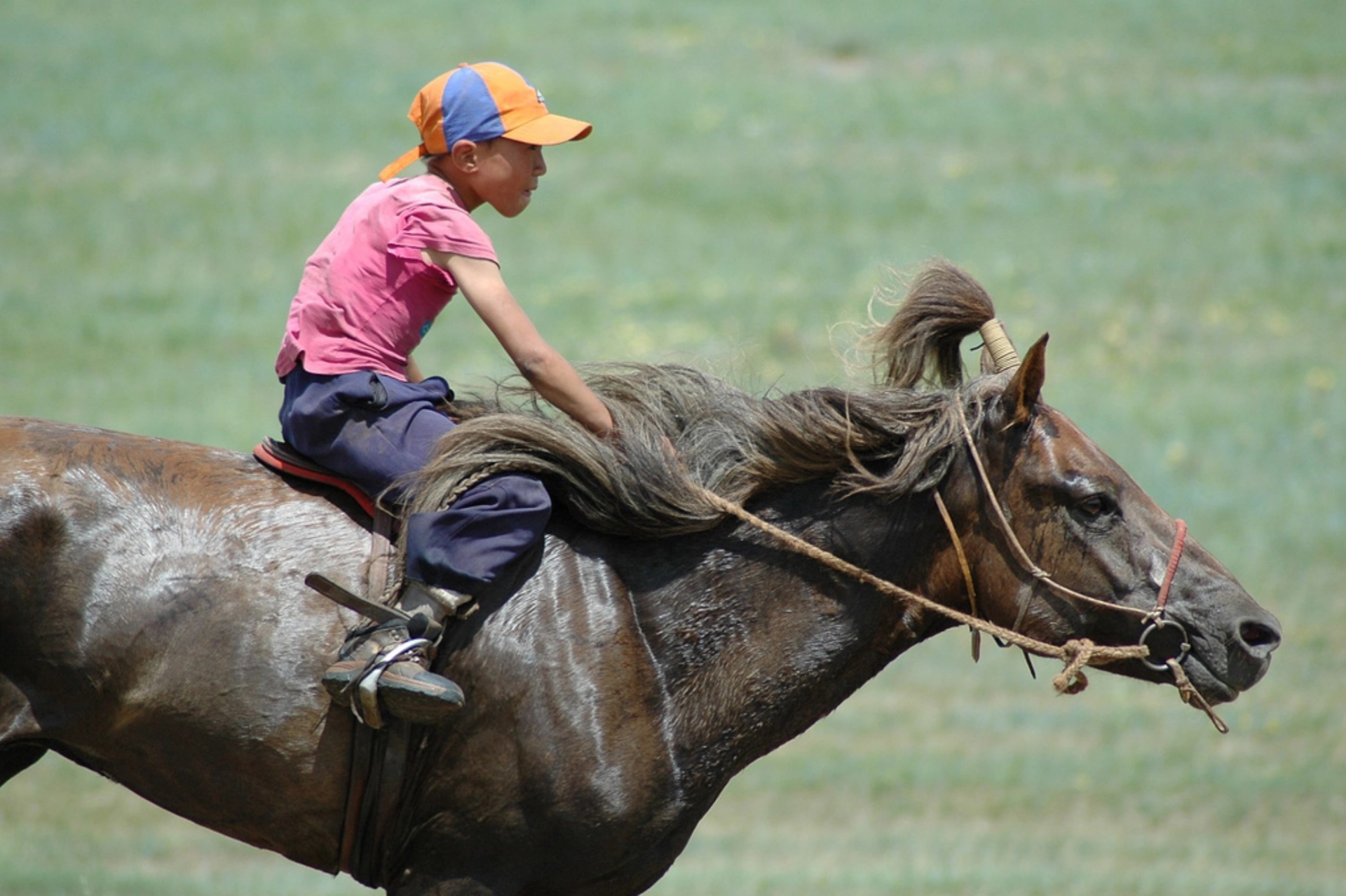
The Mongolian lunar calendar turned to the Year of the Horse in February 2026. In a country where horses outnumber people and where a child learns to ride before they can reliably walk, this is not a small piece of symbolism — it is the year every Mongolian institution, museum and festival puts horses at the centre of everything.
It also lands in the same year the takhi population in Mongolia crossed the four-figure mark for the first time since extinction. Conservation milestones rarely arrive with such neat timing.
What a Takhi Actually Is (And What It Isn't)
A takhi isn't descended from the same lineage as modern domestic horses. Mustangs and brumbies are feral — domestic horses that escaped or were released and returned to the wild. Takhi, by contrast, have never been domesticated, ridden, or selectively bred by humans.
The differences can be seen in everything from their appearance to their genetic heritage:
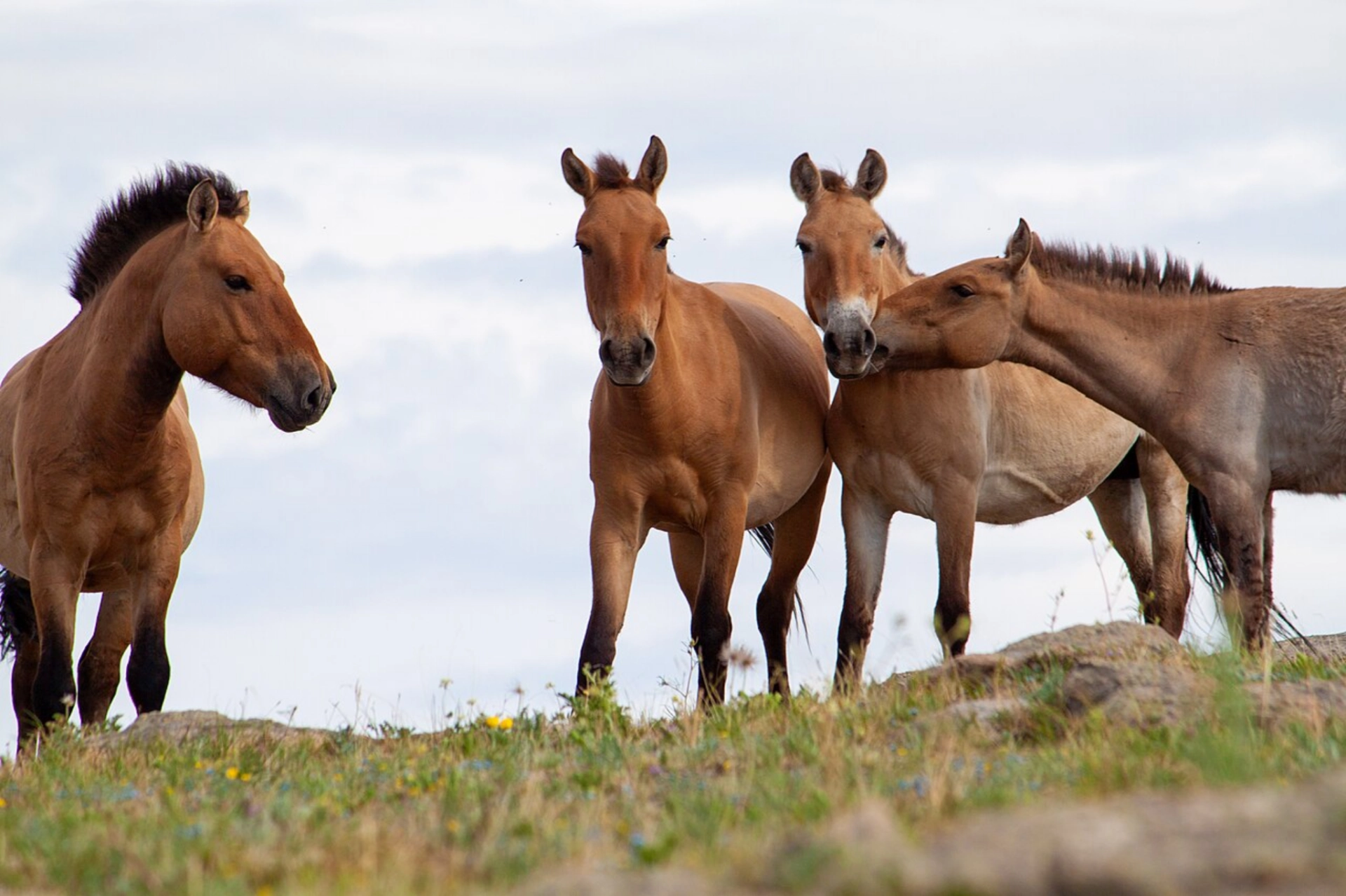
- Stocky and short-legged, around 12–14 hands, much more heavily built than a typical riding horse.
- Erect mane with no forelock — it stands up like a brush and sheds annually
- Dun (sandy or brownish) coat with a pale belly and muzzle, a dark dorsal stripe down the spine, and faint zebra-like barring on the lower legs
- 66 chromosomes, against 64 in a domestic horse — they can interbreed, and the offspring are fertile with 65, which is exactly why keeping the populations separate matters
How They Came Back
The rescue ran on a knife edge. The captive population that survived the twentieth century traced to roughly 12 to 15 founder animals, plus one domestic mare. Every takhi now alive carries that bottleneck in its genome.
The reintroduction to Hustai (Khustai Nuruu) began in 1992, led by the Dutch Foundation Reserve for the Przewalski Horse working with the Mongolian Association for the Conservation of Nature and Environment. Horses were flown in from European breeding centres, held in acclimatisation enclosures, and released in stages.
The area was designated a reserve in 1993, upgraded to national park in 1998, and recognised as a UNESCO Biosphere Reserve in 2002.
Two other Mongolian populations followed: Great Gobi B Strictly Protected Area (Takhin Tal, in the far southwest) and Khomiin Tal near Khar Us Lake. Between the three, Mongolia now holds the majority of the world's free-ranging takhi.
It has not been smooth. The catastrophic dzud — the Mongolian compound disaster of summer drought followed by a killing winter — of 2009–2010 wiped out well over half the Great Gobi B herd in a single season. Recovery took years. Climate volatility on the steppe remains the single biggest threat to the species, ahead of poaching or habitat loss.
Hustai National Park: The Practical Version
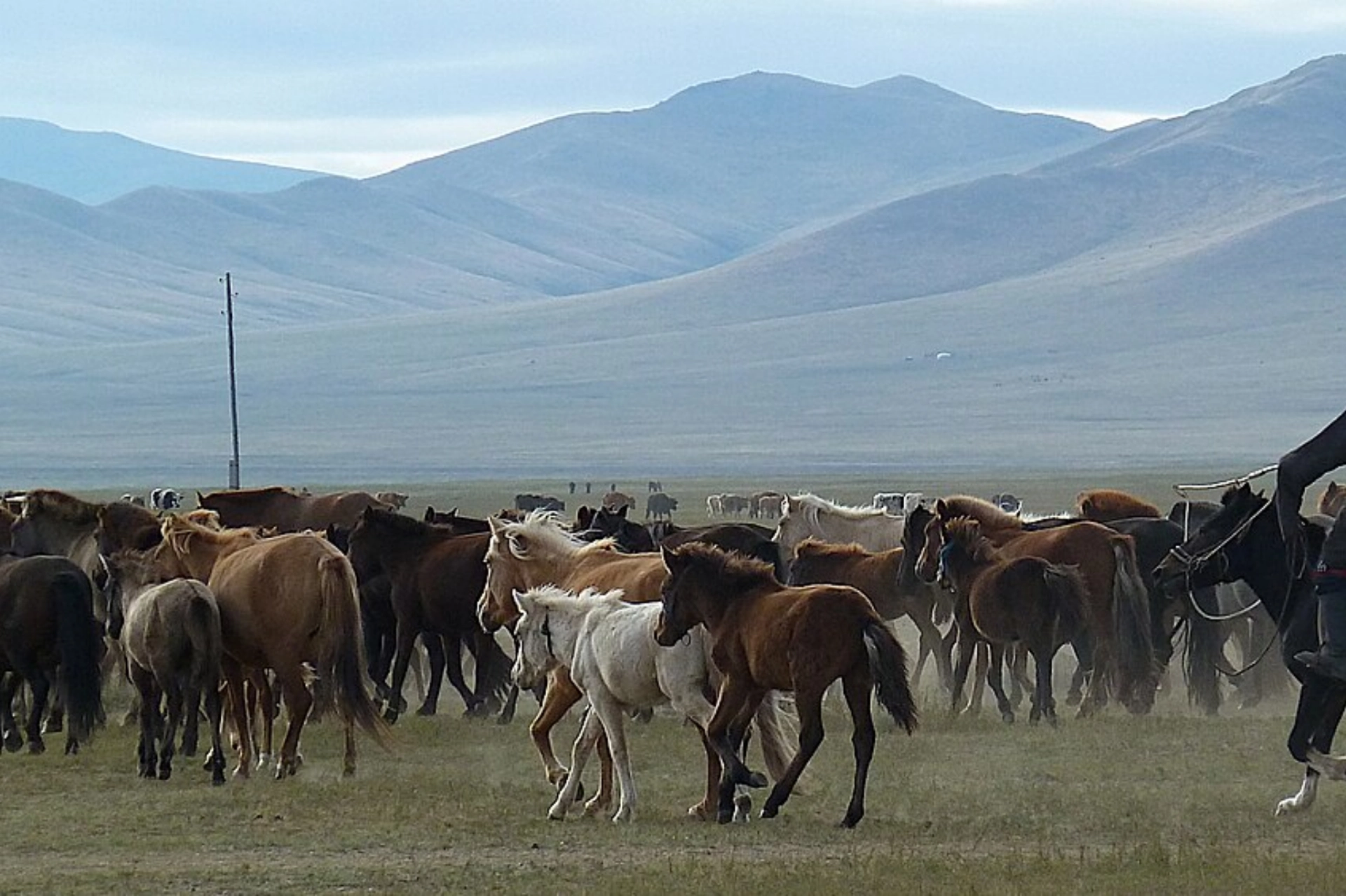
Where: Roughly 95–100 km southwest of Ulaanbaatar, in the Khentii mountain foothills where they meet the Tuul River valley. Around 50,000 hectares.
Getting there: About 2 to 2.5 hours by road from Ulaanbaatar, most of it paved, with a final gravel stretch. Almost every UB operator runs it as a day trip. It is also a logical first night on any longer overland route heading west toward Karakorum, which is why experienced itineraries stack it at the front rather than treating it as a standalone.
When to go: May to October for reliable road access and green steppe. June has foals. September and early October give you rutting red deer, golden grass and the best light of the year.
When to actually look: This is the part people get wrong. Takhi shelter in the valleys during the heat of the day and are effectively invisible. They move to water and open grazing at dawn and at dusk. A day trip that arrives at 11am and leaves at 3pm has a poor chance. Staying overnight at the park's ger camp roughly triples your odds, because you get both edges of the day.
Cost: Expect a park entry fee in the region of around $10 USD per person, with ger camp accommodation and a park ranger guide charged separately.
Viewing rules: Stay in or beside the vehicle at the distances your ranger sets, do not walk toward a harem group, and keep noise down. Takhi are wild, territorial, and stallions have injured people who got close. Bring binoculars — this is a spotting-scope animal, not a selfie animal.
What Else Lives There
Hustai is not a single-species park, and the supporting cast is the reason to stay the night:
- Red deer (maral) — a strong population; the September rut is audible across the valleys
- Mongolian gazelle, roe deer, wild boar
- Grey wolf and Eurasian lynx — present, rarely seen, and part of why the takhi population functions as a real ecosystem rather than a paddock
- Siberian marmot (tarbagan) — everywhere in summer, the engine of the food chain
- Over 200 bird species, including golden eagle, cinereous vulture, steppe eagle, demoiselle crane and the Daurian partridge
The Thing Almost Nobody Visits
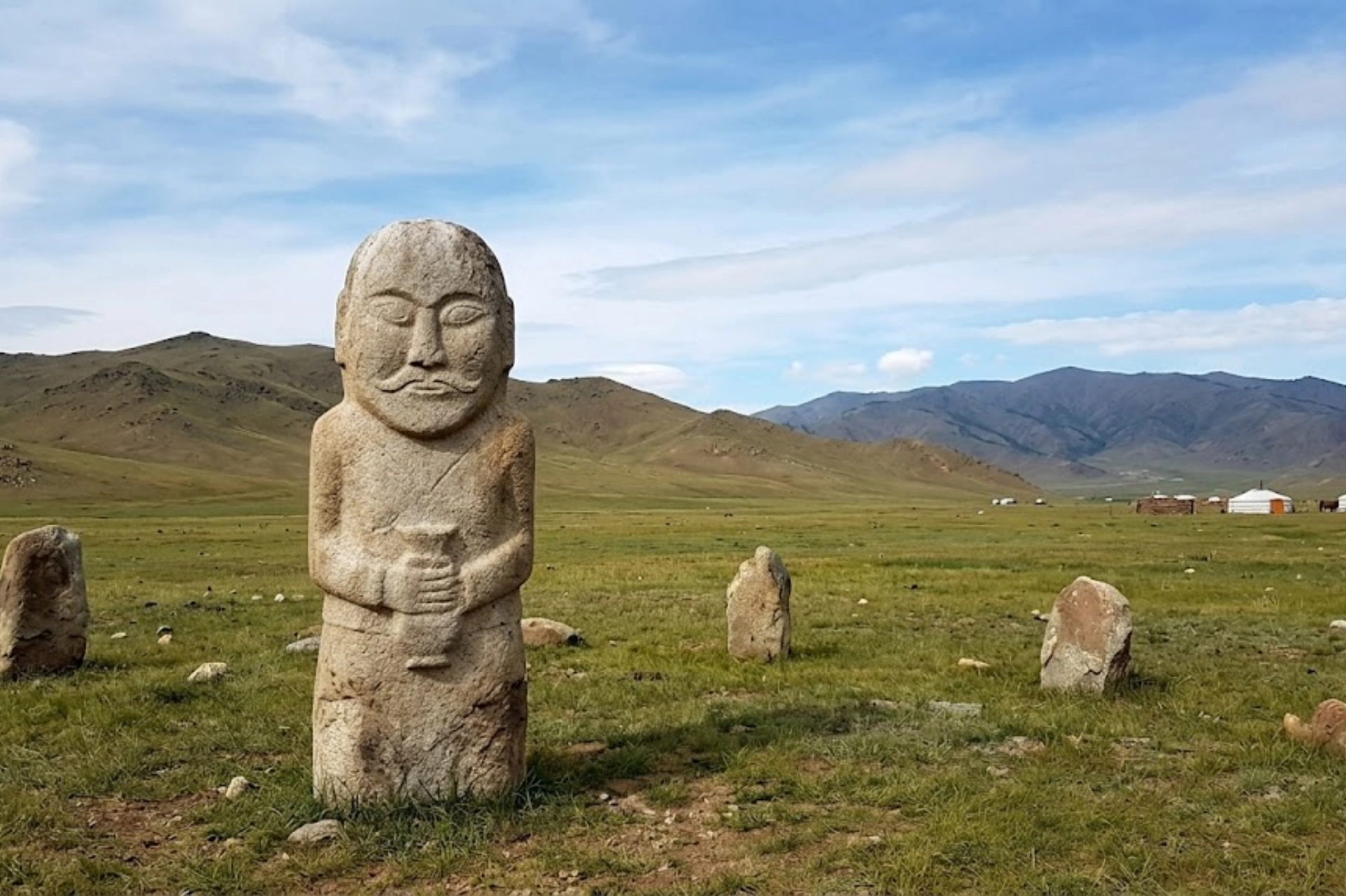
Within the park boundary sit the Ongot (Ungot) stone monuments — a Turkic memorial complex dating to roughly the 6th–8th centuries, several hundred years before Chinggis Khaan. Stone human figures (balbal) stand in a line beside burial mounds, weathered but unmistakably faces.
Most day trips skip it entirely, it is only a fifteen-minute detour and one of the oldest things you will see in Mongolia.
Why This Story Matters Beyond Horses
Rewilding a grazing animal is not sentimentality. Takhi crop grass in a pattern that domestic livestock does not replicate, which changes plant composition, which changes insect populations, which changes what the birds eat. Reintroducing them was a bet that a steppe with its original grazer would work better than a steppe without it. Thirty-four years of data suggest the bet paid.
There is also the uncomfortable part, and good guides will say it out loud: ecotourism funds the rangers and simultaneously disturbs the animals. Genetic diversity remains narrow. Herders and takhi compete for the same water in dry years. The recovery is real and the work is not finished.
Fitting It Into a Trip
Hustai works best as one night at the start of a longer route, not as a rushed day trip. A common and sensible sequence: Ulaanbaatar → Hustai (night) → Karakorum and Erdene Zuu (night) → Orkhon valley or onward to the Gobi. You get the wild horses at dusk and again at dawn, then continue west with the sun behind you.
If you only have a day, go in the afternoon, stay for sunset, and drive back in the dark. Do not go at midday and conclude there are no horses.