
The snow leopard is the only big cat that cannot roar. It is also the only one most people who study it professionally have never seen in the wild.
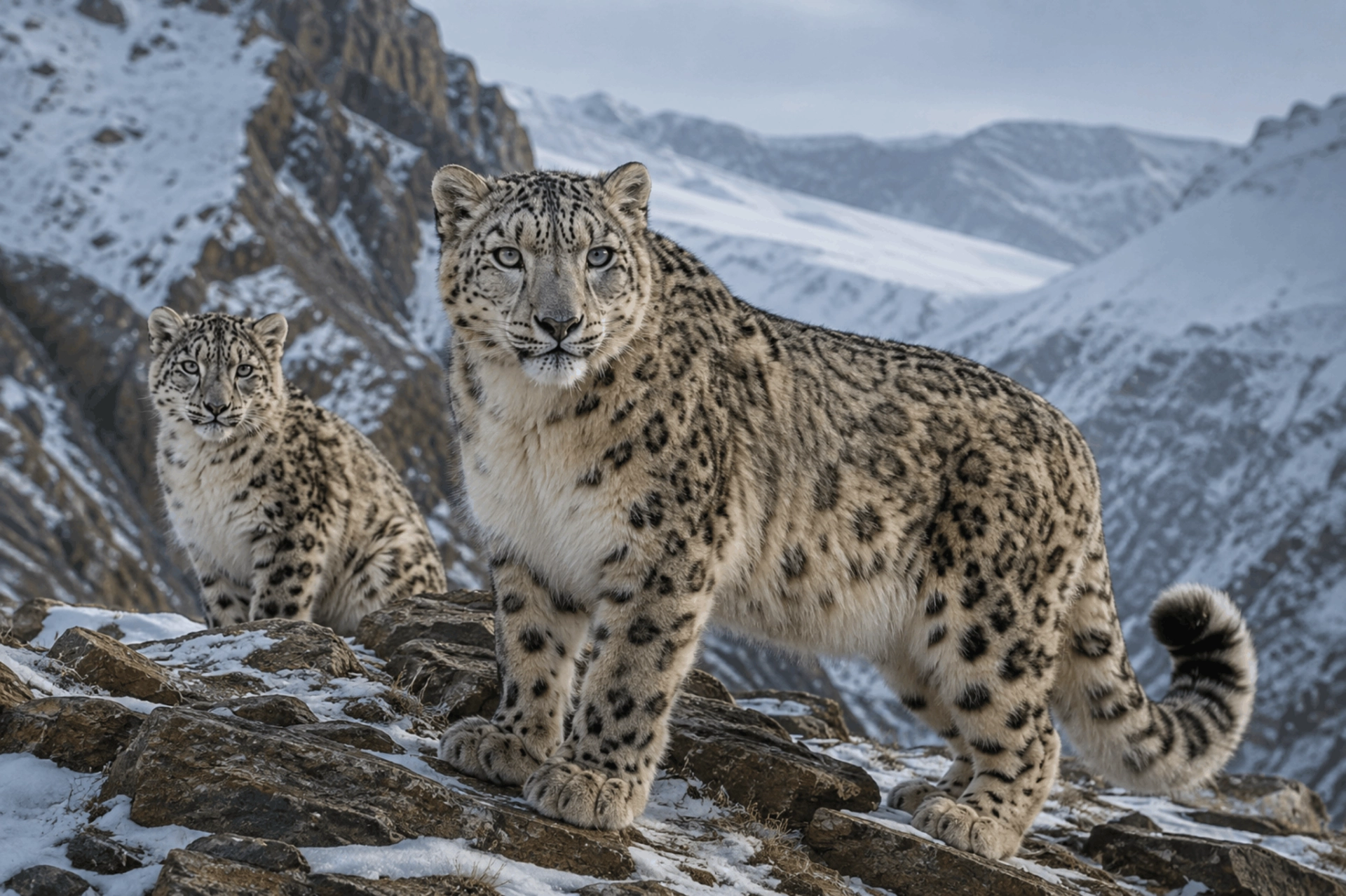
Mongolia is where that changes. The country holds an estimated **800 to 1,100 snow leopards** — somewhere between a fifth and a quarter of the entire global population — across a range of mountain habitat that, unusually, is both healthy and reachable. Nowhere else combines that many cats with that much open, treeless, glassable terrain and a network of local herder-trackers who know exactly which ridge a particular animal favours.
That combination is why snow leopard expeditions to Mongolia have become one of the fastest-growing corners of a tourism sector that just recorded over a million international arrivals in a single year.
Why Mongolia and Not Ladakh, Kyrgyzstan or Tibet
Snow leopards live across twelve countries. Only a handful offer a realistic chance of seeing one.
Mongolia's advantage is **openness**. In much of the cat's Himalayan range you are searching vertical gorges from a single valley floor. In the Mongolian Altai and the mountains of the South Gobi you are working ridge systems that can be scanned for kilometres from a single vantage point with a good spotting scope. Trackers position themselves high, glass systematically, and wait.
The second advantage is **research density**. The Tost Tosonbumba Nature Reserve in the South Gobi hosts one of the longest-running snow leopard studies in the world. Decades of camera-trapping and collaring mean that in some areas the local biologists know individual cats by their rosette patterns, their territories, and their habits. When you go out with a protected-area biologist, you are not searching randomly.
The third is **cost and access**. Compared with equivalent expeditions in Tibet or the Pamirs, Mongolia is politically straightforward, visa-free for most Western passports through 31 December 2026, and served by improving domestic flights to Ölgii and Dalanzadgad.
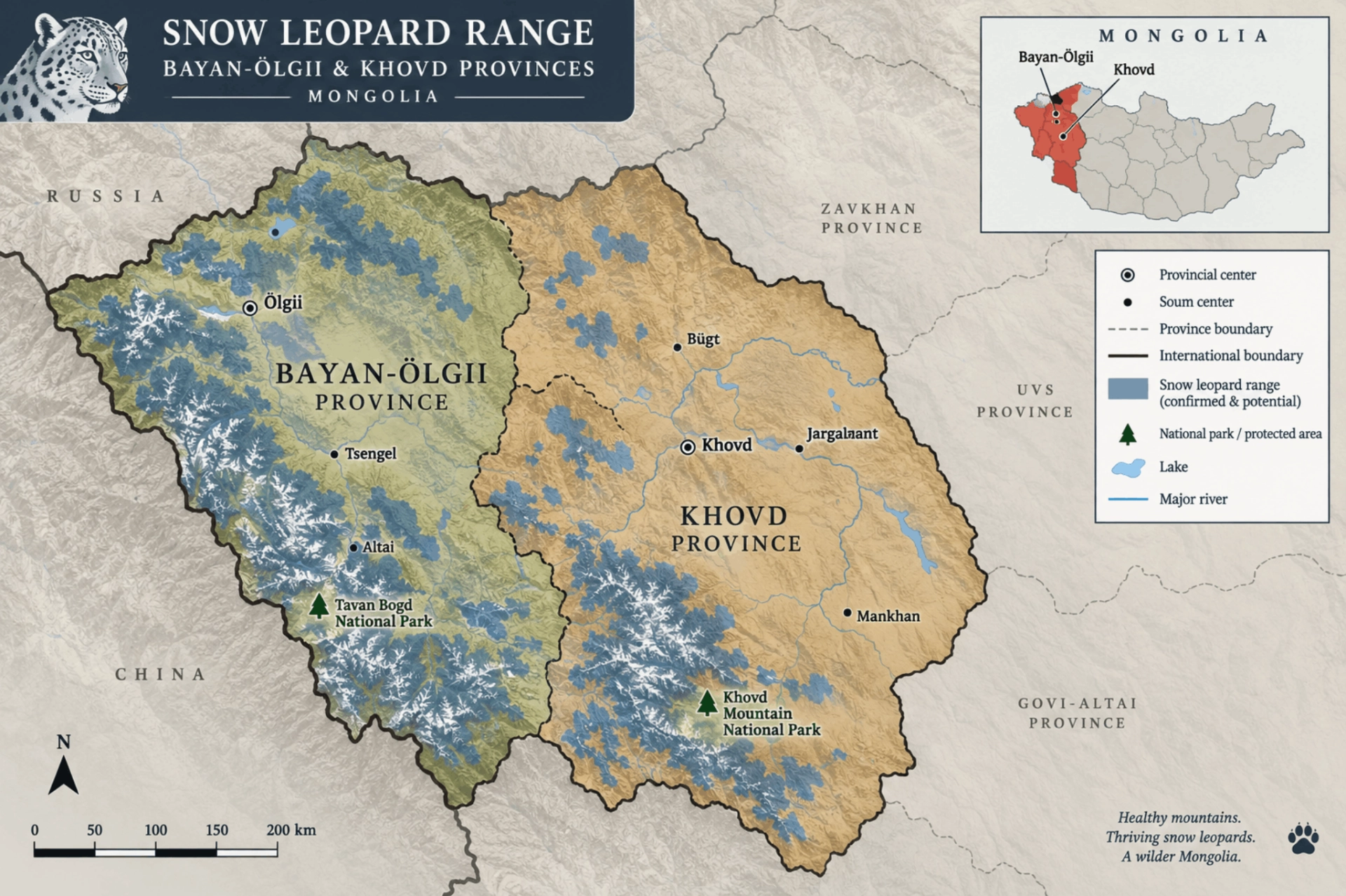
Where the Cats Are
The Mongolian Altai (Bayan-Ölgii and Khovd provinces).** The far west, on the Russian, Chinese and Kazakh borders. High, glaciated, dramatic — Altai Tavan Bogd reaches 4,374 m. This is also Kazakh eagle-hunting country, which means a snow leopard trip here can be combined with the Golden Eagle Festival in early October. Habitat sits mostly between 2,000 and 3,500 m.
The South Gobi ranges (Tost, Nemegt, Gurvan Saikhan).** Lower and drier, but with a dense, well-studied population. The Gobi cats hunt ibex on rocky massifs that rise abruptly out of gravel desert — a landscape that looks nothing like the postcard image of snow leopard habitat and works just as well.
Khangai and the northern ranges.** Smaller numbers, less infrastructure, mostly of interest to researchers rather than visitors.
What a Snow Leopard Expedition Actually Involves
Set your expectations correctly and the trip is extraordinary. Set them wrong and it is ten days of cold rocks.
Duration.
Serious expeditions run 10 to 14 days, with roughly 7 to 10 of those spent actively searching. Anything shorter is a lottery ticket. A representative 2026 itinerary — a 10-day expedition running late September into early October — prices around **US$4,600 per person**, which is typical for the category.
Daily rhythm.
Out before first light, because dawn and dusk are when cats move. Climb to a glassing point. Scan for hours. Trackers work in a coordinated line across a valley system, radioing sightings. Return in darkness. Repeat.
Accommodation.
Usually a mix of herder gers, basic guesthouses and mobile camps. Some operators use fixed camps in the Gobi with better facilities. Do not expect the lodge experience.
Conditions.
Winter and shoulder-season expeditions face −20°C or colder at altitude, and the cold is the real filter — you are stationary for hours. Good optics, a proper down layer, and boots rated far below what you think you need are non-negotiable.
Success rates.
Reputable operators quote roughly 60–80% for a well-run 10-day expedition in prime season. Anyone quoting a guarantee is not being honest with you. Camera-trap footage and fresh tracks are near-certain; a live sighting is not.
The Rest of the Cast
The mistake is going for snow leopards alone. Mongolia's wildlife list is one of the most distinctive on the continent, and most of it is far easier to see.
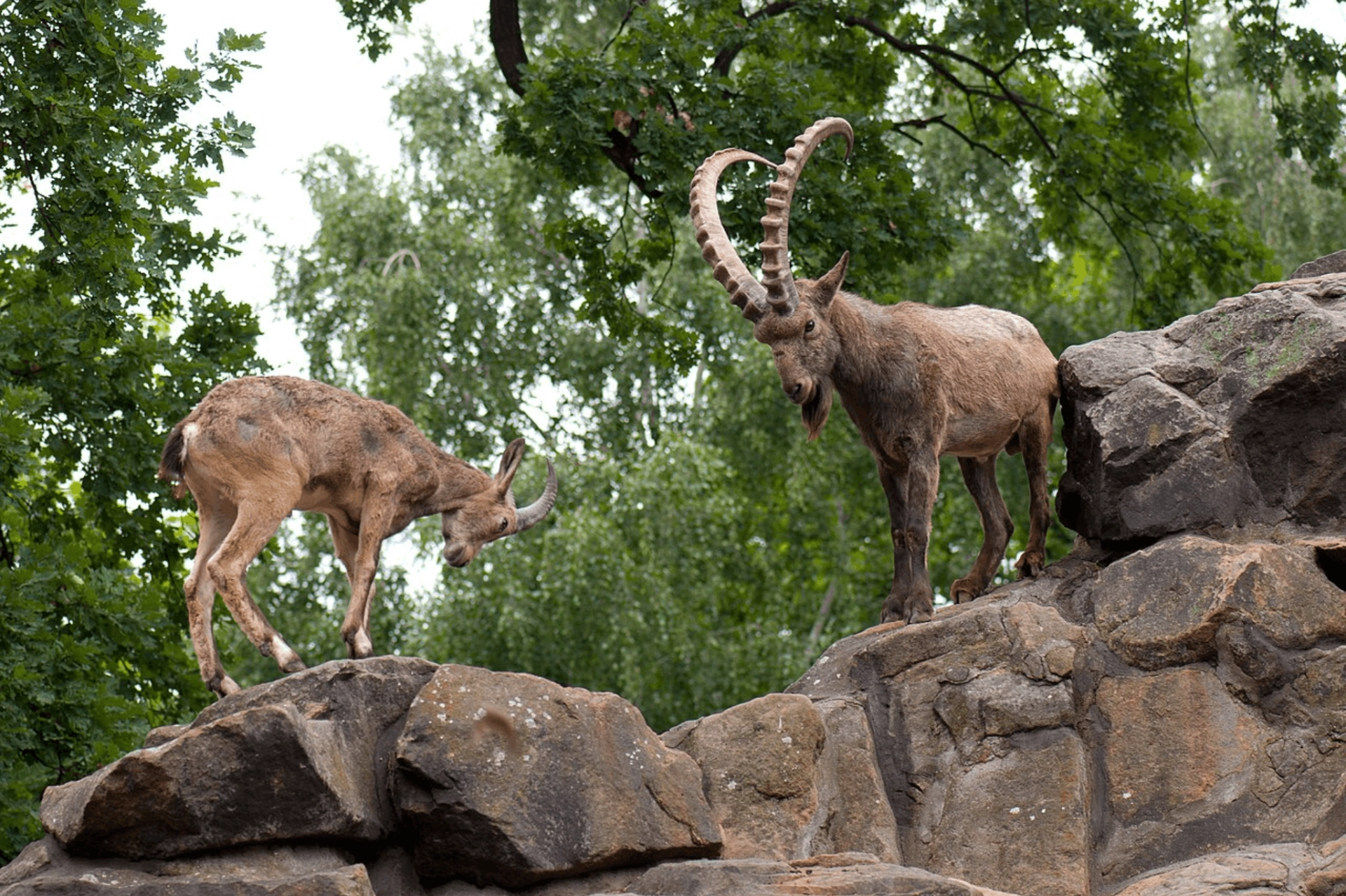
Siberian ibex.
The snow leopard's primary prey. Abundant, spectacular, and where you find them in numbers you find cats.
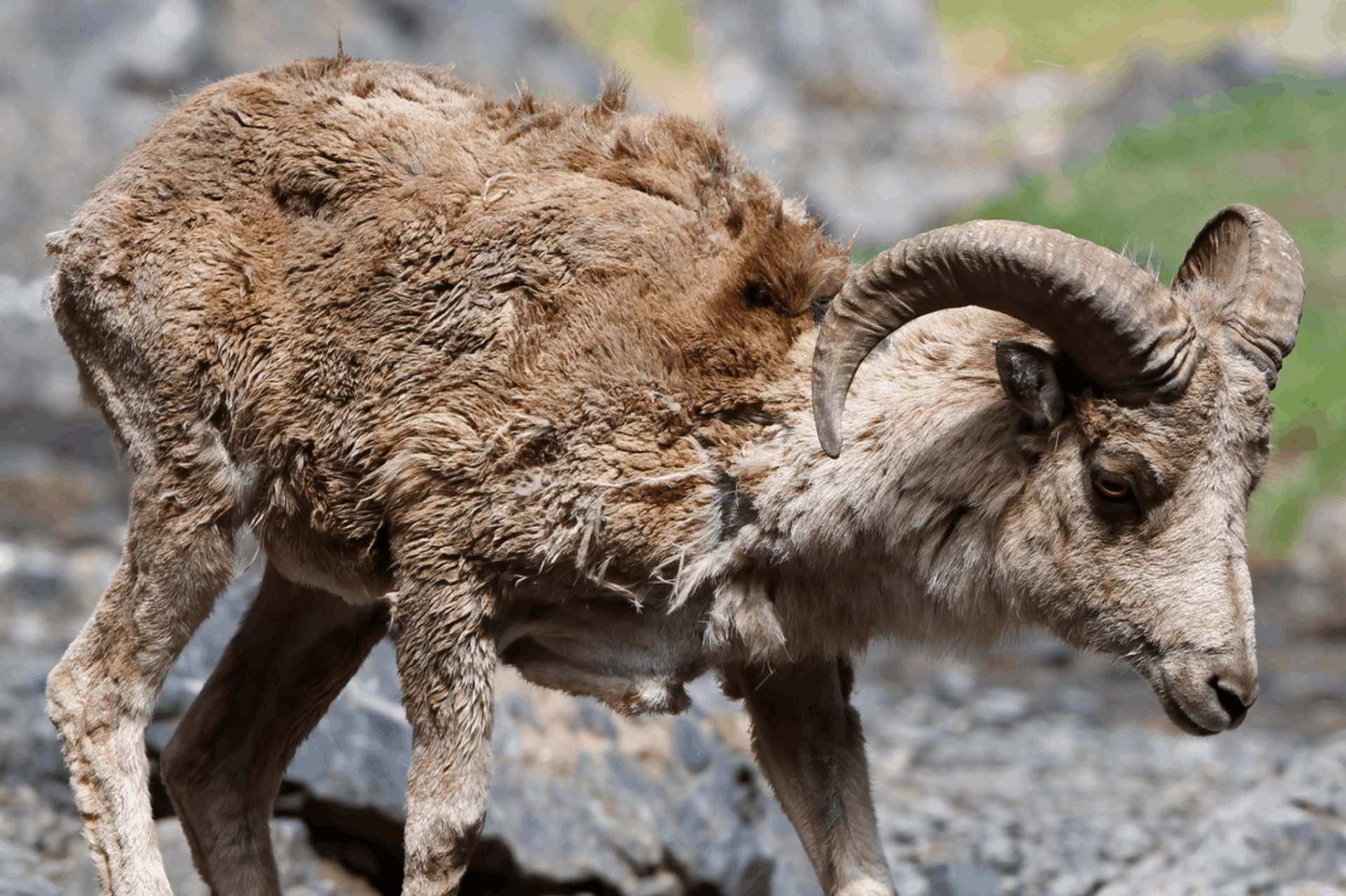
Argali sheep.
The world's largest wild sheep, with horns that can exceed 1.5 m and weigh as much as a small child. The Altai subspecies is the biggest of all.
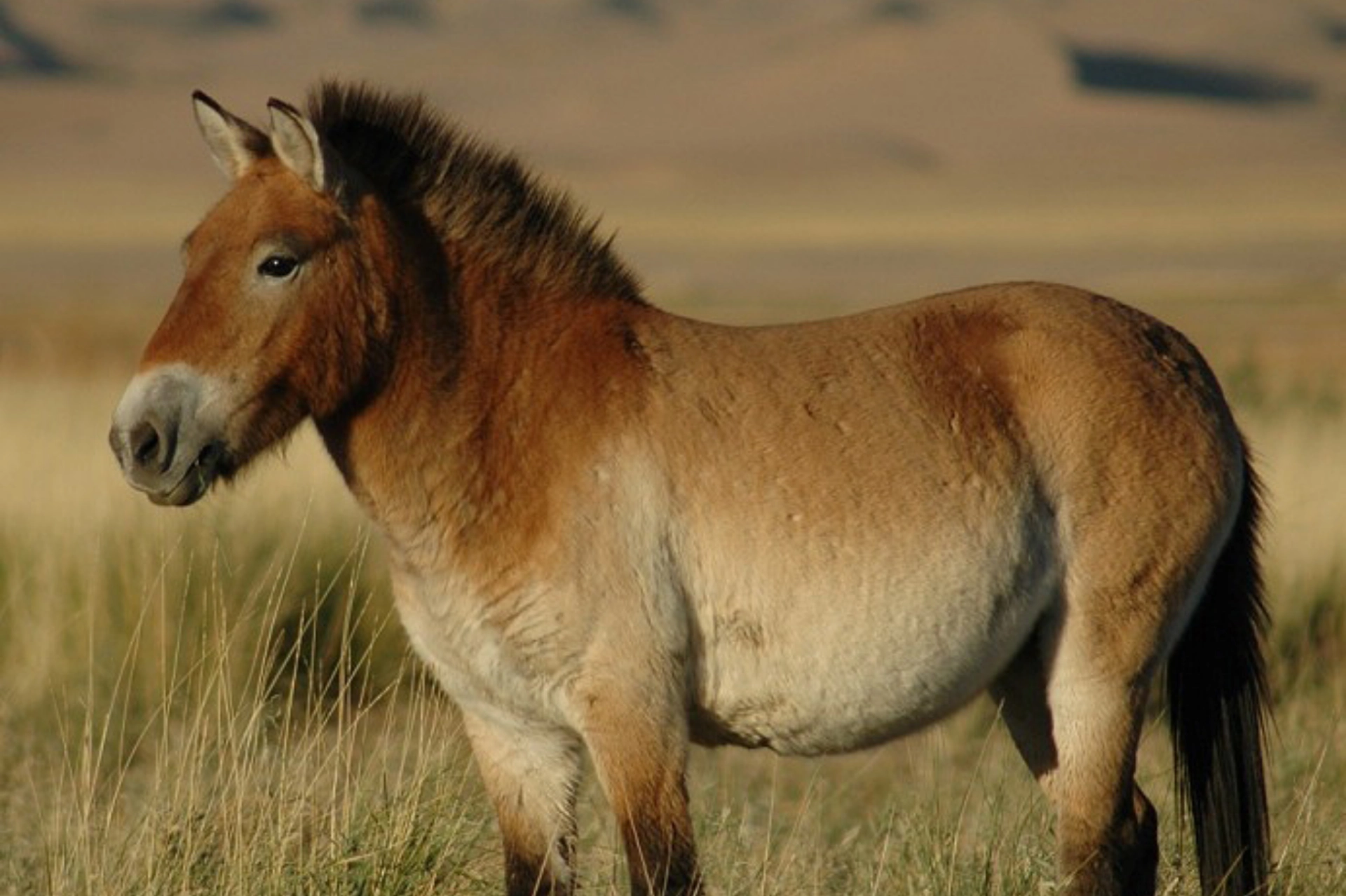
Przewalski's horse (takhi).
The only truly wild horse species never domesticated. Declared extinct in the wild in the 1960s, reintroduced from zoo stock beginning in 1992, and now numbering in the hundreds in Mongolia. **Hustai National Park**, about 100 km from Ulaanbaatar, is the flagship site and is easily done as an overnight from the capital — this is the single best wildlife value in the country.
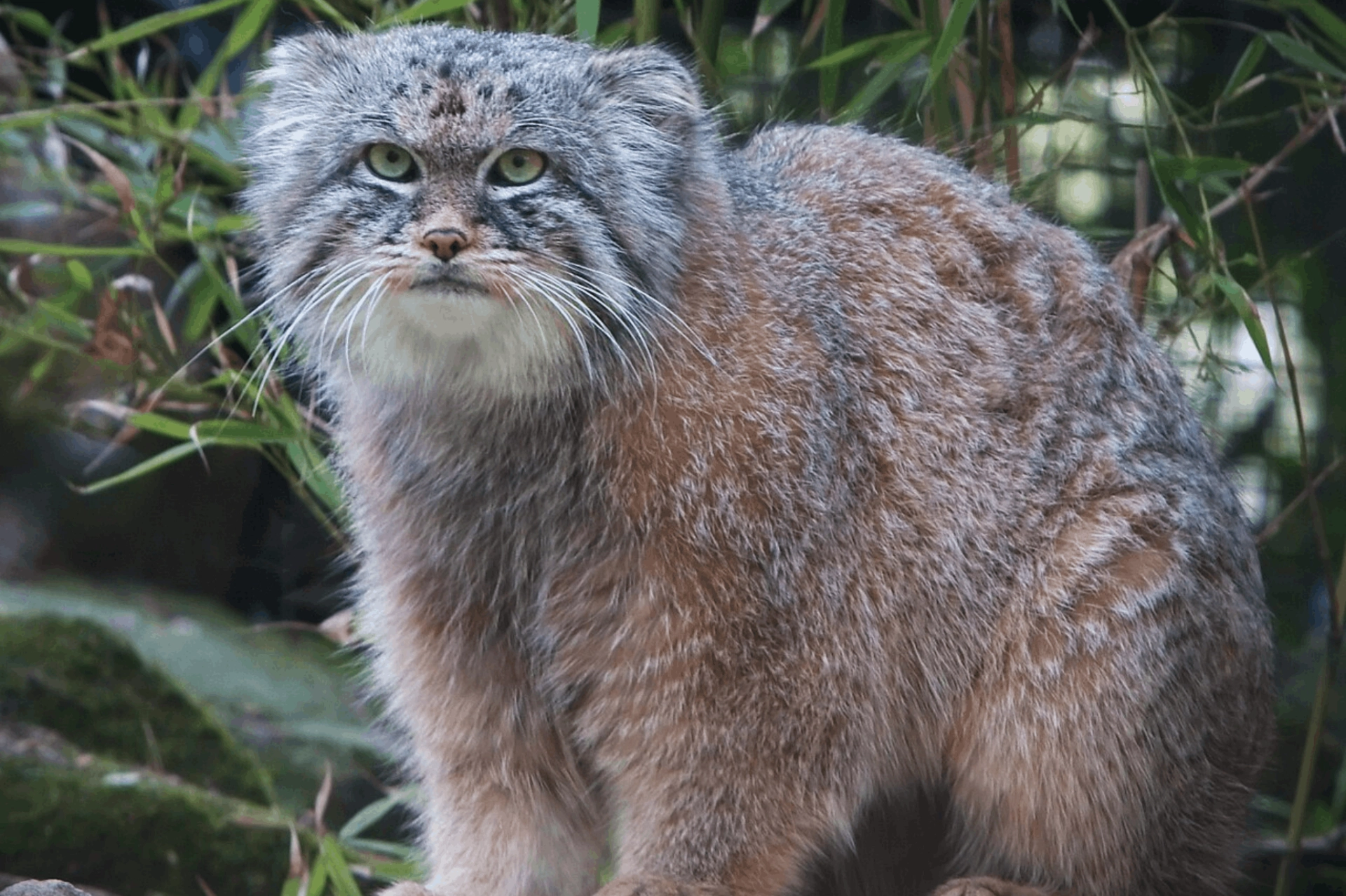
Pallas's cat (manul).
A small, absurdly fluffy, permanently furious-looking wild cat that has become an internet celebrity. Steppe and rocky terrain; frequently seen on Gobi itineraries.
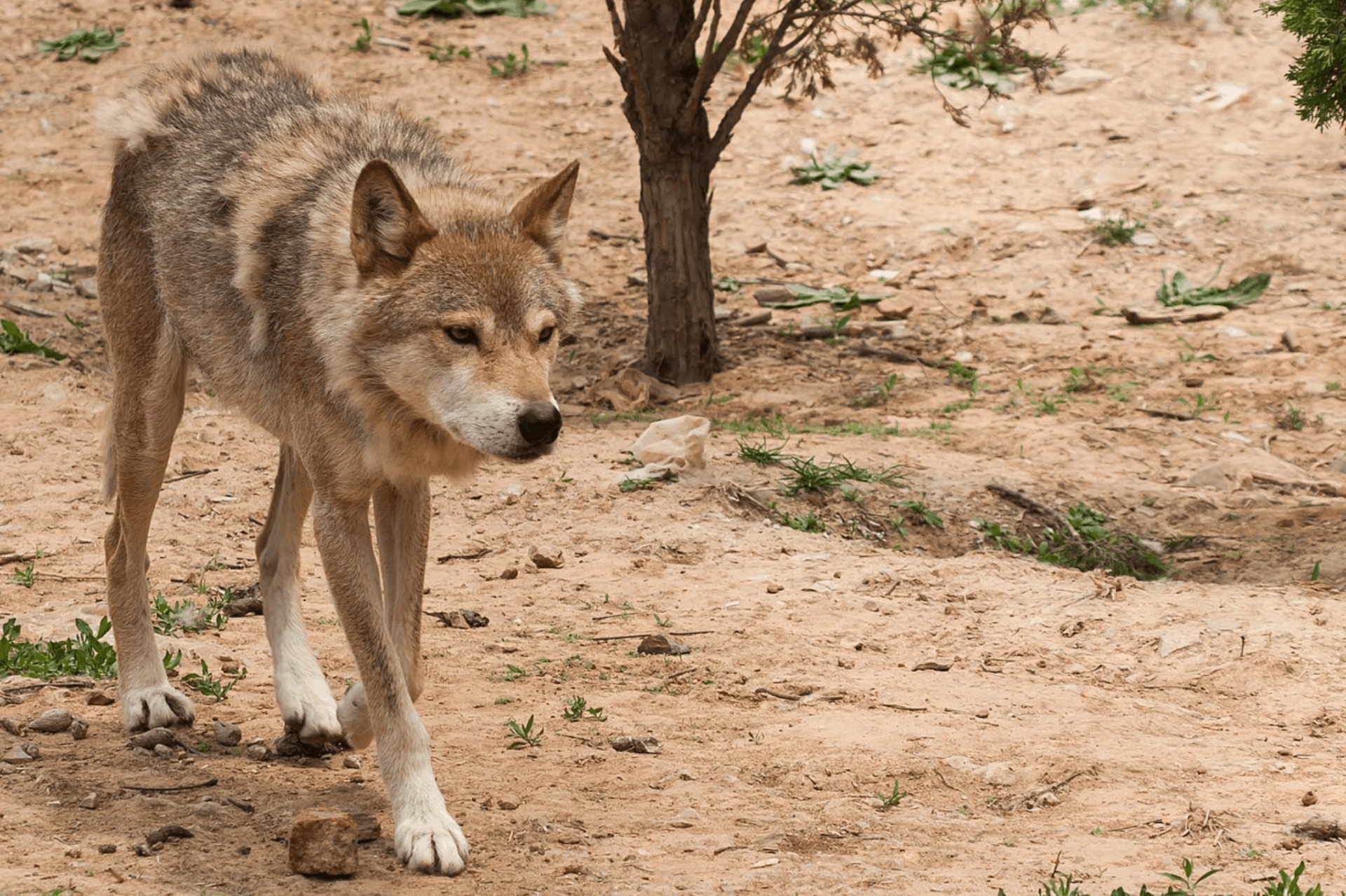
Grey wolf.
Widespread, culturally significant, and genuinely encountered on Altai expeditions.
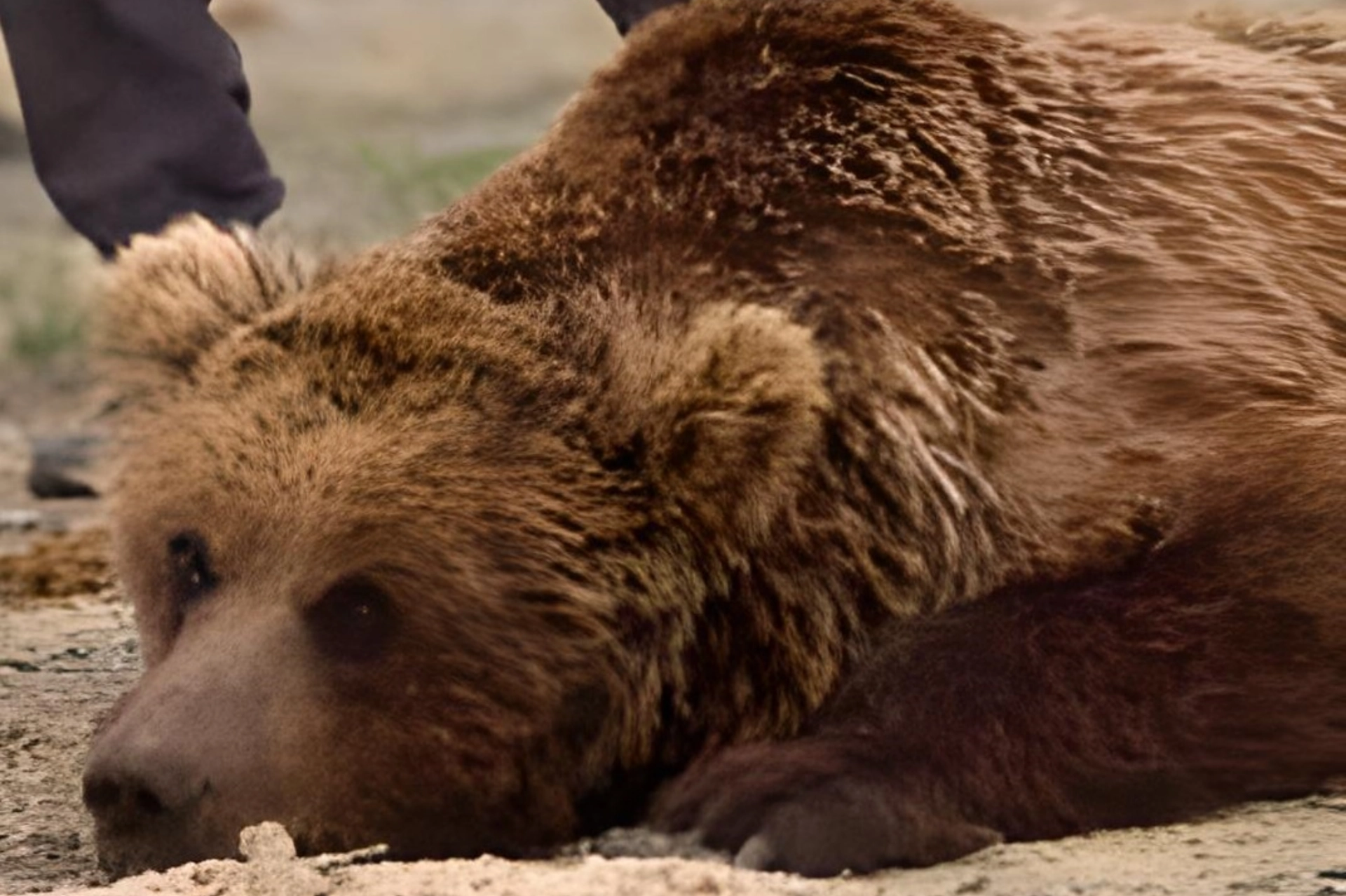
Gobi bear (mazaalai).
The rarest bear on earth — the only bear adapted to true desert, with a population estimated in the low dozens. You will not see one. Nobody sees one. It is worth knowing it exists.
Birds.
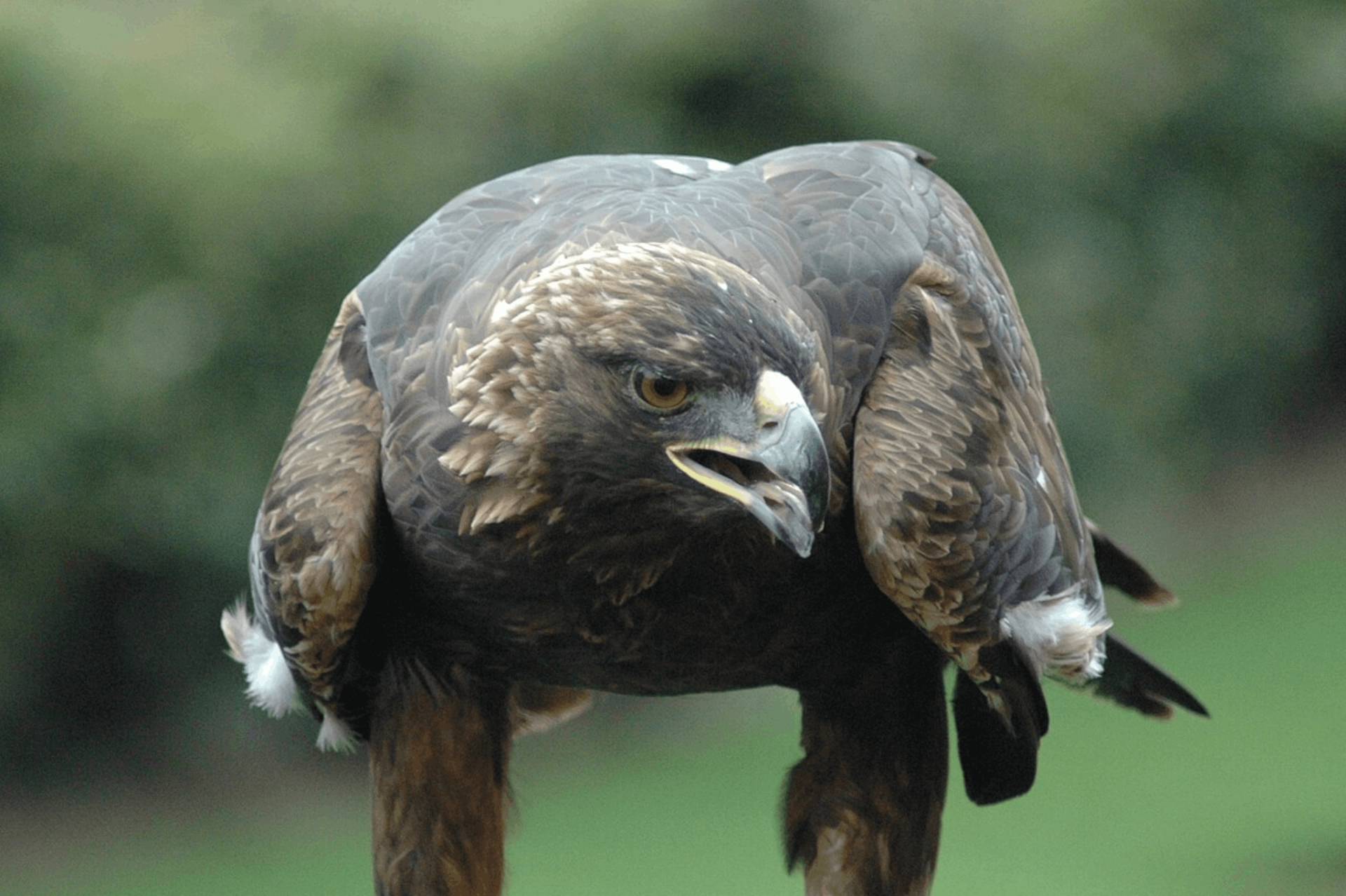
Golden eagles, lammergeiers, saker falcons, cinereous vultures, demoiselle cranes on the summer steppe. Mongolia is a serious raptor destination in its own right.
When to Go
Late September to early November
is the classic snow leopard window. Cats descend to lower elevations following ibex, the light is superb, and the Golden Eagle Festival falls in the first week of October.
December to March
offers the highest sighting probability of all — snow concentrates animals and makes tracking straightforward — at the cost of genuinely severe cold.
June to August
is poor for snow leopards, who are high and dispersed, but excellent for general wildlife, birds, Przewalski's horses and the Naadam Festival. If you want Mongolia broadly rather than snow leopards specifically, this is your season.
The Conservation Question, Honestly
Snow leopard tourism is not obviously benign, and it is worth thinking about before booking.
The case in favour is real. Herding families lose livestock to snow leopards and have historically killed them in retaliation. When a family earns meaningful income from hosting trackers and guests, the cat becomes an asset rather than a liability. Community-based conservation programmes in Mongolia — livestock insurance schemes, handicraft cooperatives, herder-ranger employment — have documented reductions in retaliatory killing where they operate.
The case against is also real. Disturbance at den sites, habituation, vehicle pressure on fragile terrain, and operators who prioritise a sighting over animal welfare all cause harm.
Practical filters when choosing an operator:
- Do they employ local herders and community rangers, and can they say how much of your fee stays locally?
- Do they work with recognised research programmes, or claim to work with them?
- What are their rules on approach distance, den sites, and baiting? Any operator that baits should be disqualified.
- Group size — six or fewer is the mark of a serious expedition.
Costs and Logistics
Budget **US$4,000–7,000 per person** for a dedicated 10–14 day expedition, excluding international flights. That covers domestic flights to Ölgii or Dalanzadgad, ground transport, permits, accommodation, guides and trackers.
A broader Mongolian wildlife trip — Hustai for takhi, the Gobi for Pallas's cat and ibex, some steppe birding — can be done for a fraction of that.
What to bring
binoculars of at least 10x42, a spotting scope if you own one (the trackers will have them, but sharing costs you sightings), a telephoto lens of 400 mm or longer if you are photographing, layered down clothing, a sit pad for hours on cold rock, and lip balm. The dryness at altitude is punishing.
Getting there
Chinggis Khaan International Airport serves Ulaanbaatar, with domestic connections to Ölgii (Bayan-Ölgii, for the Altai) and Dalanzadgad (South Gobi). Domestic flights are weather-dependent; build a buffer day at each end.
Why It Is Worth It Even If You Fail
Here is the thing about the ghost cat. Most people who go do see one — but the number who go home without a sighting is not small, and every single one of them describes the trip as worth it anyway.
You spend ten days in mountains almost nobody visits, with people whose families have herded there for centuries, looking very hard at a landscape. That level of attention changes what you see. The ibex on the skyline, the fresh scrape under an overhang, the wolf crossing a scree slope at three kilometres — these register as events in a way they never would from a vehicle.
And then sometimes, at the edge of the glass, a pattern of rock resolves into a tail.