
Every October, in the far western corner of Mongolia where the Altai Mountains scrape the sky, something extraordinary happens. Hundreds of Kazakh horsemen ride down from their mountain camps with golden eagles perched on their arms — birds with two-metre wingspans, trained through a bond passed down for more than a thousand years. This is the Golden Eagle Festival of Bayan-Ulgii, and it may be the most photogenic cultural event on Earth.
If you missed Naadam this July, don't worry. Many seasoned Mongolia travelers will tell you the eagle festival is the more intimate, more astonishing experience. Here are seven reasons it belongs at the top of your 2026 travel list.
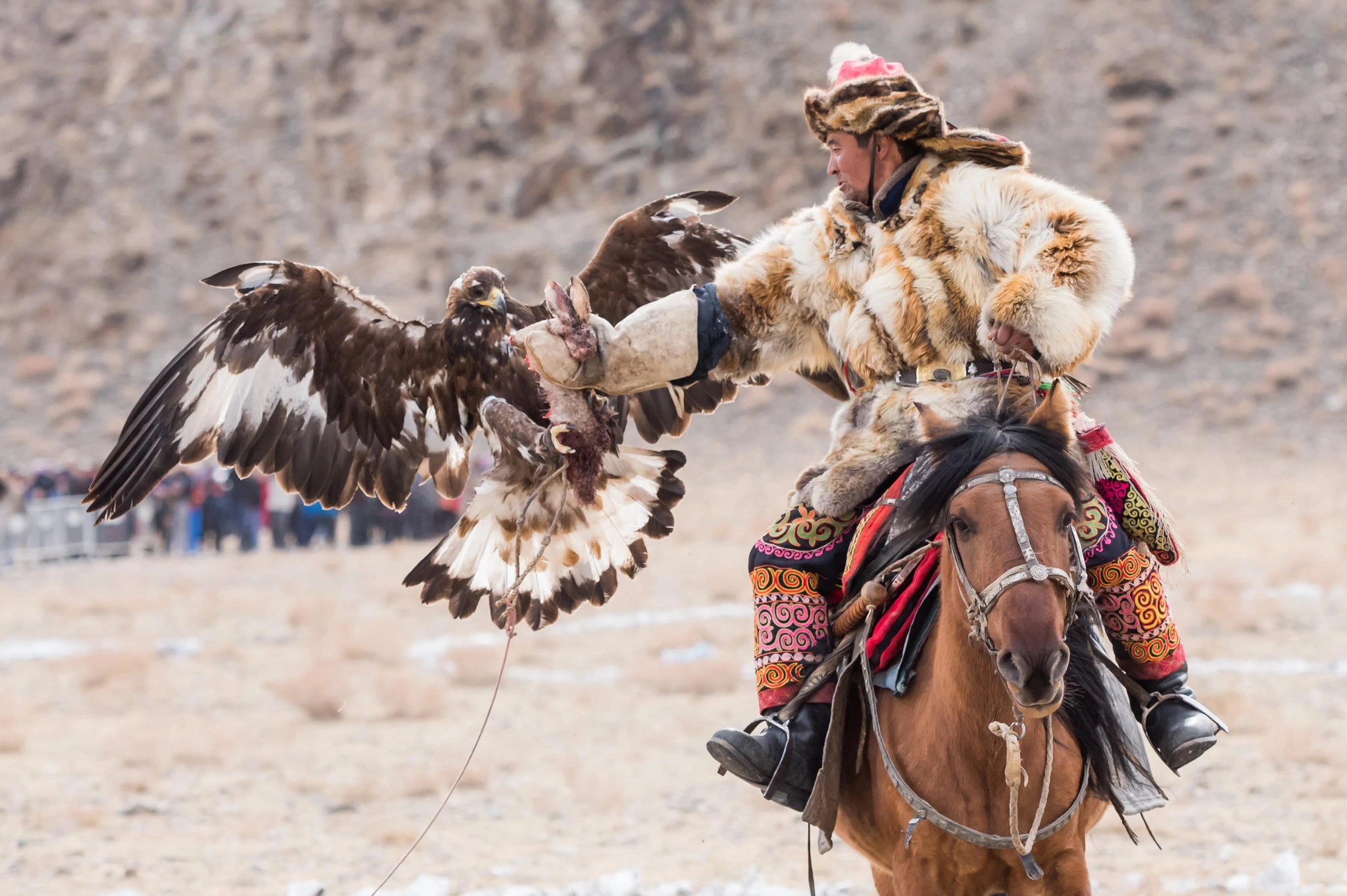
You'll Witness a 1,000-Year-Old Tradition That Almost Vanished
The Kazakh art of hunting with golden eagles — practitioners are called berkutchi — stretches back centuries along the old nomadic corridors of Central Asia. During the 20th century the tradition nearly died out. The festival was founded in 1999 partly as a rescue mission, giving eagle hunters a reason to train the next generation. It worked: today more than 300 active eagle hunters practice in western Mongolia, and the festival has become the proud centrepiece of Kazakh-Mongolian identity.
What you see is not a show staged for tourists. The competitions — calling an eagle from a mountaintop to a galloping horse, judging the birds' speed and agility, the horseback games that follow — are the real tests these hunters use among themselves.
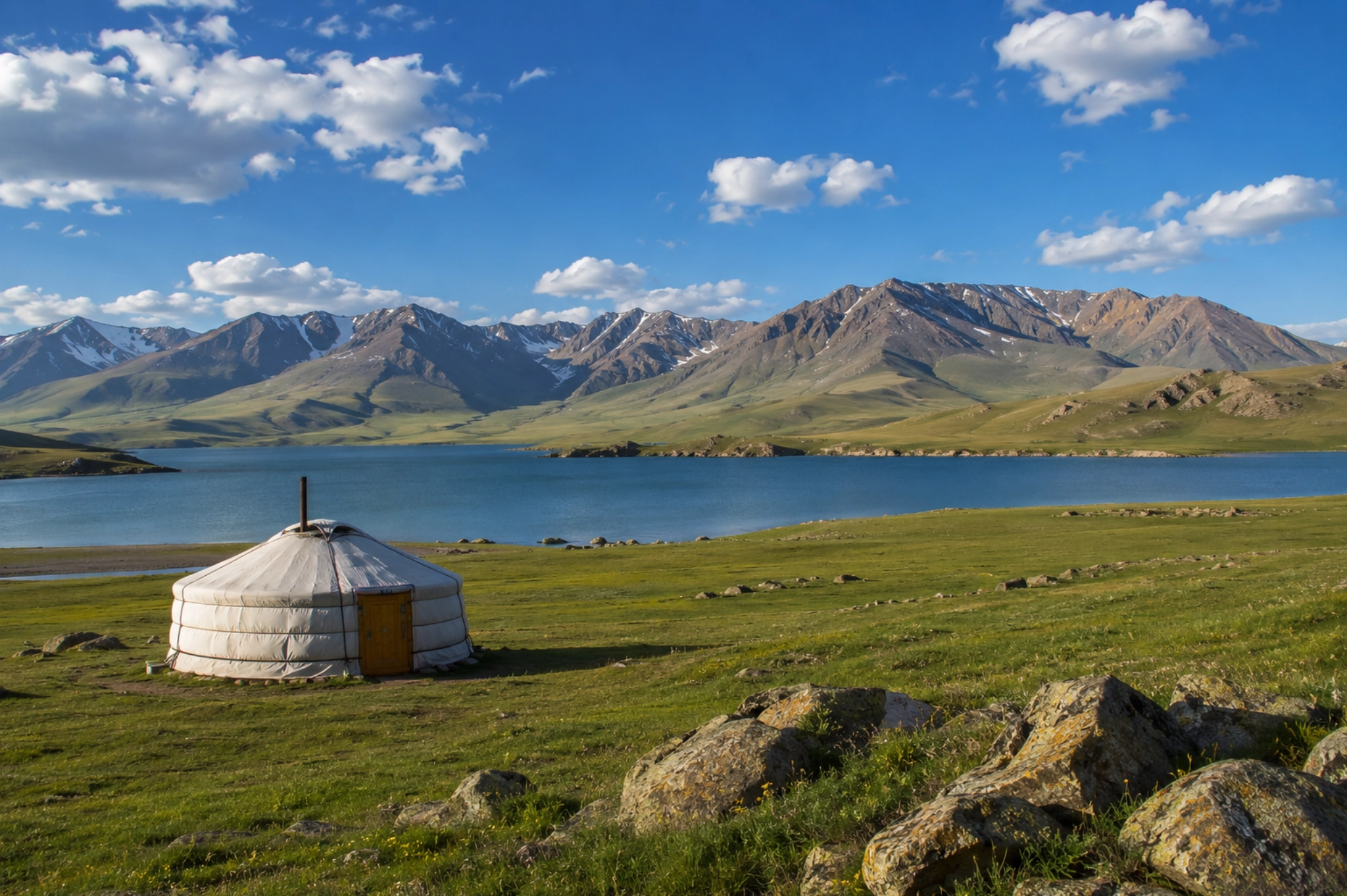
The Setting Is Pure Cinema
The festival takes place near Ulgii, capital of Bayan-Ulgii province, Mongolia's westernmost and only Muslim-majority, Kazakh-majority province. The backdrop is the Altai range: snow-dusted peaks, golden autumn steppe, and light so clear that photographers plan entire trips around it. When an eagle dives from a cliff toward its master's gloved arm at over 150 km/h, with mountains behind and dust rising from the horses, you understand why documentary crews keep coming back.
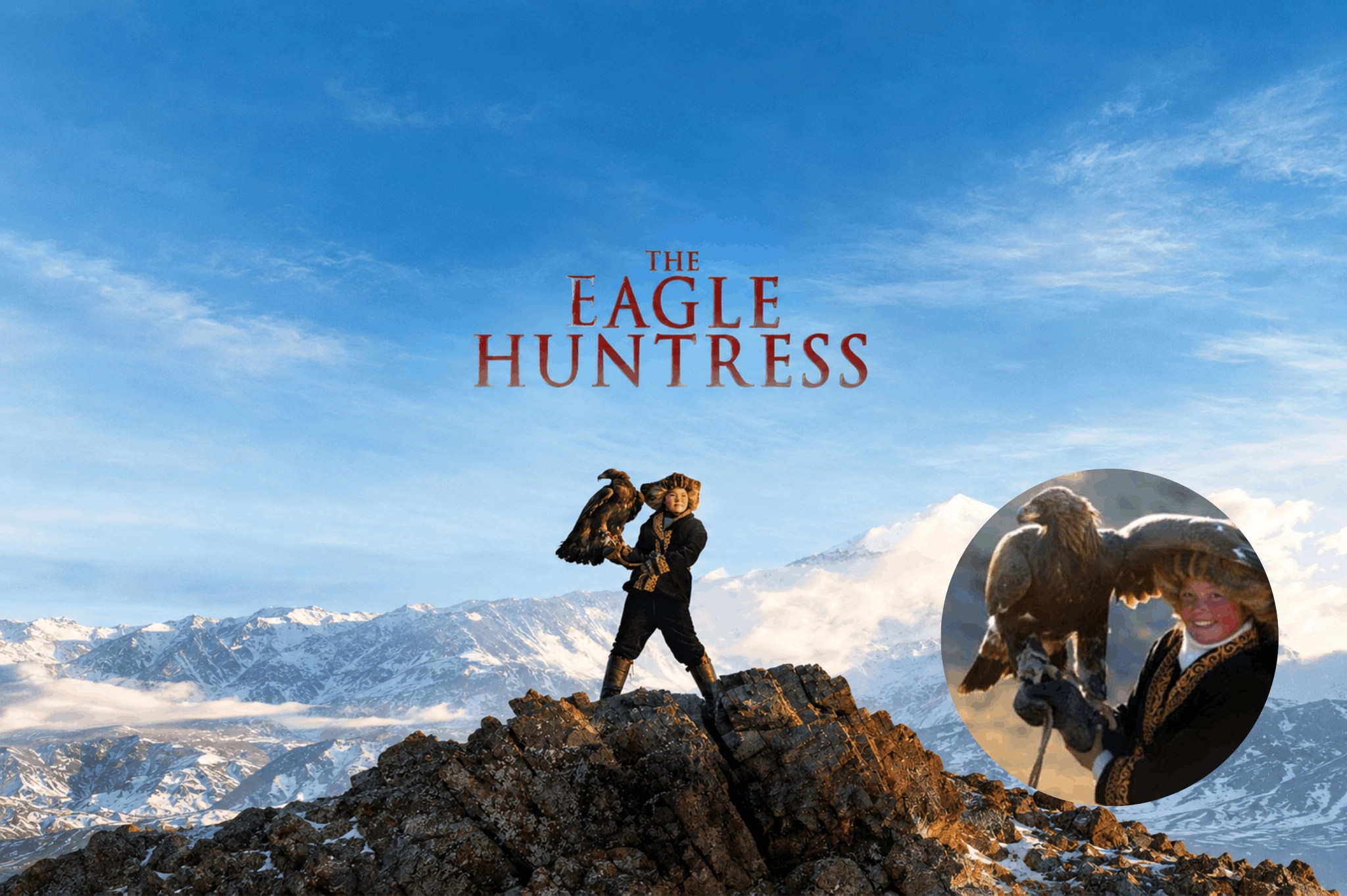
It's the Story Behind "The Eagle Huntress"
If you saw the 2016 documentary The Eagle Huntress, this is where it happened. Aisholpan Nurgaiv, the teenage girl who broke into the male-dominated world of eagle hunting, competed at this very festival — and won. Her story opened the tradition to a new generation of young women, and today you will often see female berkutchi competing alongside the men. For many visitors, meeting these young hunters is the highlight of the trip.
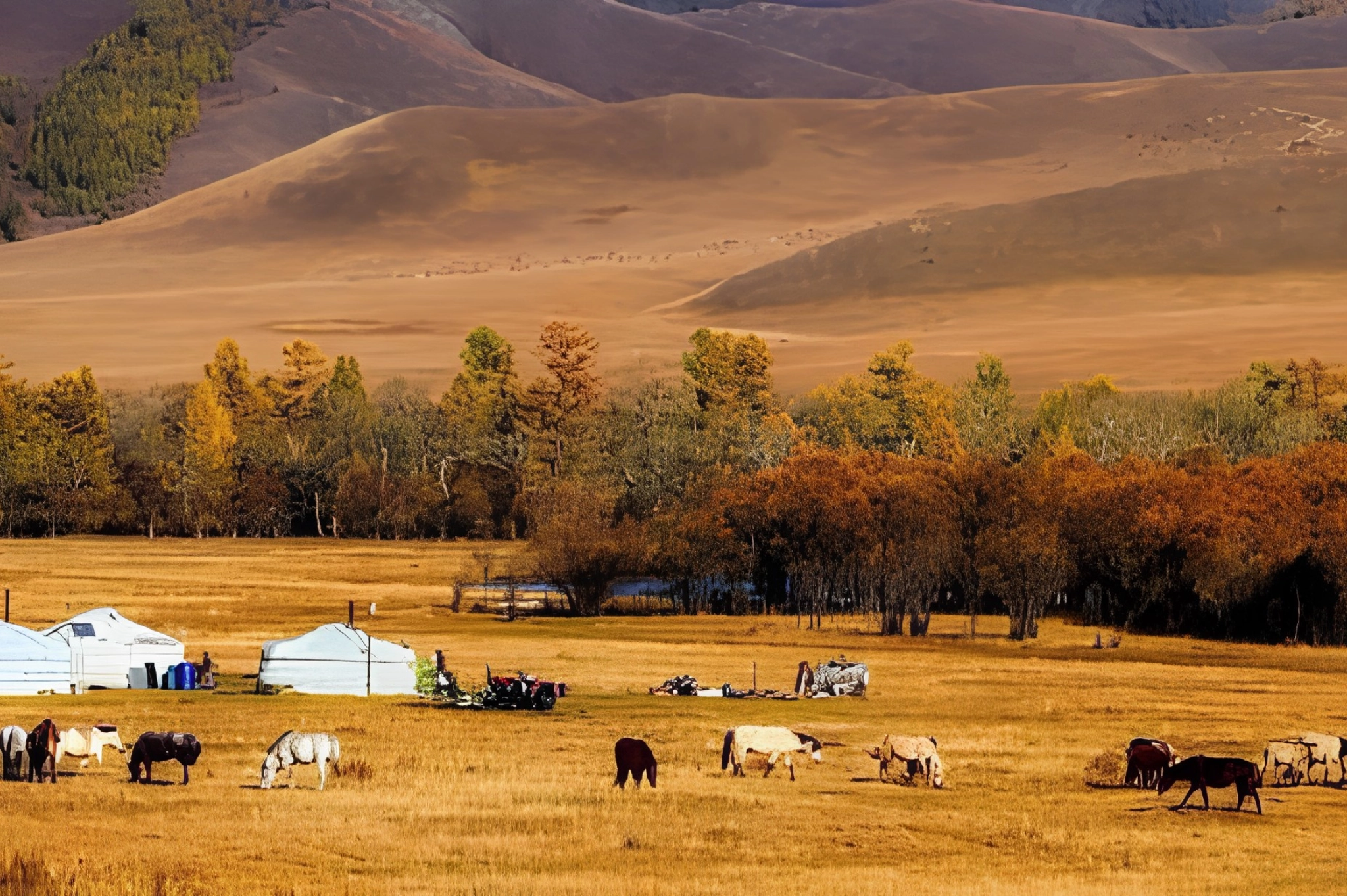
Autumn Is Mongolia's Secret Best Season
July gets the crowds because of Naadam, but October in western Mongolia has its own magic: crisp air, golden larch forests, and far fewer tourists. Daytime temperatures typically range from about -2°C to 10°C — cold enough to feel adventurous, mild enough to enjoy with proper layers. The eagles are also at their best in autumn; traditionally, winter is hunting season, so October is when the birds are fit, focused, and spectacular to watch.
You Can Stay With an Eagle Hunter's Family
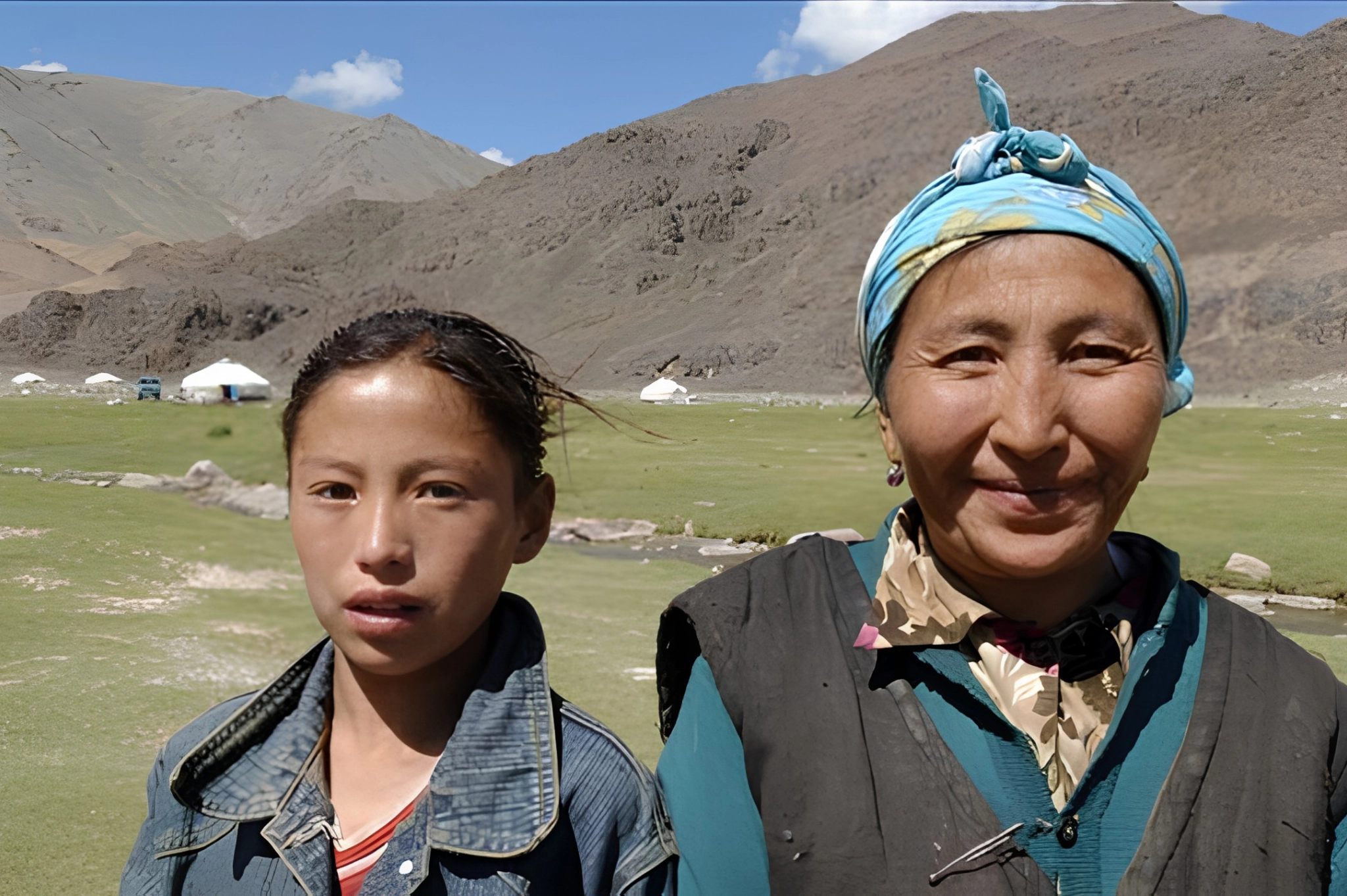
This is what separates Mongolia from almost every other destination: hospitality is not an industry here, it's a way of life. Around the festival, many tours arrange homestays or ger (yurt) stays with Kazakh eagle-hunting families. You'll drink milk tea, eat fresh-made beshbarmak, watch the hunter feed and train his bird at dusk, and sleep under hand-embroidered Kazakh wall hangings. Few travel experiences anywhere are this genuine — and your visit directly supports the families keeping the tradition alive.
The Side Events Are Just as Wild
The eagle competitions share the stage with traditional horseback games that will make your jaw drop:
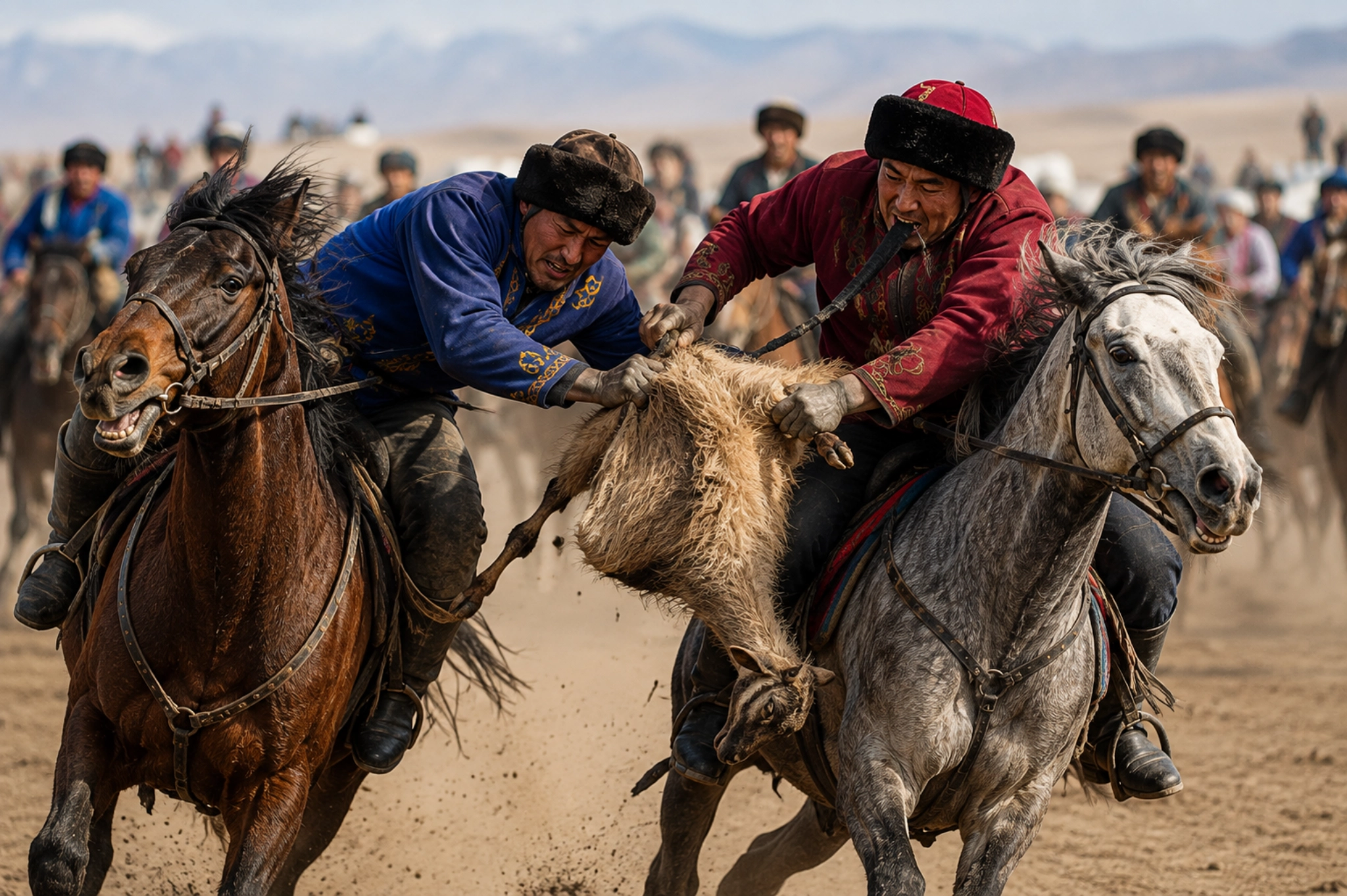
Kokpar — two teams of riders wrestle over a goat carcass in what's often described as the ancestor of polo, played at full gallop.
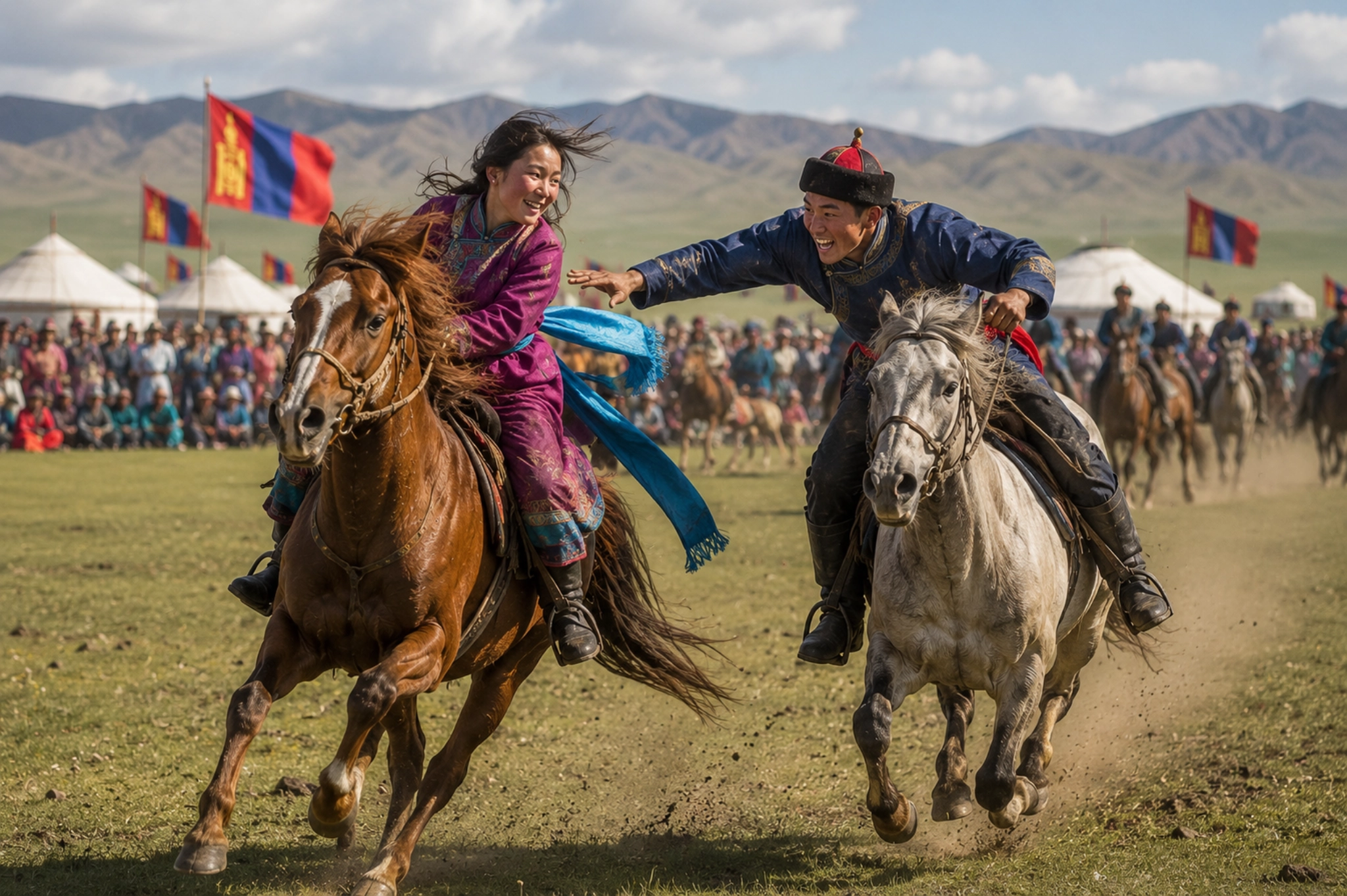
Kyz kuar ("girl chase") — a race in which a woman chases a man on horseback, whip in hand, to the roaring delight of the crowd.
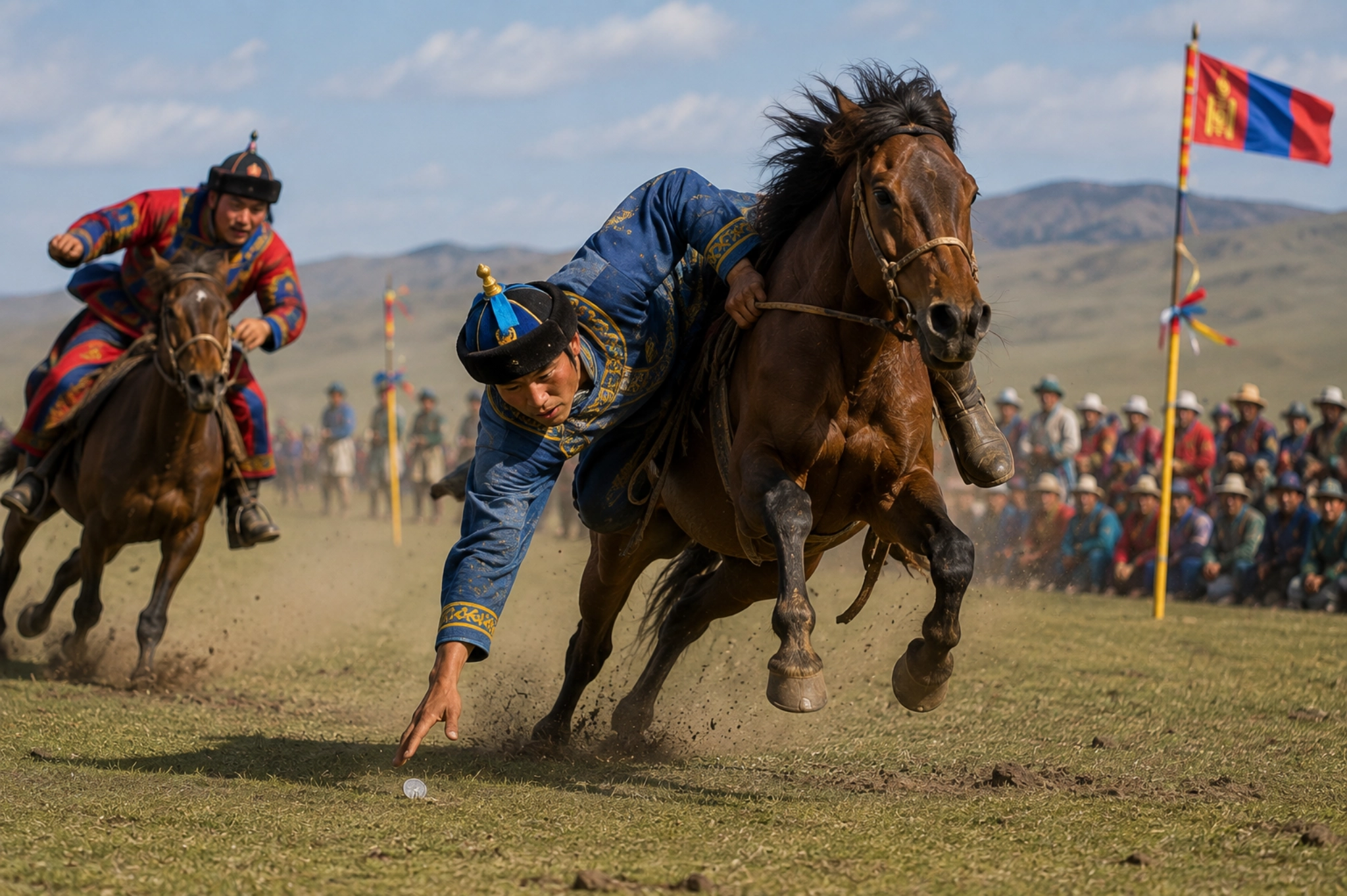
Tenge alu — riders lean from a galloping horse to snatch a coin or token off the ground.
Add camel races, a traditional Kazakh costume contest, and a market of hand-made crafts, fox-fur hats, and embroidered textiles, and the two days fly by.
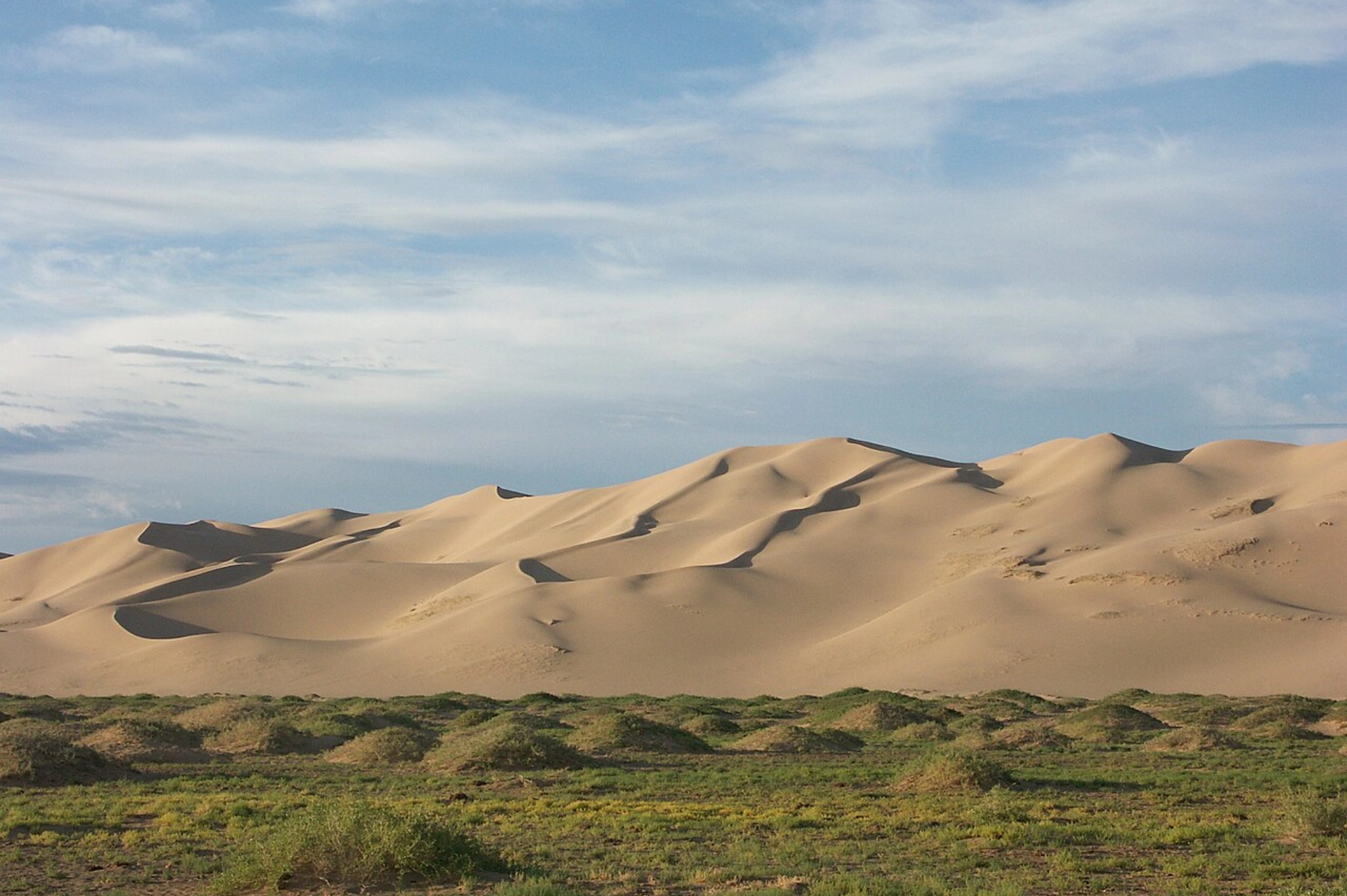
It Pairs Perfectly With the Gobi Desert
Because the festival falls in early October, many travelers combine it with a Gobi Desert circuit — Flaming Cliffs, Khongor sand dunes, Yol Valley — in a single 10–14 day trip. Domestic flights connect Ulaanbaatar with Ulgii (about 3 hours), making the once-remote west surprisingly accessible. It's the ultimate Mongolia combination: dinosaur country in the south, eagle country in the west.
Practical Guide: Planning Your 2026 Trip
When
The main Golden Eagle Festival in Ulgii is traditionally held the first weekend of October. The smaller, more intimate Sagsai Eagle Festival usually runs in late September nearby — serious photographers often attend both.
Getting there
Fly to Ulaanbaatar (Chinggis Khaan International Airport), then take a domestic flight to Ulgii. Book flights early — seats sell out months ahead of festival weekend.
Where to stay
Options range from simple hotels in Ulgii to tourist ger camps and family homestays. For festival dates, book 4–6 months in advance.
What to pack
Serious layers (mornings can be well below freezing), windproof jacket, sunscreen (the high-altitude sun is strong), and twice the camera batteries you think you need — cold drains them fast.
Visas
Many nationalities, including citizens of most Western countries, currently enjoy visa-free entry to Mongolia for short stays — check the latest rules for your passport before booking.
Responsible travel
Choose operators that pay hunters and host families fairly, ask before photographing people up close, and never pressure a hunter to make his eagle "perform" outside the competitions.
FAQ
When is the Golden Eagle Festival 2026?
The main festival in Ulgii is traditionally held on the first weekend of October, with the smaller Sagsai festival in late September. Confirm exact dates with your tour operator before booking flights.
Is the festival ethical for the eagles?
Kazakh hunters traditionally capture eagles young, train and hunt with them for roughly 5–10 years, then release them back to the wild to breed. The birds are extremely valuable to their owners and are generally treated as family members.
How cold is it in October?
Expect roughly -2°C to 10°C during the day, colder at night. Dress in warm layers as you would for late autumn hiking.
Can I visit without a tour?
Independent travel is possible but challenging — English is rare, distances are huge, and festival logistics are easier with local support. Most visitors book a small-group or private tour from Ulaanbaatar or Ulgii.
Is western Mongolia safe?
Mongolia is one of Asia's safest destinations for travelers. The main risks are practical: rough roads, cold snaps, and altitude sun. Travel insurance covering remote-area evacuation is recommended.
How is this different from Naadam?
Naadam (July, nationwide) is Mongolia's national games — huge, festive, and centered on wrestling, archery, and horse racing. The Golden Eagle Festival (October, Bayan-Ulgii) is smaller, Kazakh rather than Mongol in culture, and focused on the eagle-hunting tradition. Many travelers say the eagle festival feels more intimate.