
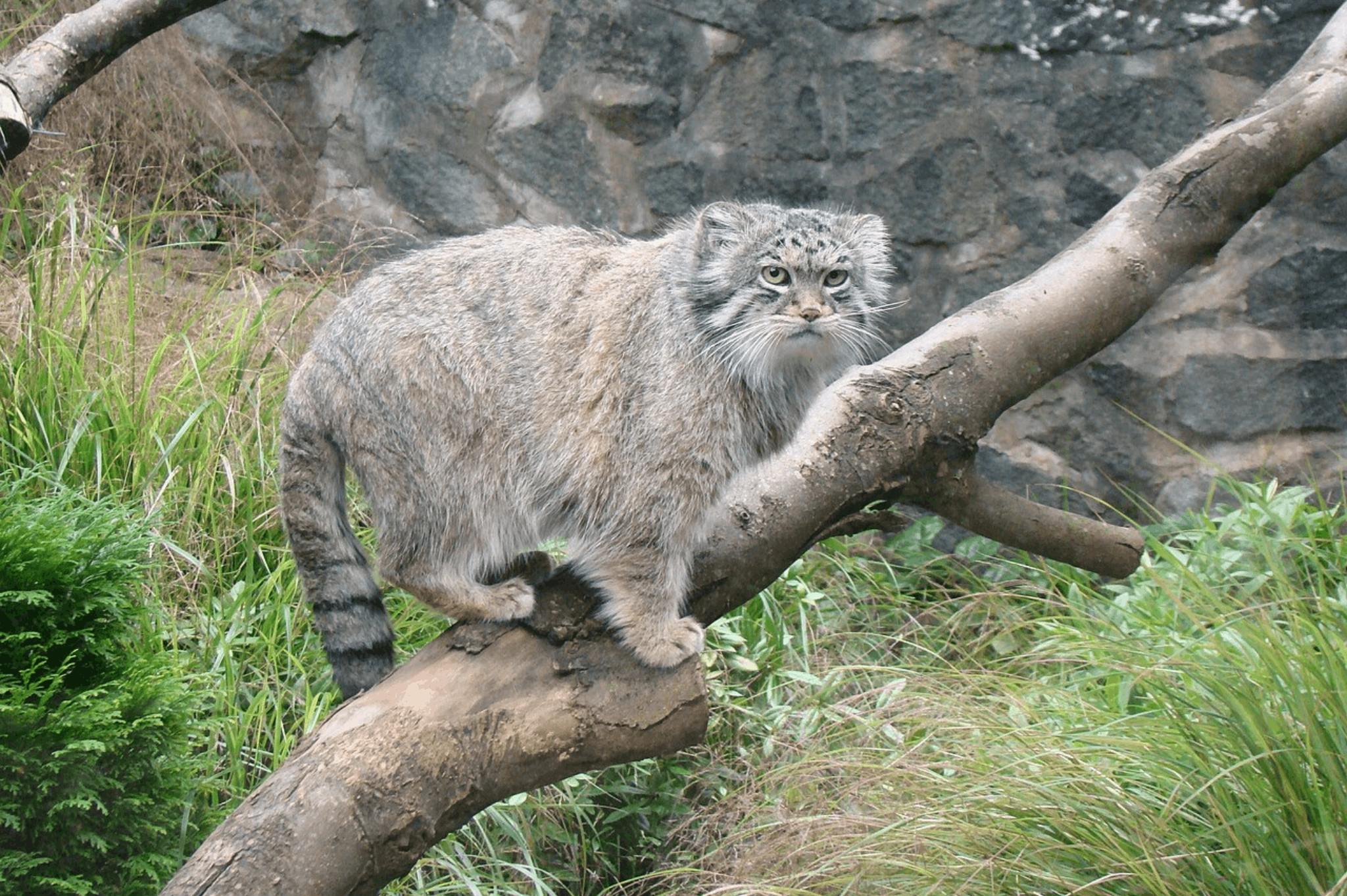
If the internet had to pick an official mascot for Mongolia's high-altitude wilderness, it would undoubtedly choose the manul (Pallas's cat). This stocky, silvery-buff wild cat features a broad, flattened face, low-set ears, and a permanent expressional scowl. Far from a internet myth, this real-life feline thrives across the vast steppes and rocky uplands of Central Asia, with Mongolia forming the core of its global stronghold.
To wildlife enthusiasts and researchers alike, the manul represents an evolutionary marvel. Adapted to survive in some of the harshest alpine environments on Earth, this mysterious predator offers a fascinating glimpse into the prehistoric heritage of the cat family.
Evolutionary Heritage and Physical Adaptations
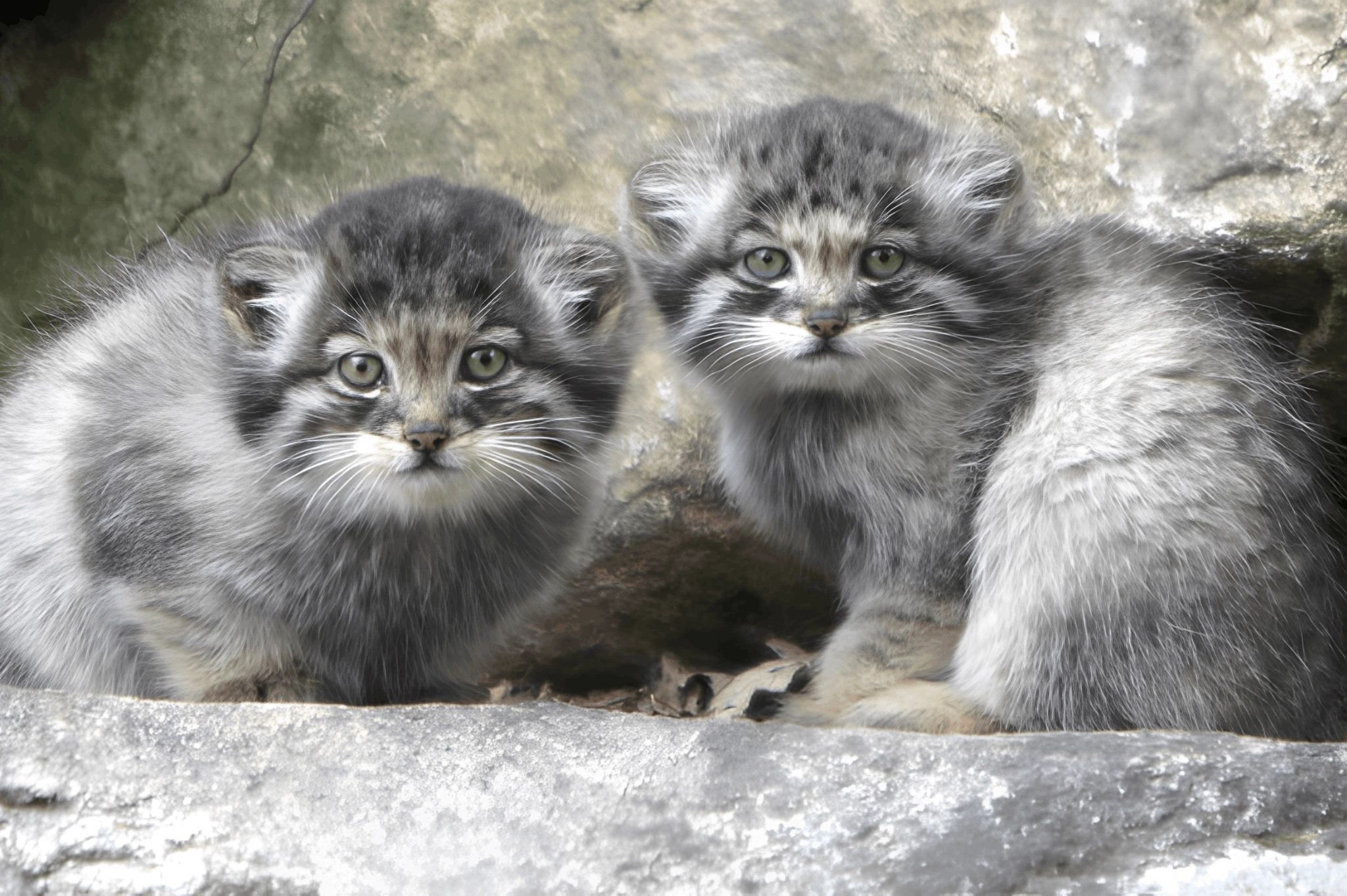
According to data from the Felidae Fund, an adult manul weighs between 2 and 5 kg and measures 50 to 65 cm in body length—roughly the size of a standard domestic cat. However, its extraordinarily thick, dense fur gives it a much larger, rounded appearance. In fact, Pallas's cat possesses the longest and densest fur of any felid species, a necessary thermal shield against brutal freezing temperatures on the open steppe.
The manul is widely considered by evolutionary biologists to belong to one of the oldest living cat lineages, with a genetic history extending back approximately ten million years. Its anatomical features are precisely tailored for survival in open, cover-scarce terrain:
- Flattened Skull and High Eyes: Allows the cat to peer over low rocks while hunting without raising its visible head outline.
- Low-Set Ears: Positioned wide and low on the sides of the head to prevent detection by sharp-eyed prey and aerial raptors.
- Short, Stocky Limbs: Designed for brief, explosive bursts of movement among boulder fields rather than long-distance endurance running.
- Bushy Ringed Tail: Helps insulate the cat when curled up on frozen ground and provides balance when negotiating steep scree slopes.
Thriving in the Extreme High Steppe
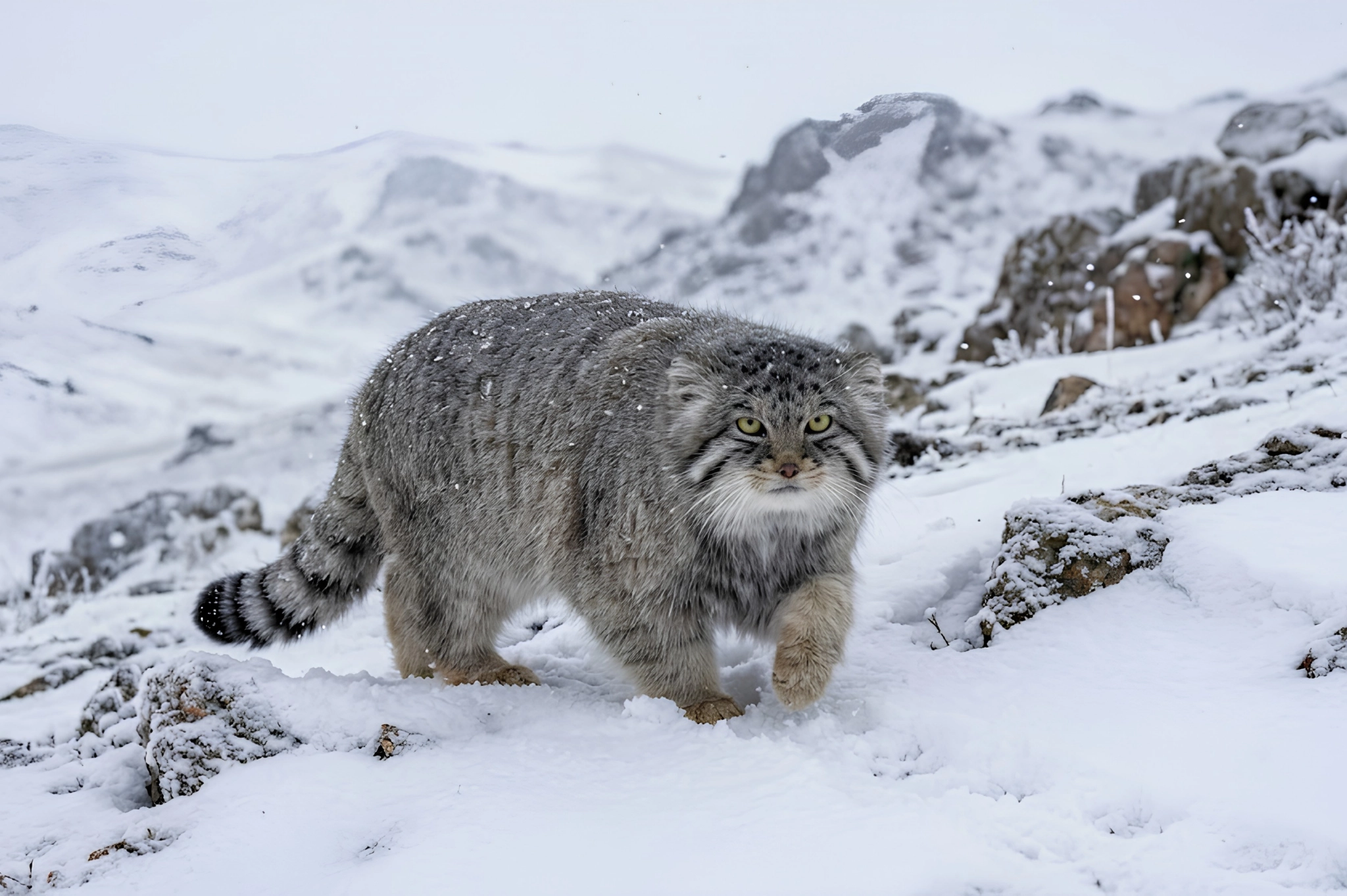
The manul is built specifically for an extreme continental climate characterized by sparse rainfall, low humidity, severe windchill, and massive seasonal temperature swings. It inhabits high-altitude plateaus and rocky hills up to 4,000 meters above sea level.
Mongolia and Inner Mongolia form the central habitat core for this species. To survive winters where temperatures routinely drop far below zero, the manul relies on its dense undercoat, which grows significantly thicker in late autumn. Rocks, rock crevices, abandoned marmot burrows, and small caves serve as essential shelters from harsh alpine winds and dangerous predators.
Predatory Strategy and Ecosystem Role
Because its short legs prevent it from outrunning swift prey across open grassland, the manul employs an ambush and stalking strategy. It moves low to the ground, taking advantage of natural folds in the terrain, boulders, and tall vegetation to approach within striking distance.
Its specialized diet consists primarily of small mammals and ground birds:
- Pikas: The primary food source across most Mongolian range areas.
- Rodents: Voles, gerbils, and hamsters.
- Birds: Ground-nesting chukar partridges and small passerines.
By regulating rodent and pika populations, the manul performs a critical ecological service, helping maintain healthy vegetation cover and preventing grassland degradation across the fragile steppe ecosystem.
Conservation Status and Human Coexistence
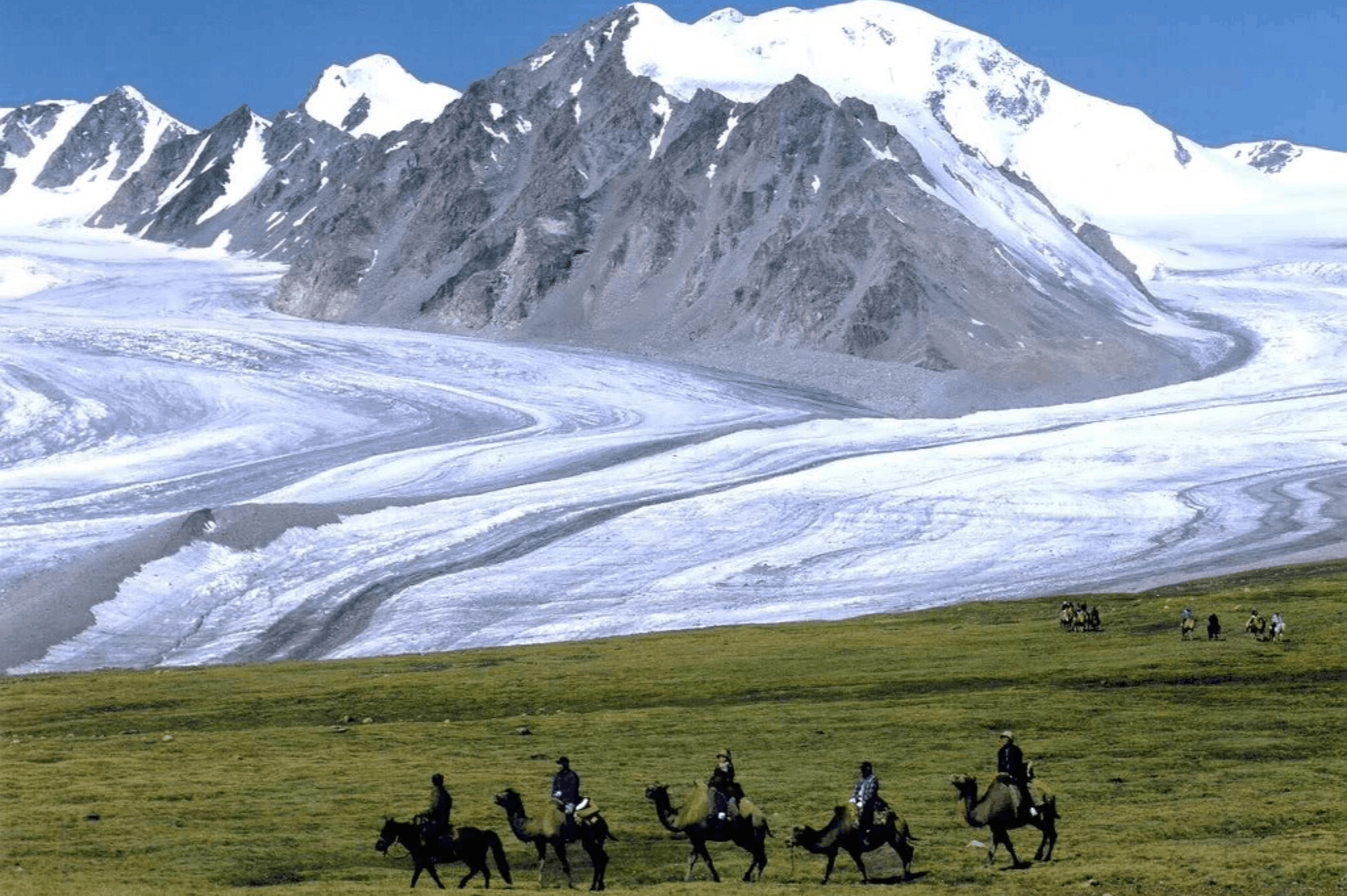
The International Union for Conservation of Nature (IUCN) currently classifies the manul as Least Concern. However, this global status disguises significant localized pressures across its range. Major threats to Pallas's cat include:
- Habitat Fragmentation: Expanding mining operations, road infrastructure, and overgrazing by livestock reduce available shelter and prey density.
- Poaching and Accidental Trapping: Historical hunting for the fur trade, along with accidental capture in traps set for marmots or foxes.
- Secondary Poisoning: Agricultural campaigns targeting rodent populations reduce the cat's primary food supply and lead to indirect poisoning.
Recent field research conducted in the Mongolian Altai examined how Pallas's cat occurrence overlaps with nomadic livestock husbandry. The findings emphasize that sustainable grazing management and local community engagement are essential for ensuring herders and wild cats can coexist peacefully on shared grasslands.
Practical Advice for Wildlife Travelers
For wildlife travelers visiting Mongolia, spotting a manul in the wild is one of the ultimate rewards—but it requires patience and realistic expectations. Manuls are solitary, nocturnal or crepuscular, and exceptionally camouflaged against granite boulders and dry grass.
To maximize your chances of a respectful encounter, consider the following expedition tips:
- Partner with Specialized Guides: Join a licensed wildlife operator with experienced field trackers who understand local territory boundaries and animal behavior.
- Focus on Key Habitats: Target rocky outcrops, scree slopes, and broken hilly terrain during early morning dawn and late afternoon dusk.
- Utilize High-Quality Optics: Use high-power spotter scopes and binoculars rather than trying to approach animals on foot.
- Practice Ethical Observation: Never chase, corner, feed, or call wild cats. Maintain a respectful distance to avoid disrupting their hunting or resting activities.
- Combine Wildlife Targets: Pair your search for Pallas's cat with observations of more visible species, such as Argali wild sheep, Siberian Ibex, Przewalski's horses, and Golden Eagles.