Chinese vs. Taiwanese Oolong: From Wuyi Rock Tea to High Mountain Tea
Fujian · TaiwanChinese vs. Taiwanese Oolong TeaDifferences & Tea Tours
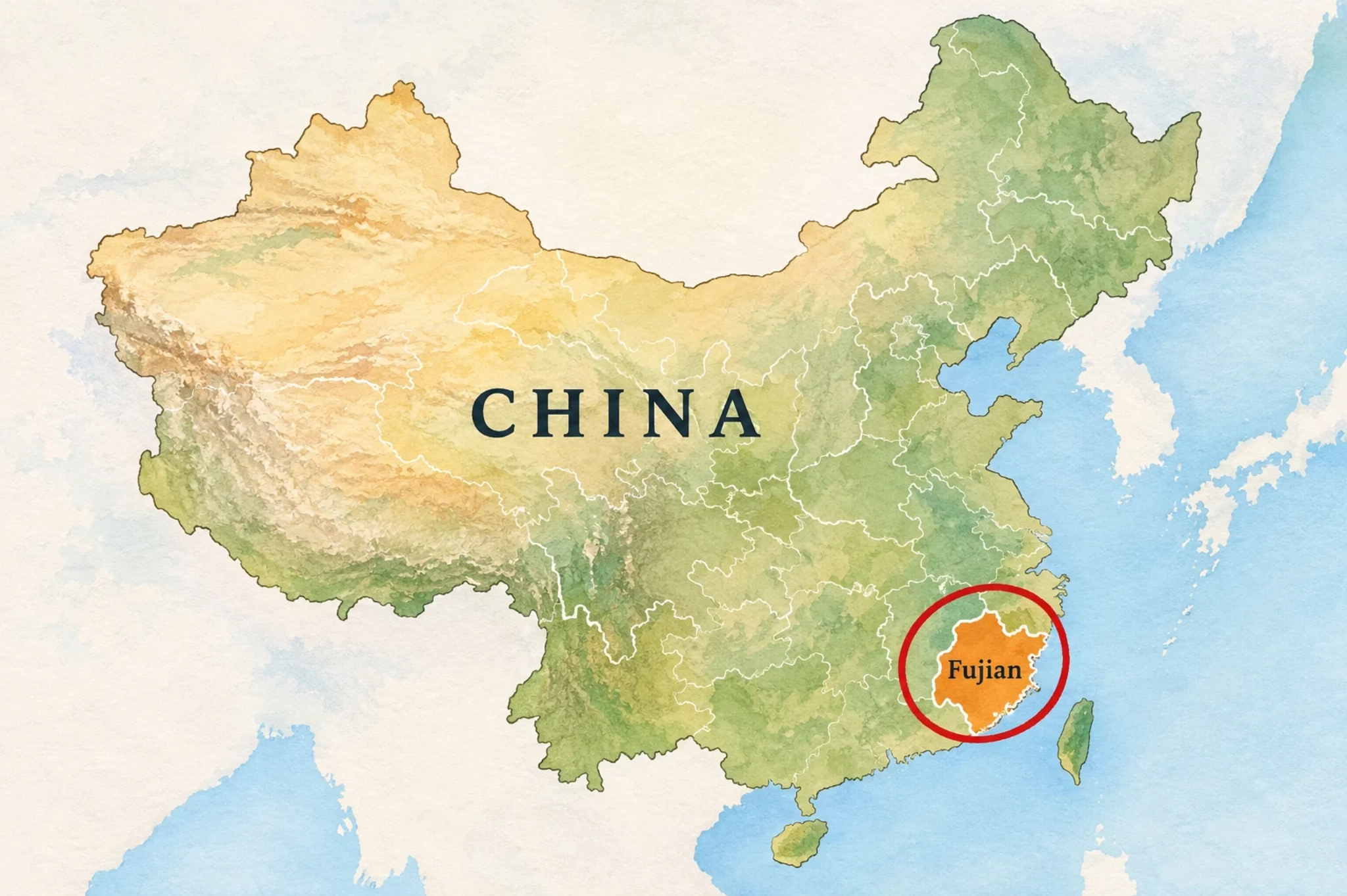
Oolong is the tea that refuses to choose. It is not green, and it is not black. It is something in between, with flavors that range from fresh orchid to roasted honey to ripe stone fruit. Its birthplace is Fujian province in mainland China. But when oolong crossed the Taiwan Strait in the 19th century, it found new mountains, new makers and a new identity.
Today, tea lovers argue happily about which side makes the better cup. The honest answer is that they make different cups. Here is how to tell them apart, and where to taste each one at the source.
Key PointsThe Story in Six Lines
Short on time? Here is what sets the two oolongs apart, in brief.
1Born in FujianOolong's birthplace is Fujian. Settlers brought tea plants and tea-making skills to Taiwan in the 18th and 19th centuries.
2Partly oxidizedOolong sits between green and black tea, which is why two oolongs can taste like completely different drinks.
3Fujian: deep and roastedWuyi rock teas such as Da Hong Pao are often heavily oxidized and roasted, with mineral, dark fruit and cocoa notes.
4Taiwan: fresh and floralHigh mountain oolong from Alishan and Lishan is lightly oxidized and usually unroasted, tasting creamy, sweet and bright.
5One shared ritualBoth sides brew their best oolong gongfu style: a small teapot, plenty of leaf and very short steeps, many times over.
6Taste it in springApril and May are harvest season on both sides. A route from the Wuyi Mountains to Alishan follows oolong's whole journey.
What Makes Oolong, Oolong?
All true tea comes from the same plant, Camellia sinensis. What separates green, oolong and black tea is oxidation, the browning that happens when the leaves are bruised and exposed to air.
Green tea is heated soon after picking to stop oxidation.
Black tea is fully oxidized.
Oolong is partly oxidized, anywhere from roughly 10% to 80%. Leaves are tossed to bruise the edges, rested, then fired. Many oolongs are also roasted over charcoal.
That wide range is why two oolongs can taste like completely different drinks.
The Birthplace: Fujian
Wuyi Rock Tea (Yancha)
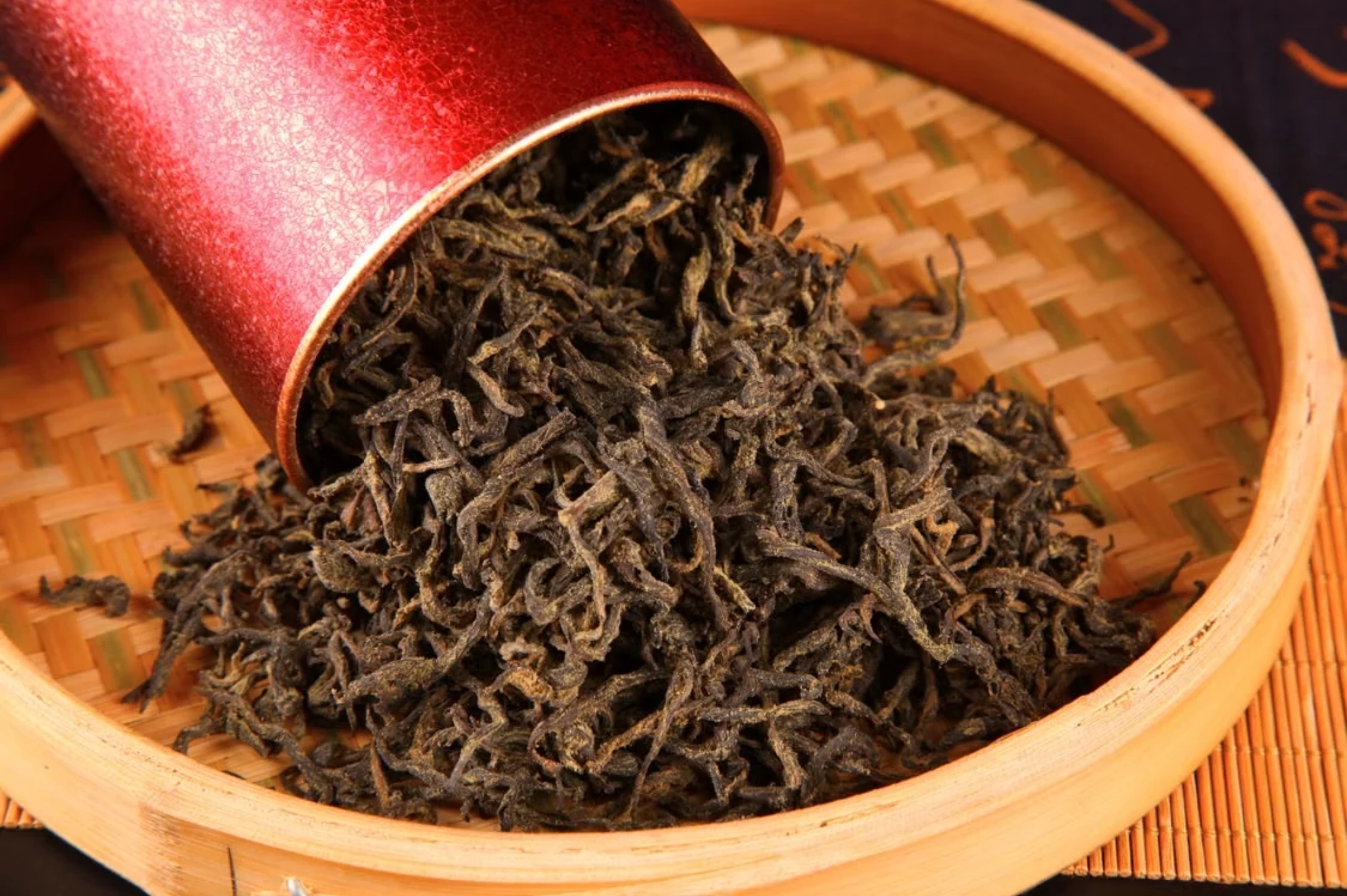
In the Wuyi Mountains of northern Fujian, tea bushes grow in narrow valleys between cliffs. Locals call the result yancha, "rock tea," and drinkers describe a mineral quality known as yan yun, or "rock rhyme." These teas are usually heavily oxidized and roasted, giving deep notes of dark fruit, cocoa and toasted grain.
The most famous is Da Hong Pao, "Big Red Robe." A handful of ancient mother bushes still cling to a cliff in the Wuyi Mountains. Picking from them stopped in 2006 to protect them, so the Da Hong Pao you buy comes from cuttings of those plants. The Wuyi Mountains have been a UNESCO World Heritage Site since 1999.
Anxi Tieguanyin
In southern Fujian, Anxi county is home to Tieguanyin, the "Iron Goddess of Mercy." Its leaves are rolled into tight balls that unfurl in hot water. Modern Tieguanyin is often light and floral. Traditional versions are roasted and richer.
Phoenix Dancong
Just across the border in Guangdong, the Phoenix Mountains produce Dancong oolongs, famous for natural aromas of honey, orchid and even almond.
The Crossing: How Oolong Came to Taiwan
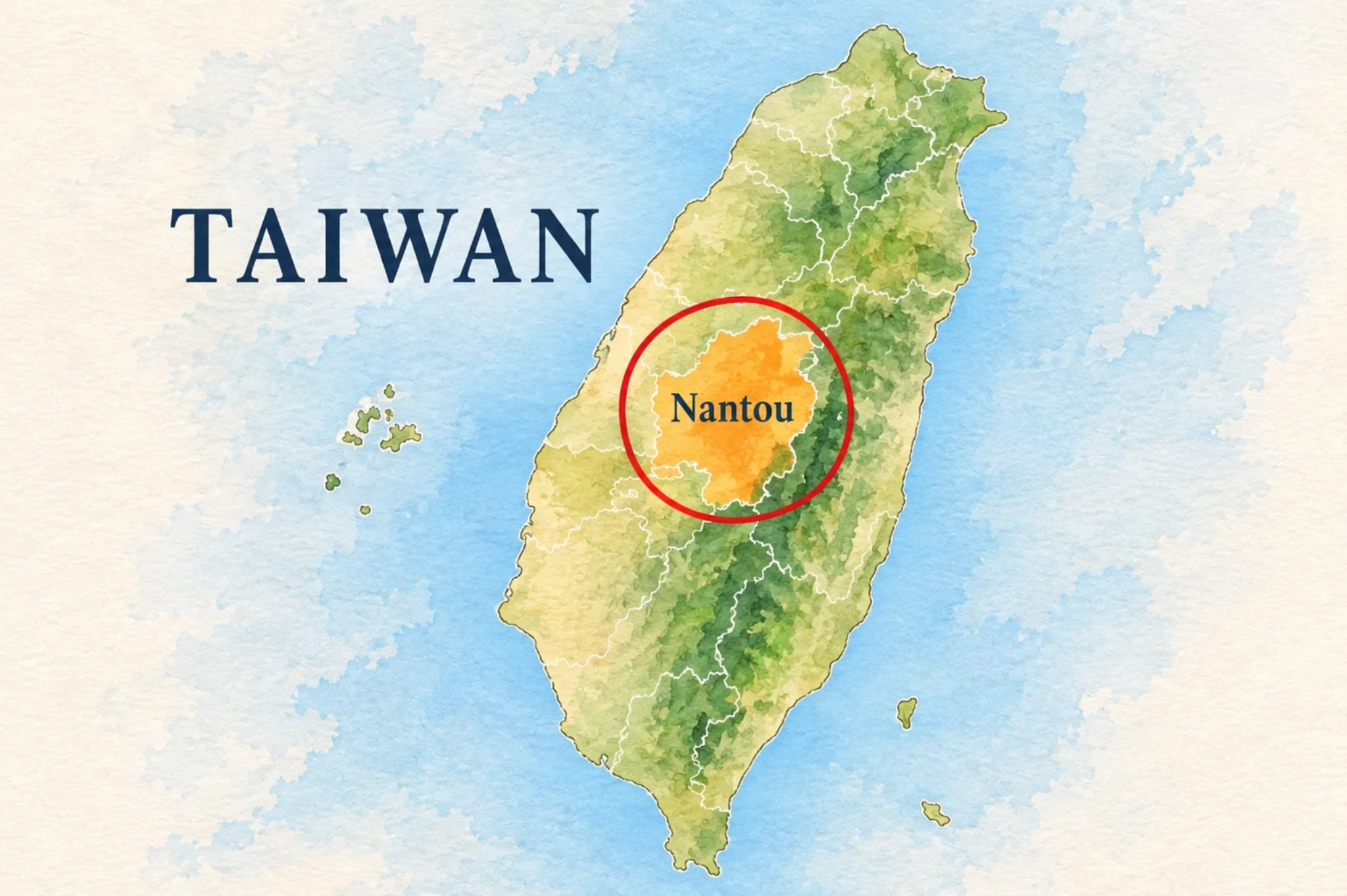
Settlers from Fujian brought tea plants and tea-making skills to Taiwan in the 18th and 19th centuries. According to a popular local story, a scholar named Lin Feng-chi brought plants from the Wuyi Mountains in 1855 and planted them on Dong Ding mountain in Nantou.
Taiwan's tea went global in the 1860s, when British merchant John Dodd and his partner Li Chun-sheng began buying and refining tea in northern Taiwan. In 1869 they shipped a large cargo directly to New York, branded "Formosa Oolong." It sold well in America, and Taiwan's tea industry was born.
Taiwan's Signature Styles
High Mountain Oolong (Gaoshan Cha)
Grown above about 1,000 meters on mountains such as Alishan, Lishan and Shanlinxi, high mountain oolong is Taiwan's best-known style today. Cool temperatures and daily mist slow the plants' growth, building sweetness and a creamy, floral character. It is lightly oxidized and usually unroasted, so it tastes fresh and bright.
Dong Ding Oolong
The classic style of Nantou, Dong Ding is medium oxidized and gently roasted. Expect notes of honey, nuts and baked fruit. It is the Taiwanese oolong closest in spirit to Fujian tradition.
Oriental Beauty (Bai Hao)
Oriental Beauty is the most unusual oolong in the world. It depends on a tiny insect, the tea green leafhopper, which bites the leaves in summer. The plant reacts by producing natural compounds that create a honey and muscat grape aroma. Because the tea relies on these insects, farmers cannot use pesticides. It comes mainly from Hsinchu and Miaoli counties.
Baozhong
From Pinglin, near Taipei, Baozhong is very lightly oxidized and twisted rather than rolled. It sits close to green tea, with clean floral notes.
Side-by-SideFujian vs. Taiwan
The BirthplaceFujian Oolong (Mainland China)
A New IdentityTaiwanese Oolong
01Origin story
FujianBirthplace of oolong, centuries of history
TaiwanArrived with Fujian settlers, 18th–19th century
02Signature terroir
FujianRocky cliffs and valleys (Wuyi), hills of Anxi
FujianDrinkers who like depth, roast and complexity
TaiwanDrinkers who like aroma, sweetness and freshness
Tap Fujian or Taiwan to focus on one style.
A Shared Ritual: Gongfu Tea
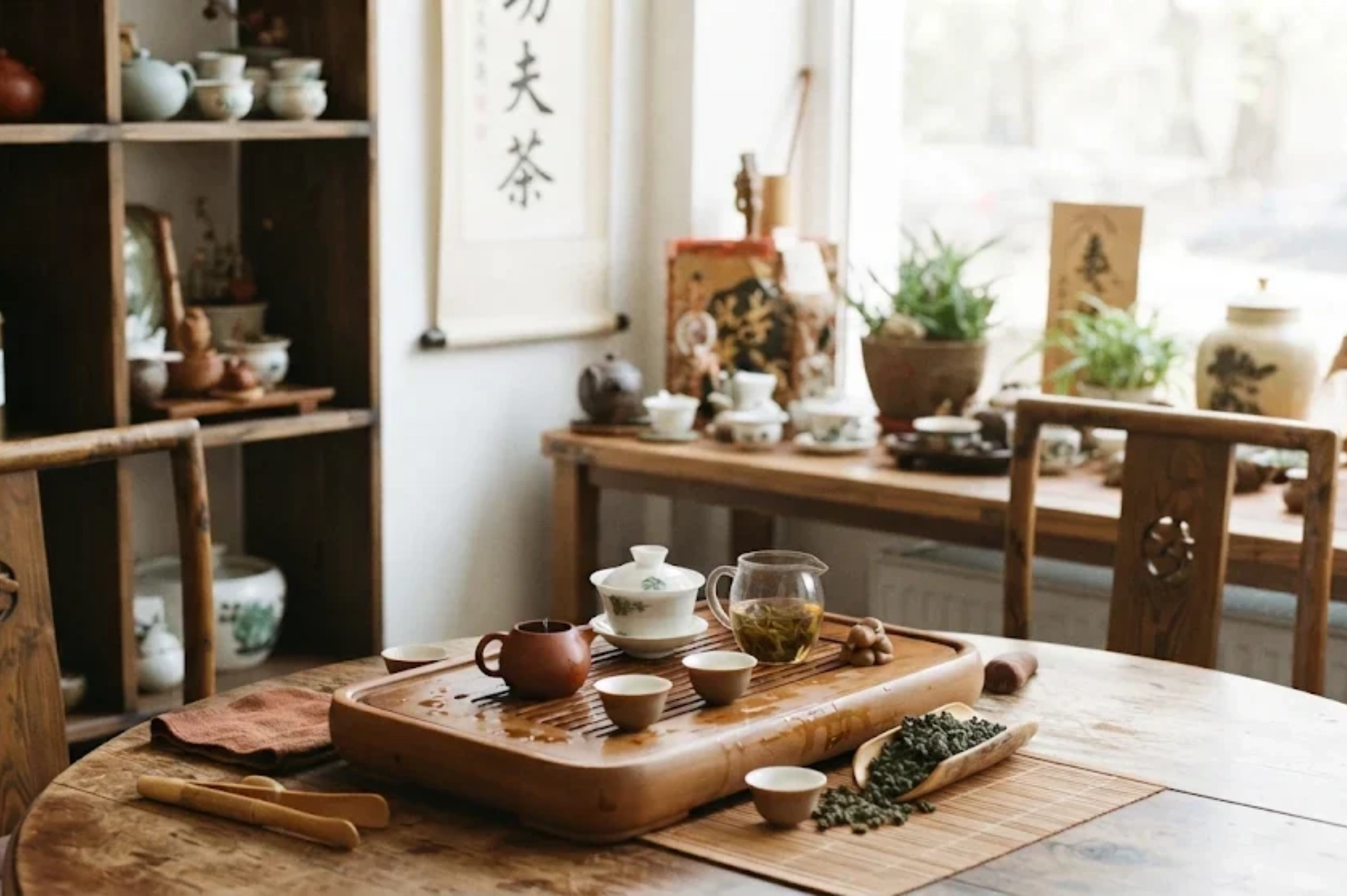
Both sides brew their best oolong the same way: gongfu cha, "making tea with skill." The method comes from Chaozhou and southern Fujian. It uses a small teapot or lidded bowl, a large amount of leaf and very short steeps, so one serving of leaves can be brewed many times.
Taiwan added its own touch. In the late 20th century, Taiwanese tea houses popularized the aroma cup, a tall narrow cup used to smell the tea before pouring it into a drinking cup. Taiwan also gave the world a very different tea drink in the 1980s: bubble tea.
Step by StepHow to Brew Oolong at Home
Step 01 · Leaf5–7g5–7 g for a 150 ml teapot
Step 02 · Water90–95°CHigh mountain oolong95–100°CRock tea90–95°C for high mountain oolong, 95–100°C for rock tea
Step 03 · First steep30–45secondsRinse leaves briefly, then steep 30–45 seconds
Step 04 · Later steeps+10–15secondsAdd 10–15 seconds each time
Step 05 · Number of steeps5–8steeps5–8 for good oolong
Where to Taste It at the Source
In Mainland China
Wuyishan, Fujian: walk the tea trails of the Nine Bend River valley and visit rock tea workshops during the spring harvest.
Anxi, Fujian: tour Tieguanyin farms and tasting rooms.
Hangzhou, Zhejiang: not an oolong region, but the green tea villages of Longjing (Dragon Well) make an easy detour.
In Taiwan
Maokong, Taipei: ride the Maokong Gondola up to hillside tea houses with city views.
Alishan, Chiayi: stay in a mountain homestay surrounded by tea gardens and sunrise sea of clouds.
Pinglin, New Taipei: visit the Pinglin Tea Museum, home of Baozhong.
Beipu, Hsinchu: taste Oriental Beauty in a Hakka village and try lei cha, a ground tea drink.
Bringing Tea Home
Dried tea leaves are generally allowed into the United States, the United Kingdom and most of Europe for personal use, but always declare them at customs. Buy sealed, labeled packages, and store your tea away from light, heat and strong smells.
Plan Your Tea Journey
Spring (April–May) is harvest season on both sides of the strait, and the best time to watch tea being made. A route that starts in Fujian's Wuyi Mountains and ends in Taiwan's Alishan lets you taste oolong's whole journey in a single trip.
FAQFrequently Asked Questions01What is the difference between Chinese and Taiwanese oolong?
Fujian oolongs are often more oxidized and roasted, with mineral and dark fruit notes. Taiwanese oolongs, especially high mountain tea, are usually lighter, floral, creamy and sweet.
02Where did oolong tea originate?
Oolong originated in Fujian province in mainland China, especially in the Wuyi Mountains and Anxi county. It was brought to Taiwan by settlers in the 18th and 19th centuries.
03What is Taiwanese high mountain oolong?
It is oolong grown above about 1,000 meters on mountains such as Alishan and Lishan. Cool mist creates a sweet, creamy and floral flavor.
04Why is Oriental Beauty tea unique?
Its leaves are bitten by tea green leafhoppers, which triggers a natural honey and muscat aroma. Farmers cannot use pesticides, so the insects can survive.
05Can I bring tea from China or Taiwan into the US?
Dried tea leaves for personal use are generally allowed, but you should declare them at customs and keep them in sealed, labeled packaging.
Cookie Policy
This website uses cookies to provide you with a better browsing experience. By clicking "Accept", you agree to our use of cookies.
Privacy Policy