The last Yellow Uyghurs, grazing yaks beneath the Qilian snows — one of China's smallest peoples, keeping two mother tongues that cannot understand each other, neither of them written down, and a swan ballad they have made their emblem.
Key Points at a Glance
The Yugur of Gansu
Frequently Asked Questions
The Yugur of Gansu
The Smallest Silk Road Nation: Meet the 14,000 Yugur of Gansu's Qilian Mountains, the Herders Who Speak Two Vanishing Languages and Still Sing the Ballad of the Swan
Travellers come to Gansu for the big names — the painted Buddhas of Dunhuang, the rainbow cliffs of Zhangye, the fortress at the end of the Great Wall. Almost none of them realise that grazing in the high meadows just behind those headline sights is one of the most remarkable small peoples on Earth: the Yugur. There are fewer than 15,000 of them. They are the last living fragment of a vanished steppe empire, the only people on the planet who routinely keep two completely different mother tongues, and the guardians of a swan legend so beloved it has become their national emblem. In the Qilian Mountains of the Hexi Corridor, a thousand years of Silk Road history is still being lived out, quietly, by one of China's tiniest ethnic groups.
One of the Smallest Nations in the Most Populous Country
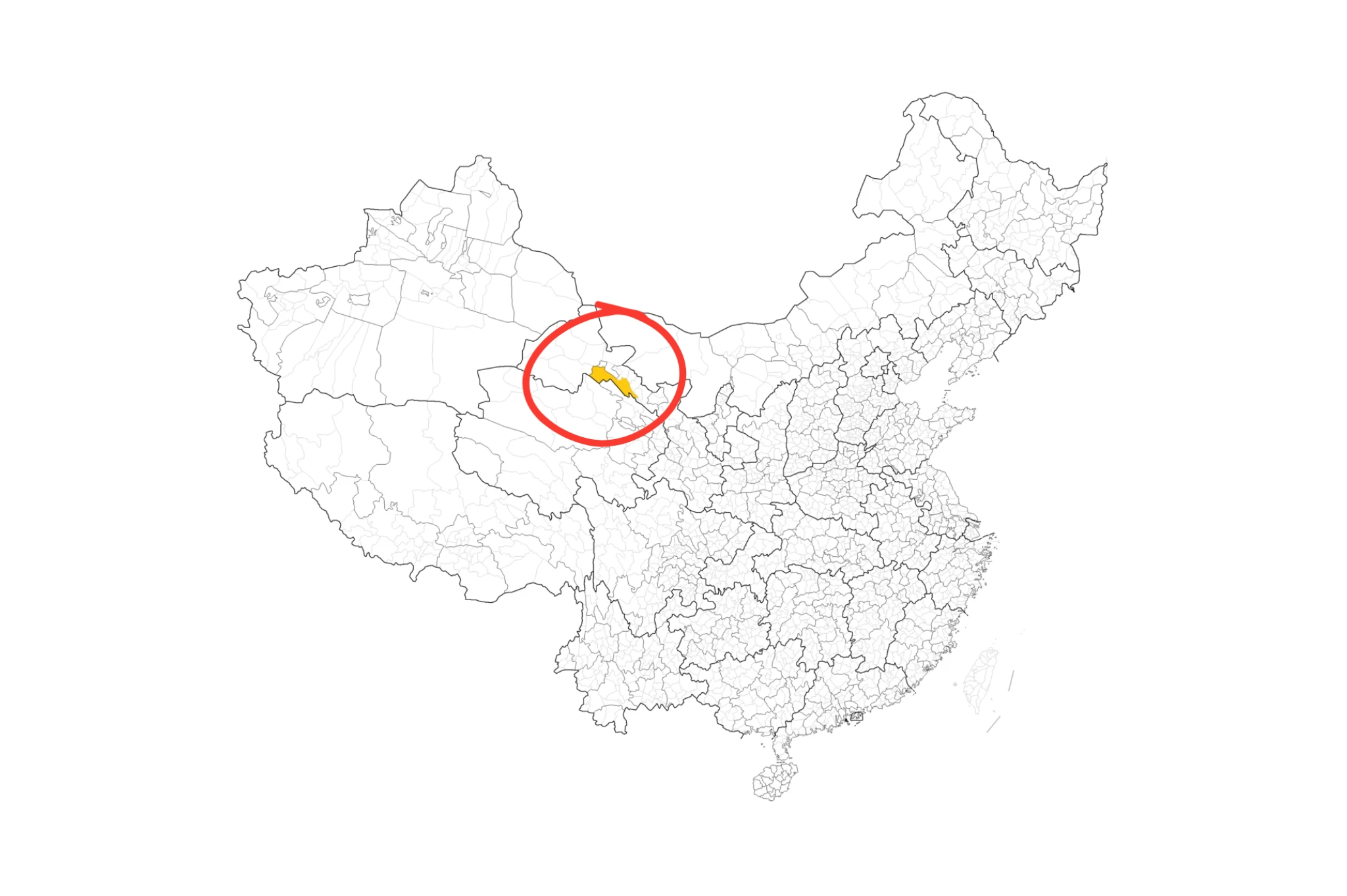
Of the 56 officially recognised ethnic groups in China, the Yugur are among the very smallest — the eighth-smallest of all. The most recent census counts put them at around 14,000 people, a number that would barely fill a provincial sports hall, set against a national population of 1.4 billion. The overwhelming majority live in one place: Sunan Yugur Autonomous County, a long, thin ribbon of mountain pasture at the northern foot of the Qilian Mountains, administered from Zhangye in the heart of the Hexi Corridor. A smaller community of Yugur farmers lives further west, near Jiuquan.
To put their rarity in perspective: this is a people so few in number that, through the hardest decades of the twentieth century, their total fell below 3,000. That they survive at all — with their language, dress, faith and stories intact — is one of the quiet wonders of Chinese ethnography.
Exiles From a Lost Empire
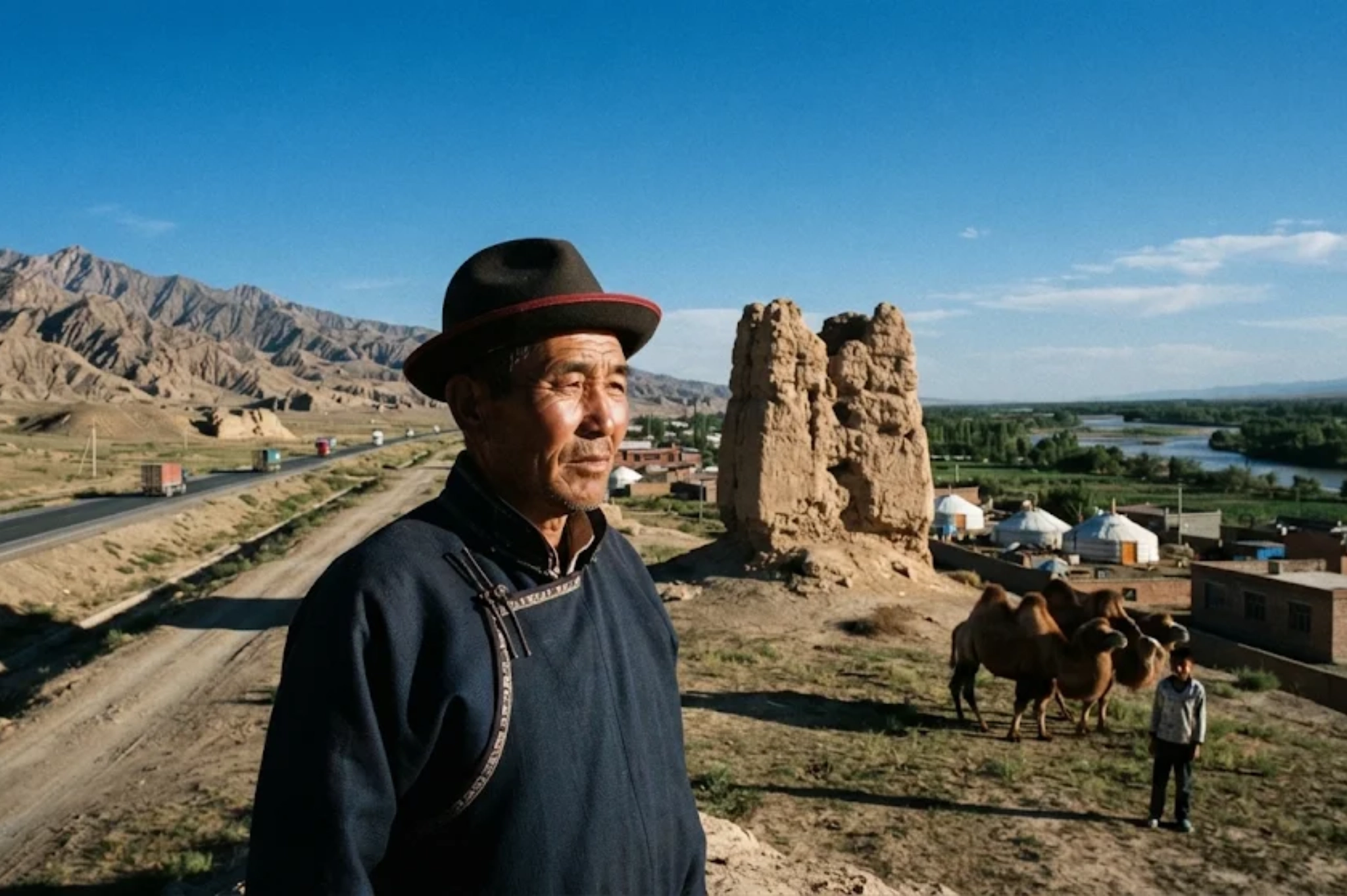
The Yugur story begins far to the north, on the Mongolian steppe, among the Uyghurs (the Huihe) who once ruled a mighty nomadic empire centred on the Orkhon River. In the 9th century, that empire collapsed under Kyrgyz attack, and its people scattered. Most of the refugees fled west into what is now Xinjiang, and their descendants became the modern Uyghurs. But one branch turned instead toward the southeast, pouring down into the Hexi Corridor — the narrow desert highway between the Gobi and the Tibetan Plateau along which the Silk Road ran. There they settled, becoming known to history as the "Hexi Uyghurs" or "Yellow Uyghurs."
Over the following centuries this small community was ruled in turn by Tibetans, by the Tangut kings of the Western Xia, by the Mongols, and finally by the Ming and Qing courts, who in time moved many of them eastward and reorganised them into tribes. Through every one of those upheavals, they held onto a distinct identity. In 1954 they were formally recognised under the name Yugur, and the Sunan Yugur Autonomous County was created the same year. They are, in the most literal sense, the last Yellow Uyghurs — Silk Road people who never left the Silk Road.
A Minority With Two Mother Tongues
Here is the single most astonishing fact about the Yugur, and one that fascinates linguists worldwide: they speak two entirely different languages that cannot understand each other.
In the western part of their territory, the Yugur speak Western Yugur (sometimes called Yohur) — a Turkic language, a cousin of Uyghur, Kazakh and Kyrgyz, preserving ancient features that make it a living treasure for scholars of Old Turkic. In the eastern part, other Yugur speak Eastern Yugur (Enger) — a completely separate Mongolic language, related to Mongolian. A Yugur from one valley may be unable to converse with a Yugur from the next in either of their native tongues; instead, Chinese serves as the common bridge between all of them.
And there is a further, poignant twist: neither Yugur language has a writing system.Whatever script their ancestors once used was lost long ago, so both languages survive only as spoken word — carried in songs, proverbs, blessings and bedtime stories, passed from grandmother to grandchild by ear alone. It is a culture whose entire library lives inside its people's memory. That fragility is exactly why China now lists Yugur language and folklore as intangible cultural heritage and funds programmes to record and protect them before the last fluent elders are gone.
Buddhist Herders of the High Pastures
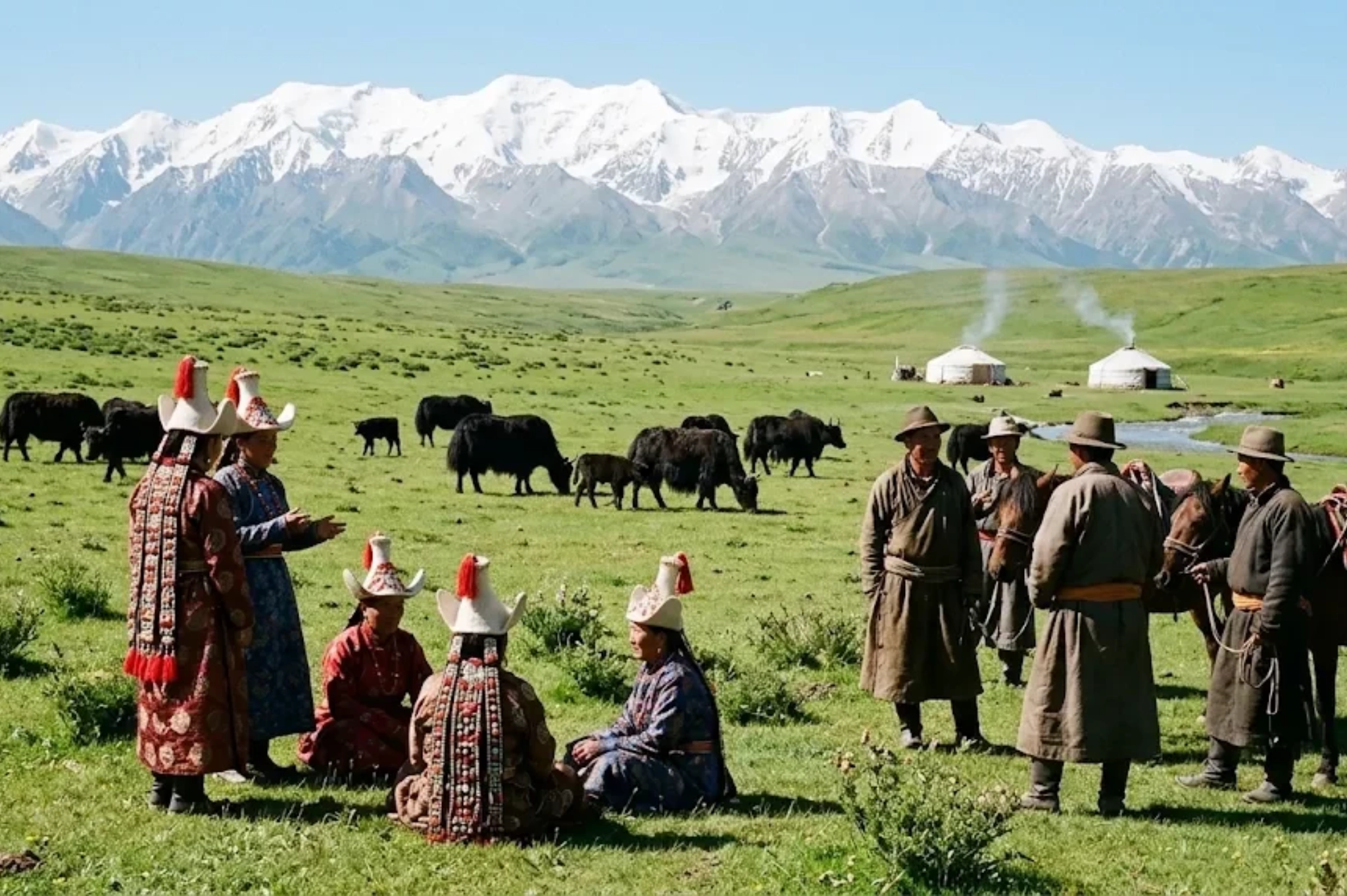
For most of their history the Yugur have been nomadic and semi-nomadic herders, following flocks of sheep and herds of yaks, horses and camels across the alpine grasslands beneath the Qilian snows. Traditionally they lived in felt tents through the warm months and moved into fixed houses for the deep cold of winter and spring — a rhythm of transhumance tuned to the mountains.
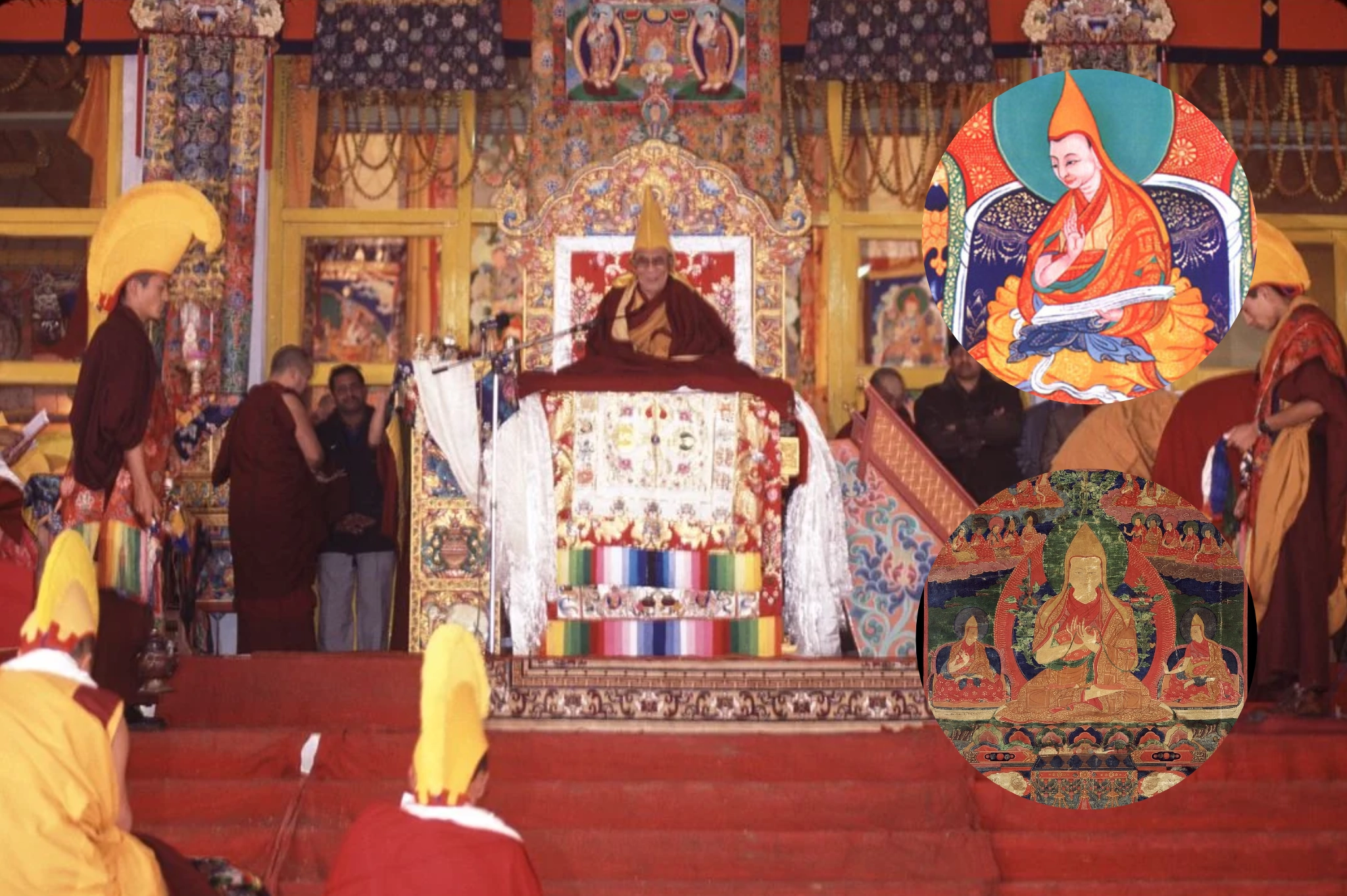
Their faith is Tibetan Buddhism, chiefly the Gelugpa ("Yellow Hat") school — the same tradition as the great Labrang and Kumbum monasteries. Historically each Yugur tribe had its own monastery, and it was considered an honour for a family to send a son to become a monk. Older layers of belief linger too, including reverence for the mountain spirit Ebo (the ovoo, the sacred cairn of the steppe), honoured at a midsummer temple pageant where a lama chanted for peace and offerings of green tea were made to the mountain. A people shaped by Turkic, Mongol and Tibetan worlds, the Yugur wear all three inheritances at once.
Headdresses of Coral, and the Ballad of the Swan
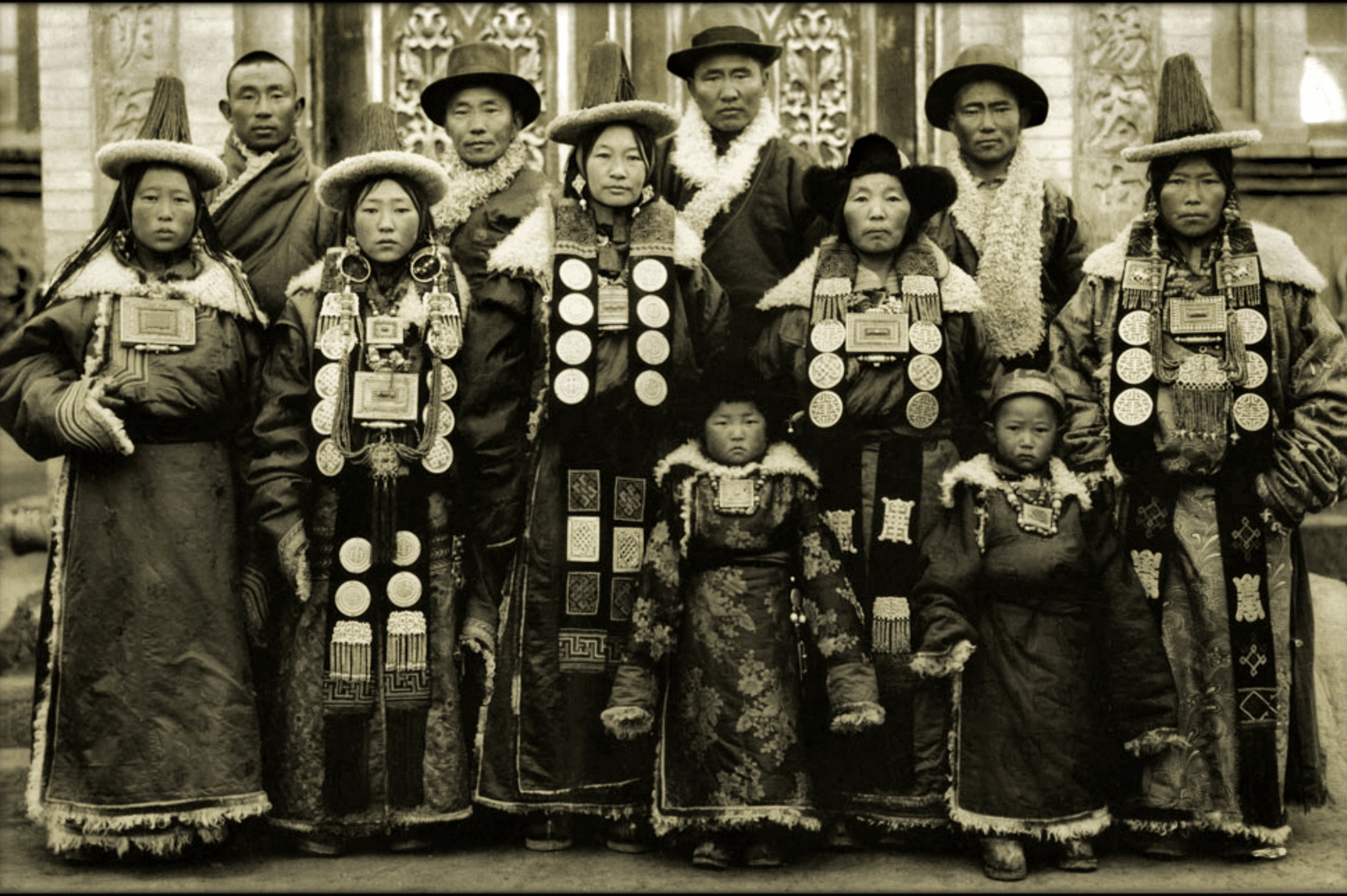
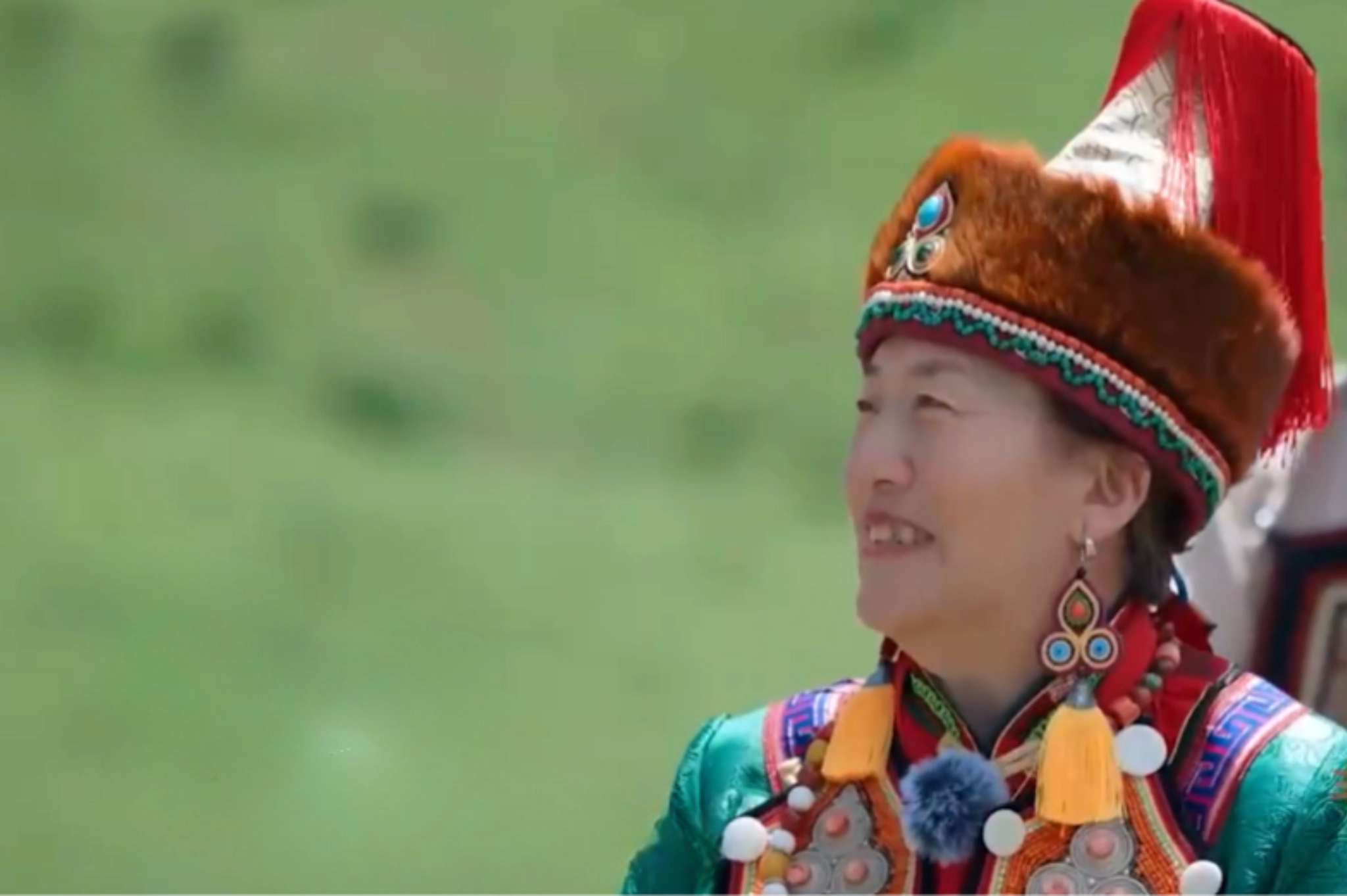
Yugur material culture is small in scale but dazzling in detail — and it is the women who carry it most visibly. A married Yugur woman traditionally wears a striking horn-shaped white felt hat trimmed with red tassels, and down her back hang long "braid ornaments": embroidered bands inlaid with coral, agate, silver shell and beads that chime softly when she walks. Local legend says the red of the tassels remembers a murdered heroine of the people — beauty worn as memorial. Unmarried girls wear their own distinct arrangement of braids and a coral-studded forehead band. These headdresses are among the most elaborate of any group in China, and each piece is a portable record of a family's history and skill.
But the deepest emblem of Yugur identity is a story: the legend of the Swan Qin. In the tale, a lonely herder befriends a swan; from that friendship come a magical qin (a traditional Chinese stringed instrument) and, in some tellings, a swan-maiden who becomes his bride. The swan — graceful, loyal, a traveller between worlds — has been embraced as the symbol of the Yugur people themselves, and the "swan qin" now appears wherever Yugur culture is celebrated. For a nomadic nation with no written books, it is telling that their most treasured heirloom is not an object at all, but a song about a bird.
A Welcome by the Fire: Yugur Hospitality
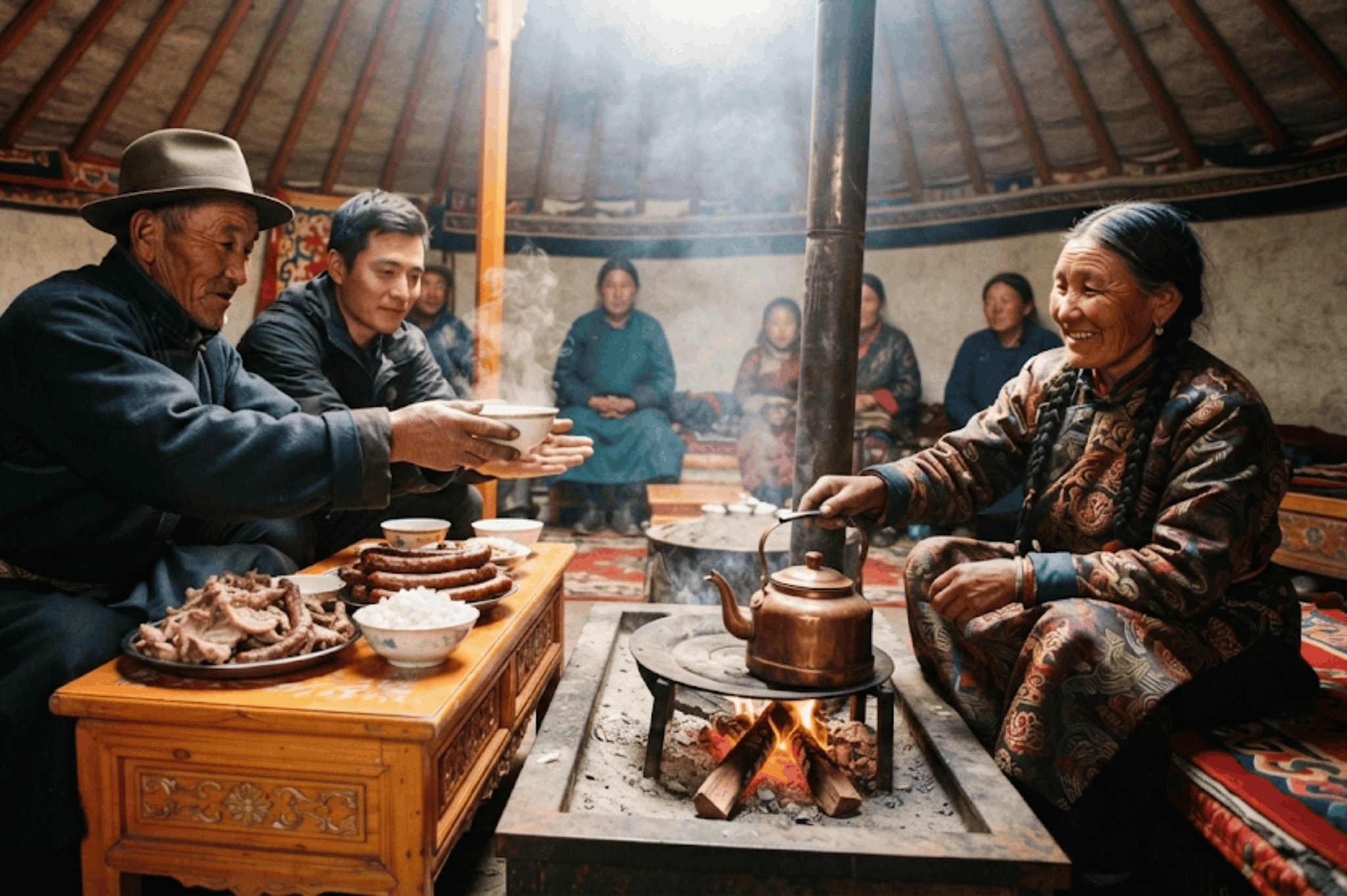
To be received in a Yugur tent is to enter a world of precise, generous ritual. Guests are offered salted milk tea — never sweet — served alongside qula (grain-shaped dried milk curds) and roasted barley flour; politely finishing your qula is the signal that you would like your bowl refilled. Platters of hand-grabbed mutton and local sausage follow, and cups are passed and received with both hands as a mark of respect. There are old courtesies to observe: men are seated to one side, women to the other; tents face south or east, never north; and one does not bring weapons or raw meat inside, dry socks by the hearth, or point a blade toward the fire. Horse, mule and donkey meat are avoided, and dog meat is strictly forbidden. These are not quaint rules but the living etiquette of a herding people for whom the hearth is sacred — and travellers who honour them are rewarded with some of the warmest hospitality in all of Gansu.
Why the Yugur Belong on Your Silk Road Itinerary
It is easy to travel the Hexi Corridor as a museum of the dead — ruined forts, sealed tombs, caves of ancient paint. The Yugur are the opposite: a Silk Road culture that is still breathing, still herding, still singing in languages older than most of the monuments nearby. Meeting them — at a grassland festival, in a felt tent over salt tea, among the coral headdresses of a village wedding — turns an itinerary of stones into an encounter with living people. And because they are so few, and their languages so fragile, the chance to witness Yugur culture firsthand is genuinely precious. Set against the white wall of the Qilian Mountains, with the yak herds moving across the pasture, it is one of the most quietly unforgettable experiences the Silk Road can offer.
Practical Notes for Foreign Visitors
- Where they are: The Yugur live mainly in Sunan Yugur Autonomous County, strung along the northern foot of the Qilian Mountains in the Hexi Corridor, administered from Zhangye, central Gansu; a second community farms near Jiuquan.
- Getting there: Base yourself in Zhangye, easily reached by high-speed rail from Lanzhou, Xining, Jiayuguan and beyond, and by air. Sunan county and its grasslands lie a short drive south into the mountains; hire a local car and guide.
- When to go: Summer and early autumn (roughly June–September) are best for grassland life, herding and festivals, when the pastures are green and the tents are up. Winter brings deep snow to the Qilian and a quieter, starker beauty, but far colder conditions and fewer people on the high pastures.
- What to experience: Yugur grassland and festival culture, felt-tent hospitality, Gelugpa Buddhist monasteries, traditional dress and silverwork, and the sweeping scenery where the Qilian snows meet the Hexi Corridor. Ask locally about any Yugur cultural festivals or performances timed to your visit.
- Travel respectfully: You are visiting a very small living community, not an exhibit. Always ask before photographing people, especially women in traditional headdress; accept tea and food with both hands; and observe tent etiquette (don't point blades at the hearth, don't enter with raw meat, respect seating customs).
- Visas: Many nationalities — including the UK, Ireland, the US, Australia and New Zealand — can now enter China visa-free for up to 30 days; confirm the current rules for your passport and carry one valid for at least six months.
- Combine it: Yugur country pairs naturally with Zhangye's wider attractions and the grand sweep of the Hexi Corridor, making it an easy and rewarding add-on to a classic Gansu Silk Road route.
- Go with a guide: A knowledgeable local operator is the key that unlocks real Yugur encounters — arranging respectful visits, interpreting between Chinese and the two Yugur tongues, timing your trip to festivals, and making sure your presence benefits the community rather than intruding on it.
A thousand years ago, a handful of riders broke away from a dying empire and turned south into the corridor of the Silk Road. Their descendants are still here — fourteen thousand of them, speaking two languages no one writes down, singing about a swan, grazing their yaks beneath the iron-white Qilian. To meet the Yugur is to shake hands with the Silk Road itself, still alive.