A rice wine fermented with osmanthus flowers, brewed once a year and sold fresh — elders queue in the lanes with soda bottles and soy-sauce buckets to get it. Add a bowl of wontons with a 2,500-year-old story, and gardens at their emptiest.
Key Points at a Glance
Winter solstice in Suzhou
Frequently Asked Questions
Winter solstice in Suzhou
The Night the Year Turns
Each December, the northern hemisphere reaches its shortest day and longest night. In China this moment is Dongzhi (冬至), the "winter's arrival", one of the 24 solar terms.
Dongzhi is far older than the modern calendar. It was first celebrated in the Zhou dynasty (1045-256 BCE) and made an official celebration under the Han dynasty (206 BCE-220 CE). Its logic comes from yin and yang: after the longest night, daylight grows again and yang energy begins to rise. It was once called the "festival of extreme length" and was traditionally comparable in importance to Chinese New Year.
Suzhou's Quiet Obsession: Winter Wine
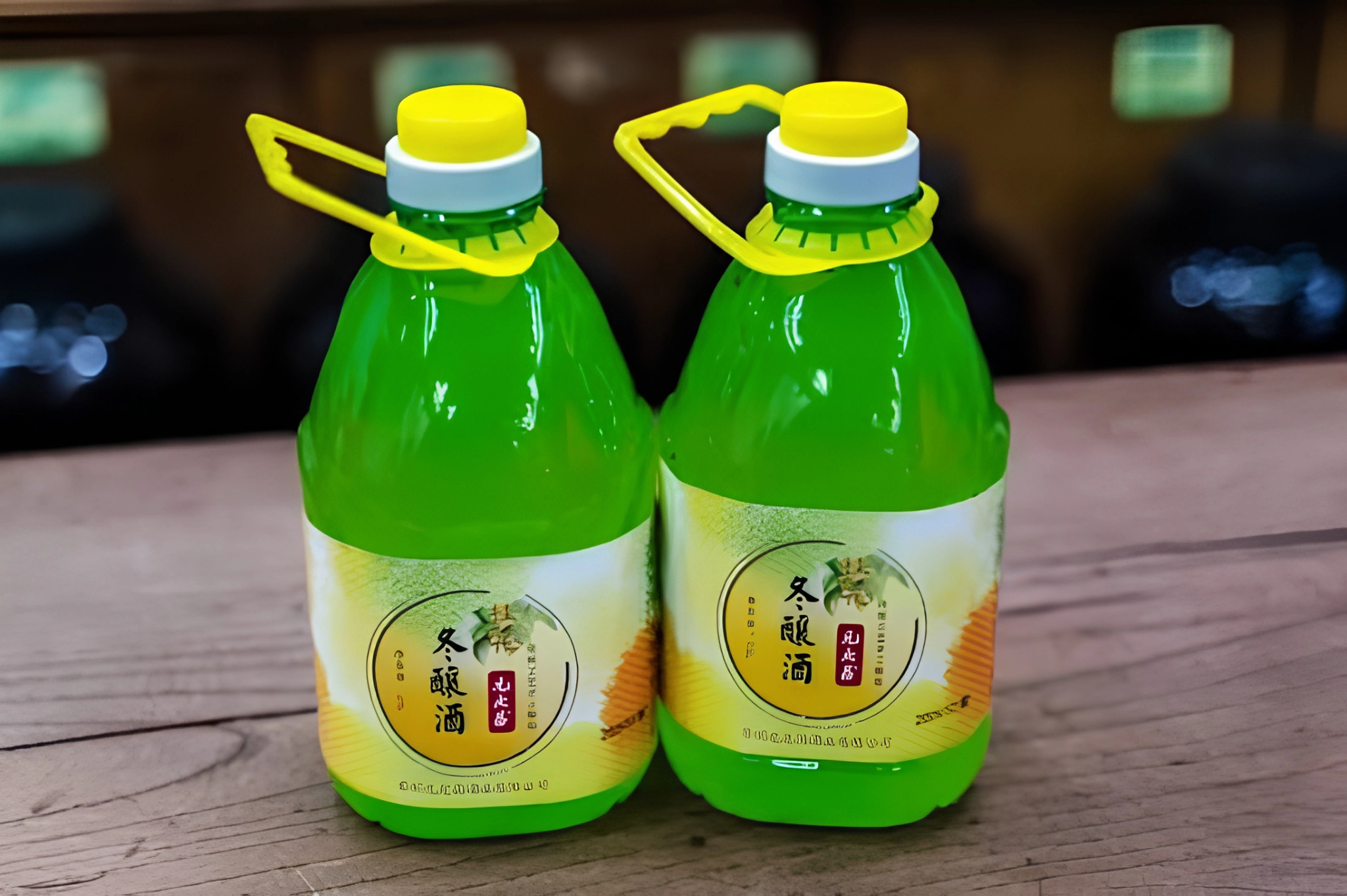
Here is the detail that surprises visitors. Locals drink dongniangjiu (冬釀酒, "winter-brewed wine"), a rice wine fermented with osmanthus flowers. It is brewed once a year, before the solstice, and is sold fresh.
Some Suzhou residents regard the solstice as equal to or more important than Spring Festival, and that they treat it as the end of winter, not the start, looking ahead to spring after drinking the wine. The scene it describes is memorable: elders bring their own containers, from soda bottles to soy-sauce buckets, to buy the freshest batch, and long queues form in streets and alleys.
This is a perfect "only here" experience. It is mildly sweet, floral, and low in alcohol compared with spirits. It is also seasonal, so it will not be on a menu in July.
A Bowl of Wontons and a Famous Beauty
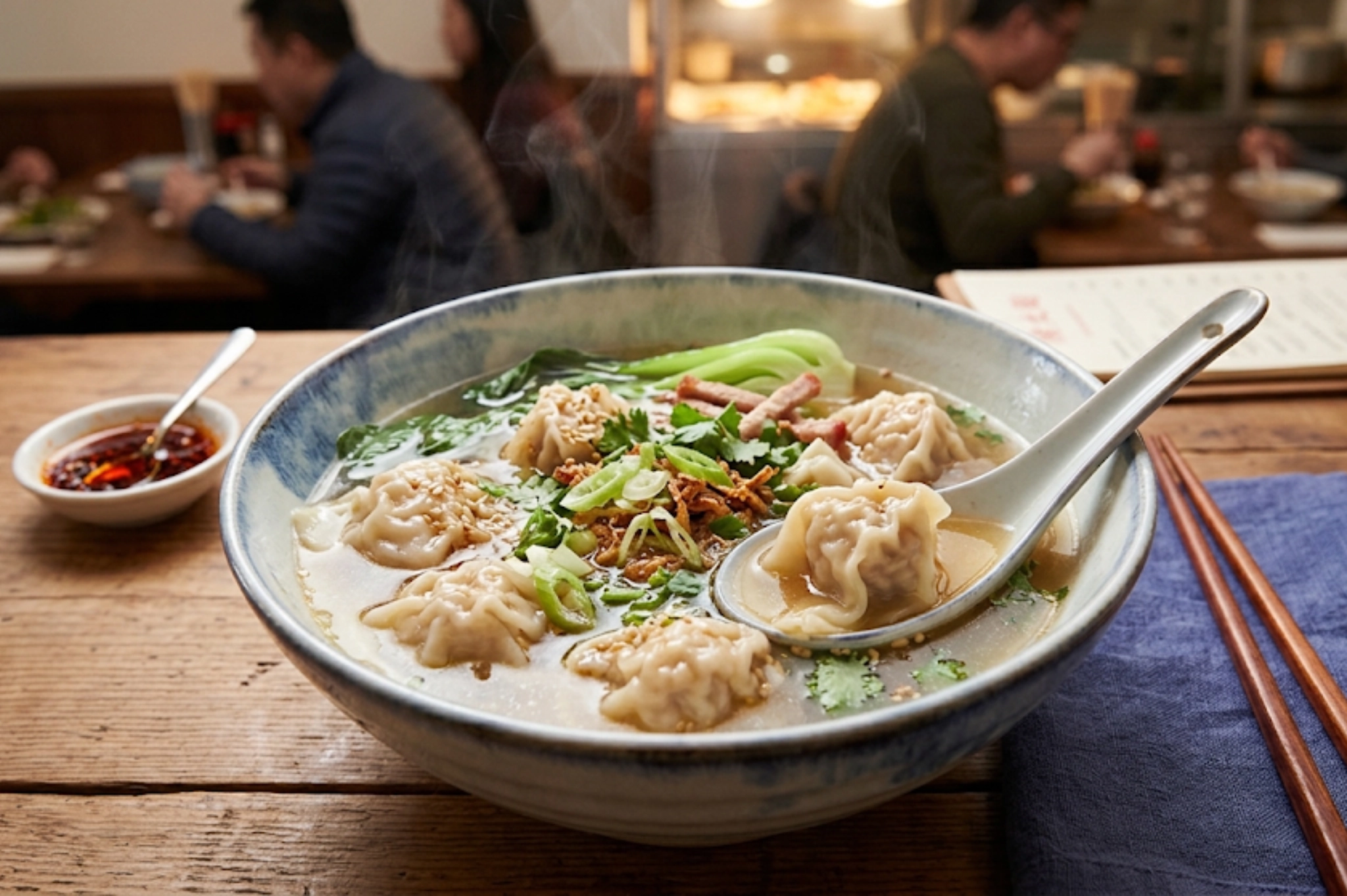
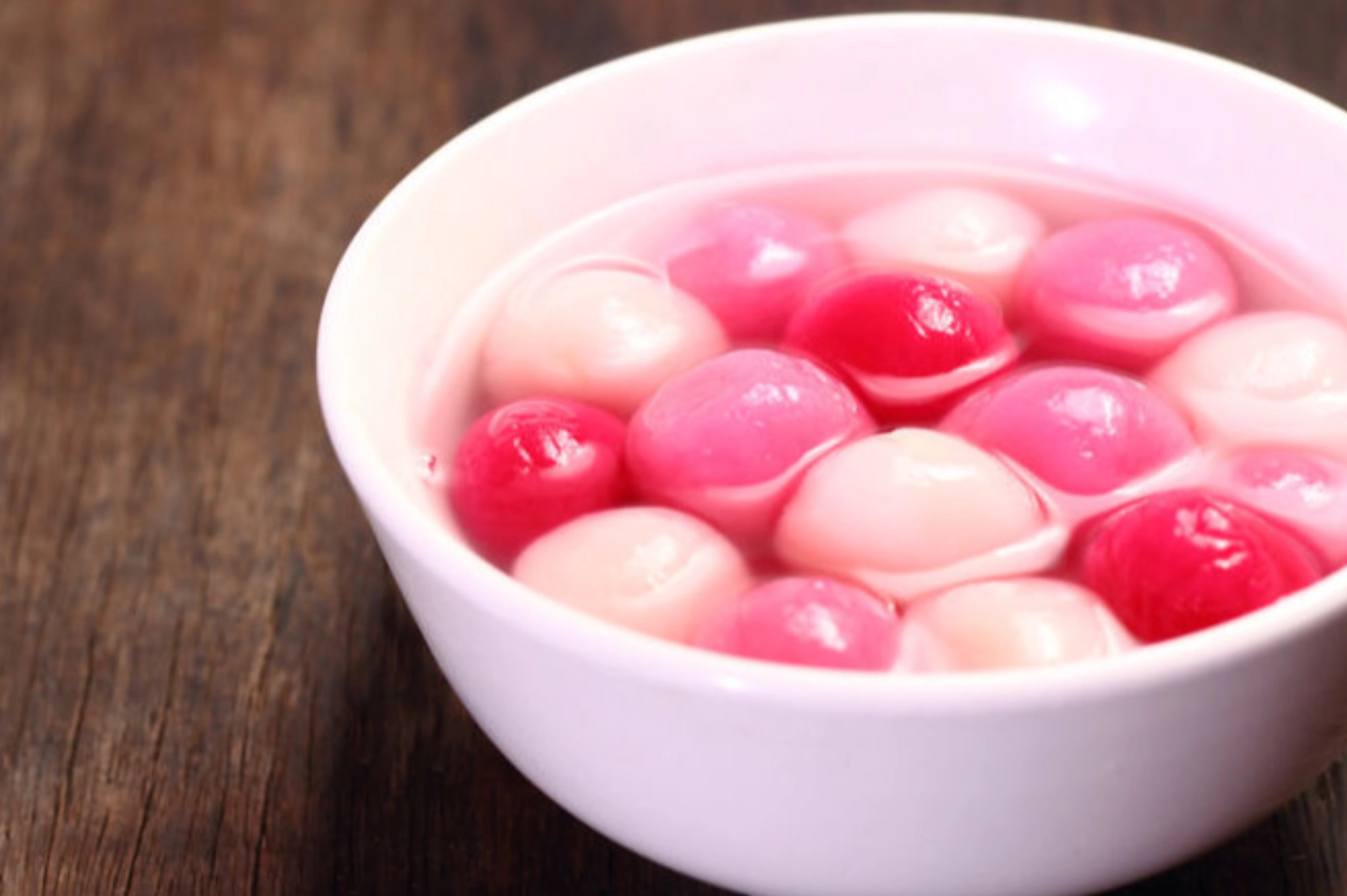
Suzhou's solstice table has a legend attached. About 2,500 years ago the King of Wu disliked costly foods, and a woman named Xi Shi made wontons that pleased him. Suzhou people then made wontons the festival food to commemorate her. Treat this as a local legend rather than documented history. It is still a lovely way to frame a simple bowl of wonton soup on a cold afternoon beside a canal.
What Else Is on the Jiangnan Table
| Place | Solstice food or custom |
| Shanghai | Tangyuan, small stuffed glutinous rice balls |
| Suzhou | Wontons; osmanthus winter wine; round glutinous rice cakes with meat, red bean or carrot fillings |
| Hangzhou | Rice cakes, once made at home for ancestors and relatives |
| South of the Yangtze | Red beans with glutinous rice, said to drive away evil |
Planning a December Trip Around Dongzhi
- Dates: The solstice itself is Tuesday 22 December 2026. Winter wine is brewed before it, so look for it in the days leading up.
- Where to look: Ask at neighbourhood food shops and old-lane markets in Suzhou rather than tourist streets. Our guide to Shantang Street covers a good morning-food route.
- Dress warmly: Garden walks are quiet and atmospheric in winter, but cold. Layers matter.
- Pair it with a garden: Suzhou's classical gardens are far less crowded in December than in spring.
- Be respectful: The festival is a family occasion. Observe quietly at ancestral rites and ask before photographing.