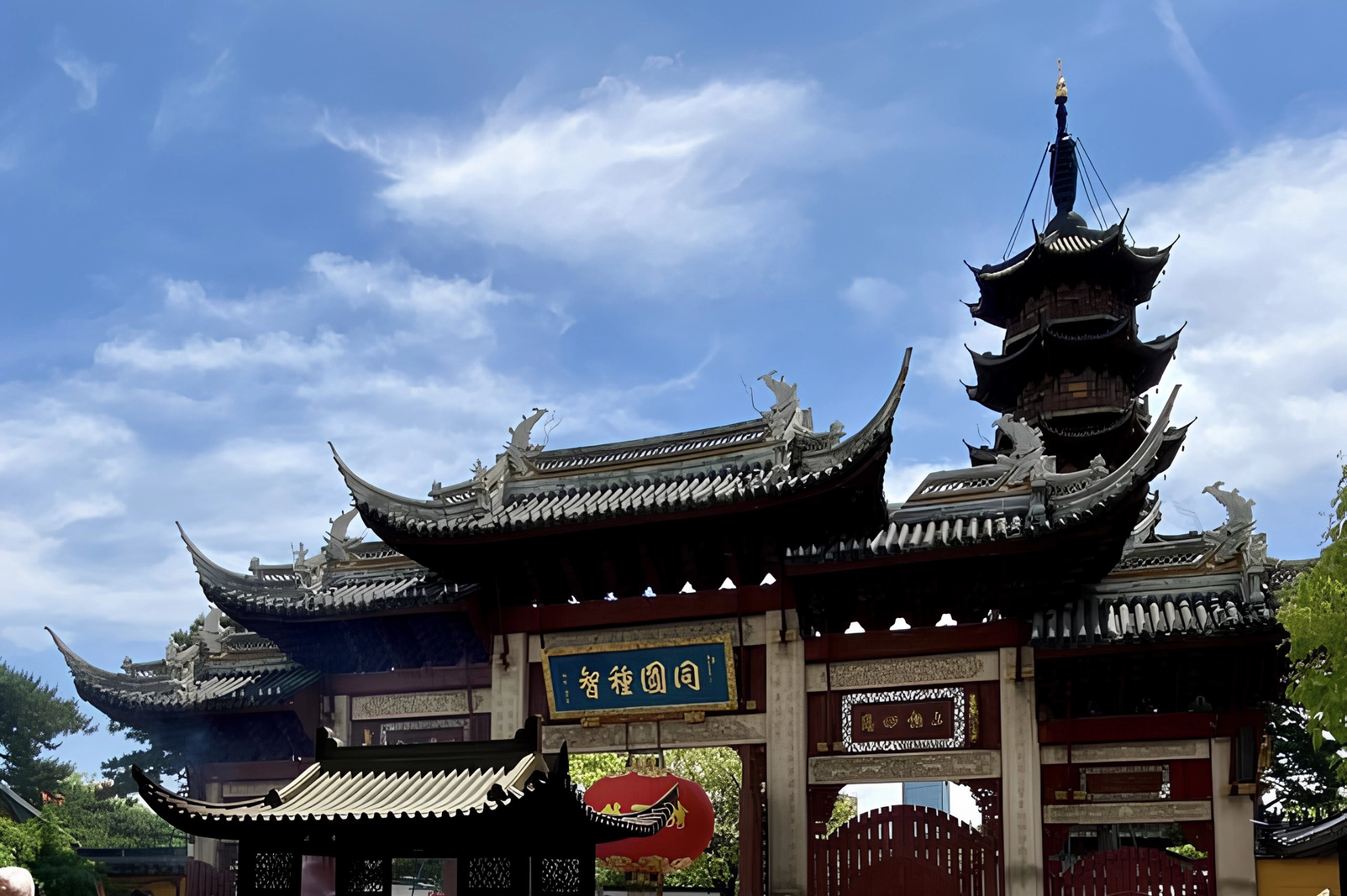
The Temple That Outlasted Dynasties
While Shanghai is often viewed as a city of modern glass and steel, Longhua Temple stands as a testament to its ancient roots. Founded as early as 247 CE during the Three Kingdoms period, this complex has remained a functioning Buddhist site for nearly 1,700 years. Unlike the reconstructed pavilions of Yu Garden, Longhua offers a sense of "layered time"—a continuous thread of prayer that has survived wars, revolutions, and urban transformations.
Architectural Wonders: The Song Dynasty Legacy
The temple layout follows a classic north-south central axis, designed to lead the visitor through a spatial and spiritual progression:
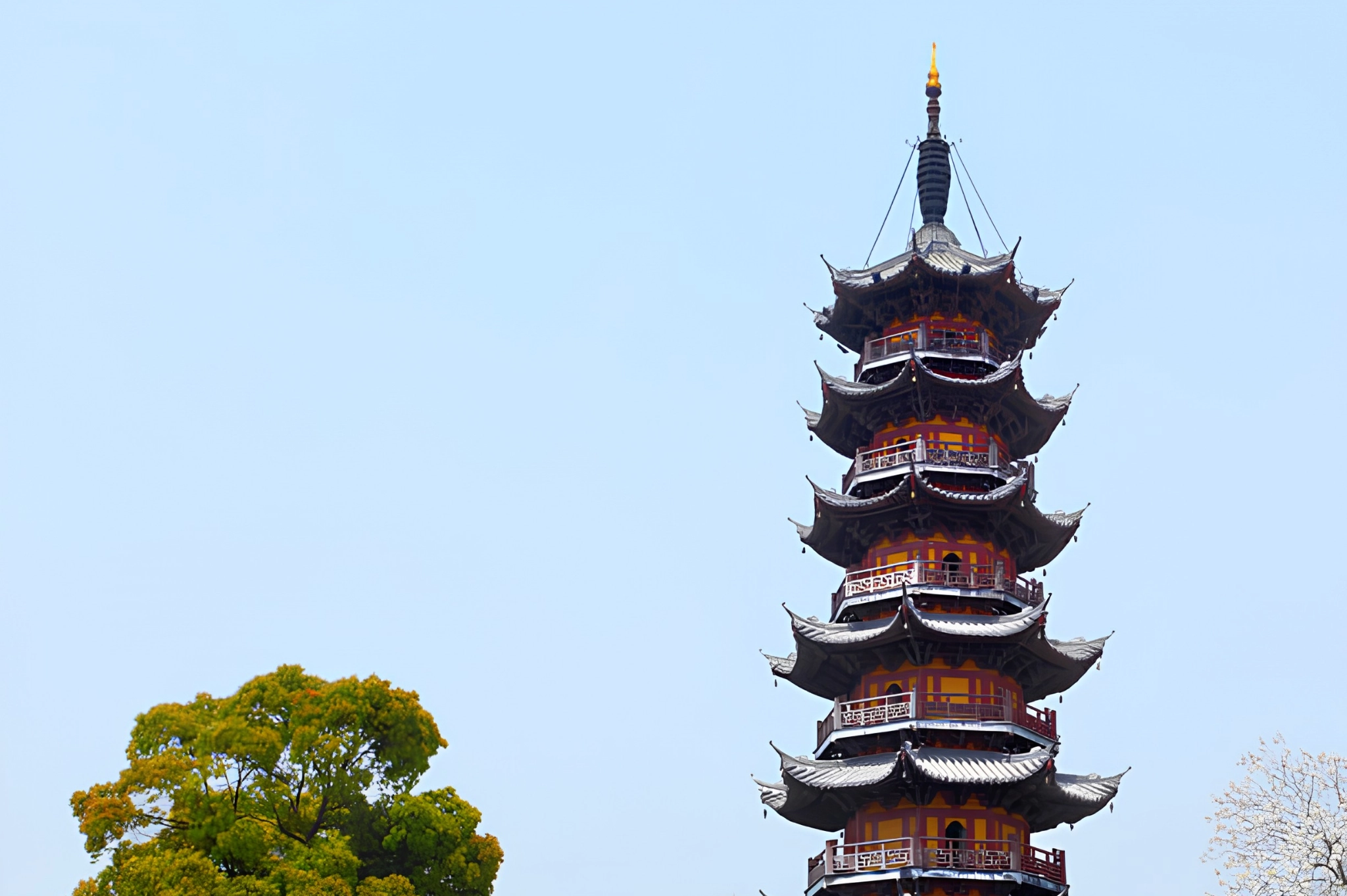
- The Longhua Pagoda: This 40-meter brick structure, dating primarily to 977 CE, remains one of the oldest buildings in Shanghai. Its tapering, seven-storey profile was a landmark long before the skyscrapers of Pudong existed.
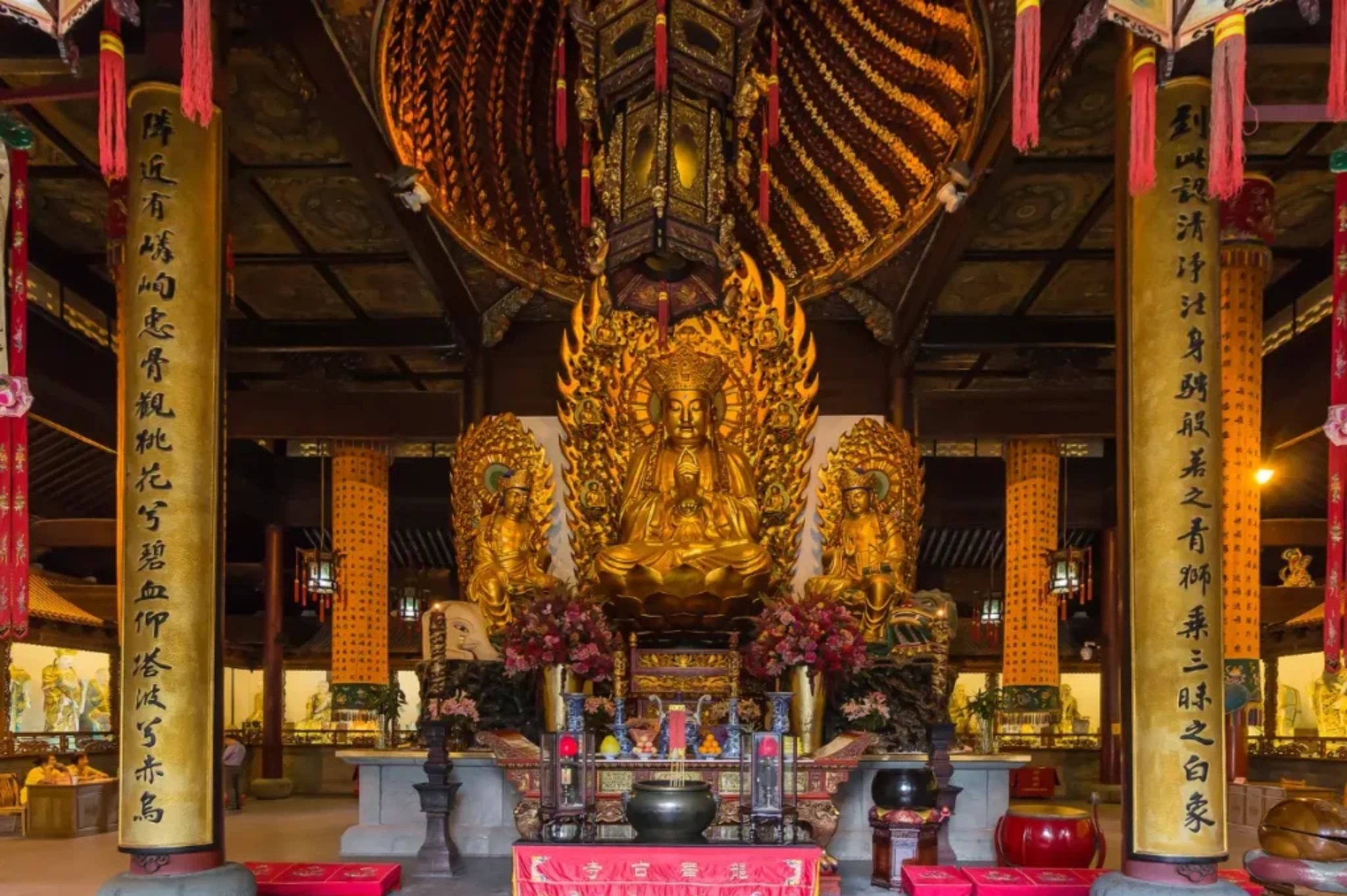
- Grand Hall of the Great Sage: The spiritual heart of the complex. If you arrive during a service, the collective chanting within this high-ceilinged space provides one of the city's most profound acoustic experiences.
- Maitreya Hall: Houses the iconic "Laughing Buddha," greeting visitors with a message of hospitality and joy.
2026 Cultural Highlights: Blossoms and Beliefs
- The 7 AM Ritual: To experience Longhua as a living institution, visit at dawn. Watching the resident monks conduct morning services in the incense-filled halls is a masterclass in Chinese temple culture.
- The Longhua Temple Fair: Held annually in the third lunar month (typically April/May), this 1,000-year-old tradition combines religious pilgrimage with folk arts and the blooming of peach blossoms.
- Vegetarian Gastronomy: The on-site restaurant is famous for its "mock meat" Buddhist cuisine. The braised tofu and "mock duck" represent centuries of culinary refinement.
Practical Logistics for International Travelers
- Access: Take Metro Line 11 or 12 to Longhua Station (Exit 4).
- Payments: Admission is approximately 10 RMB; while the gate accepts digital payments like Alipay and WeChat Pay, it is wise to have small amounts of local currency for temple offerings.
- Pro Tip: Pair your visit with a trip to the Xuhui Riverside Promenade, just a 10-minute taxi ride away, to contrast Shanghai’s ancient sacred spaces with its contemporary waterfront lifestyle.
FAQ
Q: Is Longhua Temple more authentic than Yu Garden?
A: Yes; while Yu Garden was largely reconstructed in the mid-20th century, Longhua maintains a continuous 1,700-year history of active religious practice.
Q: Can visitors climb the Longhua Pagoda in 2026?
A: No. To preserve its delicate Song Dynasty brick-and-wood structure, the pagoda is only visible from the exterior.
Q: What is the significance of the Longhua Martyrs Cemetery next door?
A: It commemorates political prisoners and revolutionaries executed on this site in the 1920s and 30s, offering a somber look at Shanghai's 20th-century political history.