Key Points at a Glance
Coffee in Qingdao
Frequently Asked Questions
Coffee in Qingdao
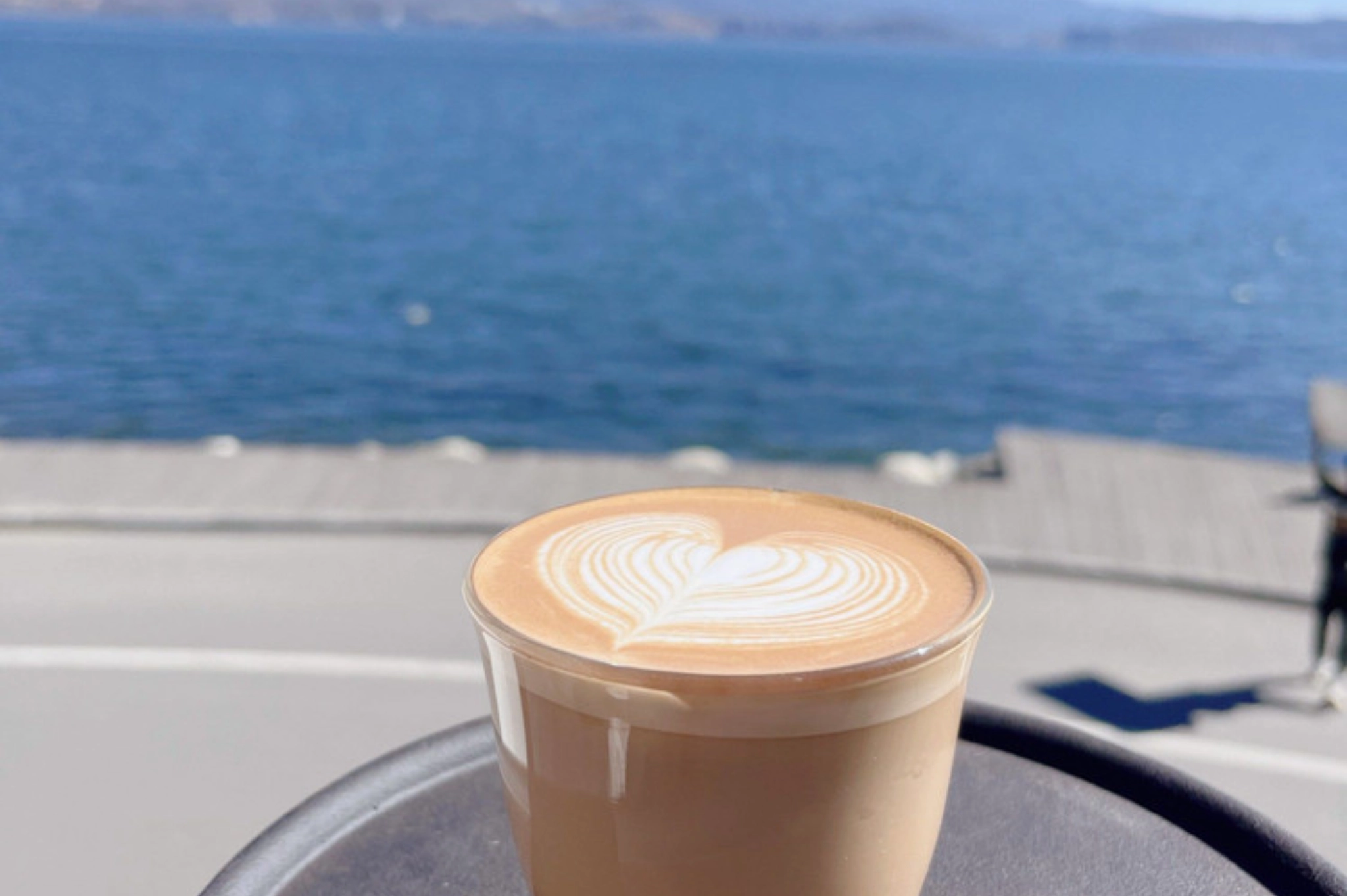
The Beer City Now Runs on Coffee: Qingdao Has 3,341 Coffee Shops, Lands About One in Eight of China's Coffee Beans, Your Coffee Break Looks Out Over the Sea
Ask any Western traveller what Qingdao drinks and the answer is instant: Tsingtao beer. The brewery has stood on Dengzhou Road since 1903, the city throws Asia's largest beer festival every summer, and locals famously carry draught home in plastic bags.
But walk through the Old Town or along the seafront in 2026 and you will notice something else on almost every corner: espresso machines.
According to figures published by 36Kr in October 2026, Qingdao now has 3,341 coffee shops. The Qingdao Coffee Culture Association counts more than 3,000 cafés, roasting workshops and coffee stores, including over 1,000 specialty coffee shops. In the past year alone the city added a net 259 coffee shops.
For a city of roughly ten million people that is better known for lager, that is a quiet revolution. And it changes what a coffee-loving traveller can expect from northern China.
A Beer Town With a Second Habit
The boom is not only about fashion. It is about logistics.
| Fact | Number | Why it matters for you |
| Coffee shops in Qingdao (Oct 2026) | 3,341 | You are never far from a decent flat white |
| Specialty coffee shops | 1,000+ | Single-origin pour-overs, not just chain lattes |
| Net new shops in the past year | 259 | New cafés open faster than guidebooks can list them |
| Share of China's coffee imports through Qingdao Port | about 13% | Northern China's largest coffee import gateway |
| Luckin Coffee's Qingdao roasting centre | about 3 billion yuan, 55,000+ tonnes a year | One of China's biggest chains roasts its beans here |
Qingdao Port handles about 13% of China's total coffee imports, which makes it the largest coffee gateway in northern China. Inside the Qingdao Area of the China (Shandong) Pilot Free Trade Zone, imported beans can be stored first and taxed only after sale, a rule that makes it cheaper for roasters to keep large stocks on hand. Giant roasting plants have followed. Luckin Coffee, the Chinese chain that now has more outlets than Starbucks in China, opened a production centre in Qingdao this year with a total investment of about 3 billion yuan and an annual roasting capacity of more than 55,000 tonnes.
In other words, the beans in your cup in Qingdao may have spent less time on the road than the beans in your cup at home.
Why Qingdao? The Port Behind the Cup
What makes Qingdao cafés different from Shanghai's or Beijing's is the setting. The sea-view positioning is the city's signature: independent shops crowd the coastline, many with a terrace, a window bar or a rooftop facing the water.
Coffee in Qingdao has merged with everything else young locals love: desserts, Western cooking, flower shops, surfing culture and retro industrial spaces. In the Free Trade Zone there is even a café built around a collection of classic cars.
For our travellers, three types of café stand out:
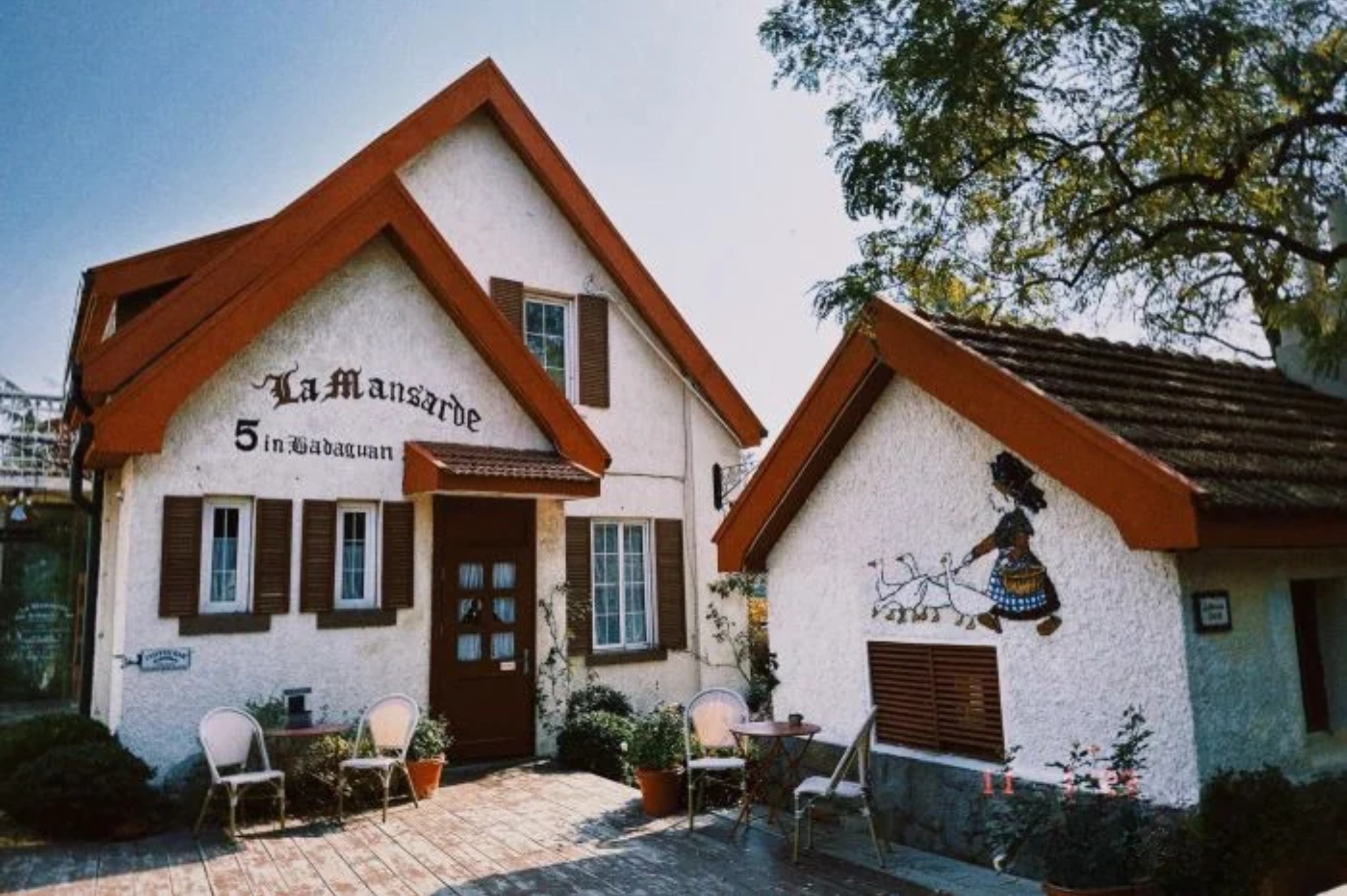
The red-roof Old Town café. Many small shops sit inside the German-era buildings of the Old Town and the Dabaodao block, where Day 1 and Day 2 of our Shandong tour walk. Thick stone walls, wooden staircases and a cappuccino make a good rest stop after the pink-wall photos on University Road.
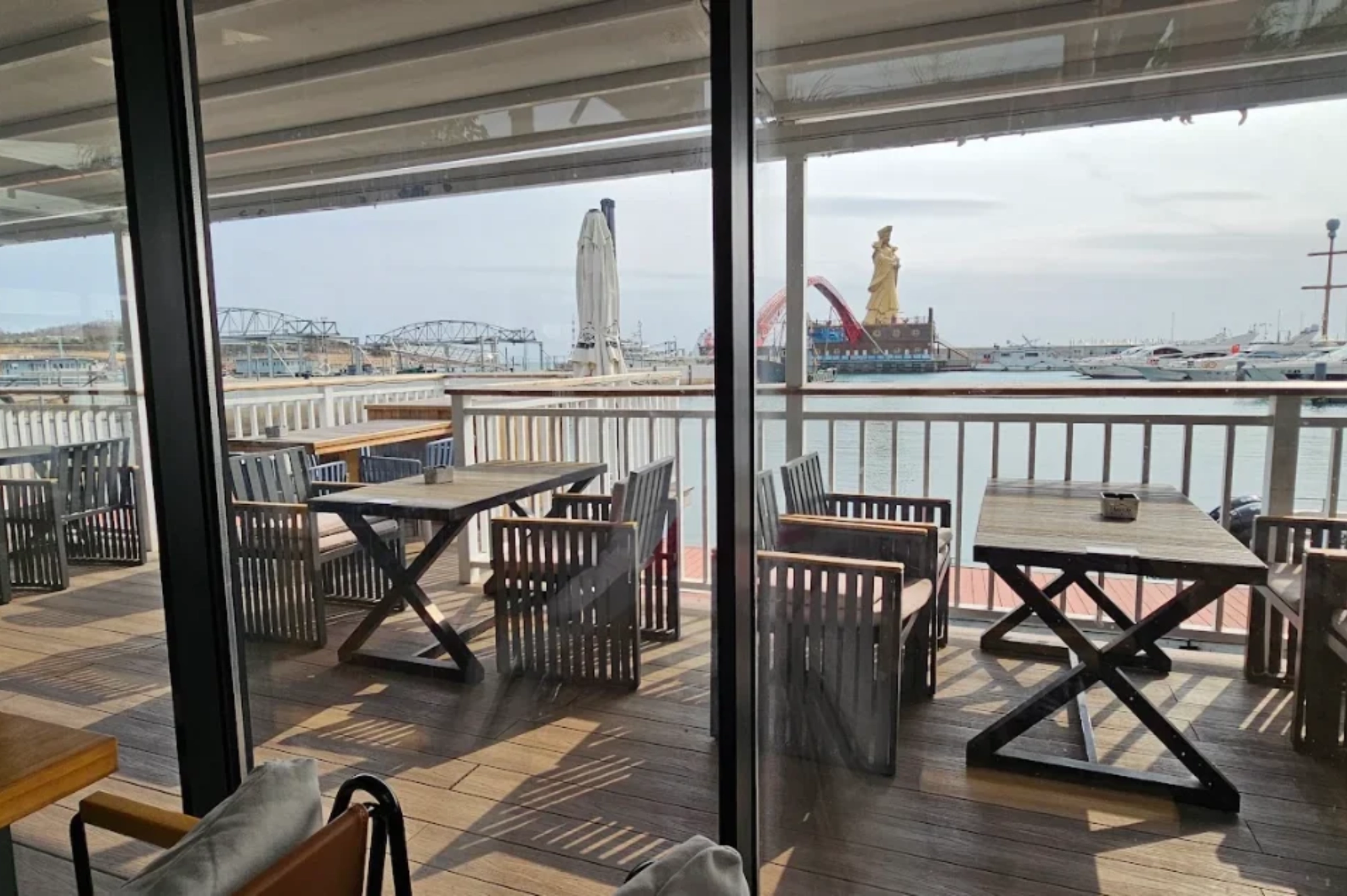
The seafront terrace. Between Zhanqiao Pier, Xiaoqingdao Island and Qinyu Road, the coastal path is lined with cafés looking out across the bay. This is where the city's coffee boom is most visible.
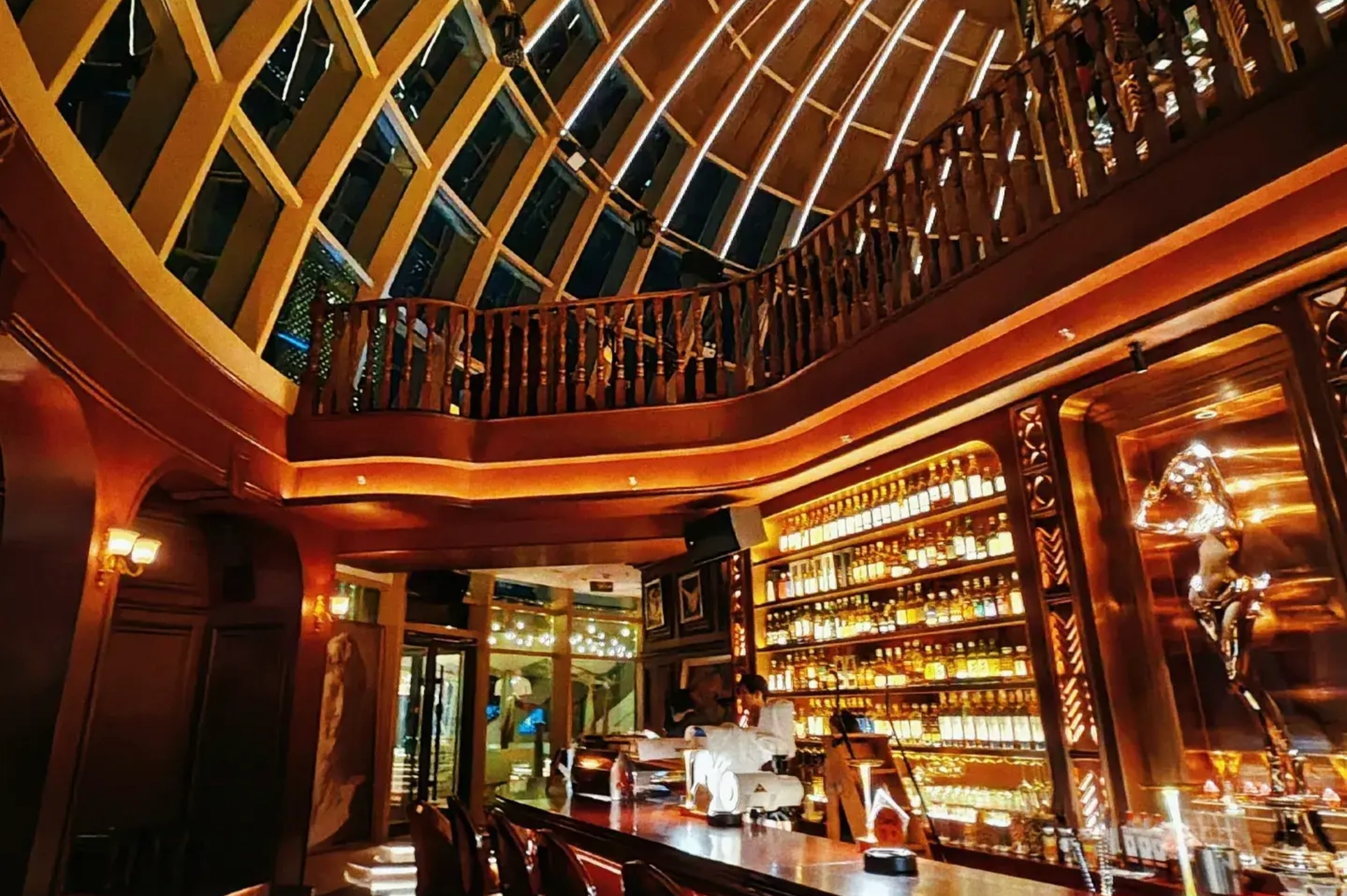
The specialty bar. Qingdao's 1,000-plus specialty shops serve hand-brewed single-origin coffees, often with beans roasted in the city. Song Mingzi, a nationally certified senior barista put it this way: coffee in Qingdao is becoming "a cultural symbol and a new form of social connection."
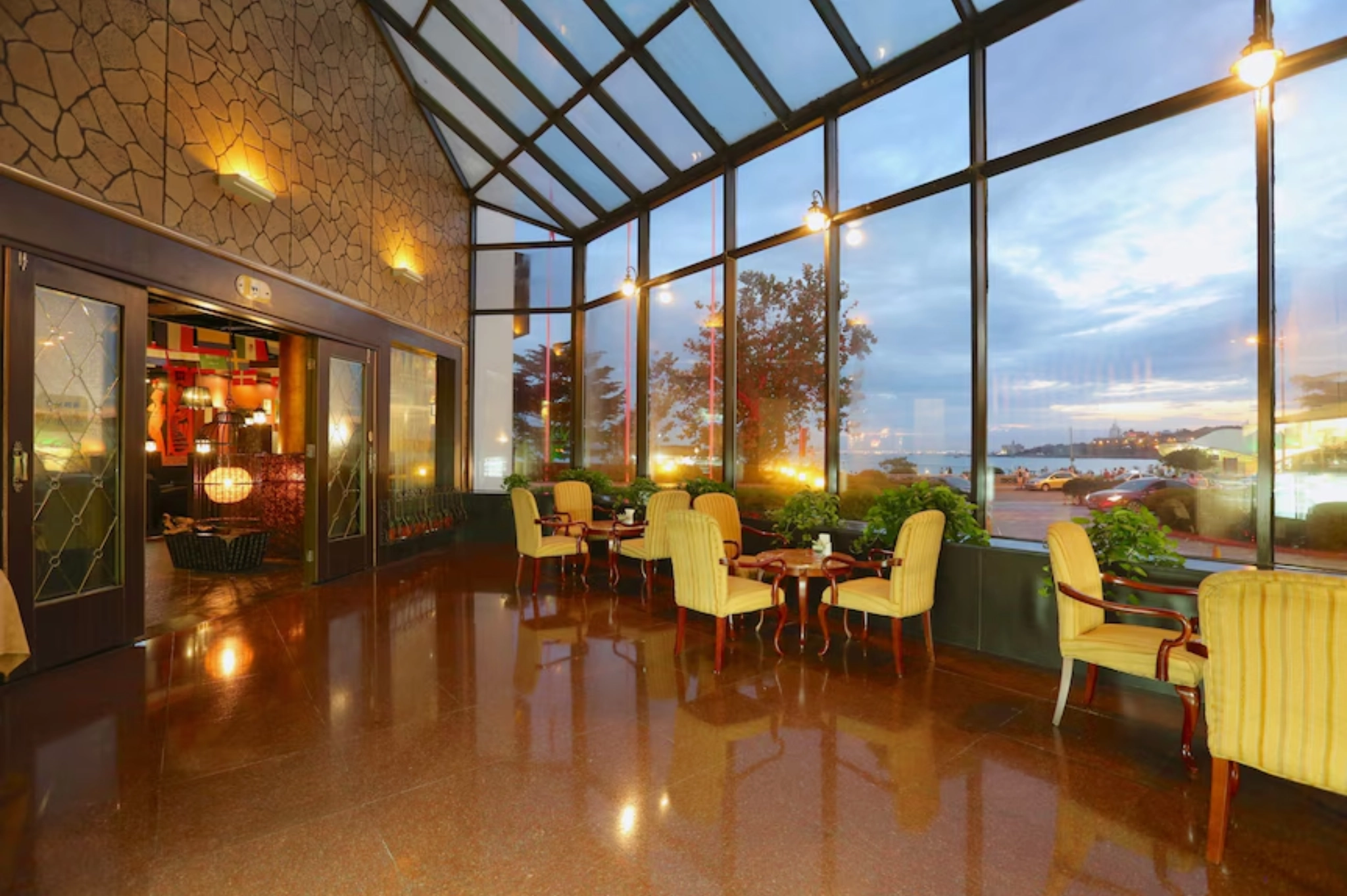
The Qingdao Café Style: Sea Views, Old Walls, Odd Themes
On Day 2, after the morning walk along Zhanqiao Pier, Xiaoqingdao and Qinyu Road and a wander through Badaguan, our group stops for coffee with a view at the Huiquan Dynasty Hotel, which faces Huiquan Bay, the city's historic first bathing beach.
We built this stop into the itinerary on purpose. Day 2 is the most walking-heavy day in Qingdao, and the coffee break gives you a seated half hour, a clean restroom and one of the best sea views on the route before the afternoon in Zhongshan Road, Dabaodao and the Tsingtao Beer Museum. It is also a chance to see that modern Qingdao is not only beer and history.
Then, in the evening, the city's two drinks meet: dinner is at the TSINGTAO1903 Bar, with fresh draught from the brewery next door.
Your Day 2 Coffee Break
China's café culture runs on apps and a few habits that surprise first-timers. A quick guide:
| Situation | What to know |
| Paying | Alipay or WeChat Pay work everywhere; both accept many foreign cards. Some small cafés do not take cash easily, so set up a payment app before you fly |
| Ordering at chains | Luckin and Cotti often prefer app or mini-program orders. A QR code on the table usually opens the menu, sometimes with an English option |
| Iced vs hot | Iced is 冰 (bīng). Hot is 热 (rè). Say "rè de" if you want it hot, as iced is usually the standard even in cool months |
| Sugar | Many drinks come sweet. Ask for 不加糖 (bù jiā táng, "no sugar added") |
| Milk | Oat milk is widely available in specialty cafés |
| Local favourites | Coconut lattes are a nationwide hit; specialty shops often offer pour-over coffees from Yunnan, China's own coffee province |
| Price | Chains are usually cheaper than in Europe or North America; specialty pour-overs cost more |
A useful phrase: 一杯熱美式 (yì bēi rè měishì), "one hot Americano."
How to Order Coffee in China Without Stress
Many first-time visitors worry that China will mean three-in-one instant coffee for a week. Qingdao proves the opposite. With more than 3,000 coffee outlets and its own roasting industry, it is one of the easiest cities in northern China to keep a coffee routine, and its sea-view cafés are among the most photogenic in the country.
And the trend is spreading inland. Jinan, where our tour stays on Days 5 and 6, added a net 332 coffee shops in the past year, more than any other city in the ranking, including Shanghai. You will not run out of caffeine on this route.