"Every home has spring water, every door a weeping willow" — a line from a late-Qing novel that Jinan set out to make true again. Clear water still runs past front doors in stone channels, residents still gather at Wangfu Pond, and craft studios keep their doors open along the lanes.
Key Points at a Glance
Baihuazhou, Jinan
Frequently Asked Questions
Baihuazhou, Jinan
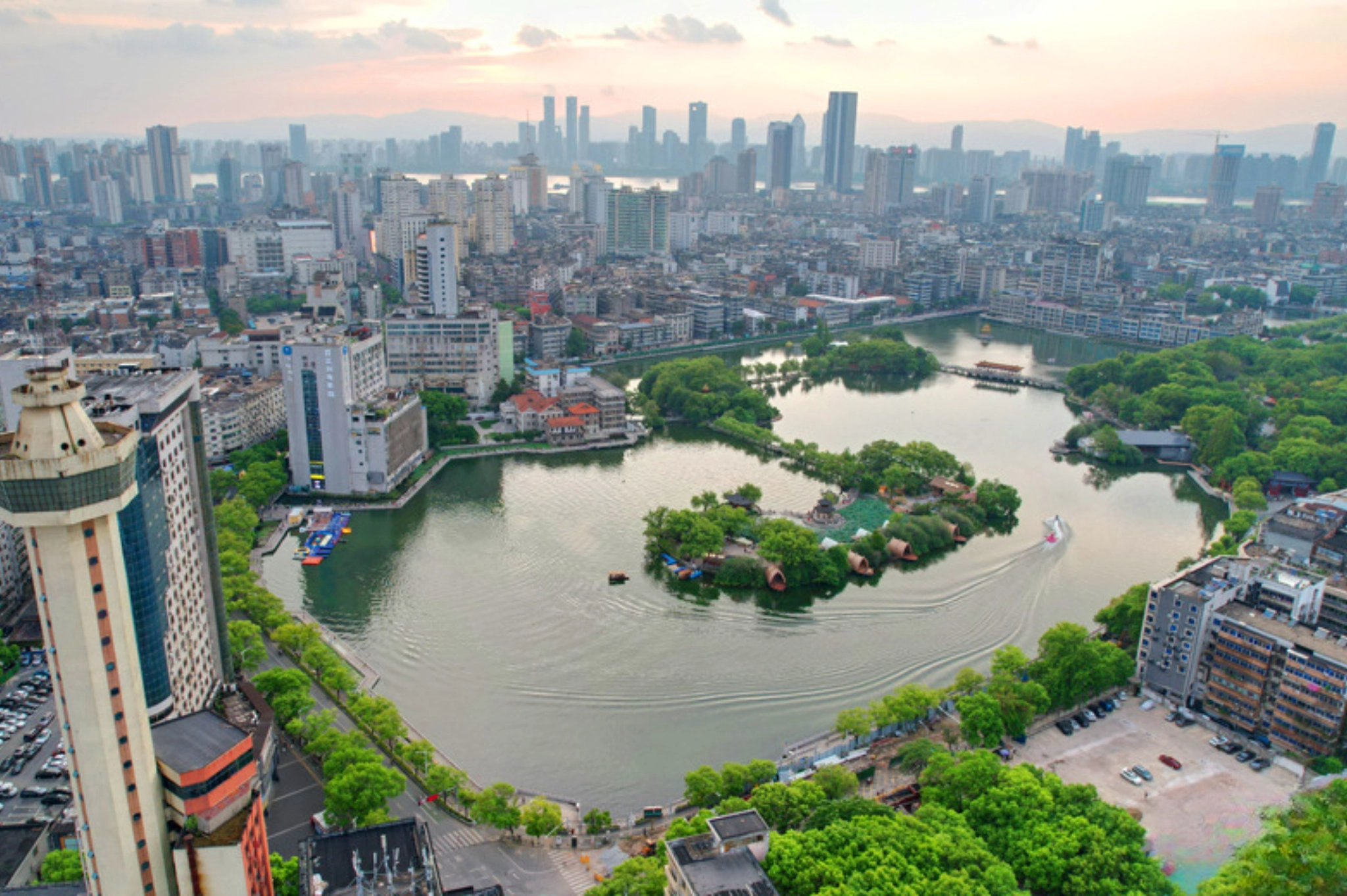
Baihuazhou, Jinan's "Hundred-Flower Isle": Where Spring Water Still Runs Past Front Doors, and 52 Heritage Crafts Share the Lanes
"Every Home Has Spring Water, Every Door a Willow"
More than a hundred years ago, the late-Qing writer Liu E described Jinan in his novel The Travels of Lao Can with a line every Chinese schoolchild in Shandong knows:
家家泉水,户户垂楊
"every home has spring water, every door a weeping willow."
He wrote that the scene was even more delightful than the famous water towns south of the Yangtze. For most of the 20th century the line sounded like nostalgia. Springs silted up, drains blocked, and the old courtyards became crowded and tired.
Then Jinan decided to make the sentence true again. The place where it did that is Baihuazhou, the "Hundred-Flower Isle", a small quarter of lanes and courtyards just south of Daming Lake. In 2026 it has become one of the most photographed old neighbourhoods in northern China.
Where It Is, and Why It Matters on Your Route
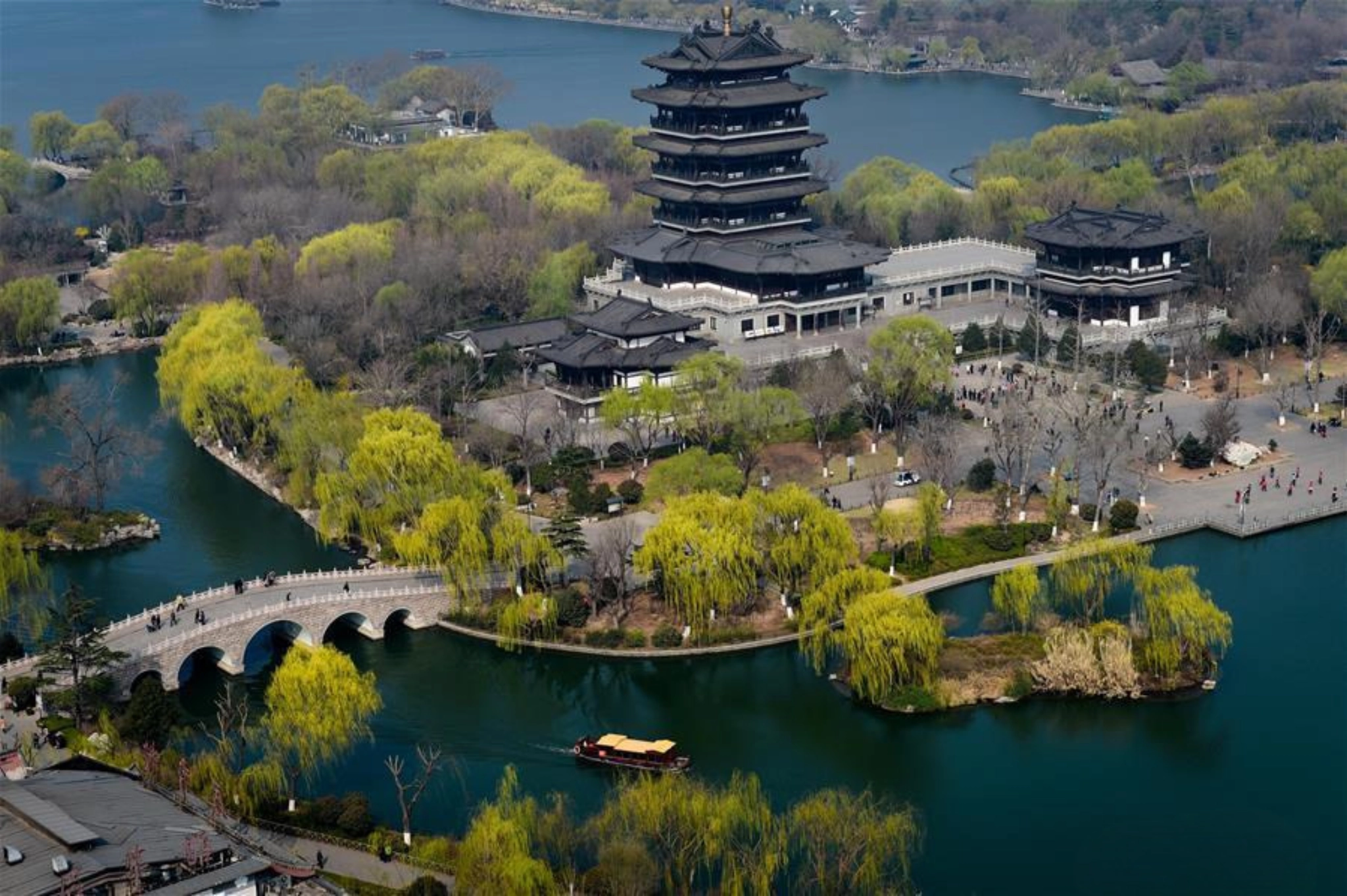
Baihuazhou is the heart of a historic district that runs between Furong Street, Qushuiting Street and the south shore of Daming Lake, fed by the Pearl Spring group of springs.
After Mount Tai and the Daimiao Temple, we drive to Jinan and stroll along Qushuiting Street, the old waterway street, before finishing the day at Daming Lake. Baihuazhou sits right between those two stops. You do not need a separate excursion; you only need to know where to look.
A Neighbourhood That Still Lives on Spring Water
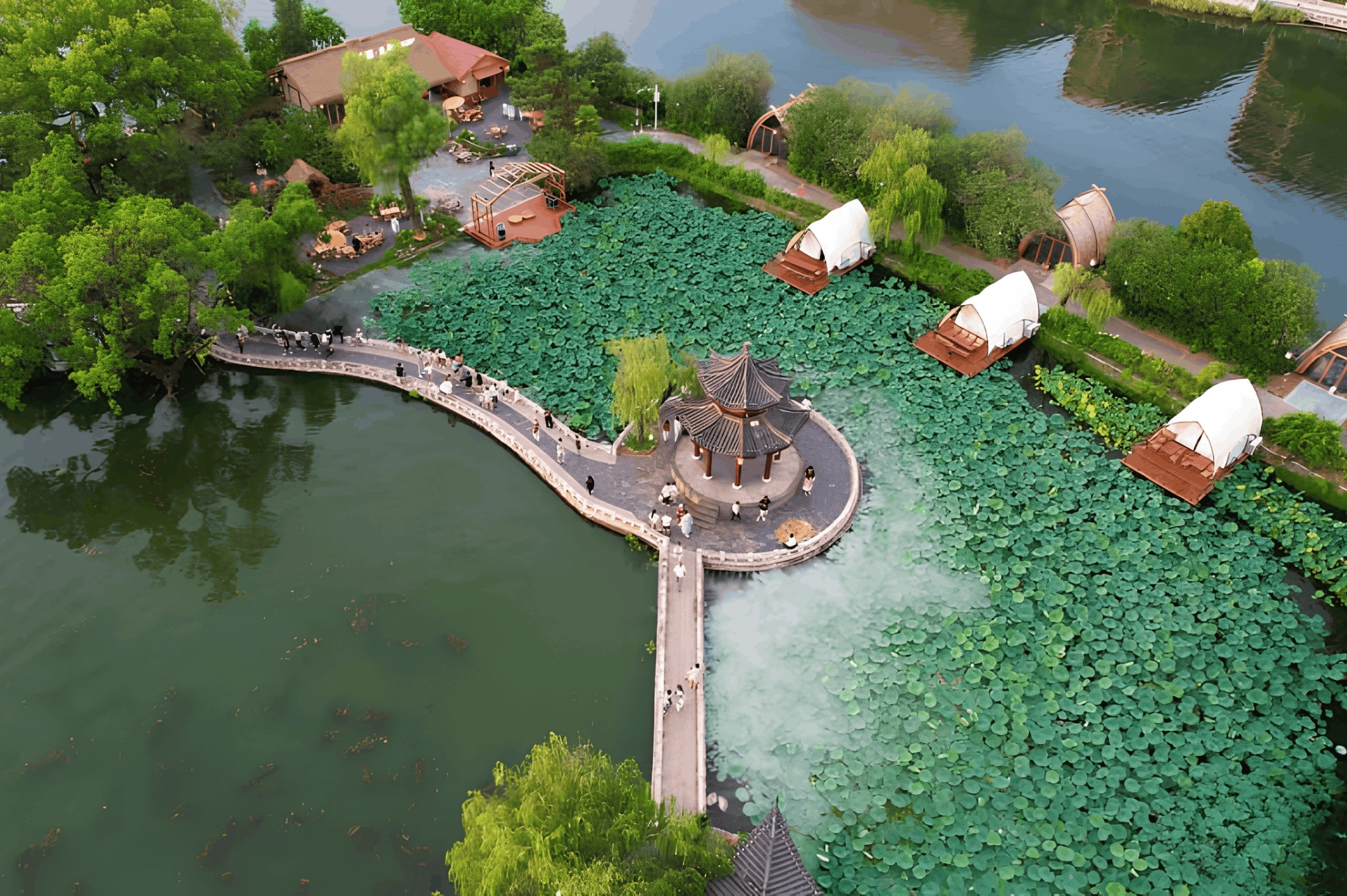
What makes Baihuazhou different from many restored "ancient towns" in China is that people still live here.
The district has around 40 spring sites, including several of Jinan's officially listed 72 Famous Springs, plus dozens of smaller named and unnamed springs. Clear water runs north through the lanes in stone channels, under little bridges and past front doors.
The most famous gathering spot is Wangfu Pond, also called Zhuohu. The same study describes everyday life around it: residents rinsing laundry, children fishing and older neighbours chatting at the water's edge. In summer, local men famously swim in it. One of the renovated houses beside it now serves as a community "council hall" where residents meet.
Guangming Daily spoke to residents in May 2026. Li Jinglian, who has lived in the Zhangjia Courtyard for more than 30 years, said life had improved since the renovation. Wu Xingqiang, a resident nearing 70, remembered when many courtyards had crowded kitchens and drains that kept blocking.
How Jinan Brought the Lanes Back
Jinan followed a three-word rule for the old city: retain, renovate, consolidate. Rather than tearing down and rebuilding, it chose gradual "micro-renewal": fixing courtyards one by one, clearing the silted spring channels and restoring old buildings as they were. Guangming Daily reports that 57 courtyards in the Mingfu old city area have been renovated so far.
One example: in the South Courtyard on Houzaimen Street, a spring channel now runs through the courtyard itself. And the Gaosheng Inn courtyard, where Liu E is said to have stayed, has been restored to evoke scenes from The Travels of Lao Can. The novel's most famous sentence has become an address.
"Renovation must not erase the old flavour," stated Wu Qiang, general manager of the Jinan company that manages the historic city.
Baihuazhou's own block reopened after renovation in late April 2024. According to the Lixia District government, it had passed 2 million visits by April 2025, with about 40,000 visitors during one Qingming holiday alone.
Fifty-Two Crafts in One Quarter
The second reason Baihuazhou is trending is its craftspeople. The block hosts a national traditional craft workstation that brings together 52 intangible cultural heritage items and 27 representative inheritors. Many workshops line Simin Street, with doors open so you can watch.
| Craft | What it is | Why foreign visitors love it |
| Jinan shadow puppetry | Leather puppets behind a lit screen; a national intangible heritage item | Inheritor Li Juan performs alone with more than 20 props and has hosted many foreign visitors |
| Lu embroidery | Shandong's own embroidery tradition, bolder than the silk embroidery of the south | Fine detail you can watch being stitched |
| Quancheng "Rabbit King" | Colourful clay rabbit figures, a Jinan folk toy | A small, light and very local souvenir |
| Qiao family woodworking | Traditional joinery | Ancient carpentry without nails |
| Cloisonné, incense, perfume making | Craft studios and DIY corners | Short hands-on sessions; ask about times and prices on the day |
Eat Like a Local Between the Springs
Baihuazhou and Furong Street are not only for looking. Plenty of traditional shops and modern cafés offer snacks to savour while strolling:

Youxuan (油旋)
A flaky, spiral-shaped, crispy flatbread, a Jinan classic

Bazi rou (把子肉)
Thick slices of pork belly slow-braised in soy, served over rice
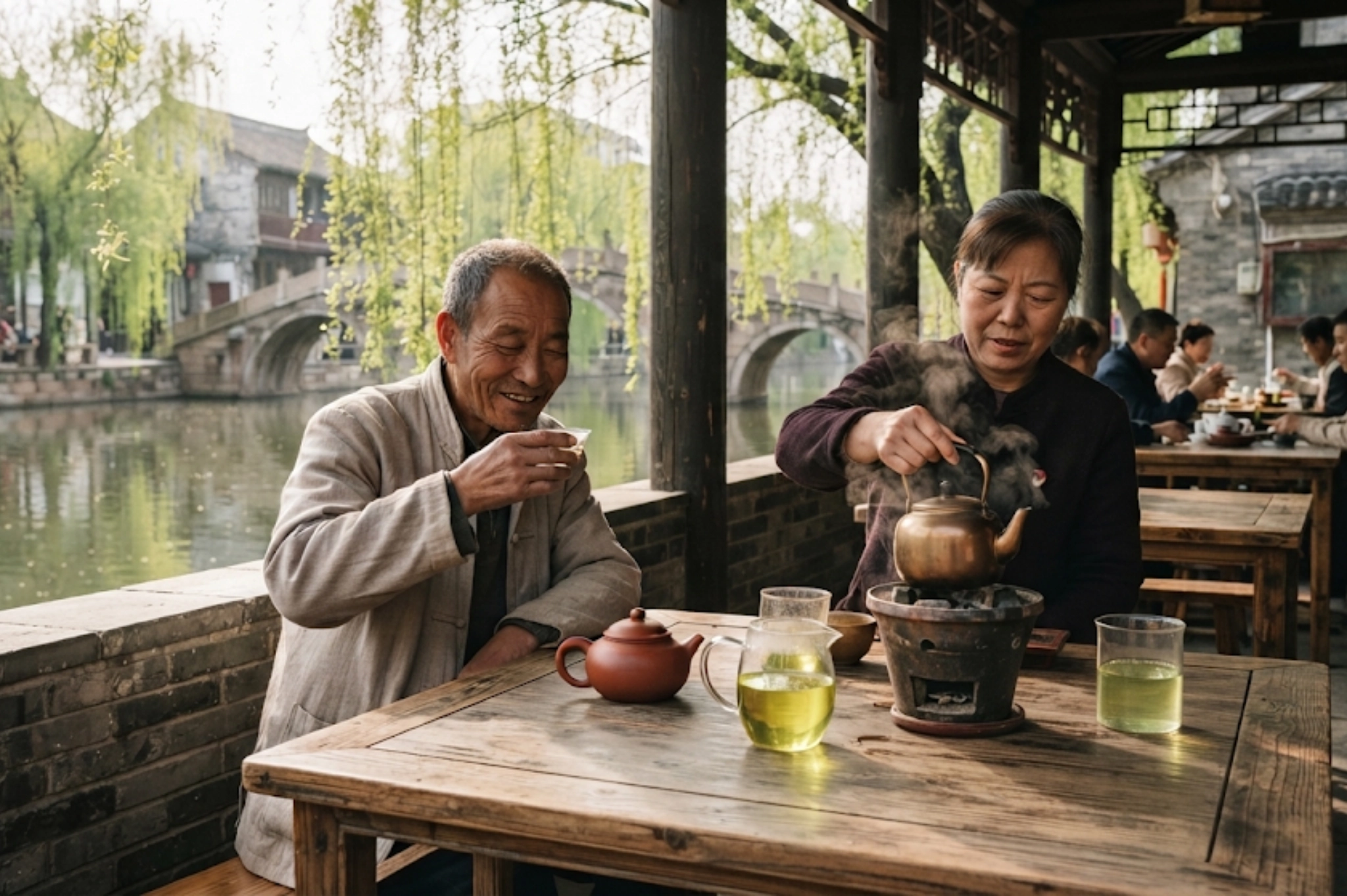
Spring-water tea
Many teahouses brew with local spring water; Jinan people swear it tastes softer
Best Time to Walk It
| Time | What you get |
| Late afternoon | Soft light on grey bricks and willows; workshops still open |
| Dusk | Lanterns come on and reflect in the spring channels; the most photogenic hour |
| Winter mornings | Spring water stays at a steady temperature, so on cold days the channels can steam softly |
| Public holidays | Very busy; the wider spring area counted over 3.1 million visits during the 2026 Spring Festival period |
Our hotel on Day 5 is the Dhawa Jinan Daming Lake, close to the lake. If you have energy after dinner, a gentle walk back through the lanes is one of the nicest ways to end a long day that started on Mount Tai.
Why This Little Quarter Is a Big Deal
Across China, many old neighbourhoods were cleared and replaced by "ancient towns" built from scratch. Baihuazhou is a different experiment: keep the residents, clean the springs, invite craftspeople, and let the novel's line describe real life again.
For visitors, the result is rare. You get the postcard view of willows and water, but you also get a grandmother hanging washing next to springs that poets have praised for centuries. That combination is exactly what makes Jinan, the "City of Springs", worth more than a quick stop between Mount Tai and the coast.