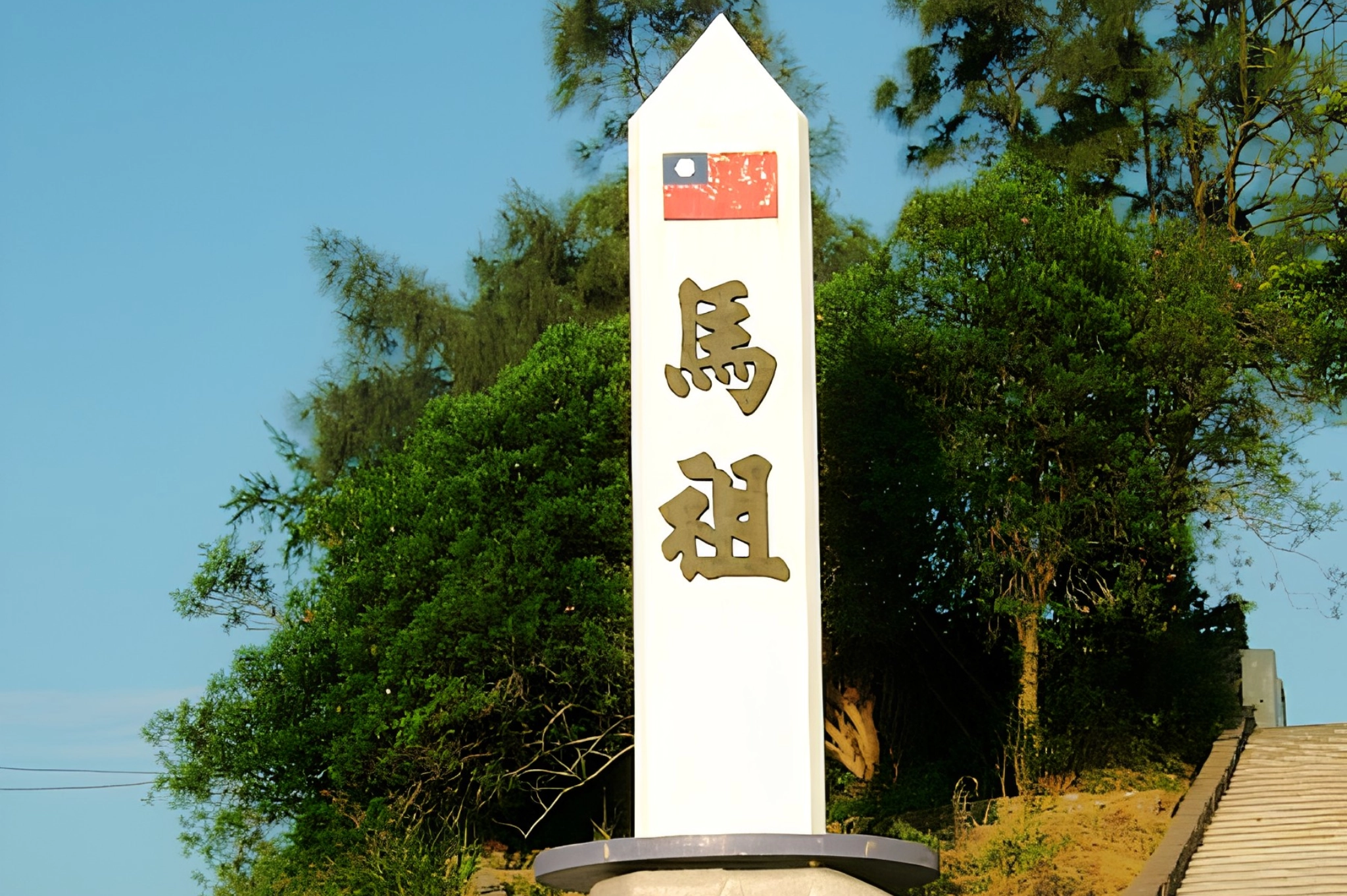
Beholding the Ocean Galaxy: Why 2026 is the Dream Year for Matsu's Blue Tears
There is a particular kind of magic that requires you to wait. To stand in the dark on a windless beach long after midnight. To let your eyes forget what streetlights look like, and to trust that something will happen—and then, when it does, to question whether you actually saw it at all.
This is what hunting for Blue Tears in Taiwan's Matsu Islands feels like. Right now, in May 2026, this breathtaking natural spectacle is reaching its strange and beautiful peak. Driven by global travel trends and international photography forums, Matsu's glowing blue coastline is experiencing its biggest year ever, establishing itself as a bucket-list destination for seasoned independent travelers. This stunning neon display is undoubtedly the most rewarding, otherworldly experience Taiwan has to offer in early summer.
However, international visitors frequently confuse two completely different "Matsus" in Taiwanese geography. Mazu refers to the patron goddess of the sea, whose massive temple pilgrimage draws millions across central Taiwan every spring. On the other hand, Matsu, the destination we are exploring today, is a tiny archipelago of about 36 islands and islets sitting in the Taiwan Strait. Geographically close to the coast of mainland China's Fujian province, these islands offer an unmissable blend of Cold War military history and breathtaking bioluminescent views.
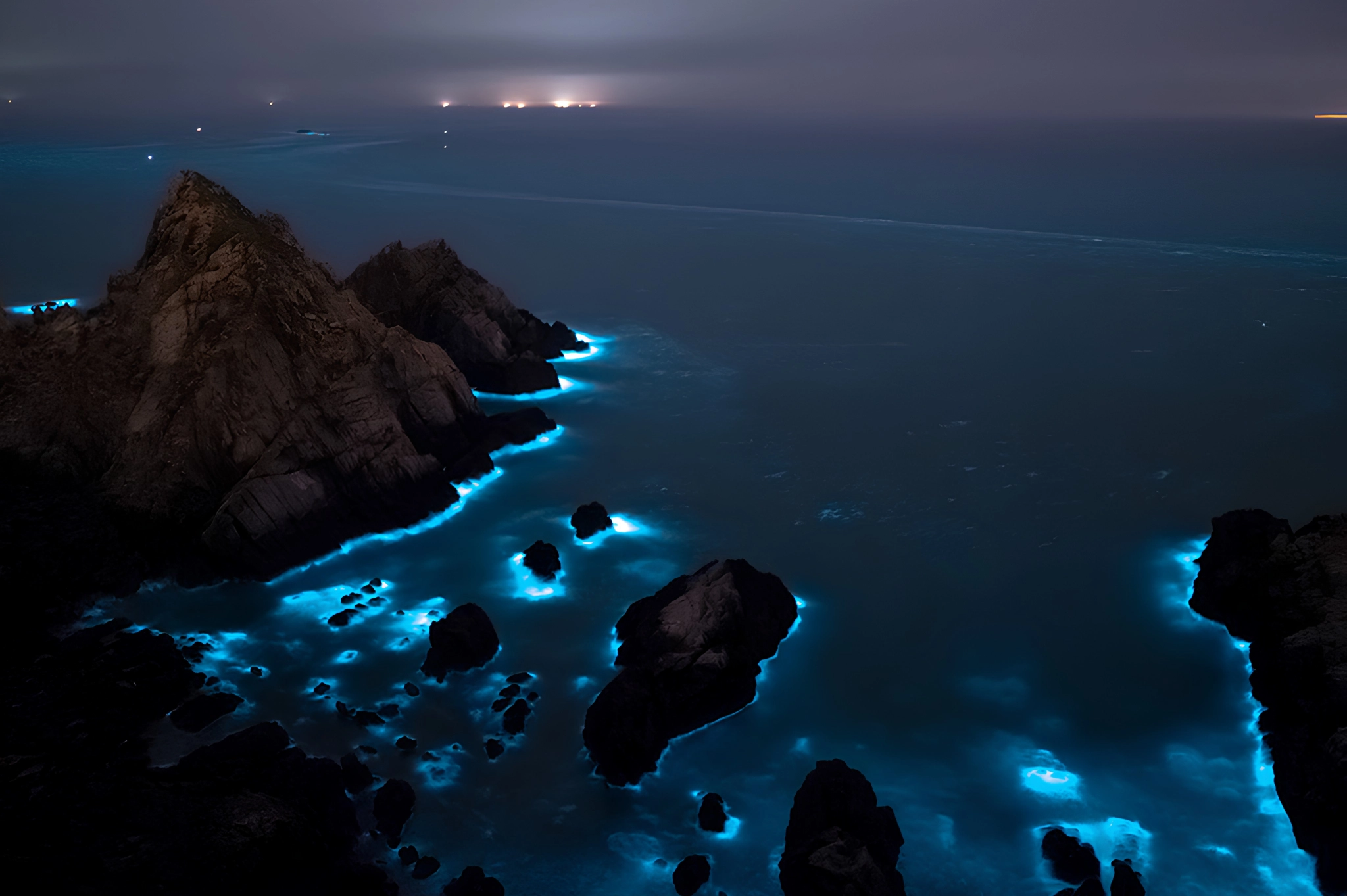
The Microscopic Wonder: Unveiling the Science of the Glowing Sea
The poetic name "Blue Tears" represents a magnificent, large-scale biological phenomenon.
The organisms transforming the breaking waves into magical neon glows are Noctiluca scintillans—a single-celled marine plankton roughly the size of a poppyseed, drifting in their billions through the coastal waters. When the water around them is physically disturbed—by a wave hitting the cliffs, a passing boat, or even a pebble tossed off a pier—they release a tiny, brief chemical flash, creating a shimmering blue-white spark.
- Why is the Bloom So Dense in Matsu? While bioluminescence occurs in places like Puerto Rico or the Maldives, Matsu benefits from unique ocean currents mixed with organic nutrients from the nearby Minjiang River mouth, providing the perfect breeding ground for these organisms.
- The Exceptional 2026 Bloom: Researchers note that an unusually warm spring across the strait caused sea temperatures to hit the optimal 24°C (75°F) threshold by late April, triggering an early population explosion. National Taiwan Ocean University has reported one of the most concentrated blooms in five years, with boat wakes glowing vividly long after a vessel has passed.
A Intersection of Cold War Fortresses and Natural Aesthetics
Matsu's deep appeal lies not only in its glowing nights but also in its heavy historical weight.
Until 1992, the Matsu Islands were a tightly closed military zone. The archipelago remains dotted with abandoned tunnels, underground concrete bunkers, and artillery positions hand-carved into the hard granite cliffs by soldiers. Ironically, the strict night-time blackouts and low-density coastal development maintained for wartime readiness left behind a pristine marine environment entirely free from modern light pollution.
Standing on an old military observation post, watching the jagged cliffs once meant for repelling invaders get softly embraced by glowing blue waves, delivers a compelling contrast of military history and natural beauty that no standard resort island can duplicate.
Navigating the Archipelago: 5 Top Hunting Grounds & Practical Routines
Because Blue Tears rely heavily on wind directions, water chemistry, and tides, finding them requires careful planning. Here is the definitive playbook of the 5 most reliable viewing locations:
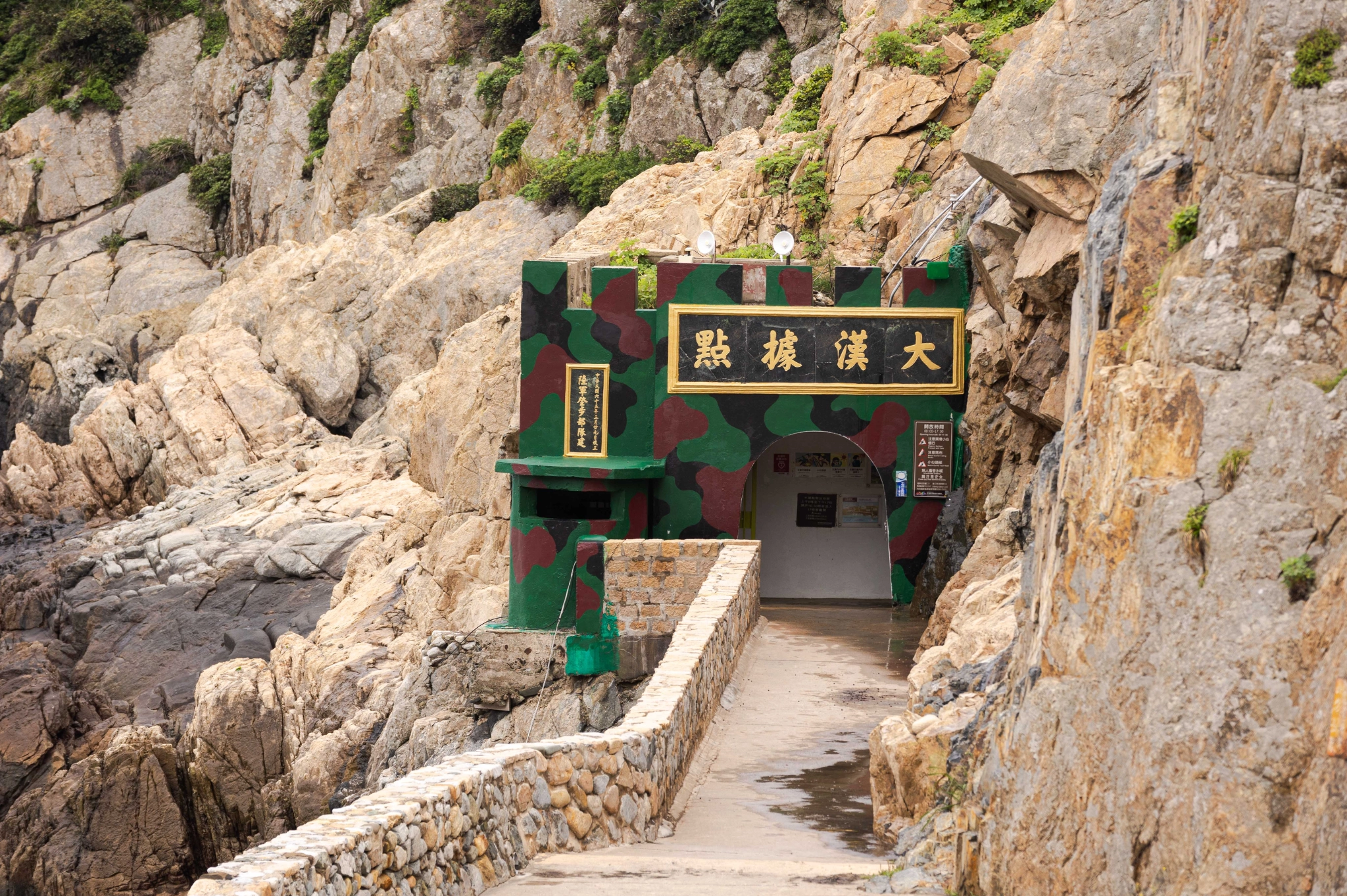
Dahan Stronghold & Iron Fort (Nangan): A converted military bunker carved directly into a sea cliff. Its deep tunnels lead to viewing platforms where you can capture dramatic long-exposure photos of waves striking the granite rocks, generating bright blue bursts.
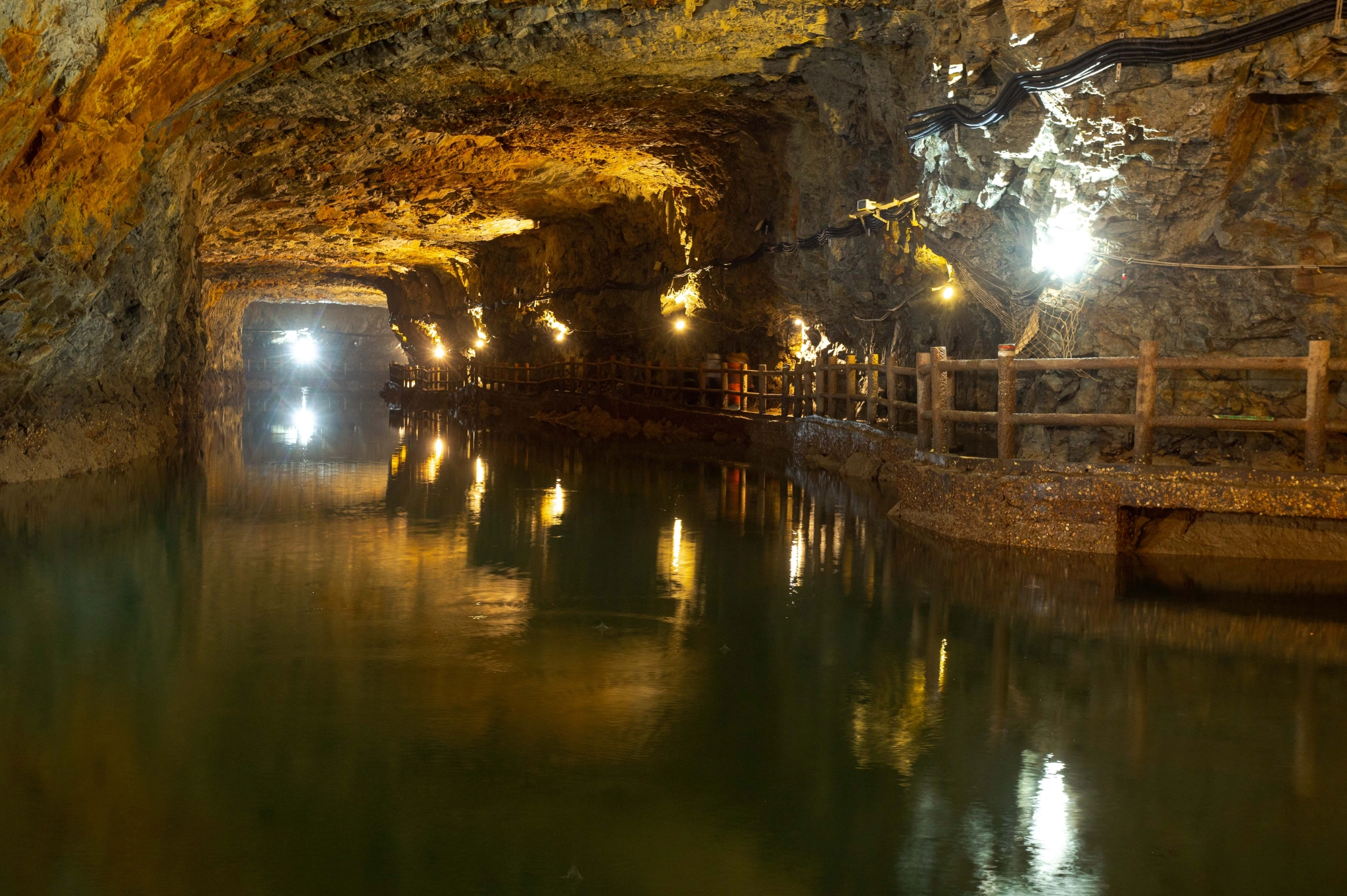
Beihai Tunnel (Nangan): For a guaranteed, up-close encounter, book a night-time traditional rowing boat inside this massive underground canal. In complete darkness, as the guide oars paddle through the water, the surface ignites with electric blue sparks, allowing you to stir the water and watch the light run through your fingers.
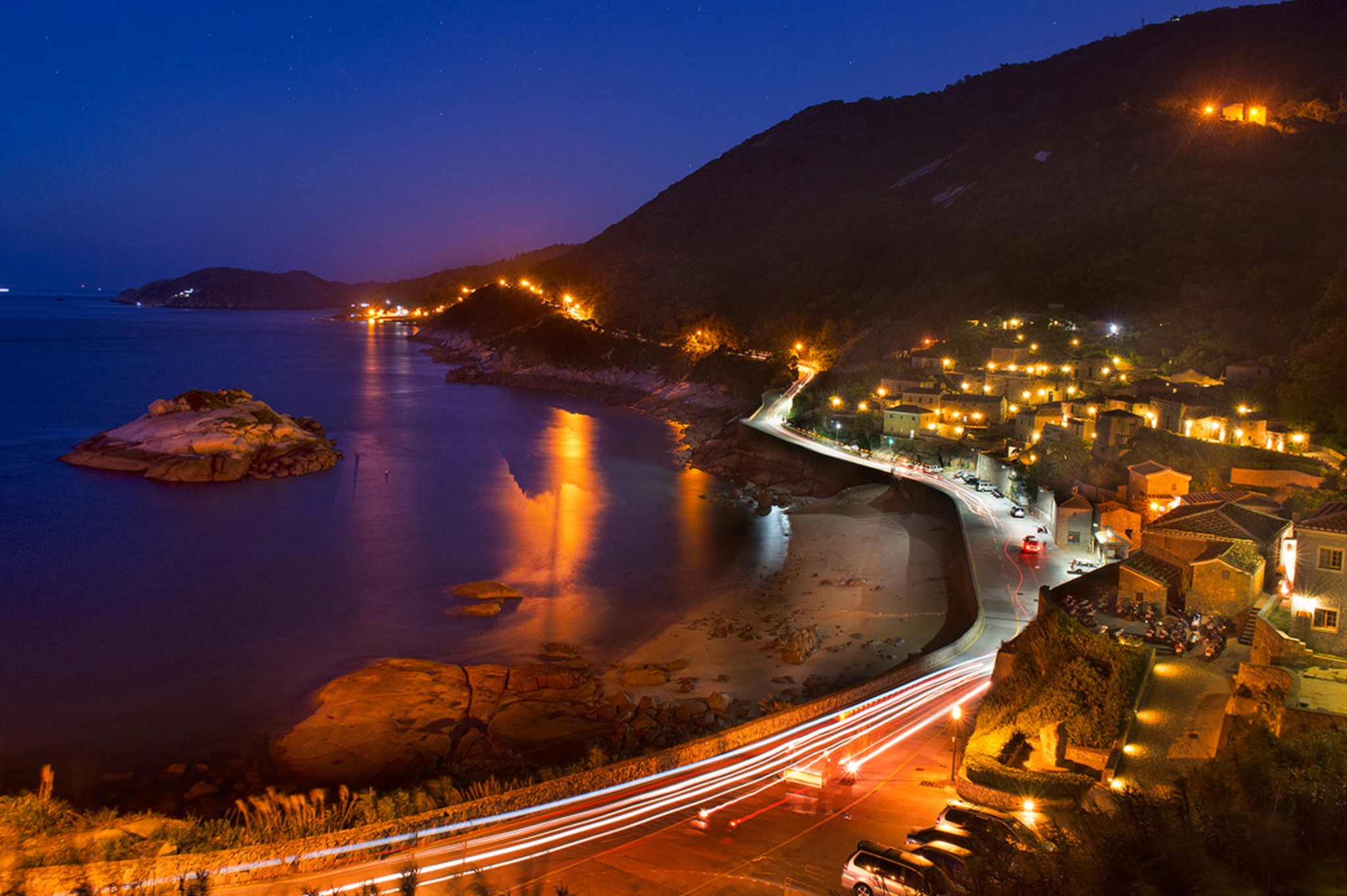
Qinbi Village (Beigan): A stunning, Mediterranean-style fishing village built entirely of granite stone houses on a hillside. When the bay below glows brightly, the bioluminescence reflects softly against the historic stone walls, creating an incredibly romantic atmosphere.
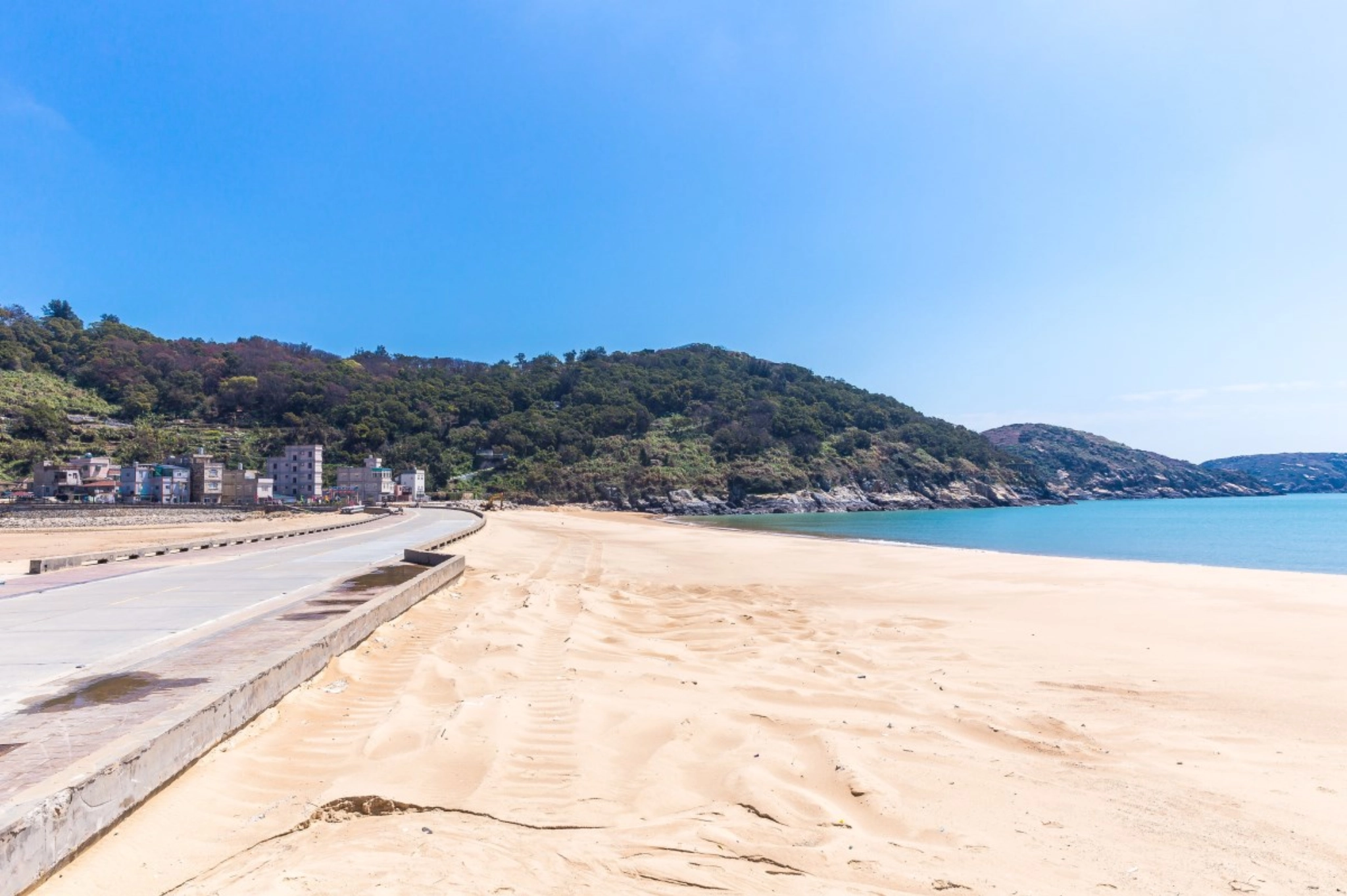
Tanghoudao Beach (Beigan): A beautiful expanse of fine sand where strong southern winds frequently push massive plankton populations close to shore, tracing the entire shoreline in a shimmering blue ribbon.
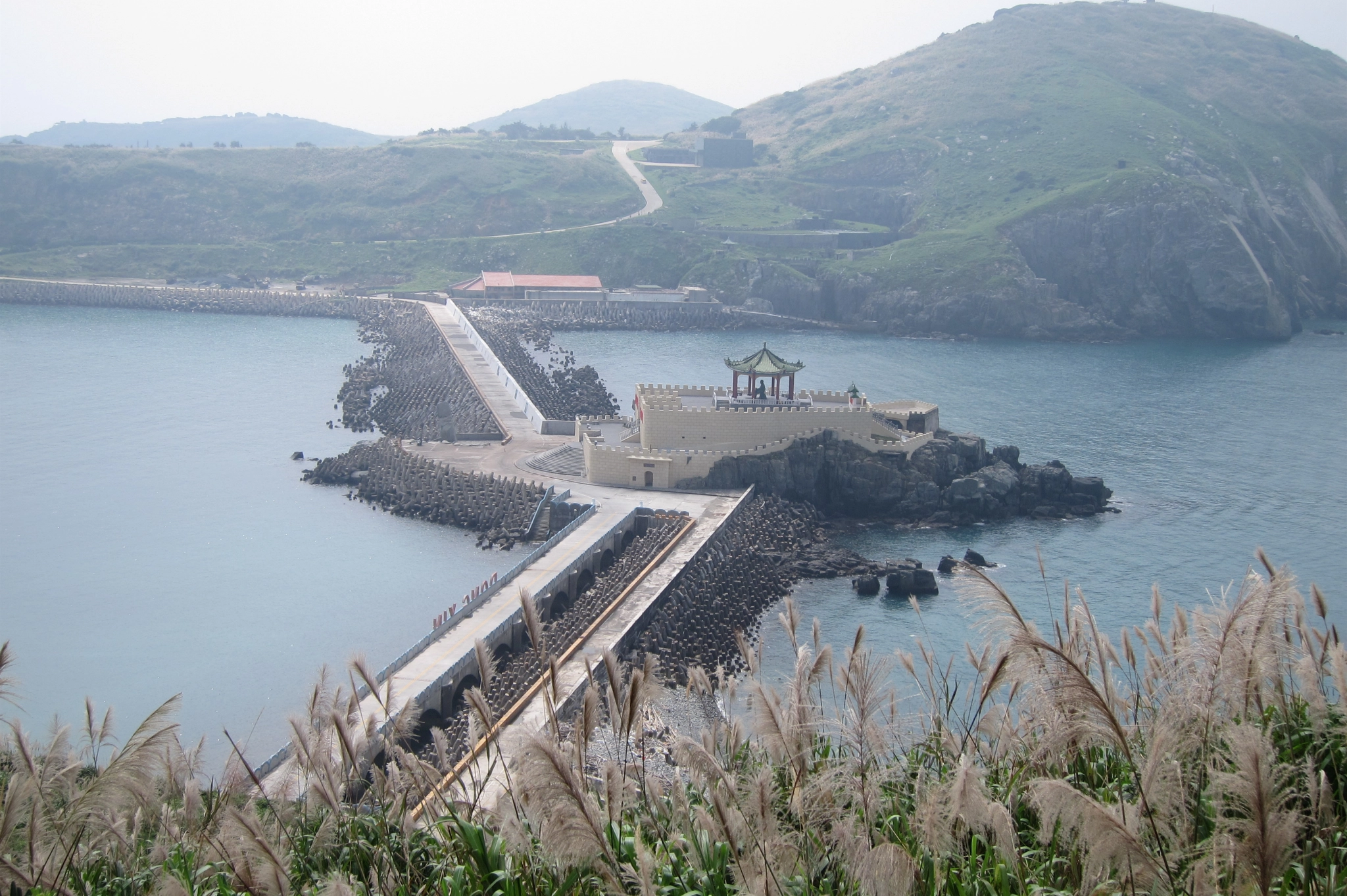
Zhongzhu Levee (Dongyin): Taiwan's northernmost inhabited outpost. Though reaching it requires an overnight ferry, its deep-water coastal cliffs are legendary among local photographers for producing the most intense, saturated blue displays in the region.
Photography Etiquette: Because the biological light is highly delicate, never use flash, headlamps, or phone flashlights near the water. A single white light ruins human night vision and spoils long-exposure shots for everyone nearby. Use a small tripod and set your device to manual or night mode with a 15-to-30-second exposure.
Island Gastronomy: Culinary Secrets of Matsu's Terroir
Exploring Matsu's unique food heritage—which differs significantly from lowland Taipei and mirrors coastal Fujianese cooking—is a magnificent culinary highlight.
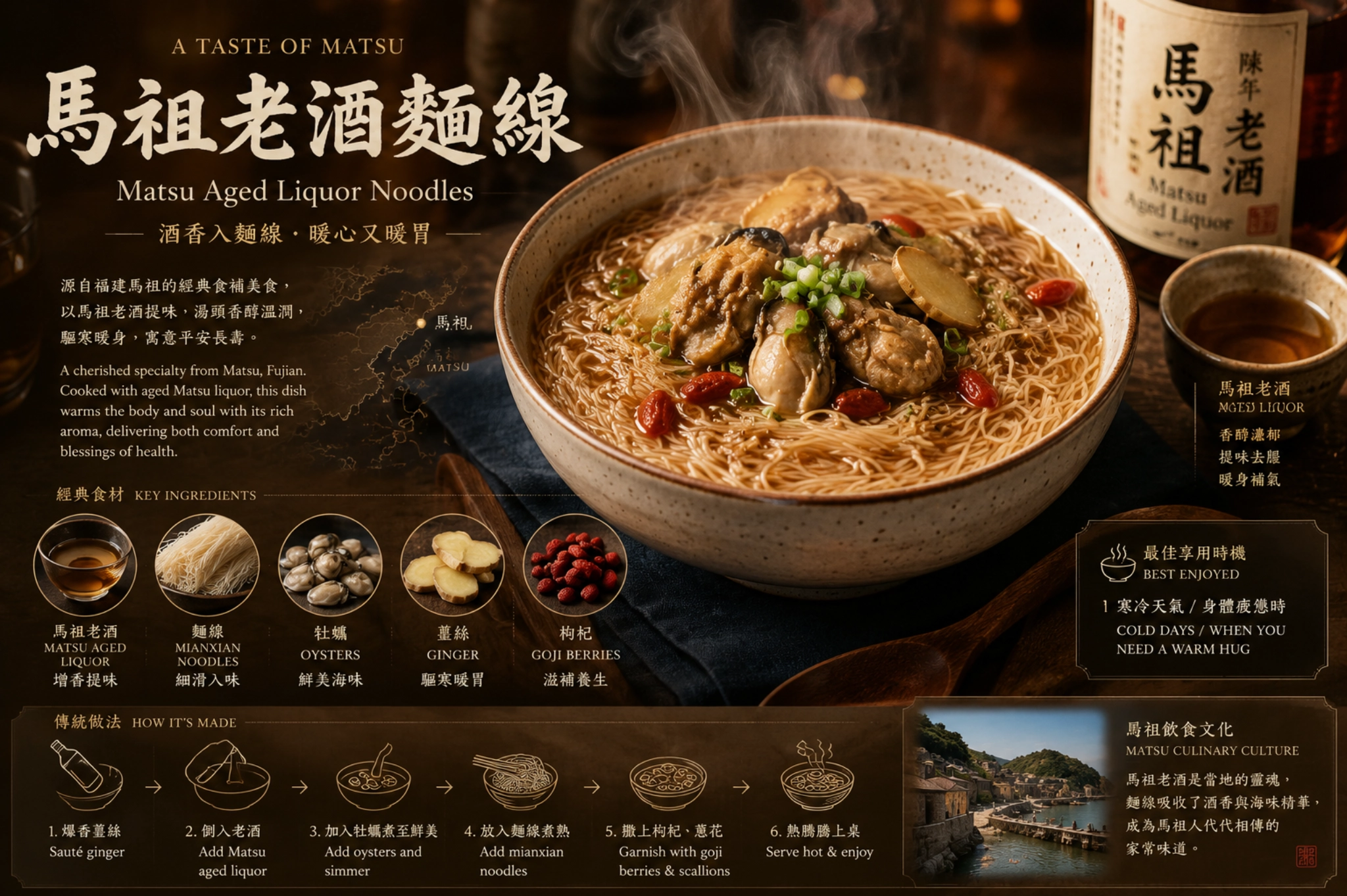
- Matsu Rice Wine Noodles (Laojiu Mianxian): A beloved comfort food originally prepared for fishermen facing cold nights at sea. Thin, local noodles are simmered in a rich broth infused with house-brewed aged rice wine, topped with a fried egg and tender strips of red-yeast pork. It is the ultimate warming meal after a long night of tracking tears.
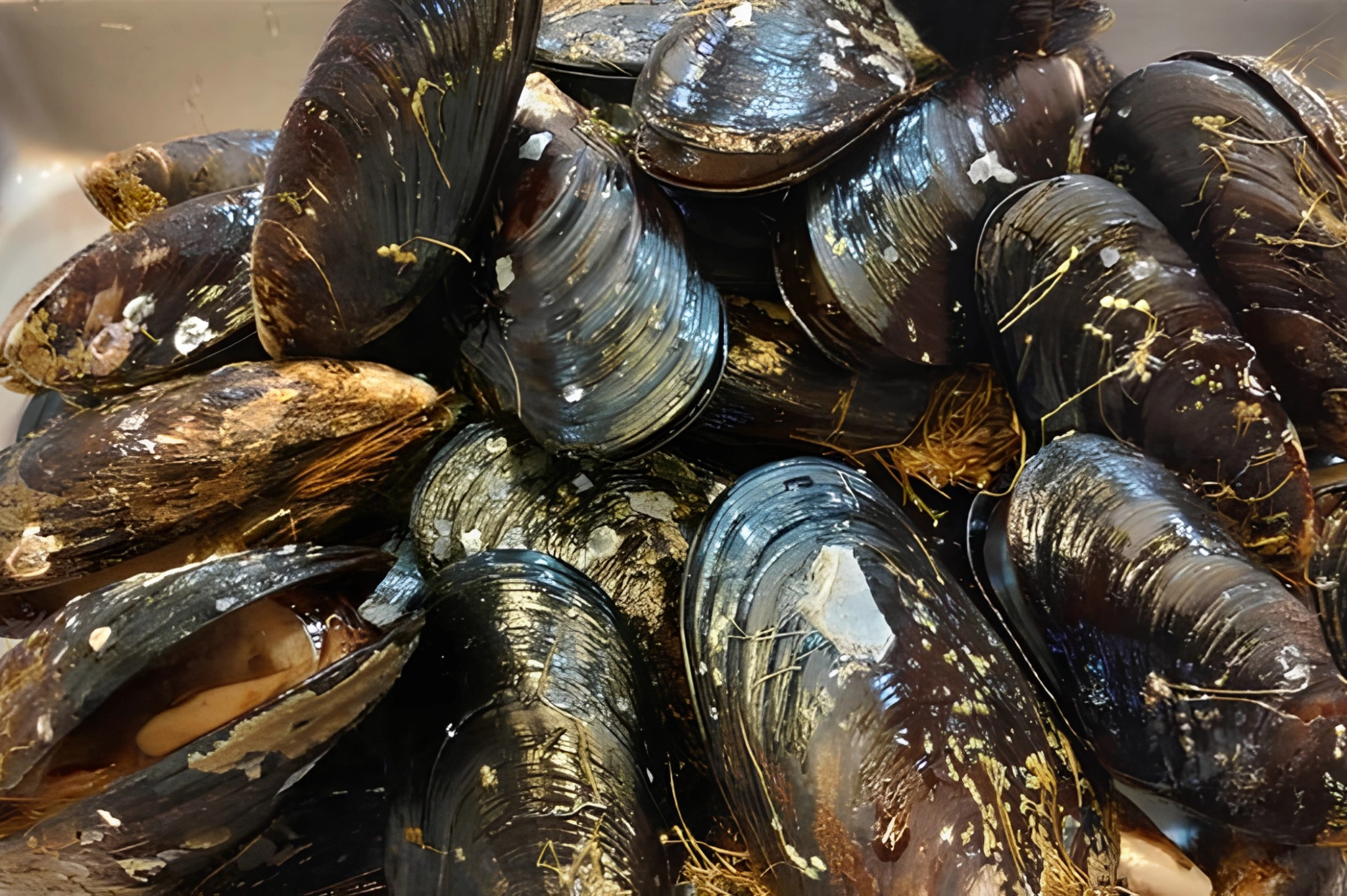
- Fresh Local Mussels (Dancai): Matsu's mussels are among the finest in Asia. Harvested fresh daily during summer, these large mussels are steamed simply with local spring water, offering a plump, sweet, and incredibly flavorful experience that redefines standard seafood.
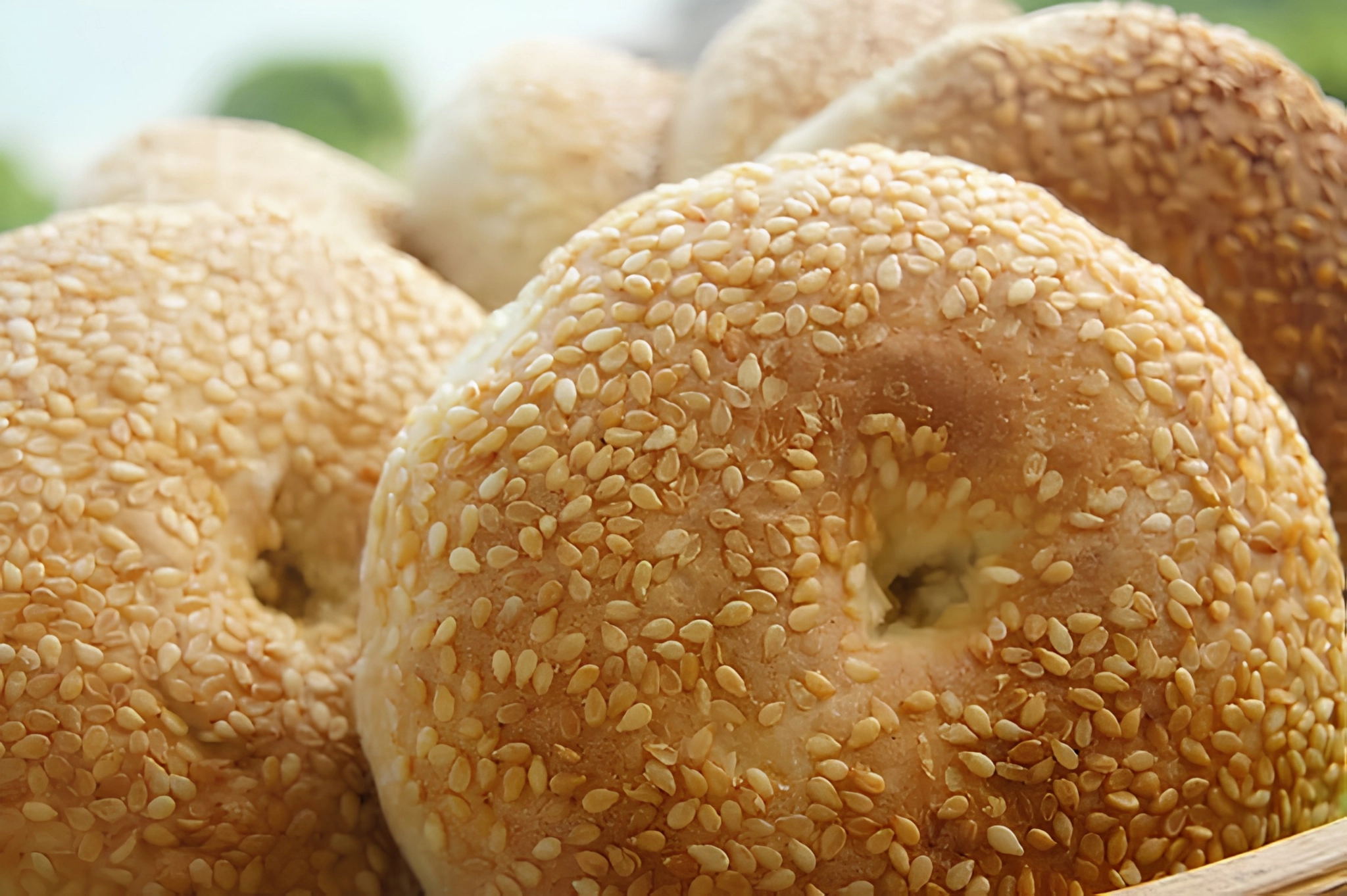
- Jiguang Bing: Commonly referred to as the "Matsu Burger". Originally invented by a Ming-dynasty general as a convenient military ration, this sesame-studded wheat bagel is lightly fried and stuffed with fragrant scallion eggs and red-yeast pork, delivering a crispy, savory bite.
Travel Budgets & Practical Cost Estimates (2026 Independent Traveler Guide)
The Matsu Islands remain an incredibly affordable hidden gem for independent international visitors. Here is a reliable breakdown of current 2026 expenses to help manage your itinerary:
- Round-Trip Flights (Taipei Songshan to Nangan/Beigan): Approximately NT$3,500 to NT$5,500 (US$115–$180) via Uni Air or Mandarin Airlines. Booking two months in advance is highly recommended.
- Traditional Stone Guesthouse Double Room: NT$1,800 to NT$3,500 (US$60–$115) per night, usually including a local breakfast. Staying in Qinbi Village offers an unparalleled historic ambiance.
- Scooter Rental: NT$400 to NT$600 (US$13–$20) per day. Note that Matsu's terrain features exceptionally steep hills, requiring confident two-wheel driving skills and a valid international driver's license.
- Nightly Blue Tears Cruise: NT$800 to NT$1,200 (US$25–$40) per person. Local captains steer small boats out to known bloom areas, ensuring a high observation success rate even when shore sightings are low.
FAQ
Q1: When exactly is the absolute best "Golden Window" to witness the brightest Blue Tears in May 2026?
A1: The primary rule for maximum brightness is avoiding lunar interference. Because the plankton's chemical glow is delicate, a bright moon completely washes out the effect. New moon periods ensure pitch-black skies, offering an incredible 90% chance of experiencing a vivid bloom when combined with favorable southern winds.
Q2: How should I handle the seasonal spring fog that frequently cancels flights to Matsu?
A2: Spring brings frequent advection fog to Matsu, which can lower visibility and temporarily suspend flights. Experienced travelers protect themselves by purchasing comprehensive travel insurance and utilizing the overnight passenger ferry, the 'New Taimalan'. Even when airports close, this large vessel typically operates normally between Nangan's Fuao Port and Keelung Port near Taipei. To accommodate potential weather delays, plan to stay at least 3 nights on the islands.
Q3: Are the Blue Tears a form of marine pollution, and is it safe to touch the water?
A3: Noctiluca scintillans are non-toxic organisms, meaning contact with the water will not cause poisoning. However, during extreme daytime population explosions, they can create a pinkish algal bloom known as a "red tide". While not harmful, dense blooms can accumulate bacteria as the algae decompose. Visitors with highly sensitive skin should avoid swimming in heavy bloom areas, though walking along the wet shoreline where the waves break is perfectly safe and highly enjoyable.
Q4: Can I use credit cards, mobile payments, or an EasyCard for daily expenses in Matsu?
A4: While major convenience stores (7-Eleven, FamilyMart) and star-rated hotels readily accept credit cards, LINE Pay, or EasyCards, over 80% of local eateries, scooter rental shops, tour boat operators, and traditional homestays operate strictly on a cash-only basis. Furthermore, island ATMs occasionally run entirely out of banknotes during high-demand festival weekends. Travelers are strongly advised to withdraw NT$5,000 to NT$8,000 in cash at Taipei Songshan Airport before departure.