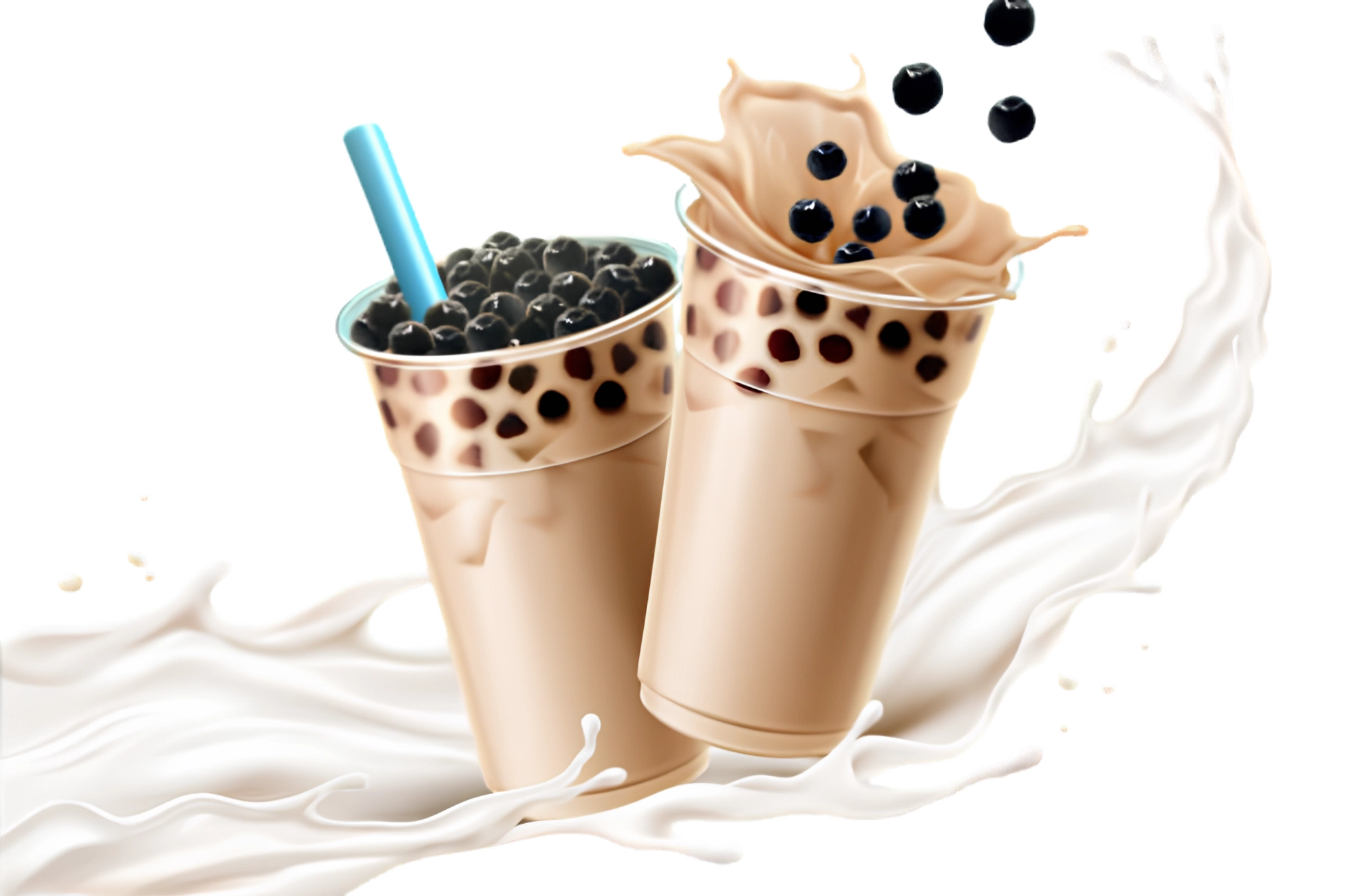
In 2026, bubble tea—alternatively known as boba or pearl milk tea—is far more than a beverage; it is a NT$50 billion global phenomenon and Taiwan’s most successful cultural export. But behind the 60,000 shops operating worldwide lies a legendary rivalry that once spent a decade in the Taiwan Intellectual Property Court.
The question that travelers and tea enthusiasts still ask today is: Who really invented bubble tea?
The Great Tapioca War: Taichung vs. Tainan
The 2019 court verdict concluded that the invention happened independently in two different cities during the mid-1980s. For the traveler in 2026, this means two distinct "original" recipes to experience.
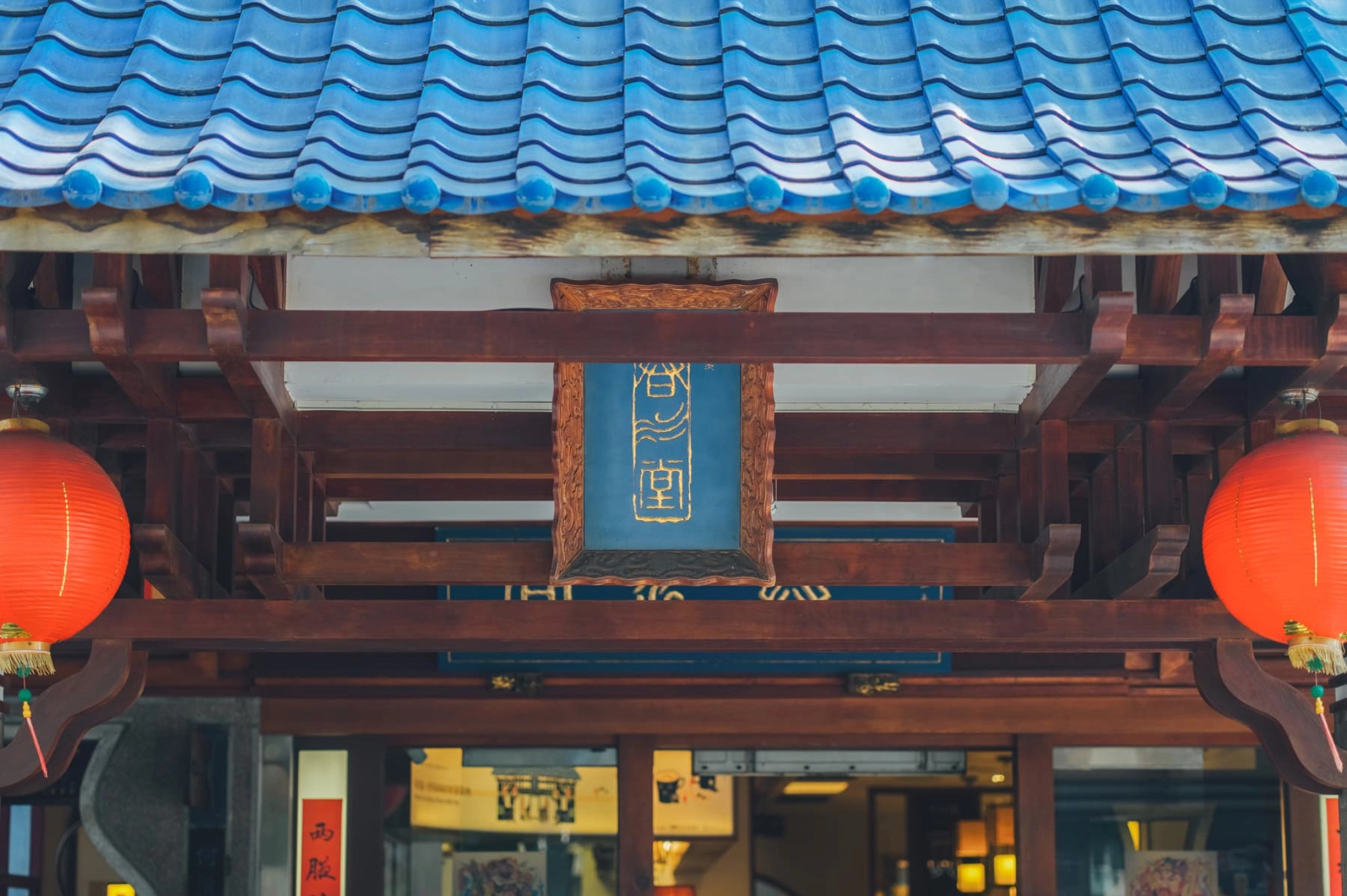
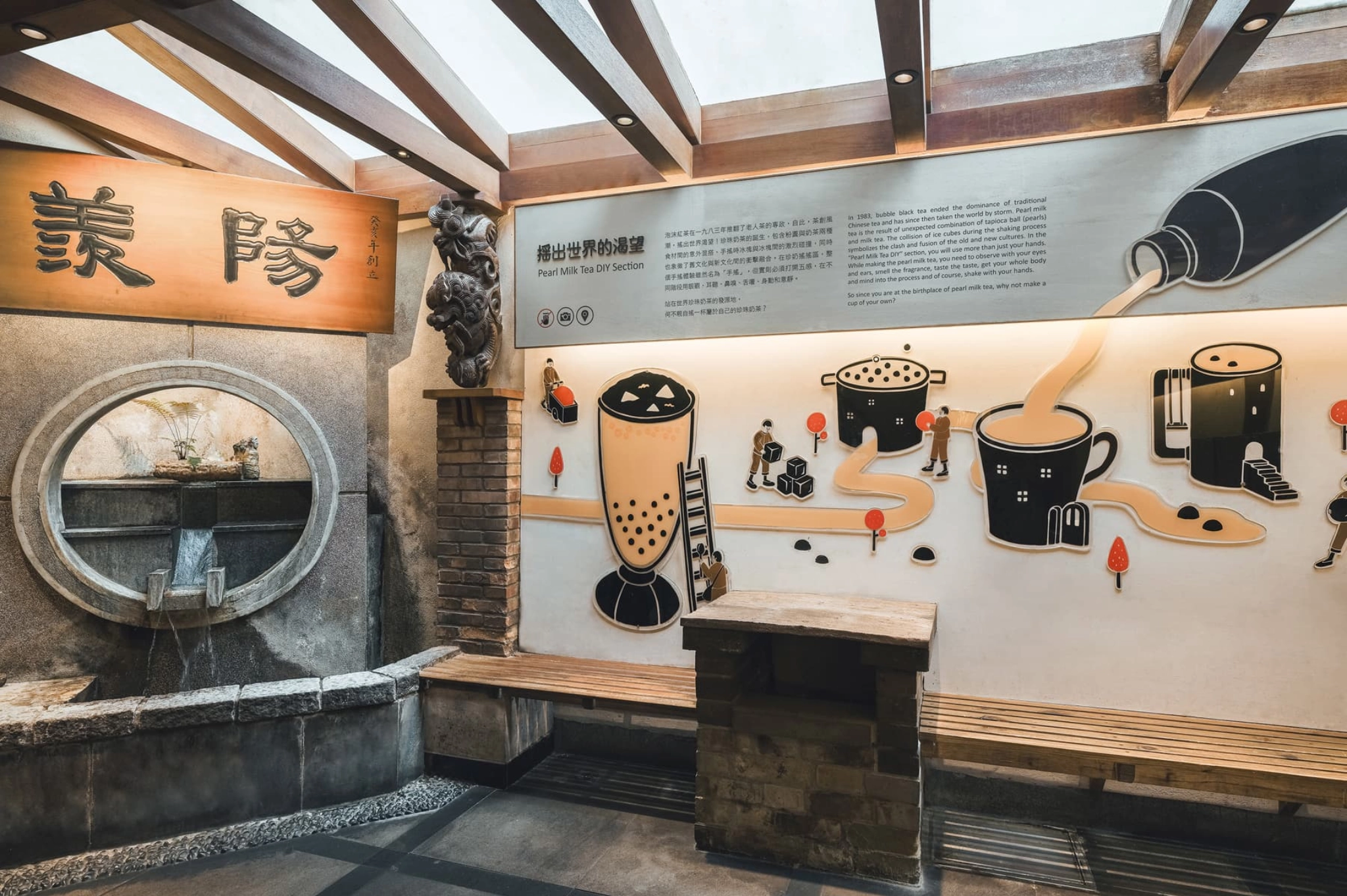
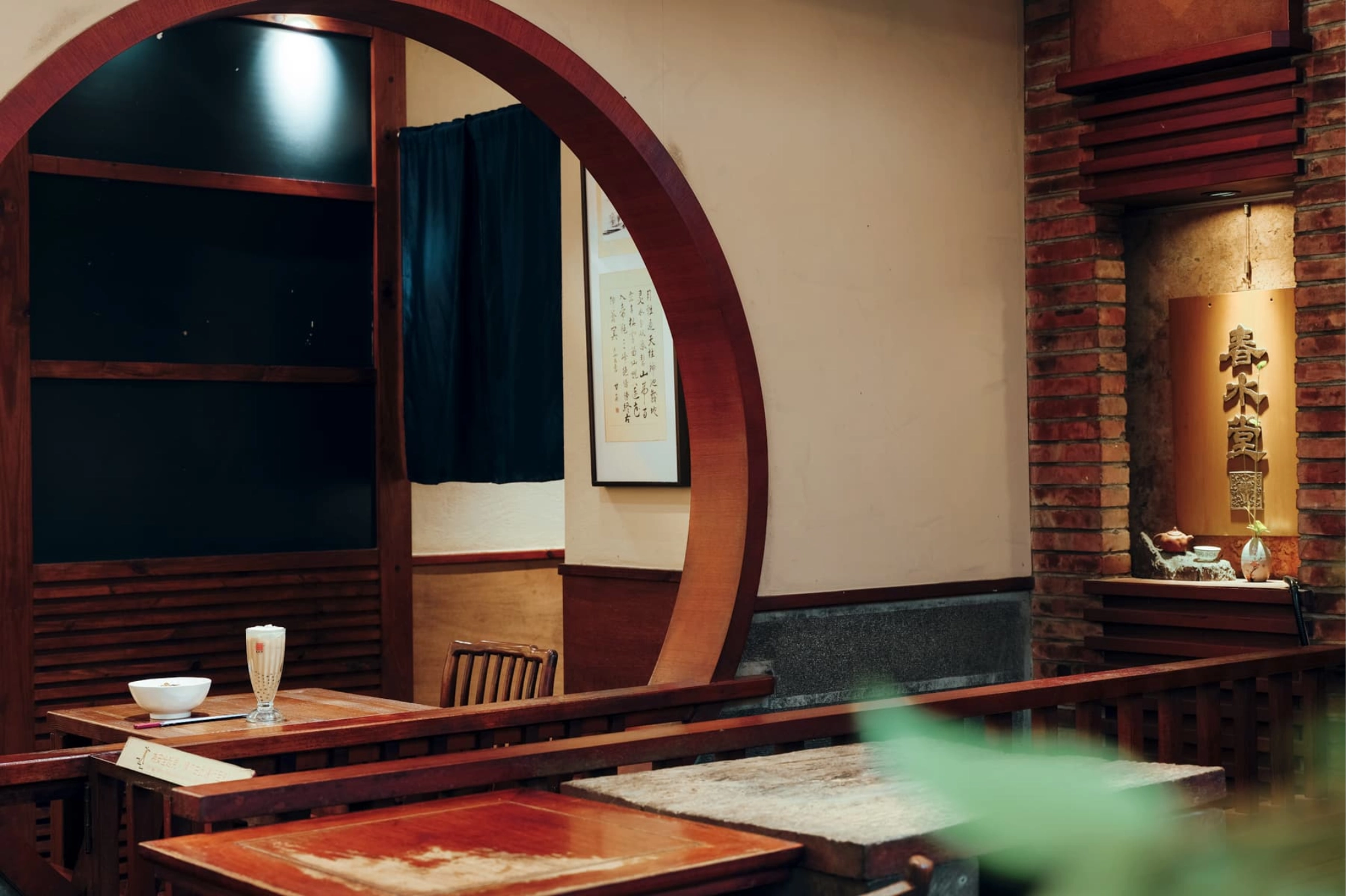
The Taichung Origin: Chun Shui Tang (春水堂)
Founded in 1983 by Liu Han-Chieh, Chun Shui Tang revolutionized tea by serving it cold—a radical idea at the time. The "pearls" arrived in 1988 when product manager Lin Hsiu-Hui impulsively dropped fenyuan (tapioca pearls) into her iced Assam milk tea during a long staff meeting.
The Signature Style: Small black pearls that are softer and slightly nuttier.
The Craft: Hand-shaken in stainless-steel tins exactly 18 times to create a unique froth.
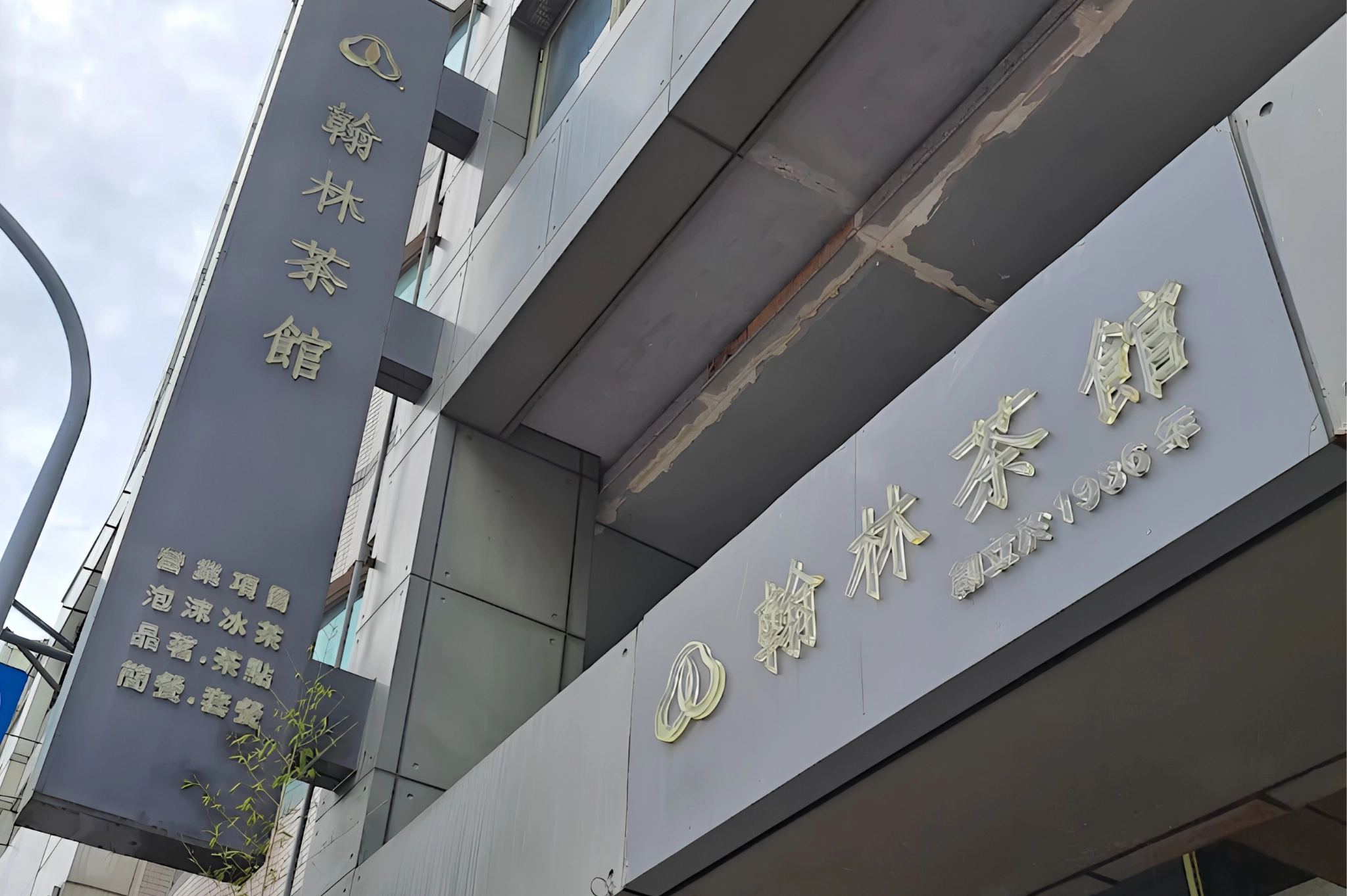
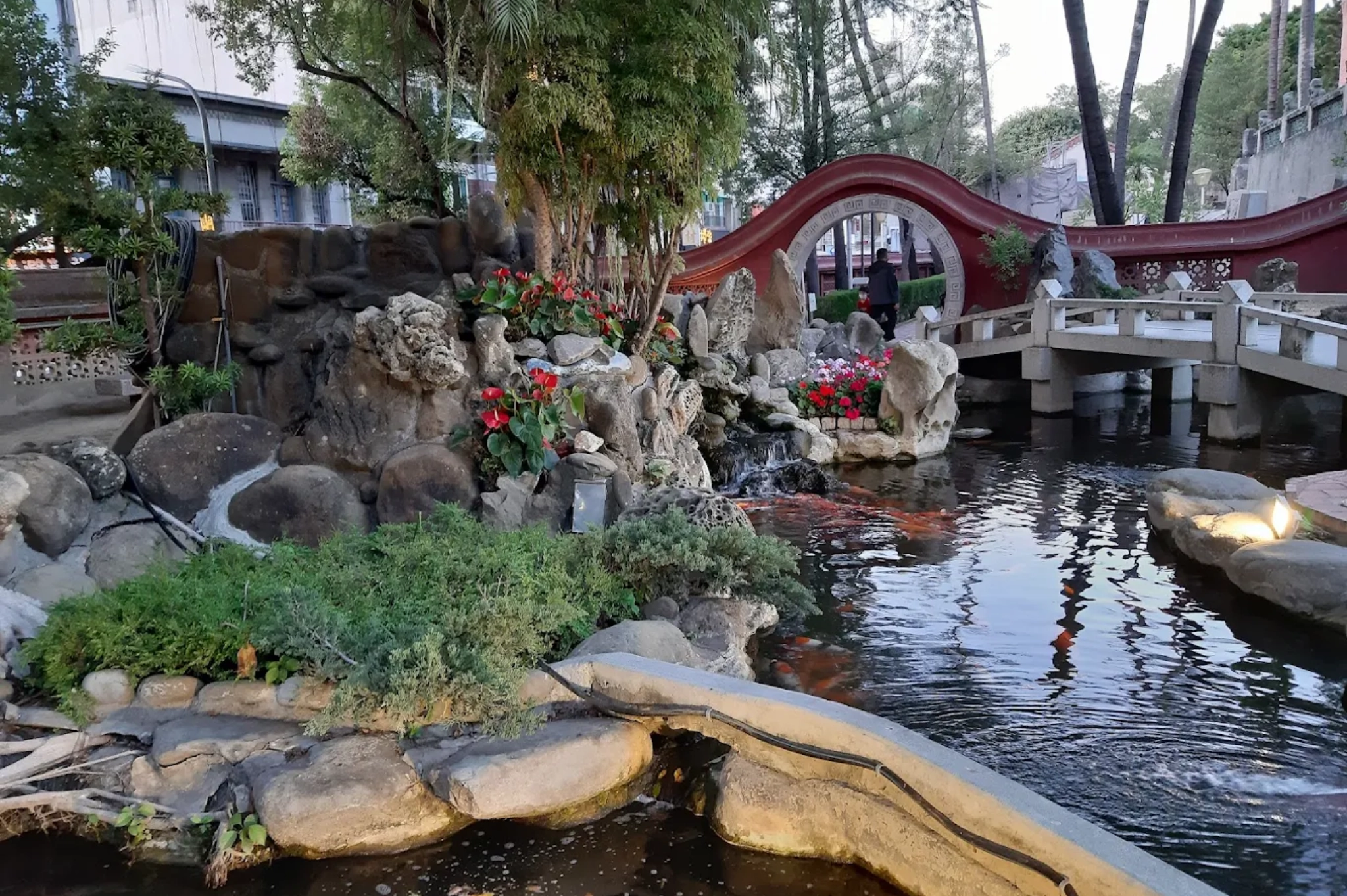
The Tainan Origin: Hanlin Tea Room (翰林茶館)
Founded in 1986 by Tu Tsong-He, Hanlin claims to have birthed "Pearl Milk Tea" even earlier. Inspired by white tapioca pearls found at a Tainan market, Tu viewed them as "pearls of a Chinese necklace".
The Signature Style: Large "White Jade" pearls made of pure tapioca, offering a firmer, slower bite.
The Vibe: More deliberate and dense—a reflection of Tainan’s historical, slow-paced soul.
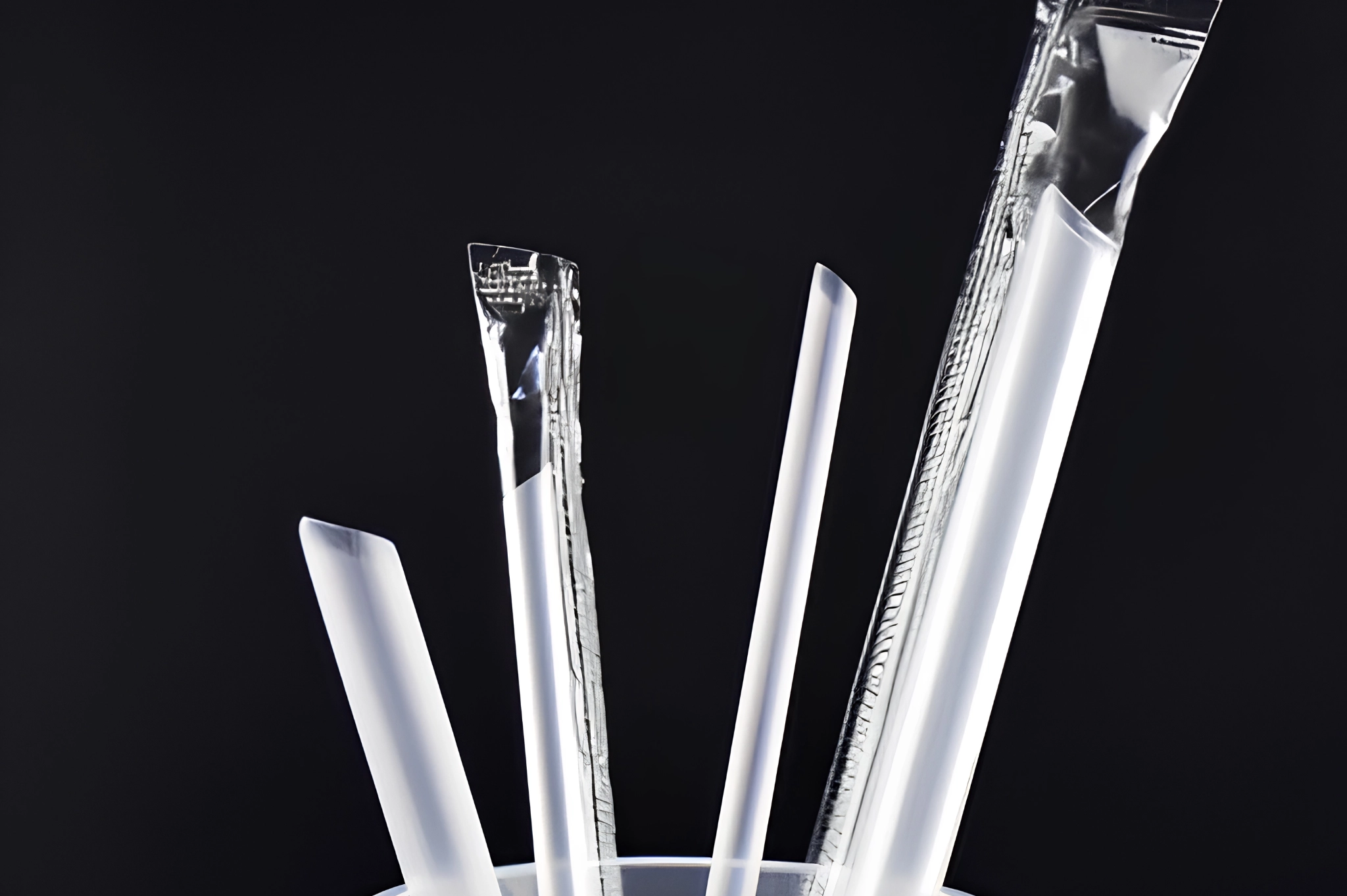
The 12mm Revolution: Why the Straw Matters
The global export of boba was only possible because of a design breakthrough in 1989. Liu Han-Chieh commissioned the first 12mm wide-bore plastic straw from a factory in Yunlin. This specific diameter allowed pearls to be drawn cleanly while drinking, transforming a dessert you eat with a spoon into a mobile global lifestyle. In 2026, the industry is slowly to eco-friendly paper, corn-starch, or steel alternatives.
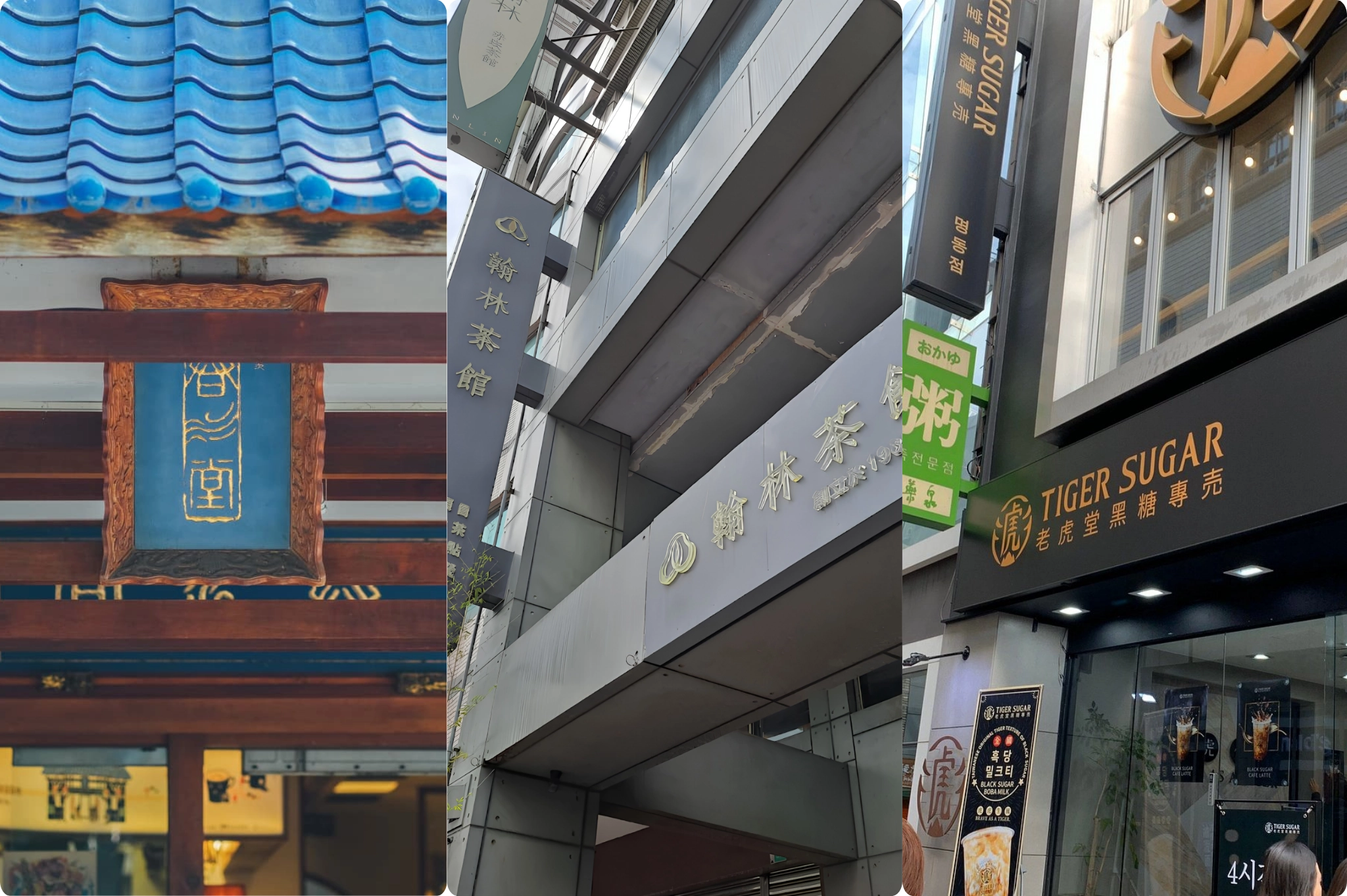
A 2026 Bubble Tea Pilgrimage: 4 Must-Visit Stops
Stop | Location | What to Order | The Expert Tip |
Founding Teahouse | Chun Shui Tang (Si Wei St, Taichung) | Classic Zhenzhu Naicha | Order at 50% sugar; hand-shaken, never by machine. |
White Pearl Original | Hanlin Tea Room (Zhongzheng Rd, Tainan) | Baiyu Pearl Milk Tea | Experience the firmer texture of the "Deep South" original. |
Modern Mutation | Tiger Sugar (Taichung/Global) | Brown Sugar Boba Milk | Featuring "Tiger" syrup streaks and salted-cheese foam. |
The Local Hero | Any neighborhood shop with no English sign | Zhenzhu Naicha, Ban-tang, Shao-bing | Freshly brewed in aluminum kettles; the most authentic experience. |
FAQ
Q: Who officially invented bubble tea, Chun Shui Tang or Hanlin?
A: In 2019, after ten years of litigation, the court ruled that neither teahouse holds the sole invention rights; the drink was developed independently by both parties in the mid-1980s.
Q: What is the difference between black pearls and white pearls?
A: Black pearls (Chun Shui Tang style) are typically smaller, softer, and faster to cook. White pearls (Hanlin "White Jade" style) are larger, made of pure tapioca, and offer a firmer "bite".
Q: Why is May the best time to drink bubble tea in Taiwan?
A: High-quality tapioca starch is harvested between April and June. In May, pearls are at their freshest, chewiest, and most fragrant of the entire year.
Q: How do you order bubble tea like a local in Taiwan?
A: The standard local request is "zhenzhu naicha, ban tang shao bing" (pearl milk tea, half sugar, less ice). 50% sugar is the local default to balance the tea's flavor.