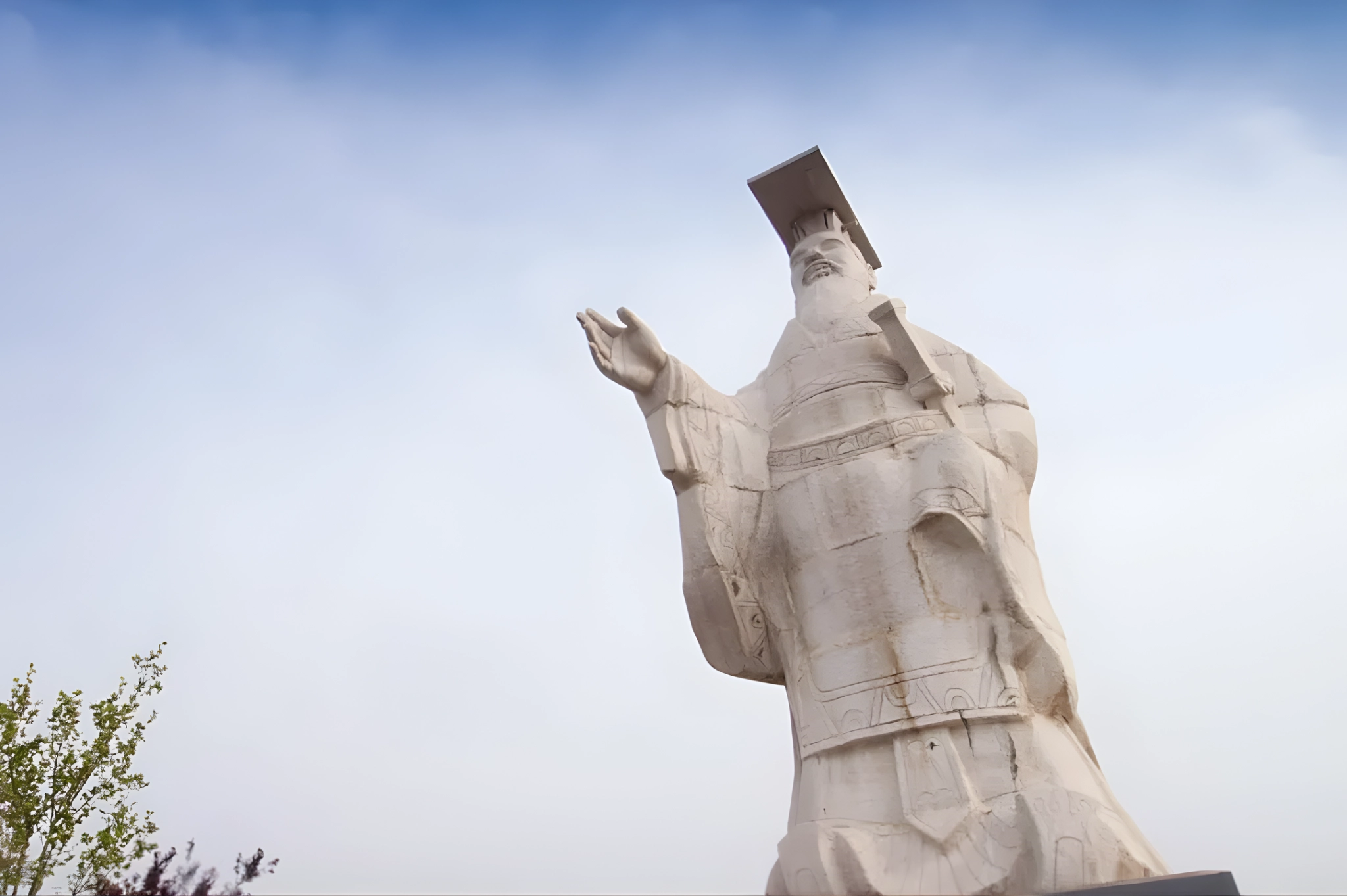
Qin Shi Huang, the First Emperor of China, was a man who accomplished as much in life as he did in death. Today, as visitors stand before the thousands of statues recovered from his silent burial grounds, they witness a splendor that has carried into the afterlife. The Terracotta Warriors stand as eternal guardians, serving as a powerful “name card” for Chinese history. However, beyond the pages of history books, these soldiers guard secrets that many travelers are entirely unaware of.
1. A Masterpiece of Individualism
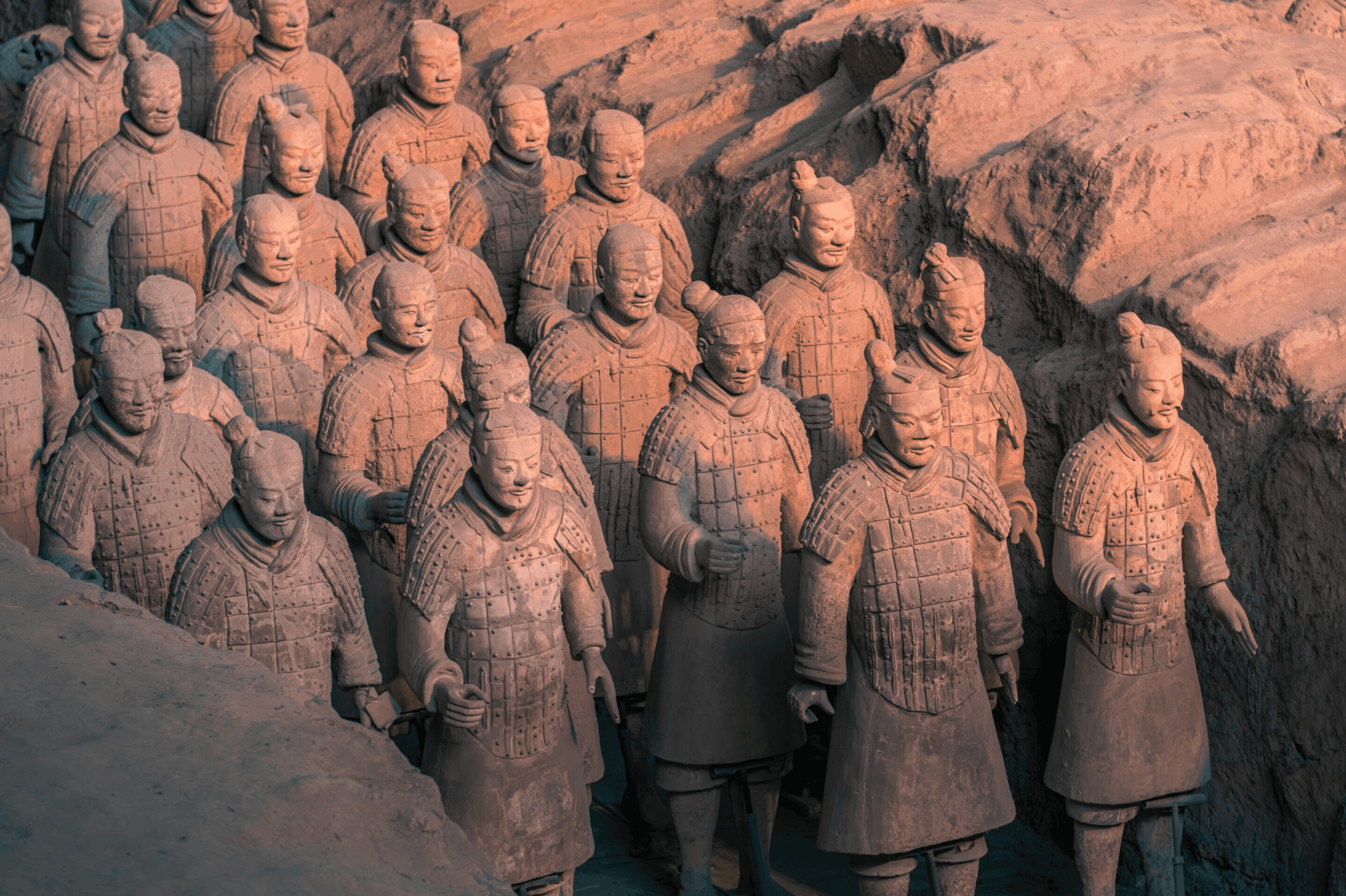
Despite there being over 2,000 soldiers currently displayed—and an estimated 8,000 in total—each soldier possesses distinctive facial, hair, and clothing features.
- The Real Portraits: The details are so precise that researchers believe they were modeled after real, living members of the Emperor’s elite guard.
- Travel Tip: At Pit 1, use high-powered binoculars (provided on our premium tours) to spot the unique "single-edged eyelids" and varied beard styles that prove no two soldiers are alike.
2. The Tragedy of Vanishing Color
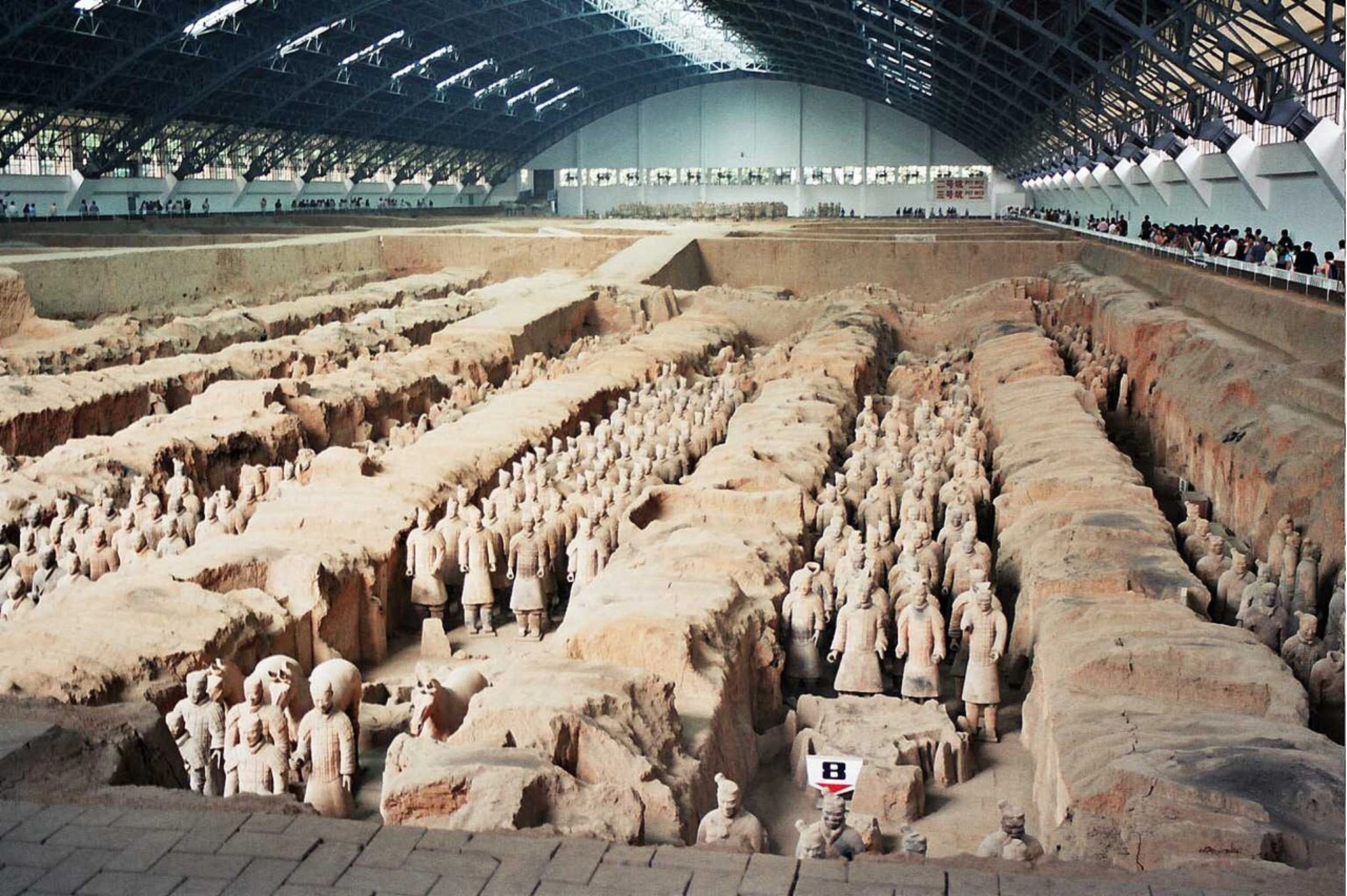
While we know them by their greyish appearance today, they were once meticulously painted in vivid purples, reds, and greens.
- The 15-Second Window: The ancient lacquer curls and peels just 15 seconds after exposure to Xi’an’s dry air.
- Technological Pause: This is why many statues remain unexcavated; archeologists are waiting for advanced preservation technology to save their original pigments.
3. The Signatures of the Makers
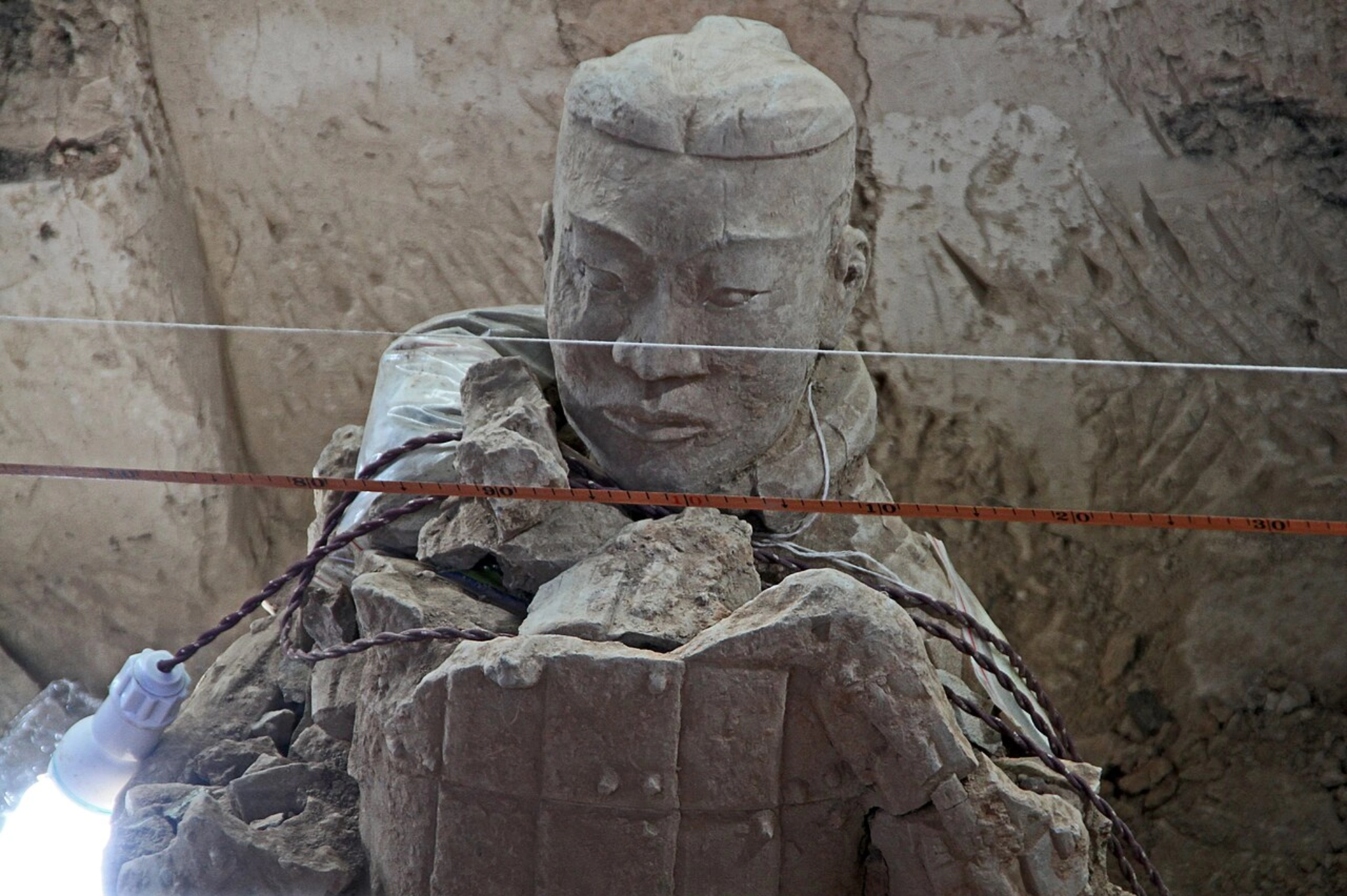
To ensure the highest quality for the afterlife, every piece had to be perfect.
- Accountability: Many soldiers carry the engraved name of the artisan responsible.
- Lethal Stakes: If a statue was faulty, the maker faced harsh, even lethal, punishment.
- Fresh Perspective: Our guides at Fresh International Travel Service can help you locate these hidden "quality control" stamps on the armor of specific infantrymen.
4. Rivers of Toxic Mercury: The Unopened Tomb
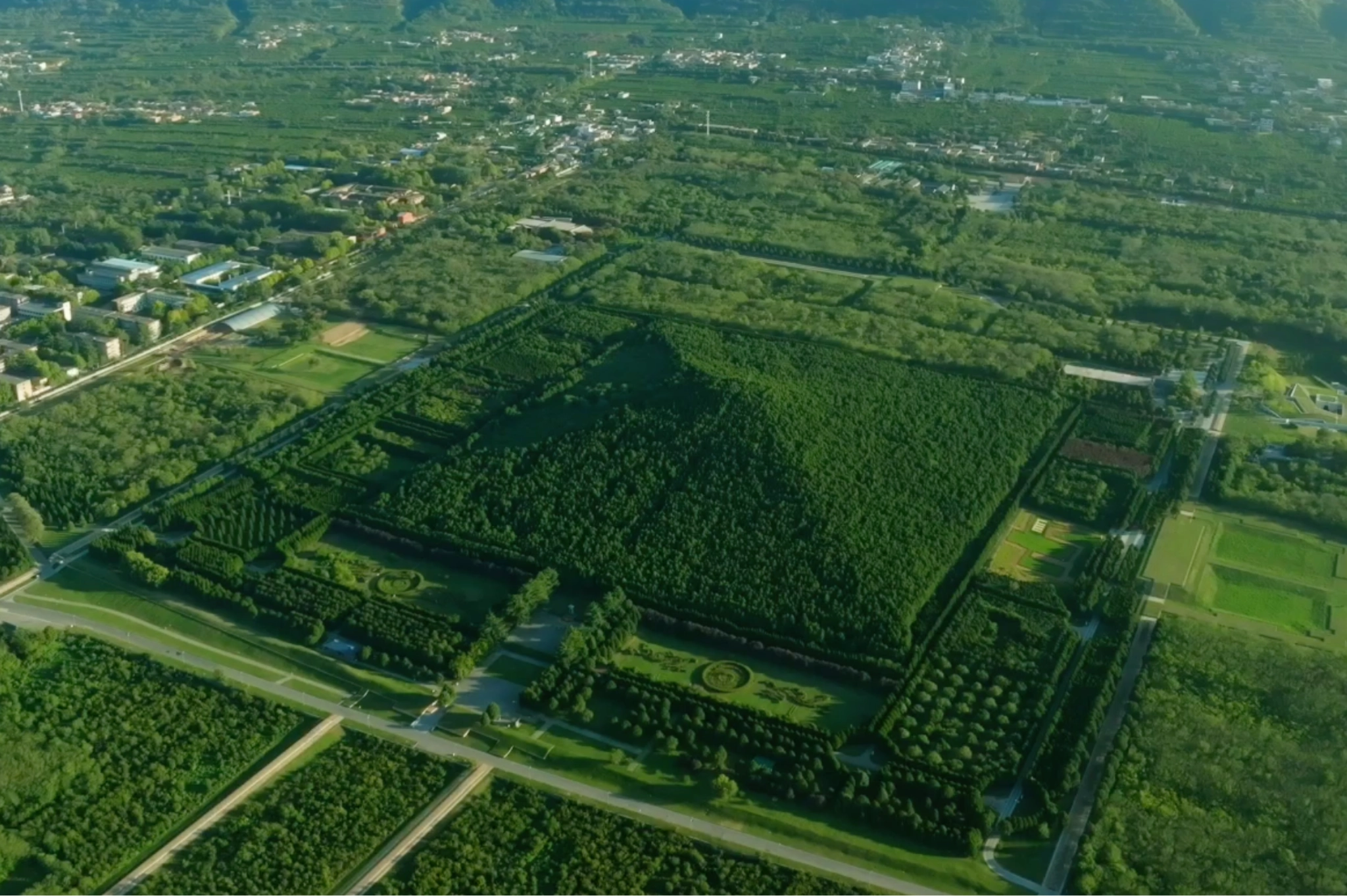
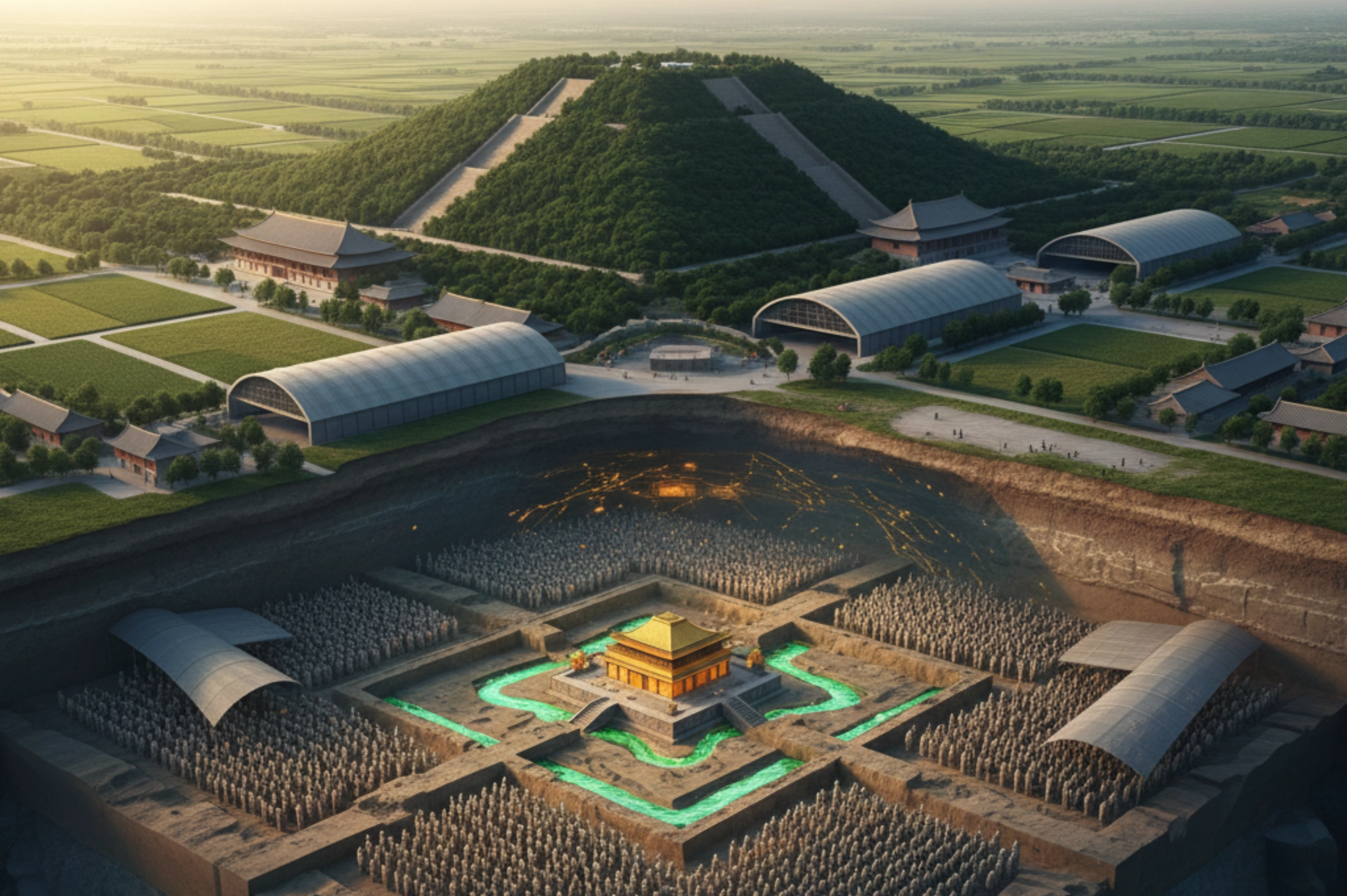
The figurines currently on display come from the grounds surrounding the actual tomb of Emperor Qin Shi Huang, which remains unopened to this day.
- The Mercury Myth is Real: Historical documents describe a subterranean palace with rivers of flowing mercury.
- Scientific Proof: As of 2026, modern soil tests continue to confirm alarmingly high mercury levels, proving the environment inside remains extremely dangerous for excavation.
Xi an Travel FAQ
Q: Why is the tomb of the First Emperor still unopened?
A: Beyond the preservation of artifacts, the presence of high-level toxic mercury—confirmed by modern soil testing—makes the interior life-threatening.
Q: Can you see the original colors of the Terracotta Warriors?
A: Currently, most displayed warriors have lost their color due to oxidation. However, the Terracotta Army Museum's specialized "Color Preservation Lab" occasionally displays newly restored pieces with traces of "Han Purple."
Q: What is the best way to avoid crowds in Xi’an?
A: Fresh International Travel Service recommends a "Sunrise Entry" to Pit 2 to see the kneeling archers before the midday tour groups arrive.
Q: Were the statues modeled after real people?
A: Yes. The distinct facial and hair features suggest they were portraits of the Emperor's actual elite guard.