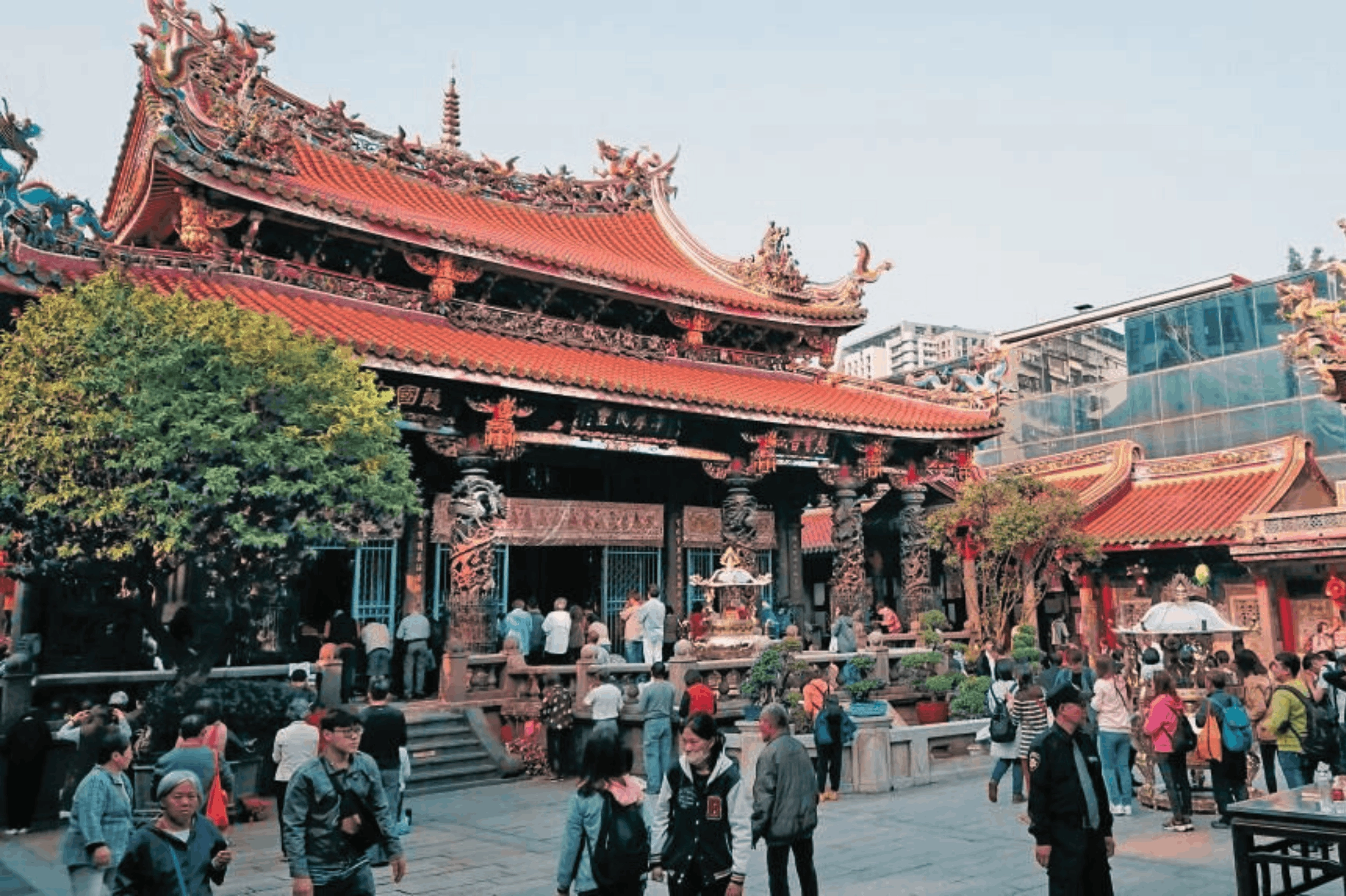
No journey to Xi’an is truly complete without a deep dive into the fragrant, bustling maze of the Muslim Quarter. Home to the Hui Muslim minority, this district is a sensory explosion where majestic mosques sit alongside antique boutiques and some of the world’s most unique street food.
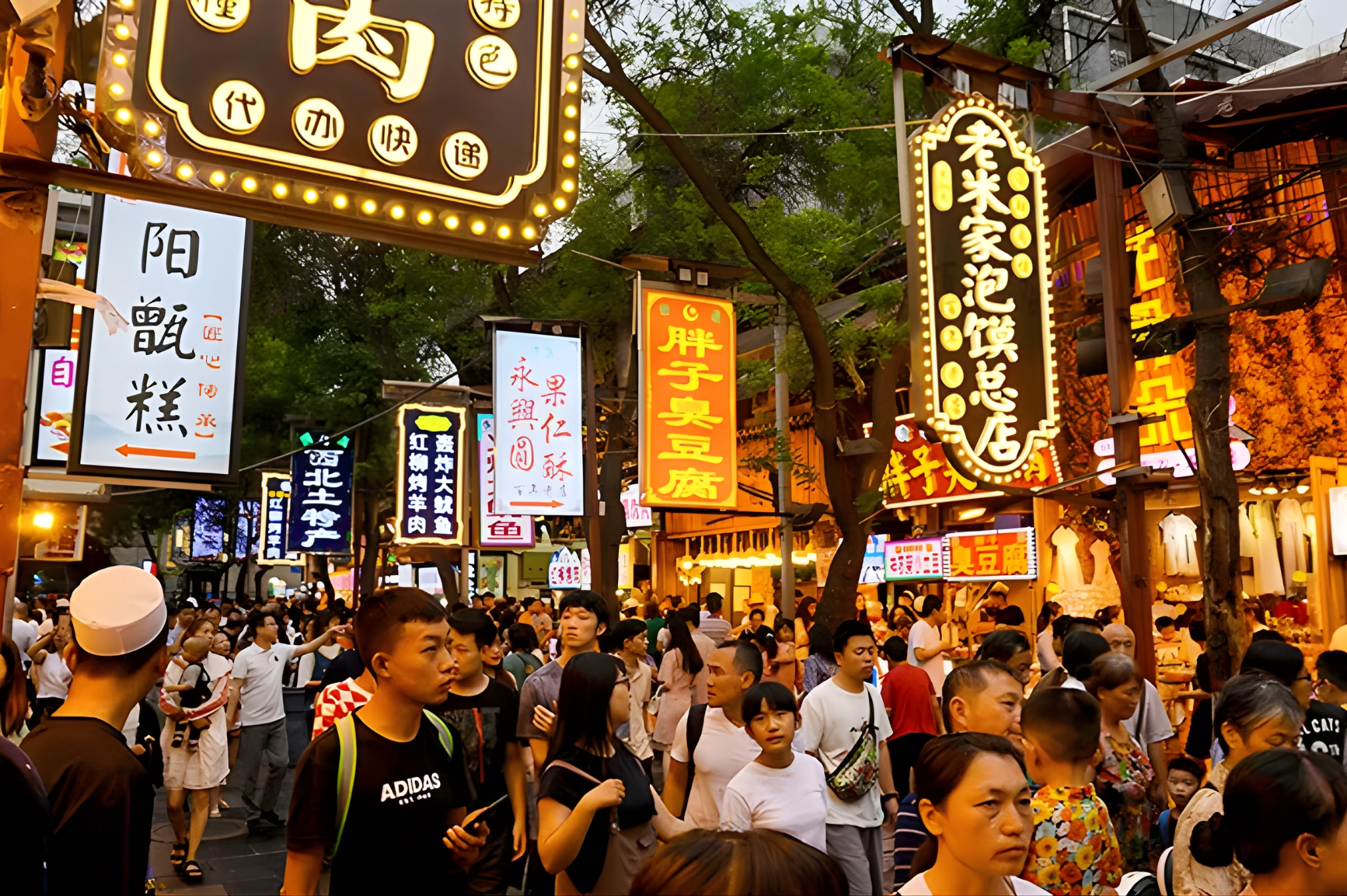
The flavors here are a living map of the ancient Silk Road, echoing the global influences that flowed into Chang’an during its golden age. Pro-tip: arrive with an empty stomach and an open mind.
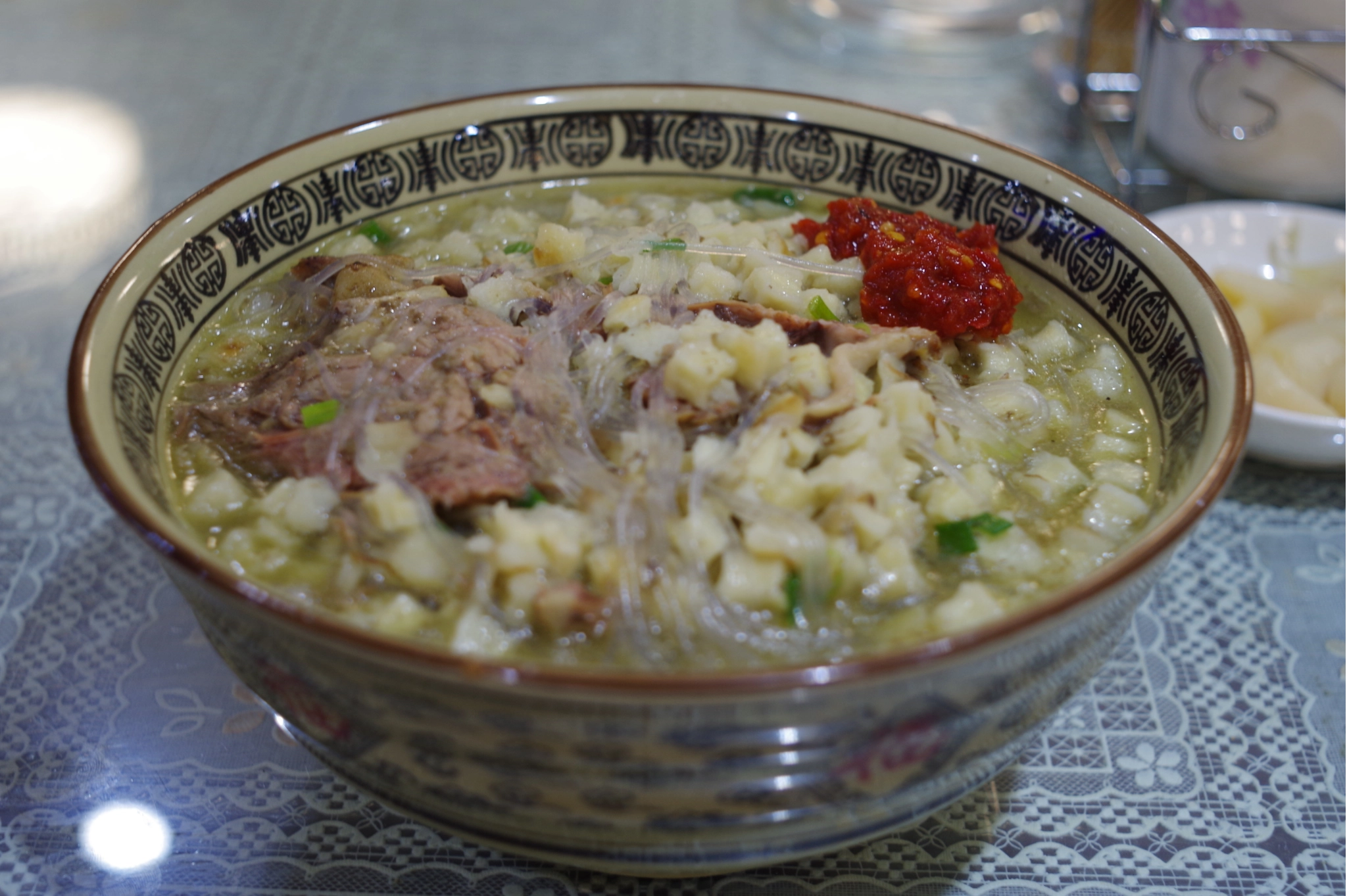
1. The Signature Soul: Yangrou Paomo (羊肉泡馍)
This isn't just a meal; it's an interactive ritual and a must-eat for any traveler in Xi’an.
- The Ritual: You’ll be given a bowl and a piece of unleavened flatbread called Mo.
- The Technique: You must autonomously break the bread into tiny, pea-sized pieces. The smaller you break them, the better the broth absorbs.
- The Completion: Once finished, the chef flash-cooks your bowl in a rich, spiced mutton broth with glass noodles.
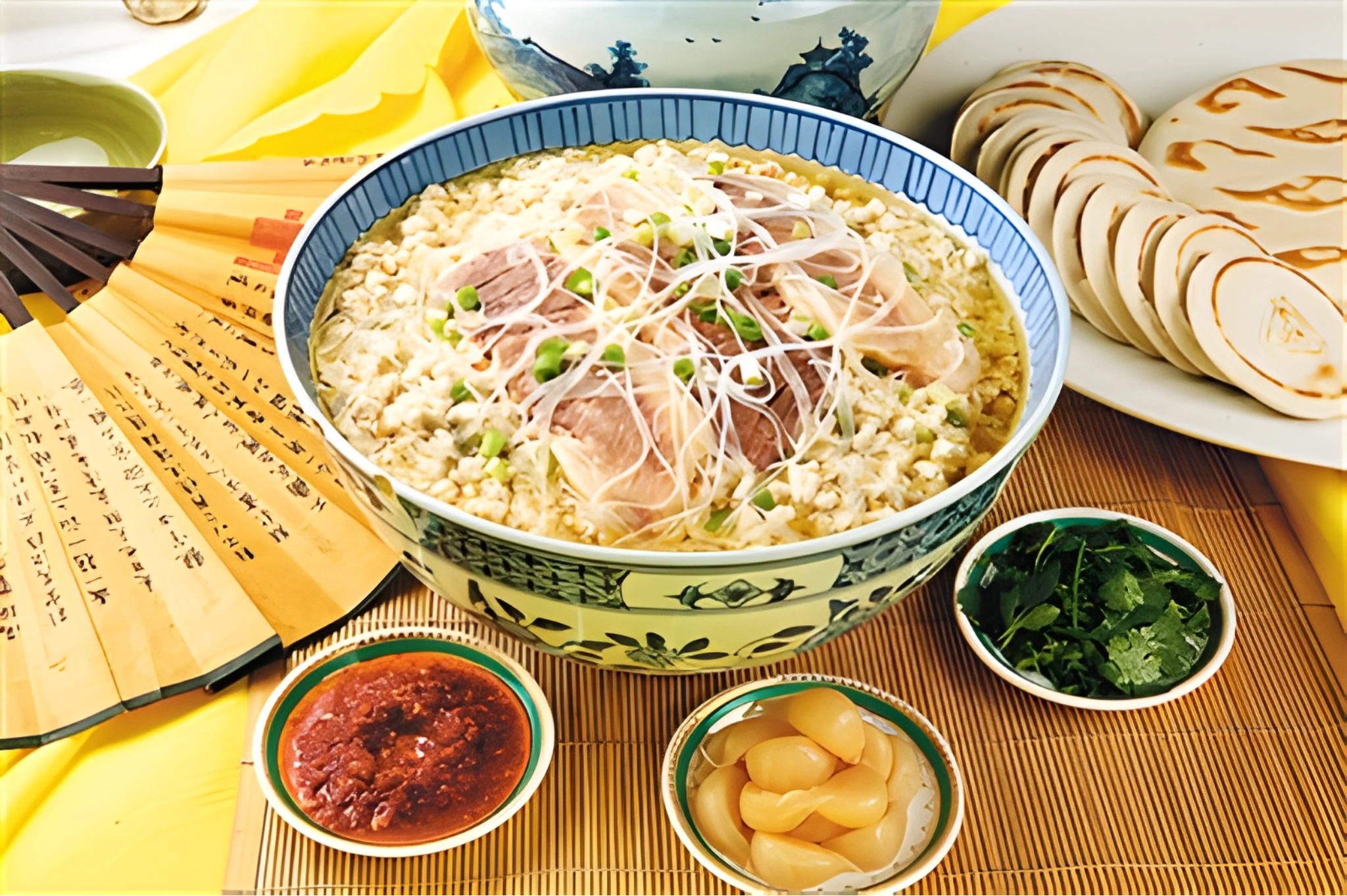
- Where to eat: Lao SunJia (老孙家) is the legendary spot for this authentic experience. If mutton is too bold for you, they offer a beef version as well.
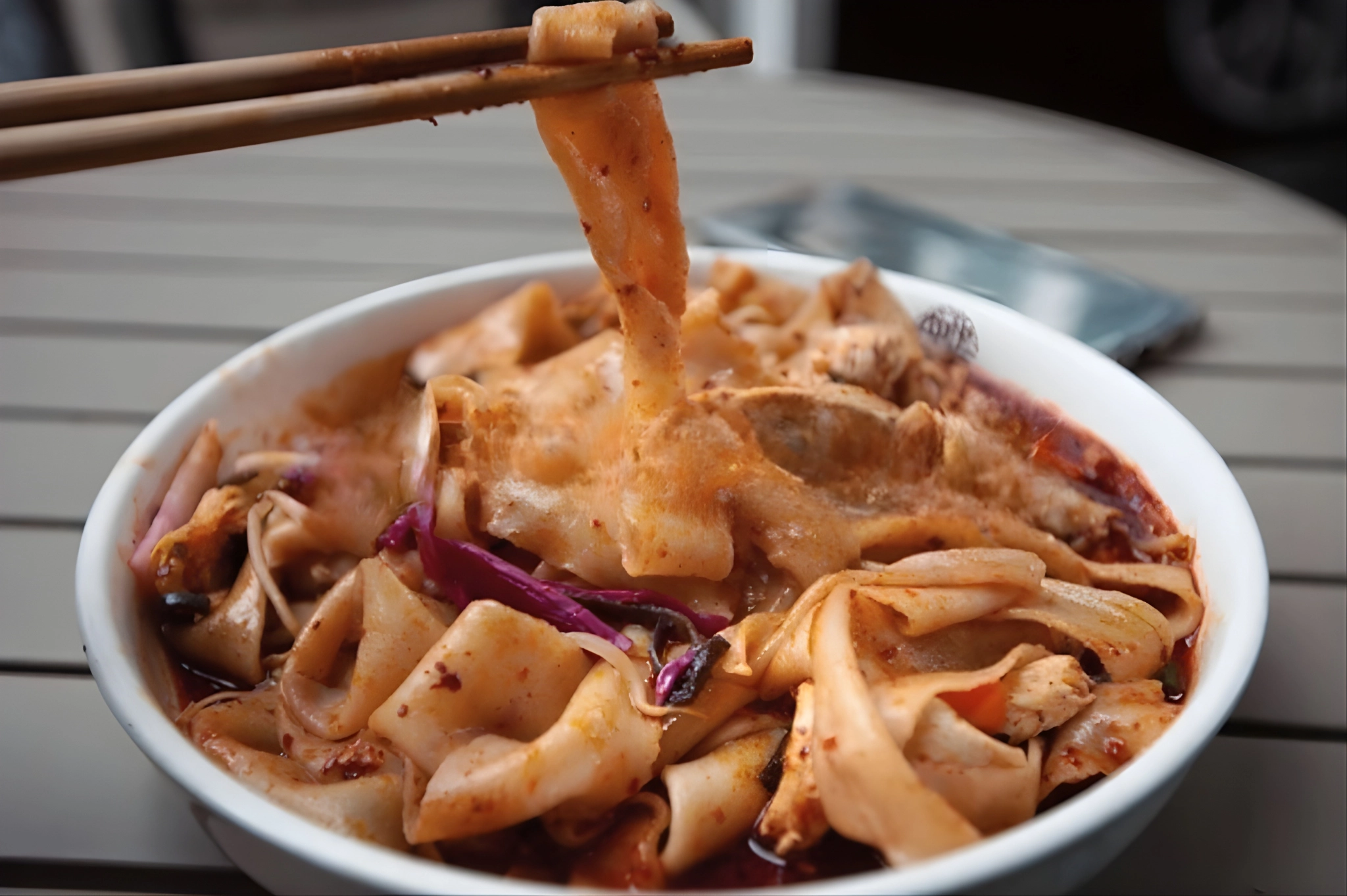
2. The "Biang Biang" Beat: Belt-Wide Thumped Noodles
These noodles are the undisputed stars of Chinese social media, famous for their incredible texture and cultural quirk.
- The Name: "Biang" is a perfect onomatopoeia, mimicking the sound of the chef slapping heavy dough against a wooden counter to stretch it.
- The Character: The "Biang" ideogram is celebrated as the most complex character in the Chinese language.
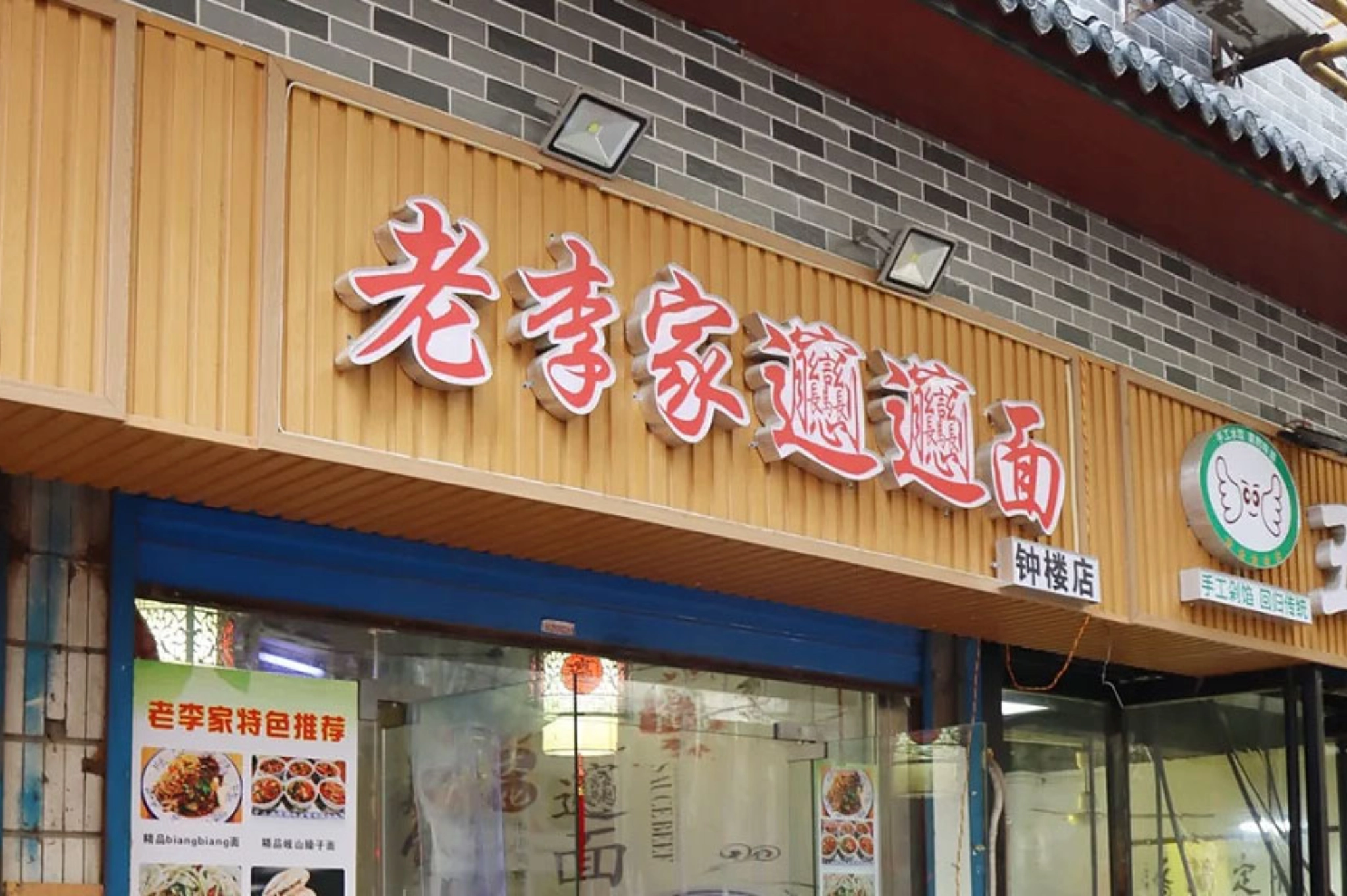
- Where to eat: Head to Lao Li Jia (老李家) to witness the rhythmic slapping of dough before you dig in.
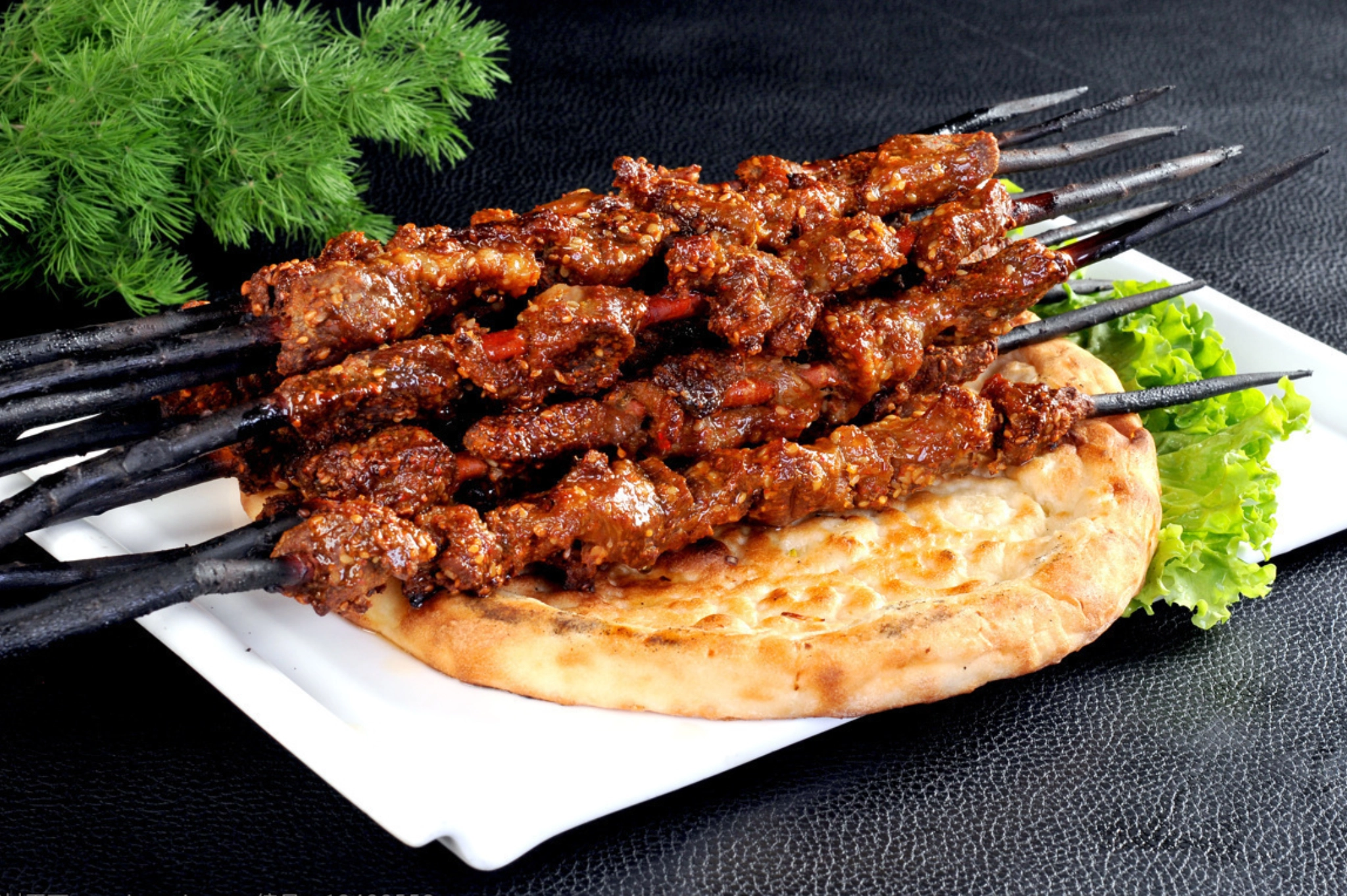
3. Sizzling Skewers: Red Willow Lamb (红柳烤肉)
This dish represents Xi’an as a historic meeting point of traditions. Originally from the Uyghur communities in the Xinjiang deserts, it has become a staple of the Muslim Quarter.
- The Difference: Unlike standard metal skewers, the lamb is threaded onto red willow branches.
- The Flavor: As it roasts over charcoal, the wood releases subtle aromatic oils that balance the bold cumin and chili.
- Where to eat: Look for the smoke at 軍娃烤肉 (Jun Wa Kaorou).
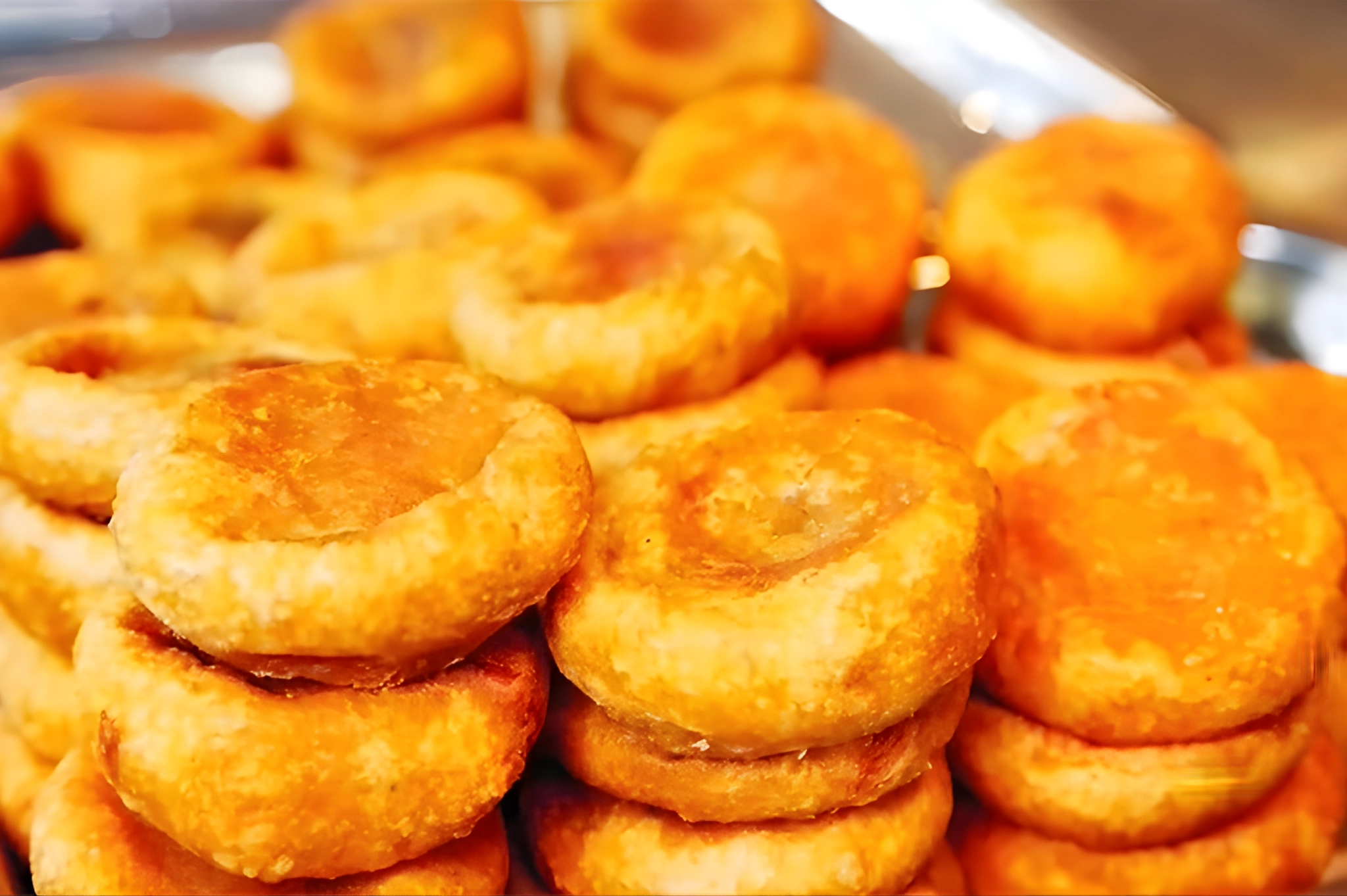
4. The Sweet Finish: Osmanthus Persimmon Cakes (黃桂柿子餅)
Born as survival food during a peasant uprising, these cakes embody the resilient spirit of Shaanxi, the region where Xi an is located.
- The Legend: Locals once offered these to rebel soldiers to keep them fueled during seasons of crop failure.
- The Taste: Made from Lintong’s famous Huojing persimmons, these treats are deep-fried until crispy on the outside and wonderfully creamy inside.
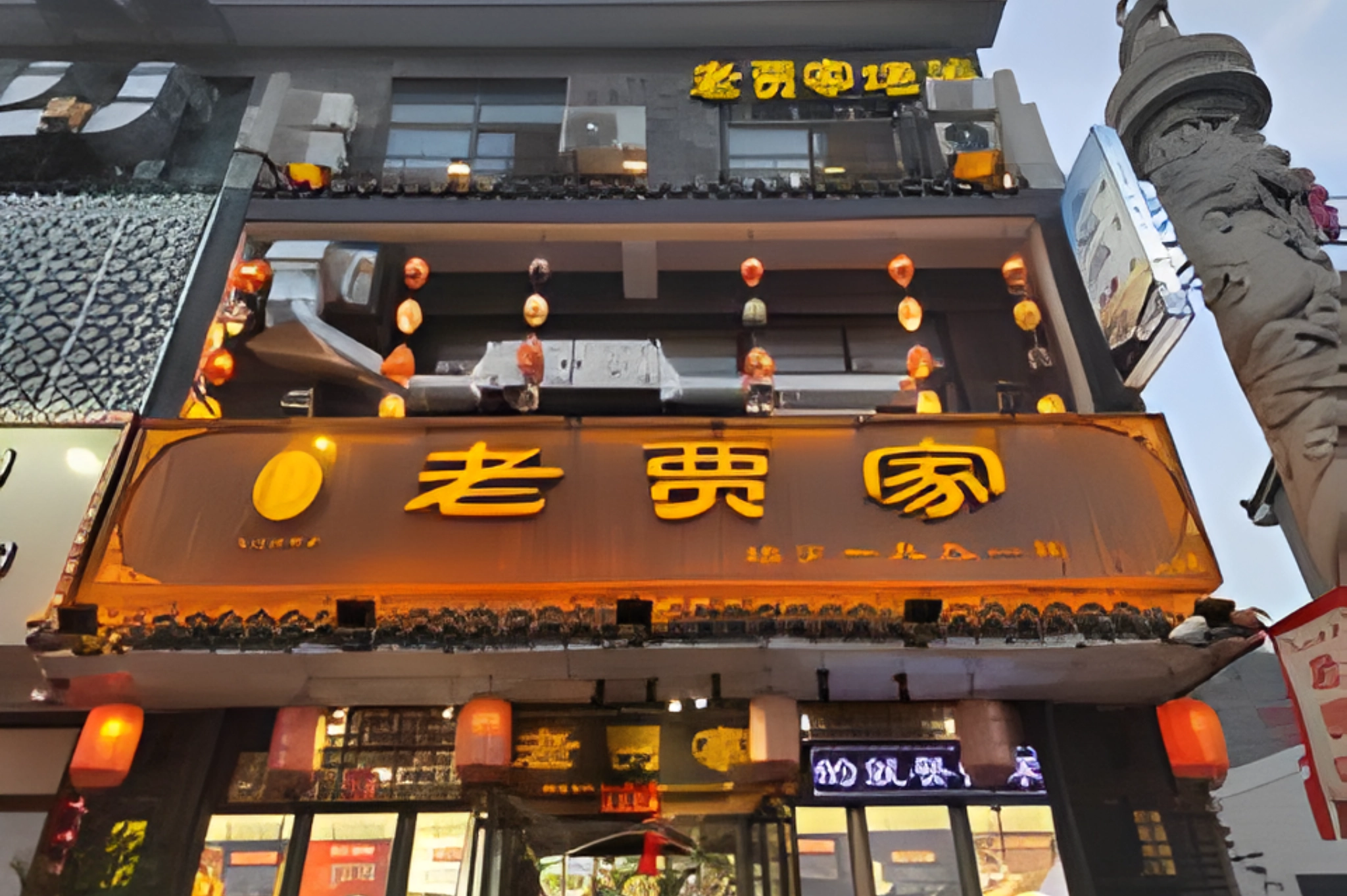
- Where to eat: Lao Jia (老贾家) is the go-to for these fragrant snacks.
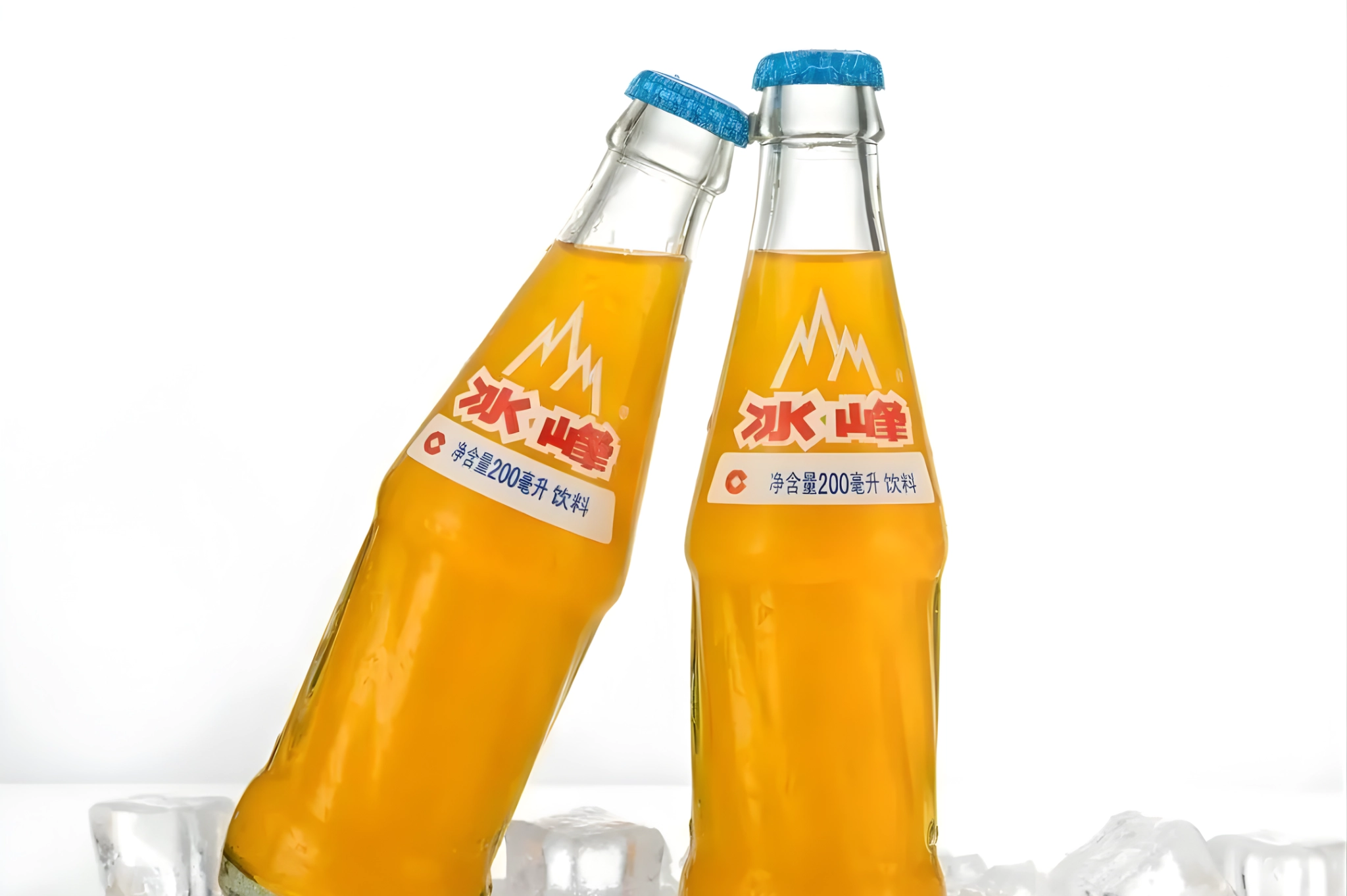
5. Pro-Tip: The "Xi’an Coke" (Ice Peak)
If the bold spices start to feel like a bit much, do as the locals do and grab a bottle of Ice Peak (冰峰).
- Local Icon: This bright orange soda has been made in Xi’an since 1953.
- The Reset: Sweet, fizzy, and ice-cold, it’s the perfect palate reset before diving into your next Silk Road dish.